



Login
Get Instant Pricing On 23,000+ Aircraft

>
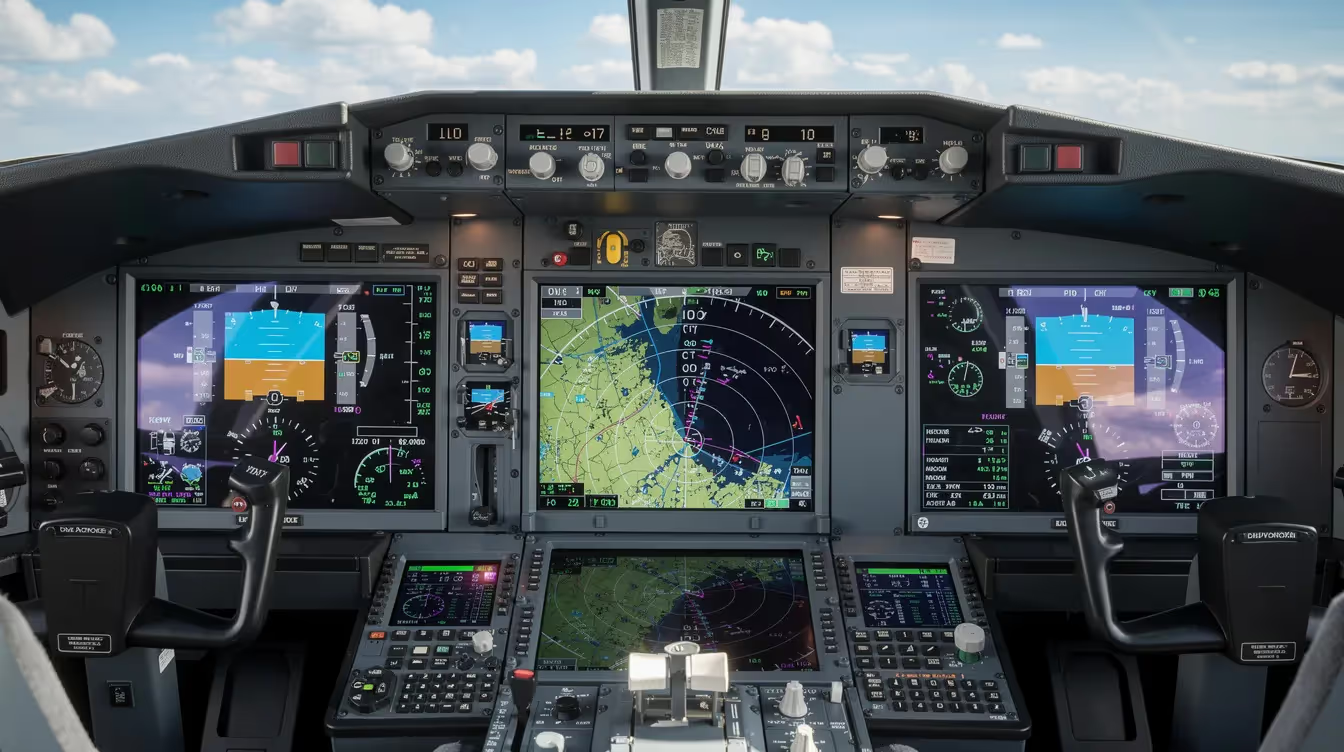
When people search for “small private plane cost,” they often have two very different scenarios in mind. Some want to know what it takes to buy and own an aircraft outright. Others simply want to understand how much it costs to charter a private flight when needed.
In 2026, post-pandemic demand for private aviation remains elevated, affecting both purchase prices for small aircraft and charter rates across the industry. Pre-owned piston singles have held value due to shortages of mid-time engines and mandated avionics upgrades, while charter providers continue to see steady bookings from business and leisure travelers seeking flexibility.
Jettly operates as a digital private jet charter marketplace, offering access to over 20,000 aircraft for on-demand booking with instant pricing and transparent costs. For those new to private aviation, turboprops and very light jets (VLJs) represent the most affordable entry point, making them ideal for budget-conscious buyers or charterers seeking lower costs for short regional flights. Very Light Jets (VLJs) are the most budget-friendly jets on the market, designed for efficiency and affordability, making them perfect for single-pilot operation and short-haul flights.
Light jets, such as the Cessna Citation Mustang and Embraer Phenom 100, offer a balance between luxury, comfort, and affordability, making them ideal for business trips or family getaways. Large jets, like the Dassault Falcon and Gulfstream G200, provide unparalleled luxury and performance, suitable for intercontinental travel, but come with higher purchase prices and operating costs. Single-engine aircraft are often chosen for their significantly lower cost and ease of operation, making them a popular option for private flying, especially among beginners.
This article compares two paths: buying and owning a small plane versus renting one through services like Jettly. Understanding the true small private plane cost helps travelers make smarter decisions based on how often they actually fly.
Buying a small plane (such as a Cessna 150/172 or Piper Cherokee) typically ranges from about $30,000 for older piston aircraft to $500,000+ for newer, fully equipped models.
Ongoing ownership costs can easily reach $16,000–$30,000+ per year once hangar fees, insurance, fuel costs, and maintenance costs are factored in. Total annual insurance premiums for small single-engine planes typically range between $1,200 and $3,000, with liability insurance costing between $500 and $1,200 annually.
Chartering a small private plane via platforms like Jettly starts around $300–$600 per flight hour for piston and turboprop aircraft, and $2,500–$4,000+ per hour for a light jet.
Empty leg flights are discounted one-way flights that occur when a charter jet must reposition for its next scheduled trip, offering significant savings for flexible travelers. These flights can save customers up to 50% or more, and in some cases up to 75%, on their private jet travel costs.
Travelers flying fewer than approximately 100 flight hours per year typically save money and avoid hassle by chartering through Jettly instead of owning.
For occasional business or leisure trips, on-demand charter converts fixed ownership costs into flexible, per-trip spending.
Chartering a private jet helps avoid the congestion and delays common at commercial airports, resulting in a faster and more streamlined travel experience.
Jet card programs provide prepaid blocks of flight hours at fixed hourly rates, offering cost savings and guaranteed availability for frequent flyers; Jettly’s jet card program with fixed hourly rates is designed for travelers who value predictable pricing and premium service.
Before diving into details, here is a practical comparison of what ownership and chartering look like in 2026.
|
Cost Factor |
Ownership (Used Cessna 172) |
Charter via Jettly |
|---|---|---|
|
Initial purchase price |
$150,000–$250,000 |
$0 |
|
Yearly operating costs (100 hrs) |
$10,000–$20,000 |
Pay per trip only |
|
2-hour regional trip |
Included in annual costs |
$1,000–$3,000 (turboprop) |
|
Same-day LA–Vegas (light jet) |
N/A (different aircraft class) |
$6,000–$9,000 total |
|
Flexibility |
Fly anytime you want |
Book on-demand |
|
Maintenance burden |
Owner responsibility |
Included in the charter |
Flying 200+ flight hours per year consistently
Passionate about piloting as a hobby
Want complete control over aircraft availability and configuration
Flying fewer than 100–150 hours annually
Occasional business or family trips
Prefer professional pilots and zero maintenance responsibilities
Value flexibility to choose different aircraft types based on trip needs
Fractional ownership allows multiple individuals to buy shares in an aircraft, providing each shareholder with a designated number of flight hours based on their investment. This option suits frequent flyers who desire some ownership benefits without full responsibility, and a detailed breakdown of fractional private jet ownership pros and cons can help clarify whether this structure makes sense versus charter or full ownership.
Jet card programs offer prepaid blocks of flight hours on specific aircraft types at fixed hourly rates, providing flexibility and cost savings for frequent flyers, and tools like Jettly’s jet card flight cost estimator help travelers forecast those expenses on specific routes.
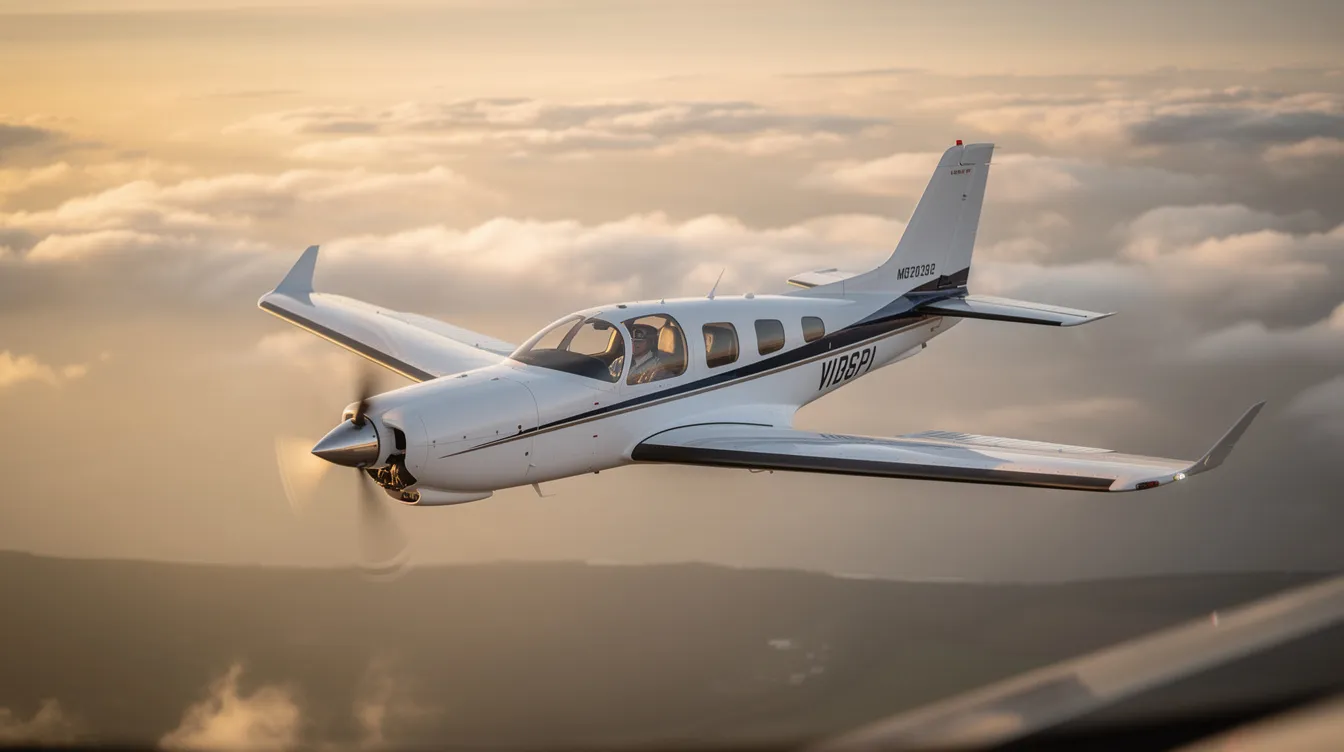
Small planes typically include single-engine planes like the Cessna 150, 152, and 172, the Piper PA-28 Cherokee, and more advanced models like the Cirrus SR22. The category extends to entry-level turboprops such as the Pilatus PC-12 and older King Air 90. Turboprops and very light jets (VLJs) represent an affordable entry point for those looking to access private aviation, offering lower purchase and operating costs while remaining practical for short regional flights. These private aircraft generally seat 2–6 passengers and suit short regional flights from smaller airports.
Here are typical 2026 purchase price ranges:
Cessna 150/152: Around $20,000–$45,000 for older used models; older, used single-engine propeller planes are generally the most affordable, costing between $15,000 and $100,000.
Cessna 172 Skyhawk: Roughly $80,000–$200,000 used; $400,000–$450,000+ new with modern avionics; new modern single-engine aircraft can exceed $400,000 in cost.
Piper PA-28 Cherokee: About $30,000–$80,000, depending on age and equipment
Cirrus SR22: Approximately $350,000–$900,000+ based on generation and parachute system
King Air 90 (turboprop): Often $800,000–$1.5 million pre-owned
Well-maintained older models can hold value better than modern vehicles, typically depreciating 5–20% annually. Missing or incomplete maintenance records can reduce an aircraft's market value by up to 50%.
Beyond the initial purchase price, buyers should budget an additional 10–15% for pre-buy inspections, state or provincial sales tax (5–10%), registration, and immediate maintenance or avionics updates. A small plane purchase that looks affordable can quickly become significantly more expensive once these hidden costs surface.
For travelers primarily interested in the travel benefit rather than the hobby of flying, Jettly’s on-demand private jet charter often represents a better financial fit than buying outright, and comprehensive guides to affordable private jet charter costs can further clarify how charter pricing compares with ownership.
New small planes offer warranties, modern glass cockpits, and lower initial maintenance requirements. However, they cost substantially more upfront. A factory-new Cessna 172 equipped with a Garmin G1000 avionics suite can approach or exceed $450,000 in 2026.
A well-maintained 1990s–2000s model of the same aircraft might trade between $120,000–$220,000, offering significant savings. Pre-owned aircraft require thorough pre-purchase inspections to check engine hours, corrosion, logbooks, and any prior damage history.
Key considerations for used aircraft buyers:
Pre-buy inspection costs: $1,500–$5,000 by an A&P/IA mechanic
Potential avionics upgrades (ADS-B Out, GPS): $10,000–$50,000
Interior refresh if needed: $5,000–$15,000
Engine time remaining before overhaul affects value significantly
What appears to be a cheap used aircraft can require tens of thousands in upgrades to meet current regulations and safety standards.
Most aircraft owners finance their small planes rather than paying cash. Understanding the full financing picture, plus ongoing storage costs, reveals the true ownership costs many buyers overlook.
Loan duration: 10–20 years
Interest rates: Approximately 5–7% fixed in 2026
Down payment: Typically 15–20%
Lenders assess credit score, aircraft use (personal vs. business), and pilot experience
Example: Financing $200,000 at 6% over 15 years with a 20% down payment ($40,000) results in monthly payments around $1,350, or roughly $16,200 annually. Over the loan’s life, interest adds approximately $50,000–$70,000 to the purchase price.
State/provincial sales tax: 5–10% depending on jurisdiction
FAA registration: $5 every three years (U.S.)
Some regions impose annual aircraft property taxes
Outdoor tiedown at rural airports: $50–$200 per month ($600–$2,400 yearly)
T-hangar at regional airports: $250–$600+ per month ($3,000–$7,200 yearly)
Metro areas like Los Angeles or Toronto: $800+ monthly with multi-year waitlists
Hangar storage reduces weather damage, corrosion risk, and can lower insurance premiums by 20–30%. Owners should also consider overnight costs and overnight fees when their aircraft requires storage or crew accommodations away from its home base during trips, as these additional expenses can increase the total cost of ownership—especially when compared with using a private jet charter cost estimator to understand all-inclusive charter pricing for similar missions.
Here is a realistic breakdown for a used Cessna 172 owner based at a regional airport flying around 100 hours per year:
|
Cost Category |
Annual Amount |
|---|---|
|
Hangar fees |
$3,000–$5,000 |
|
Insurance |
$1,000–$3,000 |
|
Loan payment (if financed) |
$12,000–$18,000 |
|
Taxes/registration |
$200–$1,000 |
|
Miscellaneous (charts, subscriptions) |
$300–$500 |
|
Total Fixed Costs |
$16,500–$27,500 |
These recurring costs accrue whether the owner flies 200 hours or 20 hours. For occasional travelers, chartering via Jettly eliminates this fixed-cost burden entirely.
Operating costs are divided into fixed expenses (paid regardless of usage) and variable expenses (increasing with flight hours). Maintenance costs, inspection costs, fuel costs, and insurance form the core of ongoing costs for aircraft owners.
Standard annual inspection for a single-engine plane: $750–$2,000
Complex or high-performance aircraft: Higher costs
Oil changes every 50 flight hours: $100–$200 each
Tire and brake replacements: Several hundred dollars annually
Battery, filters, and wear items: $500–$2,000 depending on usage
Cessna 150/152: 5–8 gallons per hour
Cessna 172: 8–10 gallons per hour
100LL Avgas price in 2026: $5–$8 per gallon
Hourly fuel burn cost: $40–$80 for typical pistons
100 flight hours annually: $4,000–$8,000 in fuel alone
Cruise speed also plays a significant role in fuel efficiency and total operating costs, as faster aircraft generally consume more fuel per hour.
Aircraft value and type
Pilot total hours and ratings (instrument rating reduces premiums)
Storage method (hangar reduces risk)
Claim history
Typical annual premiums range from $1,200 to $3,000 for small single-engine planes, with liability insurance costing between $500 and $1,200 per year.
Engines and propellers have Time Between Overhaul (TBO) limits, commonly 1,800–2,000 hours for piston engines like the Lycoming O-320.
Major engine overhaul: $20,000–$40,000
Propeller overhaul: $5,000–$10,000
Hot-section inspection (turboprops): $10,000–$20,000 every 1,800 hours
Aviation organizations like the pilots' association recommend setting aside $20–$50 per flight hour into a maintenance reserve fund. Avionics failures or mandated upgrades (ADS-B, GPS) can add tens of thousands over the aircraft’s life, significantly impacting the total cost of a small private plane, and these lifecycle costs are crucial when evaluating the best cross-country plane for your travel needs.
Anyone planning to fly their own private plane must budget for pilot training, licensing, and ongoing proficiency.
Private Pilot License (PPL): $10,000–$20,000 including aircraft rental, instructor time, exams, and materials
Instrument Rating: $5,000–$15,000 additional
Multi-engine plane rating: $5,000–$10,000 additional
Biennial flight review: $300–$600
Currency flights and simulator sessions: $500–$2,000 annually
Insurance-driven training requirements for complex aircraft
For frequent flyers who want private flight benefits without becoming pilots, chartering through Jettly includes professional ATP/CFI-certified pilots in every charter flight. This eliminates personal training expenses and time commitments entirely.
For many business and leisure travelers, chartering a small private plane proves more practical than ownership—especially when flying fewer than 100 flight hours annually. Charter costs convert fixed ownership expenses into variable, pay-per-use spending.
Single-engine piston aircraft: Cessna 172, Piper Cherokee
Turboprops: Cessna 208 Caravan, Pilatus PC-12
Very light jets (VLJs): Cessna Citation Mustang, Eclipse 500
Light jets: Embraer Phenom 100, Citation CJ series
Super midsize jets and long-range jets are also available for travelers who require more cabin space, extended range, and spacious cabins for longer trips or larger groups, and Jettly’s private charter aircraft directory showcases options across more than 20,000 jets worldwide.
Piston aircraft: $300–$600 per hour
Turboprops: $1,000–$2,000 per hour
Very light jet: $1,500–$3,000 per hour
Light jet: $2,500–$4,000+ per hour
Jet cards offer fixed rates and guaranteed aircraft availability for frequent flyers, providing a cost-effective alternative to on-demand charter, while private jet membership programs can unlock wholesale rates and added perks for both business and leisure travelers.
Minimum flight-time charges: Often 1.0–2.0 hours per leg
Landing fees: $100–$500, depending on the fees airports charge
Handling fees: $200–$800
Overnight crew expenses: $300–$500 per night
Federal excise tax and fuel surcharges: 5–10%
While commercial flights serve a broader network of airports at generally lower costs, private charters offer greater flexibility, comfort, and the ability to select aircraft with more cabin space and amenities, as outlined in comprehensive guides to private charter airlines and operators.
Jettly’s platform provides instant, itemized quotes showing a complete cost breakdown before booking—delivering the transparent pricing travelers need for budgeting, while tools like its airport locator for private jet charter help match trips to nearby airports, and its role as a NetJets alternative for flying private at lower cost appeals to those comparing against fractional ownership.
Weekend Leisure Trip: A family of four flying a turboprop from New York to Nantucket for a summer weekend. Approximate round-trip cost: $2,500–$5,000 total, including hourly rate, landing fees, and handling.
Same-Day Business Trip: Four to six executives flying a light jet from LA to Vegas for meetings and returning the same day. Total estimated cost: $6,000–$9,000. Per-passenger equivalent when split: $1,000–$2,250 each.
Empty leg flights can save customers up to 50% or more on their private jet travel costs, as they occur when a private jet needs to return to its base after dropping off passengers. Flexible travelers willing to adjust their schedules can take advantage of these discounted one-way repositioning flights, sometimes saving up to 75%, and dedicated tools for finding empty leg flights make spotting these deals far easier.
For many occasional travelers, these per-trip charter costs compare favorably against the $16,500–$27,500+ in annual fixed costs of ownership.
Learn more about Jettly’s charter options at https://www.jettly.com
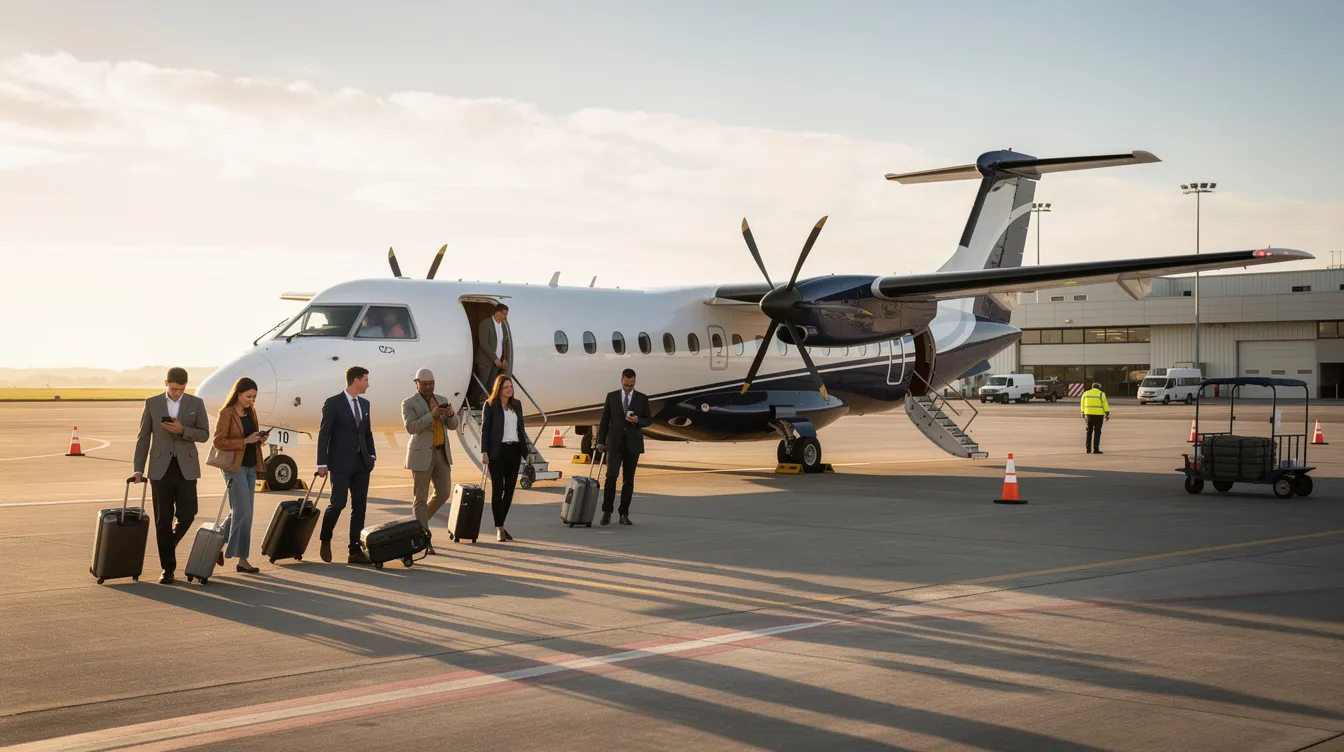
Travelers can access private aviation affordably through smart charter strategies rather than outright ownership, whether they’re booking private jet charter services in Kolkata or arranging private flights to and from New Delhi for business and leisure.
On-demand charter: Use Jettly’s marketplace to pay only when flying private
Right-size your aircraft: Book a piston or turboprop for short-haul flights and shorter flights where midsize jets or a heavy jet are unnecessary
Empty leg flights: Take advantage of aircraft positioning fees being waived on repositioning flights, saving 25–75% off standard rates, or use platforms that let you crowdsource private jet flights and share seats with other travelers to reduce your per-person cost
Avoid peak pricing: Booking outside holidays and major events prevents 20–50% premiums
Membership Benefits: Jettly memberships can lock in more predictable private jet charter prices, reduce per-hour rates, and add concierge services plus integrated ground transport, especially when combined with tips for booking the cheapest private jet flights, such as choosing smaller aircraft and flexible dates.
Environmental Considerations: Choosing efficient aircraft, consolidating trips, and selecting providers offering carbon offset options support more responsible private jet travel, and understanding how to buy a seat on a private jet via shared or semi-private options can also reduce your footprint per traveler.
For most non-pilot customers, these strategies deliver the benefits of flying private with far less financial risk than ownership. Fractional ownership programs start at $400,000–$750,000 for 1/16 shares plus $10,000–$20,000 monthly management fees—still costlier than pure charter for irregular travelers, and detailed guides to fractional jet ownership costs and FAQs can help determine whether such programs ever make sense versus charter or memberships.
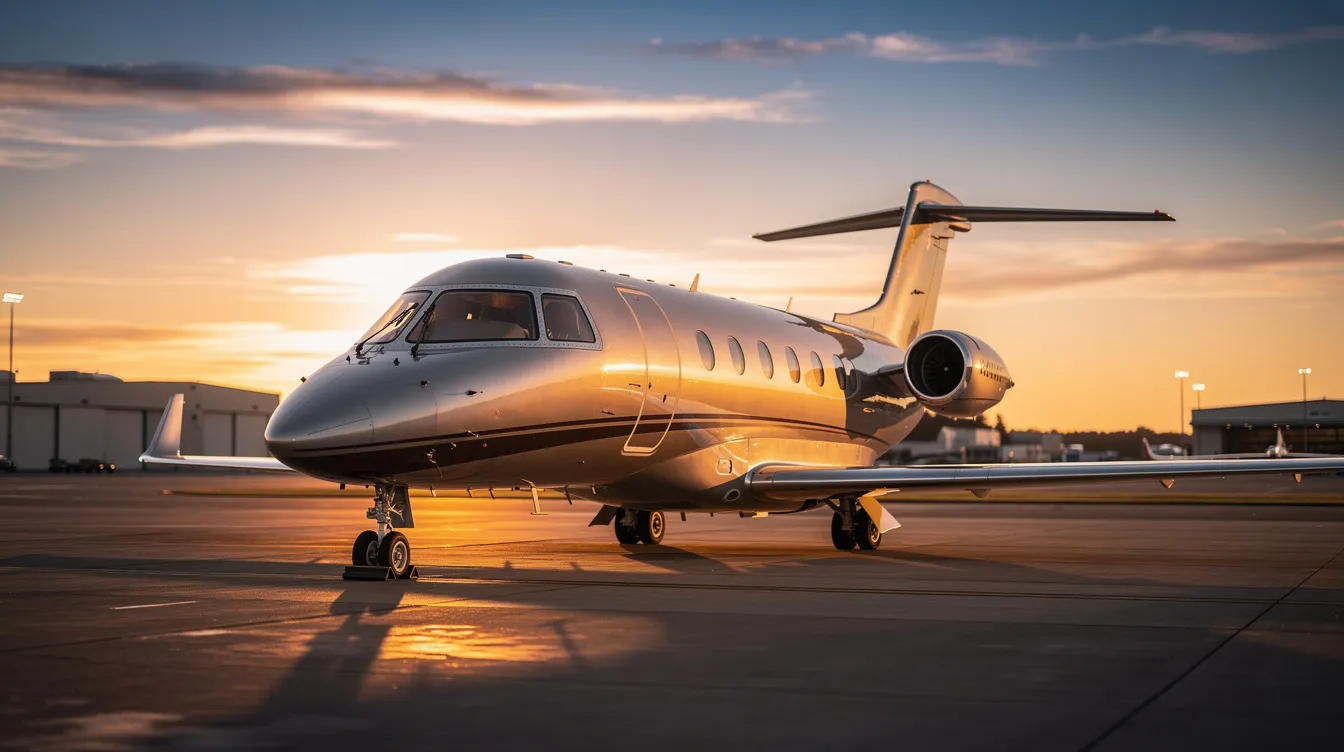
These FAQs address common questions about small private plane cost and chartering that extend beyond the main article coverage, complementing broader advice on how to get a seat on a private jet easily through memberships, flight-sharing, and last-minute deals.
Ownership only becomes cost-effective when flying very frequently—typically 200+ hours per year—and accepting full responsibility for maintenance, hangar fees, and training. For most individuals and companies flying occasionally, chartering via Jettly is usually cheaper overall because there are no fixed annual costs when the aircraft sits unused. Jettly’s instant-pricing tools help estimate charter spend compared to rough ownership budgets, and travelers should consider time, flexibility, and risk alongside direct costs.
Many charter company operators apply minimum billable flight times, commonly 1.0–2.0 hours per leg or per day for small aircraft, even if actual air time is shorter. Jettly’s quotes include these minimums upfront so customers see the true cost before booking. For very short hops, considering route pairing or multi-stop itineraries can improve value against those minimums—request a tailored quote through Jettly’s platform for accurate pricing on specific routes.
Many turboprops and specialized planes can handle short international routes—such as within Europe or between the U.S. and destinations like Mexico or the Caribbean—subject to range and regulatory requirements, and in-depth guides on flying private jets internationally explain permits, customs, and planning considerations. International flights typically add customs, handling, and overflight fees, increasing total trip cost by 20–50% compared to similar-distance domestic charter flights. Jettly’s platform accounts for these fees in pricing and can recommend aircraft types suited to specific cross-border trips, including access to smaller regional airports near destinations.
Booking several days to a few weeks in advance usually offers better aircraft availability and more competitive pricing, especially around holidays or major events when demand spikes. Jettly can often arrange flights on short notice, but last-minute requests may limit options and increase rates due to demand. Business travelers with fixed meetings should secure aircraft early, while flexible leisure travelers can sometimes score savings through empty leg opportunities.
Many companies treat legitimate business-use charter flights as deductible operating expenses, subject to local tax laws and proper documentation. Tax rules vary by country, state, and province, so businesses should consult their tax advisors for specific guidance. Chartering through Jettly provides clear invoices and flight records that assist with accounting and compliance—just ensure personal travel is separated from business travel when planning and recording private jet flight expenses for tax purposes.
Understanding the true small private plane cost requires looking beyond purchase price or hourly charter rates.
Buying involves not just the initial purchase price, but ongoing costs for financing, storage costs, maintenance costs, fuel, insurance, and training, easily reaching $16,500–$30,000+ annually
Chartering through Jettly converts fixed costs into flexible per-trip spending, ideal for individuals and companies flying under 100–150 hours yearly
Decisions should factor in time saved, flexibility, and total travel spend—not just hourly rates
Domestic charter flights and short regional flights often make more financial sense via charter than ownership for occasional travelers
The final cost of private aviation depends entirely on how frequently you fly
For most travelers, understanding small private plane cost leads to one clear conclusion: chartering delivers private aviation benefits without ownership burdens.
Experience private travel tailored to your needs. Discover available flights or get a personalized quote at https://www.jettly.com.
Share this post:
Jay Franco Serevilla
Apr 18, 2026
|
5
min read
Discover tips and trends in the industry.
5
min read
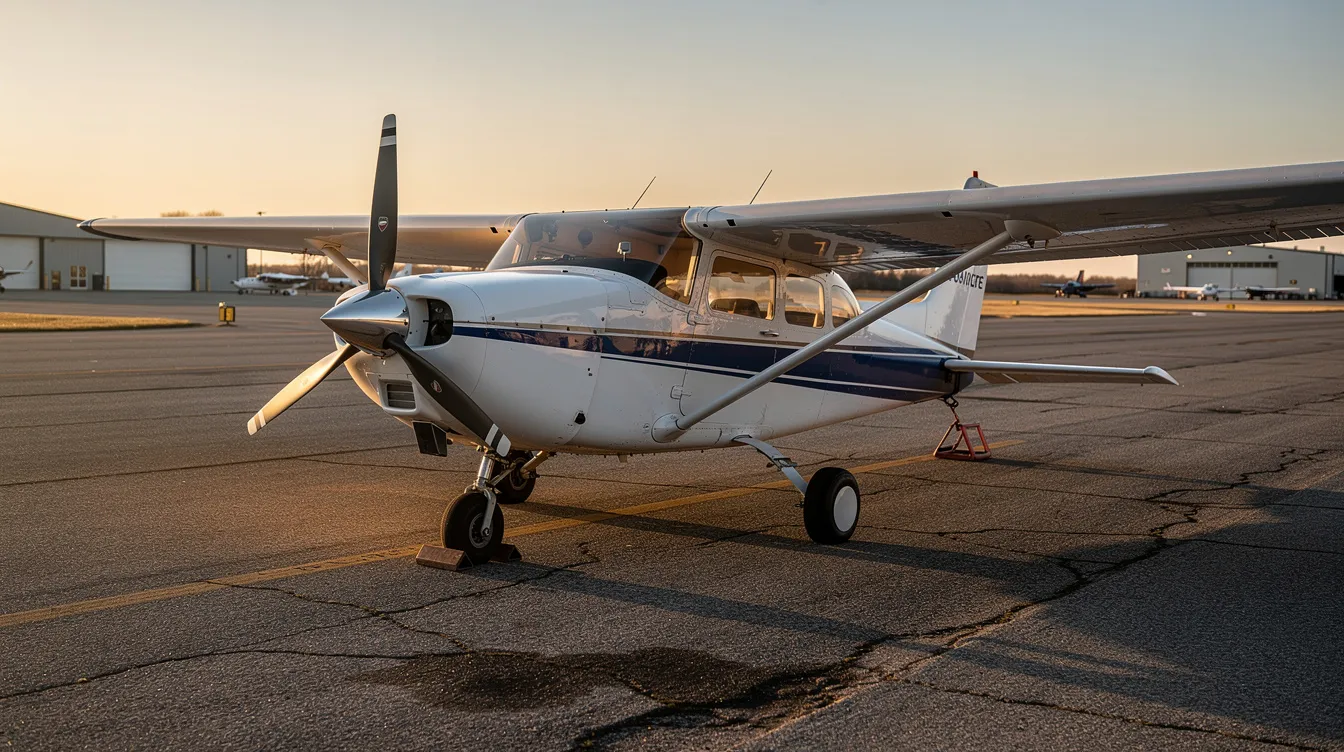
Lodi CA Airport Guide: Flying Into Lodi Airport (1O3) & Lodi Airpark (L53) with Private Charter
Lodi, CA, offers two primary airports for private flying: Lodi Airport (1O3) and Lodi Airpark (L53). This guide provides essential information for private pilots and charter travelers, detailing airport features, services, and nearby alternatives for efficient travel planning to the Central Valley's wine country.
Read More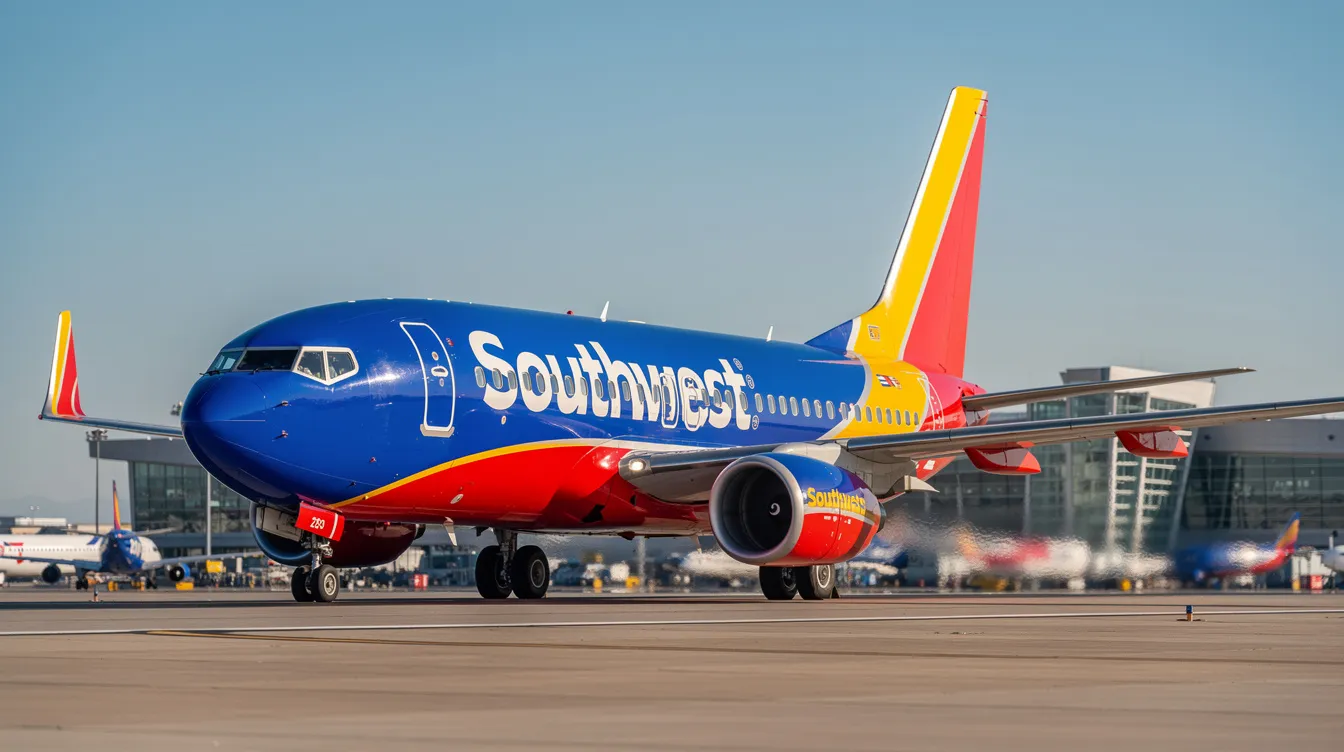
5
min read
SWA Southwest Airlines Reservations: How to Book, Manage, and Compare with Private Jet Travel
This guide explores the evolving landscape of Southwest Airlines reservations, detailing booking options, fare types, and policies. It also compares these with private jet travel alternatives, highlighting when chartering a jet might be the better choice. Whether you're a frequent flyer or new to private jets, this resource equips you with essential insights for your next trip.
Read MoreStay updated with our latest insights and tips to elevate your journey with us.
MEMBERSHIPS AND ASSOCIATIONS



Disclaimer: Jettly operates as a charter broker, offering access to a global digital jet charter marketplace. Jettly is not a direct air carrier and does not own or operate aircraft. All advertised flights are conducted by third-party air carriers that are fully licensed and hold the appropriate Part 135 or Part 121 certifications issued by the Federal Aviation Administration (FAA) or equivalent regulatory authorities under U.S. or foreign law. Jettly complies fully with the U.S. Department of Transportation's Part 295 and Part 298 Charter Broker regulations. Jettly does not carry additional liability insurance. Passengers are covered by aircraft operator insurance. TICO: 50023770


