


Login
Get Instant Pricing On 23,000+ Aircraft

>
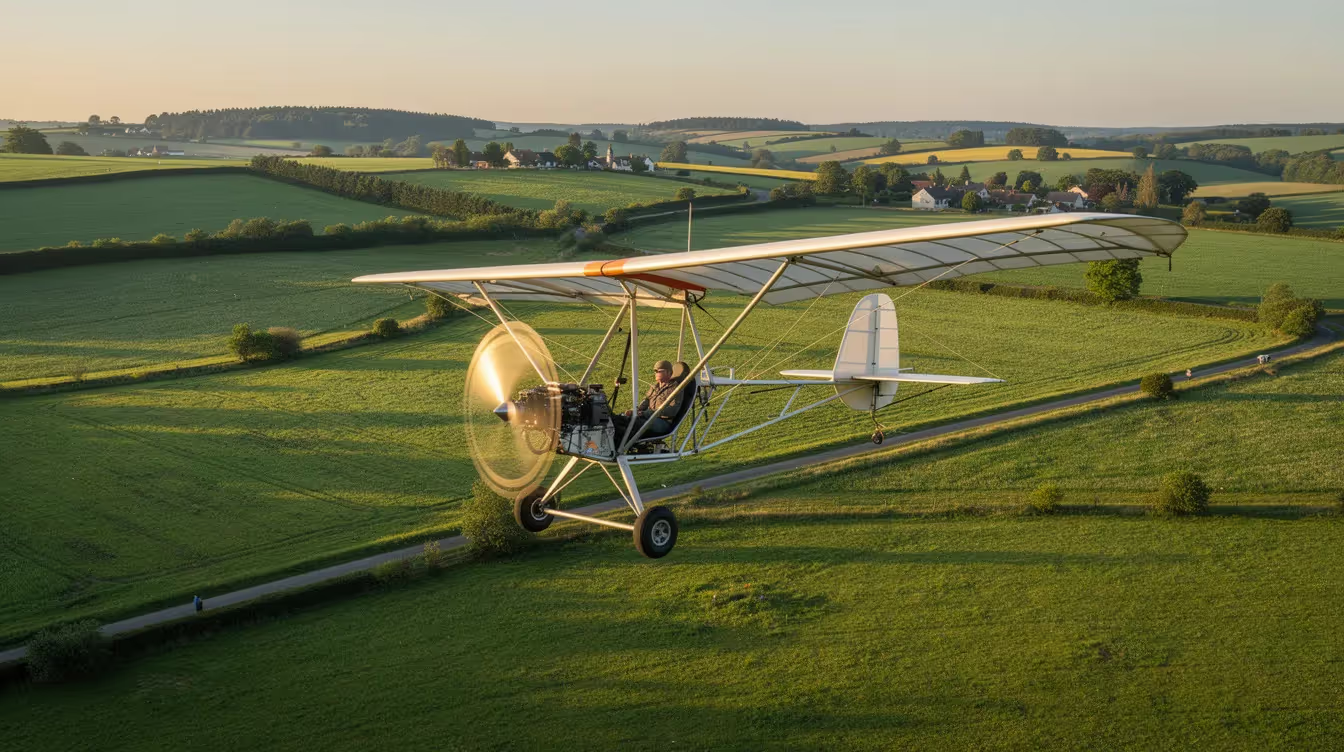
Single-seat airplanes are designed for the ultimate solo flying experience, prioritizing simplicity, affordability, and personal freedom in the air. They range from minimal ultralights requiring no license to high-performance experimental kits, each with unique advantages for aviation enthusiasts.
– These aircraft are engineered for just one pilot, minimizing weight and operational complexity.
– Part 103 ultralights can be flown without a license in the U.S., while larger or faster models require certification.
– Ownership costs are generally low compared to multi-seat aircraft, making them accessible for hobbyists.
– Popular models include the Aerolite 103, Hummel Ultracruiser, Phantom X1, and Sonex Onex, each offering different speeds, ranges, and construction styles.
– While ideal for local recreation, they are not suited for group travel or long-distance business trips.
A single-seat airplane represents the purest form of personal aviation—one pilot, one cockpit, and the freedom to explore the skies without the complexity of larger aircraft. These one-seat machines range from bare-bones Part 103 ultralights weighing under 254 pounds to sophisticated experimental amateur-built kits capable of cruise speeds exceeding 150 mph. What unites them is a design philosophy centered on simplicity, low operating costs, and the unique appeal of solo flight.
These aircraft are optimized exclusively for the pilot. By eliminating the ability to carry passengers, designers can minimize structural weight and streamline systems. The result is an airplane that most people can afford to own, operate, and in many cases, build themselves. Typical cruise speed for basic ultralights hovers around 55–65 mph, while sport aircraft like the Sonex Onex push 130–155 mph true airspeed. Ranges vary widely—from roughly 60–120 miles for fuel-limited ultralights to considerably longer for experimentals with 15-gallon tanks. Common powerplants include small engines like the Rotax 447/503 for lighter machines and the 80-horsepower AeroVee or Jabiru for higher-performance singles.
A single-seat airplane is a fixed-wing aircraft designed for a single pilot, ranging from minimalist Part 103 ultralights to high-performance experimental kits like the Sonex Onex.
In the U.S., true Part 103 single-seat ultralights can be flown without a pilot’s license, whereas heavier single-seat airplanes (experimental and LSA) require certification.
Concrete examples include the Sonex Onex, Aerolite 103, Hummel Ultracruiser, and Phantom X1—each offering different capabilities, costs, and regulatory requirements.
The Phantom X1 is a widely built ultralight aircraft, with over 2,000 units produced since 2000, known for its maneuverability and aerobatic capabilities.
Operating costs for small aircraft typically range from 3 to 5 gallons of fuel burned per hour.
Reviewing complete logbooks for used aircraft is essential for assessing maintenance history.
Ultralight aviation is defined as the flying of lightweight, 1- or 2-seat fixed-wing aircraft, with regulations on weight and speed varying by country.
Flying ultralight aircraft is restricted to certain airspace; for instance, flight in Class B, C, D, and E airspace requires clearance from Air Traffic Control (ATC).
Ultralight aircraft are generally lighter and come with stricter limitations compared to Light Sport Aircraft (LSA), which are typically heavier and offer more capabilities.
Jettly operates as a digital private aviation platform focused on multi-passenger charter flights; while we don’t broker ultralights, understanding them helps readers compare personal aircraft ownership vs. on-demand charter.
Safety, proper training, and understanding FAA regulations remain essential regardless of whether a license is legally required.
Of course, a single-seater excels at weekend recreation and local exploration—not at cross-country business travel or family vacations. For trips requiring multiple seats, higher speed, longer range, and all-weather capability, on-demand private jet charter through platforms like Jettly remains the practical choice, especially when you compare leading private jet charter companies and their services. Think of these categories as complementary rather than competing: one for the joy of personal flight, the other for efficient, comfortable travel with colleagues or loved ones.
The term “single seat airplane” serves as an umbrella covering several regulatory categories with very different rules and capabilities. Understanding these distinctions helps you determine which type might suit your goals, budget, and tolerance for regulatory requirements.
In the U.S., Part 103 defines the most accessible category. These single-seat machines must meet strict limits:
Maximum empty weight of 254 lb (115 kg)
Top speed of 55 knots (63 mph) in level flight
Fuel capacity capped at 5 gallons
Single occupant only
Daytime VFR operations in uncontrolled airspace
The reward for staying within these limits? No pilot’s license required, no medical certificate, no aircraft registration, and no airworthiness certificate. This regulatory carve-out makes ultralight aviation remarkably accessible for recreational pilots.
Aircraft exceeding Part 103 limits—such as the Sonex Onex or early Mini-Max models from Team Mini Max LLC—fall under experimental rules. These require FAA registration with an N-number, an airworthiness certificate, and at least a Sport Pilot or Private Pilot license. In exchange, you gain higher performance: faster speeds, larger fuel tanks, and greater payload capacity.
LSA regulations allow heavier, more capable machines limited to one pilot plus one passenger by definition. While most LSAs feature two seats, some pilots fly them solo. These require at least a Sport Pilot certificate and aircraft registration. Ultralight aircraft are generally lighter and come with stricter limitations compared to LSAs, which offer more capabilities and flexibility.
Single-seat aircraft extend beyond fixed-wing airplanes. Gyrocopters like the Mosquito XEL offer rotary-wing alternatives. Amphibious ultralights such as the Aventura UL—the only single-seat amphibious ultralight on the market—operate from both water and land while following similar weight restrictions. Even single-seat helicopters and gliders fall under this broad category.
Understanding the legal considerations before purchasing or flying any single-seat aircraft is essential. Rules vary significantly between countries, so always verify requirements with your local aviation authority.
For compliant single-seat ultralights, FAA regulations are remarkably permissive:
No pilot’s license required
No medical certificate
No aircraft registration or airworthiness certificate
Daytime VFR operations only
Operations primarily in Class G (uncontrolled) airspace without ATC clearance
Explicit limits: 254 lb empty weight, 55 knots maximum speed, 5 gallons fuel capacity
Flying ultralight aircraft in Class B, C, D, and E airspace requires clearance from Air Traffic Control (ATC)
This freedom comes with responsibility. Operators bear full accountability for airworthiness, and the FAA takes violations seriously. Flying a two-seater or overweight machine under Part 103 exemptions can result in fines or imprisonment.
Single-seat airplanes exceeding these limits are treated as experimental or LSA. They must be registered, display an N-number, hold an airworthiness certificate, and be flown by a licensed pilot. Sport Pilot certification applies to many LSAs, while some experimental aircraft require a Private Pilot or higher rating.
When planning cross-border trips in chartered aircraft, tools like Jettly’s airport locator and global charter platform help identify suitable airports and operators in each region.
Europe’s EASA microlight or ULM categories permit 450–600 kg maximum takeoff weight with required national licenses and training
Canada’s Transport Canada rules mirror U.S. weight limits with some variations
Always check local requirements before operating
Jettly-chartered aircraft operate under appropriately certificated commercial operators with professional crews, rigorous inspections, and IFR capabilities, positioning the platform as a compelling NetJets alternative with flexible, on-demand access. This contrasts sharply with the self-regulated world of personal ultralight aviation.
Real-world examples illustrate what single-seat airplanes look like, how much they cost, and how they perform. The models below are provided for educational context rather than endorsement.
This factory-built, ready-to-fly single-seat ultralight was revived around 2013 with a professionally assembled airframe available in customizable colors. Historically priced at USD 18,000–20,000, it features a 5-gallon fuel tank and cruises around 55 mph. Its empty weight hovers near the 254-pound Part 103 limit, making it one of the few turnkey options meeting FAR Part 103 requirements without kit-building.
Introduced in the early 2000s, the Ultracruiser stands out as one of the few all-metal designs compliant with FAR Part 103. Constructed from riveted aluminum, it offers durability and low maintenance compared to tube-and-fabric alternatives. Cruise speed runs 55–65 mph, and homebuilders often complete the kit themselves.
The Phantom X1 is a classic high-wing ultralight available in pusher- or tractor-configured models. Since 2000, over 2,000 units have been produced, making it one of the most widely built ultralights. It is known for its maneuverability and aerobatic capabilities, appealing to sport pilots who enjoy dynamic flying. The Phantom X1 can be purchased fully built or as a kit, with an estimated assembly time of around 40 hours.
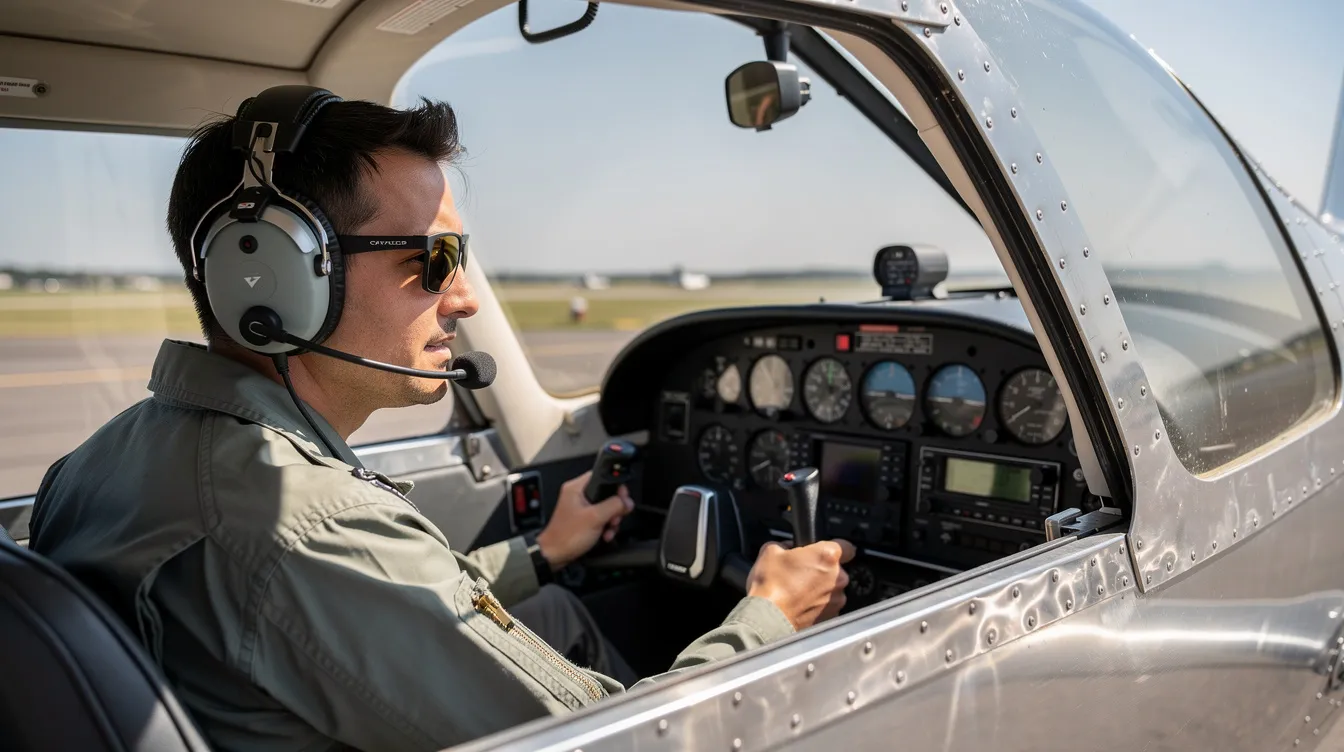
First delivered in the 2010s, this single-place, all-metal experimental kit represents high-performance single-seat flying. Features include:
Folding wing design retractable in about 30 seconds per wing
Powered by engines like the 80-hp AeroVee
Cruise speed of 135–155 mph TAS, depending on altitude
Stall speed of 45 mph with full flaps
15-gallon fuel capacity
Aerobatic limits of +6.0/-3.0 Gs
The Onex requires Sport or Private Pilot licensing and represents a project investment of USD 35,000–60,000+, depending on avionics and engine choice.
The Mosquito XEL single-seat helicopter demonstrates that single-seat aircraft extend beyond airplanes. Float-equipped with about 1-hour endurance, it’s historically priced in the tens of thousands and offers a completely different flying experience.
The design philosophy behind single-seat airplanes prioritizes keeping weight low, structure simple, and systems minimal while maintaining adequate strength and safety margins. Every extra gram of weight matters when Part 103 limits the empty weight cap to 254 pounds.
Construction approaches vary widely:
Aluminum tube-and-fabric remains common for traditional ultralights like the Aerolite
All-metal riveted structures using 6061 aluminum appear in aircraft like the Hummel Ultracruiser and Onex
Composites increasingly appear in newer designs, saving weight and improving aerodynamic efficiency
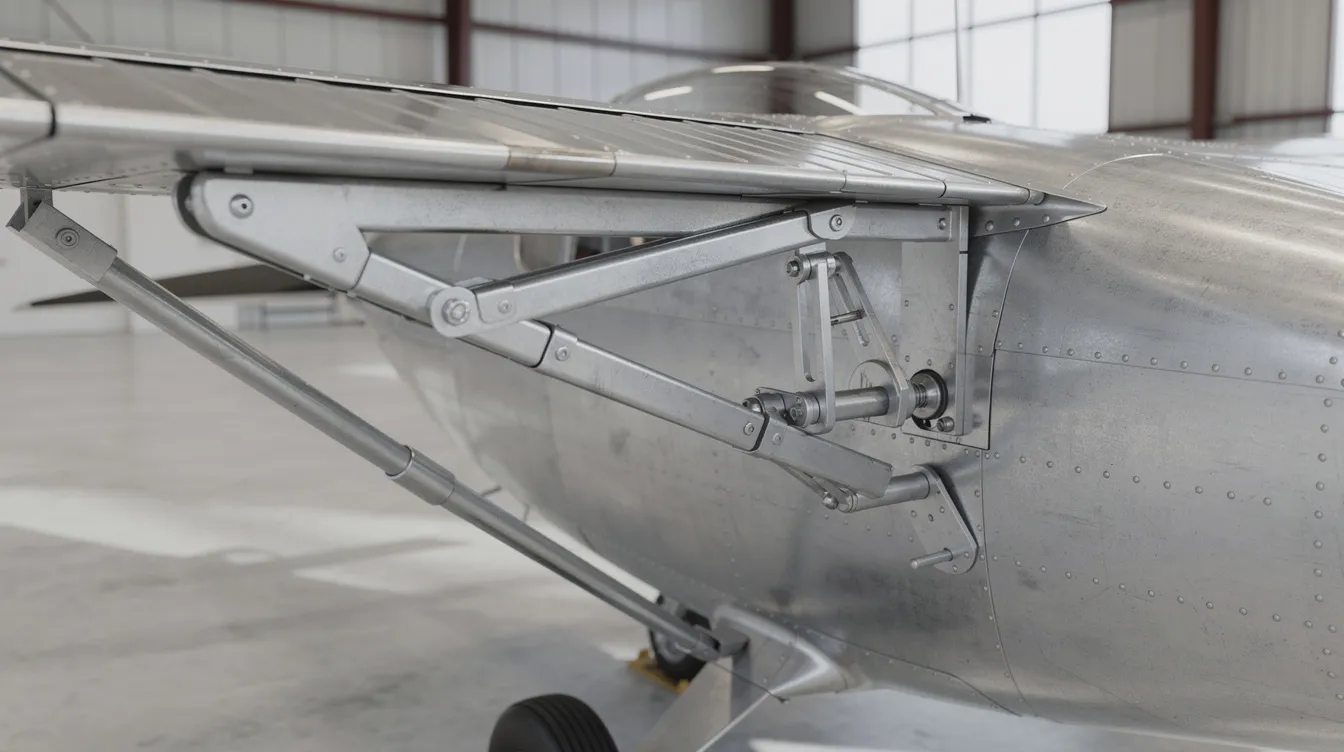
The folding wing design pioneered by aircraft like the Sonex Onex allows storage in a standard garage or T-hangar and easy trailering. Hand-operated releases and locking pins enable one person to fold or deploy wings in about 30 seconds per side. The Onex spans 20 feet unfolded, but narrows to 94 inches folded—under 8 feet tall for garage compatibility.
Common engine options include:
|
Engine Type |
Typical HP |
Aircraft Category |
|---|---|---|
|
Rotax 447/503 |
40–52 hp |
Part 103 ultralights |
|
AeroVee |
80 hp |
Experimental singles |
|
Jabiru 2200 |
80–100+ hp |
High-performance experimentals |
|
Operating costs for small aircraft typically range from 3 to 5 gallons of fuel burned per hour. Full fuel in a 5-gallon tank gets you 1–2 hours of flight time with reserves. |
||
Options include fixed tricycle or taildragger setups. Aluminum wheels with hydraulic brakes provide reliable stopping power. Some pilots opt for wheel pants to reduce drag, while wide tundra tires allow operations from grass or unimproved strips. Floats enable water operations for amphibious models.
Single-place cockpits are optimized for one adult, with features like adjustable rudder pedals and shoulder room of around 27 inches in the Onex. Basic setups use analog instruments—an airspeed indicator, altimeter, and engine gauges—while higher-end experimentals offer glass avionics upgrades.
A ballistic parachute system (BRS) mounted above the cockpit or in the fuselage adds weight but significantly improves survivability in emergencies. Four-point harnesses and fire-protected propulsion in Kevlar-reinforced cells appear in some designs from companies like RANS.
Acquisition costs for single-seat airplanes span a wide range:
|
Category |
Typical Cost Range |
|---|---|
|
Basic used ultralights |
Under USD 10,000 |
|
New Part 103 singles (Aerolite, Hummel kits) |
USD 15,000–30,000 |
|
High-performance experimentals (Onex) |
USD 35,000–60,000+ |
Kit-built options slash costs but require time investment—anywhere from a few dozen to several hundred hours, depending on complexity. You’ll need tools, workspace, and mechanical aptitude. Factory-assembled or ready-to-fly options cost more but deliver immediate flying capability.
Hangar or tiedown fees: USD 100–300/month typically
Fuel burn: 3–5 gph at $5–6/gallon equals $15–30 hourly direct operating cost
Insurance: Often limited availability for ultralights and experimentals
Maintenance: Owner-performed for experimentals with a repairman certificate
Reviewing complete logbooks for used aircraft is essential for assessing maintenance history and ensuring safe operation.
Ultralights evade formal inspection schedules but demand rigorous preflight diligence. Experimental aircraft require annual condition inspections that owners can perform themselves with proper certification.
Pilots and travelers weighing personal aircraft ownership against on-demand hiring capacity may also consider affordable airplane rental options and cost structures as an intermediate step.
A single-seat airplane proves economical for solo weekend flying—potentially $20–50 per flight hour all-in, especially when compared with the broader costs of owning and operating private jets. However, these aircraft cannot replace chartering a multi-seat jet or turboprop for long-distance travel with colleagues, family, or luggage. Jettly’s pay-per-trip model makes more sense when you need speed, capacity, and reliability, and can be complemented by private jet membership options that unlock wholesale charter rates or a jet card flight cost estimator for one-way routes.
Before committing to ownership, consider how often you actually fly solo, your available time for maintenance, and your tolerance for weather delays. Infrequent flyers face sunk costs that may exceed the costs of occasional charters.
Although many single-seat ultralights can be flown without a formal pilot’s license, proper training with a qualified instructor is strongly recommended. The accident rate for untrained pilots far exceeds that of those with formal instruction.
Since solo-only aircraft cannot carry an instructor, the typical path involves:
Dual instruction in a similar two-seater trainer (ultralight, LSA, or small GA plane like a Cessna)
Ground school covering aerodynamics, weather, and regulations
Simulator training for emergency procedures
Supervised transition to your single-seat machine
Conservative weather decision-making (VFR conditions are mandatory)
Strict adherence to weight and balance limits
Thorough preflight inspections before every flight
Regular maintenance checks, regardless of legal requirements
Engine setups tuned for dependability over maximum power
A parachute system adds survivability. High-visibility paint schemes and strobe lights improve conspicuity. Joining organizations like the Experimental Aircraft Association (EAA) provides access to mentorship, safety seminars, and technical support.
Aircraft chartered through platforms like Jettly operate under commercial air operator regulations with professional crews, regular inspections, and rigorous operational procedures—a different safety paradigm than self-managed ultralight flying.
Single-seat airplanes excel at low-cost, local, solo flying. Private jet charter shines for fast, comfortable, multi-passenger travel across regions or continents. These serve fundamentally different purposes.
|
Factor |
Single-Seat Airplane |
Jettly Charter |
|---|---|---|
|
Seating |
1 pilot only |
4–14 passengers |
|
Cruise Speed |
55–150 mph |
400–500+ mph |
|
Range |
Tens to hundreds of miles |
Hundreds to thousands of miles |
|
Weather Capability |
VFR only |
Fully IFR-equipped |
|
Pilot |
Owner/operator |
Professional crew |
Jettly’s digital platform provides instant pricing through a private jet charter cost estimator and access to a global fleet of over 20,000 aircraft—from light jets and turboprops to long-range business jets. Users book on-demand trips without committing to jet cards or fractional ownership programs.
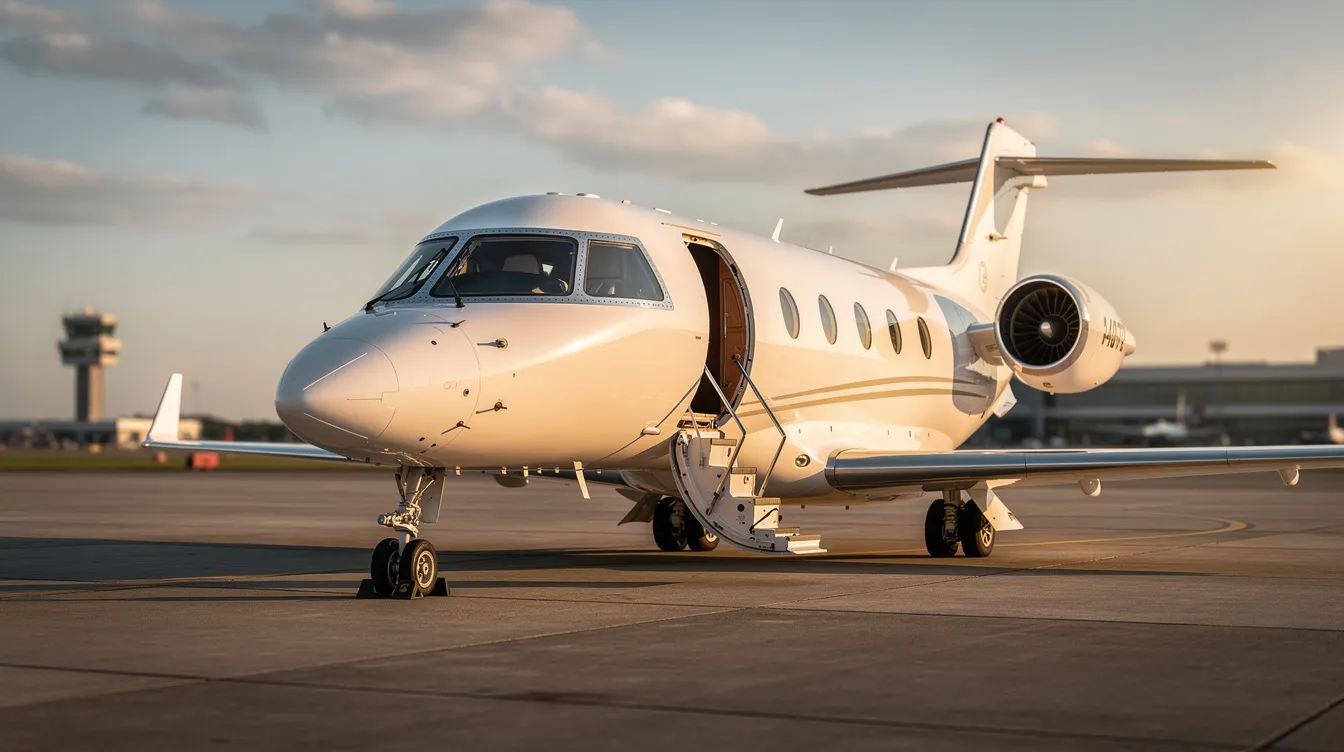
An aviation enthusiast might enjoy a single-seat ultralight for weekend local flights while relying on Jettly for time-sensitive business trips, family vacations, or flights into major airports with strict slot controls, whether through shared charter flights or full charters, or after exploring practical ways to easily get a seat on a private jet. These options complement rather than compete.
Jettly does not broker ultralight or single-seat sport aircraft flights. We focus on professionally operated, multi-passenger aircraft that comply with commercial air operator regulations, similar to the operators highlighted in our comprehensive guide to charter airlines and private flight options, and on our insights into booking the cheapest private jet flights through smart strategies.
If you’re weighing the purchase of a single-seat airplane, consider it primarily as a hobby or personal transportation tool. View Jettly-style charter as a complementary option when speed, comfort, capacity, and schedule reliability are critical.
Yes, under FAA Part 103, a single-seat ultralight meeting strict limits—254 lb empty weight, 55-knot max speed in level flight, 5-gallon fuel capacity, single occupant only, daytime VFR—may be flown without a pilot’s license, medical certificate, registration, or airworthiness certificate. However, if any limit is exceeded, the aircraft no longer qualifies as a Part 103 ultralight, and standard pilot licensing and aircraft certification rules apply. Even when not legally required, training remains essential for safe operations.
Most Part 103 ultralights offer 1–2 hours of flight time, depending on engine efficiency and throttle setting, constrained by the 5-gallon fuel limit. This translates to roughly 60–120 miles of practical range at cruise speeds around 50–60 mph, accounting for a safety fuel reserve. Higher-performance single-seat experimentals like the Onex fly considerably farther due to larger fuel tanks and higher cruise speeds, but require licensing and certification.
For purely local, solo recreational flying, owning a basic ultralight can be far cheaper per flight hour than chartering any private jet. However, factoring in purchase price, maintenance, storage, insurance, and your time changes the calculation—especially for infrequent flyers. Jettly’s charter model serves a completely different use case: fully crewed aircraft with multiple seats, high speed, and long range for business travel, family trips, or group flights.
While some pilots use a single-seat airplane for short solo hops, these aircraft generally aren’t practical for most business travel due to limited speed, range, payload, and weather capability. You cannot carry colleagues or clients in a true Part 103 ultralight. For serious business itineraries, professionally operated charter options available through Jettly can reliably transport teams, luggage, and equipment between major and regional airports.
No. Part 103 ultralights and many experimental single-seat airplanes are not certified to the same stringent design, maintenance, and operational standards as commercially operated jets and turboprops. Safety depends heavily on builder workmanship, maintenance discipline, pilot training, and conservative decision-making rather than regulatory oversight. Jets chartered via platforms like Jettly are flown by professional crews under commercial air operator regulations mandating regular inspections, crew training, and rigorous operational procedures.
What are the main regulatory differences between Part 103 ultralights and experimental single-seat airplanes?
Part 103 ultralights have strict weight and speed limits, require no pilot's license or aircraft registration, and are limited to daytime VFR in uncontrolled airspace. Experimental single-seat airplanes exceed these limits and require FAA registration, an airworthiness certificate, and at least a Sport or Private Pilot license.
How much does it cost to own and operate a single-seat airplane?
Entry-level used ultralights can cost under $10,000, while new kits or factory-built singles range from $15,000 to $60,000+. Operating costs typically include fuel (3–5 gallons per hour), hangar or tiedown fees, and maintenance, with insurance availability varying by type.
Can I use a single-seat airplane for learning to fly?
While you cannot take an instructor in a single-seat airplane, most pilots train in similar two-seat trainers before transitioning to their own aircraft. Proper ground school and simulator training are also recommended for safety.
What safety features are available for single-seat airplanes?
Popular safety enhancements include ballistic parachute systems, four-point harnesses, and high-visibility paint schemes. Regular maintenance and preflight checks are crucial, as these aircraft are not subject to commercial inspection standards.
Are there single-seat airplanes capable of water takeoff and landing?
Yes, some amphibious ultralights like the Aventura UL are designed for both land and water operations, following similar weight restrictions as other ultralights.
What is the typical range and endurance of a single-seat ultralight?
Most Part 103 ultralights have a practical range of 60–120 miles and can fly for about 1–2 hours per tank, based on the 5-gallon fuel limit and cruise efficiency.
Is insurance required or available for single-seat ultralight aircraft?
Insurance is not legally required for ultralights, but availability is often limited. Some owners choose liability or hull coverage through specialized aviation insurers, especially for higher-value experimentals.
How do single-seat airplanes compare to renting or chartering a private jet?
Single-seat airplanes are ideal for solo, recreational flying at a low cost, but lack the range, speed, weather capability, and comfort of chartered jets, which are better suited for group or business travel.
Single-seat airplanes offer an accessible and affordable way to enjoy personal flight, especially for recreational pilots who value simplicity and independence. However, they come with limitations in speed, range, payload, and regulatory oversight compared to professionally operated private jets. For travelers seeking flexibility, comfort, and reliability for business or group travel, private jet charter platforms like Jettly provide a seamless, transparent, and convenient solution, including regional services such as private jet charter in Kolkata, West Bengal. Jettly connects users to a global fleet of aircraft with instant pricing and booking, delivering the benefits of private aviation without ownership responsibilities. Whether for solo flying or efficient multi-passenger trips, understanding these options helps you choose the best fit for your aviation needs, including when affordable private jet charter solutions or dedicated private jet charter services in New Delhi, Delhi may better match your mission and budget.
Ready to experience private travel on your terms? You can share or crowdsource private jet flights to reduce costs by filling empty seats, enhance your journey with dedicated in-flight catering for private jets, explore flight options, or request a quote at https://jettly.com/
Share this post:
Jay Franco Serevilla
Apr 14, 2026
|
5
min read
Discover tips and trends in the industry.
5
min read
Which Airlines Have the Most Accidents? (And What That Really Means for Safety)
When evaluating airline safety, historical accident totals can be misleading. Airlines with the most accidents, like American Airlines and Aeroflot, have improved significantly due to modern safety standards and regulations. Today, flying is statistically the safest form of long-distance transport, with a focus on accident rates per million flights providing a clearer picture of safety.
Read More
5
min read
Jet Airways: From Full-Service Icon to Modern Travel Alternatives
Jet Airways, once a leading full-service airline in India, ceased operations in 2019 and is now under liquidation. With no new tickets available, travelers are seeking alternatives for their air travel needs. Private jet charter services like Jettly offer flexible and convenient options for those looking to navigate the skies post-Jet Airways.
Read MoreStay updated with our latest insights and tips to elevate your journey with us.
MEMBERSHIPS AND ASSOCIATIONS



Disclaimer: Jettly operates as a charter broker, offering access to a global digital jet charter marketplace. Jettly is not a direct air carrier and does not own or operate aircraft. All advertised flights are conducted by third-party air carriers that are fully licensed and hold the appropriate Part 135 or Part 121 certifications issued by the Federal Aviation Administration (FAA) or equivalent regulatory authorities under U.S. or foreign law. Jettly complies fully with the U.S. Department of Transportation's Part 295 and Part 298 Charter Broker regulations. Jettly does not carry additional liability insurance. Passengers are covered by aircraft operator insurance. TICO: 50023770


