


Login
Get Instant Pricing On 23,000+ Aircraft

>
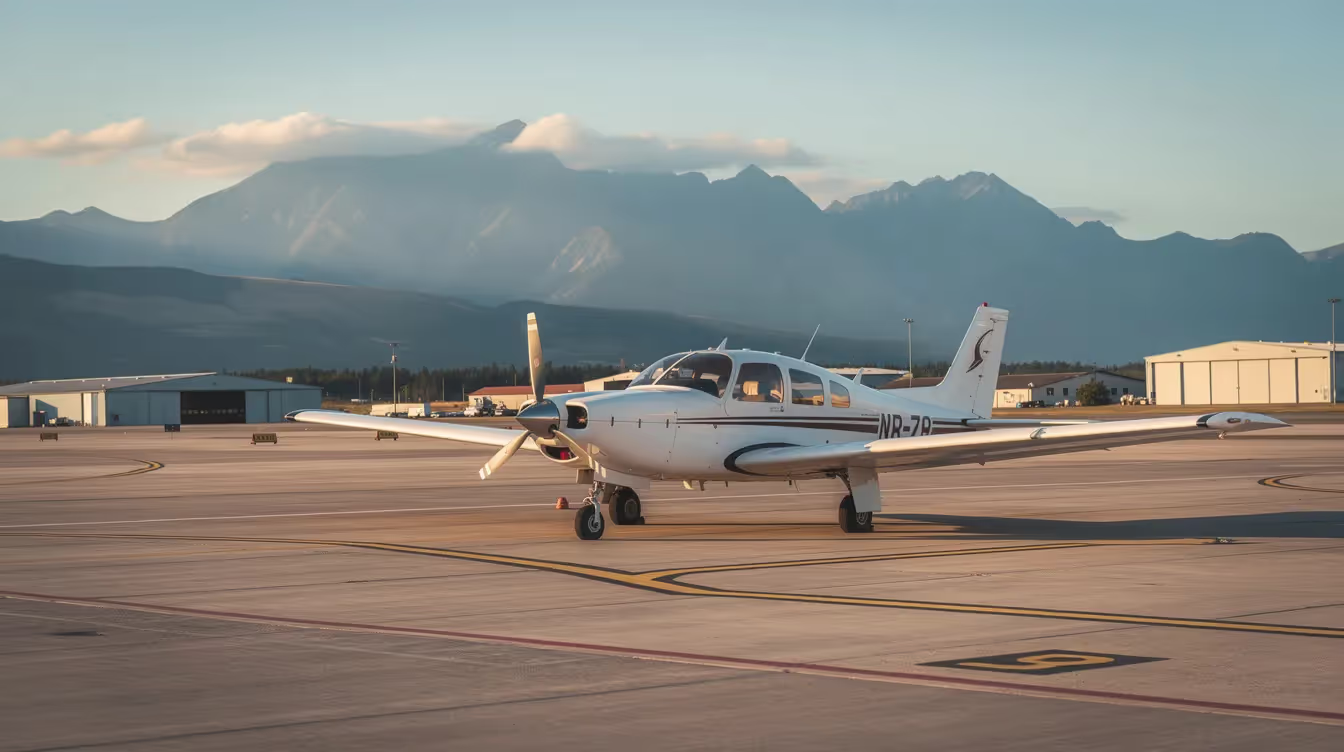
Single-engine planes are a staple of general aviation, prized for their straightforward operation, cost-effectiveness, and versatility for a wide range of flying missions. These aircraft are particularly popular among student pilots, private owners, and those seeking affordable entry into private aviation.
– Single-engine aircraft typically offer lower operating and maintenance costs compared to multi-engine models.
– They are widely used for flight training, personal travel, and short business trips under 1,000 nautical miles.
– Modern models feature advanced avionics and safety technologies, such as autopilot and whole-aircraft parachutes.
– Chartering a single-engine plane provides flexibility and access without the commitment of ownership.
– Suitable for both beginners and experienced pilots, they deliver a balance of efficiency, performance, and enjoyment.
Single-engine piston aircraft have long been the backbone of general aviation, offering a unique blend of performance, efficiency, and affordability that appeals to a wide range of pilots and aircraft owners. Powered by one engine, these aircraft are celebrated for their lower maintenance costs and reduced fuel burn compared to their twin-engine counterparts, making them a practical choice for both personal and training use. Flight schools and flight training programs around the world rely on single-engine piston airplanes as the ideal platform for teaching new pilots the fundamentals of flight. With features like low-wing design and, in some models, retractable gear, these aircraft deliver a beautiful flying experience that combines simplicity with capability.
This guide is for prospective pilots, aircraft owners, and travelers interested in single-engine planes. Understanding the benefits and costs of single-engine planes helps you make informed decisions about flying, ownership, or chartering. Whether you’re just starting your aviation journey or looking for a reliable aircraft to own, single-engine planes offer a compelling mix of cost-effectiveness, performance, and enjoyment in the skies.
A single-engine plane offers a versatile, cost-effective entry point into private aviation for training, personal trips, and short business flights under 1,000 nautical miles.
Popular 2025–2026 models like the Cessna 172, Cirrus SR22, and Piper Archer range from $150,000 to over $600,000 used, with modern avionics driving significant price premiums.
Annual ownership costs for a typical single-engine aircraft range from $20,000 to $40,000+ when factoring in hangar fees, insurance, maintenance, and eventual engine overhauls.
Advantage: Owning a single-engine plane offers convenience, control, and flexibility compared to renting, enabling spontaneous trips and personalized maintenance.
Ability: Ownership lets you fly on your own schedule and customize usage to your needs, offering greater freedom and independence.
Chartering through platforms like Jettly eliminates capital outlay, depreciation, and maintenance headaches while providing access to professionally maintained aircraft on demand.
Travelers can access single-engine aircraft without purchasing by exploring options at Jettly.
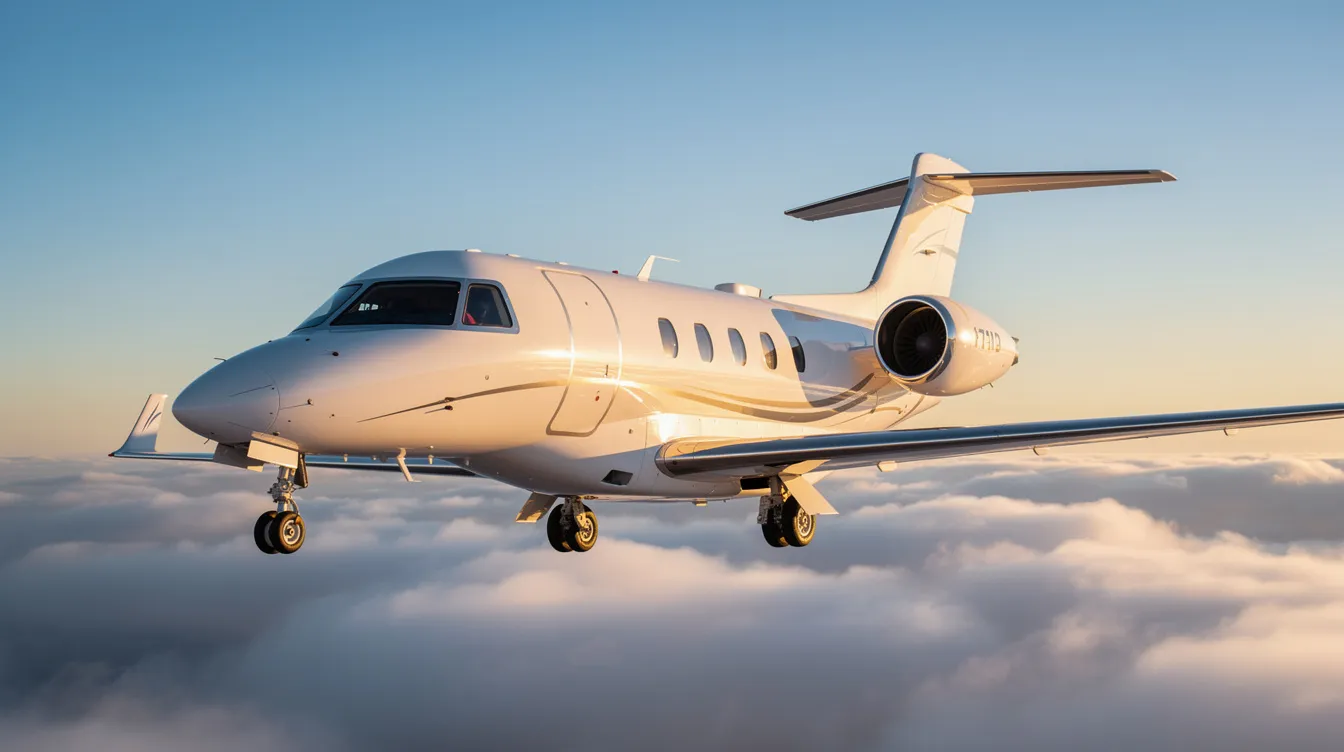
A single-engine plane is an aircraft powered by one piston or turboprop engine driving a propeller. These aircraft represent the backbone of general aviation, with over 44,000 Cessna 172s alone built since 1956, making them ubiquitous at airports worldwide.
Single-engine planes are defined by their simplicity and cost-effectiveness, commonly used for training and short-range personal travel.
The distinction between a single-engine piston aircraft and a single-engine turboprop matters for understanding performance and cost. Piston-powered models like the Cessna 172 Skyhawk, Cirrus SR20, and Piper Cherokee dominate flight schools and personal ownership due to lower acquisition costs and simpler operations. Single-engine turboprops such as the Pilatus PC-12 and Daher TBM 960 offer higher speeds and altitudes but command significantly higher prices.
Common missions for these aircraft include:
Primary flight training at flight schools
Personal weekend trips to regional airports
Short business hops under 800–1,000 nautical miles
Light cargo and utility operations in backcountry strips
Performance varies considerably across the category. Typical cruise speed ranges from 110–220 knots, with practical ranges of 400–1,200 nautical miles depending on fuel capacity and payload. Most single-engine piston airplanes seat 2–6 passengers, making them ideal for short-haul missions where commercial airlines are impractical.
The world of single-engine piston aircraft is rich with variety, offering options to suit every pilot’s needs and preferences. High-performance models like the Cirrus SR22 stand out for their advanced avionics options, including state-of-the-art autopilot systems and intuitive touchscreen controllers that enhance both safety and convenience. Other popular choices, such as the Cessna 172, Piper Cherokee, and Diamond DA40, each bring their own strengths to the table—whether it’s the Cessna’s reputation for reliability, the Piper’s comfortable flying experience, or the Diamond’s modern design and efficiency.
When selecting a single-engine plane, pilots and owners should weigh factors like cruise speed, useful load, and ongoing maintenance costs to ensure they’re getting the best value for their investment. With so many models and configurations available, there’s a single-engine piston aircraft to match every mission, from leisurely weekend flights to demanding cross-country journeys.
Most buyers and charter users focus on a core group of proven models with long production histories, established parts networks, and well-documented reliability records. These aircraft dominate both the used market and charter fleets.
Cessna 172S Skyhawk remains the gold standard for training and simplicity. Mid-2000s models trade at $250,000–$350,000, depending on total time, avionics upgrades such as Garmin G1000 NXi glass cockpits, and remaining engine hours. The aircraft offers a stall speed of 48 knots and a takeoff roll of under 1,000 feet, which explains its ubiquity in flight training programs worldwide. The Cessna 172 Skyhawk is the most popular and widely used single-engine aircraft for training pilots, known for its reliability and forgiving flight characteristics. The average total time of a single-engine piston aircraft is about 1,598 hours, a key metric buyers use to assess overall utilization and maintenance history.
Cirrus SR20 and SR22/SR22T dominate the tech-savvy personal and business segments. A 2018 SR22 G6 GTS equipped with Perspective+ avionics and CAPS typically lists in the mid-$600,000 range, with a total of 300–600 hours. The turbocharged SR22T achieves cruise speeds up to 213 knots with ranges exceeding 1,000 nautical miles. The Cirrus SR22T is renowned for its blend of speed, safety, and operational simplicity, making it a perennial favorite in general aviation. Notably, modern high-performance single-engine aircraft like the Cirrus often feature safety innovations such as whole-aircraft parachutes and advanced cockpit avionics, enhancing pilot confidence.
Piper PA-28 variants (Warrior, Archer, Arrow) provide low-wing design alternatives with stable slow-flight characteristics. Prices range from $150,000 for 1970s Warriors to $400,000+ for upgraded Archers, offering 700–900nm range for cross-country flying.
Diamond DA40 NG emphasizes fuel efficiency with its composite airframe and 168hp Austro diesel engine, burning just 5–6 gallons per hour versus 10+ for comparable models.
The Diamond DA50 RG stands out as a leading piston single, celebrated for its cutting-edge features and efficient performance. Its recent certification and market presence have positioned it as a top choice among high-performance single-engine aircraft.
Cessna 206 Stationair is a favorite for utility and backcountry flying, with a 1,500+ lb useful load and rugged landing gear. The Cessna T206 Turbo Stationair HD is often referred to as the 'SUV of the skies' due to its legendary durability and reliability, making it ideal for pilots needing significant payload capacity.
Beechcraft Bonanza G36 commands $800,000–$1 million used, prized for its high performance, 300hp powerful engine, and useful load capability for demanding missions. The Piper M350 'Malibu Mirage' is the only pressurized aircraft on this list, offering enhanced comfort and capability for long-distance travel, making it an excellent choice for owners seeking a step up in cabin environment and altitude performance.
While GlobalAir.com and similar sites list hundreds of these single-engine piston airplanes for sale, travelers who want to fly them can access comparable aircraft on-demand via Jettly rather than purchase.
The “best” single-engine plane depends entirely on pilot experience, budget, and mission profile. Aircraft owners quickly learn that no one engine configuration suits every need.
Cessna 152 and 172 offer docile stalls (48–53 knots), low operating costs ($80–100/hour wet), and forgiving handling
These remain the default choice for flight schools and flight training programs, building foundational skills
Single-engine planes are ideal for recreational pilots, weekend trips, and flying in good weather conditions. Access to single-engine training is enhanced by the lower training time required for certification compared to multi-engine ratings. Flying a single-engine aircraft requires the same base instruction and licenses as flying a twin-engine aircraft, but additional training is necessary for multi-engine operations due to the complexity of managing two engines.
Piper Warrior/Archer and Diamond DA40 provide transitions from trainers without overwhelming power
The DA40’s diesel efficiency appeals to owners focused on fuel burn and maintenance costs
Cirrus aircraft like the SR20 and SR22 integrate synthetic vision, traffic alerts, and CAPS
Perspective+ cockpit with touchscreen controllers represents current avionics options standards
The extra layer of safety from CAPS has documented over 120 life-saving deployments
Cessna 182 Skylane (230hp, 3,600 lb useful load) handles backcountry operations
Cessna 206 Stationair carries 1,000+ lbs over 900nm with short-field capability
Pilots who eventually outgrow piston performance sometimes consider the best, cheapest single-pilot jets for budget-conscious buyers as an alternative path into faster aircraft.
Beechcraft Bonanza G36 or Mooney Ovation with retractable gear achieve 220+ knots
These high-performance models suit pilots with substantial flying experience
Safety debates in aviation note that the presence of a second engine in multi-engine planes may not always provide a safety advantage if the pilot lacks proficiency in emergency procedures. Modern single-engine planes are highly reliable, and some pilots argue they can be safer than twin-engine planes in specific scenarios. This reliability, combined with safety features such as whole-aircraft parachutes and advanced avionics, makes single-engine aircraft a trusted choice for many, especially compared with the cheapest private aircraft options across categories.
2025 trends show increased interest in factory-integrated autopilot systems with envelope protection, reducing pilot workload by 30–50% in IFR conditions. Jettly’s inventory lets charter clients choose aircraft that match each mission type, using tools like its airport locator and on-demand charter platform rather than committing to a single owned airframe.
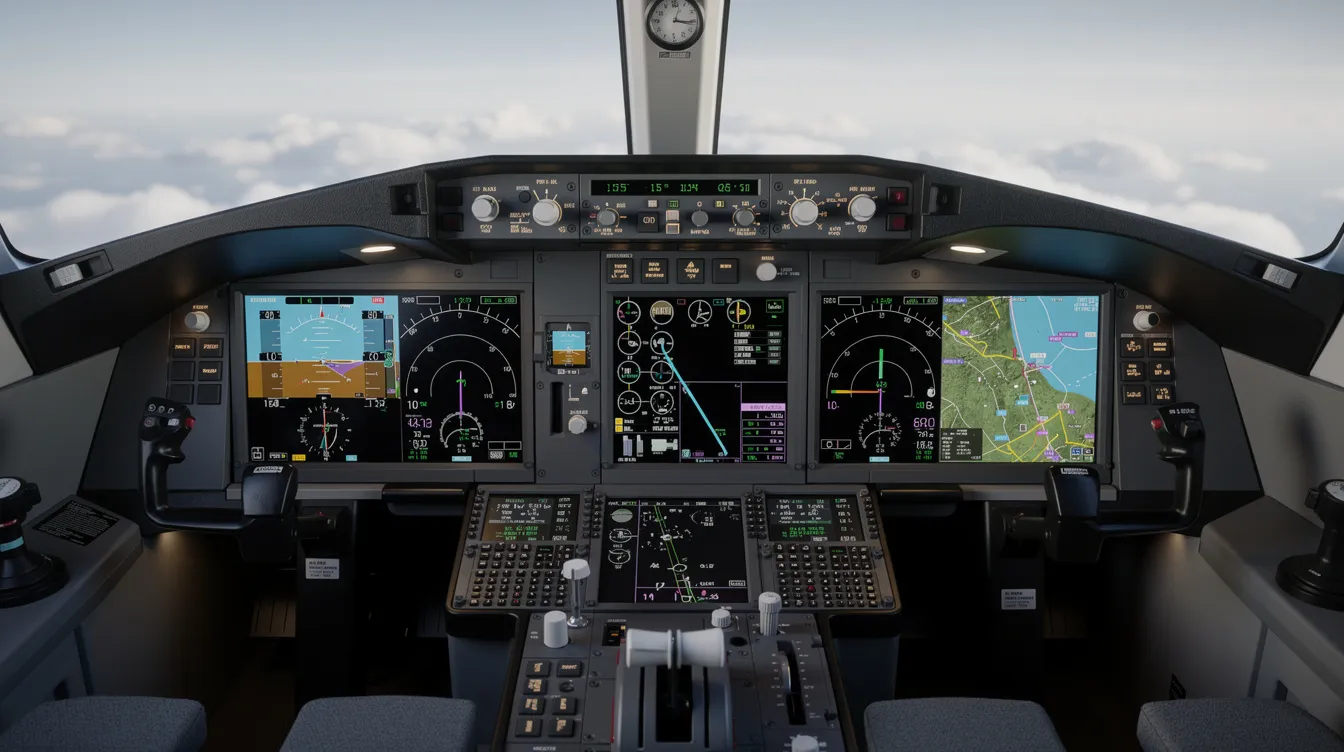
Single-engine piston aircraft offer a host of benefits that make them a top choice for pilots seeking to save money without sacrificing performance or safety. With only one engine, these planes boast lower ownership and operating costs and simpler maintenance routines than multi-engine models. Their impressive fuel efficiency means pilots can stretch their aviation budget further, enjoying more hours in the air for less.
Many single-engine planes are equipped with advanced safety features such as ADS-B and modern autopilot systems, providing an extra layer of protection and enhancing the overall flying experience. For those who want to experience the thrill of flight while keeping costs in check, single-engine piston aircraft deliver a unique combination of efficiency, capability, and peace of mind—making them an excellent choice for both new and seasoned aviators, especially when paired with guidance on affordable aircraft options when purchasing.
Ownership offers full control and availability, but the financial and time commitments often surprise first-time aircraft owners. Understanding 2024–2025 cost realities helps prospective owners avoid expensive mistakes.
|
Expense Category |
Annual Cost Range |
|---|---|
|
Hangar or tie-down |
$3,000–$8,000 |
|
Insurance |
$2,000–$8,000+ |
|
Annual inspections |
$2,000–$6,000 |
|
Routine maintenance |
$3,000–$10,000+ |
|
Fuel (100 hours at 10gph) |
$12,000–$16,000 |
|
Engine overhauls represent the financial wildcard. Typical piston-engine TBO runs 1,800–2,200 hours, with overhaul costs commonly $30,000–$60,000 for a high-performance single. These expenses can come unexpectedly when buying used aircraft with 1,500+ hours already logged. |
|
|
The cost of owning a single-engine aircraft can be high, with annual expenses such as insurance, maintenance, and hangar fees potentially reaching $25,000 or more, making it less economical than renting for those who fly infrequently compared with affordable airplane rent options. |
|
|
Reddit pilots and owners frequently cite total annual ownership costs around $20,000–$40,000 for active flyers logging 100–150+ hours yearly. Below that threshold, ownership rarely makes financial sense when factoring in depreciation (10–15% annually) and unexpected expenses, especially compared with the broader breakdown of private jet operating costs and calculator guides, along with dedicated resources explaining how much a private jet really costs to own and operate. |
|
The Jettly alternative works differently. Clients pay only for flight hours through on-demand charter, know the cost upfront, and avoid capital outlay entirely, leveraging a marketplace model similar to those highlighted in comprehensive guides to charter airlines and private flight options. Travelers can use Jettly’s private jet charter cost estimator and dedicated jet card flight cost estimator to understand how factors such as aircraft type, route length, and operating fees affect pricing. Vetted operators handle maintenance, storage, insurance, and crew, transforming fixed annual expenses into variable trip costs. For travelers flying 20–60 hours annually, charter can save money compared to ownership while eliminating administrative burden.
Safety for single-engine planes depends on pilot training, aircraft maintenance, and modern avionics—not just engine count. NTSB data consistently shows that 70% of general aviation accidents stem from pilot-induced factors (loss of control, fuel mismanagement) rather than mechanical failures. Engine failures occur roughly once per 10,000 flight hours in well-maintained aircraft.
ADS B Out compliance (mandatory in the U.S. since 2020)
WAAS GPS enabling precision LPV approaches
IFR certification for weather flexibility
Integrated glass cockpits (Garmin G1000/3000, Cirrus Perspective+)
Autopilots with envelope protection (e.g., Garmin GFC 700) prevent stalls and unusual attitudes
Traffic and terrain awareness systems provide early warnings
Synthetic vision displays terrain and obstacles in low visibility
CAPS parachute systems on Cirrus aircraft have achieved 90%+ success rates in documented deployments
Regulatory oversight differs by operation type. Charter operators typically fly under FAA Part 135 or Transport Canada Part VII, requiring strict maintenance programs, pilot qualifications, and operational standards, which are explained in depth in guides to how Part 135 charter companies work and why they matter. Private owners flying under Part 91 have more discretion but must still meet airworthiness requirements and currency standards.
Jettly only works with licensed, regulated operators meeting these standards, giving charter passengers access to professionally maintained single-engine aircraft where appropriate for the route and conditions, while also offering affordable private jet charter options and partnerships with vetted operators such as Dexter Air Taxi’s private jet services for missions that call for larger or faster aircraft.
Jettly operates as a digital private aviation marketplace connecting travelers to over 20,000 aircraft globally, including many single-engine planes and light turboprops. This broad private charter aircraft network spans everything from piston singles to long-range jets. The platform eliminates traditional barriers to private aviation by offering transparent, trip-based pricing without ownership commitment.
Travelers who fly frequently can pair these missions with Jettly’s private jet memberships to gain access to wholesale rates and priority booking across the fleet.
Short business flights between regional airports inaccessible to jets
Family weekends to resort towns or vacation properties, where travelers can further reduce costs by using Jettly’s platform to crowdsource private jet flights and share empty seats
Last-minute travel when commercial schedules prove inconvenient
Access to the world of private aviation without purchase obligations, with options such as world-class corporate jet card programs for businesses that value predictable hourly rates and detailed insights into jet card pricing and cost structures to budget accurately
The booking flow keeps things simple: search or request a route, receive instant pricing, view aircraft options (single-engine piston vs. light jet), compare performance and capability, then confirm through the platform.
No hangar leases or storage fees
No engine reserve funds or overhaul surprises
No depreciation is eating into your investment
Trip-based pricing with full transparency
Professional maintenance and qualified pilots are handled by operators
Both on-demand access and membership models exist for frequent flyers seeking predictable pricing, including comparisons of the best private jet card programs available today. Ready to experience this aviation journey without the ownership burden? Explore options at Jettly.
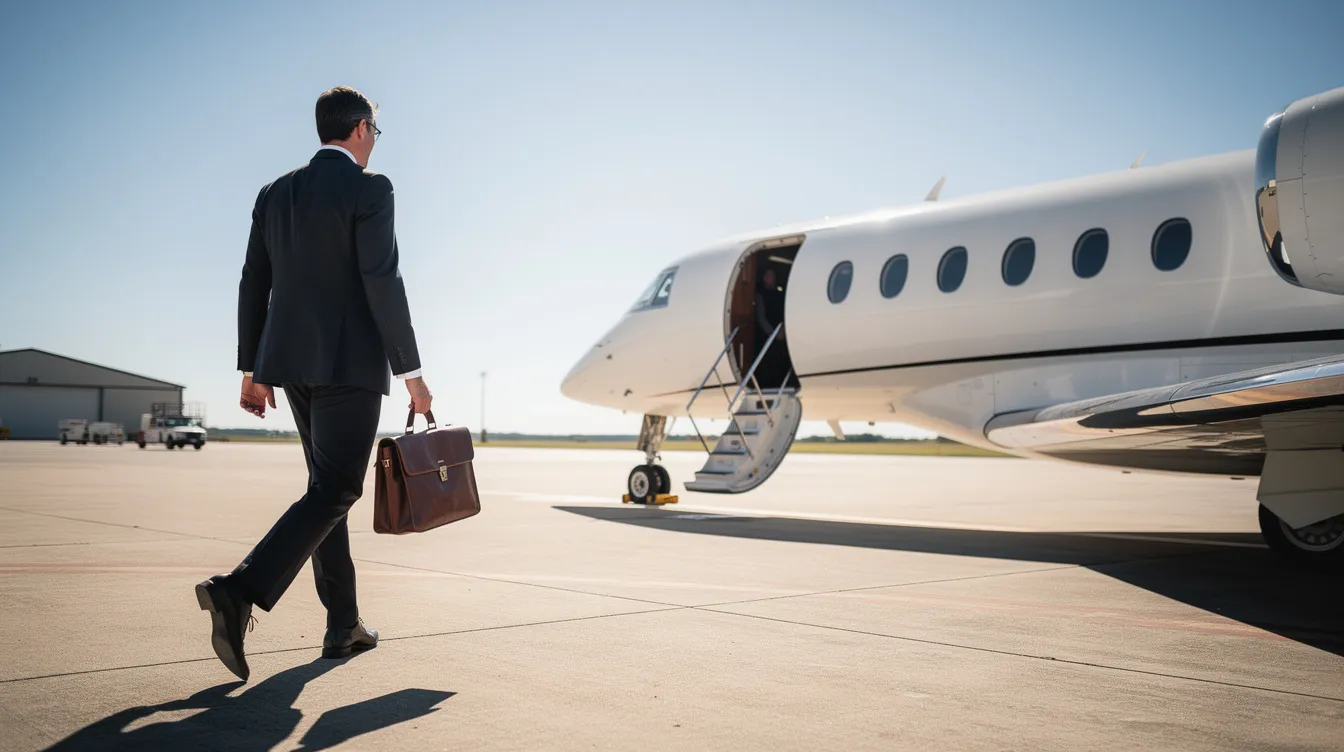
Many pilots dream of owning their own single-engine plane, but they should realistically assess flying hours, budget, and life priorities before committing. The romance of ownership often collides with spreadsheet reality. However, the ability to fly at any time, avoid scheduling conflicts, and customize your travel plans according to personal needs is a unique freedom that ownership provides, allowing for spontaneous trips and greater flexibility.
Flying more than 100–150 hours annually
Wanting full control of equipment, schedule, and customization
Enjoying the hobby, community (EAA chapters), and hands-on maintenance involvement
Valuing the fun and satisfaction of building flight hours in your own beautiful aircraft
Flying 20–60 hours per year with variable schedules
Prioritizing point-to-point transportation over aircraft possession
Preferring predictable trip costs over annual fixed expenses and exploring NetJets alternatives that let you fly private with Jettly for less, while also understanding how NetJets compares as the industry leader in private aviation, and reviewing detailed NetJets card costs and jet card pricing
Wanting to fly different aircraft types for different missions
Prospective owners should consult independent maintenance shops, appraisers, and instructors for pre-buy inspections ($5,000–$10,000). Budget conservatively—industry experts recommend reserving 20% of the purchase price for overhauls and unexpected repairs. Check damage history carefully, as hidden issues can surface after purchase. Those unsure about full ownership can review options for buying a seat on a private jet or explore broader strategies for easily getting a seat on a private jet as flexible alternatives. Carefully considering the course of ownership, including safety, convenience, and operational independence, is essential to making an informed decision.
A single-engine plane remains a versatile, cost-effective way to access private aviation and enjoy the skies on your terms. For those wanting the experience without the commitment, Jettly offers an alternative path to fly these aircraft without purchase. Travelers can also explore broader strategies for easily securing a seat on a private jet, combining single-engine options with larger jets when missions demand greater speed or range. The reliability of the production models discussed, combined with professional operators, makes charter a compelling option for many travelers.
Ready to experience private travel on your terms? Explore flight options or request a quote at Jettly.
Cessna 172S Skyhawk — $250,000–$350,000 used, cruises at 120 knots with a range of 500–640 nm and useful load of 800–900 lbs. Reliable, ideal for training, and known for forgiving handling.
Cirrus SR22/SR22T — $600,000–$900,000 used, cruises at 180–213 knots, range 1,000–1,100 nm, useful load 1,100–1,300 lbs. Advanced avionics, CAPS parachute, high speed.
Piper Archer/Warrior — $150,000–$400,000 used, 120–130 knots cruise, 700–900 nm range, 800–1,000 lbs useful load. Comfortable, low-wing, stable flight.
Diamond DA40 NG — $400,000–$500,000 used, cruises at 145 knots, 850–900 nm range, 900–1,000 lbs useful load. Features fuel-efficient diesel engine and modern design.
Cessna 206 Stationair — $500,000–$700,000 used, 145–160 knots cruise, 700–900 nm range, useful load 1,500+ lbs. Rugged, high payload, great for utility and backcountry flying.
Beechcraft Bonanza G36 — $800,000–$1,000,000 used, cruises at 175–220 knots, 800–1,100 nm range, useful load 1,200–1,300 lbs. High performance, retractable gear, premium cabin.
Price bands vary significantly by model and condition. Older Cessna 150/152 trainers typically sell for $60,000–$120,000. 1970s–1990s Cessna 172s range from $150,000 to $250,000, depending on avionics and engine time. Late-model 2018–2024 Cirrus SR22 G5/G6 aircraft commonly list at $600,000–$900,000 when fully equipped. Total cost of ownership over 10 years—including maintenance, hangar, insurance, overhaul, and optional equipment upgrades—often exceeds the initial purchase price. Factor in pre-buy inspections and potential ADS-B or WAAS GPS upgrades when comparing asking prices. Best value requires careful evaluation of engine hours, landing and takeoff cycles, and logbook documentation.
Realistic ranges depend on aircraft type and conditions. A Cessna 172 covers approximately 500–640 nautical miles with proper fuel reserves. Piper Archer and Warrior models fall in similar bands. Cirrus SR22T and Beechcraft Bonanza G36 extend to 900–1,100 nautical miles with long-range tanks and favorable winds. Headwinds, heavy passengers and load, and higher altitudes can reduce the practical range by 20–30% from book figures. On charter flights through Jettly, operators handle fuel planning, and travelers see route details, including any fuel stops, in advance.
Many single-engine planes are legally operated for night IFR and limited over-water flights when properly equipped with appropriate avionics, lighting, and flotation gear, where required. Risk management drives decision-making: operators often adopt conservative policies about weather minimums, route selection, and maximum over-water distances. For demanding missions, they may suggest multi-engine or turbine aircraft with greater redundancy. Charter operators accessed via Jettly follow regulatory and company policies on these operations, and travelers can discuss route-specific safety considerations before booking while also reviewing top private jet charter companies and their services to compare options.
Most formal flight training occurs through certified flight schools using their own fleets—Cessna 152, 172, Piper Cherokees, Diamond DA20/DA40, and similar trainers. Advanced students or licensed pilots sometimes use chartered aircraft for proficiency flying or real-world cross-country experience when local policy and insurance permit. Anyone considering this approach should coordinate with the charter operator, their flight instructor, and their insurer to ensure compliance. For most beginners starting their aviation journey, enrolling at established flight schools remains the more practical and cost-effective path to earning certificates.
For travelers focused on specific regions, Jettly also supports localized solutions, such as private jet charter in Kolkata, West Bengal, or in New Delhi, Delhi, alongside its broader global single-engine and jet inventory.
Availability varies by region, but Jettly’s global inventory often includes single-engine pistons (Cessna 172/182, Cirrus SR20/SR22, Piper PA-28 variants, Diamond DA40) and single-engine turboprops (Pilatus PC-12, Cessna Caravan, TBM series) for specific missions. Some operators on busier business routes focus on multi-engine or jet aircraft, so the platform presents the best available mix for each city pair and date. Run a sample search or request a quote at Jettly to see exact aircraft offers for your route.
How much does it cost to buy a used single-engine plane in 2025–2026?
Prices vary widely: older trainers like the Cessna 150/152 can be found for $60,000–$120,000, while newer, well-equipped Cirrus SR22 models may reach $600,000–$900,000. Factors like avionics, engine hours, and overall condition have a significant impact on pricing.
How far can a typical single-engine plane fly on one tank of fuel?
Depending on the model and load, most single-engine planes have a range between 500 and 1,100 nautical miles. Variables such as weather, wind, altitude, and payload can affect the actual distance covered.
Are single-engine planes safe for night or over-water flights?
When equipped with appropriate avionics, lighting, and safety gear, many single-engine planes can safely operate at night or for limited over-water trips. Operators and pilots should always assess risks and regulatory requirements for each mission.
Can I use a chartered single-engine plane for flight training?
While private owners and advanced students sometimes use chartered aircraft for proficiency flights, initial pilot training is typically done through certified flight schools with their own fleets. Always verify with the charter operator and your instructor before arranging training flights.
What types of single-engine planes can I access through Jettly?
Jettly’s platform offers access to a wide selection, including popular piston models like the Cessna 172/182, Cirrus SR20/SR22, Piper PA-28 series, and select turboprops such as the Pilatus PC-12 and TBM series, depending on location and mission needs.
Is owning a single-engine plane cost-effective compared to chartering?
Ownership makes financial sense for those flying over 100–150 hours annually due to fixed costs, while chartering is better suited for occasional flyers who prefer predictable, trip-based expenses and no long-term commitments.
What are the main benefits of chartering a single-engine plane?
Chartering eliminates the responsibilities of maintenance, storage, and insurance, offering flexibility and access to professionally operated aircraft on demand. It’s an attractive option for those needing occasional private flights without the burdens of ownership.
Do single-engine planes require advanced avionics for legal operation?
Modern regulations, especially in the U.S., require features like ADS-B Out and often WAAS GPS for certain types of airspace and precision approaches. Glass cockpits and autopilot systems are increasingly standard in newer models for both safety and convenience.
In summary, single-engine piston aircraft represent an outstanding option for pilots and aircraft owners who prioritize performance, efficiency, and cost-effectiveness in their aviation journey. These aircraft offer a unique blend of features—such as low maintenance costs, efficient fuel burn, and impressive cruise speed—that create a beautiful and rewarding flying experience. By carefully considering factors like useful load, maintenance costs, and overall performance, pilots and owners can find the best value and enjoy the freedom of the skies with confidence.
Whether you’re embarking on your first flight or looking to expand your horizons, single-engine planes provide the reliability, safety, and efficiency needed to make every flight memorable. Take to the skies and discover the unmatched joy of flying a single-engine piston aircraft—where every journey is an opportunity to experience the world from a new perspective. To explore single-engine plane options or book your next flight, visit Jettly and experience private aviation on your terms.
Share this post:
Jay Franco Serevilla
Apr 14, 2026
|
5
min read
Discover tips and trends in the industry.

5
min read
Charter Flights to Mammoth Lakes: Private Jet Access to the High Sierra
Charter flights to Mammoth Lakes provide a quick and convenient way to access this stunning destination in California's Eastern Sierra. Bypassing long drives, travelers can reach Mammoth Yosemite Airport in under 75 minutes, enjoying flexible schedules and the ability to transport bulky winter gear without extra fees. Jettly's marketplace offers a range of aircraft options and transparent pricing for a seamless travel experience.
Read More
5
min read
Charter Flights from Centennial Airport (APA): Private Jet Travel Near Downtown Denver
Charter flights from Centennial Airport (APA) provide Denver-area travelers with fast and flexible private jet access, eliminating TSA lines and long waits. With a variety of aircraft options and convenient proximity to downtown Denver, APA is ideal for both business and leisure travelers seeking personalized service and efficiency. Jettly simplifies the booking process, connecting users with on-demand charter flights to popular destinations.
Read MoreStay updated with our latest insights and tips to elevate your journey with us.
MEMBERSHIPS AND ASSOCIATIONS



Disclaimer: Jettly operates as a charter broker, offering access to a global digital jet charter marketplace. Jettly is not a direct air carrier and does not own or operate aircraft. All advertised flights are conducted by third-party air carriers that are fully licensed and hold the appropriate Part 135 or Part 121 certifications issued by the Federal Aviation Administration (FAA) or equivalent regulatory authorities under U.S. or foreign law. Jettly complies fully with the U.S. Department of Transportation's Part 295 and Part 298 Charter Broker regulations. Jettly does not carry additional liability insurance. Passengers are covered by aircraft operator insurance. TICO: 50023770


