


Login
Get Instant Pricing On 23,000+ Aircraft

>
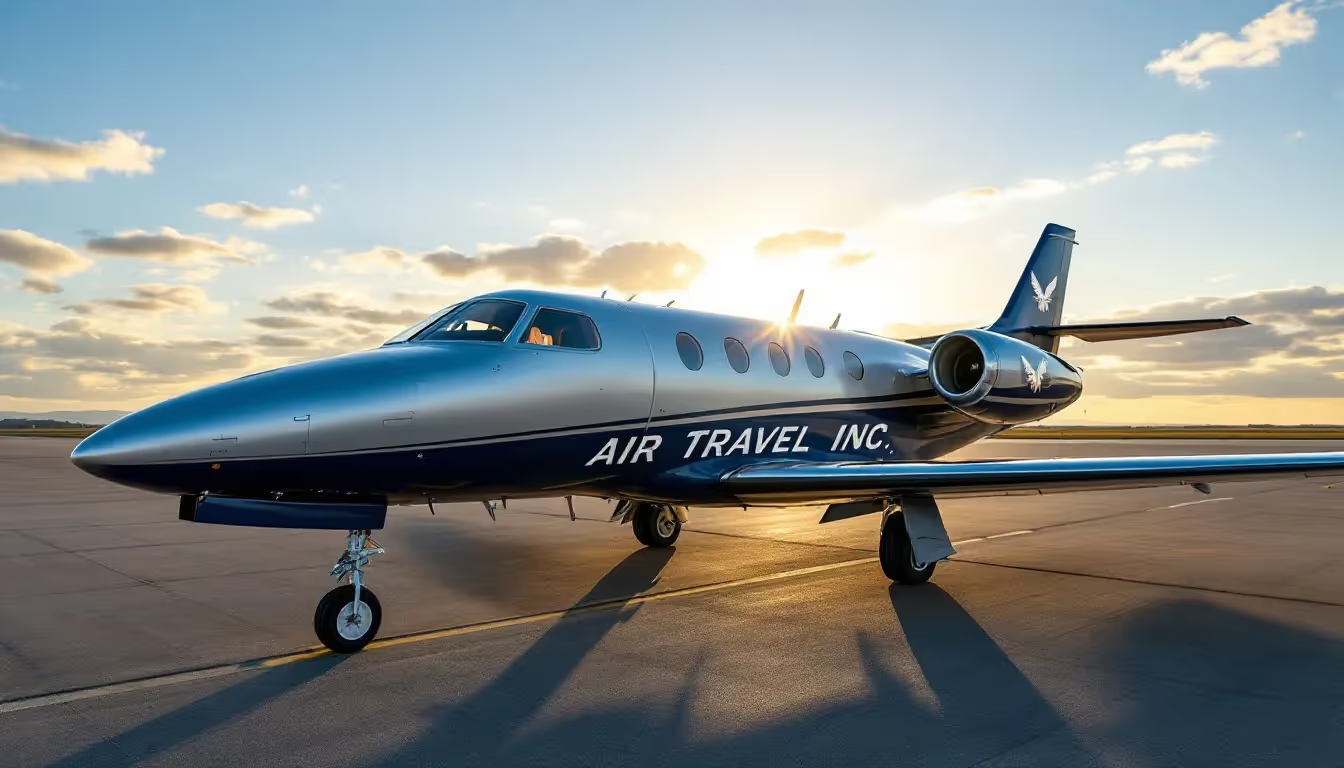
If you’ve ever thought about flying private, whether for business, a vacation, or even just the experience, renting a plane for a week might be the perfect option. Unlike aircraft ownership, which comes with significant upfront costs, ongoing maintenance, operational expenses, and operational complexity, renting offers flexibility without the long-term commitment.
The private aviation experience is known for its convenience, privacy, and efficiency. However, to make the most of your rental experience, especially over a longer period like a week, it’s crucial to understand the various types of aircraft available, cost factors, rental options, and booking logistics. Hourly rates for renting aircraft depend on the type, with smaller piston/turboprop planes costing $100-$500 per hour, helicopters generally costing between $500 and $1,500 per hour, and large jets potentially costing $8,000-$15,000+ per hour. For shorter trips, such as a weekend getaway, the cost to rent a plane typically ranges from $1,500 to $10,000. Rental duration significantly affects the overall cost, with many companies offering package deals for longer rentals. Rental durations can offer better rates, but it's important to check for overnight fees or minimum hourly requirements when planning your rental.
Let’s break it all down so you can confidently plan and rent a plane for a week, whether you’re heading to multiple meetings across states or planning a once-in-a-lifetime trip with friends or family.
Aircraft rental offers a flexible and cost-effective gateway to private aviation, allowing individuals and businesses to experience the benefits of private jet travel without the significant financial burden of aircraft ownership. Whether you’re a private pilot looking to build flight hours, a traveler seeking the convenience of flying private, or someone interested in flight training, renting a plane provides access to a wide range of aircraft types and services tailored to your needs.
Rental companies and local flying clubs present a variety of options, from light aircraft and very light jets ideal for short trips, to ultra-long-range jets and luxury jets designed for international flights and premium amenities. This diversity means you can select the aircraft type, age, and size that best match your itinerary, group size, and budget. The specific aircraft model and its size significantly influence the rental cost. Rental rates are typically charged per hour of flight time, but it’s important to consider all fixed and variable expenses, such as fuel costs, landing fees, airport fees, hangar fees (which can range from $500 to $1,500 per day depending on the aircraft size), and insurance costs, when comparing rental costs across different providers. Wet rental includes fuel costs in the rental price, providing an all-inclusive experience without the need to manage fuel separately. Well-maintained planes reduce risks and enhance safety for all flights.
For private pilots and those pursuing flight training, aircraft rental is an excellent way to gain experience and log flight times without the ongoing expenses and commitments of ownership. Flying clubs often offer shared access to a fleet of planes, distributing costs among members and making private aviation more accessible. However, these arrangements may come with specific rules regarding rental duration, minimum hour charges, and aircraft availability, so it’s essential to review rental agreements carefully. Many flight schools require renters' insurance for their pilots, ensuring coverage for potential liabilities. Plane renters' insurance typically covers bodily injury, property damage, and legal fees.
Travelers planning a weekend trip or seeking to fly private for business can benefit from the personalized service and flexibility that private jet rentals provide. Unlike commercial flights, renting a plane allows you to customize your schedule, choose your departure airports, and enjoy additional services such as ground transportation and premium amenities. Chartering a private jet allows travelers to bypass long security lines and crowded terminals. However, understanding the full scope of rental fees, including fuel surcharges, overnight crew charges, and any additional fees for extra services, is crucial to avoid unexpected costs. Crew overnight fees often range from $200 to $400 per crew member per night, which can add to the overall rental expenses.
When evaluating rental companies, consider not only the hourly rental rate but also the range of aircraft categories, the transparency of rental agreements, and the availability of cost savings through membership programs or empty leg flights. By factoring in aircraft age, rental duration, and the specific services offered, you can find the ideal solution for your travel needs, whether it’s a short regional hop in a light jet or a complex, multi-city itinerary in an ultra-long-range jet. Ensuring that rental companies comply with FAA regulations is important for safety.
In summary, aircraft rental opens up a world of possibilities for private aviation, offering unparalleled service, flexibility, and convenience. With careful planning and a clear understanding of all associated costs and agreements, you can enjoy the advantages of private jet travel, tailored to your preferences and budget, without the initial costs and ongoing expenses of aircraft ownership. Whether for flight training, business, or leisure, renting a plane provides a versatile and accessible path to elevate your travel experience.
The type of aircraft you choose significantly impacts cost, comfort, and capabilities. Here’s what to know about the most common categories: The aircraft model can also influence rental price and features, as different models may offer varying levels of performance and amenities.
Single-engine aircraft are the most budget-friendly option. Single-engine planes are generally more affordable to rent due to lower fuel consumption and typically seat up to four passengers. They are ideal for short flights and smaller passenger groups. Helicopters offer vertical takeoff and landing capabilities, making them suitable for limited spaces.
Ideal for: Short-distance flights, training, hobby flying, and small groups.
Benefits: Low fuel consumption, simple operation, and affordability.
Best for: Pilots with licenses or those flying with an instructor. Helicopters typically seat 2-6 passengers and provide excellent views.
These aircraft don’t offer luxury features but are dependable for local or regional travel.
For travelers looking to fly longer distances with enhanced safety, multi-engine planes are a great middle ground. They often have roomier cabins for more passengers and luggage.
Ideal for: Cross-country flights, family trips, and small business travel.
Cost Range: $300–$500 per hour.
Benefits: Greater power and redundancy, increased payload capacity, and improved reliability in varying weather conditions. Multi-engine plane rentals typically cost between $300 and $500 per hour.
They often have roomier cabins and are more comfortable for multi-hour trips.
When comfort, speed, and service matter, private jets are the go-to. Private jets cater to passengers who demand efficiency and exclusive service. They also provide access to a wider range of airports than commercial airlines, enhancing convenience.
Ideal for: Business executives, luxury vacations, international travel.
Cost Range: $2,000–$10,000+ per hour, depending on the size and class. Private jet rental costs range from $2,000 to $14,000 per hour, depending on the aircraft type.
Jet Categories:
Very Light Jets (VLJs)
Light Jets
Midsize Jets
Super Midsize Jets
Heavy/Ultra Long-Range Jets
Private jets often feature luxurious interiors and premium amenities.
Each category varies in range, passenger capacity, and amenities such as Wi-Fi, catering, entertainment systems, and lie-flat seating. Private jet travel saves significant time, reducing overall travel duration compared to commercial flights.
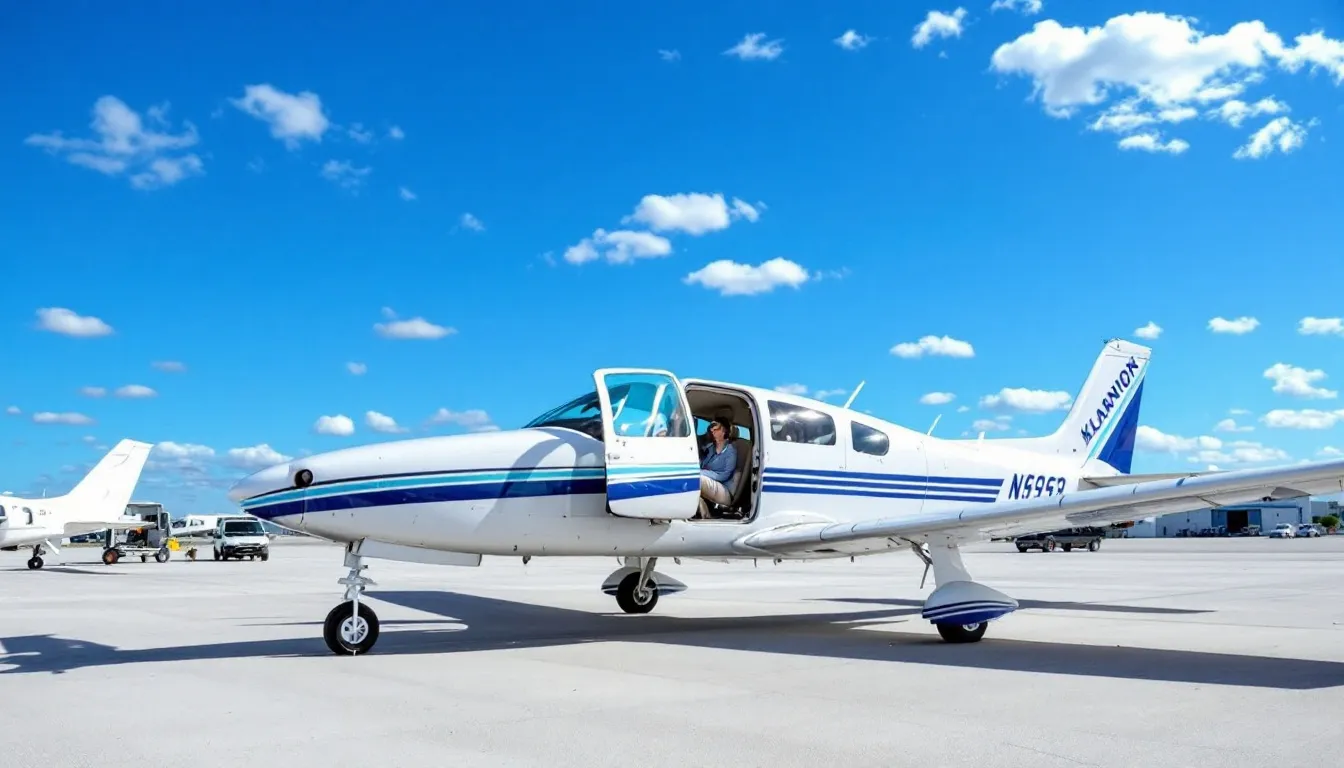
Costs can add up quickly, so it’s essential to understand what you’re paying for. Flight cost is influenced by several variables, including aircraft type, flight distance, and flight duration. Both flight distance and flight duration are key factors in estimating total rental costs, as they determine fuel usage and time-based charges. Billable flight time is the primary cost driver when renting a private jet, calculated from wheels up to wheels down. Dry rental requires the renter to provide fuel, which offers flexibility and can be advantageous if cheaper fuel is available.
The base price for renting a helicopter or small plane is typically quoted per hour. Hourly rates and hourly rental rates are standard in the industry, and some providers may have a minimum hour charge per day or per rental. Segment fees, calculated per passenger, vary by region and are charged on domestic flights.
Fuel is often billed separately, especially for longer flights.
If you need a pilot or crew, their fees are usually extra. Pilot fees may be charged separately depending on the provider.
Taxes and airport fees can vary by location. Be aware of hidden fees and unexpected fees, such as additional airport or landing charges, that may not be included in the initial quote. Most aircraft rentals charge landing fees, which vary based on the airport's size and location. Additionally, Federal Excise Tax is charged for all US domestic flight legs at a rate of 7.5%, which should be factored into your budget.
Ongoing costs, fixed costs, and annual costs are important considerations for those comparing rental to ownership. Aircraft ownership involves recurring expenses like maintenance, insurance, and hangar fees, which can significantly impact the total yearly expenditure.
This is the standard rate charged per hour of flight. For a week-long rental, expect this cost to dominate your budget. Actual flight hours, not just the time the aircraft is at your disposal, are what you’ll be charged for.
Some rentals include fuel; others charge it separately. Especially with rising fuel prices, this fee can be substantial, particularly for jets.
Jet rentals come with a pilot and possibly a co-pilot or cabin crew. Their fees may be bundled in or billed separately.
Every airport has landing, hangar, and handling fees. If you plan to hop between cities, these can add up.
For a weekly rental, expect overnight fees if the crew stays with you during your journey. Accommodation and per diem may be required.
Basic coverage is often included, but you may be asked to pay for additional liability protection depending on the aircraft type and use case.
If the plane is waiting for you for several days, or if it must fly to pick you up, you may incur idle time or repositioning fees. Regular aircraft maintenance is vital for safe flying when renting a plane, so ensure the rental company adheres to strict maintenance schedules to minimize risks and enhance safety.
Your rental experience depends heavily on where and how you rent. Choosing the right rental company is crucial for a smooth experience, as companies differ in pricing, safety, and service. Plane rentals can be arranged through various channels, including direct rental companies and membership-based programs. Many companies offer discounted rates for early bookings to help manage their schedules more effectively. Here are the two most common options:
These are great for licensed pilots or flight enthusiasts.
Membership-based: Pay a joining fee and monthly dues.
Shared ownership: Access a fleet of planes without buying your own.
Cost-effective: Excellent for frequent flyers and student pilots.
Packages may bundle multiple services together, simplifying budgeting and often resulting in lower total costs.
However, flying clubs often limit access to smaller aircraft and may not support week-long reservations for high-demand planes.
Jet rental providers offer an end-to-end concierge service.
On-demand bookings for various aircraft.
Support services include catering, ground transportation, and flight planning.
Global access with availability in multiple airports.
With Jettly, for instance, you gain access to an entire network of private aircraft tailored to your needs, making it an innovative and streamlined way to rent a plane for a week. Block time deals or discounted rates for longer-term rentals make a week-long rental potentially more cost-effective than paying by the hour.
Renting a plane, especially for a week, isn’t as simple as booking a hotel room. If you plan to fly the plane yourself, you will need to present a valid pilot's license to the rental company as part of the booking process. Additionally, you must possess the correct pilot license, necessary endorsements, and a valid medical certificate to ensure compliance with aviation standards. It is important to review your itinerary to confirm that all flight times, departure/arrival locations, and passenger details are accurate prior to traveling. But with the right planning, it’s a smooth process.
Know your:
Departure and arrival airports
Number of passengers
Luggage requirements
Preferred travel dates and flexibility (having flexible travel dates can help you secure better rates and more options; choosing off-peak travel times, such as weekdays or less busy seasons, can further reduce costs and improve your travel experience)
Onboard preferences (Wi-Fi, catering, space)
Based on your distance, passenger count, and budget. For example:
Light Jet for 1–4 short flights across nearby states
Midsize Jet for a cross-country tour
Heavy Jet for international travel
You’ll typically receive a charter quote that includes:
Hourly rate x expected flight time
Estimated taxes and fees
Crew charges (if any)
Overnight/standby charges (for week-long rentals)
Security deposits secure your rental and protect the provider from potential damages.
Check:
Cancellation policies
Inclusions/exclusions
Rescheduling terms
Liability and insurance coverage
Cancellation policies are crucial to understand when renting a plane, as they can impact your flexibility and potential costs if plans change.
Payments may include a deposit or full prepayment, depending on the provider. Always request a detailed breakdown of costs.
Charter services often include a pre-flight briefing, passenger manifest submission, and optional concierge support. Pre-flight planning should also consider potential air traffic congestion during peak hours, as this can impact both departure and arrival times. You need to attend a pre-flight briefing before flying, covering vital information about your aircraft.
Here’s a general idea of what a week-long rental might cost, assuming 15–20 hours of total flight time:
$100–$200/hr
Total (20 hours): $2,000–$4,000
Best for: Licensed pilots doing short hops, as well as flight schools providing pilot training. Single-engine planes are commonly used by flight schools for student instruction, with ground school often required before in-flight lessons.
$300–$500/hr
Total (20 hours): $6,000–$10,000
Best for: Private pilots or regional trips
$2,000–$4,000/hr
Total (20 hours): $40,000–$80,000
Best for: Small groups flying regionally or cross-country
$5,000–$10,000/hr
Total (20 hours): $100,000–$200,000
Best for: Larger groups, business teams, or international travel
Keep in mind: These figures exclude airport fees, taxes, crew accommodations, and extras.
Fly Off-Peak
Avoid weekends and holidays when prices surge.
Plan Multi-Leg Trips Efficiently
Reducing idle days and backtracking routes can lower repositioning and standby charges.
Use Empty Legs
Ask providers like Jettly about one-way or empty-leg deals that match your itinerary.
Negotiate a Weekly Rate
Instead of paying hourly, some providers offer discounted weekly packages.
Compare Quotes Across Providers
Use reputable platforms like Jettly to access a wide network of aircraft with transparent pricing.
Consider Location When Renting Planes
Renting planes in different locations can result in varying costs due to regional demand, airport fees, and local taxes. Always compare options in multiple regions to find the best deal.
Be Upfront About Needs
Disclose passenger count, luggage size, and destination upfront to avoid last-minute aircraft swaps (which may increase costs).
Opt for Membership Programs
Many aviation companies provide loyalty programs that reward frequent flyers with perks like reduced rates, exclusive offers, and additional concierge services. FlyUSA offers lower rates during off-peak times due to reduced demand.
Business Tours: Visit multiple cities without airport delays.
Family Vacations: Fly directly to resort towns, skip layovers.
Events: Destination weddings, sports tournaments, or executive retreats.
Medical or Urgent Travel: Flexible scheduling can be lifesaving in time-sensitive scenarios.
For many travelers, renting a plane for a week offers greater flexibility and fewer responsibilities compared to being an aircraft owner, especially for those who only need private aviation for occasional or specialized trips.
Whether you’re traveling for business or pleasure, choosing to rent a plane for a week can transform your travel experience. From single-engine aircraft to ultra-luxurious private jets, there’s an option that fits your needs and budget, without the initial costs and ongoing expenses of aircraft ownership, and without the need for an initial purchase investment.
The key is planning ahead, understanding the cost structure, and partnering with a provider that simplifies the process.
At Jettly, we make private aviation accessible, affordable, and efficient. Our platform offers real-time access to thousands of aircraft, a dedicated concierge service, and flexible membership options for frequent flyers.
Ready to take off? Visit https://jettly.com/ to explore your options and get a quote today. Whether it’s a weekend escape or a week-long journey, we’re here to make your flight seamless and memorable.
Share this post:
Jay Franco Serevilla
Sep 19, 2025
|
5
min read
Discover tips and trends in the industry.

5
min read
Private Jet Charter Colorado Springs: Fly Smarter with Jettly
Private jet charter in Colorado Springs offers a convenient and flexible travel solution for business and leisure travelers. With access to over 20,000 aircraft through Jettly, booking a flight is quick and hassle-free, allowing you to bypass commercial airline delays and enjoy tailored services. Experience the benefits of private aviation, including direct airport access and personalized itineraries.
Read More
5
min read
Boise Charter Flights with Jettly: Private Jets, Pricing & Top Routes
Boise charter flights with Jettly offer travelers a flexible and efficient way to fly in and out of Idaho's capital. With access to over 20,000 aircraft, Jettly provides personalized scheduling, enhanced privacy, and direct routing to numerous destinations, making it ideal for both business and leisure travel.
Read MoreStay updated with our latest insights and tips to elevate your journey with us.
MEMBERSHIPS AND ASSOCIATIONS



Disclaimer: Jettly operates as a charter broker, offering access to a global digital jet charter marketplace. Jettly is not a direct air carrier and does not own or operate aircraft. All advertised flights are conducted by third-party air carriers that are fully licensed and hold the appropriate Part 135 or Part 121 certifications issued by the Federal Aviation Administration (FAA) or equivalent regulatory authorities under U.S. or foreign law. Jettly complies fully with the U.S. Department of Transportation's Part 295 and Part 298 Charter Broker regulations. Jettly does not carry additional liability insurance. Passengers are covered by aircraft operator insurance. TICO: 50023770


