


Login
Get Instant Pricing On 23,000+ Aircraft

>
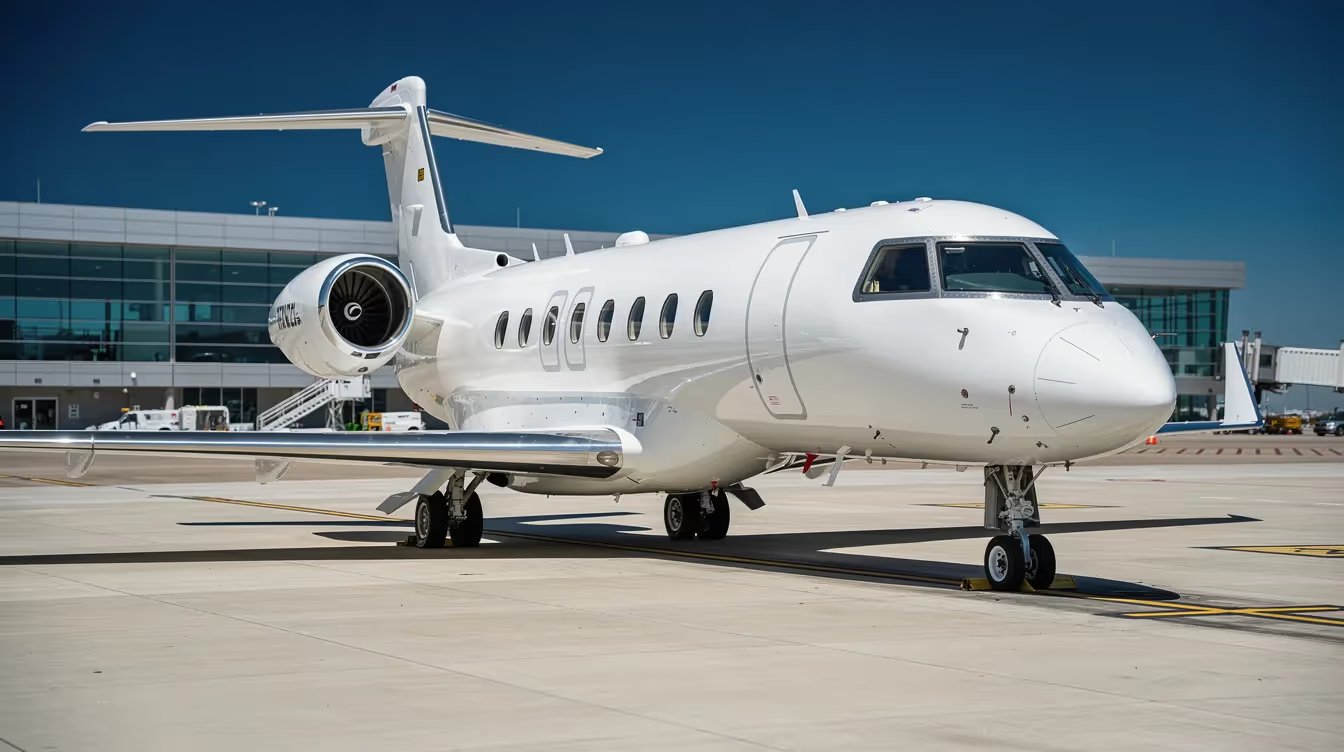
Purchasing a private jet is a major commitment that involves much more than the initial price tag, with ongoing operational, regulatory, and maintenance considerations. Buyers must carefully analyze their travel needs, financial capacity, and the full array of ownership alternatives before making a decision.
– The breakeven for ownership vs. charter typically starts at 200–250 flight hours per year
– New jets offer customization and technology but depreciate faster and cost more upfront
– Pre-owned jets can be more cost-effective but may require upgrades and more frequent maintenance
– Fixed and variable costs can easily reach seven figures annually, even for smaller jets
– Alternatives like charter, membership, or fractional ownership may offer similar benefits with less complexity
Purchasing a private jet represents a long-term financial and operational commitment that extends well beyond a simple luxury purchase. The initial purchase price is often just a fraction of the total cost of ownership, with annual fixed costs and variable costs adding hundreds of thousands—or millions—to the equation.
Market data from 2024–2026 indicate the global business jet market is valued at mid-$60 billion and projected to grow through the early 2030s. Used aircraft inventory has normalized following post-COVID demand spikes that temporarily tightened supply and inflated prices. New large-cabin jets like the Gulfstream G700 now list around $75–80 million, while pre-owned models from five to ten years old can depreciate to 20–50% of original value. Purchasing a new jet or private jet typically comes with state-of-the-art features and the latest technology, as well as warranty benefits, but requires a higher initial investment and often involves longer lead times. In contrast, pre-owned jets may have outdated systems but can be acquired at a significantly lower price. Notably, the depreciation rate for new jets is generally higher than for pre-owned jets, making the latter a more stable investment in terms of resale value.
Typical buyers include corporate executives, entrepreneurs, family offices, and ultra-high-net-worth individuals logging 200+ hours yearly. This threshold marks the approximate breakeven point at which aircraft ownership begins to edge out chartering in terms of cost-effectiveness.
Many travelers who initially plan to purchase later realize that on-demand charter or membership through a digital platform like Jettly offers similar benefits—schedule control, cabin comfort, time savings—with far less complexity and capital commitment.
This guide is intended for executives, entrepreneurs, and high-net-worth individuals considering private jet ownership or exploring smarter alternatives.
Purchasing a private jet is a complex process that extends far beyond the initial acquisition price, requiring careful analysis of mission needs, operating costs, and long-term financial commitment.
Ownership typically makes financial sense only above 200–250 flight hours per year; below that threshold, on-demand charter via platforms like Jettly often delivers similar flexibility at lower total cost
Used light jets commonly start around $2–3 million, while new large-cabin and ultra-long-range jets frequently exceed $60–75 million as of 2025–2026
The acquisition process usually spans 60–120 days and includes mission analysis, budgeting, aircraft selection, due diligence, and closing
Fixed ownership costs (crew salaries, hangar fees, insurance, management) and variable costs (fuel costs, maintenance, landing fees) can easily reach seven figures annually, even for smaller jets. Fixed costs are ongoing expenses such as crew salaries, hangar fees, insurance, and maintenance that do not change with flight hours. Variable costs include expenses like fuel, crew travel, and maintenance that increase with each hour flown.
Fractional ownership programs offer guaranteed availability, predictable costs, and zero residual value risk, but per-hour rates can carry a significant markup over direct operating costs, typically ranging from $4,000 to $9,000, depending on aircraft category
Engaging qualified professionals, such as aviation brokers, lawyers, and inspectors, is recommended to navigate the purchase process for a private jet
Before finalizing a purchase, buyers should conduct pre-purchase technical inspections to assess the aircraft's condition, including maintenance and service records
Many buyers who initially plan to purchase later realize that private jet charter or membership offers similar benefits with far less complexity
Clear mission analysis is the essential first step before purchasing a private jet. Without understanding your actual flying patterns, you risk buying an aircraft that doesn’t match your needs or costs far more than alternatives.
Business vs. Personal Use
Primarily, business use may unlock potential tax advantages, including depreciation under Section 179 or bonus depreciation if over 50% business-related
Predominantly personal use frames the jet as a lifestyle asset with fewer deductions
Consult an aviation tax professional to navigate IRS or equivalent rules in your jurisdiction
Travel Pattern Review
Review the past 12–24 months of travel—frequent routes like New York–Miami, London–Geneva, or Toronto–Vancouver
Project forward 5–10 years to estimate annual flight hours, typical passenger count, and flight frequency
Consider whether your travel schedule will remain stable or shift significantly
Flight Range Needs
Regional hops under 600 nautical miles may suit turboprops or very light jets
Transcontinental missions like New York–Los Angeles require midsize jets or super-midsize jets
Intercontinental routes like Paris–Dubai or London–Singapore demand large-cabin or ultra-long-range aircraft
Capacity and Cabin Style
Small cabins accommodate 2–6 passengers; larger cabins handle 10–16+ passengers
Many buyers find their typical mission profile involves four passengers. Very Light Jets (VLJs), such as the Embraer Phenom 100, are designed for short-range regional trips with few passengers, offering a cost-effective entry point into aircraft ownership but with limited cabin space. Light jets, including the Citation CJ series and Phenom 300, provide longer range and larger cabins, accommodating more passengers and luggage at a higher cost.
Features to consider: lie-flat seats, Wi-Fi, enclosed lavatories, stand-up cabins, and meeting-friendly configurations
Airport and Basing Considerations
Home base selection affects convenience and costs
Runway length determines which categories are practical
Hangar availability is often scarce at major hubs
Seasonal weather constraints (e.g., icing in Canada) may favor specific equipment
Key factors when purchasing a private jet include establishing a total budget, defining the required range and passenger capacity, choosing between new and pre-owned, and conducting a thorough pre-purchase inspection.
The aircraft category should follow your mission profile. Selecting a jet that exceeds your actual needs adds unnecessary operating costs, while choosing one that is too small limits flexibility.
Turboprops (e.g., Pilatus PC-12, King Air 350)
Ideal for regional flights under 600 nautical miles
Lower direct operating costs and fuel efficiency compared to jets
Ability to access shorter runways (under 4,000 feet)
Pre-owned typically $2–3 million; new around $4–5 million
Very Light and Light Jets (e.g., Embraer Phenom 100/300, Cessna Citation CJ3+, HondaJet Elite)
2–7 passenger capacity with ranges up to 1,500–2,000 nautical miles
Appeal for frequent hops like Los Angeles–Las Vegas or Milan–Paris
Pre-owned from $2–5 million; new from $3–9 million
Hourly costs typically range from $1,000 to $2,000
Midsize and Super-Midsize Jets (e.g., Cessna Citation XLS+, Bombardier Challenger 3500, Embraer Praetor 500/600)
7–9 passenger cabins with standing headroom
Non-stop transcontinental ability on routes like Chicago–San Francisco or London–Marrakesh
New aircraft typically $12–30 million
Hourly costs $2,000–3,500
Large-Cabin and Ultra-Long-Range Jets (e.g., Gulfstream G650ER, Bombardier Global 7500, Dassault Falcon 8X)
True intercontinental missions: New York–Tokyo, London–Singapore
12–19 passenger seating with lie-flat beds, full galleys, and advanced connectivity
Ultra-long-range jets are optimal for very long distances, designed with comfort and connectivity in mind, often featuring suites and conference areas, reflecting their higher price point
New aircraft $60–75+ million; premium configurations can exceed $100 million
Hourly costs $5,000–10,000+
Helicopters
Niche option for city-to-city or airport-to-yacht transfers (range typically 200–400 nm)
Many private jet owners pair helicopter use with fixed-wing ownership or charter for efficiency

Many buyers considering purchasing a private jet struggle most with the choice between a new aircraft and a pre-owned jet. Both paths carry distinct advantages and trade-offs.
Advantages of Buying New
Full customization of interiors and avionics (interior upgrades can add $1–5 million)
Factory warranties (typically 5–10 years)
Latest fuel-efficient engines and safety technology
Predictable maintenance programs early in the ownership cycle
Downsides of New Jets
Significantly higher acquisition cost
10–15% first-year depreciation, which is generally higher than that of pre-owned jets
Delivery lead times of 12–24 months during busy order cycles
Benefits of Pre-Owned Aircraft
Lower entry price (a 5-year-old Gulfstream G450 might be $14–35 million vs. $38–43 million new)
Slower depreciation curve after the initial years, making pre-owned jets a more stable investment in terms of resale value
Potentially faster availability
Ability to invest savings into cabin refurbishments or avionics upgrades like ADS B Out compliance
Drawbacks of Pre-Owned
Possible higher fuel burn (older jets may burn 20–30% more)
More frequent maintenance events
Required mandatory upgrades (avionics compliance can cost $100,000–500,000)
Essential pre-purchase inspection to uncover hidden issues
Travelers who are not ready for a long-term commitment can test different models through private jet charter on platforms like Jettly before deciding on a specific make and model to buy.
The purchase price is only the starting point. Buying a private jet involves acquisition costs, annual fixed costs, and variable operating costs that together determine the total cost of ownership.
Acquisition Costs (2025–2026 Estimates)
Used turboprops: from approximately $2 million
Used light jets: roughly $2–3 million
New midsize jets: often $12–20 million
New large-cabin jets: reaching or exceeding $60–75 million, depending on configuration
Ultra-long-range with premium interiors: can exceed $100 million
Fixed Annual Costs
Crew salaries and benefits: $200,000–500,000 for captain, co-pilot, and training
Hangar fees: $30,000–100,000 per year (or $1,500–3,000 monthly)
Insurance: 1–3% of hull value ($20,000–300,000 annually)
Aircraft management company fees: typically 10–15% of operating expenses
Subscriptions (navigation databases, connectivity): approximately $50,000
Even smaller jets can incur $500,000+ in annual fixed costs.
Variable Operating Costs Per Flight Hour
Beyond acquisition and ownership, many prospective buyers also want a broader view of how much a private jet really costs across different usage models.
Turboprops: under $2,000
Light jets: $1,000–1,500
Midsize jets: $2,000–3,500
Large-cabin jets: $5,000–10,000+
Variable costs include fuel (200–500 gallons per hour at $400–1,000), routine maintenance, engine reserves, landing and handling fees, catering, and de-icing.
Financing vs. Cash Purchase
Typical terms: 5–10 year loans at 4–6% interest
Lenders often require a 20–30% down payment
Financing can add 20–30% to the total cost of ownership versus cash
Readers should compare their projected annual hours and total spend against charter and membership scenarios. Using digital tools such as Jettly’s private jet charter cost estimator and instant pricing from platforms like Jettly can help benchmark whether outright ownership is financially rational.
For buyers who ultimately decide not to purchase outright, it’s equally important to understand the full cost structure of fractional jet ownership, including acquisition and ongoing fees, before committing to a share.
Purchasing a private jet usually takes 60–120 days from decision to closing for pre-owned aircraft. New aircraft orders can stretch 12–24 months.
1. Needs Assessment and Budget Definition (Week 1–2)
Engage advisors to confirm the mission profile and preferred aircraft categories, and complete a purchase-versus-charter analysis. Define total budget, including acquisition and first-year operation costs.
2. Aircraft Search and Shortlist (Weeks 2–4)
Use brokers, online marketplaces (e.g., AvBuyer), and off-market opportunities to identify suitable aircraft. Focus on maintenance histories, total time (under 10,000 hours is ideal), engines enrolled in programs like Honeywell MSP APU, and equipment lists.
3. Letter of Intent (Weeks 4–5)
Negotiate basic terms, including price expectations, refundable deposits (typically 10%), and due-diligence timelines. The LOI stage typically lasts 1–2 weeks.
4. Pre-Purchase Inspection (Weeks 5–7)
Conduct detailed technical reviews at approved maintenance facilities. Inspection focuses on:
Airframe hours and corrosion
Engines and time since overhaul
Avionics compliance (ADS-B upgrades, etc.)
Verification of maintenance records
Inspection costs typically range from $50,000 to $100,000.
5. Renegotiation and Closing (Weeks 7–12)
Inspection findings can adjust the price by 5–15% or require repairs. Complete title search, escrow arrangements, registration (FAA, Transport Canada, or local registry), insurance binding, and delivery acceptance.

When it comes to private jet ownership, selecting the right ownership structure is a crucial decision that can shape your overall experience and financial commitment. The three most common structures are outright ownership, fractional ownership, and joint ownership—each offering distinct advantages depending on your travel schedule, passenger count, and budget.
Outright Ownership means you or your business is the sole owner of the aircraft. This structure provides maximum control over your private plane, allowing you to tailor every aspect—from cabin configuration to branding—to your preferences. You set your own schedule, choose your crew, and have the aircraft available whenever you need it. However, outright ownership also means you bear the full brunt of operating costs, including maintenance, hangar fees, insurance, and crew salaries. This option is best suited for frequent flyers (typically 200–250 hours per year) seeking complete flexibility.
Fractional Ownership allows you to purchase a share of a jet, typically through a program managed by a specialized provider. With fractional ownership, you split the acquisition and operating costs with other owners, making private jet ownership more accessible for those who don’t need a plane full-time. Readers evaluating this option should understand how leading fractional jet providers compare on cost and features. You’ll have guaranteed access to an aircraft for a set number of hours per year, with the management company handling scheduling, maintenance, and crew. Fractional ownership programs offer guaranteed availability, predictable costs, and zero residual-value risk, but per-hour rates can carry a significant markup over direct operating costs, typically ranging from $4,000 to $9,000, depending on aircraft category. This structure is ideal for those with moderate travel needs and a predictable passenger count, offering a balance between flexibility and cost efficiency.
Joint Ownership involves two or more parties co-owning a private jet and sharing all associated costs and responsibilities. This arrangement can be informal (between friends or business partners) or formalized through legal agreements. Joint ownership can significantly reduce the cost of owning and operating a jet, but it requires careful coordination of travel schedules and clear communication between owners to avoid conflicts.
Choosing the right ownership structure depends on your unique needs—how often you fly, how many passengers you typically travel with, and your willingness to manage the complexities of aircraft operation. Consulting with aviation advisors can help you determine which structure aligns best with your goals and budget, ensuring your private jet experience is both rewarding and cost-effective.
Compliance and safe operations are central to successful private jet ownership. Understanding requirements upfront prevents costly surprises.
Registration Requirements
Aircraft must be properly registered in a jurisdiction (U.S. N-register, Transport Canada, EU registries)
Owners must meet citizenship or ownership structure rules
Records require updating upon sale or trust changes (common for non-U.S. owners)
Operational Regulations
Private operations (Part 91-style) allow owners to fly private for personal use or business
Commercial charter operations (Part 135-style) require certification
Chartering out an owned jet typically requires working with a certificated operator
Safety Oversight
Operator certifications verify minimum standards
Pro pilot experience requirements (often 1,000+ hours PIC)
Third-party safety audits (ARGUS, Wyvern, IS-BAO) provide additional verification
Training programs ensure crew currency and well-being
Aircraft Management Options
Self-management: full control but significant administrative burden
Management company: handles crew, maintenance scheduling, regulatory compliance, and potential charter revenue
Charter revenue can offset 20–50% of fixed costs, but increases aircraft wear; some owners also compare this to private jet lease cost structures and obligations
Environmental and Efficiency Considerations
Newer models offer lower fuel burn (e.g., G700 laminar flow technology saves approximately 25% fuel)
Sustainable aviation fuel blends (5–10%) are becoming more available
Optional carbon offset programs supported by some charter platforms and management firms
Even before buying, prospective owners should familiarize themselves with typical private jet maintenance costs and budgeting strategies to model realistic long-term expenses.
Maintenance is a cornerstone of safe and reliable private jet ownership. As a private jet owner, you’ll need a clear understanding of the ongoing maintenance requirements and associated costs to keep your aircraft in peak condition and ready for flight at any time.
Routine maintenance encompasses a range of expenses, including hangar fees to protect your jet from the elements, crew salaries for qualified pilots and technicians, and fuel costs that fluctuate with usage and market prices. In addition, avionics upgrades—such as installing the latest navigation or safety systems—are often necessary to comply with evolving regulations and enhance operational efficiency.
Many private jet owners opt into comprehensive maintenance programs, such as Honeywell MSP APU-enrolled plans, which cover scheduled and unscheduled repairs for critical components. These programs can help stabilize your annual maintenance budget and provide peace of mind by minimizing unexpected expenses. Before purchasing a jet, a thorough pre-purchase inspection is essential to uncover any hidden issues that could lead to costly repairs down the line.
Managing the complex process of private jet maintenance is often best handled by partnering with an experienced aircraft management company. A trusted partner will oversee all aspects of maintenance, from scheduling routine checks to coordinating major overhauls, ensuring your aircraft’s well-being and regulatory compliance. This proactive approach not only protects your investment but also maximizes safety and reliability for every flight.
By staying proactive with maintenance and leveraging expert support, you can enjoy the benefits of private jet ownership with confidence, knowing your aircraft is always ready to meet your travel needs.
For many travelers, owning a private plane is only one of several viable options for flying private. Understanding alternatives helps determine the best fit.
Whole Ownership
Best suited for those flying more than 200–250 hours per year
Maximum control over own schedule, aircraft availability, cabin layout, and branding
Requires significant investment in capital and ongoing management
Offers more flexibility in aircraft configuration and crew selection
Private Jet Charter
Pay-as-you-go access with no long-term commitments, making it comparable in some respects to other affordable aircraft rental options and structures
Ability to choose different aircraft for each trip
Suitable for those flying fewer than 150–200 hours annually
Hourly rates vary from $2,000 (turboprops) to $10,000+ (large cabin), with ranges and averages explored in detail in our guide to how much it costs to rent a private jet, with specific private jet charter pricing driven by aircraft type, route length, and demand patterns
Digital Charter Platforms Like Jettly
Instant pricing and transparent costs
Access to over 20,000 private charter aircraft, ranging from turboprops to ultra-long-range jets, similar to the broader ecosystem of operators covered in our guide to private and charter airlines
Online or app-based booking
Ideal for testing categories before committing to a purchase
Membership Models
Platforms, including Jettly, offer private jet membership options with preferential hourly rates and structured jet card programs with fixed hourly pricing and added benefits
Service enhancements and simplified booking for frequent flyers
No asset commitment or long-term ownership obligations
Fractional Ownership and Jet Cards
For some travelers, small-aircraft sharing models—such as fractional ownership of a Cessna 172—illustrate how spreading fixed costs across multiple users can make access more affordable, a concept that scales up into business-jet programs as well.
Fractional private jet ownership blends some benefits of full ownership with elements of charter and membership, but it also introduces unique pros, cons, and contractual nuances that buyers should weigh carefully.
Partial aircraft shares or pre-paid hours for 50–200 annual flight hours, often compared with NetJets-style fractional programs and Jettly as an alternative
Reduced capital outlay versus full ownership
Contractual commitments and potential blackout periods
Less flexibility than on-demand charter in some cases
Two owners sharing a single aircraft can reduce individual costs but add scheduling complexity, similar in spirit to crowdsourcing private jet flights and sharing empty seats
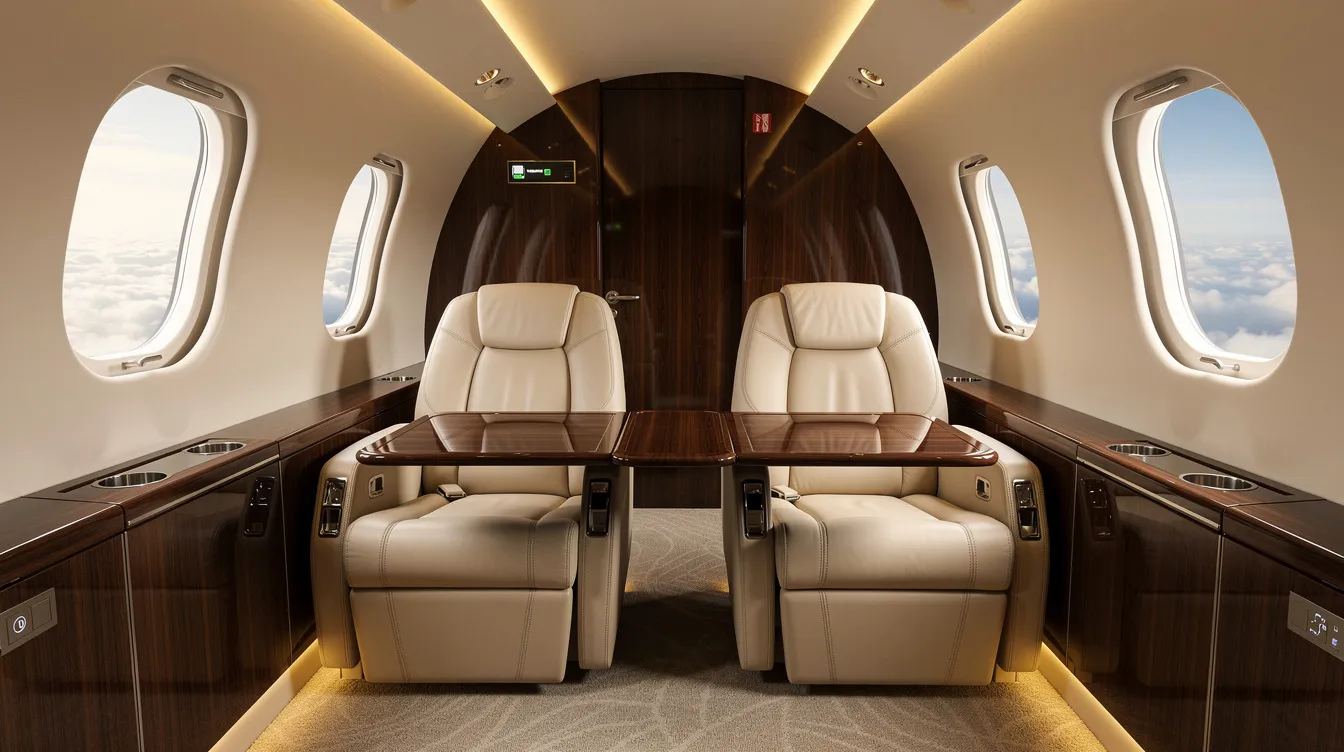
Jettly is a charter marketplace, not an aircraft dealer. Its role is to help travelers understand whether purchasing a private jet is truly necessary for their flying profile.
Simulate Ownership vs. Charter Scenarios
Users can leverage Jettly’s instant pricing to estimate annual charter costs for common routes—New York–Miami, London–Ibiza, and Dubai–Malé—and compare them against projected ownership costs. This clear understanding of actual charter expenses helps validate whether ownership makes financial sense.
Test Different Aircraft Categories
Jettly’s broad inventory allows clients to experience turboprops, light jets, midsize jets, and large-cabin aircraft before committing to a specific type or manufacturer. This real-world testing prevents the common mistake of buying based on aesthetics rather than mission fit.
Hybrid Approach
Some private jet owners choose to maintain ownership of one core aircraft while using Jettly to cover overflow trips, special missions, or regions where positioning their own aircraft would be inefficient. This trusted partner approach balances control with cost efficiency, and can be complemented by understanding the best private jet charter companies and how they compare.
Learn more about charter, membership, and other access models at https://www.jettly.com.
| Aspect | New Jet | Pre-Owned Jet | Charter/Membership | Fractional Ownership |
|---|---|---|---|---|
| Acquisition Cost | $3–100+ million | $2–50 million | No acquisition cost | Proportional share cost |
| Depreciation | High (10–15% first year) | Slower after initial years | None | None (no residual value risk) |
| Customization | Full customization | Limited, can refurbish | None | None |
| Availability | Always available | Always available | On demand (may be subject to availability) | Guaranteed hours/yr within contract |
| Annual Fixed Costs | $500,000–$2M+ | $500,000–$2M+ | None | Included in hourly rate/management fee |
| Variable Costs | $1,000–$10,000+/hr | $1,000–$10,000+/hr | $2,000–$10,000+/hr | $4,000–$9,000/hr |
| Commitment | High (ownership, management) | High (ownership, management) | Low (pay-as-you-go) | Medium (contractual obligations) |
| Ideal For | Frequent flyers (>200–250 hrs/yr) | Frequent flyers seeking value | Occasional flyers (<200 hrs/yr) | Moderate, predictable use |
Many industry analyses place the breakeven zone around 200–250 hours per year, depending on aircraft type, financing terms, and charter rates in the traveler’s primary regions. For example, a light jet might break even at 200 hours when comparing annual charter spend against ownership fixed costs and variable costs combined.
Below roughly 150–200 hours, on-demand charter or membership via platforms like Jettly often delivers similar flexibility at lower total cost and with far less administrative burden. Running a basic scenario comparing projected annual charter spend against full ownership costs is recommended before making a purchase decision.
Many owners place their aircraft on a commercial certificate via a management company to generate charter revenue. This income helps offset fixed costs like hangar fees, crew salaries, and insurance—sometimes recovering 20–50% of annual fixed costs.
However, increased charter utilization also increases wear, maintenance events, and potential downtime when the owner needs the aircraft. Revenue should be viewed as partial cost recovery rather than a guaranteed profit. Involve an experienced management company and aviation tax professional before relying on charter revenue in financial projections.
Typical pitfalls include underestimating annual operating costs (fixed costs alone can consume 60% of the budget), choosing an aircraft that is too large or range-capable for actual missions, skipping a thorough pre-purchase inspection (which can uncover $500,000+ in issues), or rushing into a purchase based solely on cabin aesthetics.
Some buyers also overlook regulatory and tax implications, including documentation requirements for business use and limitations on personal use of company-owned aircraft. Working with independent advisors and using charter experience through Jettly or similar platforms validates real-world preferences before committing.
For pre-owned aircraft in normal market conditions, a realistic timeframe is 60–120 days from serious search to closing, depending on inspection findings and regulatory steps.
Factory-new orders take much longer—often 12 months or more if production slots are backlogged. Popular large-cabin or ultra-long-range models may have even longer wait times. Travelers who need immediate private flying capacity should use charter via Jettly while their acquisition process progresses.
The optimal base often balances where the owner or key executives live, where most trips originate, hangar availability, and local cost structures for fuel and services. Major metropolitan airports may offer convenience, but often have limited hangar space and higher fees.
Basing at a smaller regional airport can reduce costs and save time, but runway length, weather patterns, and customs facilities must still accommodate the chosen aircraft and mission profile. Testing different departure airports through charter bookings first—using a digital platform like Jettly—reveals which locations work best in day-to-day practice before committing to a permanent base.
Purchasing a private jet represents a significant investment that only makes sense when annual flight hours and mission requirements justify the total cost of ownership. The decision involves far more than selecting a beautiful cabin—it requires thorough analysis of mission profile, cost structures, ownership structure, and management options.
Buyers should complete a detailed flight-hour analysis, compare ownership costs against charter and membership, and carefully consider new vs. used jet options, category choice, residual value, and management structure before making a final decision.
Readers who are not yet certain should start with an on-demand charter through a platform like Jettly to gain real-world experience across aircraft types and routes. Testing before buying prevents costly mistakes and validates actual needs.
Ready to explore your options? Request a quote at https://www.jettly.com.
Share this post:
Jay Franco Serevilla
Apr 10, 2026
|
5
min read
Discover tips and trends in the industry.
5
min read
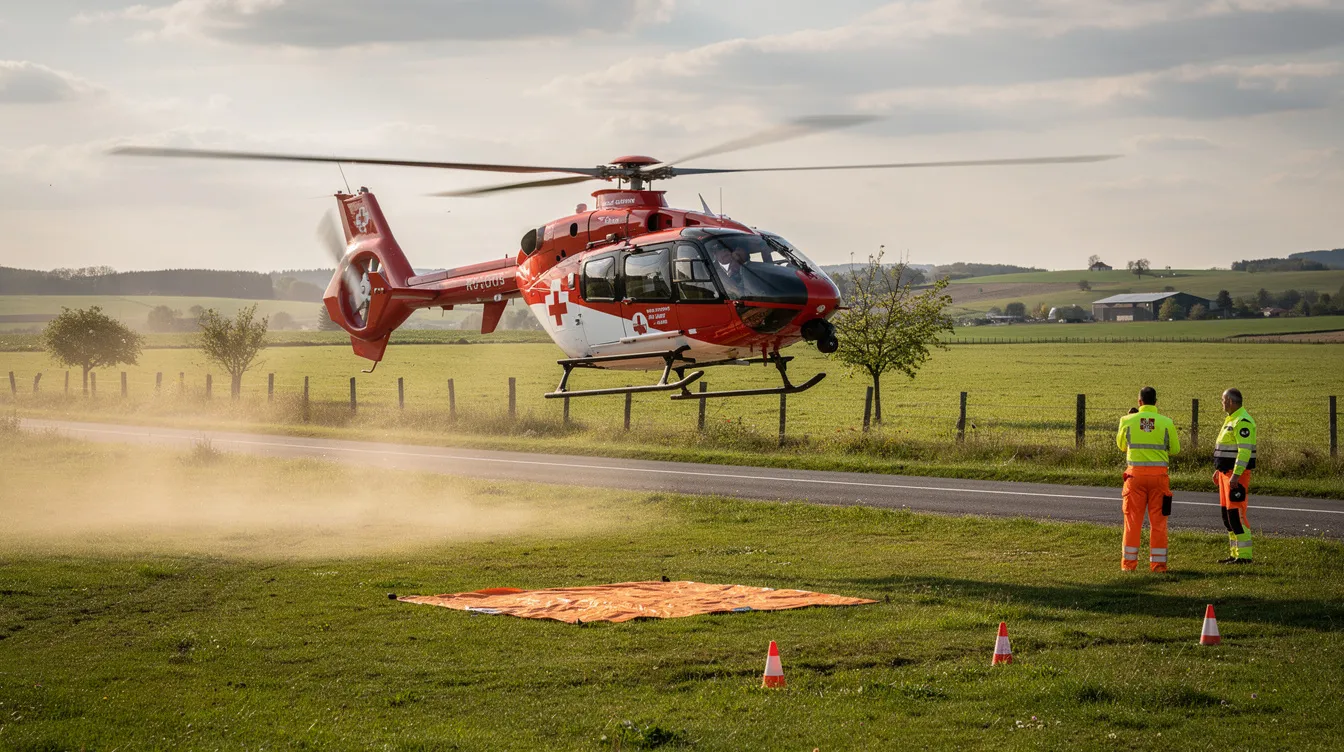
Cost of Flight for Life: What Air Ambulance Transport Really Costs
Air ambulance transport can be a lifesaver during medical emergencies, but the costs can be staggering, ranging from $12,000 to over $200,000. This guide explores the factors influencing these prices, including distance, aircraft type, and medical care level, while offering tips on managing and reducing costs effectively.
Read More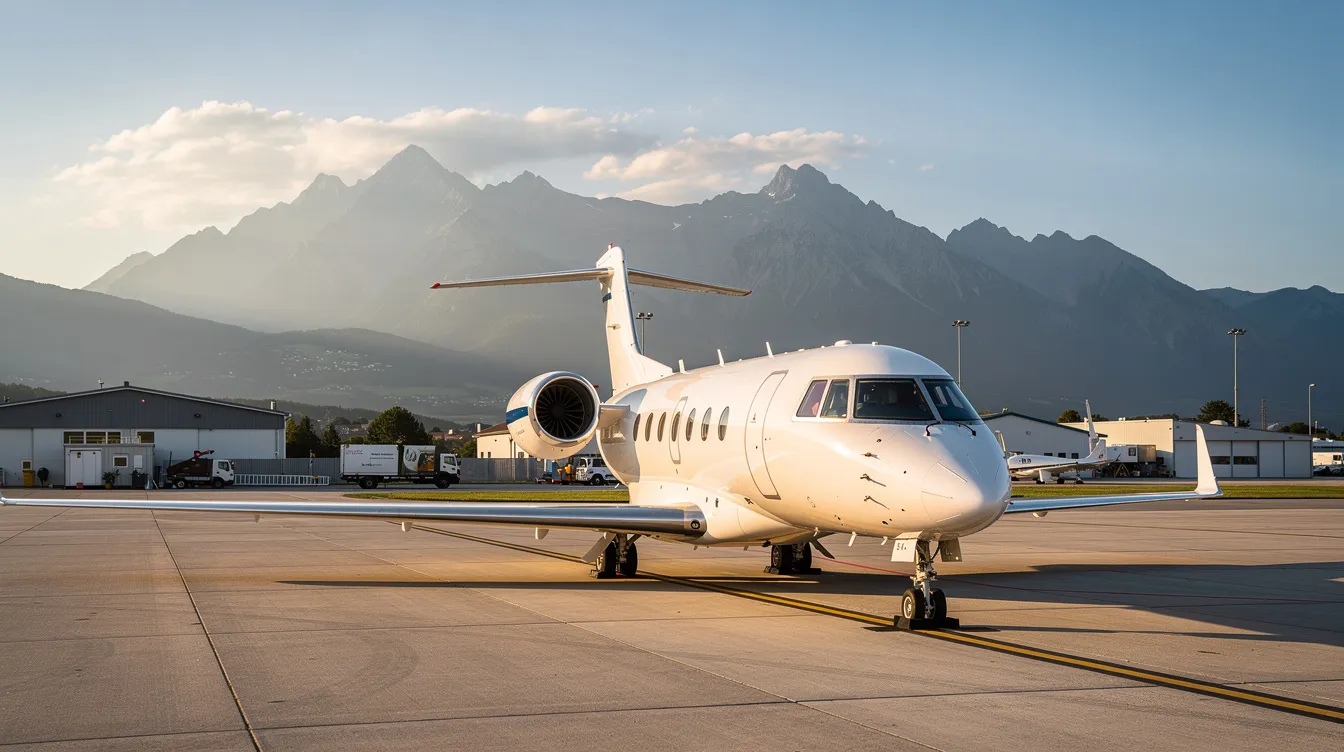
5
min read
Private Jet Demand: How the Market Evolved, Who's Flying, and What It Means for Charter in 2026–2030
The private jet market has seen a significant surge in demand, remaining 35% above pre-pandemic levels through mid-2026. This trend is driven by a broader demographic of first-time flyers, increased flexibility, and the rise of digital booking platforms. As the industry evolves, travelers can expect tighter availability and a focus on sustainability through 2030.
Read MoreStay updated with our latest insights and tips to elevate your journey with us.
MEMBERSHIPS AND ASSOCIATIONS



Disclaimer: Jettly operates as a charter broker, offering access to a global digital jet charter marketplace. Jettly is not a direct air carrier and does not own or operate aircraft. All advertised flights are conducted by third-party air carriers that are fully licensed and hold the appropriate Part 135 or Part 121 certifications issued by the Federal Aviation Administration (FAA) or equivalent regulatory authorities under U.S. or foreign law. Jettly complies fully with the U.S. Department of Transportation's Part 295 and Part 298 Charter Broker regulations. Jettly does not carry additional liability insurance. Passengers are covered by aircraft operator insurance. TICO: 50023770


