


Login
Get Instant Pricing On 23,000+ Aircraft

>
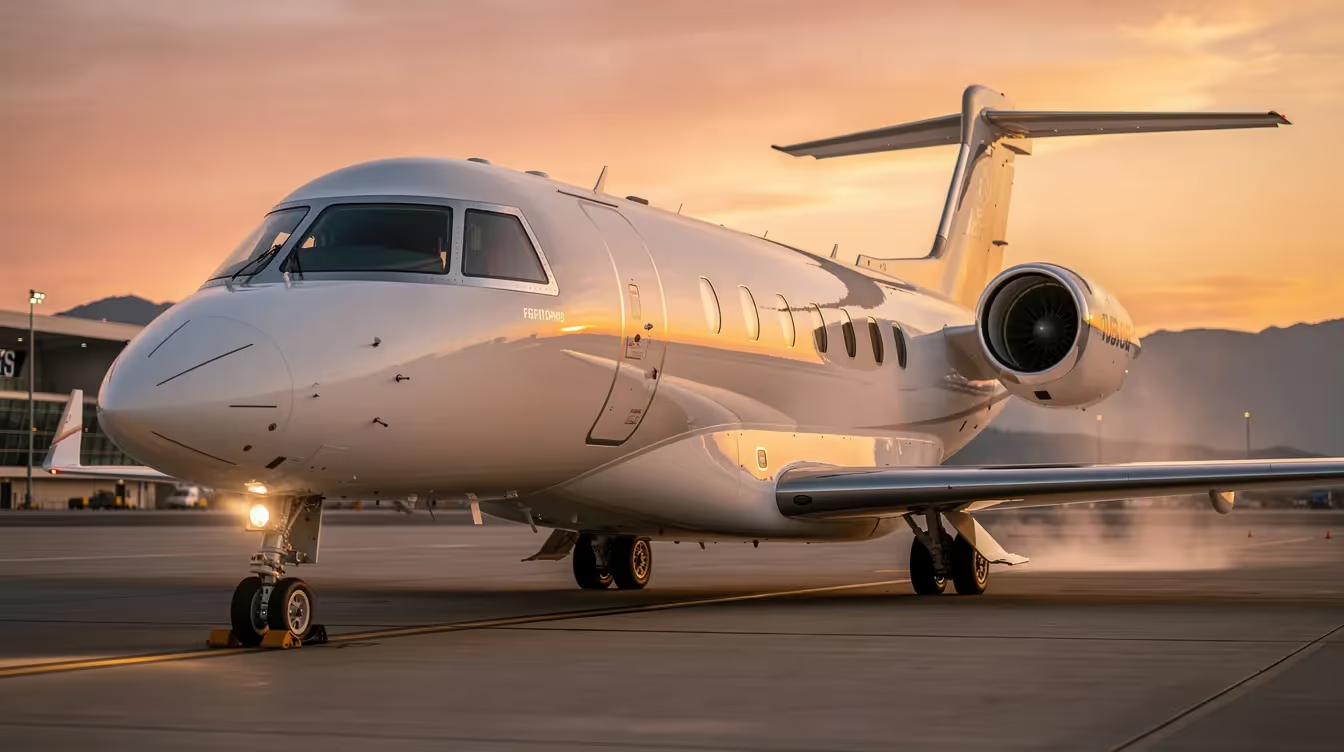
The pup plane holds a special place in recreational aviation. This guide is for modern pilots, aviation enthusiasts, and prospective homebuilders interested in the Preceptor N3 Pup and its variants. It covers the history, design, variants, operational considerations, and how these aircraft compare to modern charter options. The Sopwith Pup, originally named the Sopwith Scout, is a notable example of the heritage and evolution of the Pup family of planes. Understanding the Preceptor N3 Pup family helps enthusiasts decide whether this classic design suits their flying goals—or whether professional charter services better fit their needs.
A pup plane typically refers to the Preceptor N3 Pup family—simple, affordable high-wing homebuilts first sold in the late 1970s–1980s, with hundreds completed globally by December 2011.
The N3 Pup can qualify as a FAR Part 103 ultralight with a 40 hp TEC Half VW engine and 254 lb empty weight. FAR Part 103 is a set of U.S. regulations that define ultralight vehicles, including a maximum empty weight of 254 lb (115 kg) when built to specifications. The Super Pup and Ultra Pup move into heavier experimental amateur-built aircraft territory.
Modern pilots mainly acquire pup planes as finished aircraft or through second-hand kit stock; they are not available through private charter platforms.
Travelers wanting turnkey private flights can use Jettly’s digital charter marketplace instead, accessing over 20,000 private charter aircraft worldwide with instant pricing and professional crews.
The name “pup” carries historical weight—the Sopwith Pup was a legendary British World War I fighter known for exceptional handling and pioneering flight designs.
The term pup plane commonly refers to the Preceptor N3 Pup series of small, high-wing, tube-and-fabric homebuilt aircraft. Developed in response to the demand for affordable, buildable aircraft, these minimalist machines appeared in the late 1970s and early 1980s as fun-to-fly ultralights inspired by classic taildraggers like the Piper Cub and Bellanca Citabria.
In modeling, pup planes refer to small aircraft models designed for stability and ease of construction, often resembling historic aircraft.
The “pup” designation carries aviation heritage. The nickname “Pup” originated from the official name Sopwith Scout, as pilots viewed it as a smaller offspring of the Sopwith 1½ Strutter. Despite having half the horsepower compared to its German counterparts, the Sopwith Pup was often considered superior in combat due to its low wing loading. The Sopwith Pup featured ailerons on both upper and lower wings for enhanced roll rate, a design choice that became typical for high-performance biplanes.
The N3 Pup family includes three related models: the N3 Pup (FAR Part 103 capable), Super Pup, and Ultra Pup (N3-2) tandem. Each variant features different weights and engine choices, giving builders flexibility based on their intended mission.
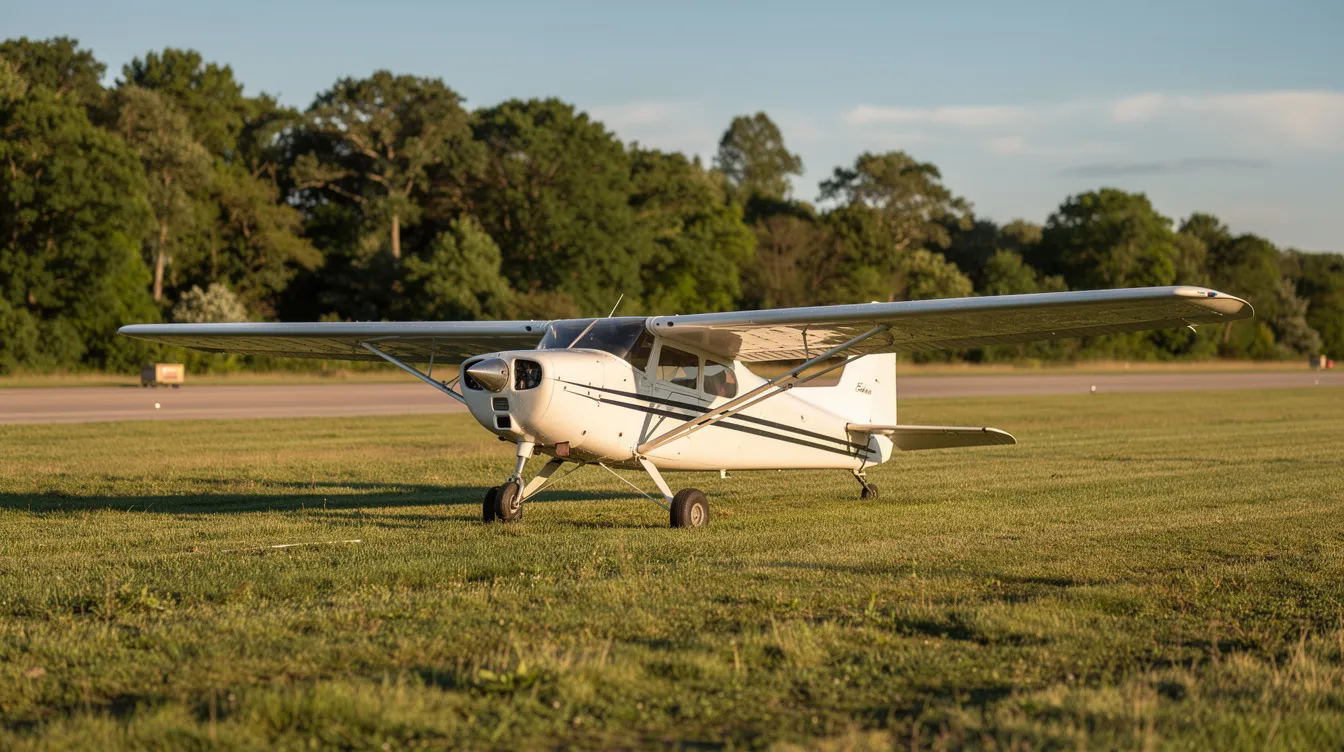
While pup planes serve owner-pilots and builders seeking recreational flying, the N3 Pup can be constructed from plans or kits, with plans readily available for homebuilders. Readers interested in professionally operated private aircraft for travel can explore charter options via Jettly.
The N3 Pup uses tube-and-fabric construction with a conventional 4-cycle engine. The fuselage and tail are made from welded 4130 chromoly steel tube, while fabric-covered wings and control surfaces keep weight low and enable field repairs.
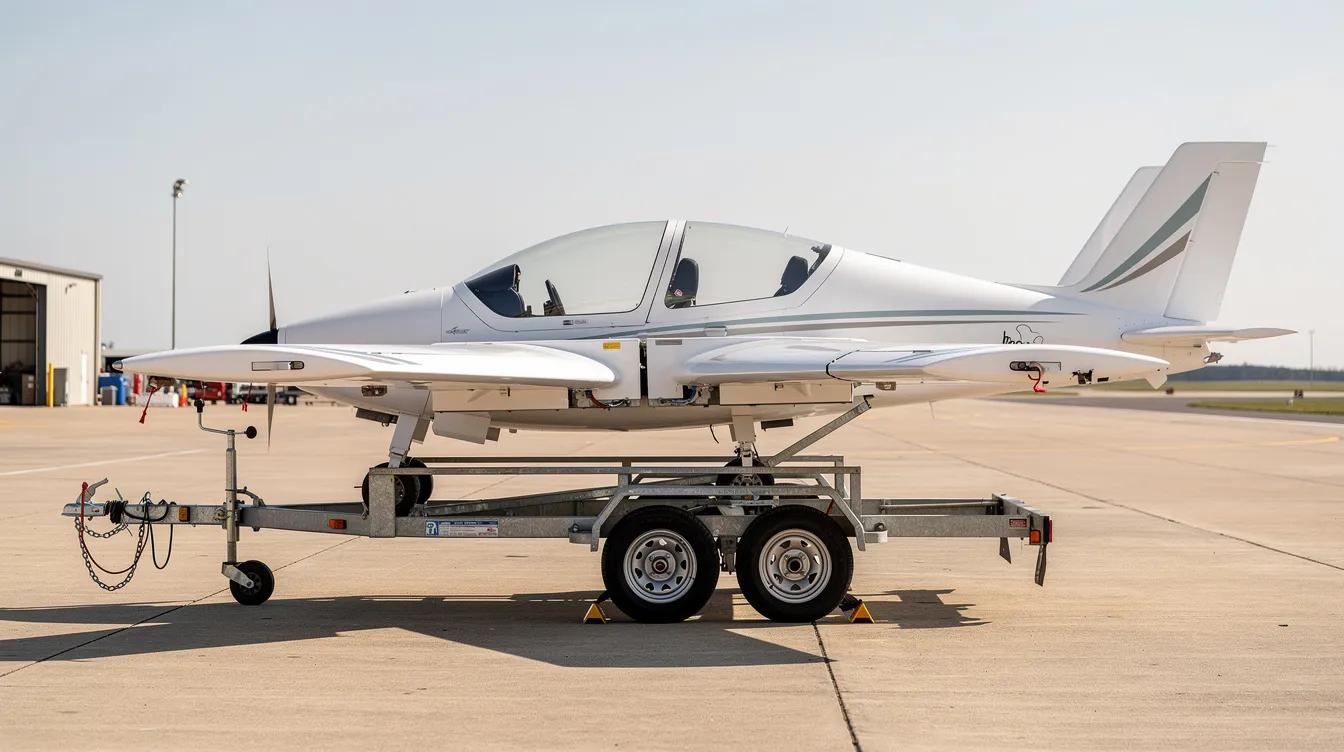
The aircraft can be built with two main wing configurations: an aluminum spar with hinges that allows for folding wings for trailering and storage, or a wooden wing spar configuration that keeps the wings fixed for minimum empty weight. This versatility extends to floats and skis, transforming the airplane into a STOL-style recreational platform for lakes and snowfields.
Pup aircraft construction commonly uses materials like balsa wood or modern foam in certain components, ensuring they are relatively easy to assemble. The Sopwith Pup is recognized for its forgiving flying nature, and the N3 Pup carries forward this stable, predictable handling.
Typical engine choices over time include Half VW engines by Global Engines, Mosler engines, and TEC engines, including the TEC MM CB engine. The MM CB-40 was the last purpose-built engine specifically designed for the N3 Pup and was the purpose-built engine marketed to homebuilders as the ultimate powerplant for this aircraft. The production engine options have evolved, but the half VW remains popular for its balance of power and lighter weight.
The N3 Pup was engineered to meet FAR Part 103 ultralight vehicle standards. FAR Part 103 is a set of U.S. regulations that define ultralight vehicles, including a maximum empty weight of 254 lb (115 kg) when built to specifications. These regulations require:
Single-occupant recreational use
Maximum 254 lb empty weight (excluding safety devices)
55 knots maximum speed in level flight
24 knots maximum stall speed
With a lightweight 37–40 hp four-stroke Half VW or TEC engine and minimal additions, the N3 Pup achieves compliance at precisely 254 lb empty weight and approximately 535 lb gross weight. Typical performance includes:
|
Specification |
N3 Pup (FAR 103) |
|---|---|
|
Wingspan |
30 ft 6 in |
|
Length |
16 ft 6 in |
|
Wing area |
120 sq ft |
|
Empty weight |
254 lb |
|
Gross weight |
535 lb |
|
Cruise speed |
60 mph (52 knots) |
|
Stall speed |
27 mph (23 knots) |
|
Service ceiling |
10,000 ft |
|
Rate of climb |
600 ft/min |
|
Range |
170 miles |
|
Fuel capacity |
5 U.S. gallons |
|
Wing loading |
3.76 lb/sq ft |
Under Part 103, no FAA pilot certificate, medical, or aircraft registration is required in the U.S. However, safe training, local airspace rules, and liability insurance still apply. Pilots who prefer renting ready-to-fly aircraft can explore affordable airplane rental options and costs. The generous wing area contributes to the low wing loading and forgiving handling that make these aircraft suited for student pilots and recreational fliers.
Certificated and chartered aircraft operate under stricter regulations with licensed commercial pilots under Part 135 or equivalent rules, and they are typically flown by operators listed among leading private and charter airlines worldwide.
The baseline single-seat N3 Pup targets Part 103 compliance with a typical TEC Half VW 40 hp engine, 254 lb empty weight, and 535 lb gross weight. By December 2011, 830 N3 Pup aircraft had been completed and flown, showcasing its popularity among homebuilders. These have been flown cross-country and adapted for floats and skis.
Still a single-seat design, but with a higher empty weight of around 330 lb and a gross weight of nearly 630 lb. The Super Pup typically uses a larger engine—a 50 hp Volkswagen-based powerplant—for superior climb performance. First flown around 1995, approximately 55 were completed by 2011. The higher weights move this variant into the Experimental/Amateur-Built category.
This two-seater tandem configuration uses a 60 hp Volkswagen-based engine (originally the MM CB engine at 35 hp, later upgraded), with empty weight about 450 lb and gross weight near 1,100 lb. Folding wings ease ground transport and storage. Roughly 200 were completed by 2011. The Ultra Pup serves instruction, passenger rides, and shared recreational flying.
The N3 Pup family attracted grassroots enthusiasm throughout the 1980s–2000s. A standout example is the N3 Pup named “Citabriette,” visually modified to resemble a Bellanca Citabria with similar paint and detailing. This aircraft won the Grand Champion Ultralight award at the EAA AirVenture Oshkosh airshow in 1988, validating both the airframe’s finish quality and its appeal among serious builders.
The Sopwith Pup was the first aircraft to successfully land on a moving ship—an achievement realized by Sqn Cdr Edwin Harris Dunning on August 2, 1917, on HMS Furious. This pioneering spirit carries forward in the homebuilt community.
By 2011, more than 1,000 aircraft across the N3 Pup, Super Pup, and Ultra Pup variants had been completed worldwide. Typical missions include weekend grass-strip hops, regional fly-ins, and occasional float operations. These are personal recreational aircraft built and maintained by their owners—not commercial charter platforms, which are instead run by top private jet charter companies.
Exact specifications vary by builder and engine choice, but typical numbers are well-documented. The table above covers the N3 Pup baseline. Models of pup planes are known for their light wing loading and generous wing area, contributing to exceptional maneuverability and flight stability.
Common avionics remain basic: analog airspeed indicator, altimeter, tachometer, simple engine monitoring, and handheld radio. Modern tablets can add navigation capability, but extra weight can push an N3 Pup beyond 254 lb, forcing it out of Part 103.
Many engine choices exist beyond the half VW—builders have used propellers typically 4 ft 6 in diameter, wooden two-bladers, mounted in tractor configuration. Takeoff distance remains short due to the light construction and favorable power-to-weight ratio.
Pup planes are single-seat or two-seater, low-speed recreational aircraft suited to short hops and grass strips. They require hands-on flying skills and owner maintenance.
Chartered private aircraft—light jets, turboprops, heavy jets, helicopters—fly faster, higher, and farther with professional crews and certified maintenance. Travelers needing to move quickly between cities like New York–Miami or Toronto–Vancouver choose charter services, often comparing NetJets and alternative private jet providers like Jettly.
Digital platforms like Jettly provide instant pricing, on-demand booking, and access to over 20,000 aircraft worldwide—along with tools such as an airport locator for private jet flights—making private travel a service rather than a construction project.
Most original kits are no longer in active production, but pup planes circulate on the secondary market. Completed N3 Pups list at $15,000–$30,000 depending on condition and engine. Unfinished projects cost less but carry more risk. In contrast, stepping up to turbine or jet ownership requires understanding how much a private jet really costs.
Key due-diligence steps include:
Reviewing build logs
Verifying airworthiness documentation
Arranging a pre-buy inspection by an experienced A&P
Checking for tube corrosion and fabric age (15–20 years typical life)
Ownership involves tie-down or hangar requirements, condition inspections, and engine overhaul intervals every 1,000–2,000 hours. International rules differ—consult local aviation authorities regarding licensing. Prospective owners comparing factory-built business aircraft can review the best private plane manufacturers for different budgets and missions.
Pup planes use small 4-stroke engines (37–60 hp) burning 2–3 gallons per hour of automotive gasoline. Direct fuel consumption stays modest per flight, though per-seat-mile emissions can exceed those of commercial airliners due to single-occupant operation. Travelers comparing recreational flying with on-demand charter can also review how private jet charter pricing is structured and optimized.
Modern charter operators and platforms like Jettly increasingly focus on efficient aircraft selection, route optimization, and carbon offset programs. Travelers can use a private jet charter cost estimator and ask about efficient aircraft types when booking.

Aviation enthusiasts have three main paths: building a homebuilt like a Pup plane, renting certified aircraft from a flying club, or chartering professionally operated private aircraft on demand.
Jettly serves the third path—a digital marketplace where individuals and companies search routes, compare aircraft categories, and obtain instant charter pricing. Core benefits include access to a large global aircraft inventory, transparent cost breakdowns, private jet membership options, and integration of services like catering and ground transport.
Ready to experience private travel on your terms? You can estimate trip budgets with a jet card flight cost calculator, then explore flight options or request a quote at Jettly.
No. The N3 Pup family is visually and conceptually inspired by classic high-wing taildraggers like the Cub, but features simpler homebuilt construction and ultralight-friendly weight. The Beagle Pup is another distinct aircraft—an all-metal, aerobatic light plane designed in the late 1960s, known for its precise handling. Neither should be confused with the N3 Pup.
Pup planes are designed for personal recreational use under ultralight or experimental rules. They are not certified or insured for commercial charter operations. Passengers needing charter services should use professionally operated aircraft through platforms like Jettly.
In the United States, an N3 Pup meeting FAR Part 103 requirements can be flown without an FAA pilot certificate. Heavier variants require at least a sport or private pilot license. Regulations vary internationally. Due to their stable flight characteristics, pup planes are well-suited for novice training once proper instruction is obtained.
Yes. The Sopwith Pup is often used in hobbyist circles for RC models due to its stable flight characteristics and classic aesthetics. Many hobbyists build highly detailed Sopwith Pup models for competitions based on WWI aerial dogfighting scenarios. Pup planes in modeling refer to small aircraft models designed for stability, often resembling historic aircraft. Their lightweight makes them ideal for indoor flying, while full-size travelers sometimes prefer buying a single seat on a shared private jet flight instead of operating their own aircraft.
Visit https://www.jettly.com for detailed information on aircraft types, pricing models, and on-demand booking options for business and leisure travel.
Pup planes like the Preceptor N3 Pup and its variants offer a unique, hands-on flying experience rooted in aviation heritage and ultralight design principles. They appeal to recreational pilots and homebuilders seeking simplicity, affordability, and stable handling. However, these aircraft are not suited for commercial charter or fast, long-distance travel.
For travelers who prioritize convenience, flexibility, and professional service, digital private jet charter platforms like Jettly provide instant access to thousands of aircraft worldwide. Jettly’s transparent pricing, wide selection, and easy online booking make private aviation accessible without the complexities of ownership or building.
Whether considering a private plane for personal flying or exploring private jet charter options, understanding the strengths and limitations of each helps pilots and travelers make informed choices. Explore flight options or request a quote at Jettly to experience private travel on your terms.
Share this post:
Jay Franco Serevilla
May 6, 2026
|
5
min read
Discover tips and trends in the industry.

5
min read
Are Weekend Flights More Expensive? A Data‑Driven Guide for 2026 Travelers
Weekend flights are generally more expensive due to higher demand, with prices increasing by about 19% compared to midweek departures. This trend is confirmed by 2026 data, showing that Friday and Sunday flights often carry the highest premiums. However, travelers can find cheaper options by flying midweek or exploring private jet charters.
Read More
5
min read
Private Plane Magazine: A Modern Guide to Private Jet Travel
Private Plane Magazine serves as a comprehensive guide to private jet travel, offering readers practical insights into aircraft types, costs, and booking processes. It emphasizes clarity and actionable information, helping both business and leisure travelers navigate the complexities of private aviation. With a focus on real examples and transparent pricing, the magazine aims to demystify the private jet experience.
Read MoreStay updated with our latest insights and tips to elevate your journey with us.
MEMBERSHIPS AND ASSOCIATIONS



Disclaimer: Jettly operates as a charter broker, offering access to a global digital jet charter marketplace. Jettly is not a direct air carrier and does not own or operate aircraft. All advertised flights are conducted by third-party air carriers that are fully licensed and hold the appropriate Part 135 or Part 121 certifications issued by the Federal Aviation Administration (FAA) or equivalent regulatory authorities under U.S. or foreign law. Jettly complies fully with the U.S. Department of Transportation's Part 295 and Part 298 Charter Broker regulations. Jettly does not carry additional liability insurance. Passengers are covered by aircraft operator insurance. TICO: 50023770


