


Login
Get Instant Pricing On 23,000+ Aircraft

>
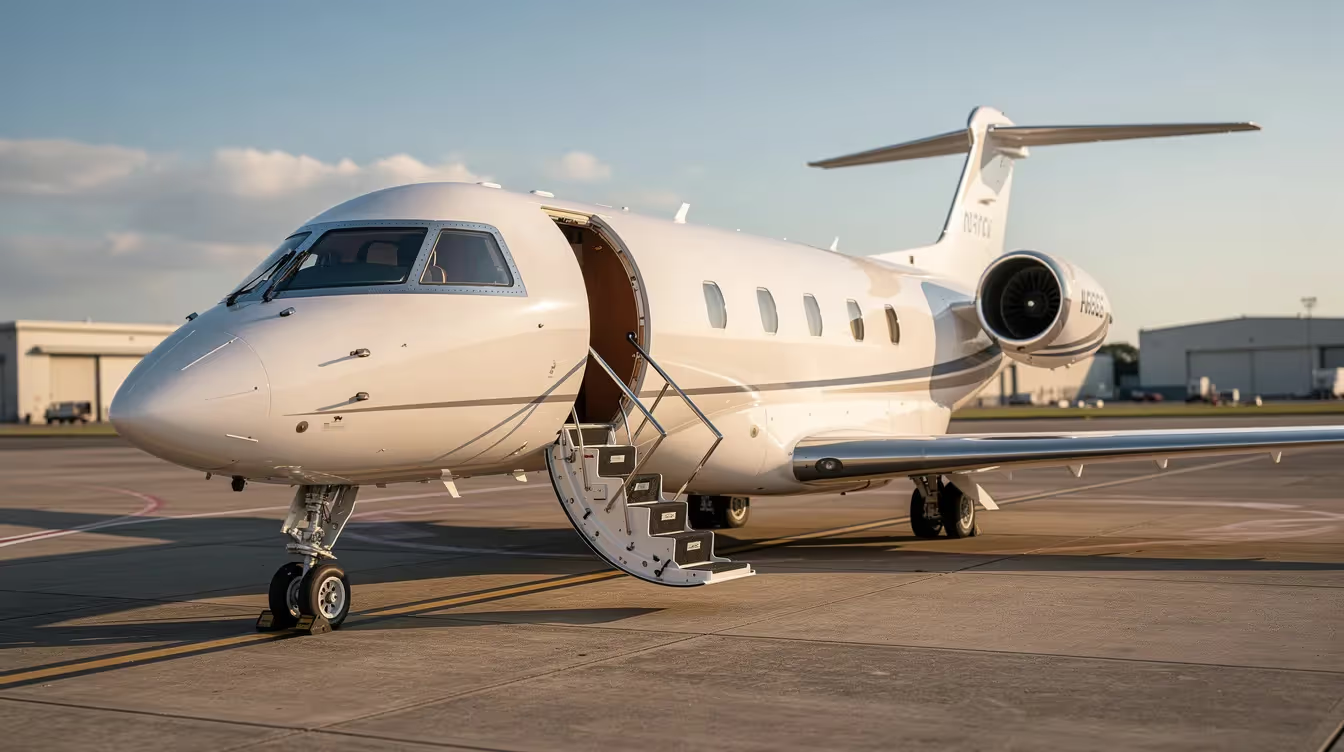
Private jet ownership offers unmatched convenience and flexibility but comes with significant financial and operational commitments. For many travelers, especially those flying less than 200 hours annually, full ownership may not be the most practical or cost-effective option. Fortunately, a range of private jet ownership alternatives exists in 2026, providing access to private aviation without the burdens of managing an entire aircraft.
This guide explores smarter ways to fly private, including on-demand charter, jet cards, memberships, fractional ownership, and leasing. Each option caters to different travel needs, budgets, and usage levels. Understanding these alternatives helps travelers and businesses make informed decisions that balance convenience, cost, and flexibility, unlocking the benefits of private jet travel on their own terms.
A private jet ownership alternative includes on-demand charter, memberships, jet cards, fractional ownership, and leasing—each suited to different flight hours and budgets.
On-demand charter through platforms like Jettly fits travelers flying under 75–100 hours per year, with no upfront capital or long-term contracts.
Charter pricing in 2026 ranges from approximately $3,000/hour for turboprops to $20,000+/hour for large cabin jets.
Fractional ownership starts around $500,000+ for entry shares and requires multi-year commitments.
Alternatives reduce capital outlay, operational responsibility, and depreciation risk compared to full ownership.
Aircraft prices and operational costs have climbed steadily since 2020, making full jet ownership increasingly difficult to justify for most travelers. A private jet ownership alternative now offers access to private aviation without the burden of managing crews, maintenance, or multi-million-dollar capital outlays.
Choosing the right private jet ownership alternative depends on your individual or business private aviation needs, such as how often you fly, the level of flexibility required, and your budget.
Full ownership typically requires a purchase price of $5M–$70M+ for mid to large cabin jets, plus $1M–$4M annually in fixed costs covering crew salaries, hangar fees, insurance, and aircraft maintenance. Many owners fly fewer than 200 hours per year, which means those fixed costs are spread across relatively few flights.
Post-COVID demand for flying private accelerated the rise of digital charter platforms like Jettly. These platforms offer asset-light models where travelers pay only for actual flight time, providing a convenient private aviation experience without the operational burdens of ownership. The following sections compare each major alternative, including different types of private aviation programs, with concrete cost ranges and guidance on when each model makes sense.
The main ownership models fall into four categories: on-demand charter, memberships and jet cards, private jet fractional ownership, and leasing. Private jet membership and private jet fractional ownership are key models among the alternatives, offering flexible access to private aviation without the need for full ownership. Commercial first class is not covered here—this section focuses exclusively on private aviation solutions.
Model Comparison
|
Model |
Ideal Annual Hours |
Commitment Length |
Indicative Cost Level |
|---|---|---|---|
|
On-Demand Charter |
Under 75 |
Per trip |
$3,000–$20,000+/hour |
|
Jet Card / Private Jet Membership |
25–150 |
12–24 months |
$150,000–$300,000 upfront |
|
Fractional Ownership |
75–200 |
3–5 years |
$500,000+ entry share |
|
Leasing |
200+ |
2–5 years |
Varies by aircraft |
Fractional ownership is considered an attractive option for those seeking a balance between cost and access, as it allows shared ownership and managed aircraft access. Each model offers a different balance of flexibility, commitment, and cost. The sections below break down each option, with Jettly positioned within on-demand charter and membership solutions.
On-demand charter means paying per trip with no ownership interest and no long-term contract. Chartering is the most popular private aviation option because it offers a convenient private aviation experience with minimal commitment. Travelers can select from turboprops, light jets, midsize, super-midsize, and heavy jets based on each trip’s requirements.
This model serves as the best private jet ownership alternative for those flying under 75–100 flight hours per year. Users pay only for the aircraft utilization on a trip-by-trip basis, avoiding high upfront costs. There is no depreciating asset to manage, no monthly management fee, and complete control over when and how often to fly.
Jettly operates as a global digital charter marketplace with access to 20,000+ aircraft, instant pricing, an airport locator tool for thousands of destinations, and transparent booking. It offers an alternative to traditional ownership and jet card programs without hidden fees or long-term lock-ins.
The booking flow is straightforward: request a route and date, review aircraft options and pricing, confirm the booking, and fly. Popular routes like Los Angeles–Las Vegas (45 minutes) or Toronto–Vancouver (4.5 hours) can often be arranged within 24–48 hours.
Flights are operated by licensed air carriers meeting FAA Part 135 or EASA standards. Platforms like Jettly connect travelers with these operators but do not operate aircraft directly. There is no capital investment, no depreciation risk, and no obligation beyond each individual trip.
Charter also allows mixing aircraft types across trips—using a light jet for a quick business hop and a large cabin for family travel—unlike owning a single aircraft model.
Charter pricing is typically quoted per flight hour plus taxes and airport fees, and using a private jet charter cost estimator alongside a broader guide to affordable airplane rental costs and options can help you forecast trip budgets before booking. Ballpark 2026 hourly rates:
Turboprops: $3,000–$4,500/hour
Light jets: $4,500–$7,000/hour
Midsize jets: $6,500–$9,500/hour
Large cabin jets: $10,000–$20,000+/hour
For a New York–Miami trip (approximately 2.5 hours), a light jet might cost $11,000–$17,500, while a large cabin jet could run $25,000–$50,000. The difference reflects cabin size, passenger capacity, and amenities.
On-demand charter is ideal for occasional leisure trips, mixed business and family travel, and travelers testing private air travel before making larger commitments. Empty leg flights—deeply discounted one-way flights that occur when an aircraft must reposition for its next scheduled trip—offer significant savings for those with high schedule flexibility and are central to many strategies for booking the cheapest private jet flights. On-demand charter provides the flexibility and cost management associated with private jet travel, allowing you to enjoy convenience and luxury without long-term commitments.
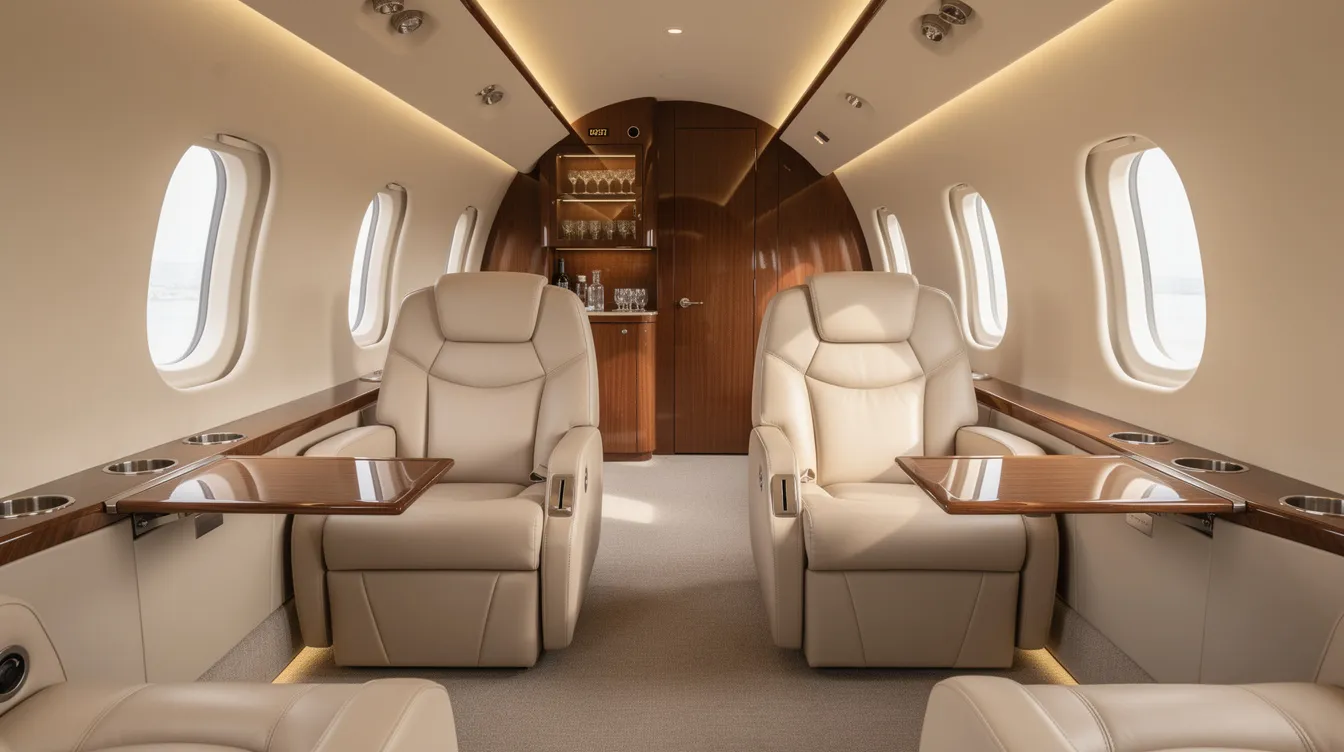
Jettly’s platform provides instant online pricing, digital contracts, and 24/7 support. The global reach of 20,000+ aircraft means travelers can access consistent service across multiple regions without managing relationships with individual operators.
Pricing transparency is central to the platform—travelers see total costs before booking with no jet-card-style breakage or opaque surcharges. Jettly works only with certified operators that comply with regional regulations and third-party auditing, where applicable.
Consider a Toronto-based executive flying Toronto–Chicago twice monthly, plus family trips to Florida. At roughly 60–80 hours annually, on-demand charter through Jettly delivers personalized service and aircraft availability without the $500,000+ entry cost of fractional programs or the upfront costs of jet cards.
Memberships and jet cards sit between pure charter and fractional ownership. Jet card programs are prepaid programs where a block of flight hours is bought at a fixed hourly rate, often in 25-hour increments. Understanding what a jet card is, its costs, and how it works is key before committing significant upfront capital. They provide fixed hourly rates and some level of guaranteed availability in exchange for an upfront payment for blocks of hours—often $150,000–$300,000 in 2026—allowing for easier budgeting with fixed pricing.
Private jet membership programs offer access to private aircraft through a membership model, typically involving membership fees that may be charged monthly or annually in addition to trip costs. These programs provide flexibility and predictable costs for less frequent flyers, and may include benefits like upgrades and guaranteed availability. Membership programs frequently offer lower per-hour pricing than ad-hoc charter and suit travelers flying 25–150 hours yearly who value price predictability without an equity stake, especially when you compare the best jet card programs available today for features and pricing.
Shared flights and memberships also allow booking individual seats on scheduled or shared private routes, catering to travelers who don't mind sharing the cabin and want to know how to buy a seat on a private jet and get a seat on a private jet easily through modern platforms and deals. This option provides an additional way to access private aviation at a lower cost while enjoying many private jet benefits by leveraging crowdsourced private jet flights and shared empty seats.
Jettly offers private jet membership structures as an alternative to traditional jet cards, emphasizing transparent, tech-driven access rather than multi-year contracts.
Jet cards function like debit-style prepayment. The customer purchases a block of hours or dollar credit, then draws down the balance with each flight. Key terms include service area zones, peak versus non-peak days, and potential blackout dates.
Jet cards offer high flexibility to switch aircraft types and pay as you go, often allowing booking on shorter notice than fractional ownership or memberships.
Example: A 25-hour card on a light jet might lock in rates at $5,500/hour for 12–24 months.
Pros: Predictable costs, simplified booking, consistent access to a standardized cabin experience, and flexibility to select different aircraft types.
Cons: Large upfront payment, potential use-it-or-lose-it rules on unused hours, and less flexibility to compare fractional jet ownership costs or shop across the full market for each trip.
Membership models allow clients to pay a recurring fee to unlock benefits offered, such as lower per-flight margins, concierge support, or priority access. Unlike jet cards requiring $150,000+ upfront, membership structures can be more accessible.
Jettly’s membership provides platform-level advantages—lower effective hourly rates and priority booking—without the full commitment of fractional programs. Prospective members can use a jet card flight cost estimator to benchmark jet card-style pricing against on-demand charter. This works well for frequent flyers on predictable routes who want digital self-service paired with human support.
Before committing funds, compare fractional jet ownership programs and jet card programs using recent pricing data. The effective total cost across 12–24 months often differs significantly from brochure estimates.
Fractional aircraft ownership and private jet fractional ownership are types of private aviation programs where multiple parties collectively own shares—typically 1/16, 1/8, or 1/4—of a specific aircraft managed by a provider, sharing both costs and responsibilities, whether for business jets or smaller aircraft such as those covered in a fractional ownership guide for Cessna 172s, and anyone evaluating this route should understand how much a private jet really costs across ownership models. Major providers in fractional ownership include NetJets, Flexjet, and PlaneSense, who have popularized this model by offering access to a managed fleet, and travelers comparing options often look at the best fractional jet ownership companies and costs.
Fractional ownership makes sense around 75–200 flight hours annually, especially for businesses with predictable schedules. Main cost components include buy-in price, monthly management fees, hourly occupied-flight fees, and potential repositioning fees.
While an alternative to full ownership, fractional private jet ownership remains a long-term financial commitment compared to charter and membership.
Entry shares in 2026 often start around $500,000–$1,000,000+ for 1/16 or 1/8 shares in light or midsize jets. Contracts typically run 3–5 years.
Monthly management fees cover maintenance, storage, and administrative costs, in addition to fixed costs like hangar, crew salaries, insurance, and administration—these fees can vary significantly among providers and often total tens of thousands of dollars annually. Owners also share other expenses, such as miscellaneous operational costs, which should be considered when evaluating the total cost breakdown of fractional jet ownership. Hourly charges apply each time the aircraft is used, and hourly rates for fractional jet ownership can be approximately double the hourly rates of chartering, with additional monthly fees on top. This makes it essential for potential owners to evaluate their flight frequency and budget carefully.
Fractional owners bear depreciation risk on a depreciating asset and must understand exit terms, weighing the good, the bad, and the ugly of fractional private jet ownership before committing. Some fractional ownership programs allow upgrades or downgrades using interchange ratios, adding flexibility for specific trip requirements.
Fractional ownership offers guaranteed availability and consistent service standards for those flying similar routes multiple times weekly. However, it requires heavy upfront capital and ongoing administrative costs, so it is important to evaluate the fractional jet ownership pros, cons, and costs against your projected usage.
Compare fractional jet ownership to charter: fractional provides predictability but locks capital into an aircraft category. Compared to full ownership, fractional offers shared ownership, lower acquisition cost, and professional management, but less complete control over cabin customization.
Those uncertain about future flight hours or business changes may be better served starting with a charter through Jettly as a NetJets and fractional ownership alternative before committing to a provider like NetJets, the industry leader in fractional private aviation. The platform can also supplement fractional programs for overflow trips or other fractional owners needing additional aircraft types.
Aircraft leasing offers exclusive access to an entire aircraft without full purchase. Leases can be dry (aircraft only) or wet (aircraft plus crew), with terms typically 2–5 years.
Leasing provides full or partial access to a specific aircraft under fixed terms, often including bundled crew and maintenance, making it a consistent option compared to individual chartering. This arrangement suits travelers or businesses seeking predictable access without the capital commitment of ownership, but many still compare it against affordable private jet charter options and the best private jet charter companies for luxury, reliability, and flexibility.
Full ownership means buying and operating an aircraft—highest control but also highest total cost and complexity. For many travelers, leasing and full ownership only become logical above 200+ hours annually or in specialized corporate cases.
Even high-utilization users often supplement owned or leased aircraft with on-demand charter through Jettly for overflow, short hops, or backup coverage, leveraging its access to a broad range of private charter aircraft and insights from guides to the best private airplanes and jet categories.
A 3-year operating lease typically involves a deposit, monthly lease payments, hourly operating costs, and return conditions. Advantages include access to a specific aircraft model and operational continuity without tying up full purchase capital.
Drawbacks include multi-year commitment, exposure to market conditions at renewal, and responsibility for maintenance standards. Many organizations maintain charter access alongside leases for dates when the leased aircraft is unavailable.
Full aircraft ownership economics include acquisition cost ($5M–$70M+ in 2026), crew salaries, hangar fees, insurance, maintenance, and regulatory compliance. Owners bear all fixed costs regardless of actual flight time.
Ownership typically makes financial sense only beyond 200–300 hours annually with a strong management infrastructure. For most private flyers, charter and memberships via Jettly remain more cost-effective and flexible.
No single solution fits everyone. The optimal model depends on annual flight hours, route patterns, financial goals, and appetite for commitment.
Under 25 hours/year: On-demand charter via Jettly
25–75 hours: Charter or entry-level membership
75–200 hours: Membership, jet cards, or fractional
200+ hours: Leasing or ownership analysis warranted
Consider these factors when making an informed decision:
Annual flight hours and typical routes
Required notice period and guaranteed availability needs
Cabin size mix across different trips
Preference for digital self-service versus high-touch management
Upfront capital available and willingness to accept depreciation risk
Tax benefits potential (consult qualified advisors)
Compare effective hourly costs using real quotes rather than brochure estimates, and factor in how different aircraft types impact range and comfort by consulting a guide to finding the best cross-country plane for your journeys. Explore Jettly’s platform to test on-demand pricing on common routes as a baseline comparison.
Private aviation carries a higher per-passenger emissions profile than commercial airlines. However, ownership alternatives can reduce environmental impact by right-sizing aircraft to each trip—using a light jet for two passengers rather than operating an underutilized heavy jet—and by understanding which private plane manufacturers and models best match your efficiency and range needs.
Digital platforms like Jettly help match clients with aircraft that minimize repositioning flights, cutting both cost and emissions. Many charter operators now offer carbon offset programs and sustainable aviation fuel options.
For corporate ESG reporting in 2026 and beyond, documenting flight efficiency and offset purchases supports sustainability commitments, especially for companies frequently arranging international private jet flights and long-range missions.
As technology and traveler expectations continue evolving, flexible access models will keep expanding relative to traditional ownership—making 2026 an ideal time to explore alternatives.

Jettly works exclusively with licensed air carriers meeting FAA Part 135 or EASA standards, plus often additional third-party audits. Safety oversight is handled by professional operators managing maintenance, pilot training, and regulatory compliance—similar to aircraft management companies serving private jet owners and partner operators such as Dexter Air Taxi’s private jet services—while dedicated services like Jettly Eats in-flight catering enhance the onboard experience. Travelers can request operator safety data and audit status when booking to better understand how Part 135 charter companies operate and maintain safety standards.
Popular business routes can often be arranged within 24–48 hours, while peak dates around holidays or major events are best booked 1–2 weeks in advance. Last-minute private flights remain possible, though aircraft availability and pricing may be less favorable. Jettly’s digital platform helps scan availability across a large network quickly, similar to instant-book operators like Zenflight’s private jet charter service.
Many frequent flyers combine ownership models—using fractional for core routes and charter for overflow, special trips, or different aircraft categories. Jettly serves as a flexible supplement for those with leased or owned aircraft, covering maintenance downtime or capacity gaps. Track total annual hours across all models to reassess whether the current mix remains cost-effective.
In many jurisdictions, businesses may deduct certain costs of charter, membership, or fractional programs when flights are primarily for business purposes. Tax rules vary depending on country and have changed multiple times since 2018—consult qualified tax and legal advisors for current guidance. Maintain detailed trip records, including purpose, passengers, and destinations, to support potential deductions.
Start with a 12–24 month history of actual or expected flight hours, typical routes, and cabin requirements. Under 75–100 hours annually, on-demand charter via Jettly typically offers the best balance of flexibility and value. Between 75–200 hours, memberships or fractional enter discussion. Above 200–300 hours, leasing or ownership warrants detailed analysis. Obtain real quotes from Jettly to save money by comparing effective costs before any long-term commitments.
A private jet ownership alternative—whether on-demand charter, membership, or fractional—offers flexibility, lower commitment, and exceptional service quality for most private flyers. Travelers can now access private flights without buying an entire aircraft or managing complex operations, and those in the travel or luxury space can even participate in Jettly’s ULTRA high-ticket affiliate program by referring clients.
Platforms like Jettly make it simple to compare aircraft types, routes, and prices online, delivering transparent, tech-driven access to private charter worldwide with global reach, similar to app-based providers such as XO charter flights and their smarter alternatives, and to the landscape described in a comprehensive guide to charter airlines and private flights.
Ready to experience private travel on your terms? Explore flight options or request a quote at https://www.jettly.com.
Share this post:
Jay Franco Serevilla
Apr 22, 2026
|
5
min read
Discover tips and trends in the industry.
5
min read
Jet Operating Costs: What It Really Takes to Run a Private Aircraft
Understanding private jet operating costs is essential for anyone considering aircraft ownership or chartering. This guide details the various expenses involved, including fixed and variable costs, and provides insights into how these costs vary by aircraft type. With information on annual operating costs and the benefits of chartering through platforms like Jettly, readers can make informed decisions about private aviation.
Read More
5
min read
Tickets to Key West: How to Find the Best Commercial and Private Flights to EYW
Finding the best tickets to Key West involves understanding the unique airport logistics and seasonal pricing. This guide provides insights on commercial and private flight options, including tips for securing the best deals and navigating Key West International Airport. Whether you choose a budget-friendly commercial flight or a tailored private jet experience, planning ahead is essential for a smooth trip.
Read MoreStay updated with our latest insights and tips to elevate your journey with us.
MEMBERSHIPS AND ASSOCIATIONS



Disclaimer: Jettly operates as a charter broker, offering access to a global digital jet charter marketplace. Jettly is not a direct air carrier and does not own or operate aircraft. All advertised flights are conducted by third-party air carriers that are fully licensed and hold the appropriate Part 135 or Part 121 certifications issued by the Federal Aviation Administration (FAA) or equivalent regulatory authorities under U.S. or foreign law. Jettly complies fully with the U.S. Department of Transportation's Part 295 and Part 298 Charter Broker regulations. Jettly does not carry additional liability insurance. Passengers are covered by aircraft operator insurance. TICO: 50023770


