


Login
Get Instant Pricing On 23,000+ Aircraft

>

Private jet owners today range from household names like Oprah Winfrey and Donald Trump to thousands of quietly wealthy entrepreneurs, executives, and family offices. While celebrity aircraft attract headlines, the typical owner is a 60-something male with a net worth well into nine figures. For many prospective flyers, the realities of ownership costs and complexity push them toward alternatives like fractional programs or on-demand charter platforms such as Jettly.
This article explores who private jet owners are, what types of aircraft they fly, the financial and lifestyle factors involved, and why this exclusive group shapes trends in business and luxury travel. It is designed for prospective buyers, aviation enthusiasts, and anyone interested in the realities behind private aviation. By examining demographics, aircraft types, ownership costs, motivations, and alternatives, readers gain insight into luxury travel, business efficiency, and evolving industry trends that define the world of private jet ownership.
Private jet owners typically have a net worth of $60–70 million for light jets, while large-cabin aircraft like the Bombardier Global series require a net worth of over $250 million.
The global average age of private jet owners is 63.6 years, with 97% male and over 93% aged 50 or older.
Owners span industries including banking, finance, private equity, tech entrepreneurship, and real estate, with North America hosting roughly 70% of all registered private jets.
Annual operating costs for large-cabin jets such as the Bombardier Global Express XRS can exceed $1–3 million, covering fuel, crew salaries, insurance, and maintenance.
Individuals can mitigate challenges of jet ownership through alternatives like fractional ownership and on-demand charter services, making platforms like Jettly attractive for travelers who want the experience without the commitment.
A private jet owner is an individual or corporate entity holding title to a business aircraft used primarily for personal, business, or mixed travel. Private jet ownership offers unmatched flexibility, allowing owners to bypass commercial airport hassles and set their own schedules.
Ownership spans from light jets suitable for regional hops to large-cabin, long-range aircraft like the Bombardier Global and Dassault Falcon families. Many aircraft are registered via LLCs or trusts, with the registration details or registration number listing a company or legal entity rather than the individual owner. This registration strategy helps maintain owner privacy and can make it more difficult to directly identify the true private jet owner.
The ownership landscape includes:
Whole ownership: Full title to a specific aircraft
Fractional ownership: Shares in an aircraft with proportional flight hours, often structured through fractional jet ownership programs
Heavy charter users: Frequent private flyers who prefer on-demand access
While celebrity private jet owners attract headlines, most owners are relatively low-profile executives, investors, and family offices who value discretion over display.
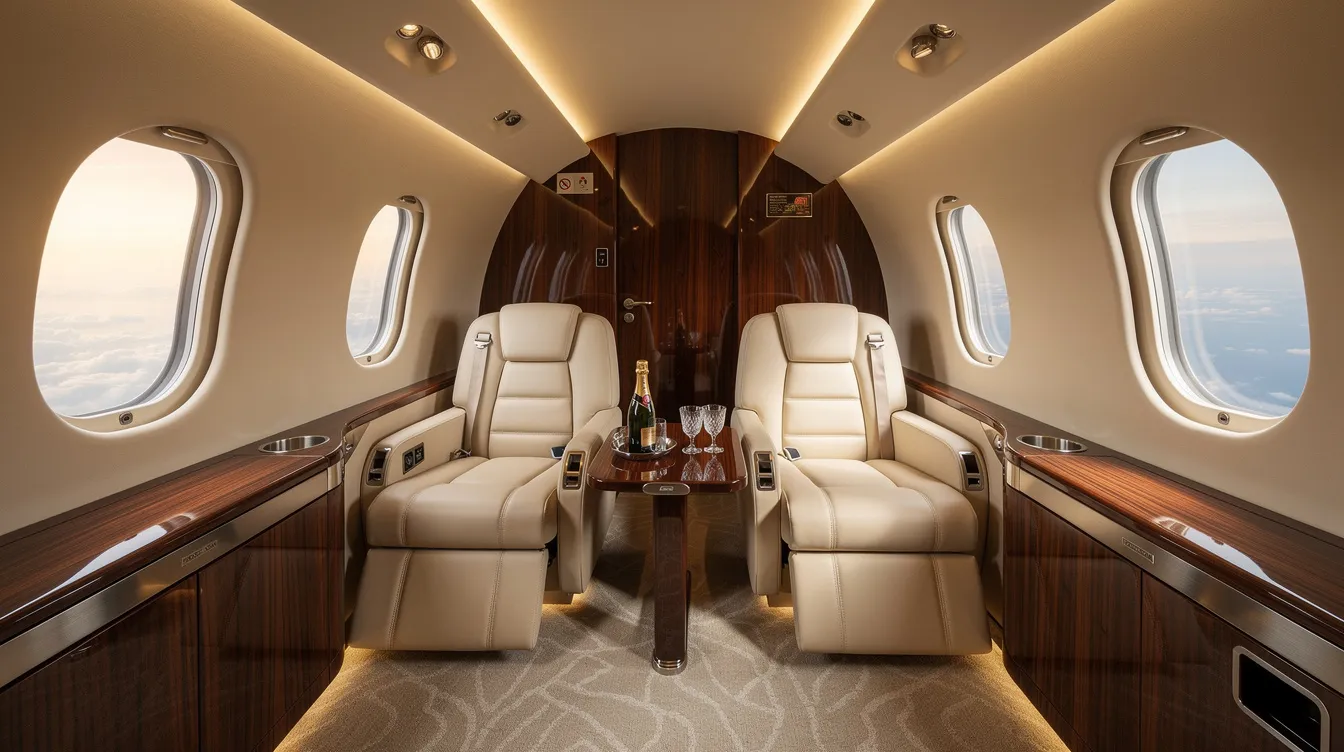
Data from global business aviation studies reveal consistent trends in age, gender, location, and industry among private jet owners. Private jet owners are typically ultra-high-net-worth individuals or corporations, often with a median net worth of around $190 million.
Key demographic data:
93% of owners are over 50 years old
Only 6.9% of all private jet owners are under 50 years old
Around 50% are aged between 50 and 70, while approximately 43% are over 70
97% of all private jet owners are men, which is higher than the general ultra high-net-worth population, where 89.8% are men
The global average age of private jet owners is 63.6 years old
Over 50% of owners report philanthropy as a key interest, with sports and outdoors also common, connecting to their frequent global travel patterns. Beyond celebrities, owners frequently come from banking, finance, private equity, tech entrepreneurship, and real estate development.
In 2026, 29% of new private jet buyers are under the age of 45, signaling a shift toward younger wealth entering the market. Some owners, such as Kyle Busch, have achieved private jet ownership at a young age, highlighting early success and entry into this exclusive group.
Geography strongly influences ownership due to infrastructure, tax rules, and business hubs. North America leads in private jet ownership, hosting roughly 70% of new deliveries, with high concentrations in Texas, Florida, and California.
North America makes up 70% of all private jets registered globally, with nearly 22,500 private jets currently in operation. The United States has the greatest number of private jet owners, followed by Brazil, Canada, Mexico, and Germany.
Key owner hubs include:
|
Region |
Major Cities |
Fleet Share |
|---|---|---|
|
North America |
New York, Los Angeles, Dallas, Miami, Toronto |
~70% |
|
Europe |
London, Geneva, Frankfurt, Paris |
~13% |
|
Middle East |
Dubai, Doha, Riyadh |
Growing |
|
Asia-Pacific |
Singapore, Hong Kong, Sydney |
Emerging |
Europe is the region with the second-highest number of private jets, accounting for around 13% of all aircraft. Asia’s private jet fleet remains small relative to its wealthy population, due to regulatory complexity and limited business aviation infrastructure.
Net worth correlates directly with aircraft size. Buyers of very light and light jets typically have net worths starting around $60–70 million, using aircraft mostly for regional trips.
The median net worth of private jet owners increases with the size of the aircraft:
Very light and light jets: $60–70 million net worth
Midsize and super-midsize jets: Around $120 million
Large jets: Median net worth of $270 million
Dominant sectors among owners include a wide range of industries that rely heavily on business aviation and on-demand charter airlines:
Banking and finance: ~20%+
Business and consumer services: ~13%
Real estate and construction
Manufacturing and industrials
Hospitality and entertainment
Many billionaire owners operate multiple aircraft types to match mission profiles. A Global 7500 handles intercontinental routes while a light jet covers short hops between regional facilities.
The world of celebrity private planes offers insight into how different owners use aviation for business, lifestyle, and branding. For example, Taylor Swift is known for owning and using two private jets, reflecting a trend among high-profile individuals to possess multiple aircraft for convenience and flexibility. Each profile below illustrates different motivations—from pure productivity to personal passion.
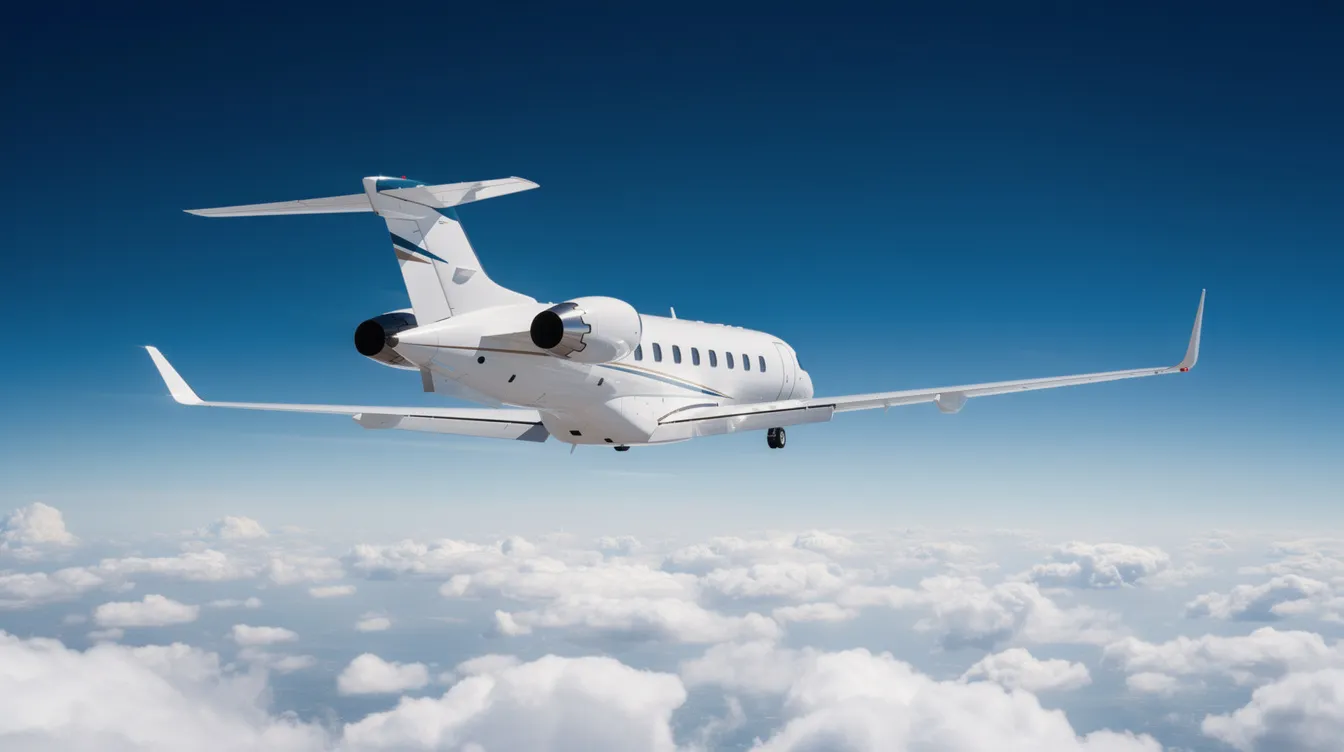
Oprah Winfrey has been associated with a Bombardier Global Express XRS and, more recently, a Gulfstream G650-class aircraft for global business and philanthropy travel. Purchase prices for these aircraft range from $40–70 million, depending on configuration.
The Bombardier BD-700 platform and Global Express XRS allow nonstop flights between cities such as Los Angeles and Johannesburg, aligning with her media and charitable commitments. Her ownership is often cited in discussions about privacy, safety, and efficient use of time for high-profile media executives.
Bill Gates, co-founder of Microsoft and co-chair of the Bill & Melinda Gates Foundation, has been linked to multiple Bombardier Global Express aircraft. The Bombardier Global Express can seat around 14–16 passengers, cruise at around 950 km/h, and cover intercontinental ranges suited to foundation work and business travel.
His case illustrates the tension between climate advocacy and private aviation. Gates has argued that efficient scheduling and carbon offsets can align with carbon reduction goals. For him, jets function as tools for complex global logistics rather than status symbols.
Donald Trump is known for owning a highly customized Boeing 757, sometimes called Trump Force One, valued at nearly $100 million. The aircraft features gold-tone fittings, private suites, and business seating for several dozen passengers, functioning as a flying office and residence.
The 757’s range and speed of around 1,000 km/h made it central to his 2016 and 2020 campaign travel across the country. His aircraft embodies the use of large jets as branding tools and political stages—owning a private jet serves as a branding tool for celebrities, with interiors often tailored to reflect their personal image and lifestyle.
John Travolta is a certified pilot who has owned and flown large aircraft, including a Boeing 707, and has a private runway near his home. His ownership is rooted in a passion for aviation rather than purely business or status needs.
Travolta has also been associated with smaller business jets for film-related travel and personal leisure flights. His profile illustrates that some owners place high personal value on piloting and aircraft heritage, viewing jets as extensions of their identity.
Jay-Z reportedly gifted Beyoncé a Bombardier Challenger 850, valued at around $40 million, configured for about 15 passengers. Features include a bedroom, full galley, and living area, illustrating how touring artists configure jets as both home and office.
Their travel patterns mix tour logistics, family trips, and last-minute global appearances. For many celebrities, private jets are seen as logistical assets that allow for efficient travel between multiple locations in a single day. Jay Z’s reported high CO2 output has connected their flying habits to broader environmental conversations.
Celine Dion has been linked to a Bombardier BD-700 Global Express, notable for its long range and quiet cabin. Her jet reportedly includes work and recording spaces, enabling rehearsal or creative work between concert stops.
The aircraft connects tour cities across North America, Europe, and Asia without frequent fuel stops. This example shows how some private jet owners customize interiors for specific professional workflows.
Jim Carrey’s Gulfstream V exemplifies a celebrity using a long-range jet to prioritize privacy and low-key comfort. Contrast this with Mark Cuban, who famously bought a business jet online and uses a Gulfstream V as a productivity tool to attend NBA games, meetings, and media events in one day.
Both owners illustrate how the same aircraft type can serve very different priorities. Cuban’s record-setting online purchase underscores the level of liquidity required for outright ownership. Tom Cruise and Roman Abramovich represent other notable owners who have used private aviation for both business and personal purposes.
Certain aircraft families dominate private jet fleets worldwide. Leading private jet manufacturers such as Bombardier, Dassault, and Gulfstream produce the Bombardier Global series, Dassault Falcon, Gulfstream G-series, and mid-size models like the Bombardier Challenger line that represent the most common choices.
Popular aircraft families:
|
Aircraft Family |
Range (nm) |
Typical Use |
Price Range |
|---|---|---|---|
|
Bombardier Global (BD-700) |
6,000–7,700 |
Intercontinental |
$50–75M |
|
Dassault Falcon 7X/8X |
5,950–6,450 |
Long-range, short runways |
$45–60M |
|
Gulfstream G650/G700 |
7,000–7,500 |
Ultra-long-range |
$65–75M |
|
Bombardier Challenger |
3,200–4,000 |
Transcontinental |
$25–45M |
|
Cessna Citation |
1,500–3,000 |
Regional |
$5–25M |
The Bombardier BD-700 platform serves as the technical basis for many Global series aircraft, favored by owners like Bill Gates and Celine Dion. Dassault Falcon jets appeal to owners prioritizing fuel efficiency and access to shorter runways.
Aircraft selection depends on mission profile: light jets for regional hops that take travelers directly to their intended destination without delays, midsize for continental trips, and large-cabin jets for intercontinental travel with full teams, all of which are available through private charter aircraft services.
Private jet ownership is rarely only about luxury. It is usually justified by time savings, privacy, security, and business logistics. Many travelers compare traditional ownership with NetJets-style programs and flexible Jettly alternatives to balance cost, control, and convenience. Private jet owners often utilize their aircraft for both business and personal travel, including family vacations and trips to remote destinations, and expect the highest standards of service, aircraft quality, and overall experience from their aircraft and service providers.
Private jets provide celebrities and wealthy individuals with privacy and time savings, allowing them to avoid commercial delays and airport chaos while shielding them from paparazzi. For executives managing operations across multiple time zones, owning a jet can compress multi-day trips into a single day of meetings.
Owners can access smaller airports and avoid long security lines or flight delays, significantly increasing productivity. A manufacturing CEO might fly a Bombardier Global Express from Los Angeles to London overnight, hold meetings on board, and arrive rested for same-day negotiations.
Owners set their own schedules, change itineraries mid-trip, and often visit multiple cities in a day—something nearly impossible on commercial airlines. This level of control drives frequent flyers toward ownership or high-frequency charter programs through platforms like Jettly.
For celebrities like Celine Dion, Jay Z, and Jim Carrey, private jets shield families from media attention and crowded terminals. Some owners apply strong branding to their aircraft, turning jets into mobile billboards.
Interiors are often tailored with specific color schemes, offices, media rooms, or wellness areas. While branding may enhance public image, it can also increase public scrutiny in environmental debates. Many owners work with aircraft management companies to handle service, maintenance, and crew coordination.
Aircraft purchase price is only the beginning. Many travelers compare these commitments with affordable private jet charter options before deciding whether to buy. Annual operational costs for maintaining a private jet can easily exceed $1 million, covering expenses such as fuel, crew salaries, insurance, landing fees, and hangar space.
Typical purchase prices:
Light jets: $3–10 million
Midsize jets: $15–30 million
Large-cabin jets: $50–70+ million
Owning a private jet comes with enormous financial commitments, with annual costs for fuel, crew salaries, insurance, landing fees, and hangar space often exceeding $1 million. For large-cabin jets, costs can reach $1–3 million annually, which is why many buyers instead opt for fractional jet ownership cost structures that spread expenses across multiple owners.
Additional ownership considerations:
Owners adhere to rigorous maintenance schedules, including daily pre-flight checks and FAA-mandated annual evaluations
Under specific guidelines, owners may leverage tax deductions, including accelerated depreciation for business-use aircraft
Private jets often lose significant value over time, potentially leading to financial losses upon resale. Notably, celebrities such as Taylor Swift and Elon Musk have sold their private jets, like the Dassault 900 and Falcon 900, due to high maintenance and operational costs.
Most private jet owners hire professional management companies to handle tasks such as hiring flight crews and ensuring regulatory compliance
Managing a flight crew and complying with aviation laws can be complex and time-consuming. Strict aviation authority regulations require meticulous maintenance, training, and documentation to ensure safety and legal compliance. To meet these demands, owners or their staff often complete a training course in aircraft management or maintenance, ensuring they are equipped to handle operational and regulatory requirements, while cost-conscious flyers may use a private jet charter cost estimator to compare ownership with on-demand charter.
Public tracking of celebrity jets has increased pressure on owners to justify emissions. Social media accounts have monitored flights from Taylor Swift, Elon Musk, and other high-profile figures, estimating CO2 output per trip.
High-profile owners like Bill Gates face criticism for their CO2 output despite promoting climate initiatives. However, 81% of private aviation companies report sustainability as a top priority, with many owners investing in more fuel-efficient aircraft.
Responsible owners increasingly explore:
Carbon offset programs
Sustainable aviation fuel (SAF)
More efficient routing and communications
Many celebrities reconsider jet ownership due to the high maintenance demands and operating costs, which can overshadow the convenience of having a private aircraft. Some instead offset costs through crowdsourced private jet flights and shared empty seats. Many owners list their aircraft on a charter certificate to generate revenue by renting the plane out when not in use.

Full ownership makes financial sense only above a certain yearly flight-hour threshold—often 200–300+ hours. Below that, charter is typically more cost-effective. Most private jets sit idle more than they fly, making ownership an expensive status symbol for those who do not travel frequently, leading many to opt for leasing instead.
On-demand private jet charter via digital platforms such as Jettly provides access to a global fleet of 20,000+ aircraft without a long-term commitment. Jettly offers instant pricing, online booking, and transparent cost structures, allowing travelers to explore options from light jets to large-cabin Bombardier Global aircraft across its extensive private charter aircraft network.
Many owners in 2026 utilize fractional ownership to manage costs while retaining access to high-end jets. Many celebrities and high-net-worth individuals prefer leasing private jets instead of owning them due to the high operational costs and maintenance demands associated with ownership.
Benefits of charter through Jettly, especially when combined with flexible private jet memberships:
Match aircraft to specific trips (regional vs. intercontinental)
Avoid maintenance, crew management, and depreciation
Access the world’s fleet without capital lock-up
Transparent pricing with membership options to reduce per-flight costs
Ownership can be justified for multinational executives who fly several hundred hours per year on long-range missions, or governments and corporations needing guaranteed, immediate availability. Others rely on structured jet card programs to secure access without taking on a full aircraft. Owners face significant challenges such as high acquisition and operational costs, steep depreciation, and complex regulatory compliance.
For executives or families flying 20–150 hours per year, charter through a platform like Jettly almost always provides better value, and some lock in rates via a jet card flight cost estimator before committing to a program. Many celebrities and entrepreneurs choose a hybrid model: partial ownership supplemented with charter flights through Jettly when scheduling conflicts arise.
For most travelers aspiring to fly like private jet owners, options such as buying a seat on a private jet through shared flights or empty legs mean chartering delivers the same cabin experience at a fraction of the total lifetime cost.
Not all billionaires own jets. Many prefer charter or fractional ownership to avoid capital lock-up, maintenance risk, and staffing responsibilities. Even high-profile tech founders occasionally rely on chartered aircraft when ownership is not practical or politically desirable. Platforms like Jettly make it easy for UHNW individuals to access premium aircraft on demand without adding assets to their balance sheets, offering multiple ways to get a seat on a private jet easily through memberships, brokers, and on-demand apps.
Full ownership usually becomes realistic at net worth levels above $50–60 million for smaller jets, assuming heavy business or family use. For large-cabin jets like the Bombardier Global or Dassault Falcon long-range models, owners are more commonly in the $200–300 million net worth range or higher. For anyone below these levels, charter via Jettly is usually a more responsible financial choice.
Bombardier (Global, Challenger, BD-700 platform), Dassault Falcon, Gulfstream, Cessna Citation, and Embraer rank as the most common brands among private jet owners. Bombardier Global and Dassault Falcon long-range models are especially popular with intercontinental travelers, while Citation and Embraer Phenom models dominate short-haul missions. Jettly’s marketplace includes aircraft from all manufacturers, letting users choose based on range, cabin size, and budget.
From a cabin perspective—privacy, catering, and schedule control—the experience is often indistinguishable from ownership. With Jettly, travelers can select aircraft size, interior style, and departure times while integrating services such as in-flight catering for private jets and ground transportation. Charter customers avoid major downsides of ownership: maintenance downtime, unexpected repair bills, crew management, and aircraft depreciation.
Begin with an on-demand charter: search routes, compare aircraft, and request quotes through Jettly’s online platform. You can even explore specific markets, such as private jet charter in Kolkata, West Bengal, to see how local options work. Try short routes such as New York–Miami, London–Nice, or Toronto–Vancouver to understand time savings and comfort compared to commercial flights. The renowned Berkshire Hathaway executive team and countless industry leaders have used charter services to maintain flexibility.
Ready to experience private travel on your terms? Explore flight options or request a quote at https://www.jettly.com.
Private jet ownership remains a symbol of success and efficiency for ultra-high-net-worth individuals and corporations, offering unparalleled flexibility, privacy, and time savings. However, the significant financial and operational commitments involved mean that ownership is not the ideal choice for everyone. Alternatives such as fractional ownership and on-demand charter services provide access to private planes without the burdens of maintenance, crew management, and depreciation.
Platforms like Jettly simplify private aviation by offering transparent pricing, instant booking, and access to a global fleet of over 20,000 aircraft. Whether travelers seek the convenience of a light jet for regional trips or a large-cabin jet for intercontinental travel, Jettly’s digital marketplace delivers flexibility and value without long-term commitments.
For those considering private jet ownership or looking for smarter ways to fly privately, exploring charter options through Jettly is a practical first step. It allows travelers to enjoy the benefits of private aviation on their terms, balancing convenience, cost, and lifestyle.
Ready to experience private travel on your terms? Explore flight options or request a quote at https://www.jettly.com.
Share this post:
Jay Franco Serevilla
May 14, 2026
|
5
min read
Discover tips and trends in the industry.

5
min read
Phoenix to Las Vegas Flight Time: How Long Is the Trip and What Are Your Options?
The flight time from Phoenix to Las Vegas averages about 1 hour and 12 minutes for nonstop commercial flights. With three airlines offering direct service, travelers can choose between convenience and speed, or opt for private jet charters for a quicker door-to-door experience. Factors like airport logistics and flight schedules can influence total travel time, making it essential to consider all options before booking.
Read More
5
min read
How Far in Advance to Book Flight for Best Price (and When Private Jets Make Sense)
Booking flights at the right time can save you money, with domestic flights best booked 1 to 3 months in advance and international flights 2 to 8 months ahead. Understanding pricing dynamics and using tools like fare alerts can help you find the best deals. For those needing flexibility or last-minute travel, private jets may offer better value despite higher upfront costs.
Read MoreStay updated with our latest insights and tips to elevate your journey with us.
MEMBERSHIPS AND ASSOCIATIONS



Disclaimer: Jettly operates as a charter broker, offering access to a global digital jet charter marketplace. Jettly is not a direct air carrier and does not own or operate aircraft. All advertised flights are conducted by third-party air carriers that are fully licensed and hold the appropriate Part 135 or Part 121 certifications issued by the Federal Aviation Administration (FAA) or equivalent regulatory authorities under U.S. or foreign law. Jettly complies fully with the U.S. Department of Transportation's Part 295 and Part 298 Charter Broker regulations. Jettly does not carry additional liability insurance. Passengers are covered by aircraft operator insurance. TICO: 50023770


