


Login
Get Instant Pricing On 23,000+ Aircraft

>

Private jet leasing offers a luxurious alternative to commercial air travel, combining personalized experiences with flexible schedules. This exclusive mode of transportation comes with a complex pricing structure, influenced by factors like aircraft type, lease duration, and geographical considerations.
Private aviation offers a range of options, from short-term arrangements to long-term commitments, each with distinct considerations.
The costs of leasing a private jet typically fall between those of jet cards and fractional ownership, presenting a middle ground for discerning travelers.
Options such as wet leases and dry leases cater to different needs, while providers like Jettly, NetJets, and Flexjet offer diverse services within the luxury air travel market.
As the private aviation industry changes, potential lessees must consider both immediate costs and long-term financial impacts, including tax benefits and market trends.
Understanding these details empowers travelers to make informed decisions that align with their lifestyle and financial goals, ensuring they can fully enjoy the advantages of private jet travel without unexpected financial challenges.
Leasing a private jet provides an opportunity for luxurious air travel without the significant financial commitment of ownership. It's like having a high-end car at your disposal, but with wings and a lot more legroom.
Private jet lease programs come in different options, each designed to suit various needs and timelines. Let's break down these options to help you find your perfect match in the sky.
Think of short-term leases as the vacation rentals of the sky. These flexible arrangements last anywhere from a few days to several months, perfect for those special occasions or seasonal getaways.
Long-term leases are for the frequent flyers who want a jet on speed dial. Spanning one to five years, these agreements offer a consistent ride in the clouds without the full commitment of ownership.
Wet leases are the all-inclusive package deals of private aviation. They come with the aircraft, crew, maintenance, and insurance. Dry leases are more of a DIY approach, providing just the aircraft and leaving the rest up to you.
Private jet leasing isn't the only way to fly in style. Let's explore some other options that might fit your travel style and budget.
Jet cards are like prepaid phone cards, but for private jets. Jettly’s jet card program can be a smart choice if you're flying between 10 to 100 hours a year, with prices starting around $35,000.
Fractional ownership is like time sharing a vacation home, but in the sky. It requires a bigger upfront investment, often starting at $300,000, but can be cost-effective for those who practically live in the air.
Some companies, like Jettly, offer more affordable options with no hefty upfront costs or restrictions, just a pay-as-you-go convenience with 10 hours of aircraft access for $35,000.
On-demand charter is the ultimate in flexibility, letting you book flights as easily as ordering takeout. Prices can range from $2,000 to $18,000 per hour, depending on factors like the type of jet and where you're headed.
Ever wondered what goes into pricing a private jet lease? Let's break down the factors that can make your luxury flight more or less expensive. Understanding these elements will help you make smart choices and budget wisely for your high-flying adventures.
Think of private jets like cars - they come in different sizes and levels of luxury. The bigger and fancier the jet, the more it'll cost to lease. A small, efficient jet might be perfect for short hops, while a large, luxurious aircraft could be your ticket to crossing oceans in style.
How long you want to keep the jet matters. It's like renting an apartment - the longer you stay, the better deal you might get. Signing up for a longer lease often means lower monthly payments, as the operator can spread out their costs and offer you a better rate.
How much you plan to fly affects your costs too. Flying more hours can get you a better hourly rate, but remember, more time in the air means more fuel and maintenance. It's a balancing act between getting a good deal and managing overall expenses.
Where you're flying from and to can impact your lease costs. Popular routes and busy areas might come with a premium price tag. On the flip side, less busy locations could offer more wallet-friendly rates. Private aviation is all about supply and demand.
The company you're leasing from matters. Think of it like choosing a hotel - a well-known, highly-rated chain might cost more than a lesser-known option. Operators with great safety records and top-notch services often charge more, but that extra cost could mean peace of mind and a smoother travel experience.
By considering these factors, you can explore the options for private jet leasing with confidence. Take your time to weigh each element carefully, and you'll find a lease that fits both your travel dreams and your budget reality.
Ever wondered what goes into the price tag of leasing a private jet? Let's unpack the costs in a way that's easy to understand. Think of it like a three-layer cake: fixed costs, variable costs, and those extra toppings that make the experience special.
Fixed costs are like the foundation of your cake. They're always there, no matter how often you fly.
This is the biggest slice of your fixed costs. It's what you pay each month for the privilege of having a jet at your beck and call.
Your pilots and flight attendants need to be paid, even when the jet's not flying. Their expertise ensures you have a safe and comfortable journey every time.
Just like car insurance, but for your jet. It's a must-have to protect against any unexpected bumps in the sky.
Variable costs are the filling of your cake. They change depending on how much you fly and where you go.
The more you fly, the more fuel you'll need. It's like filling up your car, but on a much grander scale.
Every time your jet touches down, there's a fee. It's like paying for parking, but for your aircraft.
Regular tune-ups keep your jet in top shape. Sometimes, unexpected repairs pop up too, just like with any vehicle.
These are the fancy decorations on your cake. They're not essential, but they sure make the experience sweeter.
Gourmet meals at 30,000 feet? That's part of the luxury, but it comes at an extra cost.
Getting whisked from your doorstep to the jet in style is convenient, but it's an add-on to your bill.
Flying to another country? There might be extra charges, like paying for a visa when you travel abroad.
Understanding these costs helps you see the full picture of private jet leasing. It's like knowing all the ingredients that go into your favorite dish. With this knowledge, you can make smart choices about whether private jet travel fits your lifestyle and budget.
Ever wondered how much it costs to lease a private jet? Let's break it down in simple terms, exploring the price tags for different types of aircraft. Understanding these costs can help you make a smart choice based on your travel needs and budget.
Think of light jets as the compact cars of the sky. They're perfect for shorter trips and typically seat 6-8 passengers. Leasing one of these aircraft usually costs between $100,000 to $300,000 per month.
Popular models like the Cessna Citation CJ3 and Embraer Phenom 300 fall into this category. These jets are great for regional business trips or weekend getaways, offering a nice balance of efficiency and comfort.
Midsize jets are a step up, offering more space and range. You're looking at monthly lease costs between $150,000 and $400,000 for these flying machines.
The Cessna Citation XLS+ and Bombardier Learjet 60 are prime examples. These planes comfortably fit 8-10 passengers and can handle coast-to-coast flights with ease.
Super midsize jets bridge the gap between midsize and large cabin aircraft. They come with a heftier price tag, typically ranging from $200,000 to $500,000 per month to lease.
Popular models like the Gulfstream G280 and Bombardier Challenger 350 fall into this category. These jets offer extra comfort for longer flights and can usually accommodate 8-12 passengers.
Large cabin private jets are the crème de la crème of private aviation. Monthly lease costs for these luxurious aircraft can range from $400,000 to over $1 million, depending on the specific model and features.
The Gulfstream G650 and Bombardier Global 7500 are shining examples of large cabin jets. These flying palaces offer unmatched comfort, with spacious cabins that can seat 10-19 passengers and fly across continents without breaking a sweat.
Remember, these prices are just the starting point. Additional costs like fuel, crew salaries, and maintenance can significantly bump up the total bill.
Choosing the right jet category depends on several factors. Consider how far you typically fly, how many passengers you need to accommodate, and what amenities you can't live without. By weighing these factors against your budget, you can find the perfect aircraft for your private flying needs.
Exploring the offerings of various private jet leasing companies is key when considering a private jet lease. Let's take a closer look at some top providers and their unique programs, designed to cater to different needs in the private aviation world.
Jettly shines with its customizable lease programs, offering monthly and annual options that accommodate up to 150 flight hours per year. Their diverse fleet ranges from light jets to large cabin aircraft, appealing to both occasional travelers and frequent flyers with transparent pricing and personalized service.
NetJets, a trailblazer in fractional jet ownership, brings compelling lease options to the table. Their program typically asks for a three-year commitment and provides over 25 annual flying hours.
With a vast fleet of well-maintained aircraft and a global network, NetJets ensures top-notch service across various jet categories.
Flexjet caters to those seeking longer-term commitments, offering leases from 30 to 60 months with a minimum of 50 yearly hours. Their Red Label fleet boasts some of the newest aircraft in the industry. For clients who value luxury and performance, Flexjet's program includes upgrade and customization options.
The private jet leasing market offers a variety of options beyond the major companies. VistaJet, for example, focuses on all-inclusive pricing for long-range aircraft leases. Air Partner offers flexibility with no long-term commitments, perfect for those with changing travel needs.
When choosing a lease provider, consider factors like fleet variety, geographical reach, and extra perks such as concierge support. It's smart to gather detailed quotes and compare terms from different companies to find your ideal match.
Private jet leasing is an ever-changing industry, with providers introducing innovative programs to cater to the evolving needs of clients. By doing your homework and comparing options, you can find a leasing program that fits your private flying dreams like a glove.
Getting the most bang for your buck in private jet leasing doesn't have to be rocket science. With a few strategic choices, you can improve your flying experience while keeping costs manageable.
Think of lease negotiations as a friendly chat where both sides can win. Do your homework on market rates and what other companies are offering to give yourself a strong starting point.
Don't be shy about asking for flexibility in things like contract length, flight hours, or aircraft choices. Many providers are happy to tailor their packages, especially for long-term clients, which could lead to a deal that fits you like a glove.
Knowing your contract inside and out is key to avoiding surprise costs and getting the most value. Keep a keen eye on who's responsible for maintenance, what insurance you need, and any fees that might be hiding in the fine print.
Take a close look at rules about minimum flight hours, extra charges during busy times, and what happens if you need to cancel. Understanding these details can help you plan better and dodge unnecessary expenses throughout your lease.
Making the most of your contracted flight hours can really boost the value of your lease. Try to plan efficient trips by combining destinations when you can, squeezing more mileage out of each hour in the air.
Consider how your travel needs change with the seasons and see if you can negotiate for more flexible hour allocations. Some providers even let you roll over unused hours or borrow from future ones, giving you more wiggle room in managing your flight time.
Empty leg flights are like hidden treasures in private jet leasing. These are flights that would otherwise fly back empty after dropping off passengers or moving to their next pickup spot.
By keeping an ear to the ground for these empty leg opportunities and being a bit flexible with your travel plans, you might snag some serious discounts. While you might need to be a bit adaptable with exact flight times or routes, the potential savings make it worth considering for savvy jet-setters.
Maximizing value in private jet leasing is all about smart negotiation, knowing your contract, planning flights efficiently, and jumping on good deals when you see them. By putting these strategies to work, you can enjoy the luxury of private flying while still feeling good about your bottom line.
Keep in mind that the private aviation world is always changing, with companies regularly updating what they offer. Regularly checking in on your lease arrangement and staying in the loop about new opportunities can help you keep getting great value throughout your leasing journey.
Leasing a private jet isn't just about luxurious travel; it's also a financial decision with important tax considerations. Let's break down these complex considerations into bite-sized pieces that anyone can understand.
Did you know that leasing a private jet for business could save you money on taxes? Many expenses related to business jet use are tax-deductible. These can include lease payments, fuel costs, maintenance fees, and even crew salaries.
To make the most of these deductions, keep detailed records of every business flight. This means noting down who flew, why they flew, and any personal use of the jet. It's like keeping a travel diary, but for tax purposes!
Even though you don't own the jet when leasing, you might still benefit from depreciation in some cases. Certain lease agreements, especially those that look a lot like buying, could allow you to claim depreciation on the aircraft.
The tax code offers various ways to calculate depreciation, including something called bonus depreciation. This can lead to significant tax savings upfront. However, the rules can be tricky, so it's best to consult with a tax expert who knows the ins and outs of aviation.
Leasing a private jet comes with its own set of financial paperwork, whether you're an individual or a business. For businesses, it's crucial to account for all lease-related expenses correctly in financial statements and tax returns.
Current accounting rules often require leases to be reported as both an asset and a liability on the balance sheet. This can affect important financial measures and might impact a company's ability to get loans or meet existing loan terms.
For individuals using a leased jet for personal trips, the reporting is usually simpler. However, it's still important to keep thorough records of all transactions related to the lease. Think of it as maintaining a detailed expense report for your luxury travel.
Carefully managing these financial matters requires thorough planning and expert assistance. The potential tax benefits can be significant, but they need to be carefully considered in relation to the requirements of following all the rules.
Regular check-ins with financial advisors and tax professionals are key to staying on top of these considerations. As tax laws and accounting rules change, staying informed is crucial to keep your private jet leasing financially efficient and compliant.
The private jet leasing industry is on the cusp of a major transformation. Exciting changes are coming, driven by new technology, environmental concerns, and shifting market preferences.
Green flying is becoming a big deal in private aviation. Many companies are now investing in planes that sip fuel instead of guzzling it, and some are even exploring alternative fuels to reduce their carbon footprint.
Carbon offset programs are gaining popularity, letting passengers balance out their emissions by supporting eco-friendly projects.
As the world becomes more environmentally conscious, these green practices might become a key selling point for leasing companies, potentially affecting how much you'll pay for your private jet experience.
Cutting-edge tech is set to make private jet leasing even more appealing. New navigation systems are making flights safer and more efficient, which could lead to lower costs in the long run.
Imagine having high-speed Wi-Fi and top-notch communication systems as standard features on your private jet. That's becoming a reality, especially for business travelers who need to stay connected.
Smart computer systems are also being used to plan routes and set prices, offering more personalized and budget-friendly options for jet-setters.
The private jet market is seeing some interesting shifts. Younger, tech-savvy customers are jumping into the game, pushing for more flexible, on-demand leasing options.
New ways of accessing private jets, like fractional ownership and membership models, are blurring the lines between traditional leasing and other options. This could lead to a wider range of choices that fit different travel needs and budgets.
The COVID-19 pandemic has sparked more interest in private flying, with people prioritizing health and safety. This surge in demand might affect prices and availability in the short term, but it could also grow the market over time.
Bigger companies are buying up smaller ones, which might actually benefit customers through better prices and improved services. Keep an eye on emerging markets like Asia and the Middle East, as they're likely to play a bigger role in shaping the future of private jet leasing.
Changing regulations, especially around emissions and noise, will continue to impact the industry. Leasing companies might need to invest in newer, more compliant aircraft, which could affect how much you pay for your lease.
As these changes unfold, private jet leasing is set to become more diverse, high-tech, and eco-friendly. Whether you're leasing or operating jets, staying informed and flexible will be key to this exciting future.
Leasing a private jet for a year is like renting a luxury apartment in the sky, with prices that can make your head spin. Annual costs typically range from $500,000 to several million dollars. A midsize jet might set you back $1.5 to $3 million per year, while a large cabin jet could soar past $5 million annually.
Think of leasing as the "try before you buy" option of private aviation. It's generally more wallet-friendly than ownership, especially short-term.
Leasing offers flexibility and lower upfront costs, while ownership demands a hefty initial investment and ongoing maintenance expenses. However, for frequent flyers, long-term ownership might make more financial sense due to consistent usage and potential tax perks.
While reputable companies aim for transparency, some costs might play hide-and-seek in your agreement.
These sneaky fees can include fuel surcharges, crew overnight stays, gourmet catering, and international charges. To avoid sticker shock, carefully review your lease agreement and request a detailed breakdown of all potential expenses.
Customizing a leased jet is a bit like decorating a rental apartment – it depends on how long you're staying. Short-term leases usually offer limited personalization options.
Long-term leases, however, might let you put more of your personal stamp on the interior. Some providers offer pre-designed interiors or à la carte amenities to choose from.
Going over your contracted flight hours is like exceeding your cell phone data plan – it'll cost you extra. Additional charges often come at a premium hourly rate.
Some savvy lease providers offer the option to buy extra hours in advance at a discount. Keep a close eye on your usage and maintain open communication with your leasing company to avoid any turbulence in your billing.
Private jet leasing provides access to luxurious air travel, offering a balance between flexibility and elegance. The costs involved are like pieces of a puzzle, with factors such as aircraft type, lease duration, and usage patterns all playing crucial roles.
To make the best choice, it's essential to carefully evaluate your needs and preferences, just as you would when choosing a new home or car.
Exploring different lease programs is key to finding the right fit for your travel style. Whether you're looking for a short-term adventure or a long-term travel solution, there's likely a program that suits your needs.
While leasing a private jet doesn't come with the full responsibilities of ownership, it's still a significant investment – think of it as renting a high-end vacation home in the sky.
For those dreaming of the ultimate travel experience, private jet leasing can be an attractive option. It combines the thrill of customized flight experiences with the potential for practical, adaptable solutions that fit your lifestyle and budget.
Imagine having your own flying sanctuary, customized to your preferences, ready to whisk you away to your next destination in style and comfort.
Share this post:
Justin Crabbe
May 7, 2025
|
5 minutes
min read
Discover tips and trends in the industry.
5
min read
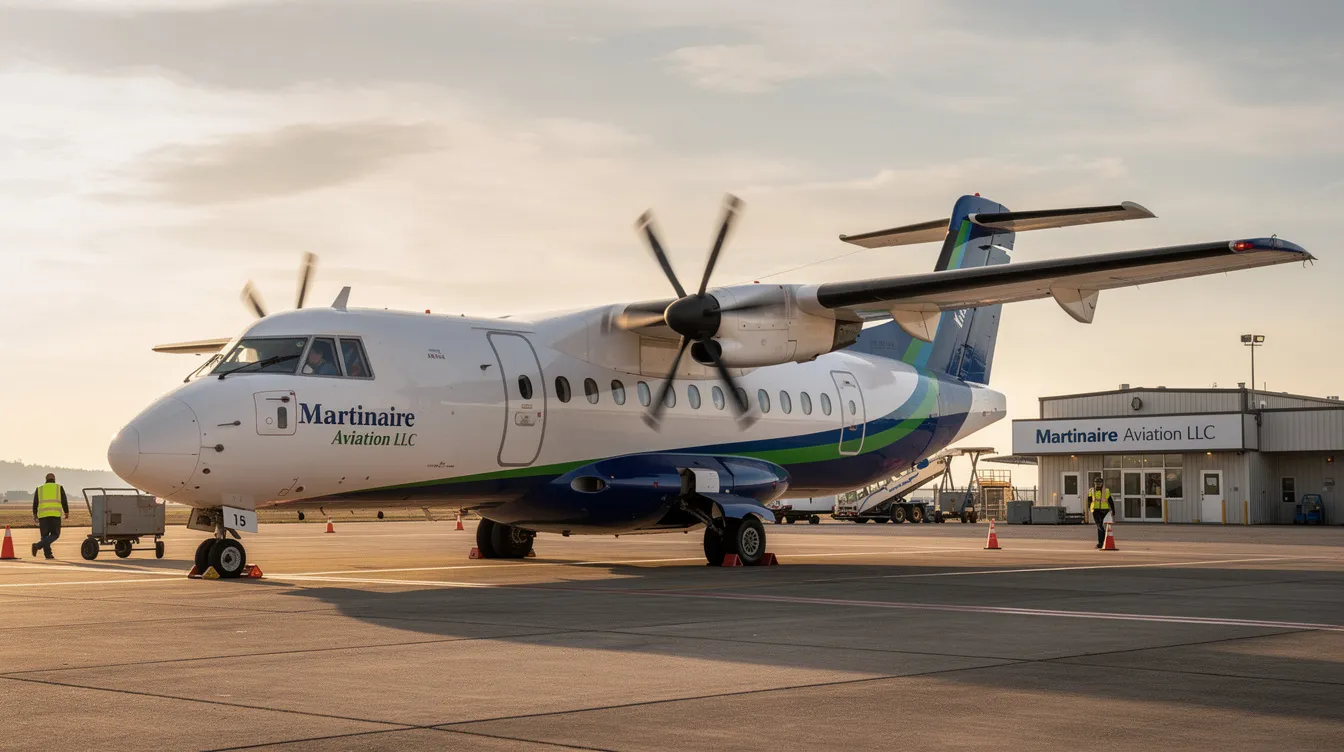
Martinaire Aviation LLC: Cargo Operations, Careers, and How It Compares to Private Charter
Martinaire Aviation LLC, founded in 1978, is a leading cargo feeder carrier in the U.S., specializing in overnight freight operations. With a fleet of turboprop aircraft, it connects regional airports to major sorting hubs, primarily serving integrators like UPS. This article explores Martinaire's operations, career opportunities, and how it contrasts with private charter services like Jettly.
Read More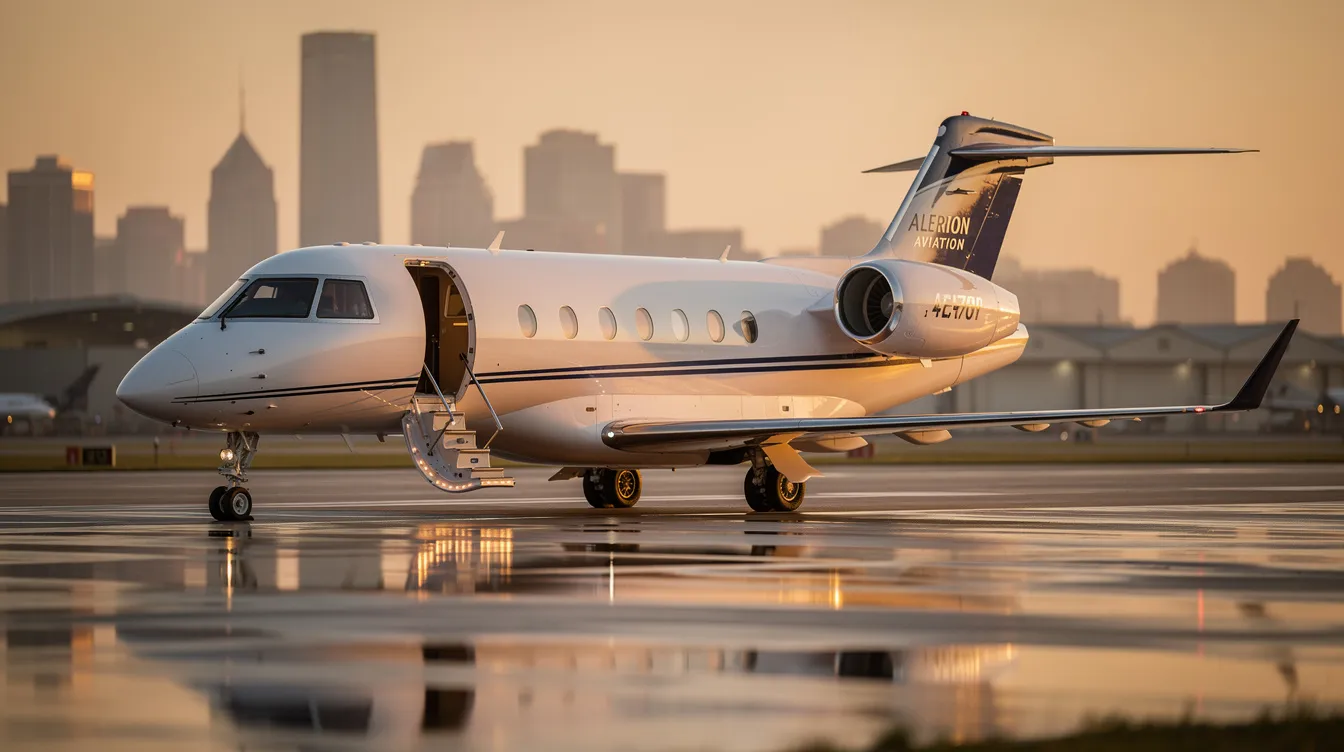
5
min read
Alerion Aviation: Charter, Aircraft Management, and How Jettly Helps You Compare Options
Alerion Aviation is a premier boutique private aviation company specializing in aircraft management, on-demand charter, and in-house maintenance. With a strong safety record and a large fleet operating from key U.S. locations, Alerion offers personalized service for travelers and aircraft owners. Jettly enhances the experience by providing a digital marketplace for comparing charter options, ensuring travelers find the best fit for their needs.
Read MoreStay updated with our latest insights and tips to elevate your journey with us.
MEMBERSHIPS AND ASSOCIATIONS



Disclaimer: Jettly operates as a charter broker, offering access to a global digital jet charter marketplace. Jettly is not a direct air carrier and does not own or operate aircraft. All advertised flights are conducted by third-party air carriers that are fully licensed and hold the appropriate Part 135 or Part 121 certifications issued by the Federal Aviation Administration (FAA) or equivalent regulatory authorities under U.S. or foreign law. Jettly complies fully with the U.S. Department of Transportation's Part 295 and Part 298 Charter Broker regulations. Jettly does not carry additional liability insurance. Passengers are covered by aircraft operator insurance. TICO: 50023770


