


Login
Get Instant Pricing On 23,000+ Aircraft

>

Private jet flight attendant jobs offer a unique blend of aviation safety expertise and luxury hospitality. For professionals seeking careers beyond commercial airlines, corporate aviation provides higher earning potential, global travel, and direct impact on VIP client experiences.
Private jet flight attendant jobs combine safety leadership with high-end, personalized service for VIP travelers, executives, and high-net-worth individuals worldwide.
Most corporate flight attendant roles prefer candidates with 2–4+ years of commercial airline or luxury hospitality experience, plus advanced safety and service training.
Private jet cabin crew often earn higher total compensation than commercial roles, with covered hotel expenses and international schedules.
Jettly operates as a global digital charter platform connecting travelers with 20,000+ aircraft, relying on highly trained cabin crew employed by its partner operators.
This article covers duties, requirements, pay ranges with real 2026 figures, training paths, and how to search for private jet flight attendant jobs, alongside context on affordable airplane rental costs and access options that shape client demand, as well as broader insights into affordable planes and budget‑friendly aircraft choices.
A private jet flight attendant—also called a corporate or VIP flight attendant—is a safety-certified cabin professional delivering bespoke service on business jets, charter flights, and owner-operated aircraft.
Unlike commercial flight attendants handling hundreds of passengers, private aviation crew typically serve small groups of clients, executives, celebrities, and high-net-worth individuals. This creates a dynamic environment where personalized attention defines every flight.
Typical aircraft include popular corporate types and, for larger group movements, high‑capacity airliners such as the Boeing 737‑800 for private jet charter:
Gulfstream G550, G600, G650
Bombardier Global 6000, Global 7500
Dassault Falcon 7X
Cessna Citation XLS and comparable light aircraft, like the Cessna 340, for business travelers
Embraer Praetor 600
Crew members often base in major aviation hubs—New York, Miami, Dallas, Los Angeles, London, Dubai, or Toronto—while traveling globally on short notice, frequently supporting clients on international private jet flights operated by leading private jet manufacturers like Gulfstream, Bombardier, and Dassault or longer cross-country plane journeys on suitable aircraft. Demand for private jet flight attendant jobs has surged post-2020, driven by business aviation growth and on-demand charter platforms that provide access to a broad range of private charter aircraft.
The appeal lies in combining rigorous safety duties with five-star hospitality while enjoying higher earning potential than many commercial positions. Companies take pride in their high standards and professionalism, ensuring every flight reflects their commitment to exceptional service.
Career progression often starts in commercial airlines’ Business or First Class cabins before transitioning to corporate aviation. This path offers skill diversification, exposure to clients seeking the cheapest private jet flights through smart booking or weighing jet rentals versus first‑class tickets for corporate travel, and closer client relationships.
The service aspect involves, in many cases, coordination with specialized providers, such as in-flight catering for private jets:
Tailored menus with dietary accommodations
Fine dining presentation on china and crystal
Curated wine and champagne service
Concierge-style travel assistance
Private aviation companies typically seek high-energy individuals who enjoy working collaboratively with like-minded colleagues to achieve exceptional results, often serving high-profile clients similar to those who own the best celebrity private jets and luxury aircraft. Companies expect candidates to uphold these high standards and deliver exceptional service. The work environment often emphasizes a culture of empowerment, collaboration, and long-term stability.
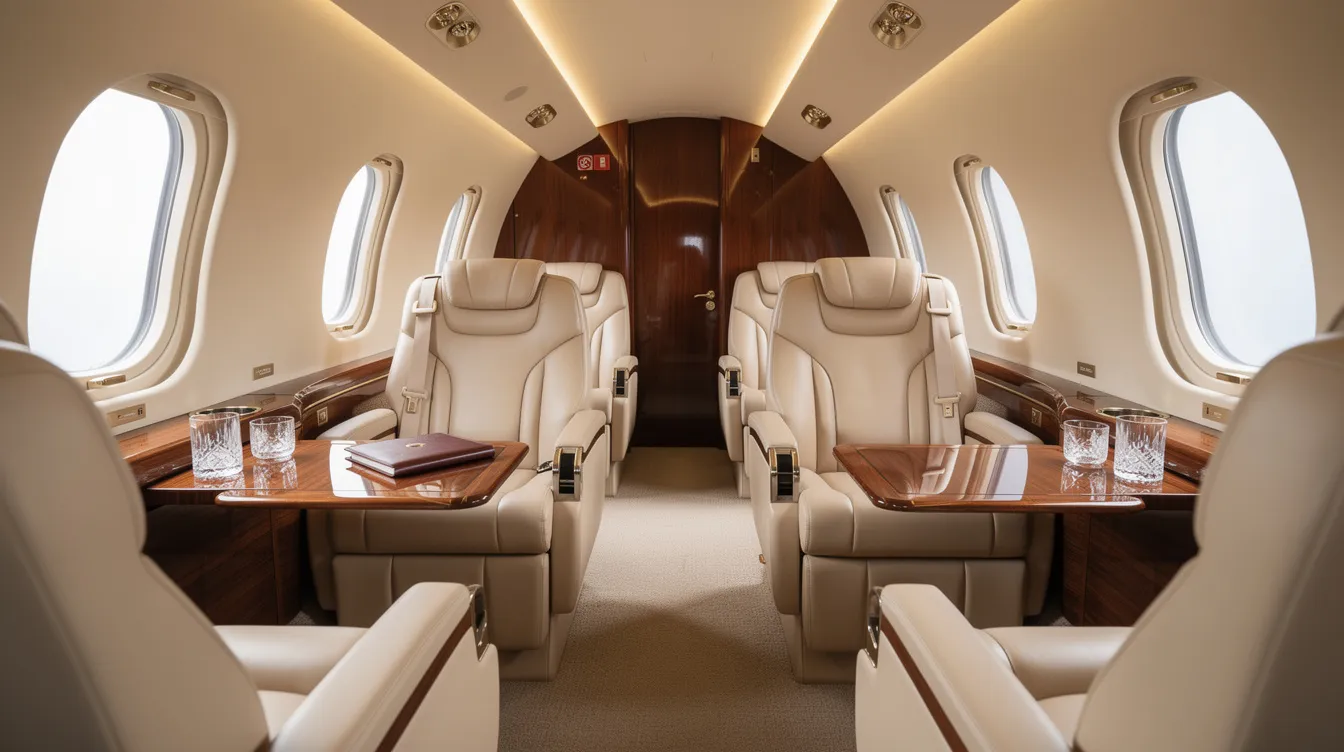
In the United States in 2026, many corporate jet flight attendant positions pay USD $65,000–$120,000 annually, while cockpit crew in comparable roles can earn similar or higher compensation as outlined in analyses of private jet pilot salary ranges. Day-rate contractors often earn $400–$900 per day, depending on experience and aircraft size.
Non-salary benefits include paid hotel stays during rotations, per-diem allowances, airline positioning flights, and layovers in destinations like Paris, Dubai, Singapore, the Maldives, or even regional hubs served by private jet charter in Chennai, Tamil Nadu, Islamabad private jet charter services, or private jet charter in Addis Ababa, Ethiopia.
The role encompasses multiple aspects of safety, service, and administration, requiring anticipation of client needs, management of cabin cleanliness, and strict adherence to safety protocols throughout the flight. Responsibilities span pre-flight planning through post-flight follow-up.
Safety duties include:
Conducting tailored safety briefings
Performing cabin and equipment checks
Operating emergency equipment (life rafts, oxygen systems, fire extinguishers)
Coordinating with the pilot and first officer during turbulence or diversions
Service responsibilities include:
Planning menus and ordering bespoke catering
Plating and presenting gourmet meals
Arranging flowers and amenities
Adapting to dietary needs (vegan, halal, gluten-free, allergies)
Administrative tasks include:
Preparing cabins before each sector
Managing inventories (linen, tableware, beverages)
Maintaining detailed guest preference logs
Completing expense reports and catering reconciliations
Following a structured process to ensure all administrative duties meet high standards
Flight attendants in private aviation are often seen as ambassadors of their brand, responsible for delivering high-end service to VIP clients across a rapidly expanding global fleet of private jets. This requires professional appearance, discretion, and consistent hospitality when representing operators working with platforms like Jettly.
Operators typically hire from experienced cabin crew or high-end hospitality backgrounds. Many private jet companies require their flight attendants to have prior experience in luxury hospitality or corporate aviation, emphasizing the importance of understanding how regulated Part 135 charter companies operate and the specialized training they demand, including managing passenger comfort during turbulence on private jets and smoother flying techniques.
Experience requirements:
Candidates typically require a minimum of three years of experience in corporate cabin crew roles or luxury hospitality environments
Business or First Class airline exposure preferred
Superyacht or five-star hotel backgrounds considered
Education baseline:
High school diploma or equivalent required
Hospitality or tourism diplomas advantageous but not mandatory
The role requires a strong understanding of high-end hospitality, including culinary knowledge and wine pairings. Exceptional communication and problem-solving skills, as well as attention to detail, are critical for private jet flight attendants, especially when assisting clients who book individual seats on private jets or shared charter options, or families selecting the best private planes for family travel and reviewing the best plane options for a family of four.
Exceptional organizational skills are required, as attendants must plan onboard service and work effectively both independently and as part of a team. Flight attendants form a cohesive unit, integrating their diverse skills and backgrounds to deliver seamless service and ensure safety throughout each flight.
Mandatory qualifications:
Valid passport
Cabin crew medical certification
CPR and first aid certification
Emergency procedures training
Aviation security awareness
Client confidentiality is crucial, often requiring flight attendants to sign confidentiality agreements and avoid taking photos or videos on board. Many operators favor candidates with additional languages—English plus Spanish, French, Arabic, or Mandarin—to support international clients.
Transitioning into private aviation requires recognized safety training and specialized service courses. Training for private jet flight attendants often includes comprehensive courses covering service excellence, safety procedures, and specialized skills such as firefighting and food safety.
Safety training covers:
EASA or FAA cabin crew certification
Emergency evacuations and decompression drills
Firefighting simulation
Water survival and ditching exercises
It is essential for private jet flight attendants to have first aid training and a comprehensive understanding of safety and emergency procedures to ensure passenger safety, complementing the protections provided by comprehensive airplane insurance coverage for operators and owners and diligent planning around private jet maintenance costs and long‑term upkeep.

Service training includes:
Etiquette and cultural awareness
Silver service and fine dining presentation
Advanced plating techniques
Food handling and hygiene (HACCP standards)
Corporate FA conversion programs typically last several days to a few weeks, followed by operator-specific induction on Gulfstream, Global, Falcon, or Challenger aircraft types, many of which appear in rankings of the top private jets for luxury and performance and broader reviews of the best private airplanes and luxury aircraft in 2025, reflecting the diversity of operators outlined in comprehensive guides to charter airlines and private flights.
Ongoing training is essential for private jet flight attendants to maintain high service standards and adapt to the evolving expectations of VIP clients. Recurrent training every 12–24 months maintains safety compliance.
Consider building a professional portfolio with sample menus, table setups, and presentation photos to impress potential employers.
Corporate flight attendant jobs vary between full-time rostered roles and freelance day-rate work. Flight attendants in the private aviation sector often enjoy a better quality of life due to set schedule patterns and home-basing opportunities, which can lead to improved work-life balance.
Schedule patterns include:
Home-based positions with rotations (e.g., 15 days on / 13 days off)
Ad-hoc charter assignments with short-notice calls
75–100 flight hours monthly for full-time positions
Private jet flight attendants often work long, irregular hours and must maintain a polished appearance and high standards of service while understanding where private jets typically land and airport access options. Duty days can include early departures, late arrivals, and multi-sector trips across time zones, especially during peak leisure periods when clients may arrange weekend plane rentals and short‑trip charters.
Flexibility in scheduling and the ability to handle last-minute changes are important traits for success in this position. On smaller jets like the Citation XLS, the attendant may be the sole cabin crew member, working closely with a two-pilot team.
Travel logistics involve frequent hotel stays, airline deadheading to reposition, and layovers in cities like London, Geneva, Dubai, New York, and major business hubs supported by private jet charter in Houston, Texas, as well as emerging markets such as private jets in Nigeria and the growing Lagos–Abuja corridor. Many operators now promote wellness initiatives, rest periods, and fatigue management to support crew health, particularly when flying to or from less familiar airfields that may require tools like an airport locator for private flights, deeper knowledge of where private jets land and airport access, and modern private jet tracking tools to coordinate safe, efficient operations, as well as awareness of complementary options such as helicopter rental costs for feeder or last‑mile flights or using regional jets like the Canadair CRJ‑200 for short‑haul charter operations.
Compensation varies by region, aircraft size, employer type, and employment status. Private jet flight attendants typically receive a competitive compensation package that includes salary, travel expenses, and meal allowances.
2026 North American pay ranges: These figures sit within the broader economics of business aviation, as described in resources explaining how much a private jet costs, assessing private jet lease costs, and comparing shared charter flights with full private charters from an owner and client perspective, while factoring in recurring expenses such as how much it costs to fuel a private jet and ongoing private jet maintenance costs, whether flights operate in North America, Europe, or emerging markets such as Abuja’s private jet sector or Kolkata’s growing private jet charter market.
|
Position Type |
Compensation Range |
|---|---|
|
Full-time base salary |
$65,000–$100,000 |
|
Senior/lead cabin crew |
$100,000–$120,000+ |
|
Freelance day rate |
$400–$900/day |
|
Per diem allowance |
$60–$150/day |
Many companies in the private jet sector provide comprehensive benefits packages, including medical, dental, and vision coverage, often at no cost to employees. Additional company benefits often include 401(k) plans, paid time off (4–6 weeks), and performance bonuses, supporting both employee well-being and career growth.
Career progression paths:
Light/midsize jets to large-cabin, long-range aircraft
Cabin service training roles
Cabin management positions
Ground-based in-flight service management
Extensive exposure to executives creates growth opportunities in related sectors, including luxury travel planning, concierge services, aviation operations, or even advisory roles helping clients understand what a jet card is and how it works, compare the best jet card programs on the market, evaluate one private jet flight cost factors, choose suitable private jet memberships, or assess fractional jet ownership companies and program costs alongside detailed guides to fractional jet ownership cost breakdowns.
Corporate cabin roles receive less visibility than commercial airline positions, making networking and targeted search essential.
Key channels:
Specialist aviation job boards (JSfirm, AviationJobSearch)
LinkedIn searches for “corporate FA jobs.”
Industry-specific recruiters
Direct applications to business jet operators
Research charter brokers and digital platforms like Jettly, or consult overviews of the best private jet charter companies and profiles of specific operators such as Dexter Air Taxi’s global charter services, Zenflight’s instant-book charter marketplace, and Bajaj Aviation’s private jet operations, to understand which operators handle popular routes—New York–Miami, Los Angeles–Las Vegas, Toronto–Vancouver—and may be expanding their crew teams, including occasional large‑group movements that might use aircraft like the Boeing 737‑800 for high‑capacity charters operated by specialized providers such as JET‑A, LLC. as a private jet operator.
Build a tailored CV highlighting VIP service, solo working experience working, and any private aviation or hospitality exposure. Maintain professional social media profiles while respecting confidentiality and security rules.
Attend aviation networking events, cabin crew conferences, or safety training workshops to meet hiring managers. Many positions are filled through referrals before public posting.
Jettly operates a global digital private jet charter marketplace, connecting travelers to more than 20,000 aircraft through vetted operators worldwide.
Jettly does not directly hire flight attendants. Instead, the platform works with certified operators and aircraft owners who staff their own cockpit and cabin crews. For Jettly clients, the onboard experience is delivered by these operators’ professional cabin crew—often corporate flight attendants dedicated to specific fleets.

Jettly’s focus on transparent pricing, instant online quotes, and flexible schedule membership options supports steady charter activity. This sustains demand for trained private jet flight attendants across the industry.
Aspiring corporate flight attendants should familiarize themselves with digital charter platforms to understand demand patterns, private jet charter services, how renting a plane works in practice, the differences between shared charter flights and full private charters, and popular global routes, as well as resources that explain typical costs of renting a private jet from a client’s perspective and outline the cheapest private aircraft options across categories. Learn more about Jettly’s charter options at https://www.jettly.com.
Competition is strong—many operators accept only 5–10% of applicants for corporate flight attendant positions.
Application strategies:
Tailor your CV for each position, emphasizing safety training and VIP service examples
Highlight experience working with small, high-expectation teams
Include language skills and any specialized hospitality training
Interview preparation:
Prepare specific stories demonstrating problem-solving and discretion
Research the operator’s large fleet (Gulfstream, Global, or Falcon aircraft)
Understand typical destinations and client profiles
Plan professional, neutral grooming aligned with corporate aviation standards
Companies expect candidates to demonstrate professionalism, readiness, and a clear understanding of the standards required in private aviation, including how modern charter platforms position themselves as a NetJets alternative for private flying. Demonstrate clear, calm communication and evidence of flexibility around working hours, private travel schedules, and cultural sensitivities. Show your uncompromising commitment to quality and your ability to plan for any situation.
The mission of every attendant's job interview is to prove you can join a company’s team and deliver exceptional experiences for their guests while maintaining safety as the top priority, whether they fly with large fractional ownership providers like NetJets using structured NetJets card cost and pricing options, app‑based platforms such as those described in guides to XO charter flights and comparable alternatives, or on-demand charter operators serving clients who may book private jet seats through flexible access options.
While some operators consider candidates with strong hospitality backgrounds from five-star hotels or superyachts, most private jet employers prefer at least 2–4 years of commercial airline experience. Business or First Class exposure is particularly valued. This background ensures familiarity with safety procedures, cabin workflows, and the demands of long-haul travel—skills essential for delivering service excellence to VIP clients.
Many corporate flight attendants build careers as freelancers, taking per-day or per-trip contracts with different operators or aircraft owners. Freelancers typically earn $400–$900 per day but need strong networks, current training certifications, and a flexible schedule to respond to last-minute charter requests. This path offers variety but requires self-discipline in managing medical certifications and continuous professional development.
Major hubs include New York (Teterboro), Miami, Los Angeles (Van Nuys), Dallas, Chicago, Toronto, London, Paris, Geneva, Dubai, Singapore, and major Indian and Asia-Pacific cities served by private jet charter in Mumbai, Maharashtra, Bangalore private jet charter services, and private jet charter in Lucknow, Uttar Pradesh. These cities host significant business aviation activity and aircraft management companies, with some—such as Atlanta’s private jet charter market, Lagos-focused private jet charter services, Hyderabad private jet charter options, New Delhi private jet solutions, private jet charter in Jaipur, Rajasthan, and private jet charter in Vadodara, Gujarat—supporting especially high volumes of corporate traffic. Smaller business aviation airports near these destinations often have many operators seeking qualified crew to support their operations.
Private jet flight attendants typically cannot select exact destinations. Trips depend on the owner's travel patterns and customer charter bookings. However, the variety is part of the job’s appeal—routes change frequently from regional hops to multi-continent journeys, and arrival in unexpected destinations keeps the life of a corporate attendant exciting.
Jettly functions as a digital charter marketplace connecting travelers with aircraft—it does not normally employ cabin crew directly. Flight attendants are hired by individual operators and aircraft owners whose aircraft are listed through the platform. Candidates seeking attendant jobs should apply to those operators rather than the platform itself, using industry resources and job boards to identify hiring companies.
Private jet flight attendant jobs combine rigorous safety responsibilities with five-star hospitality, global travel, and close interaction with VIP passengers, including those who may use innovative options to crowdsource private jet flights and share empty seats or book affordable semi-private flights to Vegas. Success requires prior experience, strong training, and genuine passion for service, discretion, and adaptability.
The continued growth of private jet charter—supported by platforms like Jettly, comprehensive guides outlining how much it costs to rent a private jet, detailed breakdowns of private jet operating costs, and tools such as a private jet charter cost estimator or jet card flight cost estimator—means demand for skilled corporate cabin crew is likely to remain strong beyond 2026, even as more owners consider the best cheapest single‑pilot jets for budget‑conscious buyers and research the 10 cheapest planes for budget‑friendly aviation enthusiasts. Whether seeking full-time positions or freelance opportunities, the industry offers rewarding careers for those ready to fly into this dynamic world, taking pride in delivering exceptional service and upholding the highest industry standards.
Ready to understand the charter environment you might work in? You may encounter clients using structured jet card programs for private jet travel, many of whom carefully review detailed guides to jet card pricing and costs, or even those referred by Jettly’s high-ticket affiliate program. Explore aircraft and route options at https://www.jettly.com.
Share this post:
Jay Franco Serevilla
May 6, 2026
|
5
min read
Discover tips and trends in the industry.

5
min read
Embraer 175 Jet: Cabin Comfort, Performance, and Charter Use
The Embraer 175 jet is a popular regional aircraft known for its comfort, performance, and safety. With a flexible cabin layout and advanced features, it caters to both business and leisure travelers. Ideal for charter services, the E175 efficiently connects secondary cities to major hubs, making it a cost-effective choice for group travel.
Read More
5
min read
Embraer ERJ 145 For Sale: Market Overview, Pricing & Charter Alternatives
The Embraer ERJ 145 is a popular regional jet available in the pre-owned market, with prices ranging from $2.8 million to $4 million. This guide provides insights into the aircraft's specifications, market dynamics, and charter alternatives, making it essential for prospective buyers and aviation professionals. Understanding the ERJ 145's operating costs and value drivers is crucial for informed purchasing decisions.
Read MoreStay updated with our latest insights and tips to elevate your journey with us.
MEMBERSHIPS AND ASSOCIATIONS



Disclaimer: Jettly operates as a charter broker, offering access to a global digital jet charter marketplace. Jettly is not a direct air carrier and does not own or operate aircraft. All advertised flights are conducted by third-party air carriers that are fully licensed and hold the appropriate Part 135 or Part 121 certifications issued by the Federal Aviation Administration (FAA) or equivalent regulatory authorities under U.S. or foreign law. Jettly complies fully with the U.S. Department of Transportation's Part 295 and Part 298 Charter Broker regulations. Jettly does not carry additional liability insurance. Passengers are covered by aircraft operator insurance. TICO: 50023770


