


Login
Get Instant Pricing On 23,000+ Aircraft

>

Luxury travel is defined by exclusivity, comfort, and personalization—offering a seamless experience from departure to destination. In the realm of aviation, luxury travel means more than just first-class seating; it means private jet charter, elite service, and the ability to tailor every aspect of your journey to your exact preferences.
One of the most iconic symbols of luxury in the sky is the Airbus A380, the world’s largest four-engine jet airliner. Its immense size requires reconfiguration of the majority of airports to accommodate it, making it a unique logistical challenge. The Airbus A380 requires reconfiguration of the majority of airports to accommodate its size, as it is the largest jet airliner on the market. When configured for private use, the Airbus A380 private jet becomes a flying palace—featuring:
A spacious multi-deck cabin with expansive floor space for maximum comfort and amenities
Advanced technology and fuel-efficient systems
Unrivaled amenities such as private suites, lounges, and even wellness areas
The A380 stands out with its three decks, providing exceptional floor space and allowing for a variety of luxury configurations that enhance both comfort and capacity.
This aircraft is particularly well-suited for long-haul routes, offering the ultimate in comfort, privacy, and endurance for international journeys. With a range of about 8,200 nautical miles, it can complete long-haul flights without the need for a fuel stop. Additionally, it generally operates at a service ceiling of 43,000 feet, ensuring smooth and efficient travel. The A380 has a transcontinental range of 8,200 nautical miles.

Luxury travel has undergone a remarkable transformation, evolving from simple comfort to a world where exclusivity, personalization, and exceptional service define the experience. Today’s luxury travelers seek more than just a seat on a plane—they desire a journey that is tailored to their unique preferences, whether that means flying on a state-of-the-art commercial aircraft or enjoying the privacy and flexibility of private jets. The aviation industry has responded with a range of options, from premium cabins on flagship airlines to bespoke private jet charters, each offering a distinct level of service, range, and comfort.
For those who value privacy and control, private jets represent the pinnacle of luxury air travel, providing direct access to remote destinations and the ability to customize every aspect of the journey. Meanwhile, commercial aircraft like the Airbus A380 have redefined what is possible in the skies, offering spacious cabins and world-class amenities that rival the finest hotels. Whether you’re seeking the exclusivity of a private jet or the grandeur of a premium commercial flight, luxury travel today is all about creating unforgettable experiences at 40,000 feet.
At its core, luxury travel is about delivering exceptional quality, attention to detail, and personalized services that cater to the individual needs of each traveler. The benefits are clear: unparalleled comfort, the freedom to set your own schedule, and the convenience of seamless, stress-free journeys. Private jet charter services, such as those available for the Airbus A380, exemplify this approach by allowing passengers to design their ideal flight experience—from gourmet dining and tailored entertainment to flexible departure times and exclusive airport access.
Choosing a private jet or a luxury-configured Airbus means enjoying a level of service and comfort that goes far beyond standard air travel. With dedicated crews, spacious cabins, and the latest in-flight technology, every flight becomes a bespoke experience, ensuring that your journey is as memorable as your destination.
Private jet charter services, including those available for aircraft like the Airbus A380, are designed for high-net-worth individuals, celebrities, diplomats, and corporate leaders who value:
Flexibility – Choose your departure time, route, and travel companions
Exclusivity – Enjoy a completely private experience, free from crowded terminals
High-touch service – Personalized attention from crew and concierge teams
Time efficiency – Minimize travel disruptions and maximize productivity or relaxation
As the aviation industry experiences rising demand for bespoke travel solutions, jets like the A380 are becoming more attractive due to their unique blend of capacity, performance, and luxury. However, its economic viability has been challenged by the emergence of more efficient wide-body twin jets, which offer similar range at lower costs. Production of the Airbus A380 peaked at 30 aircraft per year in 2012 and 2014. Airbus ended production of the A380 in 2021 due to insufficient demand and profitability concerns. Airlines have expressed interest in selling or returning their A380s, signifying market oversupply and shifting operational strategies. Airlines, including major operators such as Qantas, have operated the A380, but many airline decisions to favor smaller, more efficient aircraft have significantly impacted the A380’s market viability.
Whether you’re flying for business or leisure, luxury private aviation transforms air travel into a refined, tailored experience—setting a new standard for comfort and control at 40,000 feet.
The Airbus A380 holds a unique place in aviation history as the world’s largest passenger aircraft. Developed by Airbus to challenge the dominance of the Boeing 747 in long-haul air travel, studies for the A380 began in 1988, with the project officially announced in 1990. The first prototype of the Airbus A380 was unveiled in Toulouse, France, on January 18, 2005. The A380's first flight took place on April 27, 2005. The A380 received its type certificate from EASA and FAA on December 12, 2006. The A380 was launched as a €9.5 billion project on December 19, 2000, marking the start of an ambitious engineering and manufacturing endeavor. Airbus's financial analysts suggest that the A380 project will never recoup the estimated $25 billion investment made in it. The aircraft is manufactured through a global manufacturing process, with major components produced in different countries and assembled in Toulouse, France. Each A380 is tracked by a unique serial number, such as the first test aircraft and the final production units, to monitor individual aircraft throughout development and delivery.
The A380 marked a bold shift in the commercial aviation landscape. With a double-deck layout, it could carry over 800 passengers in an all-economy configuration—or be transformed into a luxury airliner with private suites, lounges, and first-class cabins. In a typical three-class configuration, the A380 can carry 525 passengers. The A380 is the only aircraft in its wake turbulence category and the only aircraft capable of carrying more than 500 passengers, allowing airlines to carry more passengers on long-haul routes than any other commercial jet. Its introduction reflected the growing global demand for high-capacity, long-range aircraft capable of connecting major international hubs. However, the A380’s development cost of around $25 billion was not recouped by the time production ended. The first A380 entered service in a hub-and-spoke model, which has since shifted towards more point-to-point routes, negatively impacting demand. Airbus projected that the A380 would achieve 15% lower operating costs than the Boeing 747-400.
Over time, Airbus continued to enhance the A380’s performance, incorporating improvements in:
Aerodynamic design
Weight reduction techniques
Fuel efficiency
Advanced avionics systems, including a glass cockpit with eight liquid crystal displays
Aerodynamic design
Weight reduction techniques
Fuel efficiency
Advanced avionics systems, including a glass cockpit with eight liquid crystal displays
Aerodynamic design
Weight reduction techniques
Fuel efficiency
Advanced avionics systems
Development delays and difficulties with electrical wiring contributed to nearly doubling the development costs of the A380.
These updates allowed the A380 to remain competitive, even as newer, more fuel-efficient twin-engine aircraft entered the market. The aircraft’s construction incorporates composite materials, which make up more than 20% of its airframe, contributing to its durability and performance.
The A380’s development was a technological milestone for the aviation industry. Key innovations included:
A spacious cabin with unmatched comfort potential
Advanced engine parameter display (EPD) and system display in the cockpit
A fly-by-wire control system with state-of-the-art navigation and automation tools
Noise-reducing technologies for quieter takeoffs and landings
Introduction of new technologies such as advanced electrical and hydraulic systems, lightweight materials, and innovative design features to improve performance and efficiency
A glass cockpit with eight liquid crystal displays
A spacious cabin with unmatched comfort potential
Advanced engine parameter display (EPD) and system display in the cockpit
A fly-by-wire control system with state-of-the-art navigation and automation tools
Noise-reducing technologies for quieter takeoffs and landings
Introduction of new technologies such as advanced electrical and hydraulic systems, lightweight materials, and innovative design features to improve performance and efficiency
The A380’s glass cockpit and intuitive layout were designed to support long-haul operations, giving pilots enhanced situational awareness and system integration—essential for managing intercontinental routes with complex variables. The cockpit features eight liquid crystal displays, which provide critical flight data and improve operational efficiency. These innovations have led to increased reliability by incorporating backup components, advanced engine configurations, and robust electrical and hydraulic systems. The use of weight-saving features, including lightweight materials and efficient systems, further enhances the aircraft's efficiency and overall performance.
Though primarily built for commercial airlines, the Airbus A380 has also captured attention in the private jet charter and VIP transport markets. Several ultra-high-net-worth individuals and governments have explored or commissioned A380s configured for luxury private use, thanks to its main deck, which offers exceptional flexibility for luxury accommodations and specialized configurations, allowing for tailored layouts to suit VIP, corporate, or unique market needs. The A380 was first delivered to Singapore Airlines on October 15, 2007, and entered service on October 25, 2007. However, Comlux Aviation states that the A380 is not practical for private aviation due to limitations on airport access and size. There has never been a privately configured Airbus A380 delivered, despite an order from Prince Al Waleed of Saudi Arabia. The A380's marketing was based on the hub-and-spoke model, which became less popular as airlines shifted towards point-to-point operations.
Massive internal space
Long-range capabilities
Customization potential for palatial airborne residences
The aircraft’s groundbreaking design has since influenced newer Airbus models, like the A350, and contributed to industry-wide advancements in aircraft performance and passenger experience.

The Airbus A380 is a marvel of modern aviation, combining cutting-edge technology with a distinctive design that sets it apart from every other aircraft in the sky. Engineered for both commercial efficiency and luxury customization, the A380 continues to capture the attention of operators and private jet enthusiasts worldwide. Its fuselage is constructed using advanced composite materials and innovative manufacturing processes, contributing to the overall strength and efficiency of the airframe. Its wing design includes wingtip devices that improve performance and fuel efficiency, while larger windows and overhead bins enhance the passenger experience.
One of the A380’s most defining characteristics is its full-length double-deck cabin—a feature unmatched in the world of aviation. This design offers:
Over 5,000 square feet of usable cabin space
Flexible layouts for suites, lounges, dining areas, offices, and private bedrooms
Configurations that support multiple passenger classes, such as economy, business, and first class
The ability to comfortably accommodate up to 800 passengers in standard configuration, or be converted into a luxury flying residence for private use
LED mood lighting in the A380 cabin can be adjusted to simulate various ambiance, adding to the passenger experience.
Over 5,000 square feet of usable cabin space
Flexible layouts for suites, lounges, dining areas, offices, and private bedrooms
Configurations that support multiple passenger classes, such as economy, business, and first class
The ability to comfortably accommodate up to 800 passengers in standard configuration, or be converted into a luxury flying residence for private use
This expansive interior makes the A380 an ideal platform for VIP transport or luxury charter, offering unmatched space, comfort, and privacy in the skies.
The A380 is powered by either the Engine Alliance GP7200 or Rolls-Royce Trent 900 engines, both of which are renowned for:
Fuel efficiency helps reduce overall operating costs
High thrust-to-weight ratios, enabling smooth takeoffs and reliable long-range performance
Quiet operation that meets international noise reduction standards
Its inboard engines feature electrically actuated thrust reversers, which eliminate the need for heavy hydraulic systems—resulting in lower aircraft weight and increased maintenance reliability.
The A380’s glass cockpit is designed with long-haul operations and pilot safety in mind. Key technologies include:
Advanced navigation charts with real-time terrain and airspace awareness
A centralized system display showing engine parameters, hydraulic and fuel systems, and alert messages; this includes a one-engine parameter display that provides critical engine information and a one-system display that consolidates various flight data into a unified interface for enhanced pilot situational awareness
Fly-by-wire controls that provide responsive handling and reduce pilot workload
Redundant flight control systems for maximum reliability
These features enable seamless coordination and situational awareness, especially during complex flight paths or in varying weather conditions, making the A380 one of the most advanced aircraft ever built from a pilot’s perspective.
With its powerful engines, massive interior, and intelligent design, the Airbus A380 stands at the forefront of aviation innovation—offering unmatched potential for both commercial airlines and the private luxury jet market.
When it comes to air travel, today’s passengers—especially business leaders and luxury travelers—have more options than ever. Choosing between a private jet charter and a commercial flight depends on factors like time, comfort, flexibility, and destination. While commercial airlines have elevated their offerings in first and business class, private jets offer a distinctly different—and often superior—experience.
When planning a luxury journey, travelers are presented with a variety of air travel options, each offering distinct advantages. The choice between private jets and commercial flights often comes down to personal priorities—whether that’s maximizing privacy, enjoying premium amenities, or optimizing travel efficiency. Understanding the differences can help you select the best option for your needs.
Private jets are synonymous with exclusivity and flexibility, offering travelers the ability to set their own schedules, choose their preferred airports, and enjoy a highly personalized onboard experience. With private jets, every detail—from the flight itinerary to the in-flight menu—is tailored to your preferences, ensuring a seamless and luxurious journey.
Commercial flights, particularly on advanced aircraft like the Airbus A380, provide a different kind of luxury. Leading airlines have invested heavily in premium cabins, offering first-class suites, gourmet dining, and attentive service. The A380 stands out among commercial aircraft for its efficiency, innovative engine technology, and spacious interiors, making it a favorite for long-haul flights where comfort and amenities are paramount. Airlines such as Emirates, Singapore Airlines, and Qatar Airways have set new standards for luxury in the sky, blending the reliability of commercial service with the indulgence of private travel.
Private jet charter services offer unmatched benefits, including:
Flexible scheduling with departures on your time
Access to smaller, regional airports closer to your final destination
Complete privacy for confidential business or personal travel
Personalized service, from catering preferences to in-cabin ambiance
Shorter boarding times with minimal security wait
These features make private aviation especially appealing to executives, celebrities, high-net-worth individuals, and those prioritizing comfort, efficiency, and control.
While the Airbus A380 is most widely known for its use in commercial aviation, in private jet configuration, it offers an unprecedented level of luxury and comfort. As a private aircraft, the A380 features: The cabin is also pressurized to a maximum altitude equivalent of 5,000 feet, ensuring improved comfort during flights.
Wider seats and increased legroom across both decks
Open cabin layouts with lounges, bedrooms, and even conference rooms
Reduced cabin noise and a smoother flight experience
The capacity to host up to 50+ passengers in complete luxury
For long-haul travel, the A380 outshines most other aircraft in terms of both space and onboard amenities.
While the Boeing 747 is often compared to the A380 due to its size and legacy, there are several key differences that make the A380 more favorable for certain high-end travel applications:
Passenger Capacity (Commercial): Up to 850 (Airbus A380) vs. Up to 660 (Boeing 747)
Double-Deck Design: Full-length (Airbus A380) vs. Partial upper deck (Boeing 747)
Cabin Width: Wider (Airbus A380) vs. Narrower (Boeing 747)
Fuel Efficiency: More efficient per passenger (Airbus A380) vs. Less efficient on long-haul (Boeing 747)
Noise Reduction: Superior (Airbus A380) vs. Moderate (Boeing 747)
Cabin Comfort (Private Use): Highly customizable (Airbus A380) vs. Customizable, but with less space (Boeing 747)
From a fuel efficiency and customization perspective, the A380 is the better choice for ultra-luxury, long-range private travel, offering a more economical and indulgent experience.
Even as a commercial aircraft, the A380 has proven its excellence. Airlines such as Emirates, Qatar Airways, and Korean Air have used the A380 on flagship routes, demonstrating its ability to deliver:
Outstanding performance on long-haul journeys
High levels of passenger satisfaction
Operational reliability and efficiency
Emirates is the largest operator of the Airbus A380, with 116 aircraft in its fleet as of March 2019.
Outstanding performance on long-haul journeys
High levels of passenger satisfaction
Operational reliability and efficiency
Since its introduction, the A380 has carried and flown over 300 million passengers worldwide, marking significant achievements in operational history and passenger volume.
Its success in commercial aviation sets a solid foundation for its transition into the private aviation space, where luxury and performance are key.
Whether you choose the privacy and customization of a private jet charter or the structured service of a commercial flight, the Airbus A380 offers standout advantages in both worlds. For those seeking the pinnacle of luxury travel, it’s a platform that delivers scale, style, and substance.
As the world’s largest passenger aircraft, the Airbus A380 is an extraordinary platform for private jet travel, delivering an unmatched combination of space, comfort, and advanced technology. When reconfigured for private use, the A380 transcends even the most exclusive first-class experiences, offering fully tailored luxury for discerning individuals, families, corporate groups, and heads of state. The average purchase price of a pre-owned Airbus A380 is $50 million.
The A380 is renowned for its versatile layout, making it adaptable to a wide range of private travel needs. While it’s capable of supporting an all-economy configuration in commercial service, as a private jet, it often features:
First-class suites, private bedrooms, and spa-like bathrooms
Business-class workspaces, perfect for onboard meetings and productivity
Entertainment lounges, dining areas, and cocktail bars for social gatherings
The full-length upper deck provides additional living space, making it especially ideal for group charters, luxury family travel, or VIP delegations.
Few aircraft in the world can offer the sense of space and separation the A380 provides. Its double-deck cabin allows for:
Private sleeping quarters
Full-service galleys and dining rooms
Expansive baggage storage
Quiet, low-vibration zones for rest and relaxation
This separation of living, working, and resting areas creates a home-like atmosphere in the sky—perfect for long-haul travel or multi-leg itineraries.
The A380’s flight deck is built for ultra-long-range operations, using the latest technology to ensure smooth, safe, and efficient flights. Features include:
Real-time navigation charts for global routing
Engine parameter display (EPD) for optimized fuel and system management
System display integration for monitoring aircraft status at all times
Combined with fly-by-wire controls and sophisticated automation, these tools help ensure a safe and seamless journey, even across intercontinental routes.
Private A380 charter services elevate the experience with:
Bespoke itineraries tailored to your schedule and destination
Dedicated crews trained in luxury hospitality and aviation safety
Optional ground-to-air concierge services, including custom catering, transfers, and inflight entertainment preferences
Whether used for diplomatic travel, corporate events, or ultra-luxury vacations, the Airbus A380 offers a level of comfort and exclusivity that few aircraft can match.
The Airbus A380, as a private jet, is the ultimate expression of luxury, flexibility, and space in modern aviation. With its unparalleled cabin size and onboard technology, it’s more than just a private jet—it’s a flying estate.
When choosing a private jet, especially for long-haul or intercontinental travel, safety is a critical factor—and the Airbus A380 stands out as one of the safest and most advanced aircraft in the world. The A380's aerodynamic design, including its large and carefully engineered tail sections, contributes significantly to flight stability, while the complexity of transporting and assembling these tail sections highlights the scale and precision involved in its construction. Additionally, the aircraft's design helps reduce noise impact when it lands, benefiting airports and the surrounding land areas by complying with strict noise regulations. Since entering service in 2007, the A380 has built an impeccable safety record, making it an increasingly attractive option for private and VIP aviation.
The Airbus A380’s commercial history speaks volumes about its engineering reliability and flight performance. With millions of flight hours logged across leading airlines such as Emirates, Singapore Airlines, and Qatar Airways, the A380 has proven to be:
Extremely stable in all flight conditions
Highly resistant to mechanical failures
Maintained with stringent safety protocols at top-tier maintenance facilities
Its robust airframe and redundant systems make it ideal not just for airlines, but also for governments, business leaders, and luxury travelers looking for peace of mind at 40,000 feet.
The A380’s cockpit is equipped with a sophisticated suite of avionics and flight management systems designed to provide pilots with critical real-time data. Notable safety features include:
Engine Parameter Display (EPD) – Offers constant monitoring of thrust, temperature, fuel flow, and engine status
System Display – Provides a comprehensive view of the aircraft’s hydraulics, electrical, fuel, and environmental systems
Fly-by-wire controls – Enhance responsiveness and reduce pilot workload
Advanced weather radar and terrain awareness systems – Improve situational awareness in all conditions
Together, these features allow pilots to make faster, more informed decisions, resulting in safer and more efficient operations.
The A380’s tail section and wing design contribute to exceptional flight stability and control, particularly important for a wide-body aircraft of its size. These design features allow for:
Smooth handling during takeoff and landing
Predictable flight behavior during turbulence
Enhanced yaw, pitch, and roll control, especially in adverse weather
Combined with electrically actuated thrust reversers, which eliminate hydraulic failure points, the A380 is not only high-performing but technologically resilient.
For those chartering or owning the Airbus A380 for private use, its safety pedigree offers reassurance. Operators who customize the A380 for VIP travel also maintain:
Dedicated flight crews trained to the highest standards
Scheduled maintenance programs at certified facilities
Upgraded avionics and optional enhancements to further improve operational safety
With its outstanding safety record, state-of-the-art cockpit, and fail-safe design, the Airbus A380 is one of the most secure and reliable platforms in private aviation. For travelers prioritizing both comfort and confidence, it delivers on every front.
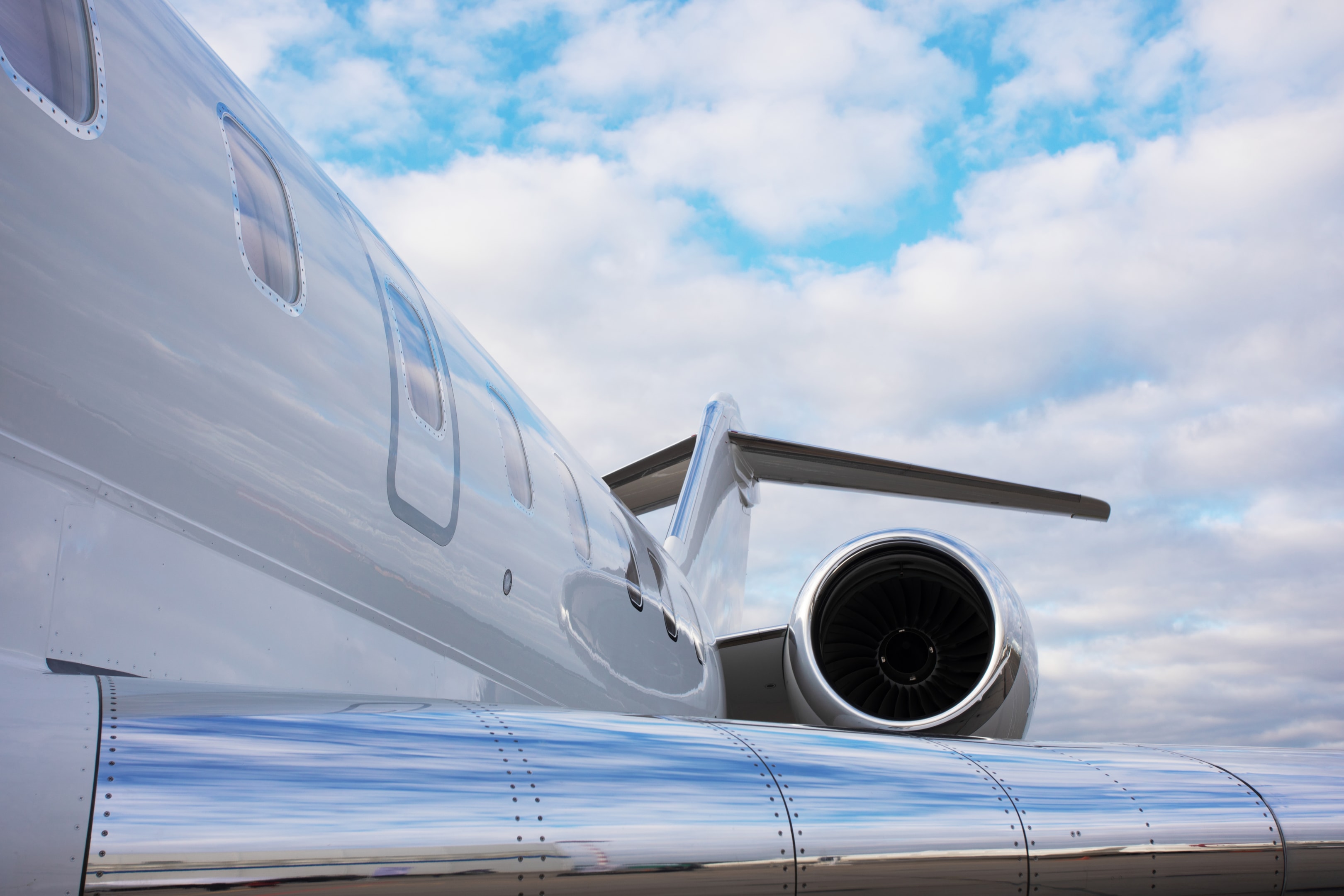
The global private jet market has seen significant growth in recent years, driven by increased demand for personalized, flexible, and high-comfort travel solutions. Within this evolving landscape, the Airbus A380 has emerged as a top-tier option for ultra-luxury private aviation, thanks to its passenger capacity, range, and fuel-efficient technologies. As a new aircraft at the time of its introduction, the A380 set new standards in technological innovation and market pricing, influencing both private and commercial sectors. However, the initial projected demand for the A380 was for 1,235 passenger Very Large Aircraft (VLAs) over 20 years, but orders fell significantly short of this expectation.
The COVID-19 pandemic, combined with shifting corporate travel habits and growing interest in on-demand luxury experiences, has accelerated the trend toward private jet travel. Travelers are seeking greater:
Control over travel schedules
Reduced exposure to crowded terminals
Customizable in-flight experiences
As a result, private jet charter and ownership inquiries have risen globally, and large, long-range aircraft like the A380 are gaining attention from individuals, governments, and corporations looking to transform these widebody giants into luxury flying estates.
While the Airbus A380 was originally developed for high-capacity commercial routes, its sheer size and flexibility make it an ideal candidate for VIP conversion. It stands out in today’s market for several reasons:
Unmatched cabin space suitable for custom lounges, bedrooms, offices, and even spas
Advanced engines that offer relatively efficient fuel burn per passenger, especially on long-haul flights
Robust airframe and systems designed for durability and low maintenance cycles
These factors make the A380 one of the most practical—and opulent—choices for long-range private jet travel.
The aviation industry is increasingly focused on environmental responsibility, pushing manufacturers and operators to explore more efficient and sustainable aircraft. The A380, despite its size, remains competitive in fuel efficiency per seat mile and continues to inspire interest due to its:
Eco-efficient technologies
Recyclable materials and components
Potential for future green retrofits, including biofuel compatibility and updated avionics
As the industry moves toward lower emissions and quieter flight operations, the A380 is well-positioned to remain a leader in responsible luxury aviation.
Airlines such as Singapore Airlines, Nippon Airways, Emirates, and Qatar Airways have long relied on the A380 for flagship routes, proving its:
Outstanding performance on long-haul routes
High passenger satisfaction scores
Operational reliability
This established success further cements its value in the private aviation sector, where performance and prestige go hand in hand.
As the private jet market continues to expand—particularly in regions like the Middle East, Asia-Pacific, and North America—the Airbus A380 is becoming an increasingly attractive option for high-net-worth individuals, governments, and organizations seeking:
Bespoke air travel solutions
Floating executive headquarters or airborne residences
Aircraft that deliver both scale and sophistication
The average purchase price of a new Airbus A380 is $455 million, reflecting its status as a pinnacle of luxury and engineering.
Bespoke air travel solutions
Floating executive headquarters or airborne residences
Aircraft that deliver both scale and sophistication
With a growing appetite for ultra-luxury travel, the Airbus A380’s blend of space, technology, and elegance positions it as a standout choice in the next generation of private aviation.
The Airbus A380 holds the title of the largest passenger plane in the world, setting a new benchmark for spaciousness and comfort in aviation. Its double-deck, wide-body design allows for an expansive cabin that can be configured to suit a variety of travel styles, from ultra-luxurious first-class suites to comfortable economy seating. This unique layout provides passengers with more space to relax, socialize, or work, regardless of their chosen class. The first-class suites on some A380 models include features such as separate beds and enclosed private areas for passengers.
Airlines such as Singapore Airlines, Korean Air, and Qatar Airways have leveraged the A380’s impressive size to offer a range of luxury amenities and services. Passengers can enjoy private suites, world-class dining, and personalized entertainment systems, all within the quiet, smooth environment of the A380’s advanced cabin. Whether you’re flying first class, business, or economy, the A380 delivers a travel experience that is truly unmatched in the world of commercial aviation, making every journey as memorable as the destination itself.
In today’s evolving aviation landscape, travelers and operators alike are placing greater emphasis on efficiency, sustainability, and cost-effectiveness. The Airbus A380, while known for its sheer size and luxury, also delivers key economic and environmental advantages that make it a smart choice for modern private jet travel. It boasts a fuel consumption rate of about 2.4 liters per 100 passenger kilometers at maximum capacity, highlighting its efficiency in long-haul operations. Airbus ceased production of the A380 in 2021 after producing a total of 251 aircraft.
Despite being the largest passenger aircraft ever built, the A380 was engineered with fuel efficiency in mind—particularly on long-haul routes where its capacity and range are optimized. Its use of either the Rolls-Royce Trent 900 or Engine Alliance GP7200 engines offers:
Improved fuel burn per passenger-mile compared to smaller aircraft
Reduced emissions over long distances thanks to optimized thrust performance
Quiet operation that meets and exceeds international noise standards
In addition, the A380 features electrically actuated thrust reversers, which replace heavier hydraulic components. This not only reduces weight, but also improves fuel economy and lowers mechanical failure risk—supporting a more sustainable flight profile.
The A380’s robust airframe and advanced onboard systems are designed for long-term durability and operational reliability, which translates to:
Fewer unscheduled repairs
Reduced maintenance downtime
Longer intervals between inspections
These factors contribute to lower total operating costs, making the aircraft more economically viable than many might expect, particularly when configured for private, group, or corporate use.
For travelers and organizations focused on sustainable luxury, the A380 offers a compelling combination of:
Fuel-efficient long-range travel
Lower emissions per seat when optimized for group charter or high-capacity configurations
Compatibility with future green aviation upgrades, including sustainable aviation fuel (SAF) and modern avionics
Its large cabin size also allows operators to maximize utility per flight, reducing the need for multiple smaller jets and further lowering the carbon footprint of high-end, long-haul travel.
Unlike older wide-body aircraft, the Airbus A380 reflects a newer philosophy in aviation: one that balances performance, luxury, and environmental responsibility. For private owners and charter clients seeking to:
Minimize their environmental impact
Operate responsibly without compromising on comfort
Invest in aircraft with long-term operational value
—The A380 checks every box.
Chartering the Airbus A380 as a private jet delivers an extraordinary passenger experience that redefines the meaning of luxury travel. With its double-deck layout, the aircraft provides unmatched interior space for fully customizable configurations—ranging from private suites and dining areas to spa bathrooms, conference rooms, and entertainment lounges. The A380's interior is known for being one of the quietest in the jet charter market segment.
Passengers enjoy:
Oversized seating and private bedrooms for total relaxation
Fine dining options and full-service galleys
In-flight entertainment systems with global connectivity
Dedicated crew and concierge service to ensure every detail is personalized
Every element of the A380 experience is designed for comfort, exclusivity, and seamless travel—making it ideal for both business and leisure.
While few private clients own an Airbus A380 outright, charter services and VIP leasing options are available through select operators and aviation firms. Booking an A380 for private use typically includes:
Customized itineraries and departure schedules
Fully bespoke interiors based on passenger needs
On-ground support, including luxury transfers, concierge services, and flight planning
Highly trained crew and flight staff focused on discretion and comfort
Stratos Jets arranges Airbus A380 charter flights and ensures safety compliance.
Customized itineraries and departure schedules
Fully bespoke interiors based on passenger needs
On-ground support, including luxury transfers, concierge services, and flight planning
Highly trained crew and flight staff focused on discretion and comfort
Leading charter providers and specialized brokers can assist with short- or long-term A380 arrangements, tailored for corporate events, diplomatic missions, long-haul group travel, or ultra-luxury vacations.
The Airbus A380 remains one of the most compelling aircraft in the private aviation market, combining scale, sophistication, and sustainability. Its standout features include:
Unparalleled luxury and comfort
Advanced technology and real-time cockpit systems
Fuel efficiency and environmentally conscious design
Robust safety features and proven reliability
A highly customizable interior for business or personal use
Whether you're chartering for a global roadshow, a family journey, or a once-in-a-lifetime celebration, the A380 delivers an elite flying experience that is second to none.
If you're interested in chartering or customizing an Airbus A380, explore available options with Jettly, a leading private aviation provider offering top-tier services. Whether you seek comfort, performance, or prestige, Jettly connects you with exclusive Airbus A380 private jet charters tailored to your needs. The average hourly rental rate of the Airbus A380 is around $37,150 per hour, making it a premium choice for those seeking unparalleled luxury.
Share this post:
Jay Franco Serevilla
Aug 21, 2025
|
5
min read
Discover tips and trends in the industry.
5
min read
Private Flight Club Membership Cost: What You Really Pay For
Private flight club memberships offer a range of costs influenced by initiation fees, monthly dues, and hourly rates. Understanding these components helps travelers make informed decisions between membership and on-demand charter options. With costs varying significantly based on aircraft type and usage, it's essential to evaluate personal travel needs and frequency before committing.
Read More
5
min read
Taneja Aerospace Share Price: Live Updates, Fundamentals & Investor Guide
Taneja Aerospace & Aviation Ltd's current share price is ₹344.20, reflecting a 1.7% decrease. With a P/E ratio of approximately 47, the stock indicates strong growth expectations in the aerospace sector, making it an intriguing option for investors. This guide provides essential trading data, valuation metrics, and insights into the company's fundamentals and market trends.
Read MoreStay updated with our latest insights and tips to elevate your journey with us.
MEMBERSHIPS AND ASSOCIATIONS



Disclaimer: Jettly operates as a charter broker, offering access to a global digital jet charter marketplace. Jettly is not a direct air carrier and does not own or operate aircraft. All advertised flights are conducted by third-party air carriers that are fully licensed and hold the appropriate Part 135 or Part 121 certifications issued by the Federal Aviation Administration (FAA) or equivalent regulatory authorities under U.S. or foreign law. Jettly complies fully with the U.S. Department of Transportation's Part 295 and Part 298 Charter Broker regulations. Jettly does not carry additional liability insurance. Passengers are covered by aircraft operator insurance. TICO: 50023770


