


Login
Get Instant Pricing On 23,000+ Aircraft

>

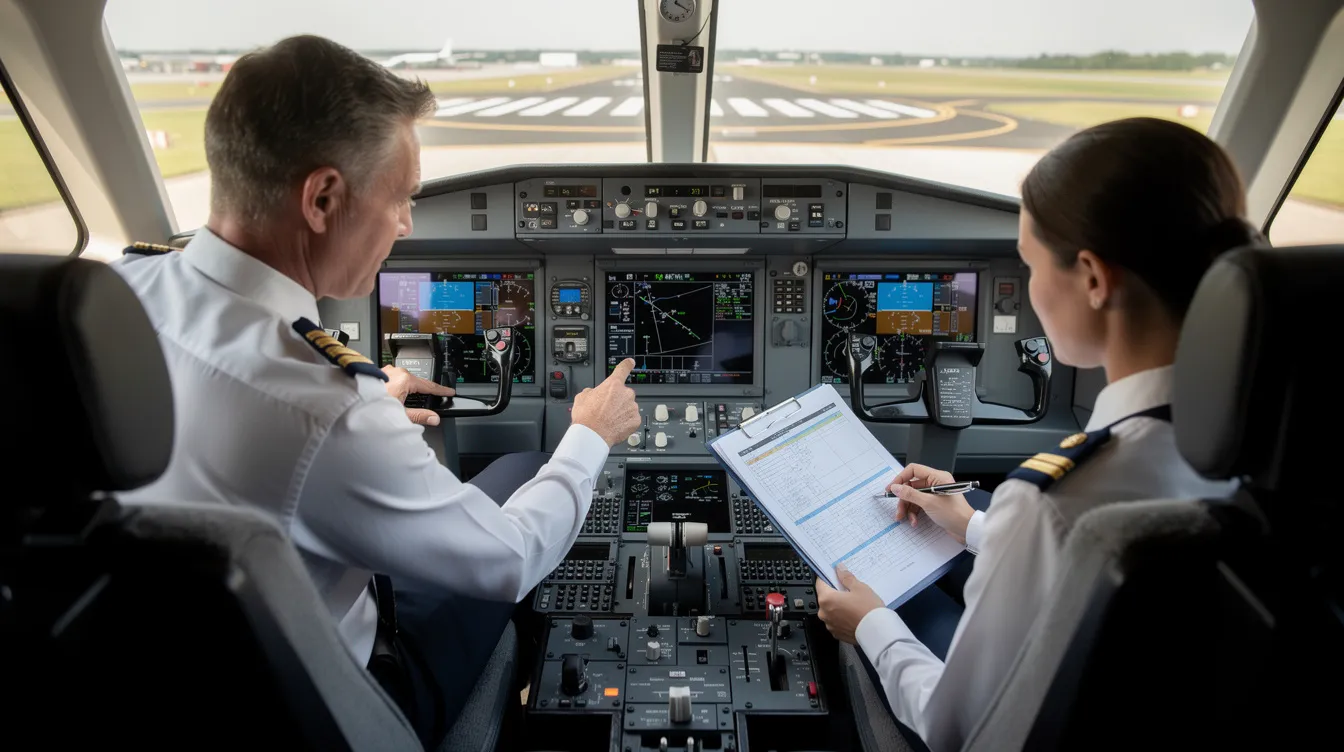
A private airline pilot is a professional commercial pilot who flies business jets and turboprops for charter operators, corporations, or high-net-worth individuals rather than scheduled airlines. This role differs significantly from a commercial airline pilot flying fixed routes for carriers like United Airlines, and it requires far more than a basic private pilot license. The career path involves earning a private pilot certificate first, then obtaining a commercial pilot license (also known as a commercial pilot certificate), and adding instrument and multi-engine ratings before advancing to jet operations. For those pursuing this path, having a structured training and career plan is essential to successfully achieve their aviation goals.
A private airline pilot is a professional pilot with a commercial pilot certificate (not just a private pilot certificate) who flies private jets under Part 91 corporate or Part 135 charter operations.
The first step toward this career is earning a private pilot certificate, which requires a minimum of 40 flight hours and costs approximately $9,500 on average.
Full training from zero experience to commercial pilot can exceed $123,995 when including all ratings, flight time, and instruction. The cost of obtaining a commercial pilot license specifically is a significant investment within this pathway.
The highest certification, an airline transport pilot certificate, requires 1,500 total flight hours and is often needed for captain roles on larger jets.
The world's largest airline training facility is located in Denver, serving as a major hub for pilot training and live training events.
Demand for business aviation pilots continues to grow, with projections showing airlines will need to hire more than 10,000 pilots over the next decade due to industry shortages.
Jettly connects travelers with vetted operators and their flight crews through a global digital marketplace offering over 20,000 aircraft worldwide, with a strong commitment to security and client confidentiality.
A private airline pilot is a professional pilot who operates private jets or turboprops for on-demand charter, corporate flight departments, or individual owners. Despite the name, this is not an FAA-defined license category. Instead, it describes a job role where pilots typically work under Part 91 (corporate) or Part 135 (charter) regulations rather than flying scheduled airline routes.
These pilots hold commercial pilot certificates with instrument and multi-engine ratings. Captains on larger aircraft often possess an ATP certificate. Their missions include business trips between cities like New York and Miami, family vacations, medical transport, and last-minute executive meetings.
The working environment contrasts sharply with that of commercial airline pilots at major airlines. While an airline pilot might fly a Boeing 737 or Airbus A320 on fixed routes with hundreds of passengers, a private jet pilot operates smaller aircraft like the Cessna Citation, Embraer Phenom 300, or Gulfstream G650 with two to fourteen passengers on bespoke itineraries.
Many operators whose private charter aircraft serve Jettly’s on-demand charter platform employ these professional pilots. When travelers book through Jettly, they connect with licensed flight crews operating aircraft that meet strict regulatory and safety standards, providing access to a world of global routes and worldwide connectivity through private airline pilots and operators.

Every private airline pilot career path begins with the private pilot certificate issued by the Federal Aviation Administration or equivalent authorities like Transport Canada. Basic FAA eligibility checkpoints include age, language proficiency, education level, and medical fitness.
Candidates must be at least 17 years old to earn the certificate (though solo flight is permitted at 16) and must read, speak, and understand English. A Third-Class Medical Certificate from an Aviation Medical Examiner is required for private flying, though pilots pursuing commercial careers will eventually need stricter medical standards. Meeting these requirements allows candidates to qualify for further advanced training and specialized roles in aviation.
Flight training can be completed under FAA Part 61 or Part 141 regulations. Part 141 programs follow structured syllabi at approved schools, while Part 61 offers more flexibility with independent instructors. The FAA minimum is 40 hours of flight time, including both solo and dual instruction time, but most students realistically complete between 55 and 70 hours before passing their checkride.
The average cost of earning a private pilot certificate is approximately $9,500. Training covers dual instruction, solo flights, cross-country navigation, night flying, and ground school in weather, regulations, and aircraft systems.
Two tests determine successful completion: an FAA knowledge exam (computer-based) and a practical test with oral questioning and a flight portion. Passing these earns the certificate, but private pilots can only fly for personal leisure or business and cannot be compensated for their flying services.
Beyond the private pilot certificate, aspiring private airline pilots must earn additional ratings and certificates. Both airline pilots and private jet pilots pursue similar credentials, though they apply them in different operating environments—scheduled routes versus on-demand business aviation.
An FAA First-Class Medical Certificate is required for long-term commercial health standards, while a Third-Class medical suffices for private flying. Commercial pilots must adhere to stricter medical standards compared to private pilots.
To become a commercial pilot, it typically costs around $123,995 to start with no previous experience, including training materials, flight hours, and instruction. Flight training costs can vary significantly by program type, with accelerated programs often more expensive but potentially shorter in duration.
The critical milestones include instrument rating, commercial pilot certificate, multi-engine rating, and, for many captains, the ATP certificate.
Instrument ratings train pilots to fly in low-visibility conditions and require specific flight experience. This rating allows operation under instrument flight rules, which is essential for jets routinely cruising above 18,000 feet, where IFR clearance is mandatory.
Training typically involves 40 or more hours of instrument time, including simulator sessions and flights conducted entirely by reference to cockpit instruments. Pilots learn holding patterns, GPS and VOR navigation, instrument approaches, and communication with air traffic control.
After obtaining a private pilot certificate, pilots can pursue an instrument rating, which allows them to fly under instrument flight rules (IFR) and requires additional flight training and a checkride. The instrument rating is effectively mandatory for anyone aiming to work as a private airline pilot or commercial airline pilot.
The commercial pilot certificate is the legal threshold for flying for compensation or hire. FAA requirements under Part 61 include 250 total flight hours with specific cross-country, night, and solo requirements. Part 141 programs may reduce these minimums through structured curricula.
Age requirements indicate a minimum of 18 years old for the commercial certificate. Training emphasizes precision maneuvers, advanced systems knowledge, and higher performance standards than private pilot training.
After obtaining a commercial pilot certificate, pilots can pursue various career paths, including becoming a charter pilot, flight instructor, or working in business aviation. Pilots can also engage in specialized roles such as aerial surveying, aerial firefighting, and air ambulance services, depending on additional endorsements and training.
Flight instructors with CFI, CFII, or MEI certificates often build hours by teaching others while progressing toward jet qualifications.
Most business jets—including the Citation CJ3+, Gulfstream G450, and Embraer Phenom 300—are multi-engine aircraft. Adding a multi-engine rating after or alongside the commercial pilot certificate is essential for business aviation careers.
The multi-engine rating requires focused training and an oral plus flight checkride but no standalone FAA written exam. Training covers engine-out procedures, asymmetric thrust handling, and complex systems management.
To fly a jet, pilots must obtain a type rating specific to the aircraft they intend to operate, which involves additional training and a checkride judged by airline transport pilot standards. Type rating courses at centers like FlightSafety or CAE use full-motion simulators and typically run two to three weeks.
The highest level of pilot certification is the airline transport pilot certificate, which requires 1,500 total flight hours. Age requirements for ATP certificates range from 21 to 23, depending on background. Captains on larger private jets typically hold an ATP, though some reduced-hour paths exist for university or military backgrounds.
|
Certification/Rating |
Minimum Flight Hours |
Age Requirement |
Key Training Components |
Typical Cost Estimate |
Purpose/Privileges |
|---|---|---|---|---|---|
|
Private Pilot Certificate |
40 (FAA minimum) |
17 |
Dual and solo flights, ground school, knowledge exam, and practical test |
~$9,500 |
Fly as a pilot for personal/recreational use; no compensation |
|
Instrument Rating |
40+ instrument hours |
17+ |
Instrument flying, simulator training, IFR procedures, knowledge exam, checkride |
Included in commercial training |
Fly in low-visibility conditions under IFR |
|
Commercial Pilot Certificate |
250 total hours |
18 |
Advanced maneuvers, night flying, cross-country, knowledge exam, checkride |
Part of ~$123,995 total training |
Fly for compensation or hire |
|
Multi-Engine Rating |
Varies |
18+ |
Multi-engine systems, engine-out procedures, oral and flight checkride |
Included in commercial training |
Operate multi-engine aircraft, essential for jets |
|
Type Rating |
Varies (aircraft specific) |
18+ |
Simulator training, aircraft systems, ATP-level checkride |
$10,000–$30,000+ per type rating |
Fly specific jet aircraft legally |
|
Airline Transport Pilot (ATP) Certificate |
1,500 total hours |
21-23 |
Advanced flight training, knowledge exam, checkride |
Additional flight time costs |
Required for airline captain and many large jet captain roles |
Pilots typically progress from zero time to private airline pilot roles over roughly four to eight years, depending on training pace and market conditions. The timeline compresses during strong hiring periods and extends when jobs are scarce.
A typical progression follows this sequence: student pilot, private pilot, instrument and commercial pilot, certified flight instructor, entry-level turboprop or charter jobs, private jet first officer, and eventually captain or check airman.
Many pilots build flight time as flight instructors before transitioning to crewed business jets. Others gain experience through turboprop charter, cargo operations, or aerial survey work. The demand for business aviation pilots is increasing, as many companies rely on business aviation for efficient and flexible travel solutions.
Roles within flight departments include the first officer (right seat), captain (pilot-in-command), and check airman (pilot authorized to train and evaluate others). Crew bases for charter and corporate pilots can include major business hubs like New York, Los Angeles, Dallas, and London, though many pilots commute to aircraft based at regional airports.
Seniority and continuous learning lead to higher-paying captain roles, more desirable schedules, and opportunities to fly long-range international missions with well-being benefits and competitive compensation packages.
The first officer assists the captain, manages radios and navigation, and shares flying duties under the captain’s authority. This position typically handles flight planning, performance calculations, and weight and balance.
Typical hiring minimums by 2026 range from 1,000 to 1,500 total flight time hours for light jet first officer positions. Midsize and large cabin jets often require higher experience thresholds, varying by operator and region.
The minimum requirements to eventually fly for an airline or private charter include holding an ATP or commercial pilot certificate, logging between 250 and 1,500 total flight hours, and passing an FAA First-Class Medical Certificate.
Progression to captain involves accumulating flight experience in type, demonstrating senior leadership qualities, maintaining a strong safety focus, and passing company checkrides and line checks. Check airmen are experienced captains responsible for standardization, recurrent training, and annual evaluations.
Career movement can be lateral—some pilots advance from smaller charter outfits to corporate flight departments or fractional providers seeking different schedules or aircraft types.
Both airline pilots and private airline pilots share core skills, but their daily routines differ substantially. Scheduled airline flying involves predictable routes, fixed crew bases, and unionized seniority systems. On-demand charter and corporate operations feature variable schedules, bespoke routes, and smaller teams.
Private airline pilots often operate from smaller airports closer to city centers. A flight from Teterboro to Chicago Midway to Aspen to Las Vegas over three days illustrates the variety these pilots experience, with overnight stays at different hotels along the way and exposure to the broader charter airline and private aviation landscape.
Schedule variability peaks around business days, holidays, and major events like the Super Bowl or Formula 1 races. Customer interaction is more personal—private jet pilots frequently greet passengers, coordinate in-flight catering services for private jets, and work directly with client representatives.
Some operators require pilots to live near aircraft bases, while others use gateway cities and airline positioning to move crews. This flexibility in operating life matters when evaluating career goals and family considerations.
Jettly operates as a digital private jet charter marketplace offering access to over 20,000 unique aircraft worldwide, partnering with a range of operators such as Dexter Air Taxi’s private jet charter services. The platform works with certified operators and experienced commercial pilots who fly these aircraft—Jettly is a broker connecting travelers with vetted operators, not an operator itself.
Instant pricing and on-demand booking, supported by an airport locator tool for private jet charter, link clients with flight crews matching their schedule and route. Common city pairs include New York to Miami, Toronto to Vancouver, Los Angeles to Las Vegas, and increasingly international routes such as private jet charter in Kolkata, West Bengal. Aircraft categories range from turboprops and light jets to super-midsize and large-cabin long-range jets, each flown by appropriately qualified pilots.
Benefits to travelers include transparent pricing, no long-term fractional ownership commitments, private jet membership options for frequent flyers, and access to operators with strong safety records. Pilots transitioning into business aviation can find flying opportunities with operators serving Jettly customers across North America and Europe.
The demand for business aviation pilots is increasing as the need for private air travel outpaces the number of available and trained pilots. Industry forecasts project that over the next decade, airlines will need to hire more than 10,000 pilots due to a significant shortage. This affects both scheduled carriers and business aviation operators competing for qualified crews.
The average salary for a private jet pilot is approximately $130,916 per year, reflecting the competitive nature of the job market in aviation and the value placed on experience with Part 135 charter companies and their regulatory standards. Light jet first officers typically earn between $70,000 and $120,000 annually, while experienced captains on large-cabin jets can reach $180,000 to $250,000 or more, depending on region and fleet.
Lifestyle trade-offs include potential irregular hours and short-notice trips balanced by smaller crews, more autonomy, and often higher comfort standards during layovers. Compared with commercial airline pilots at major airlines, some private airline pilots experience more schedule variability but greater flexibility to tailor their careers.
Safety culture remains paramount. Recurrent training every six to twelve months in full-motion simulators maintains proficiency. Medical fitness requirements include First-Class or Second-Class certificates for commercial operations.
Modern business jets adopt winglets, efficient engines, and optional carbon offset programs, making long-range international private jet travel more efficient. Some operators offer offsets to environmentally conscious travelers booking through platforms like Jettly.

These questions address common concerns about career specifics and how charter operations connect with platforms like Jettly.
Many light jet and turboprop first officer positions only require a commercial pilot certificate with instrument and multi-engine ratings. However, captains on larger jets under Part 135 or EASA rules often must hold an ATP. The U.S. requires 1,500 total flight hours for a full ATP, with some reduced-hour paths for qualifying university programs or military backgrounds. Individual operators set hiring minimums above regulatory baselines based on their fleet and insurance requirements.
Pilots frequently move between business aviation and airlines throughout their careers. Flight hours, type ratings, and strong safety records transfer between sectors. Switching from charter to airline work may require adapting to seniority systems and union environments. Many airline pilots move into private jet roles later, seeking different schedule patterns or more personalized service flying.
Entry-level private jet first officer roles typically require 700 to 1,500 total hours, varying by market conditions and specific operators. Multi-engine time, instrument currency, and recent flight activity often matter as much as total hours. Structured experience building through instructing or turboprop charter flying provides valuable preparation beyond simple hour accumulation.
Charter operators (Part 135) serve multiple clients on an on-demand basis, leading to diverse destinations and varying passenger groups. Corporate flight departments typically fly for a single company or owner with more predictable passenger lists and sometimes more stable schedules. Both environments can operate aircraft listed on Jettly, provided they meet relevant regulatory and safety standards.
Jettly works with licensed air carriers and operators complying with national aviation authority regulations, including FAA, Transport Canada, and EASA requirements. Operators provide documentation on certifications, insurance, and maintenance programs. Many participate in third-party safety audits such as ARGUS or Wyvern. Learn more about Jettly’s charter options and safety-focused operator network at https://www.jettly.com.
Ready to experience private travel on your terms? Explore flight options or request a quote at https://www.jettly.com.
Becoming a private airline pilot offers a rewarding career path that combines advanced aviation skills with the flexibility and variety of business aviation operations. From earning the foundational private pilot certificate to obtaining the commercial license, instrument rating, multi-engine rating, and potentially an ATP certificate, each step builds toward the expertise required to operate private jets safely and efficiently. With growing demand for qualified pilots in the business aviation sector, opportunities abound for those committed to this career.
For travelers, platforms like Jettly provide seamless access to a global network of vetted operators and professional pilots, ensuring safe, convenient, and transparent private jet experiences. Whether pursuing a career in private aviation or seeking to charter a flight, understanding the role and qualifications of private airline pilots enhances appreciation for the professionalism behind private air travel.
Ready to explore private jet travel or learn more about the pilots and operators behind the scenes? Visit Jettly to discover flight options, request a quote, and experience private travel on your terms.
Share this post:
Jay Franco Serevilla
May 14, 2026
|
5
min read
Discover tips and trends in the industry.
5
min read
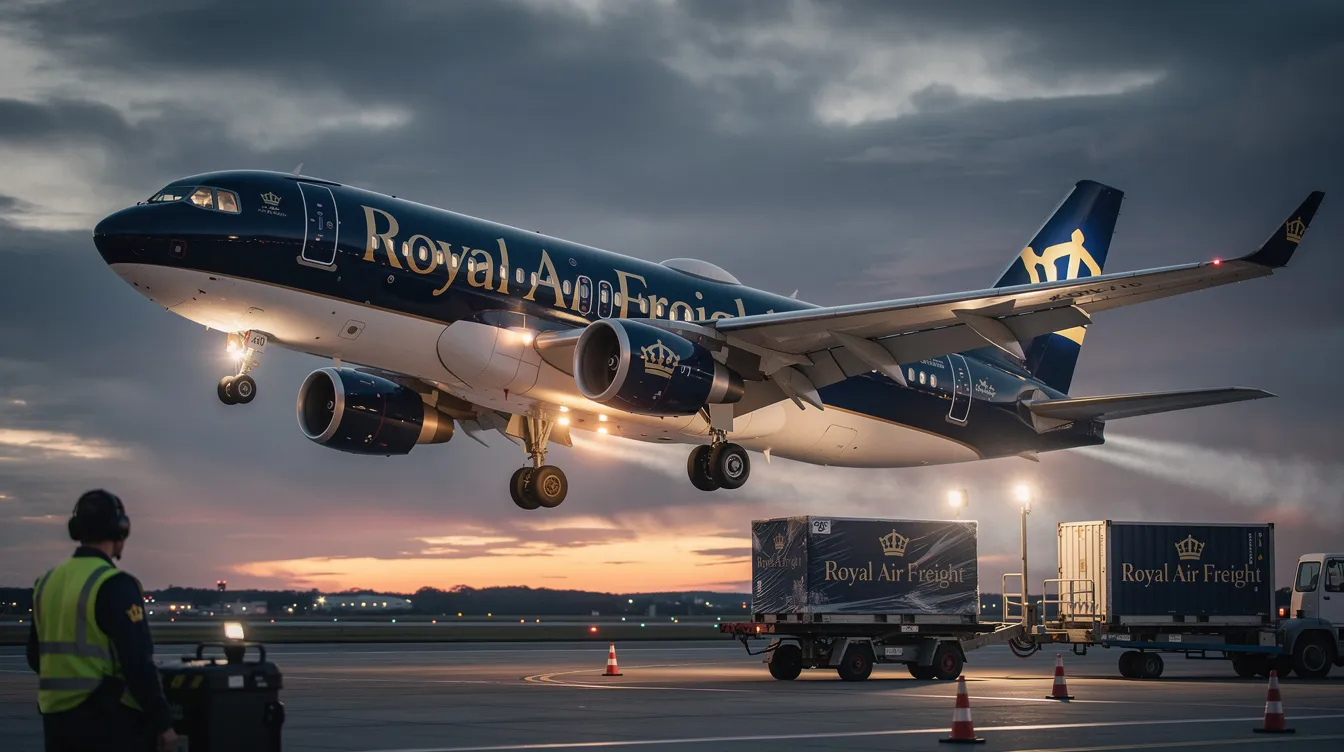
Royal Air Freight Inc: Chartering Alternatives with Jettly
Royal Air Freight Inc. has been a trusted name in charter and air freight services since 1961, specializing in expedited cargo and passenger flights across North America. Jettly, a digital charter broker, offers a broader marketplace for comparing private jet and cargo flight options, providing travelers with greater flexibility and instant pricing.
Read More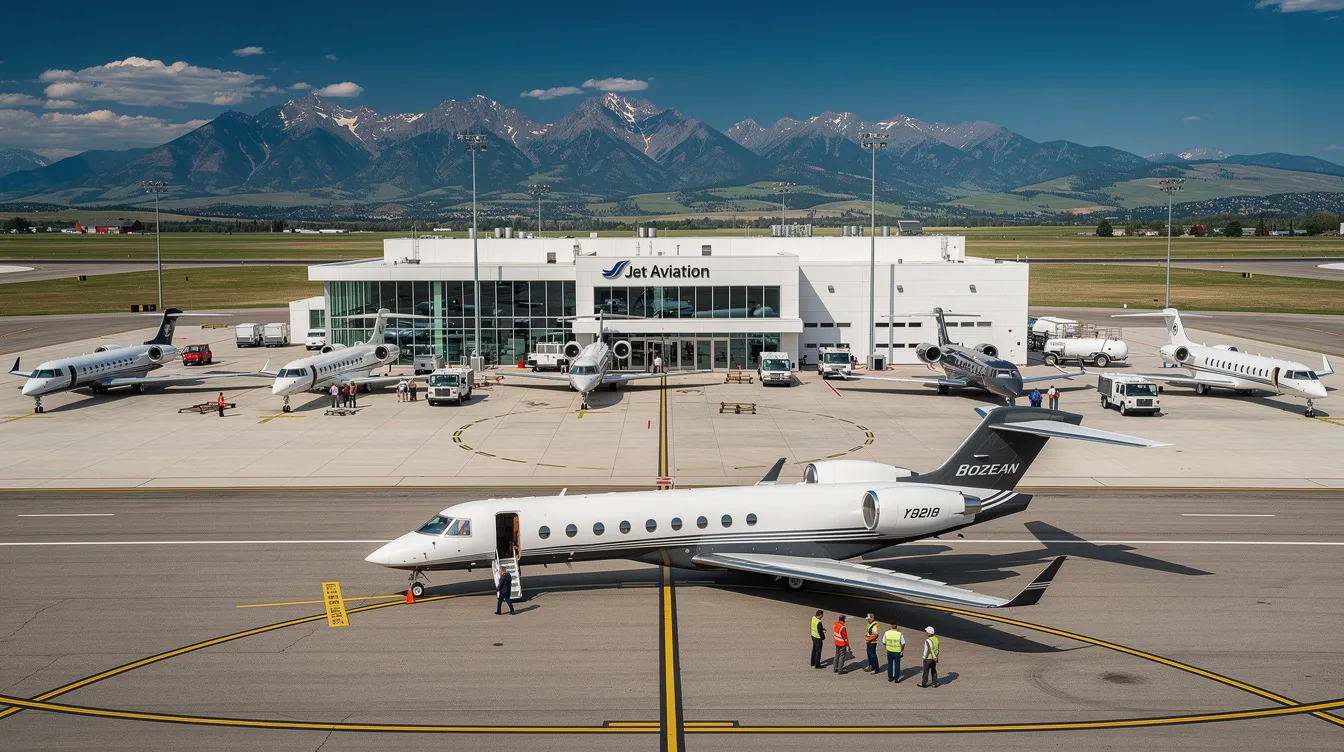
5
min read
Jet Aviation Bozeman: Private Jet Access to Big Sky Country with Jettly
Jet Aviation Bozeman provides private jet access to the stunning landscapes of Big Sky Country, located at Bozeman Yellowstone International Airport. With a full-service FBO and Jettly's digital charter marketplace, travelers can easily book flights and enjoy seamless ground transportation to popular destinations like Big Sky Resort and Yellowstone National Park.
Read MoreStay updated with our latest insights and tips to elevate your journey with us.
MEMBERSHIPS AND ASSOCIATIONS



Disclaimer: Jettly operates as a charter broker, offering access to a global digital jet charter marketplace. Jettly is not a direct air carrier and does not own or operate aircraft. All advertised flights are conducted by third-party air carriers that are fully licensed and hold the appropriate Part 135 or Part 121 certifications issued by the Federal Aviation Administration (FAA) or equivalent regulatory authorities under U.S. or foreign law. Jettly complies fully with the U.S. Department of Transportation's Part 295 and Part 298 Charter Broker regulations. Jettly does not carry additional liability insurance. Passengers are covered by aircraft operator insurance. TICO: 50023770


