


Login
Get Instant Pricing On 23,000+ Aircraft

>
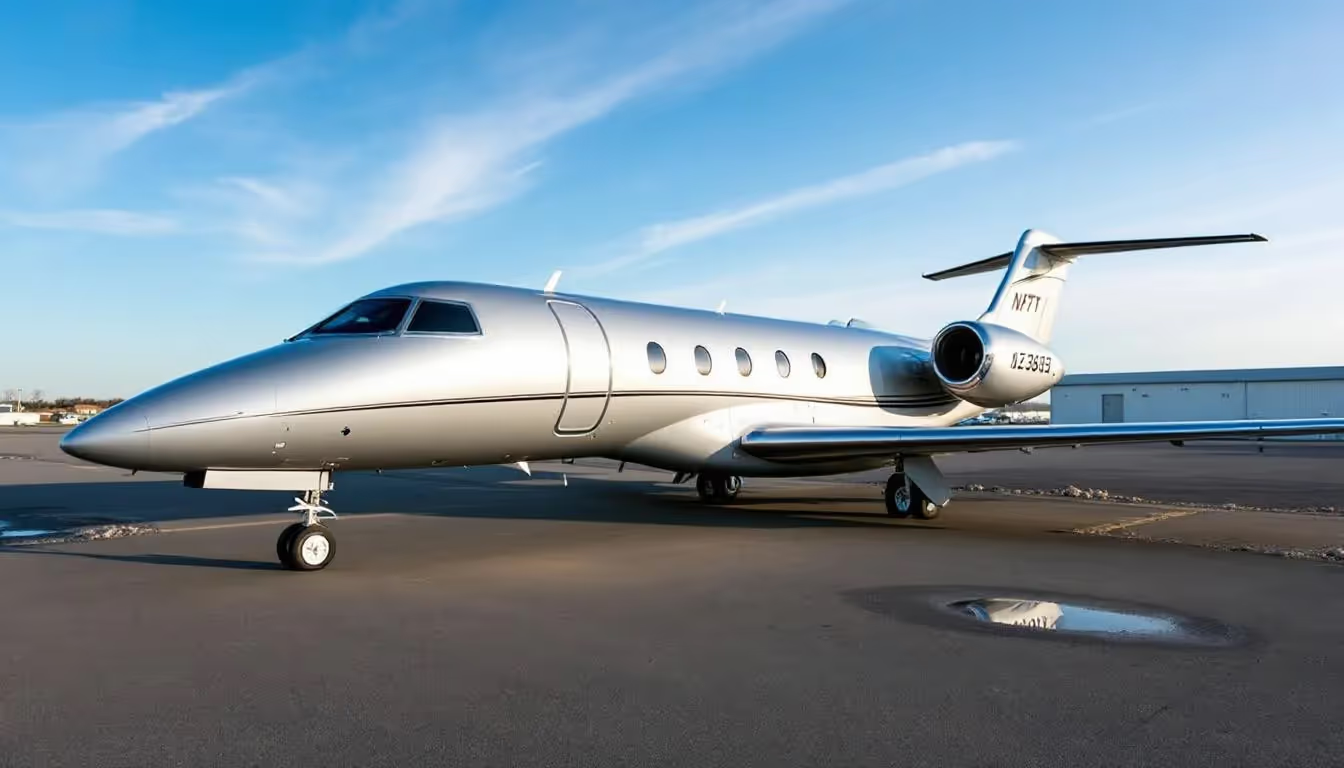
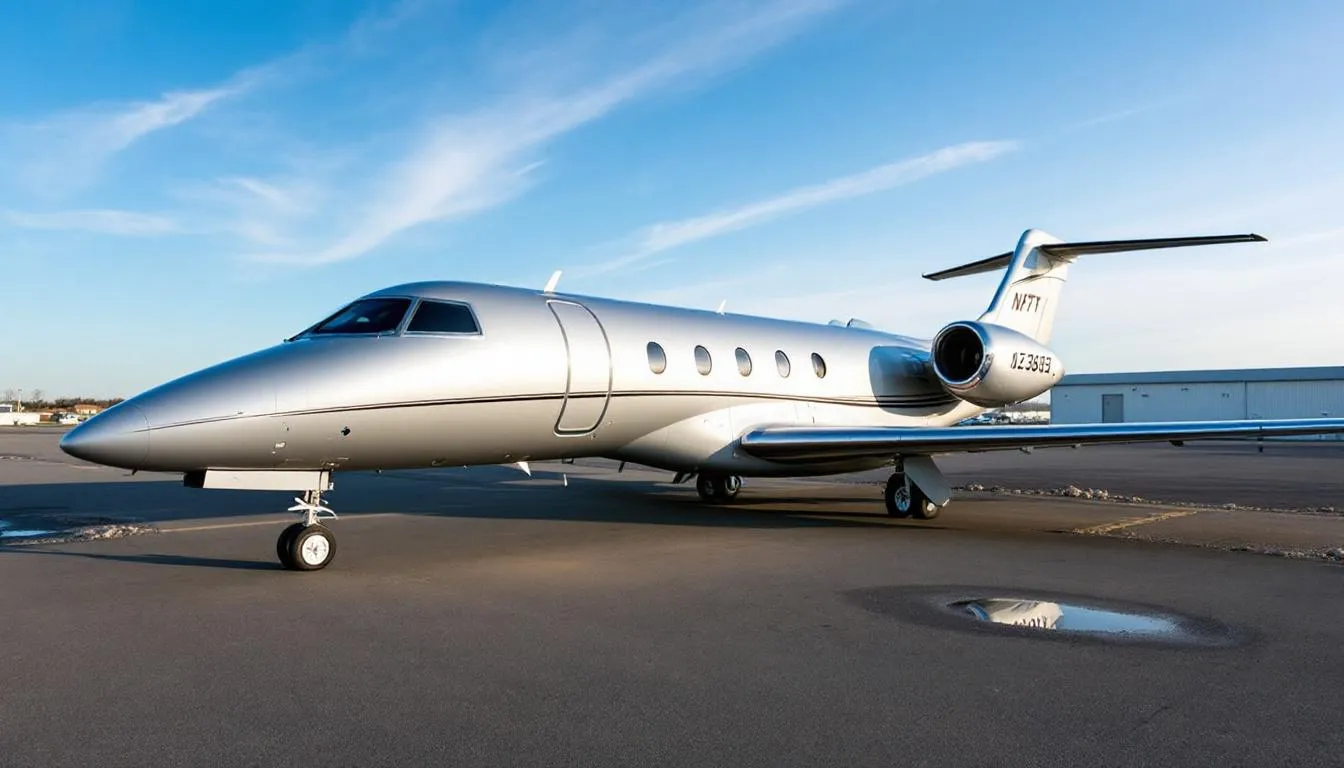
When it comes to flying private, the luxury and convenience are undeniable—but so are the costs. Whether you’re exploring chartering a jet for the first time or considering frequent private travel, understanding the private aircraft price landscape is essential. From flight hours and fuel to crew salaries and hidden fees, this guide breaks down what you can expect and how to budget wisely. Private jet charter rates are significantly lower than buying your own private plane, which can vary widely from $2 million to $100 million, making chartering a more accessible option for many travelers.
Additionally, pre-owned jets may require upgrades, refurbishment, and maintenance, adding significantly to the purchase price. Private jet buyers should also consider the time the aircraft will be grounded for maintenance and refurbishment, as this can impact availability and operational planning. Routine maintenance alone can cost 2% of the original aircraft price per year, which is an important consideration for potential buyers.
Unlike commercial flights with fixed ticket prices, private jet travel operates on a more dynamic pricing structure. The cost of renting a private aircraft can range from $2,000 to $14,000 per flight hour, depending on the aircraft category, distance flown, and other variables. Private jet rental costs and private jet rental prices are key factors to consider, as they can vary widely based on trip duration, itinerary, and aircraft type. Various international fees also apply to private jet rentals based on routing and destination, which can further influence the overall cost. The cost to rent a private jet varies from $2,000 to $14,000 per billable flight hour, making it essential to choose the right aircraft for your needs. For example, turboprops start at $2,000 per hour, while ultra-long-range jets can reach up to $14,000 per hour.
Here’s what a typical hourly cost looks like:
Turboprops & Very Light Jets: $2,000 – $4,000/hour
Midsize Jets: $4,000 – $7,000/hour
Heavy Jets & Long-Range Jets: $8,000 – $14,000+/hour
These rates usually include the aircraft, crew, fuel, and insurance—but that’s just the base. Several other cost components come into play, which we’ll dive into below. For instance, a fuel surcharge may add $600 to $900 per hour or more, depending on the size of the aircraft. Fuel is a significant portion of operational costs, fluctuating based on local market prices. Additionally, landing fees typically range from $150 to $500, depending on the aircraft's size and weight, further contributing to the overall expense. The age of the aircraft also plays a role, as newer planes tend to have higher hourly rental rates compared to older models. Private jet hangarage can cost from $1,500 to $3,000 per month, adding another layer to the fixed costs of jet operations.
Understanding what drives private jet costs can help you avoid surprises. Private aircraft prices can vary depending on factors such as aircraft size, flight distance, and operational requirements. Annual costs and industry standard fee structures are also important considerations for budgeting and comparing options. For those who fly frequently, chartering a jet can help alleviate the burdens of maintenance and crew salaries associated with ownership. Here are the major influences:
Larger jets cost more, not only because they can carry more passengers but also due to their higher fuel consumption, maintenance needs, and longer range capabilities. Larger aircraft often incur higher deicing charges, daily minimum flight hours, and short-leg fees compared to smaller aircraft. Crew costs can vary, with single-pilot aircraft having lower staffing costs than two-pilot operations.
Light Jets: Ideal for 4–6 passengers and shorter distances. Note that smaller aircraft may have lower operational costs and different fee structures than larger planes.
Midsize Jets: Accommodate 6–8 passengers, with a longer range.
Heavy/Ultra Long-Range Jets: Suited for international flights, offering premium amenities. For more detailed information on capacities and jet types, read How Many Passengers Can a Private Jet Carry?
The take-off phase is particularly fuel-intensive and can impact short-leg fees and maintenance costs, especially for larger aircraft. Choosing the right plane or planes for your needs is important, as operational requirements and costs can vary significantly between a smaller aircraft and a large jet. Large jets generally have higher expenses, including hourly rates and maintenance, compared to smaller planes.
Longer distances and flight durations, as well as flight distance, mean more fuel, higher crew hours, and sometimes overnight stays, all of which increase the total cost.
Longer flights require more fuel and additional crew time, which further raises the overall expense.
You can use cost calculators to estimate expenses for your next flight based on distance and duration.
Crew salaries, training, per diem, and accommodation—especially for long-haul or overnight missions—are often included but still a major cost contributor. Overnight expenses, such as lodging and meals when a crew member stays away from home, should also be factored in. Additionally, Federal Excise Tax is applicable to all US domestic flights at a rate of 7.5%, which can significantly impact the total cost of private jet travel. Segment fees, a government tax calculated per passenger, also vary by region and can add to the overall expense of flying private.
Different operators have different pricing structures, depending on their location, fleet size, and service level. Some may charge additional management or repositioning fees. Aircraft owners may also set specific fees, such as short leg fees, to offset operational costs. International fees, which can range from $500 to $5,000 or more depending on the region and requirements, are another factor to consider when budgeting for private jet travel.
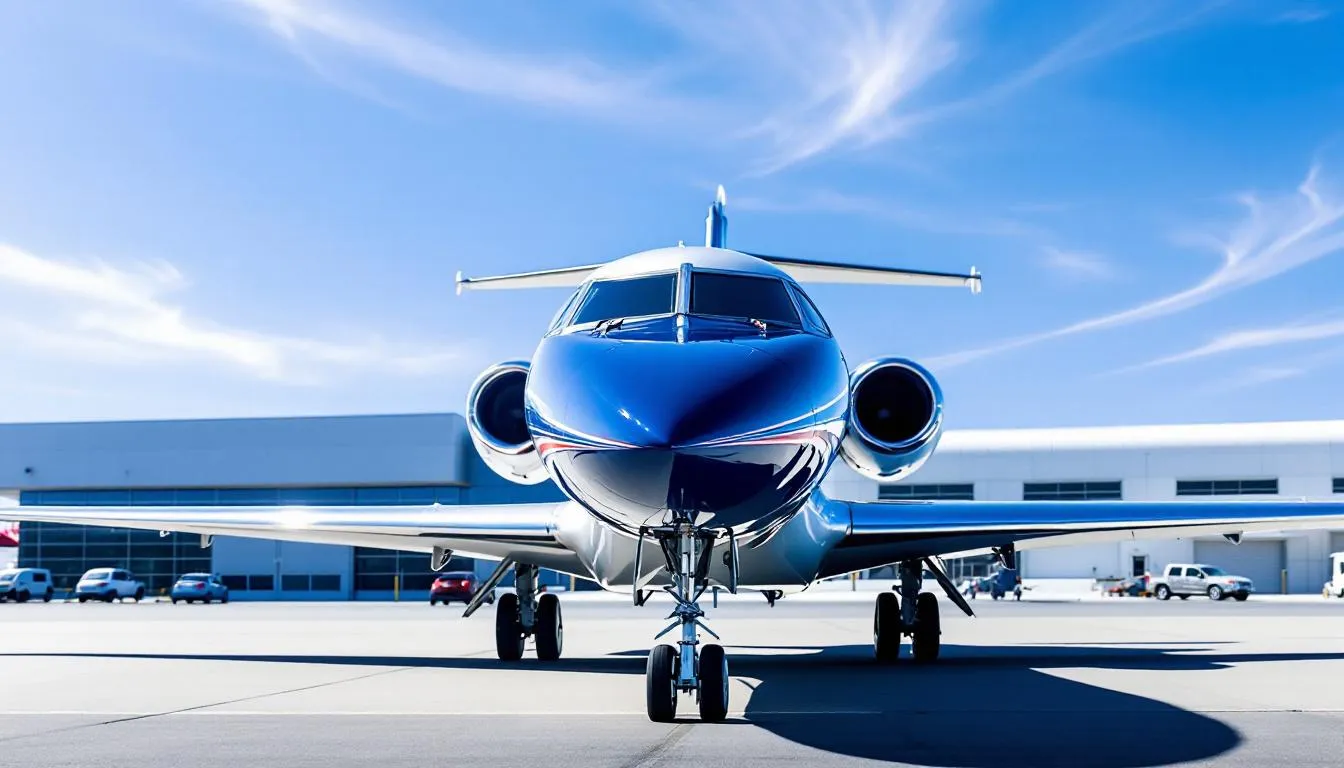
The private jet market is dynamic, with prices and availability shifting throughout the year based on demand. During peak travel seasons—such as summer holidays, major sporting events, or winter getaways—private jet charter costs often rise due to increased demand for jets and limited availability. For example, booking a light jet for a popular holiday weekend can cost significantly more than during quieter months. Flying private also allows for direct flights to many destinations, avoiding commercial airline connections and saving valuable time for travelers.
Conversely, off-peak periods offer more flexibility and competitive pricing. Travelers who can schedule their jet charter during these times may find that private jet prices for the same aircraft type drop by 10-20%. Additionally, industry events, conventions, or large gatherings in cities like New York can temporarily drive up demand and prices for private jets in those regions.
Staying aware of these market trends allows private jet travelers to plan ahead, secure better rates, and enjoy greater choice in aircraft. If your schedule is flexible, consider booking your jet charter during less busy times to maximize value and availability.
There’s more than one way to fly private. Each option offers a different approach to booking a charter flight or private flight, depending on your needs and preferences. Depending on your travel habits and budget, you might choose:
Book per trip. It’s flexible, but often the most expensive option if flying frequently.
Prepay for flight hours on a particular aircraft category. Jet cards can lower hourly rates and offer guaranteed availability.
Own a share of an aircraft and pay a portion of the costs, without the high expenses and responsibilities that come with owning your own private jet outright. Ideal for those flying 50–100+ hours per year.
When a jet is repositioned without passengers, it becomes available at a steep discount. If you're flexible with timing, this can be a great way to save.
Let’s take a closer look at what your invoice may include beyond the hourly rate. Various fees, additional costs, and government taxes can significantly impact the total price.
This covers the aircraft, pilots, and basic fuel costs. Depending on the jet type, this can vary dramatically.
Fuel prices fluctuate, so operators may add a surcharge if fuel costs rise beyond a set point.
Airports charge fees for using their runways and services; these landing fees are set by the airport authority and can vary depending on the airport's policies and the size of the aircraft. Busy or international airports typically cost more.
For longer trips, expect to pay for crew accommodation and per diem expenses. Crew overnight fees are between $200 and $600 per crew member to cover food and lodging, which can add up quickly for extended journeys.
If your flight includes an overnight stay, the aircraft may need hangar storage or remote repositioning, adding to costs. Hangar fees can cost anywhere from $500 to $1,500 per day, depending on the size of the aircraft. Hangar fees are often incurred during winter to protect aircraft surfaces from ice, snow, or frost. These hangar fees can help avoid deicing costs, which can be significant depending on aircraft size. Deicing costs are charged when ice accumulates on aircraft surfaces, and these costs can range from $1,500 to $15,000 depending on the size of the aircraft. Replacing the carpeting in a jet can also add between $40,000 and $90,000 to refurbishment expenses.
Standard snacks may be included, but custom meals or in-flight catering add to your total. The same goes for limousine service or car rentals.
Private jet travel isn’t immune to hidden fees. Watch out for:
Short Leg Fees: Applied to very short flights that require the same resources as longer trips.
Deicing Fees: If flying in winter climates, deicing is necessary and costly.
International Fees: Overflight permits, customs handling, and other border-related costs can be significant.
Federal Excise Taxes: In the U.S., private flights are subject to a 7.5% federal excise tax (FET).
Depending on the aircraft type and trip duration, the total expense for a private jet rental can easily reach tens of thousands of dollars for a week-long charter.
Understanding these fees upfront can prevent unexpected charges later.
When planning private jet travel, it’s important to factor in regulatory and tax requirements that can impact your total jet charter cost. In the United States, federal excise taxes typically add 7.5% to 15% to the cost of a private jet charter, depending on the nature of the flight. For international flights, additional expenses such as landing permits, overflight permits, and immigration fees may apply, especially when crossing multiple borders or flying to countries with strict aviation regulations. Federal Excise Tax is charged at a rate of 7.5% for all US domestic flight legs.
Charter companies and aircraft operators must also comply with a range of safety, maintenance, and crew training standards. These regulatory requirements can influence both the availability and the cost of private jet flights, as non-compliance can result in fines or operational delays.
To avoid unexpected charges and ensure a smooth experience, it’s wise to work with reputable charter companies that offer transparent pricing and have expertise in navigating the regulatory landscape. They can help you understand which taxes and fees apply to your specific itinerary and ensure all necessary permits are secured for your private jet flight.
Insurance is a crucial aspect of private jet ownership and operation, directly affecting the overall cost structure. Private jet insurance premiums can vary widely, from $10,000 to $500,000 per year, depending on factors like the jet’s value, how often it’s flown, and the experience level of crew members. In addition to basic hull insurance, liability coverage is essential to protect against potential damages or injuries involving passengers, crew members, or third parties. Aircraft maintenance costs can quickly increase to $500,000-$1,000,000 or more annually, further emphasizing the importance of comprehensive insurance. Additionally, cleaning fees for aircraft can range from $250 to $500 or more, depending on the extent of cleaning required, adding another layer to operational expenses. Annual recurring costs for jet operations typically range from $500,000 to $1,000,000, making it essential for owners to budget carefully and plan for these ongoing expenses.
For private jet owners, the level of liability insurance required may increase if the jet is used for high-risk activities or operates in congested airspace. Charter companies also carry comprehensive insurance to cover their fleet and operations, which is factored into the charter price.
Understanding your insurance options and ensuring adequate coverage is key to minimizing financial risk. Whether you’re an owner or a frequent charter client, working with experienced insurance providers and charter companies can help you navigate these important considerations and ensure peace of mind every time you fly.
One of the standout benefits of private jet travel is the ability to tailor every aspect of your journey. From gourmet catering and luxury ground transportation to in-flight entertainment and bespoke interiors, private jet charter companies offer a wide range of customization options. However, these special requests often come with additional fees that can increase the total cost of your jet charter. For instance, upgrading communication systems in a jet can cost over $500,000, and replacing woodwork in the jet cabin can cost between $300,000 and $500,000, making these significant investments for those seeking advanced features.
For example, requesting a specific type of cuisine, arranging for a particular brand of champagne, or booking a luxury vehicle for airport transfers can all add to your invoice. Some charter companies also provide advanced customization, such as unique cabin layouts or specialized crew training, for an even more personalized experience.
To manage these added costs, it’s helpful to prioritize your customization requests and discuss them with your charter company in advance. Many providers offer flexible pricing options and can help you find the right balance between luxury and value, ensuring your private jet travel experience is both memorable and cost-effective.
As sustainability becomes a greater priority in aviation, private jet operators are increasingly introducing environmental fees and sustainability surcharges. These charges, which can range from 1% to 5% of the total charter cost, are designed to offset the environmental impact of private jet flights. Some private jet charter companies offer carbon offset programs, investing in renewable energy or reforestation projects to balance out emissions generated by your flight.
Additionally, a growing number of operators are providing options to use sustainable aviation fuel (SAF), which can further reduce the carbon footprint of your private jet travel. While these initiatives may add to the operating costs, they reflect a commitment to responsible travel and can be an important consideration for environmentally conscious travelers.
Looking ahead, innovations such as electric and hybrid-electric jets promise to make private jet travel even more sustainable. By choosing charter companies that prioritize green initiatives, you can enjoy the benefits of private jet travel while supporting a more sustainable future for aviation.
Choosing the right pricing model depends on your travel frequency and preferences. Each model impacts your private jet charter cost in different ways, as factors like aircraft size, route, and additional fees can vary depending on the option you select.
Most common for on-demand bookings. Rates are determined by aircraft type and duration.
Purchase a block of flight hours at a locked-in rate. Benefits include fewer hidden fees and faster booking turnaround.
Buy a stake in an aircraft and share its usage with others. You’ll pay monthly fees and usage costs, but gain guaranteed access.
Some companies offer memberships with reduced fees, priority access, or concierge services.
Jettly, for example, offers a unique membership-based platform that lets you access a network of private aircraft without broker markups. Learn more at jettly.com.

Before booking, it’s important to estimate your total private jet cost. Cost estimates can vary significantly based on the specific aircraft you select for your trip, as different aircraft types have different pricing and service options. Here’s how:
Use a flight time calculator to estimate how long your journey will take, then multiply by the hourly rate for your desired jet class.
Don’t forget to add potential landing fees, fuel surcharges, catering, and overnight costs.
If you're considering a jet card or membership, calculate your break-even point based on your annual travel needs.
If you fly under 50 hours per year, chartering is typically more cost-effective. Ownership makes sense only for frequent flyers who value access and personalization.
Private jet rental prices and private jet rental costs can vary widely depending on the type of plane you choose. If you’re trying to get a sense of what different planes might cost per hour, here’s a helpful breakdown in plain language:
Turboprops generally cost between $2,000 and $2,500 per hour. These planes are great for short regional trips and small groups.
Very Light Jets typically fall in the $2,500 to $3,500 per hour range. These planes are ideal for solo travelers or small groups flying short distances.
Light Jets usually cost $3,500 to $5,000 per hour and are a solid choice for domestic travel with about 4 to 6 passengers.
Midsize Jets range from $5,000 to $7,500 per hour. These planes are best suited for longer, cross-country flights.
Heavy Jets cost around $7,500 to $12,000 per hour. These planes are built for larger groups and offer long-range comfort.
Ultra Long-Range Jets start at $10,000 and go up to $14,000 or more per hour, providing luxurious amenities and the ability to handle international or transcontinental trips with ease.
Keep in mind these are average estimates and actual private jet rental prices and private jet rental costs will vary based on factors like destination, operator, aircraft availability, and time of year.
If you’re looking to fly private without overspending, here are a few tips:
Book in advance: Especially during peak seasons.
Be flexible: Empty legs and off-peak bookings can offer big savings.
Work with transparent providers: Avoid brokers that add hidden markups.
Join a membership: Platforms like Jettly simplify the process and may reduce costs with predictable pricing.
Private jet travel offers unmatched flexibility, comfort, and speed—but it comes with real financial considerations. Whether you're taking one special trip or considering regular charters, understanding private aircraft price breakdowns is essential to making smart, cost-effective decisions. For most travelers, chartering is a more practical choice, as purchasing your own private jet only becomes worthwhile if you fly approximately 150 hours or more annually.
By knowing what factors affect pricing, what extra fees to anticipate, and what options best match your travel habits, you can budget accurately and avoid surprises.
Ready to simplify your private travel experience? Visit Jettly.com to explore transparent private jet charter pricing and discover membership options designed for smarter private travel.
Share this post:
Jay Franco Serevilla
Aug 21, 2025
|
5
min read
Discover tips and trends in the industry.
5
min read
Private Jet Demand: How the Market Evolved, Who's Flying, and What It Means for Charter in 2026–2030
The private jet market has seen a significant surge in demand, remaining 35% above pre-pandemic levels through mid-2026. This trend is driven by a broader demographic of first-time flyers, increased flexibility, and the rise of digital booking platforms. As the industry evolves, travelers can expect tighter availability and a focus on sustainability through 2030.
Read More
5
min read
Private Flight Club Membership Cost: What You Really Pay For
Private flight club memberships offer a range of costs influenced by initiation fees, monthly dues, and hourly rates. Understanding these components helps travelers make informed decisions between membership and on-demand charter options. With costs varying significantly based on aircraft type and usage, it's essential to evaluate personal travel needs and frequency before committing.
Read MoreStay updated with our latest insights and tips to elevate your journey with us.
MEMBERSHIPS AND ASSOCIATIONS



Disclaimer: Jettly operates as a charter broker, offering access to a global digital jet charter marketplace. Jettly is not a direct air carrier and does not own or operate aircraft. All advertised flights are conducted by third-party air carriers that are fully licensed and hold the appropriate Part 135 or Part 121 certifications issued by the Federal Aviation Administration (FAA) or equivalent regulatory authorities under U.S. or foreign law. Jettly complies fully with the U.S. Department of Transportation's Part 295 and Part 298 Charter Broker regulations. Jettly does not carry additional liability insurance. Passengers are covered by aircraft operator insurance. TICO: 50023770


