


Login
Get Instant Pricing On 23,000+ Aircraft

>
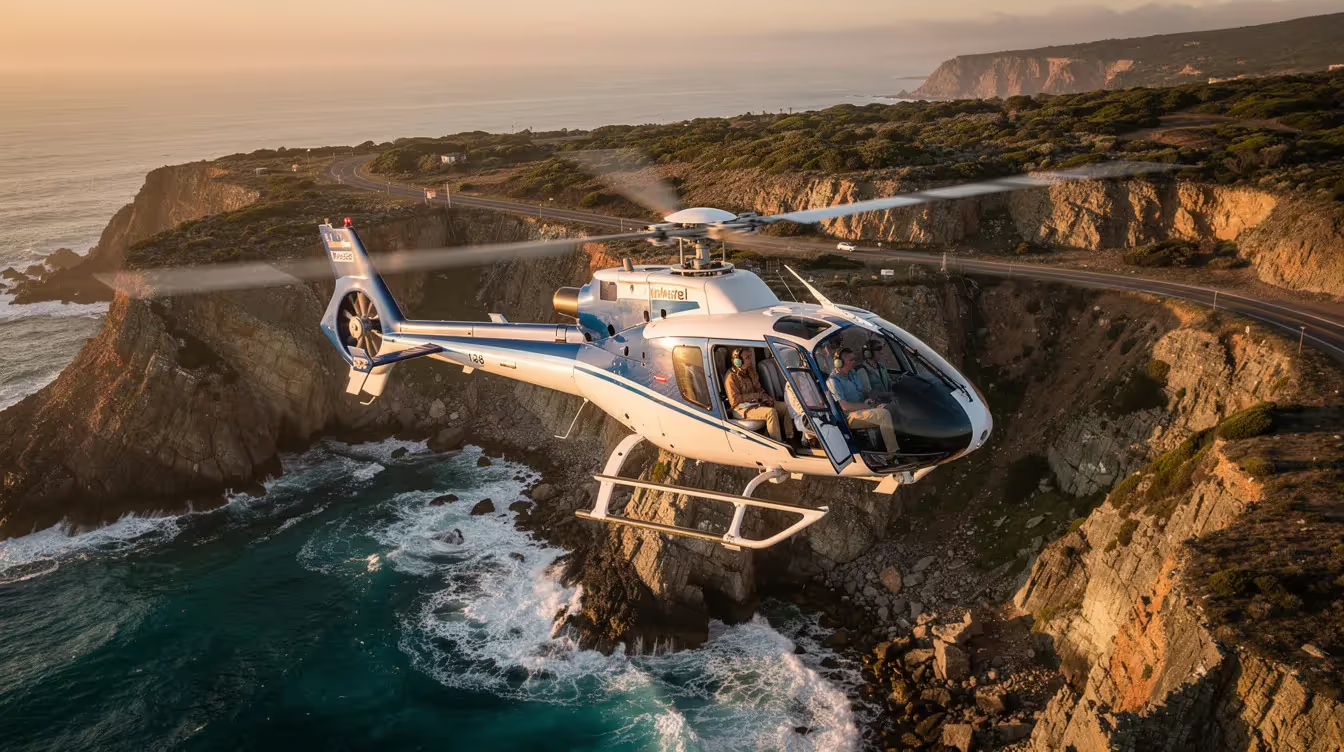
The price of helicopter aircraft varies dramatically depending on mission, brand, and whether you buy new or used. A family considering a Robinson R44 Raven II for weekend flying and business trips faces a completely different market than an offshore operator evaluating a Sikorsky S-92.
This guide focuses on civil helicopters for private, corporate, emergency, tourism, and utility use. Understanding what drives these prices helps buyers and charter customers make informed decisions, especially when comparing ownership with helicopter rental costs and pricing.
Helicopter prices in 2026 range from about $60,000 for basic kits to over $30 million for heavy-lift or VIP models.
Typical private buyers consider civil models like the Robinson R44, Bell 407, and Airbus H130, with prices between roughly $300,000 and $4 million.
Total helicopter cost includes purchase price plus fuel, maintenance, hangar, crew, and insurance—often exceeding $300,000 per year for active operators.
Chartering helicopters on demand through platforms like Jettly provides access to the same aircraft types without ownership costs.
Helicopter pricing is easiest to understand when grouped by category and typical use case. The range spans from homebuilt kits to heavy-lift production models.
|
Category |
Examples |
2026 Price Range (New) |
|---|---|---|
|
Kit/Experimental |
Helicycle, Composite-FX XE |
$60,000–$200,000 |
|
Light Piston |
Robinson R22, R44 |
$300,000–$650,000 |
|
Light Turbine |
Bell 505, Airbus H120 |
$1–$2.5 million |
|
Single-Engine Utility/VIP |
Airbus H125, H130, Bell 407 GXi |
$2–$4.5 million |
|
Twin-Engine Midsize |
Airbus H135, H145, Leonardo AW109 |
$5–$12 million |
|
Heavy-Lift/Offshore/SAR |
Airbus H225, Sikorsky S-92 |
$20–$30+ million |
A new Robinson R44 Raven II lists around $646,000 with standard equipment in 2026. At the expensive end, a Russian Mi-26T heavy-lift helicopter approaches $30 million for civil roles. Used aircraft can be purchased for 40–60% less, though upcoming overhauls may offset savings.
Most civil buyers compare helicopters by manufacturer and model family. Here’s what the market looks like across major brands.
Airbus Helicopters dominates civil sales with the H125 (around $4.5 million new), H130 for tourism, and H135/H145 twins ranging $6.5–$10+ million. VIP ACH conversions add 20–50% premiums for custom interiors. Their lineup includes models like the H160 and H225, each designed for specific technical specifications, load capacities, maximum speeds, and ranges.
Bell Helicopters, headquartered in Texas, is known for versatile and reliable models such as the Bell 206 JetRanger, Bell 407, and Bell 429. These helicopters serve a variety of applications from private use to emergency services.
Leonardo produces the AW109 GrandNew at $6.5 million new. A used 2010s AW109SP with VIP configuration and fresh inspection may list $3–$5 million. The AW139 for offshore capacity reaches $14+ million.
Robinson focuses on affordability: R22 Beta II around $300,000–$350,000, R44 Raven II at $646,000, and R66 Turbine at $1–$1.5 million.
Sikorsky civil S-76D and S-92 models serve offshore and VIP customers at $20–$30+ million, often with full mission equipment. Exact pricing is typically provided on request from manufacturers.
Many civil buyers must choose between single-engine and twin-engine turbine helicopters, which strongly impacts both price and operating cost.
|
Feature |
Single Turbine |
Twin Turbine |
|---|---|---|
|
Price Range (New) |
$1–$4 million |
$5–$15+ million |
|
Examples |
Airbus H125, Bell 407, R66 |
H135, H145, AW109, Bell 429 |
|
Typical Missions |
Tourism, private, utility |
Offshore, HEMS, urban ops |
|
Engine Failure Capability |
Limited |
Continued flight possible |
|
Fuel Burn |
25–35 gph |
40–60 gph |
Turbine engines provide higher reliability and power than piston engines but come with significantly higher costs. Twins offer safety redundancy and better hot-hot performance. Regulators sometimes require twins for offshore, HEMS, or dense urban operations. However, twins carry higher acquisition cost, fuel burn, parts replacement, and insurance premiums—often 30–50% more in direct operating costs.
Purchase price depends on more than brand and model. Buyers must evaluate technical and market factors that swing values 20–30%.
Year of manufacture and total time on airframe and engines
Remaining intervals on life-limited parts and major inspections
Avionics suite (glass cockpit vs analog, IFR capability)
Mission equipment (emergency floats, cargo hooks, medical interiors)
Many helicopter components have finite flight limits, impacting resale value based on their "Time Since Overhaul" and "Time Since New". A 1979 Bell 206BIII with 7,700 hours and basic avionics may list near $450,000. A 2012 AW109SP GrandNew with fresh inspection and VIP interior commands around $3.6 million.
Regional demand (European HEMS, North Sea offshore)
Currency fluctuations affecting USD/EUR list prices
Supply chain constraints are pushing 5–7% annual inflation on new builds
Condition documentation—logbooks, damage history, hangar storage—can protect or kill value for otherwise similar aircraft.
Acquisition is only a fraction of the lifetime cost. Purchasing a helicopter involves ongoing annual expenses that typically account for 30%–50% of the aircraft's lifetime cost. Many owners underestimate ongoing expenses.
|
Cost Category |
Annual Estimate |
|---|---|
|
Fuel (200 hrs, light turbine) |
$35,000–$60,000 |
|
Maintenance reserves |
$30,000–$60,000 |
|
Hangar |
$12,000–$60,000 |
|
Pilot/crew |
$100,000–$200,000 |
|
Insurance |
$20,000–$100,000 |
Operating costs for helicopters include maintenance, insurance, fuel, and storage, which can exceed the initial purchase price. Fuel costs for larger turbine helicopter models can exceed $360 per hour, similar to the way private jet charter cost estimators break down expenses by aircraft type and usage.
A corporate owner flying 200–300 hours per year in a light turbine single like a Bell 407 might budget $300,000–$600,000 annually. Over a 10–15 year period, these costs easily exceed the original purchase price—even for customers who sell the aircraft later.
When comparing operational costs, airplanes are generally cheaper to buy and maintain than helicopters due to fewer moving parts, which leads to lower maintenance and insurance costs. Helicopters typically incur higher operational costs than airplanes, making them a more expensive option for air travel, especially when considering maintenance and fuel consumption; for fixed-wing options, guides to affordable airplane rental costs and options can help benchmark pricing.
This reality makes chartering more economical for travelers who only need occasional helicopter access, much like using services that focus on affordable private jet charter pricing instead of full aircraft ownership.
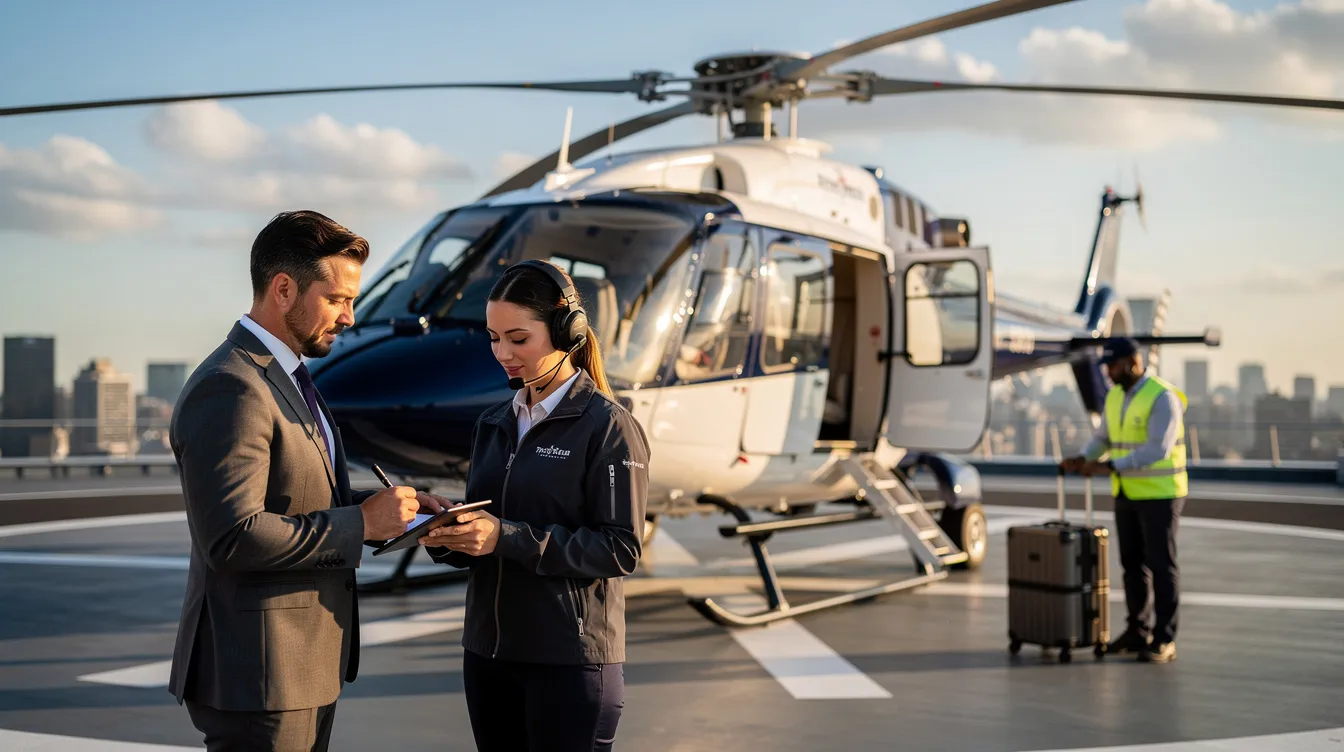
Annual utilization exceeds 300–500 flight hours
Specialized, frequent missions require dedicated aircraft
Guaranteed availability matters in regions with limited charter supply
Private individuals fly only a few times a month
Businesses need occasional site visits or airport transfers
Travelers want different aircraft types depending on the route and passengers
Jettly operates as a digital aviation platform giving customers on-demand access to helicopters and fixed-wing aircraft worldwide, supported by tools such as its airport locator and charter booking platform. The service emphasizes transparent pricing and instant estimates without requiring fractional ownership or jet cards. Travelers can access models like the Airbus H130 or Bell 407 via charter without millions in upfront capital.
A 30–45 minute helicopter transfer might cost $10,000–$25,000 through charter—significant, but far less than annual ownership expenses for low-utilization buyers, and costs can drop further when leveraging platforms that crowdsource private flights and share empty seats.
Jettly serves as both a guide and a marketplace for travelers evaluating helicopter use for business, leisure, or urgent travel, with flexible private jet membership programs that can complement helicopter charter for frequent flyers.
Global network of vetted operators with access to thousands of aircraft
Instant charter quotes through the website, avoiding opaque “call for price” dynamics
Ability to compare helicopter vs jet options for any route using Jettly’s broad private charter aircraft network
Jettly works with licensed operators following aviation regulations and maintenance standards. Travelers can book on demand or choose membership plans to reduce per-flight costs.
Explore options and request information at https://www.jettly.com.
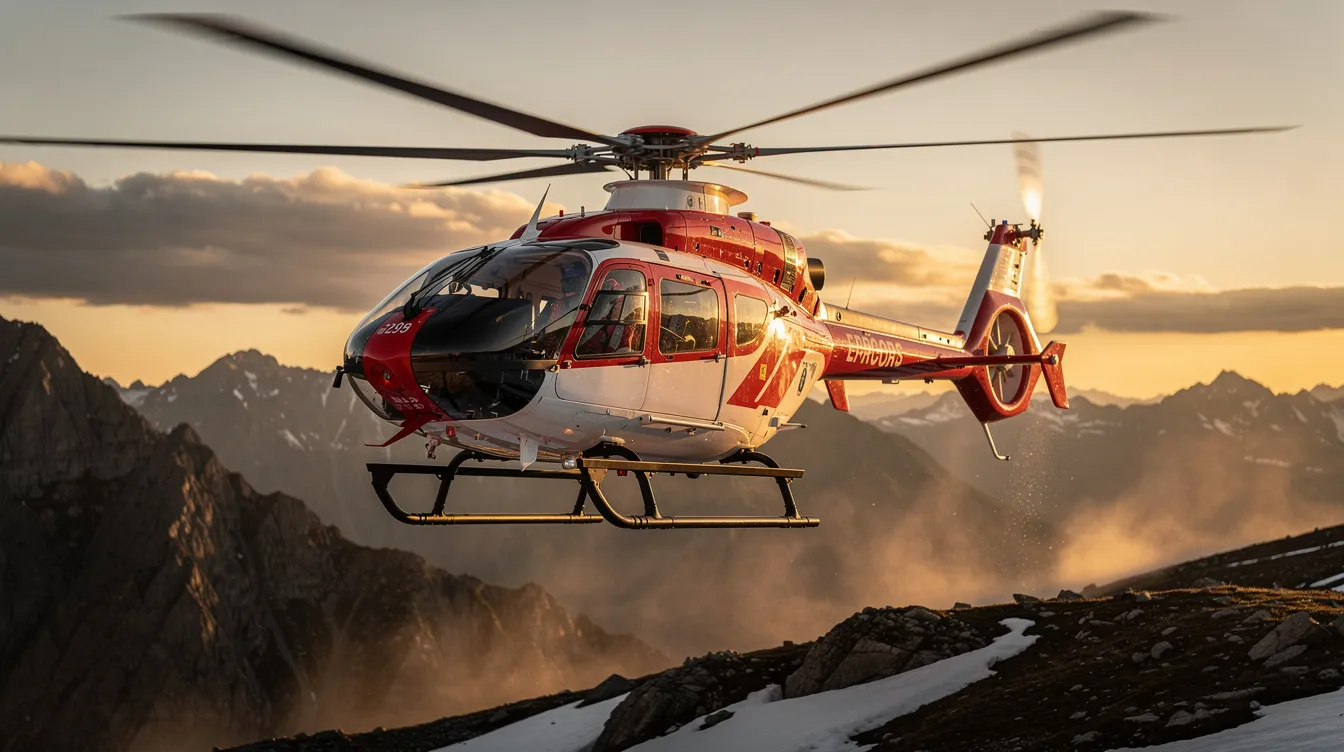
The global helicopter market was valued at approximately $20.36 billion in 2021 and is projected to reach $39.87 billion by 2031, with a compound annual growth rate (CAGR) of 7.3% from 2022 to 2031. This growth reflects expanding demand across private, commercial, and emergency services sectors and parallels broader expansion in charter airlines and private flight providers.
A Robinson R44 piston might run $300–$500 per flight hour in direct operating costs, covering fuel and routine maintenance. A light turbine like a Bell 206 or Bell 505 typically costs $600–$1,000 per hour. These figures exclude fixed annual costs such as insurance, hangar, and pilot salary, which must be added separately when calculating the true cost of flying—cost structures that are also relevant for those promoting flights through Jettly’s high-ticket affiliate program.
Used helicopters offer lower entry prices and more choice, but carry risks including upcoming overhauls, older avionics, and potential hidden damage. Thorough pre-purchase inspections and full logbook reviews are essential. A low purchase price can quickly be offset if expensive engine or gearbox overhauls are due shortly after acquisition—sometimes announced only after detailed inspection, similar to the due diligence required when evaluating top private jet charter companies for safety and maintenance standards.
Helicopters don’t have simple expiration dates. Major components have fixed service lives measured in hours or calendar years. Engines may require an overhaul at 1,800–3,500 hours, depending on the model. Certain structural parts have 10 or 12-year limits regardless of hours flown. Proximity to these limits is a major driver of used helicopter pricing and should factor into any purchase interest.
Specialized aviation lenders and some banks offer helicopter financing, typically requiring 20–30% down payments. Interest rates depend on aircraft age, usage type, and buyer creditworthiness. Buyers should factor loan service costs into overall cost-per-hour calculations when deciding between owning and chartering through the app or website, or combining ownership with structured jet card programs for private travel.
Hourly charter rates for helicopters can match or exceed light jets on a pure hourly basis—a VIP H130 might run $2,500–$4,000 per hour wet. However, helicopters eliminate ground transfers and airport delays on short routes, potentially saving hours per trip. Through Jettly, travelers can contact operators for both helicopter and jet quotes on routes like Los Angeles to Palm Springs, using tools such as its jet card flight cost estimator to compare total door-to-door time and cost for their specific needs.
The price of helicopter ownership in 2026 spans from tens of thousands for simple kits to over $30 million for advanced models. Civil buyers most often consider light piston and turbine models in the $300,000–$5 million range, with significant variation by brand, age, and configuration.
Operating, maintenance, and crew costs can easily exceed the purchase price over time. Many travelers achieve helicopter-level convenience more efficiently via charter, especially at low to moderate annual flight hours.
Ready to explore helicopter and private jet options on your own terms? Compare aircraft and request a quote at https://www.jettly.com, where flexible private jet memberships position the platform as a compelling NetJets alternative for flying private.
Share this post:
Jay Franco Serevilla
Apr 18, 2026
|
5
min read
Discover tips and trends in the industry.

5
min read
Busy airports for private jets during back-to-school season
Late August to early September triggers a surge in private aviation as summer travel ends, corporate travel resumes, and families transport students to major universities. Key hubs like Teterboro Airport (KTEB) and Dallas Love Field (KDAL) experience significant congestion, tight landing slots, and higher rates. To navigate these seasonal bottlenecks, charter operators must plan logistics and crew schedules in advance to accommodate flyer demand and ensure seamless travel.
Read More
5
min read
Destin Airport FL: Complete Guide to Destin–Fort Walton Beach (VPS) & Private Jet Charter
Destin–Fort Walton Beach Airport (VPS) is the main airport serving Florida's Emerald Coast, providing access to Destin and Fort Walton Beach. This guide covers essential information about VPS, including airlines, routes, and private jet charter options through Jettly for a more flexible travel experience.
Read MoreStay updated with our latest insights and tips to elevate your journey with us.
MEMBERSHIPS AND ASSOCIATIONS



Disclaimer: Jettly operates as a charter broker, offering access to a global digital jet charter marketplace. Jettly is not a direct air carrier and does not own or operate aircraft. All advertised flights are conducted by third-party air carriers that are fully licensed and hold the appropriate Part 135 or Part 121 certifications issued by the Federal Aviation Administration (FAA) or equivalent regulatory authorities under U.S. or foreign law. Jettly complies fully with the U.S. Department of Transportation's Part 295 and Part 298 Charter Broker regulations. Jettly does not carry additional liability insurance. Passengers are covered by aircraft operator insurance. TICO: 50023770


