


Login
Get Instant Pricing On 23,000+ Aircraft

>
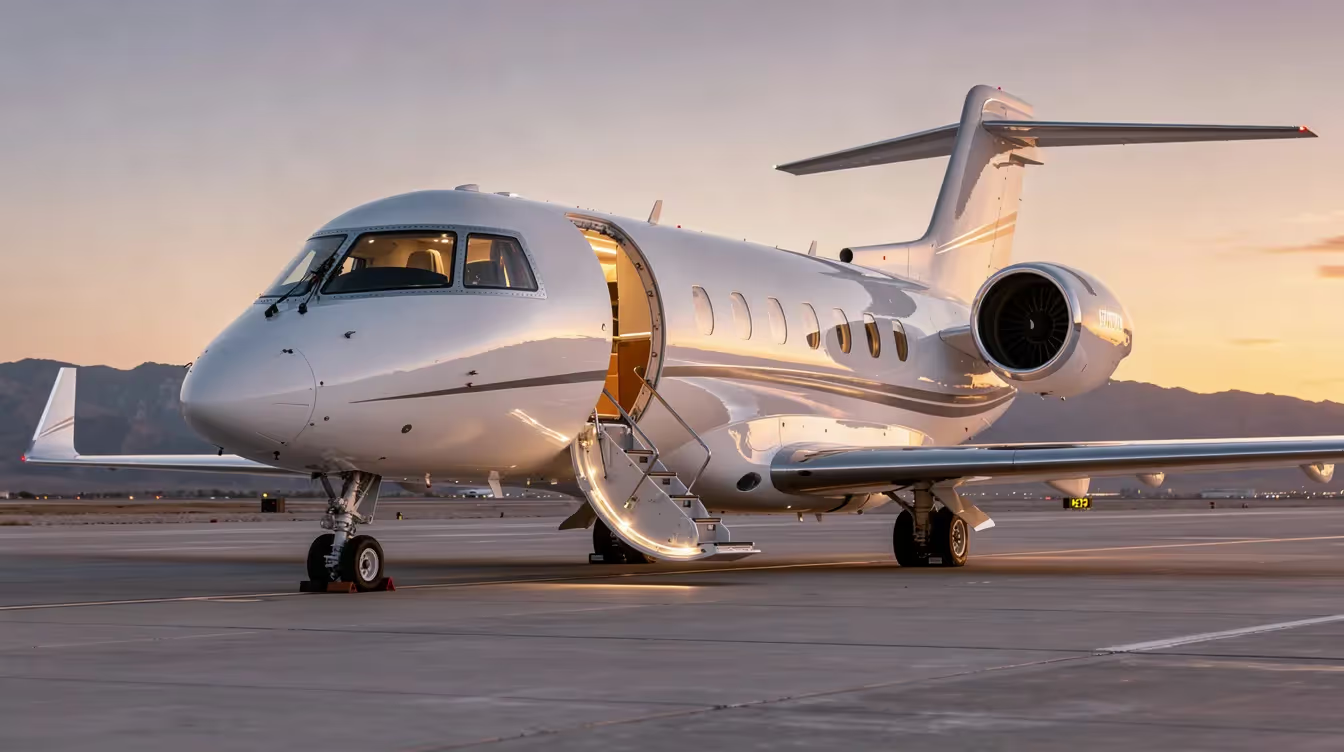
Understanding the difference between a plane and a jet is essential for travelers considering private aviation. While everyday language often uses these terms interchangeably, they describe distinct aircraft categories with unique capabilities that affect speed, range, cost, and airport access. Knowing these distinctions can help you choose the right aircraft for your travel needs, optimize your budget, and understand the capabilities of different flight options. This guide is for travelers, aviation enthusiasts, and anyone curious about the differences between planes and jets.
To help clarify, it's important to understand the key differences between planes and jets.
A plane refers to any fixed-wing aircraft, while a jet is specifically a plane powered by jet engines such as turbojets or turbofans. Every jet is a plane, but not every plane is a jet—turboprops and piston aircraft use different propulsion systems.
A jet plane is designed for higher speeds and longer distances, generating more thrust than propeller planes and allowing for transcontinental and international travel at higher speeds, typically cruising at 400–600+ mph compared to propeller planes at 100–200 mph.
Propeller planes are optimized for short-haul regional flights, while jets are built for long-distance, high-altitude travel.
For practical travel, jets excel on routes like New York–Miami (945 nm, ~2 hours) or Toronto–Vancouver (1,320 nm, ~3 hours), while turboprops serve shorter regional hops more efficiently.
Private jets can access a wider range of airports, including smaller ones not serviced by commercial airlines, providing more routing flexibility.
Platforms like Jettly combine jet performance with on-demand scheduling, offering access to 20,000+ aircraft worldwide. Learn more about Jettly’s charter options.
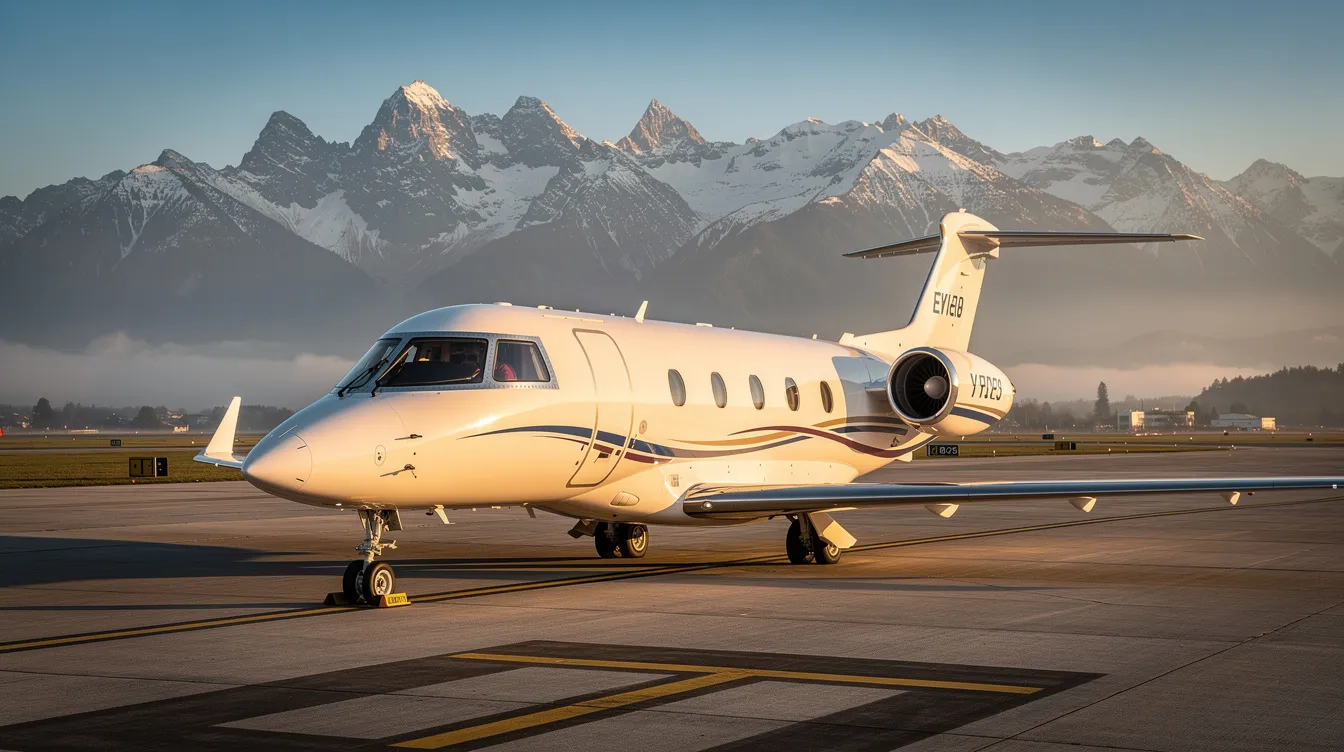
A plane (airplane) is a broad term for any fixed-wing powered aircraft, while a jet specifically means a plane powered by a jet engine. A jet is defined as a type of airplane powered by a jet engine, but not all airplanes are jets, as some use propeller engines.
Engine types break down as follows. Piston engines power small general aviation aircraft like the Cessna 172, where internal combustion spins a propeller directly. Turboprops use a jet engine to spin a propeller and are faster and more reliable than piston planes, making them advantageous for regional operations—examples include the Beechcraft King Air 350. True jets, such as the Gulfstream G650 or Boeing 737, use turbine engines that compress air and mix it with fuel to create thrust. Among jet engines, turbojets are a specific type that produce thrust solely from jet exhaust, while turbofans, now the most common in commercial aviation, use a fan to increase efficiency and reduce noise. Turbojets and turbofans are the main types of jet engines produced for both commercial and military aircraft.
Aircraft are propelled differently depending on their engine type: jets are propelled by the high-speed exhaust from their engines, while propeller planes are propelled by the spinning propeller blades. Jet engines, especially turbojets and turbofans, have fewer moving parts than piston engines, making them more reliable and efficient for larger aircraft.
Jets are typically faster and can fly longer distances compared to propeller planes, which are generally used for shorter flights. Non-jet planes cruise slower (around 250–350 knots) and lower but offer better short-runway takeoff performance. Most commercial airliners and modern business aircraft on charter platforms like Jettly are jets, whereas regional and utility operations often use turboprops; travelers can browse private charter aircraft across all major categories to match performance with their route.
Jet and non-jet planes developed in parallel, with jets transforming both military and commercial aviation from the 1940s onward. The introduction of the first operational jet fighter was a significant event in aviation history, marking a new era in aeronautics that reshaped air travel globally.
Military jets emerged first. The Messerschmitt Me 262 was the first operational jet fighter, entering service on April 19, 1944, and is notable for scoring the first combat victory for jet fighters on July 26, 1944. Approximately 1,400 Me 262s were produced during World War II. The UK’s Gloster Meteor followed that same year. Later, the SR-71 Blackbird became the fastest military jet aircraft, reaching speeds of Mach 3.35 (2,275 mph) during the period from the 1960s to the 1990s.
The development of commercial jets followed rapidly. The first commercial jet service was operated in 1952 by BOAC using the de Havilland Comet, which was faster and provided a smoother ride than propeller aircraft. The Boeing 707 entered service in 1958, replacing long-range propeller airliners like the Lockheed Constellation.
Turbofan aircraft, which began entering service in the 1950s and 1960s, have become the predominant type of jet due to their improved fuel efficiency compared to earlier turbojets.Supersonic flight also emerged—the Tu-144 supersonic transport went into service in 1975 as the fastest commercial jet at Mach 2.35, while Concorde operated from 1976 to 2003.
The impact of jet aircraft on the airline industry was profound, revolutionizing commercial aviation and making global travel more accessible. This transformation affected the entire industry and changed the nation's social and economic landscape by connecting cities and countries faster than ever before.
Today’s business jets use advanced turbofan engines derived from these developments, making efficient, long-range private travel possible through platforms like Jettly, which sit within a broader ecosystem of private and charter airlines offering on-demand flights.
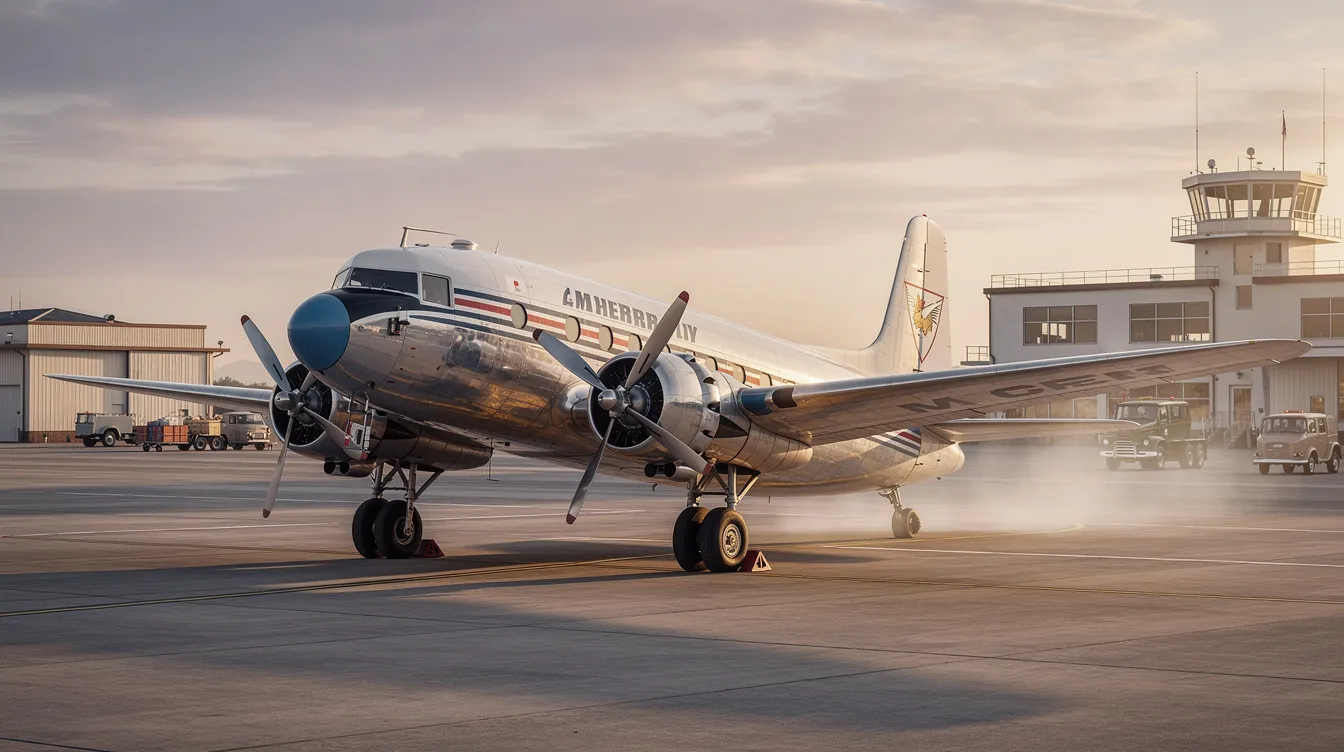
For travelers, the most relevant differences between a plane and a jet are speed, range, runway requirements, and ride quality. These factors directly impact trip planning and overall efficiency.
Jets not only fly higher (typically 25,000–45,000 ft) than propeller planes, but they also fly faster, making them ideal for long-distance travel and time-sensitive trips. Propeller planes generally fly 15,000 feet below, while jets thrive at altitudes of 35,000–45,000 feet where air is thinner and drag is reduced, often cruising at speeds approaching the speed of sound (Mach 0.8–0.9), which optimizes propulsive efficiency and range.
|
Metric |
Jets |
Turboprops/Props |
|---|---|---|
|
Cruise Speed |
400–600+ mph |
100–200 mph |
|
Typical Altitude |
35,000–45,000 ft |
Below 15,000 ft |
|
Range |
Often 5,000+ miles |
Shorter distances |
|
Fuel Efficiency |
Best at high altitude |
Best at low altitude |
Jets are designed for long-haul travel, often flying over 5,000 miles, and can transport both a multitude of passengers and cargo, while propeller planes are typically restricted to shorter distances and fewer passengers. Modern jets can carry a multitude of passengers—hundreds at a time—whereas most passenger turboprops are limited to under 100; for private flying, it helps to understand how many passengers different private jet types can carry.
Propeller planes are more fuel-efficient at low altitudes and shorter distances than jets, which are more efficient for long-haul flights at high altitudes. In fact, propeller planes are up to 60% more fuel-efficient than jets for short flights without needing to climb to extreme altitudes, which directly influences the overall cost of private jet charter versus turboprops.
Most propeller planes cruise between 100–200 mph, while jets typically cruise at 400–600+ mph. A jet easily handles New York–Los Angeles non-stop (~2,150 nm) or London–Dubai (~2,900 nm), while turboprops suit shorter hops like Los Angeles–Las Vegas (~200 nm).
Flying commercial means fixed schedules, standardized cabins, and major hub airports. Private jets offer a fundamentally different experience focused on time savings, flexibility, and privacy, and there are now many ways for travelers to get a seat on a private jet easily and affordably.
Commercial jets like the Airbus A320 or Boeing 737 carry 100–200+ passengers on airline schedules with limited customization. Private jets are capable of far greater flexibility than commercial flights, allowing passengers to customize their travel experience, including departure times and airports.
Private aircraft range from light jets (4–8 seats) to large jets (10–16+ seats) with club seating and meeting-friendly configurations. The interiors of private jets are often designed for luxury, featuring amenities such as gourmet in-flight catering services for private jets and advanced communication systems, enhancing the overall travel experience.
Concrete use cases include an executive team doing same-day out-and-back meetings New York–Chicago, a family flying Toronto–Vancouver during peak holidays, or a group chartering LA–Aspen directly into smaller regional airports. Private jets are capable of accessing a wider range of airports, including smaller ones not serviced by commercial airlines, providing more options for travelers, especially when paired with an airport locator tool for private charter flights.
Jettly, as a digital private aviation platform, enables on-demand booking of these aircraft, allowing travelers to bypass airline schedules and long security queues.
Jettly provides access to over 20,000 aircraft worldwide, covering everything from piston aircraft and turboprops to light, midsize, and ultra-long-range jets, and includes a private jet charter cost estimator to help travelers budget specific trips.
Piston aircraft: Short, cost-efficient hops, typically carried 2–4 passengers
Turboprops (Pilatus PC-12, King Air 350): Regional routes and short runways, carried up to 8–9 passengers or significant cargo
Light jets (Embraer Phenom 300, Cessna Citation CJ4): Carried 6–8 passengers for routes like New York–Miami or London–Nice
Midsize/super-midsize jets (Citation XLS+, Challenger 350): Carried 8–10 passengers, ideal for flights such as Toronto–Los Angeles
Large/long-range jets (Gulfstream G650, Bombardier Global 7500): Carried up to 16 passengers or more, suitable for New York–London or Dubai–London
Turboprops can land on shorter runways, allowing access to remote airports that jets cannot utilize. This makes them ideal for destinations in the Caribbean, Canadian North, or European Alps.
Jettly’s platform surfaces these options with instant pricing, helping travelers compare aircraft types, estimated flight times, and costs before choosing, and frequent flyers can enhance this with private jet memberships that unlock wholesale rates.

Private jet charter lets travelers pay per flight rather than owning an aircraft or signing long-term fractional agreements. Platforms like Jettly streamline this through a digital interface, providing an easy way to book private flights, similar in concept to renting a plane through traditional aircraft rental channels.
The typical booking flow: search for a route (London–Ibiza, New York–Nassau), select dates, view available aircraft with instant price estimates, then confirm and pay directly online or with charter specialist support. Jettly’s aviation experts are available 24/7 to assist with flight arrangements and answer any questions throughout the process, and travelers can further reduce costs by crowdsourcing private jet flights and sharing empty seats.
Jettly offers membership options with transparent pricing and reduced commissions but does not require traditional jet cards or ownership commitments, though some travelers may still prefer structured jet card programs with fixed hourly rates and tools like a jet card flight cost estimator to forecast spending. This on-demand model suits travelers who value convenience without long-term obligations.
Operational details include safety vetting of operators, use of certified air carriers, and regulatory oversight (FAA Part 135 in the US or equivalent EASA/Transport Canada regulations), whether you’re flying with established charter partners such as Dexter Air Taxi as a private jet operator or Zenflight’s instant-book private jet service. Flight support teams coordinate crew, catering, and ground transportation.
Explore charter options and request quotes at https://www.jettly.com. For more information, contact Jettly to speak with an aviation expert.
The best choice between a jet and another plane type depends on distance, passenger count, departure/arrival airports, budget, and scheduling constraints. Jettly’s global private charter aircraft marketplace helps travelers filter by these factors to identify suitable options.
Flying long-range, time-sensitive trips (New York–San Francisco same-day return)
Needing high-altitude cruising above weather
Operating international routes like Toronto–London
Flying short regional hops (Miami–Key West, Zurich–Sion, Vancouver–Tofino)
Accessing airports with short or unpaved runways
Budget is the primary concern for distances under 300 miles
Turboprops offer lower hourly rates, while jets save time and may be more economical per productive hour for executive teams on longer trips. Compare options directly on Jettly’s platform, reviewing estimated flight times and costs across aircraft types, and use tools like a private jet charter cost estimator to see the trade-offs in real numbers.
Both jets and other planes are becoming more efficient, with manufacturers improving aerodynamics, engines, and materials to reduce fuel burn and emissions, which is relevant whether you fly with major fractional programs like NetJets or alternatives such as Jettly as a flexible NetJets alternative.
Modern high-bypass turbofan jet engines and advanced turboprops convert fuel energy into thrust more effectively than earlier generations. Lighter composite airframes reduce weight by up to 20%.
Sustainable aviation fuel (SAF) is gaining adoption in business aviation. Many modern jets are certified to use SAF blends, potentially reducing lifecycle CO₂ emissions by up to 80% compared to conventional Jet-A fuel.
Digital platforms like Jettly help optimize aircraft selection and routing, reducing empty legs and unnecessary repositioning flights. This lowers environmental impact and cost simultaneously, especially when combined with crowdsourced private jet flights that fill empty seats.
Emerging technologies include hybrid-electric and electric aircraft for short-haul missions, which may first appear in smaller non-jet planes before scaling up.

These questions address common points not fully covered above, focused on practical traveler concerns about planes and jets.
Air travel saw rapid growth throughout the 20th century, especially after World War II. By 1972, nearly half of all Americans had flown, reflecting the widespread adoption and popularity of both plane and jet travel. This surge was driven by technological advancements, increased affordability, and the expansion of commercial airline networks.
A: Following deregulation, airlines adjusted their employment strategies to attract a broader customer base. They expanded their criteria to hire staff from more diverse backgrounds, moving beyond traditional standards to better serve the evolving needs of travelers.
Jets usually have higher hourly charter rates than turboprops or piston planes due to engine complexity, speed, and operating costs. However, jets can be more cost-effective per hour saved on longer routes. For short flights under 250–300 miles, a turboprop plane may be more economical, while cross-country trips often deliver better overall value on jets for time-sensitive travelers.
Both jets and non-jet planes used for charter must meet strict regulatory safety standards and are flown by professional crews. Safety depends more on operator quality and maintenance than engine type. Private jets can sometimes avoid weather by flying higher, while turboprops excel at operating into shorter fields. Jettly works only with licensed operators meeting regulatory requirements.
Many private jet and plane charters are confirmed 3–14 days in advance, but same-day or next-day bookings are often possible, especially on busy routes like New York–Miami or London–Paris. Booking earlier during peak periods (holidays, major events) helps secure preferred aircraft types and departure times. Use Jettly’s instant pricing to lock in plans quickly.
Many light and midsize jets are certified to use relatively short runways, allowing access to numerous regional and executive airports. However, some very short or unpaved strips remain better suited to turboprop planes. Examples include flying into smaller airports near ski resorts or island destinations, where aircraft selection depends on runway length and performance requirements.
Luggage capacity on private jets varies by aircraft type. Light jets accommodate fewer and smaller bags than large-cabin jets, but often still offer more flexible baggage arrangements than commercial airlines. Travelers should share approximate luggage weight and dimensions when requesting a plane or jet via Jettly, so the platform can match them with suitable aircraft.
A jet is a type of plane powered by jet engines, offering higher speed and range, while turboprops and piston aircraft can be ideal for short, regional, or remote-airport flights. Travelers should consider time, distance, airport options, and budget—for example, a 300-mile route may favor a turboprop at $4,000 for 1.5 hours versus a jet at $7,000 for 1 hour.
Jettly operates as a global digital private jet charter platform providing access to over 20,000 aircraft, instant pricing, and flexible options across jets and other plane categories. Understanding the distinction between plane and jet helps travelers match the right aircraft to their specific journey, and makes it easy to secure tickets for their next flight.
Ready to experience private travel on your terms? Visit https://www.jettly.com to explore flight options or request a quote.
Share this post:
Jay Franco Serevilla
May 6, 2026
|
5
min read
Discover tips and trends in the industry.
5
min read
Aircraft Management Group Inc: Private Jet Management, Charter, and Digital Alternatives
Aircraft Management Group Inc. offers traditional aircraft management and charter services, focusing on operational oversight and safety for aircraft owners. In contrast, digital platforms like Jettly provide flexible, on-demand access to a vast fleet without ownership commitments, allowing travelers to compare options easily. This hybrid approach is increasingly popular among corporate travel departments.
Read More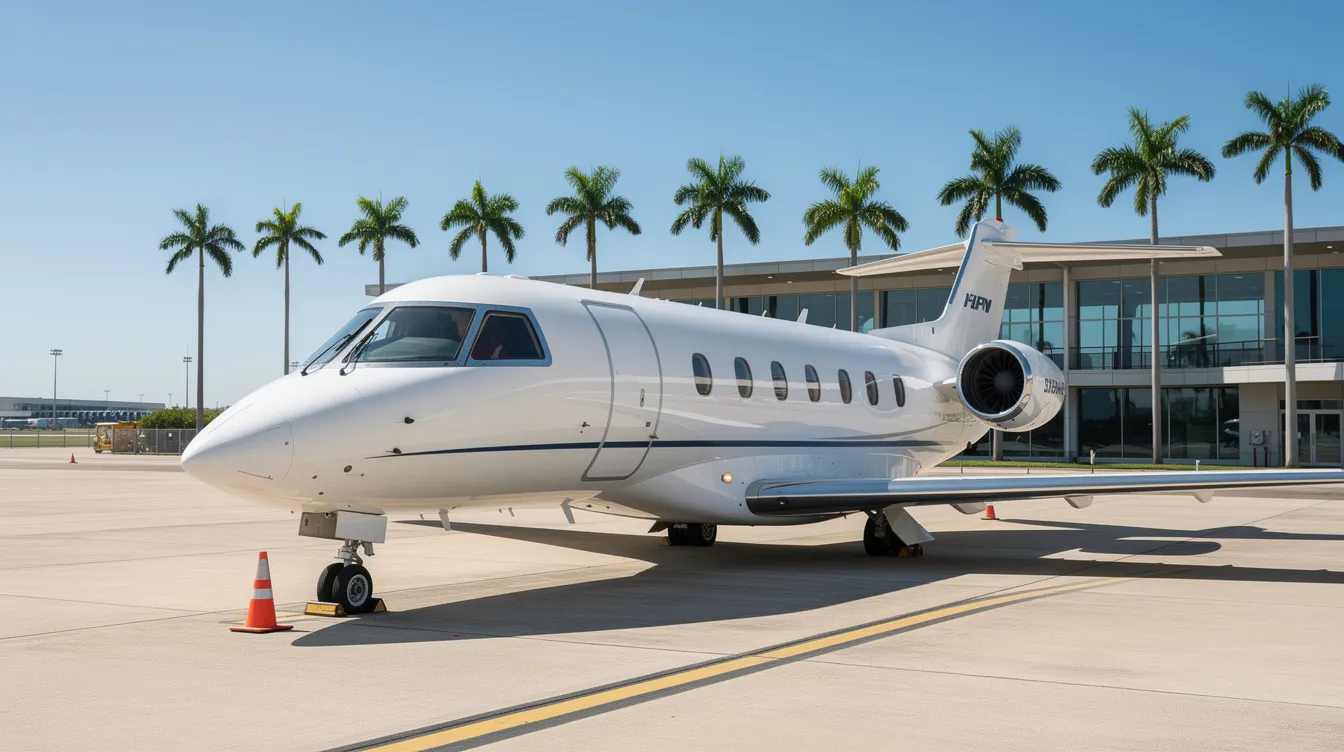
5
min read
Presidential Aviation: Private Jet Charter, Fleet, and Operations
Presidential Aviation, Inc. is a private jet charter and management company based in Fort Lauderdale, FL, offering a diverse fleet for various travel needs. Unlike government-operated fleets, it provides on-demand services for corporate and leisure travelers, utilizing platforms like Jettly for easy comparisons and bookings.
Read MoreStay updated with our latest insights and tips to elevate your journey with us.
MEMBERSHIPS AND ASSOCIATIONS



Disclaimer: Jettly operates as a charter broker, offering access to a global digital jet charter marketplace. Jettly is not a direct air carrier and does not own or operate aircraft. All advertised flights are conducted by third-party air carriers that are fully licensed and hold the appropriate Part 135 or Part 121 certifications issued by the Federal Aviation Administration (FAA) or equivalent regulatory authorities under U.S. or foreign law. Jettly complies fully with the U.S. Department of Transportation's Part 295 and Part 298 Charter Broker regulations. Jettly does not carry additional liability insurance. Passengers are covered by aircraft operator insurance. TICO: 50023770


