


Login
Get Instant Pricing On 23,000+ Aircraft

>

The skies have never been more accessible to private individuals than they are today. Personal aircraft now span an incredible range, from ultralight electric vehicles requiring no pilot license to sophisticated business jets equipped with emergency autoland systems. This revolution in private aviation brings the freedom of flight within reach of more people than ever before, transforming how we think about personal transport and opening up thousands of new possibilities for travel. Today, you can experience the world’s first personal jet or the world’s first powered-lift ultralight, marking a new era in aviation innovation.
Discover the new freedoms, perspectives, and experiences enabled by personal aircraft, and see how they can change the way you travel and explore.
Whether you’re drawn to the simplicity of joystick-controlled electric aircraft or the luxury and performance of a personal jet, understanding your options is crucial for making the right choice. Modern personal aircraft incorporate cutting-edge safety features, advanced connectivity systems, and innovative propulsion technologies that were unimaginable just a decade ago. Many of these aircraft are designed so that even newcomers can easily fly them—the aircraft practically flies itself with intuitive controls, making recreational flying more accessible than ever. Electric eVTOLs require less maintenance than fuel-powered vehicles, further enhancing their appeal for new pilots and recreational users. Additionally, electric eVTOLs offer zero emissions during operation, making them an environmentally friendly choice for personal aviation.
For example, the Helix ultralight aircraft features a modular triple redundant flight control system designed to ensure continuous operation even in the event of a failure, highlighting the emphasis on safety in modern designs. Every Helix pilot completes a comprehensive, personalized on-site training program, ensuring they are well-prepared to operate the aircraft safely and confidently. Additionally, the Pivotal Helix includes a digital flight panel that provides real-time flight data, weather updates, and system status, enhancing situational awareness and operational efficiency.

Private aviation has revolutionized the way people travel, offering unparalleled freedom and flexibility. With the rise of electric aircraft, personal jets, and light jets, the skies have become more accessible than ever. The world of private aviation is rapidly evolving, with advancements in technology and design leading to improved safety, performance, and comfort. As the demand for private air travel continues to grow, manufacturers are pushing the boundaries of innovation, creating aircraft that are not only faster and more efficient but also more environmentally friendly. Whether you’re a seasoned pilot or a newcomer to the world of flying, private aviation has something to offer, from the thrill of taking to the air to the convenience of traveling on your own schedule.
The private aviation market is home to a diverse range of aircraft models and manufacturers, each with its unique features and capabilities. From the sleek and sophisticated designs of the HondaJet to the cutting-edge technology of the Pivotal Helix, there’s an aircraft to suit every need and preference. Light jets are classified as small business jets, typically seating up to 10 passengers, making them a popular choice for both business and leisure travel.
HondaJet: Known for its innovative over-the-wing engine mount design and fuel efficiency, the HondaJet is a standout in the light jet category, offering speed, comfort, and a premium cabin experience. The Honda Aircraft Company received the FAA AMT Diamond Award for excellence in maintenance, highlighting its commitment to quality and reliability.
Pivotal: The Pivotal Helix represents a new era in personal flight, showcasing advanced technology and compact design. It targets recreational fliers looking for agility and futuristic capabilities.
Cirrus: Cirrus aircraft are widely recognized for their modern avionics, composite construction, and built-in safety systems like the Cirrus Airframe Parachute System (CAPS), making them popular among private pilots.
Jetson: Jetson focuses on electric vertical takeoff and landing (eVTOL) aircraft for urban mobility, contributing to the emerging personal air transport market with eco-friendly innovation.
Zapata: Zapata offers an unconventional approach to personal aviation, developing jet-powered platforms and flying watercraft—merging aviation with extreme sport appeal.
With so many options available, buyers can choose from a variety of aircraft, including:
Electric aircraft – Sustainable, low-emission options for short-distance travel
Personal jets – Compact and performance-driven aircraft ideal for private owners
Light jets – A balance of speed, range, and affordability for business or leisure, typically offering better range and payload capabilities compared to ultralight aircraft
Each type brings its own strengths and weaknesses in terms of performance, efficiency, range, and ease of use. Recreational eVTOLs, for instance, are particularly appealing to outdoor enthusiasts and those with large properties, offering a unique way to explore and enjoy their surroundings.
Whether seeking speed, comfort, or versatility, there’s an aircraft out there that’s sure to meet a wide range of individual needs and flying preferences.

Aircraft design has come a long way in recent years, with manufacturers incorporating cutting-edge materials and technologies into their designs. Carbon fiber, for example, has become a popular choice for aircraft construction, offering exceptional strength and durability while minimizing weight. Other features, such as advanced avionics and autopilot systems, have improved safety and reduced pilot workload, making flying easier and more accessible than ever. The Helix, for instance, has advanced health monitoring software that records diagnostics, detects errors, and recommends preventive maintenance, ensuring optimal performance and safety. Additionally, the Helix is equipped with landing cameras and radar altimeters to ensure a safe and smooth landing on various surfaces.
The design of an aircraft can also have a significant impact on its performance, with factors such as wing shape and engine placement playing a crucial role in determining its speed, range, and maneuverability. As technology continues to evolve, we can expect to see even more innovative designs and features in the world of private aviation.
When it comes to private aviation, cabin comfort and amenities are just as important as performance and safety. Many modern aircraft feature luxurious interiors, complete with premium leather seats, advanced entertainment systems, and even gourmet kitchens.
Unique In-Flight Experiences: Some aircraft, such as the Pivotal Helix, also offer unique features like 270-degree panoramic views, creating an unparalleled flying experience.
Connectivity and Productivity in the Air: Other amenities, such as Wi-Fi and phone connectivity, allow passengers to stay connected and productive during flight, making private aviation an attractive option for business travelers.
Options for Every Traveler: Whether you’re looking to travel in style or simply want to enjoy the thrill of flying, private aviation has something to offer, with a wide range of cabin comfort and amenities available to suit every need and preference.
The performance of an aircraft is critical to its overall effectiveness, with factors such as speed, range, and climb rate playing a significant role in determining its usefulness. Manufacturers are continually working to optimize the performance of their aircraft, using advanced materials and technologies to improve efficiency and reduce weight. The FAA also plays a crucial role in ensuring the safety and performance of private aircraft, with strict regulations and guidelines in place to govern their design, construction, and operation. By choosing an aircraft that meets your specific needs and preferences, you can enjoy a safe and enjoyable flying experience, with the freedom to travel wherever and whenever you want. With the right training and equipment, you can take to the skies with confidence, exploring new destinations and experiencing the thrill of flight like never before.
The world of personal aircraft encompasses several distinct categories, each designed to meet different needs, budgets, and skill levels. Understanding these categories helps you identify which type of aircraft aligns with your intended mission and capabilities. Ultralight aircraft, for instance, must weigh less than 254 lbs per FAA regulations, making them a lightweight and accessible option for recreational pilots. Additionally, ultralight aircraft are restricted to a maximum speed of 63.3 mph according to FAA regulations, ensuring safety and compliance with operational standards.
Weight-Based Regulation: Weight classifications form the foundation of aircraft regulation, with the FAA establishing clear boundaries that determine licensing requirements, operational restrictions, and safety standards. These classifications create distinct pathways into aviation, from simple recreational flying to sophisticated business transport.
Performance Characteristics: Performance capabilities vary dramatically across categories. Each category includes certain features or capabilities—for example, ultralight aircraft often include lightweight construction and minimal instrumentation, while business jets include advanced avionics, pressurized cabins, and extended range. While ultralight aircraft excel at providing accessible entry into aviation, business jets deliver the speed and range needed for serious transportation missions. The ability to choose the right aircraft depends on understanding these performance characteristics and how they match your specific requirements.
Jetson One: Electric aircraft represent the most accessible entry point into personal aviation today. The Jetson One leads this category with its 88 kW powertrain delivering 20 minutes of flight time at speeds up to 63 mph, priced at $128,000. This single-seat aircraft uses multiple fixed rotors for redundancy and features simple joystick controls that make flying intuitive for newcomers. These one-seaters have attracted hundreds of orders from around the world.
AutoFlight MC ONE: The MC ONE by AutoFlight offers a different approach with 12–15 minutes of flight time and a 50 mph max speed, priced around €140,000. Its open cockpit design emphasizes the pure joy of flying while maintaining the safety and simplicity that defines modern electric ultralights.
RYSE Recon: RYSE Recon brings amphibious capabilities to the electric ultralight market with six floats—specialized components that enable water landings. At approximately $150,000, this aircraft opens up unique recreational possibilities, allowing pilots to explore lakes, rivers, and coastal areas previously inaccessible to traditional aircraft.
Pivotal Helix: The Pivotal Helix represents the premium end of electric ultralights at $190,000. Its 8 kWh battery system provides 20 minutes of flight time with a remarkably quick 75-minute charge time. The Helix focuses on ease of use with minimal pre-flight checks and intuitive controls designed for pilots transitioning from ground-based vehicles. The first one-person electric vertical takeoff and landing (eVTOL) aircraft are now heading to market, marking a significant milestone in personal aviation. The eVTOLs are classified under the FAA's ultralight category in the U.S., making them accessible to a wide range of recreational pilots.
Light Sport Aircraft: Light sport aircraft bridge the gap between ultralights and traditional general aviation, offering increased capability while maintaining simplified certification requirements. The SubSonex exemplifies this category’s potential with its turbojet powerplant featuring a TJ-100 engine producing 258.53 pounds of thrust. This experimental aircraft can reach speeds approaching 300 mph while maintaining the single-seat simplicity that characterizes personal aircraft.
PBS Velká Bíteš Engines: PBS Velká Bíteš has supplied engines since 1814, bringing centuries of engineering experience to modern applications. Their small turbine engines now power UAVs and experimental personal aircraft, offering reliability and performance that was once limited to much larger aircraft.
Modular Engine Systems: Experimental aircraft often feature plug-and-play engine systems that include integrated ECUs, starter/generators, and oil systems. These systems are available in various units, allowing builders to choose the right configuration for their needs. This modular approach simplifies both initial installation and ongoing maintenance, making advanced propulsion technology more accessible to individual builders and operators.
Maintenance Considerations: Performance characteristics in this category vary widely, but maintenance requirements remain relatively straightforward compared to certified aircraft. Regular inspections focus on hot-section components in jet-powered aircraft, while simpler powerplants require conventional oil and cooling system maintenance.
Cirrus Vision Jet: The Cirrus Vision Jet holds the distinction as the world’s first single-engine personal jet, powered by a Williams FJ33-5A engine that delivers exceptional efficiency and performance. With a cruise speed of 345 knots and a range of 1,200 nautical miles, this aircraft brings jet performance to single-pilot operations while incorporating advanced safety systems that set new standards for personal aviation. The G2+ Vision Jet's Williams FJ33-5A engine provides up to 20% increased performance during take-off, further enhancing its capabilities. The Vision Jet includes a premier pilot training experience at the Vision Center Campus, ensuring pilots are well-prepared to operate this advanced aircraft.
HondaJet Elite II: The HondaJet Elite II represents the pinnacle of very light jet technology, featuring the world’s first autothrottle system in its class. This twin-turbine aircraft delivers up to 20% better takeoff performance in challenging hot and high conditions, with an expanded range of 1,547 nautical miles. The aircraft’s optimized engine performance provides access to more airports worldwide, including challenging short and high-altitude runways that were previously beyond the reach of private jets. Many units of the HondaJet Elite II have already been sold, reflecting strong market demand for these advanced jets.
Connectivity and Onboard Systems: These business jets incorporate sophisticated avionics systems, in-flight Wi-Fi connectivity, and productivity suites that transform travel time into productive work time. Real-time diagnostics monitor system health continuously, while advanced weather radar and enhanced vision systems ensure safe operations in diverse conditions.
Airport Access and Time Savings: The investment in a personal jet brings access to over 5,000 airports in the United States alone, compared to roughly 500 airports served by commercial airlines. This expanded network creates point-to-point travel capabilities that can dramatically reduce total travel time for business and personal missions.
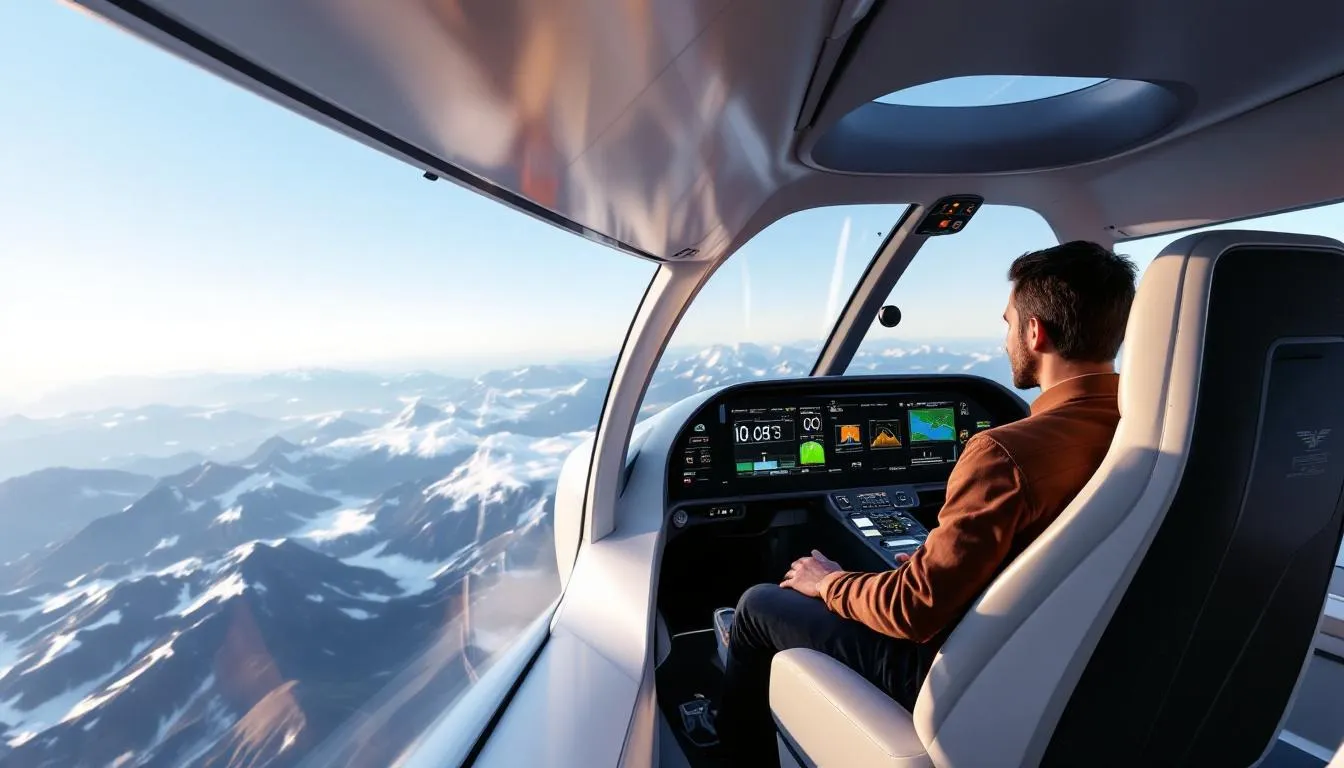
Modern safety systems in personal aircraft represent decades of engineering advancement, incorporating lessons learned from both general aviation and airline operations. These systems work together to create multiple layers of protection, ensuring that pilots can handle emergencies effectively while automated systems provide backup support when needed.
The evolution of safety features reflects a fundamental shift toward proactive protection rather than reactive responses. Today’s personal aircraft anticipate potential problems and either prevent them entirely or provide automated solutions that require minimal pilot intervention. Modern safety systems are also designed to ensure continued safe operation even in the event of unexpected system failures within the flight control system.
Cirrus Safe Return represents a breakthrough in emergency aviation technology, offering one-button emergency landing capability that can save lives when pilots become incapacitated. This system communicates automatically with air traffic control, selects the nearest suitable airport, and executes a fully automated landing sequence. The technology has been tested extensively and represents the leading edge of automated flight safety.
Triple redundant flight control systems ensure that aircraft remain controllable even when multiple systems fail. These fault-tolerant electrical systems include backup batteries and independent power sources, creating a web of redundancy that maintains critical systems throughout any single-point failure.
Ballistic parachute systems, pioneered by Cirrus Aircraft, provide a last-resort safety option for catastrophic emergencies. The Cirrus Airframe Parachute System (CAPS) has been credited with saving hundreds of lives, demonstrating the value of thinking beyond traditional emergency procedures to create entirely new safety options.
Aero-mechanical backup structures provide manual control capabilities when electrical and hydraulic systems fail. These systems include mechanically-activated trim controls, throttle levers, and landing gear locks that ensure pilots retain basic aircraft control even in complete system failures.
Auto Radar, powered by Garmin technology, provides a 16-color weather depiction with predictive turbulence and storm tracking capabilities. This system delivers near real-time weather updates that help pilots make informed decisions about route planning and weather avoidance, significantly improving flight safety in challenging conditions.
Enhanced Vision Systems combine infrared and electro-optical sensors to display terrain and runway information in poor visibility conditions. These systems essentially allow pilots to “see” through fog, rain, and darkness, providing visual reference when natural vision is limited.
SurfaceWatch technology alerts pilots to potential runway confusion or incursion situations, supporting situational awareness during the most critical phases of flight. This system monitors aircraft position relative to airport infrastructure and provides both visual and audio warnings when potential conflicts arise.
Landing cameras and radar altimeters work together to provide precise altitude and obstacle information during approach and landing. These systems support accurate flaring and touchdown, while also providing early warning of ground proximity issues that could lead to controlled flight into terrain accidents.

The integration of advanced technology in personal aircraft has transformed the flying experience, bringing capabilities once reserved for airline operations to individual pilots and passengers. Modern avionics systems provide unprecedented situational awareness, while entertainment and connectivity options ensure productive and enjoyable flights. Perspective Global Connect provides Iridium Datalink Weather, text messaging, and phone call functions directly from the cabin, enhancing both safety and convenience for passengers and pilots.
A reliable connection between pilots, ground control, and safety systems is essential for effective communication and data transmission, directly enhancing situational awareness and overall safety. Smart systems monitor aircraft health continuously, predicting maintenance needs and optimizing performance automatically. These smart monitoring systems help pilots be prepared for each flight by allowing them to remotely check fuel, oxygen, and maintenance status before takeoff.
Many aircraft now feature in-flight phone capabilities, allowing passengers to make calls directly from the cabin through advanced connectivity systems. This technology reduces pilot workload while improving safety margins and operational efficiency across all phases of flight.
Gogo InFlight Wi-Fi provides industry-leading connectivity that enables real-time communication, entertainment streaming, and business productivity throughout flight. High-bandwidth connections support video conferencing, cloud-based applications, and large file transfers, making flight time productive rather than simply transportation time.
Entertainment systems featuring 22” LED displays with device connectivity create a premium cabin experience. USB-C charging ports ensure devices remain powered throughout extended flights, while HDMI and Bluetooth connectivity allow seamless integration with personal devices and business equipment. Aircraft can also be tailored with a selection of Premium Leathers and Carpet for enhanced interior features, adding a touch of luxury to the flying experience.
Center console workspace designs enable productive work during flight, with secure mounting systems for laptops and tablets. These designs include privacy screens and wire management systems that create a true mobile office environment, confirming that travel time can become productive work time.
Integration with mobile devices extends beyond simple connectivity to include flight planning, weather updates, and aircraft monitoring capabilities. Pilots can access real-time system information, plan routes, and coordinate with support services directly from their smartphones or tablets.
Cirrus IQ represents the future of aircraft monitoring, providing remote access to fuel levels, oxygen status, and comprehensive system health information. Owners can check aircraft status from anywhere in the world, ensuring readiness for planned flights while monitoring security and maintenance needs. The Cirrus IQ App also allows users to see their fuel and oxygen quantity remotely before arriving at the airport, adding convenience and efficiency to pre-flight preparations.
Automated health monitoring software continuously analyzes engine performance, avionics function, and airframe condition. This system detects developing problems before they become safety issues, enabling predictive maintenance that reduces costs and improves reliability.
Remote software updates maintain peak aircraft performance without requiring hangar visits or downtime. Navigation databases, performance optimization software, and even avionics functionality can be updated automatically, ensuring aircraft remain current with the latest capabilities and regulatory requirements.
Preventive maintenance scheduling based on real-time data analysis optimizes maintenance intervals and reduces unexpected repairs. By analyzing actual usage patterns and component conditions, these systems create customized maintenance schedules that maximize safety while minimizing costs and downtime.
The path to flying personal aircraft varies dramatically depending on the type of aircraft and intended operations. Understanding training requirements helps potential pilots plan their entry into aviation while ensuring they develop the skills necessary for safe operations.
Professional training programs have evolved to meet the needs of modern aircraft technology, incorporating simulation, scenario-based training, and manufacturer-specific instruction that prepares pilots for real-world operations. A pilot's first flight is a significant milestone in their training journey, marking the transition from ground-based learning to actual flight experience.
The Cirrus Approach program at the Vision Center Campus offers Level D full-motion simulators that provide realistic training scenarios without the risks associated with actual flight. This comprehensive program combines virtual scenarios with in-aircraft instruction, using engineering-validated training methods that prepare pilots for real-world emergencies and challenging conditions.
Electric aircraft manufacturers provide comprehensive training programs that typically include VR and classroom instruction, supervised solo flights, and operational sign-off procedures before aircraft delivery. These programs recognize that electric aircraft operations differ from traditional flying in important ways, requiring specific knowledge of battery management, charging procedures, and system limitations. Pilots of ultralight eVTOLs are not allowed to fly over congested areas as per FAA regulations, ensuring safety and compliance with airspace rules.
LIFT Hexa rental programs demonstrate the potential for non-traditional pilot training, combining classroom instruction, virtual reality experiences, and hands-on flight training into condensed programs. These programs target recreational users who want to experience flight without committing to aircraft ownership or extensive training requirements.
Manufacturer-specific training ensures pilots understand the unique characteristics and capabilities of their chosen aircraft. Whether learning the autoland system in a Cirrus Vision Jet or mastering the joystick controls of an electric ultralight, specialized training creates confidence and competence that enhances safety and enjoyment. Most one-person eVTOLs operate around an intuitive avionics system, making them particularly user-friendly for new pilots.
FAA ultralight regulations create unique opportunities for individuals to experience flight without traditional pilot certification. These aircraft must be flown solo with no passengers in the United States, during daylight hours and in good weather conditions, and in locations outside controlled airport airspace. Joystick control systems and safety interlocks make modern ultralight aircraft remarkably intuitive to operate. Digital flight limits prevent pilots from exceeding aircraft capabilities, while automated systems handle many functions that traditionally required pilot training and experience. Most ultralight aircraft can only carry a maximum payload of approximately 230 lbs, reflecting their design focus on simplicity and recreational use. The intended simplicity of ultralight operations means that while no formal license is required, responsible operators still seek proper instruction and develop their skills progressively. Most manufacturers recommend factory training or instruction from qualified flight schools to ensure safe and confident operations. Single-seat restrictions for ultralight aircraft reflect their intended purpose as personal recreational vehicles rather than transportation aircraft. This limitation ensures that inexperienced pilots take responsibility only for their own safety while learning to fly.
Understanding the total cost of aircraft ownership extends far beyond purchase price to include operating expenses, insurance, storage, and maintenance costs. These ongoing expenses vary significantly between electric and traditional aircraft, creating different ownership models that appeal to different users. Many manufacturers offer ownership as part of a comprehensive package, which may include training, support, and additional features to enhance the overall experience. Financing options and alternative ownership models provide pathways to aircraft access without requiring full purchase, making personal aviation accessible to a broader range of individuals.
Electric ultralight aircraft pricing ranges from the Jetson One at $128,000 to the Pivotal Helix at $190,000, with European options like the MC ONE starting around €140,000 (approximately $152,000). These prices include comprehensive packages with training, support, and often trailer systems for ground transport. For those interested in experiencing electric flight without ownership commitment, rental alternatives like the LIFT Hexa offer 15-minute flight sessions at $249 per session.
This option allows potential buyers to evaluate electric aircraft capabilities before making purchase decisions. Business jets represent a significant investment, with the Cirrus Vision Jet starting around $3 million and the HondaJet Elite II exceeding $5 million, depending on customization options. These aircraft offer financing options that can spread costs over extended periods while providing immediate access to sophisticated aviation capabilities. The pricing landscape continues to evolve as manufacturers achieve production scale and technology matures. Industry projections suggest significant cost reductions for electric aircraft as battery technology improves and manufacturing processes are optimized.
Electric aircraft offer substantial advantages in operating costs, with maintenance requirements typically 50-80% lower than comparable fuel-powered aircraft. Charging costs amount to just a few dollars per flight, while maintenance focuses primarily on battery replacement every 500-1,000 cycles rather than complex engine overhauls. Traditional aircraft operating expenses include fuel costs ranging from $4 to $10 per gallon, annual maintenance costs from $2,000 to $25,000 depending on aircraft complexity, and insurance premiums from $1,000 to $10,000 per year based on pilot experience and aircraft value.
Hangar fees add $200-2,000 per month to operating costs, though some ultralight aircraft can be stored in standard garages or transported on trailers, eliminating hangar requirements entirely. The choice of storage method affects both costs and convenience for aircraft access. Operating cost calculations must consider utilization rates, with higher-use aircraft typically achieving lower per-hour costs due to fixed expenses being spread across more flight hours. This factor often favors business jets for frequent travelers while supporting ultralight aircraft for recreational users.

Modern personal aircraft offer extensive customization options that allow owners to tailor their aircraft to specific missions, preferences, and operational requirements. These options range from basic equipment packages to comprehensive design customization that creates truly unique aircraft. Understanding available packages helps buyers prioritize features that enhance their intended use while managing costs effectively.
Productivity & Experience packages typically include 22” LED displays, rear climate controls, and privacy enhancements that transform the cabin into a mobile office or luxury lounge. These packages recognize that many personal aircraft serve dual roles as transportation and workspace. Connectivity packages featuring Wi-Fi, weather datalink, and Garmin Flight Stream integration ensure pilots and passengers remain connected throughout the flight. These systems support both business productivity and entertainment needs while providing pilots with real-time weather and flight planning information. Packages also include options for premier pilot training experiences and advanced piloting tools, ensuring that both new and experienced pilots can maximize their aircraft's capabilities.
Enhanced Awareness packages include Auto Radar, Enhanced Vision systems, and SurfaceWatch technology that dramatically improve situational awareness and safety margins. These packages represent some of the most advanced technology available in aviation, bringing airline-level capabilities to personal aircraft. The Auto Radar system allows the pilot to select the desired radar range, providing flexibility and precision in weather and terrain monitoring. Pro Pilot packages add TCAS-1 traffic systems, additional attitude and heading reference systems, and Digital Diversity Transponder technology. These systems provide redundancy and enhanced capability that support professional operations and challenging flight conditions.
Xi Design Studio services for aircraft like the Cirrus Vision Jet provide direct access to design experts who can create personalized aircraft configurations. These services balance aesthetic preferences with functional requirements, ensuring that custom designs enhance rather than compromise aircraft performance. Color schemes, interior materials, and seating configurations can be tailored to individual preferences while maintaining certification compliance. The customization process typically involves collaboration between owners, designers, and engineering teams to ensure all modifications meet safety and performance standards.
Aftermarket upgrades allow owners to enhance their aircraft after purchase, with options including avionics refresh, performance modifications like winglets, and specialty interior installations. All changes require approval from the FAA or appropriate certifying authority to confirm continued airworthiness. The balance between customization and standardization affects both initial costs and future resale value. While extensive customization creates unique aircraft that perfectly match owner preferences, more standard configurations often retain value better and appeal to broader markets when resale time comes.
The personal aviation industry stands at the threshold of revolutionary changes driven by electric propulsion, autonomous systems, and urban air mobility integration. These developments promise to make personal flight more accessible, efficient, and environmentally sustainable than ever before. The eVTOL market is a part of the Advanced Air Mobility (AAM) movement, which includes drones and aerial vehicles, further expanding the possibilities for innovative transportation solutions. Multi-person electric taxis are being tested and expected to populate air-taxi markets by 2025, representing a significant step forward in urban air mobility. In the future, personal aircraft may offer seamless transitions between air and road travel, increasing versatility and convenience for users. Market growth projections and technological advancement timelines suggest that the next decade will bring dramatic changes to how we think about personal transportation and the role of private aircraft in daily life.
Battery technology improvements represent the key enabler for expanded electric aircraft capabilities, with energy density advances expected to enable flight times exceeding one hour by the late 2020s. Companies like FlyNow are developing cargo-first aircraft with passenger versions planned, while Zapata AirScooter explores hybrid powertrains that combine combustion and electric systems for extended range. The development of charging infrastructure supports electric aviation growth, with specialized charging stations being installed at airports worldwide. These installations use high-power charging systems that can recharge aircraft batteries in 45-90 minutes, making multiple flights per day practical for commercial and personal operations.
Hybrid propulsion systems offer interim solutions that extend range while maintaining the environmental benefits of electric power. These systems use small combustion engines to charge batteries during flight, potentially enabling hundreds of miles of range while preserving the quiet operation and low maintenance advantages of electric propulsion. Manufacturing scale improvements continue to drive costs down, with projections suggesting entry-level electric aircraft could reach the mid-$60,000 range by the early 2030s.
The landscape of personal aircraft is rapidly evolving, offering unprecedented opportunities for individuals to experience the freedom of flight. From ultralight electric eVTOLs that require no pilot license to sophisticated personal jets equipped with advanced safety and connectivity features, the options available today cater to a wide range of needs and preferences. Innovations in design, technology, and training have made personal aviation more accessible, safer, and environmentally friendly than ever before.
As the industry continues to advance, personal aircraft will play an increasingly important role in transforming how we travel, work, and explore. Whether you seek the thrill of flying, the convenience of private travel, or a new way to connect with the skies, personal aircraft offer a unique and exciting path forward. With ongoing developments in electric propulsion, safety systems, and connectivity, the future of personal aviation promises to be brighter, more efficient, and more inclusive for pilots and passengers alike.
For those ready to embrace this new era of flight, platforms like Jettly provide valuable resources, connections, and services to help you discover, access, and enjoy personal aircraft tailored to your lifestyle.
Embrace the freedom, explore new horizons, and prepare to take flight with the personal aircraft of tomorrow—ready to redefine your experience of the skies.
Share this post:
Jay Franco Serevilla
Aug 21, 2025
|
5
min read
Discover tips and trends in the industry.

5
min read
Best Time to Book Flight for December: How to Lock In Christmas Flights at the Best Prices
Booking flights for December, especially around Christmas, requires strategic planning to secure the best prices. The ideal booking window typically falls between 33 and 67 days before departure, with early September being the time to start tracking fares. Flexibility with travel dates and routes can lead to significant savings, making it crucial to understand fare patterns and dynamics during this peak travel season.
Read More
5
min read
Jet Market Outlook: Private Jet Demand, Regional Growth, and Charter Opportunities
The private jet market is experiencing significant growth, projected to rise from USD 25.5 billion in 2024 to USD 38.25 billion by 2033. Key drivers include increasing demand from high-net-worth individuals, technological advancements, and a shift towards charter services over ownership. Jettly offers a flexible platform for travelers to access a vast network of private jets, catering to the evolving needs of business and leisure travelers.
Read MoreStay updated with our latest insights and tips to elevate your journey with us.
MEMBERSHIPS AND ASSOCIATIONS



Disclaimer: Jettly operates as a charter broker, offering access to a global digital jet charter marketplace. Jettly is not a direct air carrier and does not own or operate aircraft. All advertised flights are conducted by third-party air carriers that are fully licensed and hold the appropriate Part 135 or Part 121 certifications issued by the Federal Aviation Administration (FAA) or equivalent regulatory authorities under U.S. or foreign law. Jettly complies fully with the U.S. Department of Transportation's Part 295 and Part 298 Charter Broker regulations. Jettly does not carry additional liability insurance. Passengers are covered by aircraft operator insurance. TICO: 50023770


