



Login
Get Instant Pricing On 23,000+ Aircraft

>

Shopping for midsize jets for sale represents one of the most significant decisions in business aviation. Whether upgrading from a light jet or transitioning from charter to ownership, understanding the current market landscape is essential. This guide walks through aircraft options, realistic ownership costs, and practical strategies for evaluating whether to purchase or charter is best for your mission.
Midsize jets for sale typically range from $5–$15 million, accommodating 6–9 passengers with ranges of 2,000–3,500 nautical miles for routes like New York–Dallas or Toronto–Vancouver.
Operating costs in 2026 run approximately $2,800–$4,500 per flight hour, with fixed annual expenses between $700,000 and $1.5 million depending on utilization.
Popular models include the Cessna Citation XLS, Citation Latitude, Hawker 800XP, and Embraer Praetor 500.
Buyers can use Jettly’s charter platform to test specific midsize models on real routes before committing capital.
This article covers aircraft selection, ownership versus charter economics, and the purchase process to help you evaluate jets for sale with confidence.
Midsize jets occupy the critical middle ground in business aviation, positioned between light jets and larger super-midsize jets or heavy-cabin aircraft. This category serves as the workhorse for corporate travel across North America and Europe.
These aircraft typically seat 6–8 passengers, sometimes stretching to 9 in specific configurations, providing a balance of comfort and efficiency. Cabin height averages approximately 5.8 to 6.3 feet, allowing most adults to stand comfortably. Standard features include a fully enclosed lavatory and partial or full galleys for hot meals and refreshments on longer flights.
Range capabilities fall between 2,500 and 3,000 nautical miles, expanding the mission envelope to enable nonstop routes such as Chicago–San Francisco (1,830 nm), Houston–Seattle (1,670 nm), Toronto–Vancouver (1,660 nm), or London–Marrakech (1,150 nm).
Compared to light jets, midsize jets offer enhanced cabin space and amenities, making them more comfortable for longer flights. They are often more cost-effective for longer trips than larger heavy jets, providing similar passenger experiences at a lower price point, which is why many travelers compare top private jet charter companies and their services before deciding whether to buy.
Midsize jets can access more airports than commercial airlines, allowing for greater flexibility in travel plans and better access to smaller or regional airports.
The distinction from super-midsize jets matters to buyers. Super midsize aircraft provide increased range and cabin volume, often exceeding 3,000 nautical miles, and include models like the Gulfstream G280, which boasts an excellent range of approximately 3,600 nautical miles and advanced comfort features, making it capable of trans-oceanic flights.
Many first-time buyers searching for private jets for sale are upgrading from light jets or frequent charter use, having previously experimented with more accessible options such as buying a seat on a private jet through shared or semi-private services. They want more cabin space and range without the complexity, crew requirements, and $5,000+ hourly costs associated with heavy business jets, while entrepreneurs and travel professionals may also explore Jettly’s ultra-high-ticket affiliate program to earn commissions by referring private aviation clients.
Mission profile refers to your typical trip length, passenger count, preferred airports, and annual flight frequency. Understanding this profile drives which aircraft makes sense.
Short Regional Missions (Under 2 Hours)
Routes like New York–Chicago (620 nm) twice weekly
Lighter midsize jets like the Citation XLS and XLS+ handle these efficiently, with the XLS+ preferred for its ability to operate on shorter runways.
Short-field capability matters for airports like Teterboro or Aspen
Coast-to-Coast US Flights
Los Angeles–New York (2,140 nm) requires an extended range
Models like Citation Latitude with a 2,700 nm range suit these missions
Cabin layout for work-on-board with Wi-Fi and power becomes a priority
Family and Leisure Routes
Toronto–Miami (1,100 nm) or LA–Cabo (780 nm)
Baggage space and cabin comfort outweigh maximum range needs
Cabin layout choices significantly impact 3–5 hour trips. Club seating with four forward-facing chairs excels for meetings. Divan configurations add overnight viability. An 8-seat setup reduces per-passenger space on longer missions.
Runway performance narrows choices at smaller airports. A Hawker 800XP needs approximately 5,500 feet for takeoff, while the Citation Latitude requires only 3,580 feet—crucial for high-altitude fields like Aspen (7,820 feet elevation), which you can evaluate in advance using an airport locator and charter planning tool.
Jettly members can simulate their own schedule by chartering different midsize aircraft through the platform, testing noise levels, climb rates, and avionics such as Garmin G5000 with synthetic vision before committing to purchase.
Buyers must evaluate both the acquisition price and ongoing operating costs over a 5–10-year ownership horizon.
2026 Purchase Price Ranges
Older/Legacy Models: $5–$9 million
Examples include Citation Excel/XLS and Hawker 800XP.
Late-Model Aircraft: $7–$18+ million
Examples include Citation Latitude, Embraer Praetor 500, and Learjet 75 Liberty.
New Production: $18–$28 million
Example: New Citation Latitude models.
The average acquisition price for a midsize jet like the popular Challenger 350 typically ranges from $7 million to $12 million. The Challenger 350 is well-regarded for its strong value retention in the midsize jet market.
Fixed Annual Costs: $700,000–$1.5 million
Crew salaries: $300,000–$500,000 (captain and first officer)
Hangar: $50,000–$150,000 (varies by location)
Insurance: $50,000–$100,000
Training: $20,000–$40,000
Scheduled maintenance: $200,000–$400,000
Midsize jets like the Challenger 350 and Citation Latitude have annual fixed costs that typically run between $800,000 to $1.2 million.
Variable Costs: $2,200–$2,800 per flight hour
Fuel: $1,000–$1,500 (at $6–7/gallon)
Engine reserves: $800–$1,200 (under programs like Honeywell MSP or Rolls-Royce Corporate Care)
Maintenance reserves: $500–$800
Landing/FBO/navigation fees: $300–$500
Variable costs for operating a midsize jet generally add $2,200 to $2,800 per flight hour, depending on fuel prices and engine program enrollment.
For a company flying 200 hours annually, ownership totals approximately $1.5–$2.5 million when the purchase is amortized alongside operations. Chartering those same 200 hours through Jettly at $3,000–$4,000/hour would cost $600,000–$800,000 with zero residual risk, and tools like Jettly’s private jet charter cost estimator can help you model different usage scenarios in advance.
Ownership economics improve above 250 hours with custom interiors and guaranteed availability. Key financial considerations include residual value (10–15% annual depreciation typical), market demand for the specific model, and enrollment in engine programs like ESP Gold or MSP Gold, which boost resale value 20–30%.
Midsize private jets remain a high-demand segment in the pre-owned market, often selling faster than some large-cabin types due to versatile mission profiles and strong fleet support.
Cessna Citation XLS and XLS Gen2. The Citation XLS family dominates listings with over 1,500 aircraft built. Pre-owned jets range from $6–$16 million, depending on total time and configuration. These seat 7–8 passengers and have an approximately 2,100 nm range, powered by Pratt & Whitney PW545C engines. Avionics typically include a Garmin G5000 with Gogo Wi-Fi. Ideal for North America coast-to-coast routes like New York–Denver.
Cessna Citation Latitude A step up in cabin size at 6’0” height, the Citation Latitude commands $12–$20 million pre-owned (approximately $27 million new). The range extends to 2,700 nm for missions such as Chicago–San Francisco. Nine passengers fit comfortably with Honeywell Primus Epic avionics. The aircraft’s winglets deliver 20% better fuel efficiency versus older designs, and many buyers first explore these efficiencies through affordable private jet charter before moving into full ownership.
Hawker 800XP / 850XP: These British-heritage jets offer excellent value, with airframes priced between $2.5–$5 million from 1998–2005, with fresh inspections. Range reaches 2,500 nm for intra-Europe or US transcontinental flights, seating 8 passengers. Higher maintenance costs (Honeywell TFE731 engines) offset the lower entry price. Look for aircraft with engines enrolled in Honeywell MSP and APU enrolled programs. Aircraft from discontinued manufacturers like Hawker and Learjet face structural depreciation pressure as parts become scarcer.
Bombardier Challenger 350. This model is popular for its strong value retention and balanced operating costs. It offers a range of approximately 3,200 nm and comfortably seats 8 passengers. The average acquisition price typically falls between $7 million and $12 million.
Bombardier Challenger 3500: a newer variant known for its extensive range and high-end, wide cabin, priced at approximately $22 million new.
Embraer Legacy 450 / Praetor 500 Bridging into super midsize territory, these command $13–$18 million with 3,300 nm range. The Embraer Praetor 500 is recognized as one of the fastest midsize jets, boasting a cruise speed of Mach 0.83 and a range of approximately 3,340 nautical miles. Honeywell HTF7500E engines offer lower emissions and SAF compatibility. EVS-equipped cockpits and Ka-band Wi-Fi add significant value.
While Jettly does not function as an aircraft sales marketplace, the platform frequently charters these exact models, giving prospective buyers real operating experience before selecting a specific aircraft.
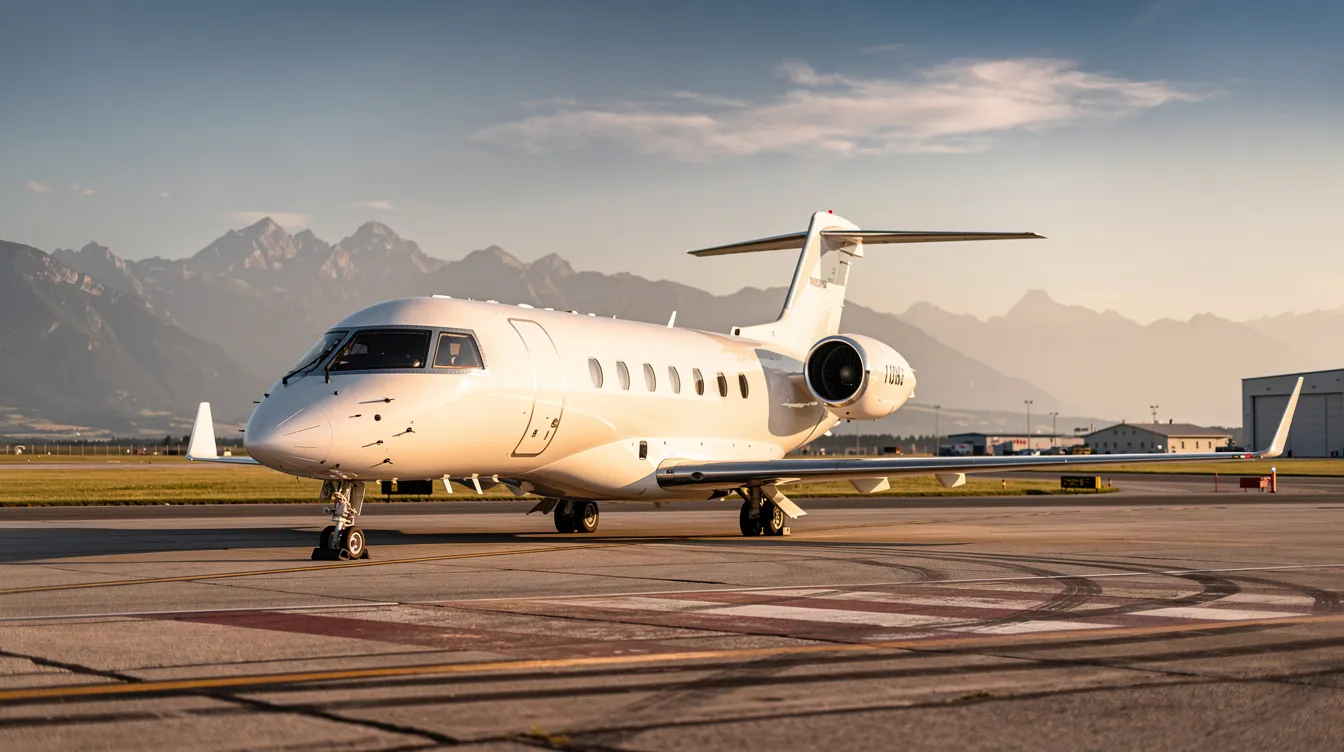
Midsize jets excel on flights of 2–5 hours, accommodating up to 8 passengers. Super midsize and heavy jets are suited to longer missions or larger groups requiring full galleys and flat beds, while high-capacity narrow-body airliners like the Boeing 737-800 are suited to larger corporate or leisure groups.
Typical midsize nonstop capabilities include Los Angeles–Chicago (3.5 hours at Mach 0.80), New York–Denver, or London–Cairo. Super midsize aircraft like the Bombardier Challenger 3500 can extend to transatlantic routes such as New York–London, while heavy jets can reach intercontinental flights exceeding 7,000 nm. Buyers planning these missions should understand how private jets fly internationally, including regulations and permits.
Many charter operators use midsize jets as their domestic workhorse for business travel—approximately 80% of U.S. corporate midsize use falls into this category. Heavy jets and widebody aircraft, such as the Airbus A330-300, serve occasional long-haul international trips.
Cabin experience differs notably. Midsize cabins offer stand-up room but tighter galleys and 200–300 cubic feet of cabin space, compared with 500+ in heavies. Buyers who mostly fly under six hours with fewer than 8 passengers can reduce acquisition and operating costs by focusing on midsize jets for sale rather than stepping up.
Both brand-new and pre-owned midsize jets represent smart choices depending on budget, tax planning, and technology preferences.
Advantages of New Aircraft
Full factory warranty coverage
Latest avionics, including Garmin G5000 touchscreens and SATCOM
Longer interval to major inspections
Custom cabin interiors with new paint and materials
Predictable passenger configuration options
Benefits of Pre-Owned
Lower acquisition price (50–70% savings on older models)
More predictable depreciation curve after the first 5–7 years
Wide pool of proven models with strong support
Immediate availability versus 6–18 month new delivery slots
Production status affects long-term support significantly. Active-production aircraft like the Citation Latitude maintain stronger parts and service networks than fully discontinued lines. The Citation Sovereign and similar discontinued models may carry a higher maintenance risk over the next decade.
Buyers considering older midsize models should verify engine and APU enrollment status, look for one US owner, and weigh cheaper entry prices against potential parts scarcity and longer downtime.
Jettly enables prospective owners to fly older versus newer midsize types back-to-back on the platform, evaluating cabin comfort, cockpit tech, and performance before choosing between new or pre-owned.
A typical acquisition spans 60–120 days from initial search to closing.
Phase 1: Define Mission and Budget. Engage an aircraft broker or adviser to shortlist models that match your flight patterns, access requirements to destinations, and capital parameters. Review on-market midsize jets for sale through platforms like AvBuyer or direct fleet listings.
Phase 2: Letter of Intent and Negotiation Submit an LOI with approximately 10% deposit ($500,000–$1.5 million typical). Price negotiation centers on airframe time (under 5,000 hours ideal), engine program status (50% life remaining preferred), avionics configuration, and cosmetic condition.
Phase 3: Pre-Purchase Inspection Select an independent maintenance facility. The inspection scope covers engine borescoping, structural review, avionics functionality, and logbook verification. Budget $25,000–$75,000. Findings lead to renegotiation or seller-funded repairs.
Phase 4: Closing Complete escrow, lien and title search, registration with authorities (FAA, Transport Canada, or EASA), and bind insurance. Arrange crew onboarding and training. Verify ADS-B Out compliance and all airworthiness certificates.
Legal considerations in the buying process include ensuring proper registration, contracts, and sales agreements are in place.
Buyers should assess total airframe time, engine time since overhaul, and maintenance records to evaluate the aircraft's condition before purchase.
Start financing discussions early with aviation-savvy lenders, especially for aircraft in the $8–$15 million range, to prevent closing delays.
Whole ownership typically makes financial sense for flight hours above 200–250 annually. Frequent flyers below that threshold often gain flexibility and lower risk with charter or private jet membership options through platforms like Jettly.
Ownership Advantages
Asset control and guaranteed availability
Custom interiors matching corporate identity
Ability to fly on your own schedule
No per-trip booking requirements
Charter and Membership Advantages
Access to many midsize models without residual-value risk
No crew management or hangar costs
Transparent pricing with Jettly’s platform
Flexibility across aircraft categories as needs change, including tailored services such as in-flight catering for private jets
Jettly’s platform provides on-demand access to midsize and super midsize jets, as well as other categories worldwide, often serving as a flexible NetJets and fractional-ownership alternative for frequent travelers and complemented by in-depth guides on NetJets and its services. The tech-driven booking system and membership options allow users to compare actual charter spend over 12–24 months before deciding whether searching for midsize jets for sale is the logical next step.
Real-world use cases demonstrate the flexibility. A business flying 80–120 hours annually across the US and Canada may use Jettly charter exclusively or leverage corporate jet card programs or broader jet card solutions, explaining how they work, their costs, and benefits for predictable hourly rates and access. A firm exceeding 300 hours annually might combine ownership of one midsize jet with Jettly access for overflow or international trips.
Fractional ownership offers another path, though it comes with its own schedule restrictions and cost structures that differ from both whole ownership and charter; buyers should understand the best fractional jet ownership companies, costs, and comparisons, review a detailed breakdown of fractional jet ownership costs and fee structures, and the pros, cons, costs, and FAQs of fractional jet ownership, supplemented by a broader look at fractional private jet ownership advantages and drawbacks, before committing.
Learn more about Jettly’s charter options at https://www.jettly.com
More buyers in 2026 weigh environmental impact alongside performance and cost when evaluating midsize jets.
Newer models with modern engines and winglets—including the Citation Latitude, Embraer Praetor 500, and Legacy 450—typically burn 15–25% less fuel per passenger-mile than 1990s-era designs. A late-model Latitude burns approximately 220–250 gallons per hour, compared with 300+ gallons for older Hawkers.
Sustainable aviation fuel (SAF) availability continues to expand at major business aviation hubs across North America and Europe. Most midsize jets accept SAF as a 100% drop-in fuel without modifications.
Optimized routing through modern avionics, engine-health monitoring, and efficient flight planning reduces both emissions and maintenance events. Buyers should ask sellers about average fuel burn, SAF experience, and any carbon-offset practices during due diligence.
Jettly can help charterers compare more efficient aircraft types on specific routes, supporting both cost and environmental goals, while opportunistic travelers may also reduce costs by using discounted empty leg flights on repositioning routes.
This section addresses common questions from prospective buyers and heavy charter users evaluating the midsize jet market, including how alternatives such as private jet leasing compare with whole or fractional ownership, or how structured programs like jet card products are priced and what drives their costs.
Ownership typically starts making financial sense around 200–250 flight hours annually, though this depends on financing terms, tax treatment, and residual-value expectations. Companies flying under 150 hours per year generally find charter or membership through Jettly to be more cost-effective and flexible, especially when compared with dedicated options like NetJets jet cards and their pricing structures. Tracking actual travel patterns over 12 months via charter before committing to purchase provides the clearest picture.
Models still in production or with large active fleets and strong OEM support tend to maintain more stable resale markets. The Cessna Citation XLS/XLS+ and Citation Latitude show 70–80% value retention over a decade-long ownership. Aircraft enrolled in engine programs and featuring up-to-date avionics packages consistently command stronger resale prices. Reviewing historical data with experienced brokers before selecting a model purely for residual value is advisable.
The overall process for pre-owned aircraft spans 60–120 days, encompassing search, negotiations, pre-purchase inspection, and closing. New-aircraft delivery slots range from several months to over a year, depending on production backlogs and configuration choices. Early engagement with advisers, legal counsel, and aviation lenders prevents administrative delays at critical stages.
Prospective owners can charter flights on the exact models under consideration, evaluating cabin comfort, noise levels, speed, and performance on real routes. Jettly’s global fleet makes it straightforward to book different aircraft types—such as Citation XLS, Hawker 800XP, or Legacy 450—on comparable trips. This approach offers practical insight that specification sheets and marketing materials cannot provide.
Buyers should verify current airworthiness certificates, complete maintenance logs, compliance with mandates such as ADS-B Out, and any supplemental type certificates covering modifications. Registration status, lien searches, and one-owner history documentation form are essential parts of due diligence. Using specialized aviation legal counsel and technical advisers ensures full regulatory compliance before closing.
Evaluating midsize jets for sale requires matching your mission profile to aircraft capabilities while maintaining realistic budget expectations. Understanding typical costs, knowing which models offer the best market support, and testing aircraft through actual flying experience separates informed buyers from speculative ones.
The 2026 market offers strong options from proven platforms such as the Cessna Citation XLS and Citation Latitude, as well as value-oriented pre-owned Hawker 800XPs. Logging 12–24 months of charter data using Jettly provides clarity on actual flight hours, preferred routes, and aircraft preferences before committing capital.
Ready to experience private travel on your terms? Explore flight options or request a quote at https://www.jettly.com, whether you’re planning frequent North American missions or occasional long-haul trips, such as a private jet charter to and from New Delhi.
Share this post:
Jay Franco Serevilla
Mar 31, 2026
|
5
min read
Discover tips and trends in the industry.
5
min read
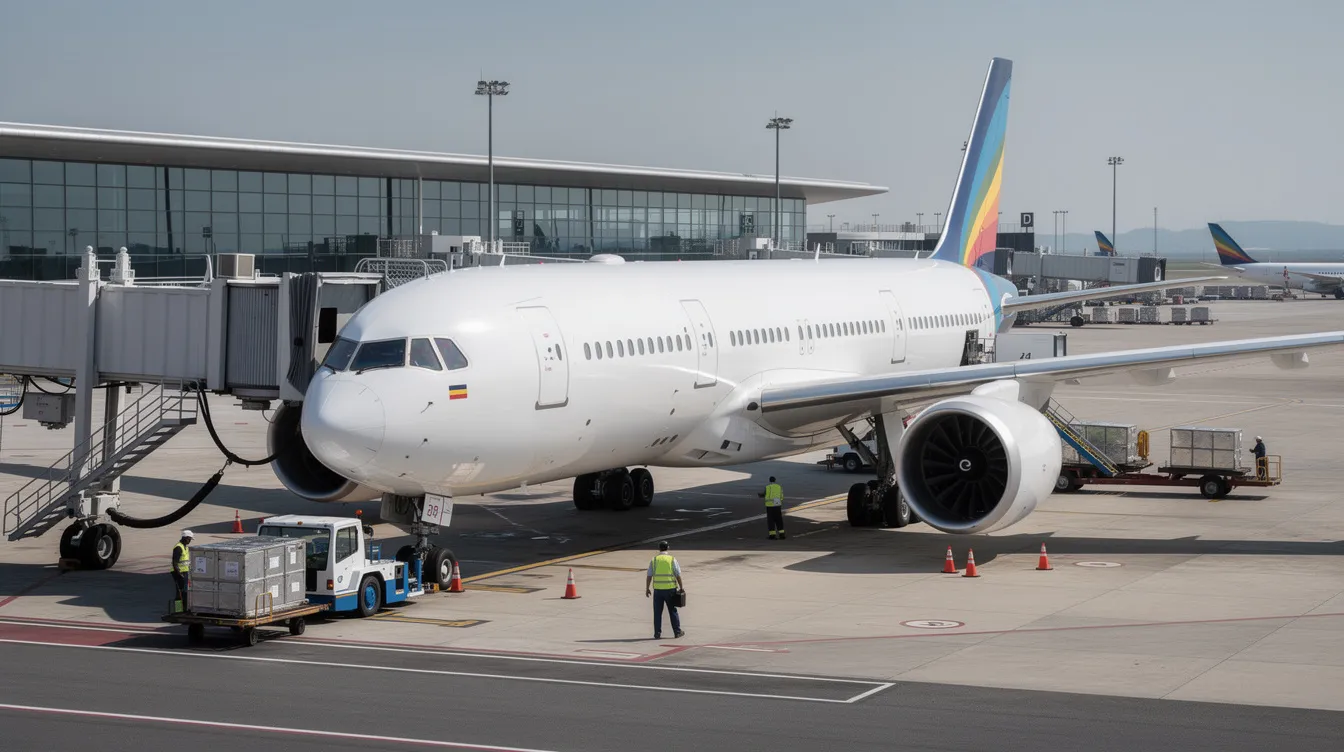
Size of Boeing Planes: From 737 MAX to the Largest Boeing Aircraft
Boeing planes vary significantly in size, from the compact 737 MAX to the expansive 747-8. Understanding these dimensions helps travelers make informed decisions about comfort and capacity, whether flying commercially or considering private jets. This guide details the key metrics of Boeing aircraft, aiding in the selection of the right plane for any journey.
Read More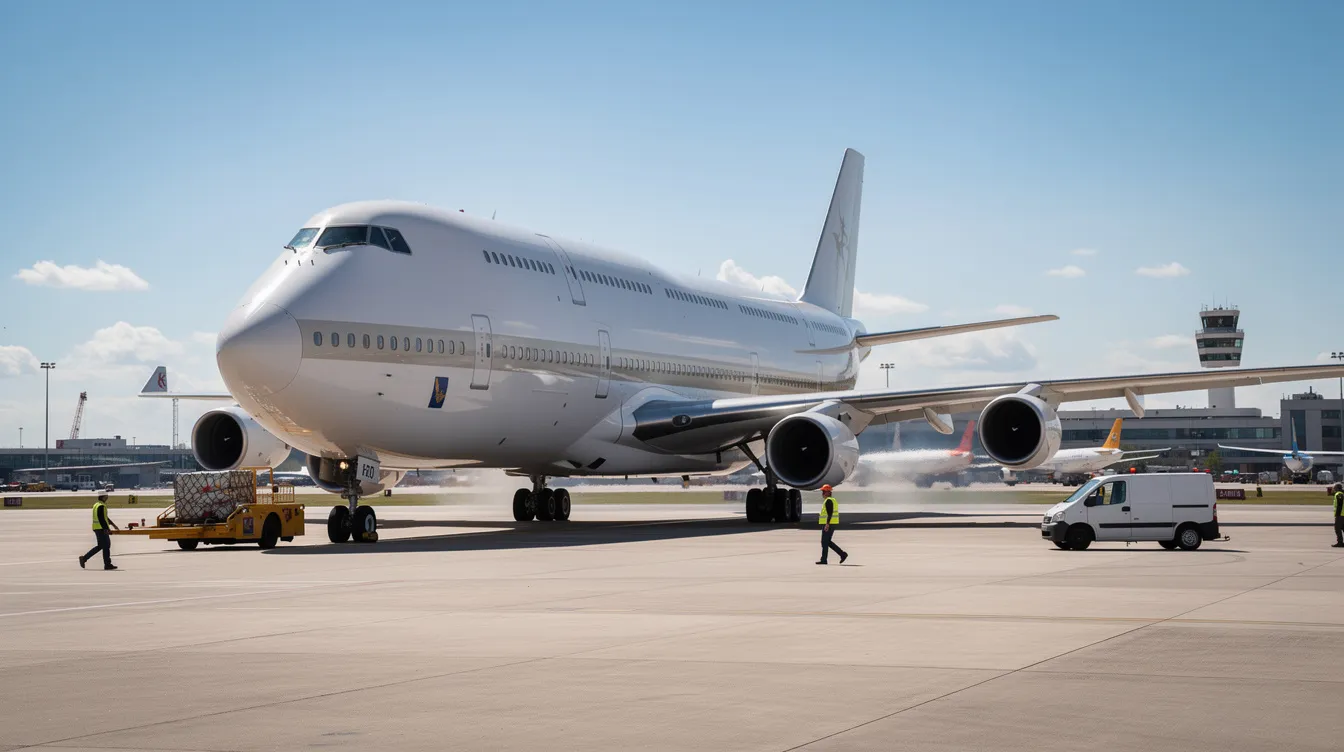
5
min read
Airbus A380 Weight: How the World's Heaviest Passenger Jet Really Adds Up
The Airbus A380, with a maximum takeoff weight of approximately 575,000 kg, is the heaviest passenger aircraft ever built. Its weight impacts everything from fuel efficiency to airport compatibility, making it a marvel of engineering. While it excels in capacity and range, the shift towards lighter, more flexible aircraft has changed the landscape of commercial aviation.
Read MoreStay updated with our latest insights and tips to elevate your journey with us.
MEMBERSHIPS AND ASSOCIATIONS



Disclaimer: Jettly operates as a charter broker, offering access to a global digital jet charter marketplace. Jettly is not a direct air carrier and does not own or operate aircraft. All advertised flights are conducted by third-party air carriers that are fully licensed and hold the appropriate Part 135 or Part 121 certifications issued by the Federal Aviation Administration (FAA) or equivalent regulatory authorities under U.S. or foreign law. Jettly complies fully with the U.S. Department of Transportation's Part 295 and Part 298 Charter Broker regulations. Jettly does not carry additional liability insurance. Passengers are covered by aircraft operator insurance. TICO: 50023770


