



Login
Get Instant Pricing On 23,000+ Aircraft

>
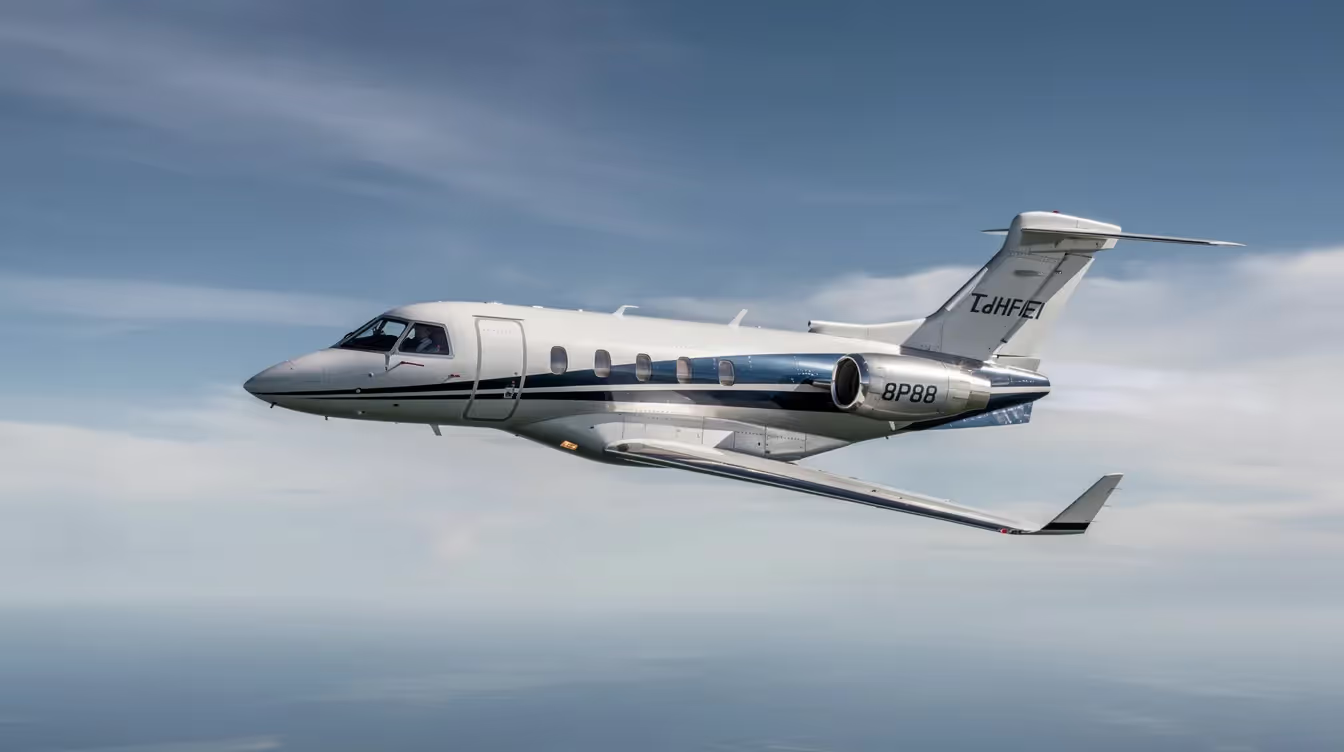
This guide is intended for private pilots, aviation enthusiasts, and travelers interested in the evolution of jet-powered flight. Understanding microjet aircraft is important because these platforms drive innovation in propulsion, materials, and efficiency, influencing both recreational flying and the future of business aviation. Microjet technology not only shapes the way pilots and operators approach personal and training aircraft but also impacts broader trends in aerospace engineering, digital charter platforms, and sustainable aviation solutions.
A microjet aircraft is a niche but useful part of modern aviation.
“Microjet” typically refers to very small jet-powered aircraft or jet-equipped sailplanes used for training, research, airshows, and recreation.
Compact turbine development has made some jet aircraft more accessible to private pilots, builders, and airshow operators.
Most microjet aircraft are experimental or specialized, not commercial charter aircraft.
Platforms like Jettly connect travelers to a wide range of charter-ready jet aircraft, from light jets to larger business jets.
From 2024–2026, microjet innovation matters because it tests ideas in propulsion, control, materials, and efficiency.
Microjet aircraft are very small jet-powered airplanes or jet sailplanes using compact turbine engines, typically optimized for personal, training, research, or demonstration flying rather than mass transport.
In aviation, the term often applies to jet-powered gliders such as the Super Salto, TsT-14 BonusJet, and Arcus-J variants. It also includes experimental or kit-built personal jets such as the SubSonex JSX series, developed over the last two decades, which complement more conventional options for buying a seat on a private jet.
There is one important distinction. In physics and engineering, a microjet is a miniaturized jet or nozzle used to propel, cut, spray, or print on a micro scale. This article focuses mainly on the aircraft's meaning, while noting that microjet technology also appears in many industrial and medical areas.
Most aviation microjet engines produce about 200–300 lbf of thrust per engine. A PBS TJ-100 class turbine, for example, weighs roughly 38–44 lb and produces about 247–281 lbf, according to PBS Aerospace. That is enough power for self-launching sailplanes and tiny personal jets while keeping aircraft weight low.
Microjets also describe non-aircraft systems. Microjets can enhance operational efficiency in industrial applications by providing high-precision air-jet sortation, which captures valuable commodities without additional manual labor. The potential core length of supersonic microjets can be significantly influenced by external pressure conditions, which affects their efficiency in various industrial applications. Microjet systems can achieve high efficiency in heat transfer processes due to their unique features of high turbulence intensity and chaotic mixing, which enhance thermal and hydrodynamic boundary layers.
Microjet systems are designed for the easy and efficient installation of telecommunication micro-cables and fiber units in preinstalled micro-ducts, allowing for precise torque and fiber accuracy. The MicroJet™ blowing machine can handle micro-cables with diameters up to 8 mm and ducts with outer diameters ranging from 3 to 16 mm, making it suitable for various telecommunication applications. Microjet technology in telecommunications enhances the performance of cable installations by allowing for long uninterrupted sections of micro-cables, which is crucial for maintaining signal integrity in fiber optics.
Microjet technology also drives precision in micro-irrigation, microfluidics, additive manufacturing, and micro-waterjet cutting, paralleling broader efforts to understand affordable aircraft rental options and access models across aviation. Micro-emitters deliver water directly to the plant root zone, reducing evaporation and runoff. Microjet sprinklers are low-volume irrigation systems that spray fine streams of water directly to the base of plants or tree roots, saving water and preventing soil compaction. Fertilizers and pesticides can be injected directly into irrigation systems, ensuring nutrients are applied exactly where needed, thereby reducing chemical waste.
In aviation, most microjet aircraft are not used in commercial charter. They still matter because they are part of the broader evolution of jet technology that benefits the business jets available through Jettly.

Shrinking turbine size, lower cost, and better reliability since the 1990s made practical small jet aircraft more realistic for individual pilots and specialized operators. The early results appeared in experimental jet gliders, airshow aircraft, and kit-built designs.
The Super Salto jet sailplane helped popularize the idea that a glider could self-launch, climb quickly, and still perform as a sailplane after engine shutdown. Later, twin jet sailplanes added more thrust, redundancy, and show performance.
Desert Aerospace, LLC played a key role in turbine installations for aircraft such as the TsT-14 BonusJet, DG808J, and Arcus-J from the early 2000s onward. These projects linked high-performance soaring with turbine power.
The SubSonex JSX-1 appeared in the early 2010s, followed by the JSX-2 as a compact personal jet from the homebuilt aircraft community. In addition, airshows in North America and Europe made single-seat microjets and twin jet sailplanes familiar performers by the mid-2020s.
These aircraft helped define the microjet category in training, research, and airshow performance.
|
Aircraft |
Type |
Main role |
|---|---|---|
|
Super Salto Jet Sailplane |
Jet sailplane |
Airshow aerobatics |
|
FoxJet |
Twin jet sailplane |
High-climb displays |
|
TsT-14 BonusJet |
Two-seat jet sailplane |
Training and soaring |
|
Arcus-J |
High-performance jet sailplane |
Research and long distance |
|
SubSonex JSX-2 |
Single-seat personal jet |
Recreation and transition training |
The Super Salto and FoxJet are known through Vertigo Airshows. The Super Salto uses a small turbine for self-launch and aerobatics, while the FoxJet is set up with twin engines for stronger climb and day or night display work with lighting and pyrotechnics.
The TsT-14 BonusJet is a versatile self-launching jet sailplane designed for soaring, research, and pilot transition training. It uses a retractable PBS TJ-100 engine, has a span of about 17 m, and offers a glide ratio near 39:1.
The Arcus-J is a high-performance jet sailplane platform. Desert Aerospace notes that a Jet Arcus has logged a flight over 3,000 km in a single soaring mission, supporting competition, wave research, and high-altitude work.
The SubSonex JSX-1 and JSX-2 brought microjet flying to the kit aircraft world. They are designed for personal use, training, and airshow work, with the JSX-2 cruising around 210 knots and covering about 420 nautical miles with reserve.
Modern microjet aircraft depend on compact turbine engines, composites, and precise aerodynamic design.
Small turbines such as the PBS TJ-100 class usually burn Jet A or similar fuel. Their value is simple: high power-to-weight ratio, compact length, and enough reliability for controlled self-launch and climb. The engine becomes a device that turns a pure glider into a self-contained aircraft.
For jet sailplanes, self-launching systems are often retractable or pod-mounted. The pilot extends the engine, starts it, climbs, shuts it down, lets it cool, and stows it to reduce drag. This behavior preserves soaring performance.
Composite structures are also central. Carbon-fiber and glass-fiber airframes allow slender wings, low drag, and efficient integration of microjet pods. Current cockpits may include glass displays, GPS flight computers, amp and fuel monitoring, and energy management tools.
Microjets are utilized in various aerospace applications, including supersonic jets for both internal engine flows and external aerodynamic flows, as well as in rocket applications for missiles and booster rockets. The Mach number of propulsive jets in civilian aircraft typically ranges from approximately 0.8 to 1.2, with future designs potentially reaching up to 1.7–1.8, highlighting the importance of microjet technology in high-speed aviation. Microjets have been shown to enhance cooling performance in aerospace applications by providing effective film cooling, which is crucial for managing extreme aeroheating conditions during flight.
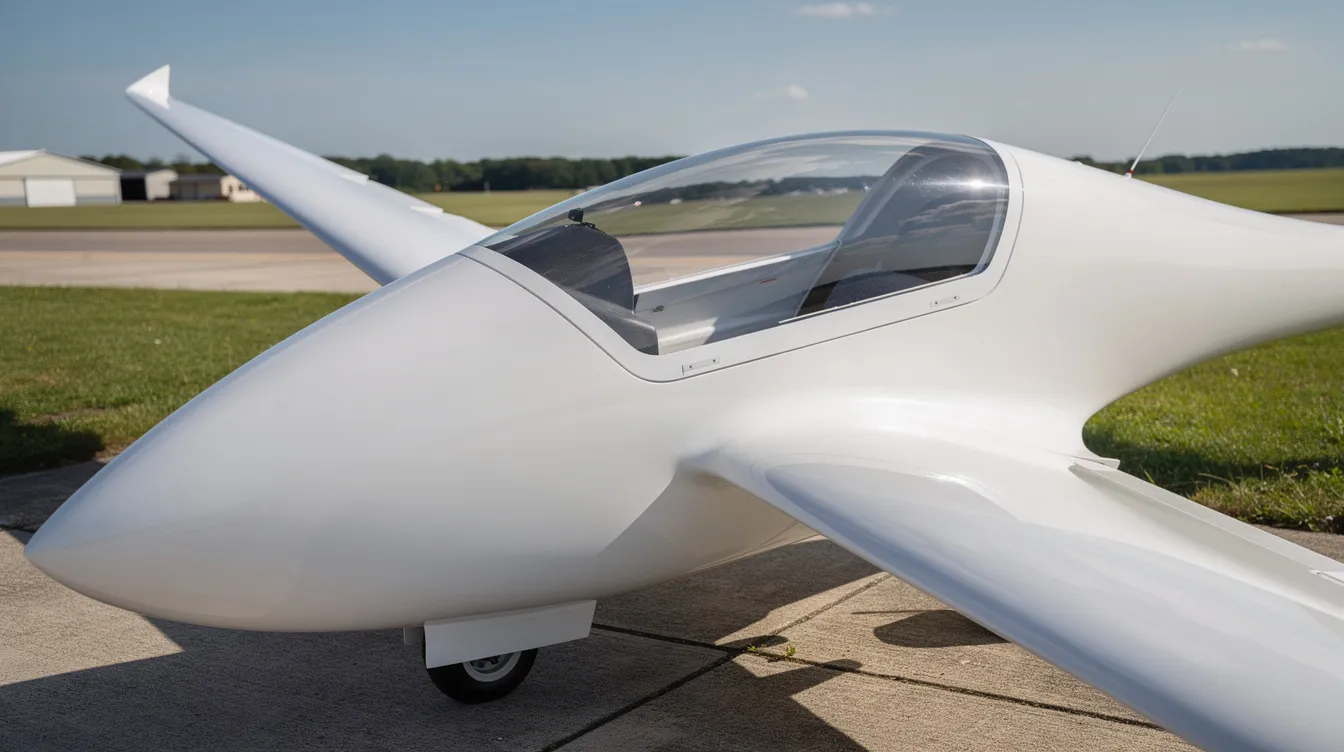
Microjet aircraft are rarely transport tools. They are a solution for specialized flying where compact jets add flexibility, safety, or spectacle.
In training, a BonusJet or SubSonex program can introduce pilots to jet handling, throttle lag, fuel planning, emergency procedures, and energy control before larger jet aircraft. A pilot may move from gliders to a jet sailplane, then to a light jet with more systems and higher speed.
In research, the Arcus-J supports wave-soaring studies, atmospheric testing, and long-distance performance work over 3,000 km flights. In airshows, the Super Salto and FoxJet use jet climb, smoke, lights, and sometimes fire effects or pyrotechnics for precise displays.
Experience from these aircraft can influence small business jet design choices and pilot expectations, especially around energy management and high-drag configurations, which matter when comparing the best private jet charter companies and platforms or applying tips for booking the cheapest private jet flights.
Microjet aircraft and light jets both use turbine power, but they serve different markets.
|
Category |
Microjet aircraft |
Conventional light jet |
|---|---|---|
|
Seats |
Usually 1–2 |
Often 4–8 |
|
Mission |
Training, recreation, research, and display |
Business and leisure travel |
|
Cabin |
Minimal |
Pressurized and equipped |
|
Range |
Limited or soaring-based |
Often 1,000 km+ |
|
Regulation |
Often experimental |
Commercially certified for charter |
A Citation CJ series or Embraer Phenom 100 is built for point-to-point travel with passengers and luggage. A SubSonex or jet sailplane is built for the pilot, not a family trip or executive itinerary.
Microjets trade comfort and distance for agility and experimental flexibility. Light jets focus on reliable cruise speed, weather capability, and routes such as New York–Miami, Toronto–Vancouver, or Los Angeles–Las Vegas, served by a range of charter airlines and private operators, where understanding what drives the cost of one private jet flight helps travelers choose the right option.
Most charterable jets undergo commercial certification, maintenance oversight, and crew requirements. Microjets remain largely in private-owner or experimental categories, where the operator carries more responsibility and rights are different from passenger charter travel, whether on shared charter flights or full private charters.
Innovation at the microjet scale often migrates into mainstream aviation. Engineers can test new ideas on small aircraft before those ideas appear in certified products.
Compact turbine advances inform auxiliary power units and very light jet engines. Sailplane research helps refine laminar flow, winglets, lightweight materials, and efficient fuselage shapes. These improvements can support better fuel efficiency and comfort in business aircraft.
Digital monitoring in advanced sailplanes also parallels the data-driven safety and fleet practices used by operators connected through Jettly’s marketplace. Travelers booking light or midsize private charter aircraft through Jettly benefit indirectly from decades of microjet experimentation, just as prospective owners weigh how much a private jet really costs before deciding between charter and ownership.
Microjet aircraft themselves are not typically available for charter. Still, the same digital-first mindset is changing microjet development and is changing how travelers access jet aircraft.
Jettly is a digital private jet charter platform with access to over 20,000 aircraft worldwide, including light, midsize, super-midsize, heavy jets, turboprops, and helicopters, supported by an airport locator tool and on-demand charter platform. The platform is based on instant pricing, transparent cost breakdowns, and on-demand booking.
That gives travelers more control and makes private flying easier to compare, especially when using a private jet charter cost estimator to understand pricing before booking, applying affordable luxury strategies for private jet flights, or choosing to crowdsource and share empty private jet seats to lower costs. Typical use cases include executive travel, family vacations, medical or time-sensitive trips, London–Geneva weekends, and last-minute Los Angeles–Las Vegas flights, where frequent flyers may compare on-demand charters with structured jet card programs for private travel, just as regional pages detail options for private jet charter in Atlanta, Georgia.
Learn more about Jettly’s charter options and private jet memberships at https://www.jettly.com, including how jet cards work, their costs, and benefits, a detailed breakdown of private jet card pricing and fees, and comparisons of the best jet card programs available today.

Despite their small size, microjet aircraft demand serious safety discipline. Jet engines, high descent rates, thermal limits, and restart procedures leave little room for casual operation.
Many microjet aircraft operate in experimental or limited categories. Certified business jets used in charter operate under stricter commercial rules, with documented maintenance, trained crews, and audited operating procedures.
Microjet pilots may need turbine transition courses, airshow training, aerobatic instruction, and recurrent check flights. For example, a glider pilot moving into a BonusJet must learn engine deployment, cool-down, restart, and emergency glide planning. A SubSonex pilot must also prepare for higher speeds and single-seat decision-making.
Jettly works with regulated operators and crews so travelers can access jet performance without assuming experimental aircraft risk, positioning itself as a flexible NetJets alternative for private flyers for readers already familiar with NetJets as a private aviation leader.
Microjet aircraft have different environmental impacts than airliners or larger business jets, but efficiency remains a design goal.
Jet sailplanes such as the Arcus-J use high glide ratios to limit engine use to launch, climb, or repositioning. Most of the flight may rely on atmospheric lift rather than continuous fuel burn.
Drag reduction, laminar flow, and lightweight structures from sailplanes can contribute to more efficient wings and fuselages in larger jet aircraft. Private jet charter providers such as Jettly increasingly consider routing, aircraft right-sizing, and carbon offset options where available, while also helping travelers understand affordable private jet charter pricing and evaluate the best private plane manufacturers for different budgets and needs.
No jet is emission-free today. But microjet experimentation and digital charter platforms both push the industry toward smarter use of jet power.
It is also useful to understand limits in other microjet fields. Micro-nozzles require meticulous cleaning and maintenance, as dust, vibrations, or temperature fluctuations can severely impact performance. Microjet emitters are highly susceptible to clogging, requiring regular chemical flushing and filtration. Setting up pressurized micro-irrigation and precision sensor grids involves a significant upfront financial commitment.
Usually, no. Most microjet aircraft, including jet sailplanes and single-seat personal jets, operate in experimental or specialized categories.
Travelers typically charter certified light, midsize, or heavy jets, turboprops, or helicopters through platforms like Jettly, which offer multiple ways to get a seat on a private jet easily, including support for private jets flying internationally and across borders. Even if passengers never fly in a microjet, they still benefit from technology proven in smaller experimental aircraft.
Pilots generally need at least a private pilot license with appropriate ratings, plus turbine or jet transition training for the specific microjet type.
Some aircraft may require added endorsements, high-performance instruction, or type-specific checkouts. Interested pilots should consult local aviation authorities and qualified training providers.
Jet sailplanes may cruise at a few hundred km/h during powered segments, while compact personal jets such as the SubSonex can fly much faster. Jet sailplanes prioritize climb and soaring rather than long powered range.
Conventional light jets available through charter platforms are optimized for sustained cruise and can often fly well beyond 1,000 km on one trip, whether booked directly through Jettly or via featured operators such as Dexter Air Taxi’s private jet services.
Safety depends on design, maintenance, training, and operating environment. Many microjets are experimental and flown by owner-pilots, so risk management is more personal.
Certified business jets in charter service undergo stronger regulatory oversight, maintenance standards, and crew training. Passengers seeking comfort and commercial safety oversight should use professionally operated aircraft, including instant-book providers like Zenflight’s private jet charter service.
Microjet research supports better propulsion, cooling, materials, and aerodynamic results. For example, Laser MicroJet (LMJ) technology uses a microscopic water jet to guide a laser beam onto a target material, enabling burr-free cuts on hard materials without thermal damage. Material jetting (MJ/PolyJet) builds complex 3D parts directly from digital files, eliminating the need for expensive molds and allowing for on-demand customization.
Material choices in 3D printing (material jetting) are primarily limited to specific polymers and waxes. Industrial micro-jetting printers and micro-injection molding machines incur high capital and operational costs. Microjet technology allows for the creation of intricate, microscopic geometries necessary for medical devices, electronics, and aerospace components. High-pressure microjets using water mixed with particles are utilized in medical device manufacturing to precisely cut sensitive materials without damaging their structural properties.
Microjets are propelled by self-generated bubbles in nanotechnology, allowing them to swim through bodily fluids to targeted locations for drug delivery. Microjet drug delivery systems utilize high-speed jets to penetrate the skin, allowing for the delivery of various drugs, including vaccines and insulin, without the use of needles. The microjet technology can achieve jet velocities greater than 100 m/s, enabling the delivery of drugs at depths sufficient for subcutaneous or intramuscular administration. Recent advancements in microjet systems have led to the development of smaller-diameter systems that reduce pain and bruising associated with traditional injection methods.
That culture of precision also aligns with Jettly’s transparent pricing, instant quotes, and efficient aircraft matching, supported by tools like its jet card flight cost estimator, dedicated in-flight catering services through Jettly Eats, and an ultra-high ticket affiliate program for partners who refer new clients.
Microjet aircraft, including jet sailplanes, personal jets, and training platforms, are agile testbeds and specialized performers. They are small, fast, and technically demanding.
Microjet aircraft have helped refine ideas used in the light and midsize jets that business and leisure travelers charter today. Digital platforms like Jettly make it easier to access a wide range of jet aircraft built on decades of engineering progress.
Ready to enjoy private travel tailored to your needs? Browse available flights or get a personalized quote at https://www.jettly.com.
Share this post:
Jay Franco Serevilla
May 20, 2026
|
5
min read
Discover tips and trends in the industry.
5
min read
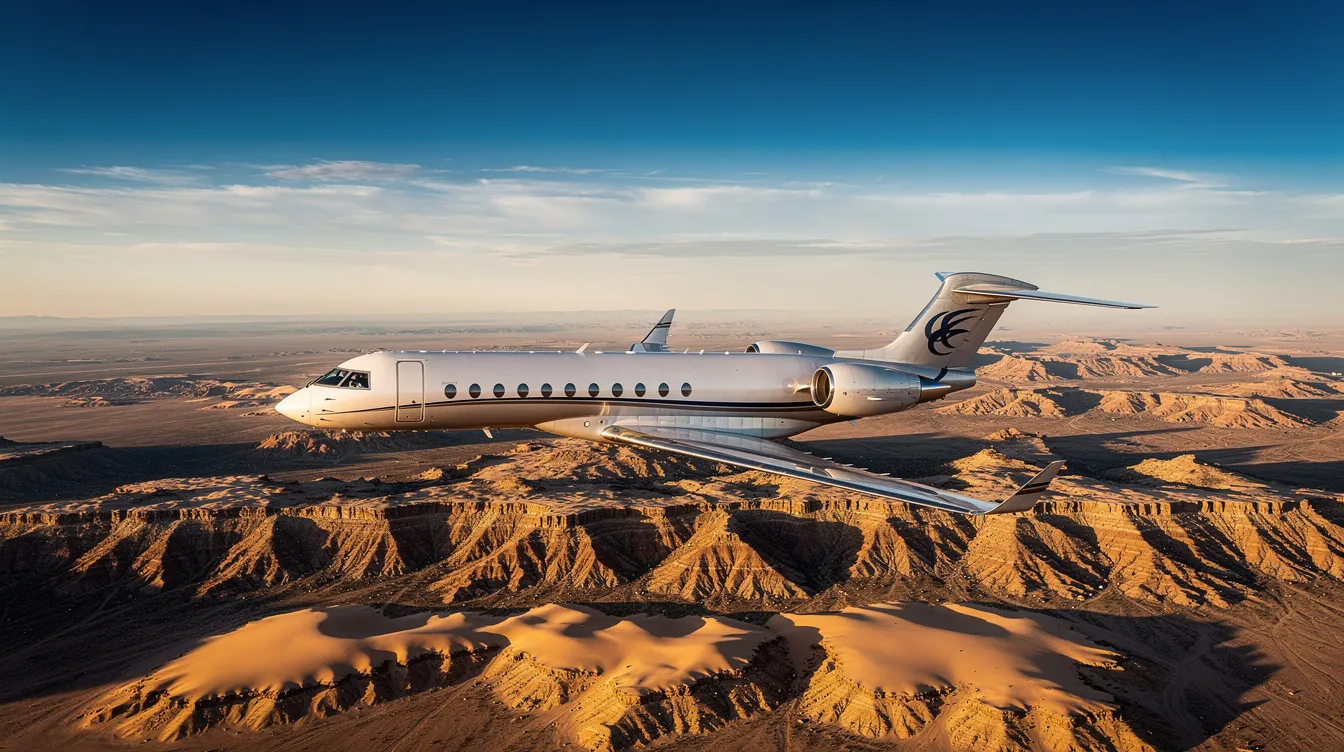
Private Jet NYC to Vegas: Charter Guide, Costs & Best Jets
Chartering a private jet from NYC to Vegas offers unmatched convenience and comfort, with flight times of 5 to 6 hours. Prices range from $28,000 to $70,000, depending on the aircraft type and travel dates. Jettly provides a marketplace with over 20,000 aircraft, ensuring travelers can find the perfect jet for their needs.
Read More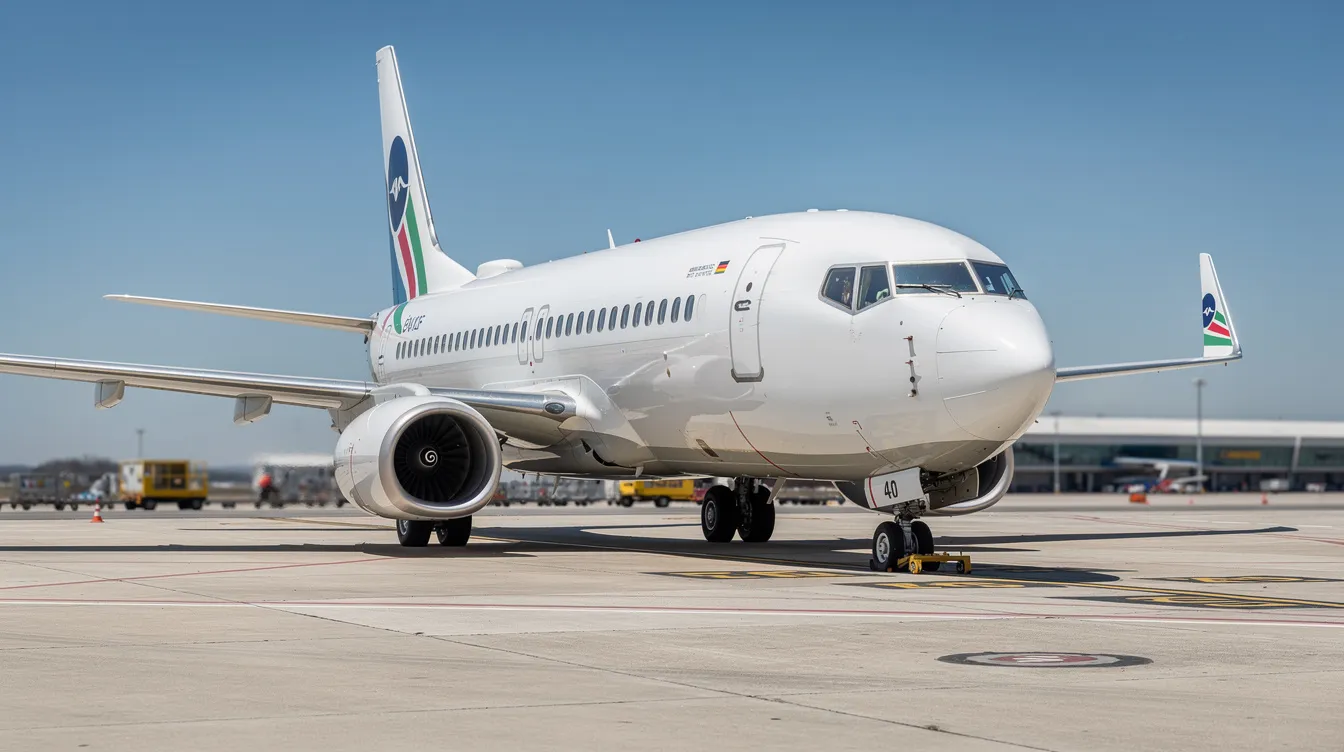
5
min read
Boeing 737-700 Safety: What Passengers and Private Charter Flyers Should Know
The Boeing 737-700 boasts a strong safety record since its introduction in 1998, distinct from the 737 MAX series. Governed by the FAA and other global regulators, its safety is maintained through rigorous inspections and operator compliance. Passengers can trust the 737-700 for both commercial and private charters, as it lacks the controversial MCAS system found in the MAX models.
Read MoreStay updated with our latest insights and tips to elevate your journey with us.
MEMBERSHIPS AND ASSOCIATIONS



Disclaimer: Jettly operates as a charter broker, offering access to a global digital jet charter marketplace. Jettly is not a direct air carrier and does not own or operate aircraft. All advertised flights are conducted by third-party air carriers that are fully licensed and hold the appropriate Part 135 or Part 121 certifications issued by the Federal Aviation Administration (FAA) or equivalent regulatory authorities under U.S. or foreign law. Jettly complies fully with the U.S. Department of Transportation's Part 295 and Part 298 Charter Broker regulations. Jettly does not carry additional liability insurance. Passengers are covered by aircraft operator insurance. TICO: 50023770


