



Login
Get Instant Pricing On 23,000+ Aircraft

>
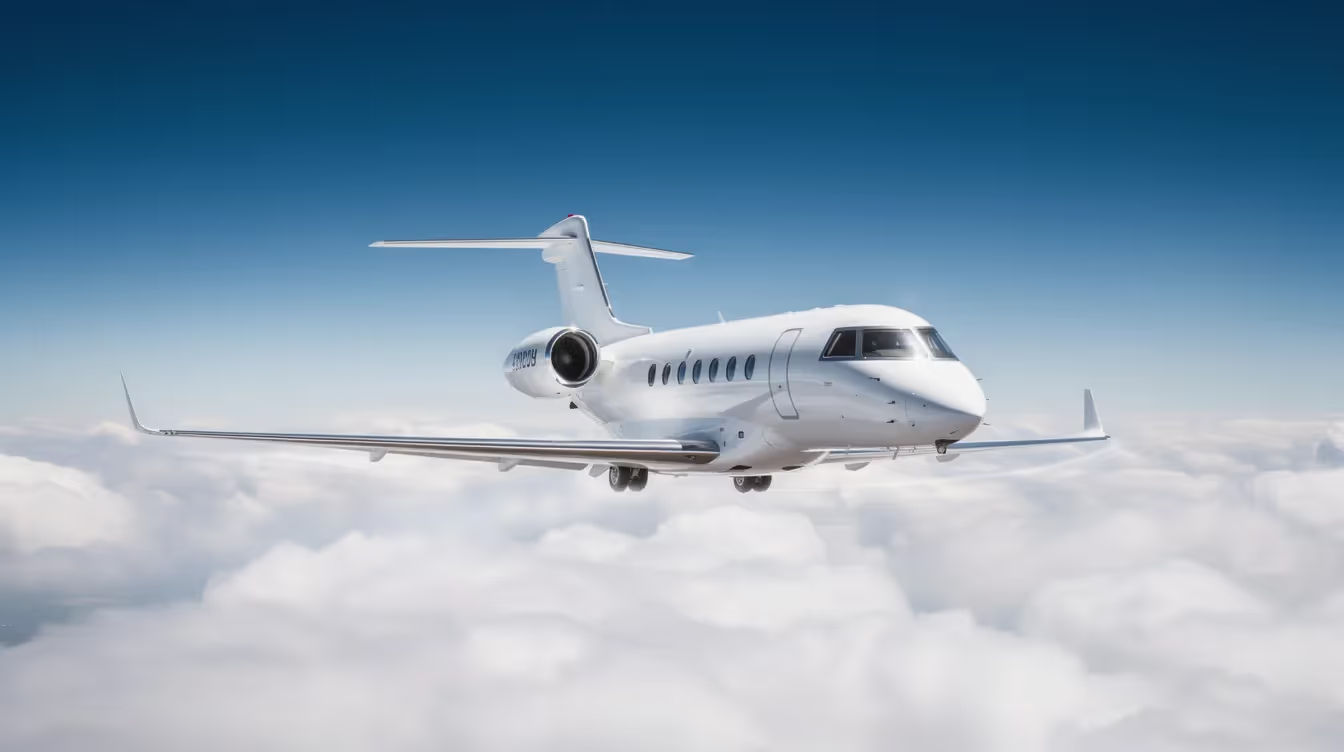
The Learjet private jet represents one of the most recognized names in business aviation. Originally developed by Bill Lear in Wichita, Kansas, the first Learjet took flight on October 7, 1963. Learjet private jets, manufactured by Bombardier, are known for exceptional speed, agile handling, and efficient cabin designs. What started as an adaptation of military aircraft designs quickly evolved into a family of light business jets that helped launch the modern era of private aviation.
Learjets became iconic for good reasons. With cruise speeds around Mach 0.80–0.81 and efficient twin turbofan engines, these aircraft offered something commercial airlines could not: speed combined with access to smaller airports close to city centers. The Bombardier Learjet family accumulated 111 world speed records, highlighting its legacy of performance and innovation in the business aviation industry, including legendary flights between New York and Los Angeles that demonstrated what light jets could achieve.
Although Bombardier Aerospace ended new Learjet production in February 2021, thousands of Learjet aircraft remain active in global charter fleets. Over 3,000 Learjet units have been delivered, reflecting the manufacturer's commitment to quality and innovation. Despite some earlier technical issues, the manufacturer has earned significant credit for Learjet’s reliability and performance, and its practices have contributed to the aircraft’s enduring reputation. The Learjet family is an iconic line of light and midsize business jets known for pioneering the private aviation industry. Models like the Learjet 35, 45, 60, 70, and 75 are accessible for on-demand flights through platforms like Jettly. This article covers the main Learjet models for charter, their performance profiles, cabin comfort features, pricing considerations, and how to book through Jettly’s digital marketplace.
Core Learjet models available for charter include the Learjet 35/35A, 45/45XR, 60/60XR, 70, and 75, with typical ranges between 1,900 and 2,800 nautical miles and cruise speeds near Mach 0.80.
The Learjet line has been a cornerstone of business aviation since 1963, known for fast, efficient light and midsize jets used worldwide by executives and families.
Travelers can charter a Learjet private jet on-demand through Jettly without purchasing or owning the aircraft, using transparent digital pricing.
Popular use cases include New York–Miami business trips, Toronto–Vancouver family travel, and last-minute positioning flights using discounted empty legs.
All Learjet charters accessed via Jettly operate under FAR Part 135 certified operators, with many meeting ARGUS, Wyvern, or IS-BAO safety standards.
Chartering Learjets allows access to private terminals, bypassing the delays and crowds typical of commercial airports, enhancing convenience and saving time.
Modern charter fleets feature several Learjet models, each serving different mission profiles. Learjet models are primarily distinguished by their range, cabin size, and the era of their technology. The manufacturer, Bombardier, played a key role in the production and delivery of these models, ensuring each aircraft met rigorous standards before being delivered to customers. The most commonly available include the Learjet 35/35A, 45/45XR, 60/60XR, 70, and 75. Here’s how they compare:
|
Model |
First Delivery |
Typical Seating |
Range (nm) |
Cruise Speed |
|---|---|---|---|---|
|
Learjet 35/35A |
1973 |
6–8 |
2,400–2,800 |
Mach 0.78 |
|
Learjet 45/45XR |
Late 1990s |
8–9 |
1,900–2,235 |
Mach 0.78 |
|
Learjet 60/60XR |
Early 1990s |
7–8 |
2,400 |
Mach 0.78 |
|
Learjet 70 |
2013 |
6–8 |
2,040 |
Mach 0.78 |
|
Learjet 75 |
2013 |
8–9 |
2,040 |
Mach 0.81 |
Learjet 35/35A: This classic light jet remains popular for cost-efficient medium-haul routes. Powered by two Garrett TFE731 engines, it delivers low operating costs and reliable performance on routes like New York–Miami or Dallas–Teterboro.
Learjet 45/45XR: Introduced in the 1990s, the Learjet 45 was the first all-new design since the original Learjet, significantly altering the Learjet line and enhancing its competitiveness in the business jet market. It features a flat-floor cabin design unique among competitors and can accommodate up to eight passengers with two distinct floor plans. The upgraded 45XR offers improved range and performance, making it suitable for coast-to-coast flights.
Learjet 60/60XR: The midsize option in the Learjet family, this aircraft provides a stand-up cabin ideal for longer flights. The Learjet 60 is known for its exceptional climb rate and is capable of transcontinental flights with a range of approximately 2,400 nm. Travelers considering this type often look at Learjet 60 private jet rental for efficient, cost-conscious business missions, and routes like Chicago–San Francisco become comfortable nonstop flights.
Learjet 70/75: These represent the final evolution of the Learjet line before production ceased. Equipped with canted winglets, advanced Garmin G5000-based avionics enhancing safety through superior situational awareness, and efficient new engines, they deliver the fastest performance in their class. The Learjet 75 has a range of 2,040 nautical miles (3,778 kilometers) and a high-speed cruise of Mach 0.81 (860 km/h), making it the fastest business aircraft in its class. The Learjet 75 Liberty is considered the most supportable model within the Learjet family, benefiting from shared components with Bombardier's Challenger line and a relatively young fleet age.
Real-world configurations vary by operator. Some aircraft feature belted lavatories, different seating layouts, or connectivity upgrades like Gogo Avance L3 or L5 Wi-Fi. Tools like Jettly’s airport locator and charter booking platform and model filters let users match aircraft capabilities and nearby airfields, helping identify the right Learjet for each mission.
Current listings of Learjet aircraft for sale range from $595,000 to $4,450,000, reflecting market adjustments to the aircraft's orphan status after production ceased, and many buyers compare these prices against guides to the cheapest private aircraft options across other categories. As of now, approximately 40 Learjet aircraft are listed for sale, with an average price of $2,800,500, indicating measured buyer interest in the market. Travelers comparing ownership with on-demand charter can benefit from Jettly’s private jet charter cost estimator to understand flight-by-flight expenses, a detailed breakdown of private jet operating costs, and a broader guide on how much a private jet really costs when evaluating long-term ownership versus charter.
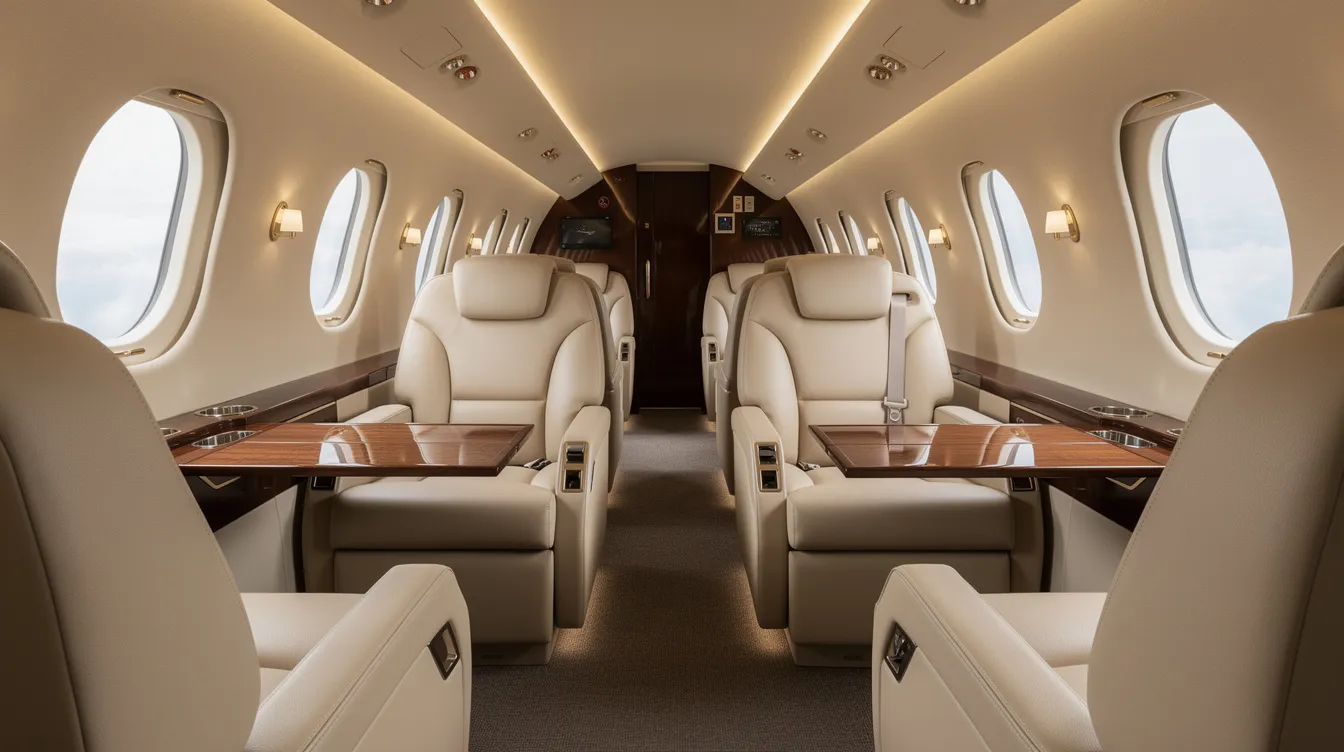
Stepping inside a recent Learjet model—whether a 45XR, 60XR, 70, or 75—reveals a cabin designed for productivity and comfort. Recent Learjet models feature a flat-floor cabin design, providing more legroom and easier movement compared to older designs. Noise levels stay below 72 decibels thanks to innovative environmental control systems, creating a quiet space for work or conversation.
Most Learjet private jets feature double-club seating arrangements for six to eight passengers. Some configurations include side-facing seats or divans, while Learjet 60XR and 75 variants often have enclosed or belted lavatories. Pressurized cabins allow cruise altitudes above 40,000 feet, and generous baggage space accommodates carry-on luggage, skis, or golf bags, depending on passenger count.
Many charter Learjets include modern cabin management systems with personal touchscreens, USB power at every seat, and HD entertainment. Amenities such as enhanced storage, advanced entertainment systems, and catering options further elevate the passenger experience, ensuring comfort and convenience throughout the flight. Connectivity options like Gogo Avance L5 Wi-Fi or Aircell systems enable email, VPN access, and basic streaming—valuable for business travelers who need to stay productive during flight. For trips where a Learjet is not the ideal fit, Jettly’s private charter aircraft network and broader resources on leading private and charter airlines highlight alternative operators and aircraft with similar cabin technology and comfort, while services like Jettly Eats in-flight catering can further enhance the onboard experience.
Interior finishes typically feature high-quality leather, wood veneer accents, and LED lighting. The focus is on ergonomics and functionality rather than ostentatious luxury, making these cabins practical work-friendly spaces.
Modern Learjet aircraft combine advanced avionics with strict regulatory oversight. All charter flights operate under FAA or EASA commercial standards, such as FAR Part 135 in the United States.
The Learjet 45/45XR features Honeywell Primus 1000 EFIS with multiple large screens and integrated flight management capable of storing hundreds of waypoints. The Learjet 60XR often includes WAAS/LPV capabilities for precise instrument approaches. The Learjet 70/75 takes innovation further with Garmin G5000-based Bombardier Vision flight decks featuring large-format displays, synthetic vision for terrain awareness, and advanced weather radar.
These systems reduce pilot workload and improve safety in challenging conditions. Chartered Learjets accessed via Jettly fly with professional crews—typically captains and first officers who exceed minimum requirements for flight hours, recurrent training, and simulator checks. Jettly prioritizes operators meeting ARGUS, Wyvern, or IS-BAO standards.
Performance is a primary reason travelers choose a Learjet private jet. These aircraft deliver cruise speeds near Mach 0.78–0.81 (roughly 450–530 knots true airspeed), making them competitive with or faster than commercial airliners on equivalent routes.
Learjets typically outperform competitors in climb rate and cruise speed, making them effective for business productivity by minimizing travel time. They are designed for high-speed regional travel with an efficient airframe that keeps operating costs lower than larger cabin jets. Operating costs for the Learjet 75 range from $2,200 to $2,600 per flight hour, which is competitive with similar light jets like the Citation CJ4 and Phenom 300.
Range capabilities in practical terms:
1,900–2,000 nm: Learjet 45XR and 75 handle trips like Toronto–Houston or London–Málaga nonstop
2,400–2,800 nm: Learjet 35A or 60XR manage longer missions such as New York–Denver or Paris–Moscow (subject to payload and winds)
Airport flexibility sets Learjets apart. Their shorter runway requirements enable operations at Teterboro near New York City, Van Nuys near Los Angeles, or regional fields close to secondary business hubs. This ground access saves significant time compared to major commercial airports.
Door-to-door advantages include arriving just 20–30 minutes before departure, skipping security lines, and landing closer to final destinations. Jettly’s instant-pricing tools factor aircraft performance into routing, automatically suggesting Learjet options that can safely operate each chosen route—positioning the service as a flexible NetJets alternative for flying private without long-term commitments while still understanding how industry leaders like NetJets operate and what NetJets card costs look like for comparison.
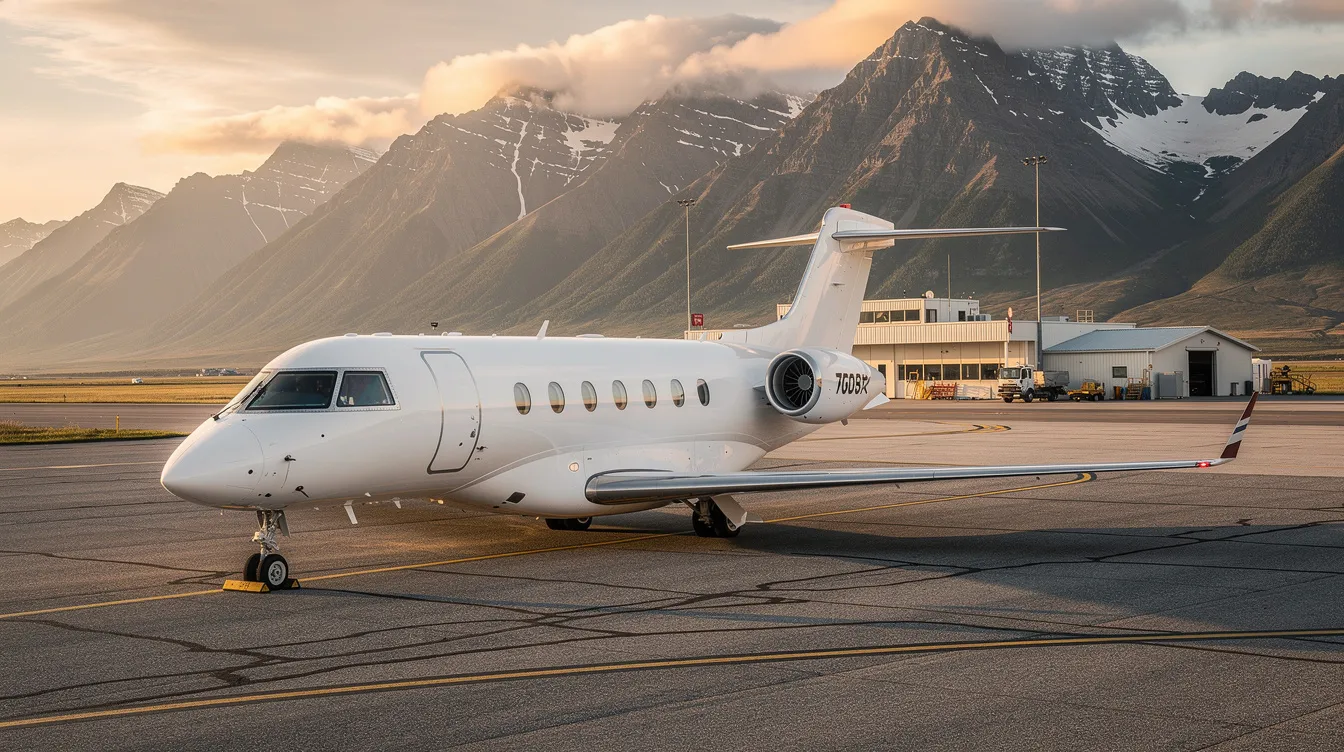
Purchasing a Learjet isn’t necessary to enjoy one. Many travelers prefer flexible, on-demand charter through a digital marketplace like Jettly, avoiding the burdens of ownership, maintenance, and crew management.
The basic charter process works simply:
Enter route, dates, and passenger count on Jettly’s platform
Review instant pricing and available aircraft, including Learjet options
Examine cabin photos, performance details, and operator safety information
Confirm booking with transparent, upfront costs
Learjet light jets (35/45/70/75) generally fall into mid-range hourly rates compared with very light jets and heavy jets. Costs vary by region, positioning legs, and seasonal demand, and resources like Jettly’s guide to affordable private jet charter pricing, a broader guide to affordable airplane rental costs and options, and a detailed breakdown of how much it costs to rent a private jet can help travelers understand these variables in more detail. Jettly offers private jet membership options for frequent flyers and pay-as-you-go charters for occasional travelers—both with digital quotes instead of opaque jet card structures, making it easier to compare these options with jet card programs and how they work.
The platform can also combine Learjets with other aircraft types in multi-segment trips. A Learjet might handle a fast regional leg while a larger jet covers long-haul sectors. Learn more about Jettly’s charter options at https://www.jettly.com.
Empty legs are repositioning flights operated without passengers when aircraft need to move for their next mission. Learjet private jets frequently appear as empty leg flights on popular routes—Los Angeles–Las Vegas, London–Geneva, New York–Palm Beach—creating opportunities for significant savings, especially when combined with smart tactics for booking the cheapest private jet flights.
Empty leg pricing can be substantially lower than standard charter rates, though flexibility decreases. Departure times, routing, and last-minute changes may be limited. Jettly’s platform displays available Learjet empty legs, allowing users to search by route and receive alerts for attractive opportunities or even crowdsource and share empty seats with other travelers to reduce costs further, effectively blending the advantages of shared charter flights versus full charters.
Example scenario: A traveler needs a short-notice weekend trip from Toronto to New York. A Learjet 45 empty leg becomes available at a reduced rate compared with a typical on-demand charter, saving thousands while still delivering the speed and convenience of private flight. Travelers looking for additional tactics to get a seat on a private jet easily can combine empty-leg alerts with memberships, group bookings, and last-minute deals.
Learjets excel in specific mission profiles where speed, efficiency, and smaller-jet economics matter most.
Executives fly New York–Chicago and back the same day in a Learjet 45XR, maximizing meeting time and avoiding overnight stays. The shorter range works perfectly for regional business aviation needs, while longer itineraries may call for carefully selecting the best cross-country aircraft based on speed, range, and comfort, or even evaluating private jet lease costs if more sustained usage justifies a longer-term arrangement.
Small groups use a Learjet 75 for routes like Toronto–Vancouver or Paris–Ibiza with enough space for week-long vacation luggage, and may mix full-aircraft charters with options to buy a single seat on a private jet when it better fits their budget or itinerary. Understanding what drives the cost of a single private jet flight helps families plan these trips more efficiently.
The Learjet 35 has a long history in medevac and air ambulance service. Charter options today enable rapid response for medical situations or last-minute relocations.
Teams or talent move between events in cities like Los Angeles, Las Vegas, and Phoenix using Learjet 60XR aircraft, with schedules adjusted around performance times. Similar charter flexibility applies in key markets worldwide, from Los Angeles to destinations like Kolkata, West Bengal, private jet charter, Chennai, Tamil Nadu, private jet charter, where Jettly coordinates aircraft, ground access, and schedules for high-profile clients.
Scheduling flexibility remains a key advantage—last-minute departures, late-night returns, and same-day adjustments where operator availability allows. Jettly’s wide inventory means travelers can compare Learjets with competitor aircraft like Citation Excel or Hawker 800XP, choosing based on schedule, price, and preference, and can reference overviews of the best private jet charter companies when benchmarking providers; those in the travel or aviation space can also participate in Jettly’s high-ticket affiliate partnership program to earn commissions for referring new clients.
Private aviation raises reasonable questions about fuel economy and emissions. Modern Learjet models like the 70 and 75 address this with efficient engines and winglet designs that reduce fuel consumption per mile compared with decades-old business jets of similar size.
Right-sizing aircraft improves efficiency significantly. Selecting a light jet like a Learjet for four to six passengers on regional routes burns less fuel than flying a larger, under-filled aircraft on the same mission, and similar logic applies when planning international private jet flights, where range, routing, and regulatory constraints also affect efficiency.
Some operators accessible via Jettly offer carbon offset programs and sustainable aviation fuel options where available. Practical steps for environmentally conscious travelers include combining meetings into single multi-city trips, choosing nonstop flights, and selecting newer Learjet variants with better fuel burn characteristics, while factoring in long-term private jet maintenance cost implications and using tools like Jettly’s jet card flight cost estimator to compare pricing scenarios for different aircraft and routes.
This section answers common questions about Learjet charter not fully covered above, focused on practical details for first-time and experienced private flyers.
Most charterable Learjets seat between six and nine passengers, depending on model and interior configuration. The Learjet 35/35A typically accommodates six to eight, while the Learjet 45/45XR and 75 usually seat eight to nine in double-club arrangements. The Learjet 60/60XR commonly carries seven to eight in its stand-up cabin. Practical optimal counts often run slightly lower if travelers carry significant luggage or require extra workspace.
Approximate ranges under typical charter conditions: around 1,900–2,000 nautical miles for Learjet 45/75 models, and approximately 2,300–2,600 nautical miles for Learjet 35A and 60XR aircraft. Real-world range depends on winds aloft, payload, and routing. Jettly’s quoting engine accounts for these factors automatically when suggesting aircraft for specific routes, including those involving international private jet travel.
Many charter operators allow pets on Learjet flights, though policies vary by operator and region. Some require carriers or health documentation. Travelers should indicate pet details when requesting a quote through Jettly so the platform can match them with pet-friendly operators and suitable cabin layouts.
Booking several days to a couple of weeks ahead usually provides better aircraft selection and pricing, especially on busy corridors like New York–South Florida or London–Mediterranean routes. Jettly can often arrange Learjet flights on shorter notice—sometimes within hours—subject to aircraft availability, crew scheduling, and airport slots, and frequent flyers may find that structured jet card programs offer additional flexibility for regular use.
Passengers need the same documentation as commercial flights: valid passports for international legs, applicable visas, and any required health or customs paperwork. Requirements vary by destination—travelers should verify entry rules in advance. Jettly and operating carriers can provide guidance on typical documentation for popular cross-border routes, including U.S.–Canada and Schengen-area flights.
The Learjet private jet delivers what business and leisure travelers value most: fast cruise speeds, proven safety records, comfortable cabins for six to nine passengers, and strong availability across charter fleets worldwide.
Models spanning the Learjet 35 through the Learjet 75 cover mission profiles from short hops like Los Angeles–Las Vegas to medium-haul routes such as New York–Houston. The history built by the original model and refined through upgraded versions over decades continues to serve travelers today, even after production ceased.
Jettly provides transparent, digital access to these aircraft on an on-demand or membership basis—no ownership required, no hidden fees.
Ready to experience private travel on your terms? Explore flight options or request a quote at https://www.jettly.com.
Share this post:
Jay Franco Serevilla
Apr 18, 2026
|
5
min read
Discover tips and trends in the industry.

5
min read
Delta Food Menu: What to Expect on Delta Flights vs. Private Jet Dining
Delta's food menu varies by cabin class, route, and season, offering everything from snacks on short domestic flights to gourmet meals in Delta One. In contrast, private jet dining through Jettly provides fully customized meal options tailored to individual preferences and dietary needs. This guide compares the dining experiences on Delta flights with the flexibility of private jet catering.
Read More
5
min read
Private Jet Manchester: Charter Guide to MAN & Liverpool John Lennon
This guide provides essential information for chartering private jets from Manchester and Liverpool John Lennon airports. It covers airport details, costs, aircraft options, and the convenience of using Jettly's platform for seamless booking. Whether for business or leisure, private jet travel offers unmatched flexibility and luxury.
Read MoreStay updated with our latest insights and tips to elevate your journey with us.
MEMBERSHIPS AND ASSOCIATIONS



Disclaimer: Jettly operates as a charter broker, offering access to a global digital jet charter marketplace. Jettly is not a direct air carrier and does not own or operate aircraft. All advertised flights are conducted by third-party air carriers that are fully licensed and hold the appropriate Part 135 or Part 121 certifications issued by the Federal Aviation Administration (FAA) or equivalent regulatory authorities under U.S. or foreign law. Jettly complies fully with the U.S. Department of Transportation's Part 295 and Part 298 Charter Broker regulations. Jettly does not carry additional liability insurance. Passengers are covered by aircraft operator insurance. TICO: 50023770


