



Login
Get Instant Pricing On 23,000+ Aircraft

>
.avif)
As Labor Day approaches, millions of Americans prepare to travel, eager to make the most of the long weekend. However, delays, cancellations, and other travel hiccups can turn a much-anticipated trip into a stressful ordeal. To help you make the most of the busiest travel days of the year, we've analyzed historical flight data to reveal which airlines and airports are the best and worst for Labor Day travel.
In this article, you'll find data-driven insights into which airlines and airports are most likely to experience delays, cancellations, and on-time departures. Whether you're planning a trip or just curious, this comprehensive guide will help you make more informed travel decisions this Labor Day weekend.

Select an Image
VIEW COMPLETE DATA HERE: https://public.flourish.studio/visualisation/19040700/

Select an Image
VIEW COMPLETE DATA HERE: https://public.flourish.studio/visualisation/19040800/
For this study, we leveraged the Bureau of Transportation Statistics to analyze departing flights on Labor Day. We looked at the average percentage of on-time, delayed, and canceled flights by major US airlines and airports from 2019 to 2023 overall.
Jettly's platform connects passengers to a broad fleet of private jets. With a focus on flexibility and personalized service, we provide cost-effective solutions for every travel need.
This data is provided for noncommercial use only. If you plan to share it, please provide a link to the source.
Share this post:
Justin Crabbe
May 7, 2025
|
5 minutes
min read
Discover tips and trends in the industry.
5
min read
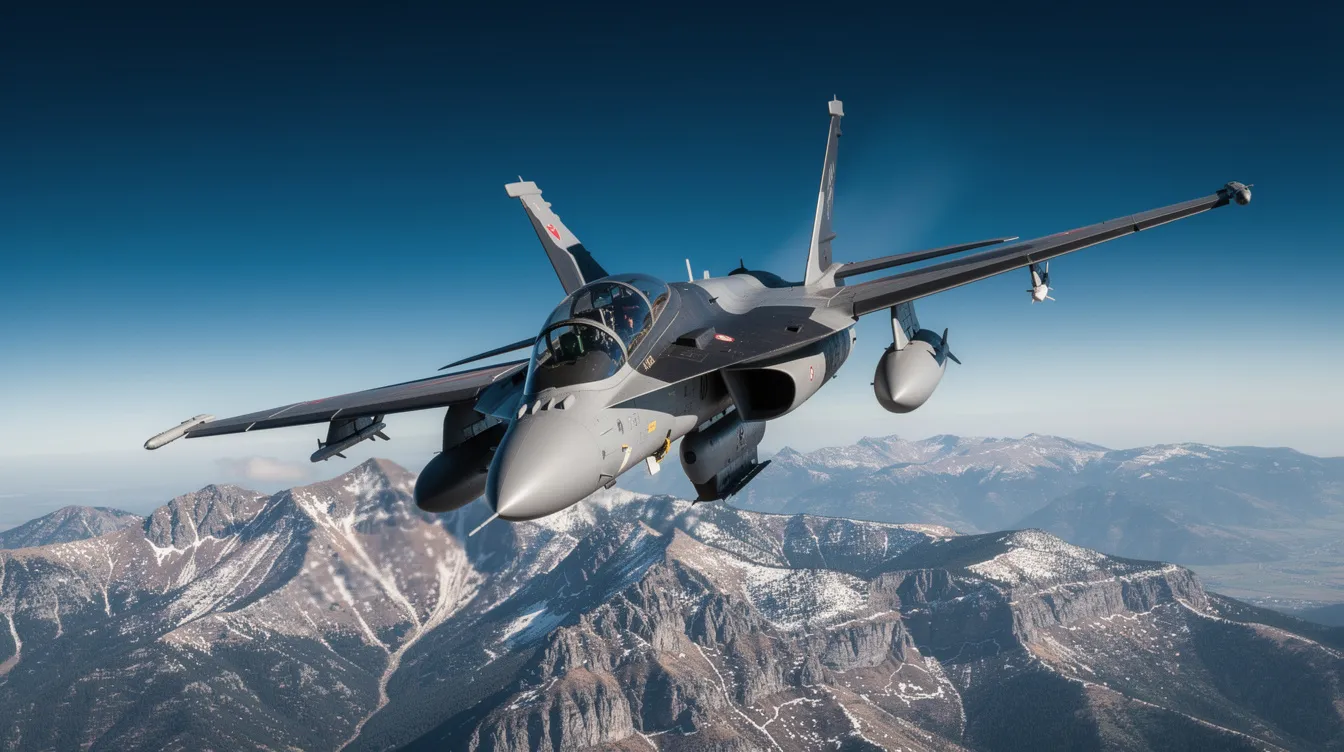
How Do I Get a Ride in a Fighter Jet? (Practical Guide + Options Worldwide)
Getting a ride in a fighter jet is an exhilarating experience available to civilians worldwide. This guide outlines how to book a flight, what to expect during the ride, and the various options available, from aerobatic flights to air combat simulations. With no prior aviation experience required, anyone can enjoy the thrill of flying in a retired military jet under the guidance of certified pilots.
Read More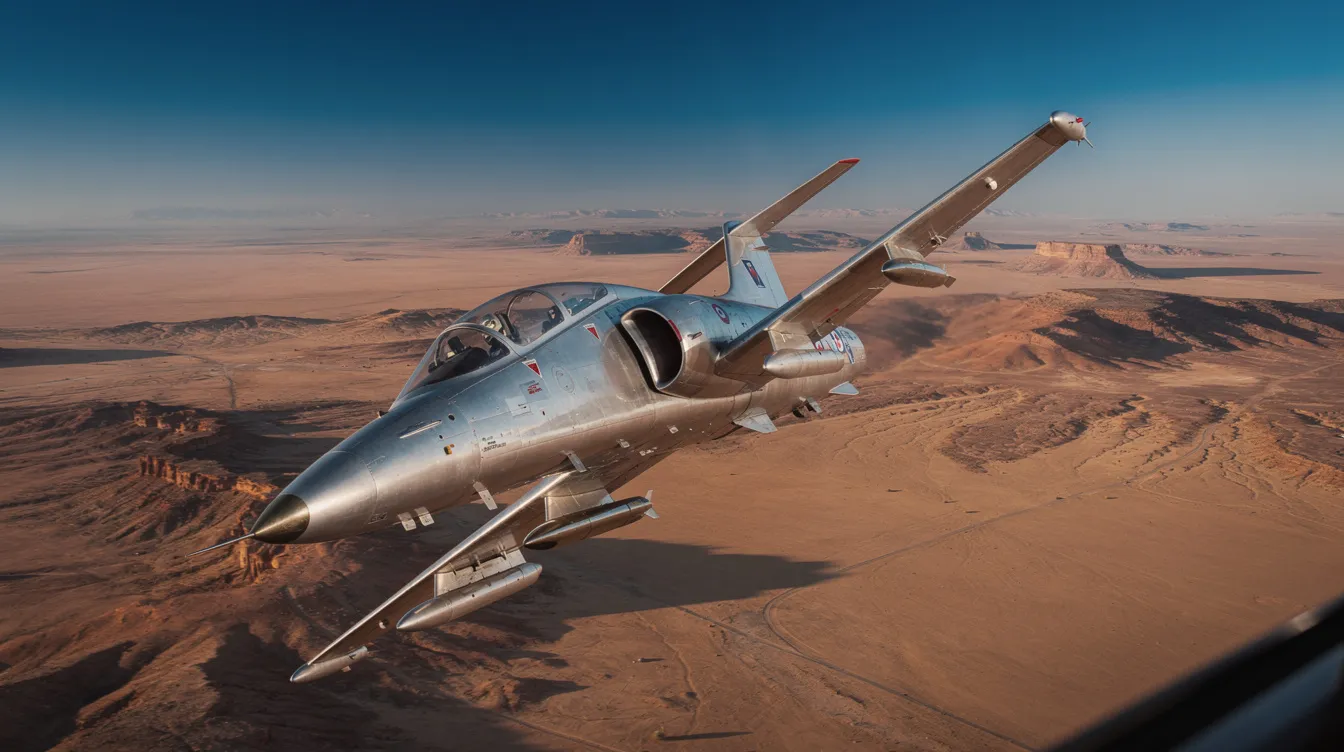
5
min read
How Much Does It Cost to Fly a Fighter Jet? (Real Numbers, Not Hype)
Flying a fighter jet is a thrilling experience that can range from $2,500 for a brief trainer ride to over $35,000 for a supersonic mission. This guide details the costs, aircraft types, and factors influencing pricing, helping aviation enthusiasts plan their dream flight. Whether you're seeking a short orientation or an adrenaline-pumping aerobatic mission, understanding these costs is essential for budgeting your adventure.
Read MoreStay updated with our latest insights and tips to elevate your journey with us.
MEMBERSHIPS AND ASSOCIATIONS



Disclaimer: Jettly operates as a charter broker, offering access to a global digital jet charter marketplace. Jettly is not a direct air carrier and does not own or operate aircraft. All advertised flights are conducted by third-party air carriers that are fully licensed and hold the appropriate Part 135 or Part 121 certifications issued by the Federal Aviation Administration (FAA) or equivalent regulatory authorities under U.S. or foreign law. Jettly complies fully with the U.S. Department of Transportation's Part 295 and Part 298 Charter Broker regulations. Jettly does not carry additional liability insurance. Passengers are covered by aircraft operator insurance. TICO: 50023770


