


Login
Get Instant Pricing On 23,000+ Aircraft

>

This guide is for business travelers, executives, and individuals considering private jet travel options. Choosing the right private jet access model can save you significant time and money and ensure your travel needs are met efficiently. Understanding the differences between these models is crucial for matching your travel patterns, budget, and flexibility requirements with the best solution.
The four main ways to access private jets are: on-demand charter, jet cards, private jet memberships, and fractional ownership. While a private jet card membership typically involves pre-purchasing flight hours at a fixed rate, a private jet membership may offer broader benefits such as access to exclusive events, preferred pricing, or additional services beyond just flight hours. Here’s how they compare on cost, flexibility, and commitment—and which option is right for your travel needs.
The right model depends mostly on annual flight hours, route consistency, guaranteed availability needs, and how much capital you are willing to commit. This guide compares the major private jet access models with realistic 2026 pricing, not sales language.
On-demand private jet charter allows travelers to book specific trips on a per-flight basis, providing maximum flexibility without long-term commitments. On-demand charter allows you to book a specific aircraft for a specific trip at the current market price, providing flexibility without upfront commitments, and fits within the broader ecosystem of private and charter airlines worldwide.
A jet card program typically requires prepayment for a set number of flight hours at fixed hourly rates, offering predictable pricing and guaranteed access to aircraft. Private jet cards often start around 25 hours and may require $150,000–$500,000+ upfront.
A private aviation membership usually charges a membership fee for access, discounts, priority service, or reduced broker commissions. It is not always the same as a private jet card membership because many memberships still use live market pricing.
Fractional ownership means buying an equity share in an aircraft through fractional ownership programs. Fractional jet ownership usually involves an initial investment, monthly management fees, occupied hourly rates, and multi-year contracts.
Here is the practical hour framework:
Under 25 hours/year: on-demand charter or membership usually fits best.
25–50 hours/year: A jet card may improve predictability.
50–100 hours/year: a jet card membership, membership, or small fractional program may be worth comparing.
100+ hours/year: fractional ownership can become economically viable.
The core tradeoff is flexibility vs ownership control. On-demand charter offers the most flexibility and lower entry costs. Fractional owners get consistency and equity, but they also pay monthly management fees and carry asset risk, so understanding how much a private jet really costs is essential before committing.

Jettly operates as an on-demand digital private jet charter marketplace with access to 20,000+ aircraft and optional membership-style benefits. It is not a traditional jet card or fractional ownership provider.
The jet card vs charter decision comes down to pricing model, guaranteed availability, and commitment. Both access similar aircraft category choices—light jet, midsize, super-midsize, heavy jet, and large cabin jets—but they buy access differently, so it helps to understand what a jet card is and how it works.
With on-demand private jet charter, you pay as you go. Flights are arranged through a charter operator, who is responsible for providing the aircraft and crew. Pricing depends on aircraft type, aircraft availability, route, crew duty time, positioning fees, fuel surcharges, de-icing, airport fees, and peak demand periods. Typical 2026 hourly rates may run:
Light jet: $4,500–$6,500/hour
Super-midsize: $7,500–$9,500/hour
Large cabin: $10,000–$15,000+/hour
A jet card requires prepayment for flight time, usually in 25–50-hour blocks. Most jet card programs guarantee a plane within 24–48 hours. Private jet cards typically offer guaranteed access to aircraft with as little as 24 hours’ notice, making them a reliable option for frequent travelers.
Jet card pricing is bundled and predictable. Charter quotes may be cheaper, but each specific trip is priced separately. For example, a light jet charter may cost $5,000/hour on demand, while a comparable card vs charter rate may be $6,000–$7,500/hour with fixed rates.
Charter pricing is highly volatile, especially during peak holiday seasons or major events, while a jet card locks in your hourly rate, protecting you from market surges and repositioning fees. During New Year’s in Aspen or the 2026 World Cup, demand for charters can rise 30–40%.
The booking process differs between the two models:
On-Demand Charter:
Request a quote for each trip.
Review available aircraft and pricing.
Confirm and pay for the selected flight.
Jet Card:
Prepay for a set number of hours.
Book flights as needed, often with 24–48 hours’ notice.
Enjoy guaranteed access and fixed hourly rates.
The jet card booking process is streamlined, eliminating the need for individual quotes for every trip. Jet card holders also often get standardized catering, recovery aircraft, and consistent service rules. On-demand charter allows maximum flexibility in choosing the aircraft type, interior layout, and age for each specific mission.
On-demand charter offers maximum flexibility in aircraft selection and trip customization. Each flight is a separate agreement, allowing you to tailor every trip to your needs.
Jet cards provide less flexibility in aircraft choice but offer more predictability and convenience for frequent flyers. You are typically limited to the provider’s fleet or network, but you benefit from guaranteed availability and fixed pricing.
Safety must be thoroughly assessed across all private aviation options. Trusted private jet charter services uphold rigorous safety standards, frequently validated by third-party certifications such as ARG/US Platinum and Wyvern Wingman.
The industry has increasingly adopted real-time digital monitoring systems, continuously tracking pilot health and recent flight hours. Across all access models, stringent safety certifications and operator vetting are prioritized to meet the highest security requirements.
Example: a 2-hour New York–Miami light jet trip may cost $10,000 base on-demand at $5,000/hour, plus fees for a total near $13,000–$15,000 (you can test this with a private jet charter cost estimator). A jet card at $6,500/hour may cost about $13,000 before taxes, but with fewer pricing surprises.
Chartering a jet is often more economical for occasional flyers, as it allows them to pay only for the flights they take without upfront costs.
On-demand charter services are ideal for users who fly fewer than 20 to 25 hours annually, as this model offers maximum flexibility without the need for upfront commitments or long-term contracts. Each flight is governed by a separate charter agreement, so travelers can tailor every trip to their needs without being locked into a single provider or aircraft type, and can compare top private jet charter companies to find the right fit.
On-demand charter generally costs 15% to 25% less for travelers flying fewer than 25 hours annually, since you pay only for each individual trip without the need for large upfront deposits typical of jet cards.
For example, flying fewer than 20 hours on a midsize private jet may cost $120,000–$150,000 through a charter broker or marketplace. A jet card could require $212,500+ for a 25-hour block, and unused hours may expire.
Charter also gives private flyers access to the right aircraft for each mission: turboprops, very light jets, long-range aircraft, or a diverse fleet for international private flights, charter flights, and occasional empty leg or shared private jet flights.
You fly infrequently or your annual hours fluctuate.
You want aircraft-by-aircraft choice.
You want access to global inventory and private terminals.
You prefer no six-figure upfront investment.
You want a lower total annual cost because the total annual cost of chartering can be lower than that of a jet card if you don’t fly very often, as jet cards may require payment for flight hours that go unused.
A jet card wins when predictability is worth more than finding the lowest quote. Users who require guaranteed availability and consistent service are more likely to benefit from a jet card, especially if they travel frequently between specific city pairs. A jet card provider is responsible for managing the program and ensuring service standards are maintained throughout your experience.
The ideal user profile for a jet card typically includes individuals who fly privately for more than 10 hours per year, seeking a higher level of access and service than what is available through on-demand charter. In practice, jet cards become more cost-effective for those flying frequently, typically over 25 hours per year, especially when you compare the best jet card programs on the market.
A company flying 40–80 hours annually may accept $6,000–$7,500/hour light jet card pricing instead of $4,500–$6,500/hour charter vs jet card pricing because budgets become easier to forecast; tools like a jet card flight cost estimator can help model these tradeoffs. Frequent flyers, such as corporate executives and high-net-worth individuals, are the primary users of jet cards, as they value the convenience, flexibility, and luxury of private jet travel without the burdens of ownership.
You fly regularly, 25–75+ hours/year.
You travel during peak demand periods.
You need guaranteed availability jet card protections.
Your finance team wants predictable pricing.
You prefer one contract, fixed hourly rates, and premium service.
Jet card vs fractional ownership is a comparison between prepaid access and asset ownership. A jet card is a service product. Fractional ownership is an equity position in a specific aircraft class or aircraft type.
In a fractional jet program, you buy a share such as 1/16, 1/8, or 1/4 of an aircraft, typically managed by a provider operating large managed fleets. A 1/16 share may provide about 50 annual hours; larger shares may provide 100–400 hours. Contracts commonly run 3–5 years.
Fractional ownership costs include acquisition cost, monthly management fees, occupied hourly charges, taxes, and fuel surcharges. A midsize 1/16 share may require $600,000–$1.2M upfront, $10,000–$25,000/month in management fees, and hourly operating charges when you fly; a detailed fractional jet ownership cost breakdown can help you model these numbers precisely.
Jet card programs avoid asset depreciation. They may involve initiation fees of $10,000–$25,000, then prepaid balances of $150,000–$500,000+ at fixed hourly rates. There is no aircraft resale process.
Fractional owners usually get stronger cabin consistency and scheduling priority, while jet card holders get more provider flexibility and simpler exit terms. For buyers searching for fractional ownership compare or fractional ownership vs charter, the key question is whether ownership complexity is justified by annual use; reviewing the best fractional jet ownership companies and costs can clarify the landscape.
|
Model |
Upfront Cost |
Annual Management Fees |
Hourly Cost (50 hrs) |
Total First-Year Outlay |
|---|---|---|---|---|
|
Fractional Ownership |
$600,000 acquisition |
$150,000–$180,000 |
$125,000 ($2,500/hr) |
$875,000+ |
|
Jet Card |
None |
None |
$350,000–$400,000 |
$350,000–$400,000 |
The fractional headline hourly rate can look cheaper. But the exact cost changes once you include capital, depreciation, opportunity cost, monthly fees, and residual value risk. Fractional ownership may recover some value at exit, but aircraft can depreciate, and buyback terms vary. Regardless of model, you can enhance the trip experience further with dedicated in-flight catering for private jets.
Fractional is an asset-intensive financial decision, with pros and cons that go beyond pure hourly rates and are explored in depth in analyses of the good, bad, and ugly of fractional jet ownership. Jet cards are a service prepayment with simpler accounting and less balance-sheet impact.
Commitment often drives the decision more than hourly rates. Fractional ownership programs usually involve 3–5 year contracts, annual hour targets, peak rules, and resale or buyback terms. In these programs, a fractional jet share represents the owner's portion of the aircraft and associated usage rights. A fractional program can deliver consistency, but it reduces your ability to change providers.
Jet cards usually require 25+ hours with 12–24 month expiration windows. Most jet card programs also include peak-day rules, minimum flight time, and possible surcharges, but they are easier to pause than fractional contracts.
You fly 100–200+ hours/year.
You want a consistent cabin and owner experience.
You can tolerate long contracts and residual risk.
You value access to an entire fleet within one managed program.
You fly 25–100 hours/year.
You want fixed rates without ownership exposure.
You want guaranteed access without a multi-year aircraft asset.
You need flexibility across aircraft category choices.
Membership is an overloaded term in the private aviation market. Some memberships are pure access plans. Others are deposit programs that behave like jet cards. Some combine on-demand pricing, discounts, and concierge benefits. A private jet membership program may offer access, exclusive discounts, or additional benefits to members, depending on the provider.
A stand-alone membership might charge $5,000–$25,000/year for discounted private jet charter services, better support, or lower commissions. The member still receives live quotes based on aircraft type, route, availability, and market pricing.
A traditional jet card program requires larger prepayment but offers fixed hourly rates and stronger guaranteed availability. A private jet membership vs ownership comparison is therefore different from a membership vs jet card comparison: membership is usually access; ownership is an asset.
Example: a member paying $15,000/year may book a light jet at $5,000–$6,000/hour off-peak, but rates can rise sharply during holidays. A jet card might fix that same aircraft at $6,500/hour year-round, subject to peak rules.
Volatile pricing in chartering can lead to rates skyrocketing during high-demand periods, subjecting users to fluctuating fuel surcharges. Memberships reduce friction but usually do not eliminate market exposure.
Jettly’s private jet membership model is closer to flexible access: optional membership tiers can reduce or eliminate commissions, improve support, and preserve pay-as-you-go booking. It does not sell fixed-rate jet card hours.
You want lower commitment than private jet cards.
You accept dynamic market pricing.
You want benefits without prepaying 25–50 hours.
You want flexible private jet travel and occasional leg flights.
Your flying pattern is frequent and predictable.
You want fixed hourly rates.
You need guaranteed availability.
You want a single service standard across trips.
The table below summarizes the major access models for quick private aviation cost comparison, including the jet card option as one of the main ways to access private aviation.
|
Feature/Model |
On-Demand Charter |
Jet Card |
Membership Program |
Fractional Ownership |
|---|---|---|---|---|
|
Upfront Commitment |
None |
$150,000–$500,000+ (25+ hours) |
$5,000–$25,000/year |
$600,000+ (1/16 share) |
|
Pricing |
Dynamic, per trip |
Fixed hourly, prepaid |
Dynamic, discounted |
Fixed hourly + asset costs |
|
Flexibility |
Maximum |
Moderate (provider fleet) |
High |
Low (contracted aircraft) |
|
Guaranteed Access |
No |
Yes (24–48 hrs notice) |
Sometimes (priority only) |
Yes (per contract) |
|
Aircraft Choice |
Any available |
Provider’s fleet/network |
Any available |
Specific aircraft class/type |
|
Contract Length |
Per trip |
12–24 months (hours expire) |
Annual |
3–5 years |
|
Best For |
<25 hrs/year, flexibility |
25–100 hrs/year, predictability |
Occasional flyers, flexibility |
100+ hrs/year, consistency |
Jettly specializes in on-demand private jet charter delivered through a digital marketplace, with optional membership layers. Jettly does not sell traditional jet cards or fractional ownership shares, but instead offers a charter solution for travelers seeking flexibility and on-demand access.
This charter model gives travelers access to 20,000+ aircraft worldwide, instant pricing tools, transparent quotes, private terminals, catering options, and ground transportation coordination without a long-term ownership burden, all while focusing on affordable private jet charter pricing.
Compared with jet cards, Jettly avoids a $150,000–$500,000 deposit and lets travelers choose the right aircraft for each trip. Compared with fractional ownership, Jettly avoids multi-year contracts, depreciation, and asset resale risk.
Jettly is often strongest for executives flying 10–60 hours/year, families combining seasonal leisure and business travel, and companies that need to demand private jet charter access without committing to one provider’s fleet.
It is not the best answer for everyone. If you fly private 150 hours every year on the same routes, fractional ownership may deserve analysis. If you need guaranteed availability every holiday weekend, a jet card may be appropriate. If you want flexible access, transparent quotes, and lower commitment, you may find a NetJets alternative in Jettly’s model and can compare your annual flight profile with a Jettly advisor.
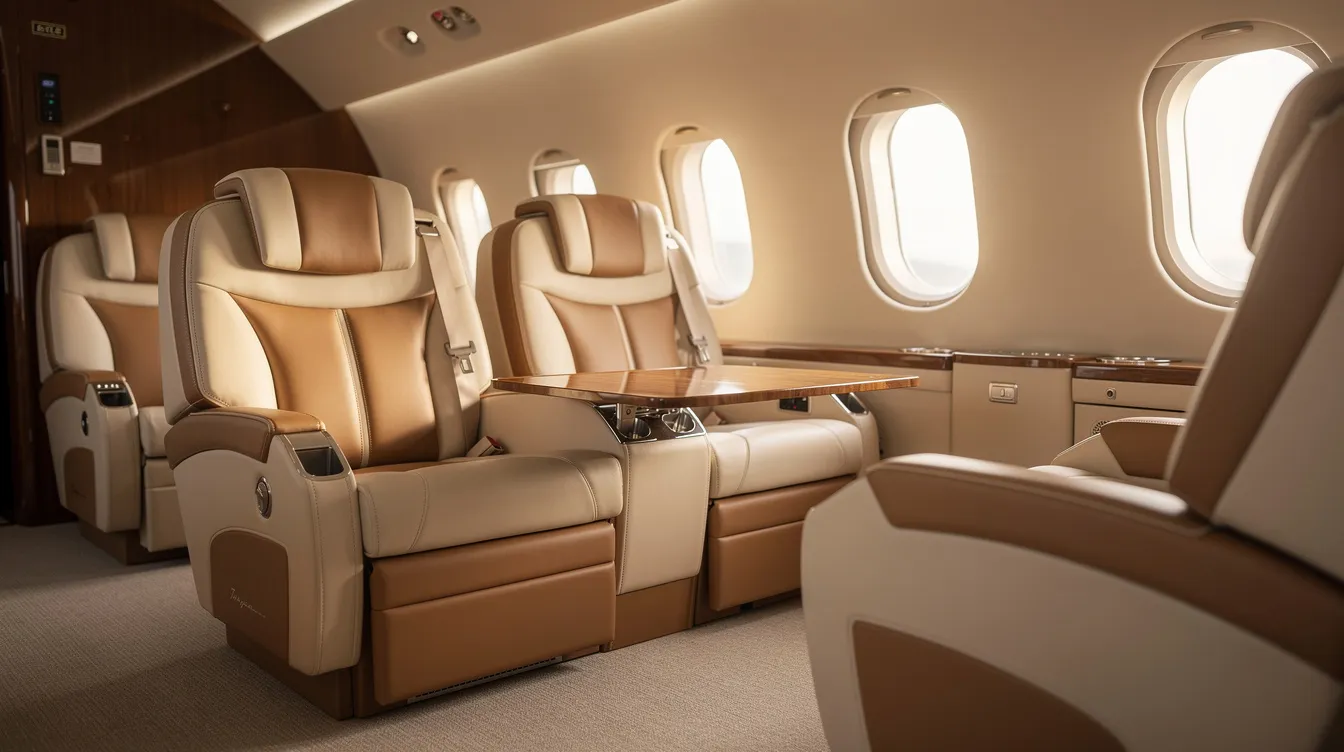
A jet card is usually not cheaper than charter for travelers flying under about 25 hours per year. On-demand charter may be 15%–25% cheaper at low usage because you avoid deposits, program fees, and unused hours. For example, a light jet may cost $4,500–$6,500/hour on demand, while jet card pricing may be $6,000–$7,500/hour. However, jet cards can become cost-effective for frequent travelers because fixed hourly rates protect against holiday surges, repositioning fees, and aircraft shortages.
A jet card is prepaid access to an aircraft, while fractional ownership is an equity share in an aircraft. A jet card may require $150,000–$500,000+ for fixed hourly access, usually with 24–48 hour guaranteed availability. Fractional ownership may require a $500,000+ upfront investment, monthly management fees of $10,000–$25,000+, occupied hourly charges, and a 3–5 year contract. Jet cards suit frequent but flexible users; fractional ownership suits very heavy users who want aircraft consistency and can accept depreciation and resale risk.
A membership is better for lower-commitment access, while a jet card is better for predictable frequent flying. A membership may cost $5,000–$25,000 annually and provide discounted charter quotes, reduced commissions, or priority service, but pricing usually remains dynamic. A jet card requires a larger deposit, often 25+ flight hours, but provides fixed hourly rates and stronger aircraft availability. Membership works well for variable travel; jet cards work better when routes, aircraft class, and annual hours are predictable.
On-demand charter usually has a lower per-trip cost but less price certainty than a jet card. A light jet might cost $5,000–$6,500/hour on demand versus $6,000–$7,500/hour by jet card. A midsize jet might charter around $6,500–$8,500/hour, while card rates may run higher in exchange for guaranteed access. At 20 hours/year, charter often wins. At 40–80 hours/year, jet cards may justify the premium through predictable pricing, simpler booking, and stronger recovery support.
Choosing the right private aviation access model depends on your unique travel patterns, budget, and flexibility needs. On-demand charter offers unparalleled flexibility with no upfront commitments, making it ideal for infrequent flyers under 25 hours per year who prioritize aircraft-by-aircraft choice and lower total annual costs. Jet cards provide predictable pricing, guaranteed availability, and streamlined booking, fitting travelers flying 25 to 100 hours annually who value convenience and financial certainty. Membership programs offer lower commitments and dynamic pricing but less guarantee of aircraft availability, suited for occasional flyers seeking some benefits without prepaying flight hours. Fractional ownership requires significant capital and long-term contracts, best suited for very frequent flyers (100+ hours/year) who want consistent aircraft access and are comfortable with ownership responsibilities and depreciation risk.
Ultimately, the core tradeoff is between flexibility and ownership control. For many travelers, especially those with variable schedules or moderate flight hours, jet cards strike a balance between cost, commitment, and convenience. Jettly’s on-demand charter marketplace caters to those seeking broad aircraft access and lower commitment without ownership burdens, providing a scalable, transparent solution.
Assess your annual flight hours, route consistency, and availability needs carefully to select the model that aligns best with your operational and financial priorities. Consulting with a private aviation advisor can help tailor the choice to your specific travel profile and ensure you optimize your private jet experience.
Share this post:
Jeff Ryan Serevilla
May 17, 2026
|
5
min read
Discover tips and trends in the industry.
5
min read
Cheap Thanksgiving Flights: How to Find Holiday Flight Deals in 2026
Finding cheap Thanksgiving flights in 2026 is all about timing and flexibility. With Thanksgiving on November 26, booking 30 to 45 days in advance and flying on off-peak days can lead to significant savings. Consider private jet options for added convenience and reduced travel stress, especially during peak holiday travel times.
Read More
5
min read
Best Time to Buy International Airline Tickets to Europe
Finding the best time to buy international airline tickets to Europe can save travelers hundreds of dollars. Booking 3 to 7 months in advance typically yields the best prices, especially during shoulder seasons. This guide offers insights on timing, fare tracking, and alternative airports to maximize savings and flexibility.
Read MoreStay updated with our latest insights and tips to elevate your journey with us.
MEMBERSHIPS AND ASSOCIATIONS



Disclaimer: Jettly operates as a charter broker, offering access to a global digital jet charter marketplace. Jettly is not a direct air carrier and does not own or operate aircraft. All advertised flights are conducted by third-party air carriers that are fully licensed and hold the appropriate Part 135 or Part 121 certifications issued by the Federal Aviation Administration (FAA) or equivalent regulatory authorities under U.S. or foreign law. Jettly complies fully with the U.S. Department of Transportation's Part 295 and Part 298 Charter Broker regulations. Jettly does not carry additional liability insurance. Passengers are covered by aircraft operator insurance. TICO: 50023770


