


Login
Get Instant Pricing On 23,000+ Aircraft

>

This guide is for private flyers, business travelers, and families considering jet card programs. We compare leading jet card providers, including NetJets, Flexjet, Sentient, Wheels Up, XO, VistaJet, and Jettly. Choosing the right jet card provider can save you money, improve your travel experience, and ensure safety and flexibility. Whether you fly for business, leisure, or with family and pets, understanding your options is essential to making an informed decision.
Before diving into the comparisons, it’s important to understand the main types of jet card provider models:
Owned Fleet: Providers with an owned fleet operate and manage their own aircraft. This model offers more consistency in cabin experience, as you are more likely to get the same standard of aircraft and service every time you fly. Examples include NetJets and Flexjet.
Broker-Based Jet Card: Broker-based jet card programs provide access to a vast, curated network of aircraft from thousands of certified operators worldwide. This offers unparalleled flexibility in aircraft selection, allowing you to choose from a wide variety of aircraft types and sizes, but interior quality and experience may vary from flight to flight. Sentient Jet and Magellan Jets are examples of this model.
Marketplace Model: Marketplace-driven providers, such as Jettly and XO, use digital platforms to connect travelers with a broad selection of aircraft from multiple operators. These programs often blend features of both owned fleet and broker models, offering dynamic pricing, transparent quotes, and flexible membership options.
The private jet card market is characterized by fixed hourly rates, guaranteed availability, and a shift toward hybrid models that mix owned fleets with third-party charter. The choice between these models impacts your experience: owned fleets provide consistency and reliability, broker-based cards offer flexibility and variety, and marketplace models deliver transparency and adaptability.
The best provider depends on how often you fly, where you travel, how much flexibility you need, and whether you prioritize aircraft consistency, pricing transparency, or global access. Fleet size and aircraft availability are crucial, and an extensive fleet enhances customer choice and reliability, especially during peak travel times.
This jet card provider comparison looks at provider model, aircraft availability, guaranteed availability, fuel surcharges, flight costs, and flexibility across leading jet card providers, allowing members to choose the most suitable aircraft for each trip. Jet card members benefit from exclusive access to fixed-hour blocks, guaranteed availability, and additional perks. Readers new to jet cards may want a broader understanding of what a jet card is, how it works, and typical costs, along with a high-level scan of the best jet card programs on the market today. The comparison also highlights key features that set each provider apart, such as flexibility, transparency, and customer support.
Jet cards provide access to a wide range of private jets, allowing members to choose the most suitable aircraft for each trip. The private aviation market has matured significantly, with providers now offering highly bespoke programs tailored to specific needs, including region-specific cards and programs focused on particular aircraft types.
|
Provider |
Provider Model |
Minimum Deposit |
Fleet Ownership vs Marketplace |
Guaranteed Availability |
Service Area |
Aircraft Consistency |
Pricing Transparency |
Ideal Traveler Type |
Pet Friendliness |
Family Friendliness |
Best for Business Travel |
Light Jet Strength |
Flexibility Score |
|---|---|---|---|---|---|---|---|---|---|---|---|---|---|
|
NetJets |
Owned-fleet fractional + jet card |
$200k–$250k+ typical 25-hour card |
Fleet owned and managed, ~800+ aircraft |
High; 48-hour standard, longer peak callout |
Strong North America, Europe, transatlantic |
Very high |
Fixed rates; fuel extra |
Frequent flyers, corporate users |
Strong |
Excellent |
Excellent |
Strong |
Medium-high |
|
Flexjet |
Fractional, lease, jet card |
About $198k+ light; higher cabins $250k+ |
Owned/leased curated fleet |
High, with peak limits |
North America, Europe, transatlantic |
High |
Good; surcharges apply |
Luxury-focused private flyers |
Good |
Strong |
Excellent |
Strong |
Medium-high |
|
Sentient Jet |
Broker-based private jet card |
About $183k light; $235k+ midsize jet |
Certified operators network |
Medium-high |
U.S. plus select international travel |
Moderate |
Fixed hourly rates; fees separate |
25–75 flight hours/year |
Varies |
Good |
Good |
Good |
High |
|
Wheels Up |
Prepaid membership granting access |
Signature often $200k deposit |
Owned, managed, and partnered with aircraft |
Tier-dependent |
Mostly North America |
Moderate |
Mixed fixed and dynamic pricing |
Domestic business and leisure |
Good |
Strong |
Good domestic |
Strong, plus turboprops |
High |
|
XO |
Membership marketplace |
Often $100k deposit |
Marketplace plus Vista access |
Medium |
Global |
Variable |
Quote-based dynamic pricing |
App-led, flexible flyers |
Varies |
Good |
Good |
Available |
Very high |
|
VistaJet |
Global fleet program |
25-hour VJ25 or larger Program |
Own fleet of Bombardier aircraft |
Very high globally |
Global reach, long-range aircraft |
Extremely high |
Program rate: premium |
International high-net-worth individuals |
Strong |
Strong |
Excellent global |
Limited |
Medium |
|
Jettly |
Digital marketplace + flexible membership options |
Low five-figure balance or pay as you go |
20,000+ aircraft marketplace |
Card options offer guaranteed access |
Global |
Variable by operator |
Strong quote breakdowns |
Business travelers, families, pets |
Strong via operator selection |
Very strong |
Good for flexible teams |
Strong |
Very high |
What stands out:
NetJets and Flexjet are best for ownership-style consistency and premium aircraft experience.
VistaJet is strongest for international flights and global cabin consistency.
XO and Wheels Up suit membership models with app-led access and varying pricing models.
Sentient is a classic broker card; Jettly is a flexible digital marketplace alternative.
Major providers vary significantly in fleet ownership, global reach, and pricing structures, with entry points typically ranging from $125,000 to over $325,000 for a 25-hour commitment. The average cost for a 25-hour jet card in 2026 ranges from $150,000 to $250,000 for light jets and from $200,000 to $350,000 for midsize jets, reflecting an all-inclusive hourly rate. If you want to go deeper into jet card pricing structures and what drives total costs, or compare those figures with on-demand private jet charter cost estimates by route and aircraft size, detailed tools and guides can help you benchmark offers.
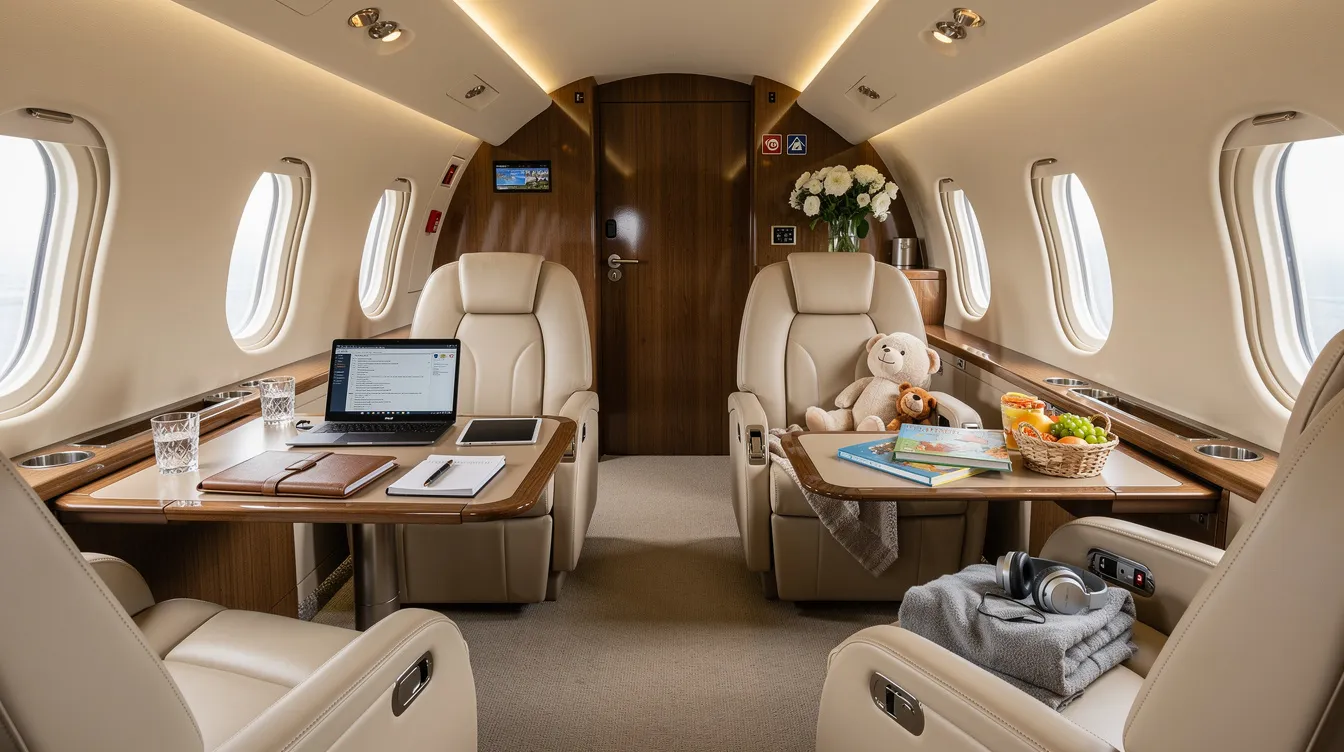
For a NetJets vs Flexjet jet card decision, both are premium private aviation providers with fractional ownership, jet cards, high safety standards, and owned fleet control. NetJets wins on scale and recovery aircraft depth; Flexjet often wins on boutique service, Red Label crews, and design-led cabins.
NetJets is a Berkshire Hathaway-owned fleet operator with fractional ownership, leases, and cards. For a broader context on its history, scale, and product mix, it helps to look at NetJets as an industry-leading private aviation provider. Flexjet is a premium fractional and jet card provider with Red Label by Flexjet, dedicated crews, bespoke interiors, and personalized service. Travelers comparing these models may also want to understand fractional private jet ownership, its pros, cons, and how it compares to cards. NetJets 25-hour light jet pricing is often around $215,000, while Flexjet light cards have been quoted around $198,000 plus federal excise tax; super-midsize and large cards often exceed $220,000–$300,000 depending on the specific aircraft category.
Contract terms usually run 12–24 months. Many jet card programs impose expiration dates on unused hours, typically ranging from 12 to 24 months from the purchase date, which can affect overall value. Jet card programs typically impose fuel surcharges and other fees that can significantly impact total flight costs, often tied to market fluctuations in fuel prices. Few programs offer true fixed fuel rates.
Most jet card programs require an upfront membership fee or initiation cost, which can vary from a few thousand dollars to over $100,000, depending on the provider and the membership tier. Standard call-out times for non-peak days are typically 10 to 24 hours, while peak days can require 48+ hours' notice. During peak travel days, booking windows can extend to 120 hours or more, and surcharges may apply during high-demand periods.
NetJets has unmatched infrastructure, while Flexjet has a smaller but often newer-feeling fleet. Customer experience differs,s too: NetJets feels corporate and systematized; Flexjet feels more boutique and relationship-driven.
Both NetJets and Flexjet maintain high safety standards, with rigorous pilot training and operational oversight. NetJets’ scale allows for robust recovery aircraft capability during disruptions, while Flexjet’s Red Label program offers dedicated crews for a more personalized and consistent experience.
NetJets feels corporate and systematized, ideal for those who value structure and reliability. Flexjet offers a boutique, relationship-driven approach, with newer, design-led interiors and a focus on personalized service.
Largest owned fleet and strong corporate coverage.
Better recovery aircraft capability during disruptions.
Strong appeal for 100+ hour business programs.
Deep global infrastructure and safety culture.
Red Label dedicated crews.
Newer, design-led interiors.
More personalized service.
Strong U.S.–Europe transatlantic focus.
Choose NetJets if:
You fly 100+ hours/year, want the largest owned fleet, and value Berkshire-backed infrastructure.
Choose Flexjet if:
You want boutique fractional-style service, premium cabin design, and 50–100 hours/year.
Consider Jettly if:
You fly 10–80 hours/year, want to avoid fractional ownership, prefer on-demand charter or lower-commitment jet card programs, need transparent digital pricing, and may mix aircraft sizes by mission.
NetJets vs Sentient Jet is mainly an owned-fleet versus broker-based comparison. NetJets offers consistency through its own fleet; Sentient Jet offers fixed-rate jet cards through vetted third-party operators.
NetJets ties fractional shares, leases, and cards to its owned and managed fleet, with pricing that’s covered in more depth in guides focused on NetJets card options and typical NetJets jet card costs. Sentient sells 25-hour cards by cabin class with fixed hourly rates: recent examples include about $183,100 for light jets and $235,850+ for midsize cabins. Travelers comparing these with alternatives may find it useful to review jet card programs that emphasize fixed hourly rates and corporate-friendly structures. Broker-based jet card programs grant access to an extensive, carefully curated network of aircraft operated by thousands of certified providers worldwide, delivering unmatched flexibility in selecting the right aircraft for each journey.
Providers with an owned fleet offer more consistency in cabin experience, while brokerage models offer more flexibility in aircraft types but may vary in interior quality. The private jet card market is characterized by fixed hourly rates, guaranteed availability, and a shift toward hybrid models that mix owned fleets with third-party charter.
Safety is paramount. Leading jet card providers comply with rigorous safety protocols and hold certifications like those from the FAA or IS-BAO. It's important to select programs that partner with operators audited by respected third-party organizations such as ARGUS Platinum or Wyvern Wingman, since fewer than 5% of operators earn these elite distinctions. Additionally, ensure that flight crews surpass FAA minimum requirements, with captains having at least 3,500 total flight hours, to guarantee the highest safety standards and peace of mind on every private jet journey. These safety considerations sit alongside the broader economics of how much private jets cost to own, charter, or access via cards and shares, which should factor into any long-term private aviation strategy.
Equity or lease options.
Maximum consistency.
Structured planning.
Frequent international flights.
Fixed-rate 25-hour cards.
Broker flexibility.
No ownership.
One provider relationship.
Digital marketplace without long contracts.
Pricing across 20,000+ aircraft.
Ability to combine jet card-style access with on-demand charter.
Clear breakdowns for fuel surcharges, landing fees, taxes, and additional costs.
VistaJet and XO both serve discerning travelers, but they solve different problems. VistaJet is a fleet-based global program; XO is a tech-enabled marketplace and membership platform with dynamic pricing. For some travelers, an additional alternative is fractional ownership, and it can help to review the best fractional jet ownership companies and how their costs compare before deciding whether a card, membership, or equity stake fits best.
VistaJet operates silver-and-red Bombardier Challenger and Global aircraft, with consistent interiors and long-range aircraft for international travel. XO offers app-based access to full charter, shared flights, and marketplace aircraft. VistaJet is best for predictable U.S.–Europe, Middle East, and Asia routes; XO works better for travelers comfortable with route-by-route pricing.
VistaJet’s VJ25 rates have been cited at around $15,000/hour for a Challenger 350 and $18,000–$25,000/hour for Global aircraft. XO commonly uses a $100,000 deposit model and dynamic pricing, which may save money in soft markets but reduces cost control. To benchmark these structures against alternative products, some travelers rely on a jet card flight cost estimator that prices trips by route and aircraft type.
Consistent cabins worldwide.
Premium service for international flights.
Long-haul capability.
App-led booking.
Shared-seat options.
Dynamic pricing.
Marketplace-style access with broad aircraft availability.
Transparent quote-by-quote pricing.
Ability to switch between light jets and large cabin jets without high recurring membership dues.

Sentient Jet vs Wheels Up compares a classic fixed-rate 25-hour broker card with a membership ecosystem. Sentient emphasizes fixed rates by cabin; Wheels Up emphasizes domestic access, membership tiers, and turboprops.
Sentient is suited to private flyers who want predictable spend across 25–75 flight hours. Wheels Up is strong in North America, especially for King Air turboprops, light jets, short hops, and lifestyle partnerships. Pricing differs: Sentient usually requires a higher prepaid card; Wheels Up may involve initiation fees, annual dues, deposits, and per-leg charges. Understanding these trade-offs is easier if you break down jet card costs, fee structures, and what’s typically included or excluded.
Jet card providers differ significantly in hourly rates, minimum booking notice, and daily flight minimums. Most providers enforce 60- to 120-minute daily minimums for bookings. Most jet card programs require between 24 and 72 hours’ notice for domestic flight bookings, with international flights typically needing 5 to 10 days’ notice for necessary permits and crew logistics. Some jet card programs guarantee aircraft availability outside of specific booking windows, ensuring seamless travel for clients even at short notice.
Clearly defined private jet card.
Fixed rates.
Predictable spend.
Strong domestic U.S. coverage.
Access to turboprops and light jets.
Membership flexibility.
On-demand pricing without annual dues.
Global coverage.
Ability to compare multiple flight providers per trip.
Flexibility for alternating between business and family travel.
Magellan Jets and Sentient Jet are both broker-based jet card providers, often compared by travelers who want fixed-rate cards without fractional ownership. Magellan tends to emphasize white-glove account management; Sentient emphasizes a long-established national card platform.
Magellan offers broker card and membership products, personalized concierge services, and some fuel-included or capped structures. Sentient offers straightforward 25-hour cards, cabin-class pricing, and a vetted operator network. Both rely on certified operators and internal quality control; differences are more about service style, pricing structure, and preferred routes than raw certification. Behind these broker models is access to sizable private charter aircraft inventories across multiple categories and operators, which ultimately determines what you can actually fly.
Exceptional customer service is a critical factor in selecting the right jet card program, with many providers offering dedicated account managers and 24/7 support to ensure seamless travel experiences. Personalized concierge services, including ground transport and in-flight catering, are often included in elite jet card programs to enhance the private aviation experience. Many jet card programs emphasize the importance of having a single point of contact for managing travel details and preferences.
High-touch service.
Fuel caps.
North America missions.
Concierge-led planning.
Recognized national brand.
Straightforward 25-hour jet cards.
Digital-first experience.
Real-time pricing across many operators.
Occasional international flights.
Flexibility without one fixed broker relationship.
Jettly is not a fractional owner like NetJets or Flexjet, nor is it a single-card broker like Sentient. It is a global digital private aviation marketplace with optional membership and jet card-style structures.
Jettly provides access to 20,000+ aircraft worldwide, rapid pricing, private jet travel support, and flexible membership options for frequent flyers who value transparency. Its core platform focuses on private jet rental and charter with jet cards, memberships, and other access models, while dedicated private jet membership plans with wholesale-style pricing and no long-term contracts appeal to both business and personal travelers. It works well when a traveler needs a light jet one week, a midsize jet the next, and a long-range aircraft later in the year.
Jet cards provide a more flexible alternative to fractional ownership, allowing users to avoid long-term commitments and high capital investments, which can exceed $500,000 upfront. Most jet card programs operate on a 12-month cycle, contrasting with fractional ownership that typically requires a 3 to 5-year commitment. For travelers flying under 100 hours per year, jet cards are often a better choice than fractional ownership due to greater flexibility and predictable costs.
Mid-market corporate teams flying 20–80 hours/year without wanting fractional ownership.
Families mixing school holidays, weekend trips, pets, catering, and changing cabin needs, often supported by dedicated in-flight catering services tailored to private jet travelers.
Entrepreneurs needing short-notice private jet flights across several cities may benefit from tools that make it easier to locate convenient airports and arrange on-demand private jet flights.
International travelers who want aircraft options, not one specific aircraft every time, and who might occasionally leverage crowdsourced or shared private jet flights to reduce per-seat costs.
You demand the same cabin standard on every trip.
You fly 100+ hours/year in one specific aircraft category.
You want fractional equity or a fleet owned by one operator.
You value maximum uniformity over marketplace flexibility.
Checklist for Choosing the Best Program:
Compare your annual flight hours.
List your most common routes and destinations.
Count typical passenger numbers, including pets.
Assess baggage requirements.
Decide how much variation in aircraft and cabin you can tolerate.
Evaluate your need for flexibility versus consistency.
Review pricing transparency and membership commitments.

Jettly jet card reviews are most useful when they focus on operations: responsiveness, aircraft choice, transparent pricing, and support during changes. The following anonymized customer feedback was shared with permission.
“For New York, Miami, and occasional Europe trips, the biggest benefit was changing aircraft size by trip without losing budget control.” - Jettly member, CEO of a New York-based services firm
“We needed a pet-friendly cabin, child seats, ground transportation, and catering. The team showed options clearly instead of forcing one aircraft.” - Jettly family traveler, Florida
“A short-notice London-to-Dubai request came with clear handling fees, fuel surcharges, and aircraft options. That transparency mattered.” - Jettly member, CFO of a Toronto-based technology firm
Transparent pricing and fewer unexpected expenses.
Flexibility in aircraft choice.
Support during irregular operations.
Family and pet friendliness.
Appreciation for no long-term lock-in.
Use these reviews alongside private jet card comparisons, not instead of them. The key factor is whether Jettly’s marketplace model fits your routes, timing, and service expectations.
Neither NetJets nor Flexjet is universally better. NetJets is usually stronger for scale, corporate reliability, recovery aircraft, and global infrastructure, making it a good fit for very frequent business travelers. Flexjet is often more appealing for travelers who value newer cabins, Red Label crews, design-led interiors, and personalized service. If you fly 100+ hours per year and want the largest owned fleet, NetJets may fit better. If you fly 50–100 hours and want a more boutique feel, Flexjet may be the better match.
NetJets is an owned-fleet fractional and jet card provider with higher commitments, strong consistency, and premium infrastructure. Jettly is a digital marketplace offering on-demand charter, membership options, and jet card-style access without equity ownership. NetJets is better for travelers who want uniform cabins and structured long-term planning. Jettly is better suited to travelers flying fewer hours, comparing aircraft per trip, or wanting flexible access to multiple aircraft categories with transparent flight costs.
Sentient Jet is better if you want structured 25-hour fixed-rate jet cards, predictable cabin-class pricing, and a traditional broker relationship. Wheels Up is better if you fly mostly domestic routes, want access to turboprops and light jets, and prefer a membership model with pay-as-you-go flying. Sentient may offer more cost predictability, while Wheels Up can feel more accessible for shorter domestic missions. The better choice depends on whether fixed hourly rates or lower upfront flexibility matter more.
The best alternative to NetJets depends on what you want to change. Flexjet is the closest premium fractional-style alternative. VistaJet is strongest for global long-haul consistency. Sentient offers a traditional broker card with fixed rates. XO offers app-led marketplace flexibility. Jettly is a strong alternative for travelers who want to move away from ownership-style commitments entirely and compare aircraft options across a broader marketplace.
Yes, Jettly is a reputable digital charter marketplace with membership and jet card-style options, especially for travelers who value flexibility and digital booking. Jettly provides access to a broad global aircraft inventory, works with safety-vetted operators, and emphasizes transparent pricing before booking. It is not the same model as an owned fleet operator, so cabin consistency can vary by aircraft. For many private flyers, that trade-off is acceptable because the platform offers broader choice, adaptable routing, and lower commitment.
Before choosing among leading jet card programs, model your annual flight hours, destinations, pets, baggage, and service expectations. Then compare private aviation models or request tailored provider guidance to determine whether Jettly, a traditional card, or fractional ownership is the right fit.
Choosing the best jet card provider hinges on understanding your unique travel needs, preferences, and priorities within the private aviation industry. Whether you value the consistent luxury and extensive infrastructure of owned fleets like NetJets and Flexjet, the broker-based flexibility of Sentient Jet and Magellan Jets, or the dynamic, transparent marketplace model offered by Jettly and XO, there is a program suited to your flying profile.
This comprehensive jet card provider comparison underscores that no single provider is best for everyone. Frequent corporate travelers may prioritize fleet consistency and global reach, while families and entrepreneurs might seek adaptable mission profiles, pet-friendly options, and transparent pricing. Jettly naturally fits as a flexible alternative, blending broad aircraft access with digital convenience and lower commitment structures.
To select the right program, assess your typical flight hours, destinations, required aircraft types, and service expectations. As part of that process, you can compare jet card pricing with affordable private jet charter options and cost-saving strategies, and, if you are specifically reevaluating ownership-style products, consider flexible NetJets alternatives that emphasize on-demand charter and memberships. Explore the best jet card programs through detailed comparisons and customer reviews to align your choice with operational realities and personal preferences. Industry professionals and content creators who educate clients on these options may even participate in an ultra-high-ticket affiliate program that rewards qualified referrals into private aviation services.
Ultimately, the ideal jet card provider empowers you to fly on your terms, balancing flexibility, consistency, and transparency in a rapidly evolving private aviation landscape.
Share this post:
Jeff Ryan Serevilla
May 17, 2026
|
5
min read
Discover tips and trends in the industry.

5
min read
Day of Cheap Flights: How to Time Your Booking for the Best Flight Deals
Discover the truth behind the elusive 'Day of Cheap Flights' and learn how to consistently find the best flight deals. This guide highlights seasonal patterns, optimal booking windows, and effective search tools to help travelers save money on both commercial and private flights.
Read More
5
min read
Cheapest Time to Fly to Italy: How to Find the Lowest Fares (and Faster Private Options with Jettly)
Discover the best times to fly to Italy for the lowest fares, from November to March, and learn how to find affordable flights. This guide also explores when private jet charters via Jettly can be a cost-effective alternative for groups and last-minute trips.
Read MoreStay updated with our latest insights and tips to elevate your journey with us.
MEMBERSHIPS AND ASSOCIATIONS



Disclaimer: Jettly operates as a charter broker, offering access to a global digital jet charter marketplace. Jettly is not a direct air carrier and does not own or operate aircraft. All advertised flights are conducted by third-party air carriers that are fully licensed and hold the appropriate Part 135 or Part 121 certifications issued by the Federal Aviation Administration (FAA) or equivalent regulatory authorities under U.S. or foreign law. Jettly complies fully with the U.S. Department of Transportation's Part 295 and Part 298 Charter Broker regulations. Jettly does not carry additional liability insurance. Passengers are covered by aircraft operator insurance. TICO: 50023770


