


Login
Get Instant Pricing On 23,000+ Aircraft

>

This comprehensive guide explains jet card pricing in 2026, including hourly rates, fees, pricing structures, and what’s actually included. It’s designed for private aviation customers, frequent flyers, and anyone comparing jet card options. Understanding jet card pricing helps you make informed decisions, avoid hidden costs, and maximize value. Whether you’re new to private aviation or a seasoned flyer, this guide will help you navigate the complexities of jet card programs and ensure you get the best value for your investment.
Jet card hourly rates in 2026 typically range from $3,000–$4,000 per hour for turboprops to $11,000–$17,000+ for heavy jets. Light jets run $5,000–$7,500, midsize jets $7,500–$9,500, and super midsize jets $9,500–$12,000. The market average hourly rate across all aircraft classes sits at $11,426 per hour according to Q1 2026 industry data.
Many jet card programs quote rates “plus 7.5% FET,” while others use all-in card pricing—this distinction changes your effective hourly rate by hundreds of dollars. A 25-hour light jet card typically costs $125,000–$175,000, while 50 hours on a heavy jet runs $650,000–$850,000+.
Jet cards provide customers with the flexibility to fly according to their schedule and choose from a diverse fleet of aircraft. However, hidden fees often sit in additional charges such as fuel surcharges, peak day surcharges, de-icing, and repositioning, which can impact the overall value for customers. For customers evaluating jet card pricing, value and transparency are key—understanding all costs and avoiding hidden fees ensures satisfaction and cost-effectiveness. Jettly offers transparent private jet charter and jet card options for on-demand charter with optional prepaid structures—without the opacity of traditional jet card membership programs.
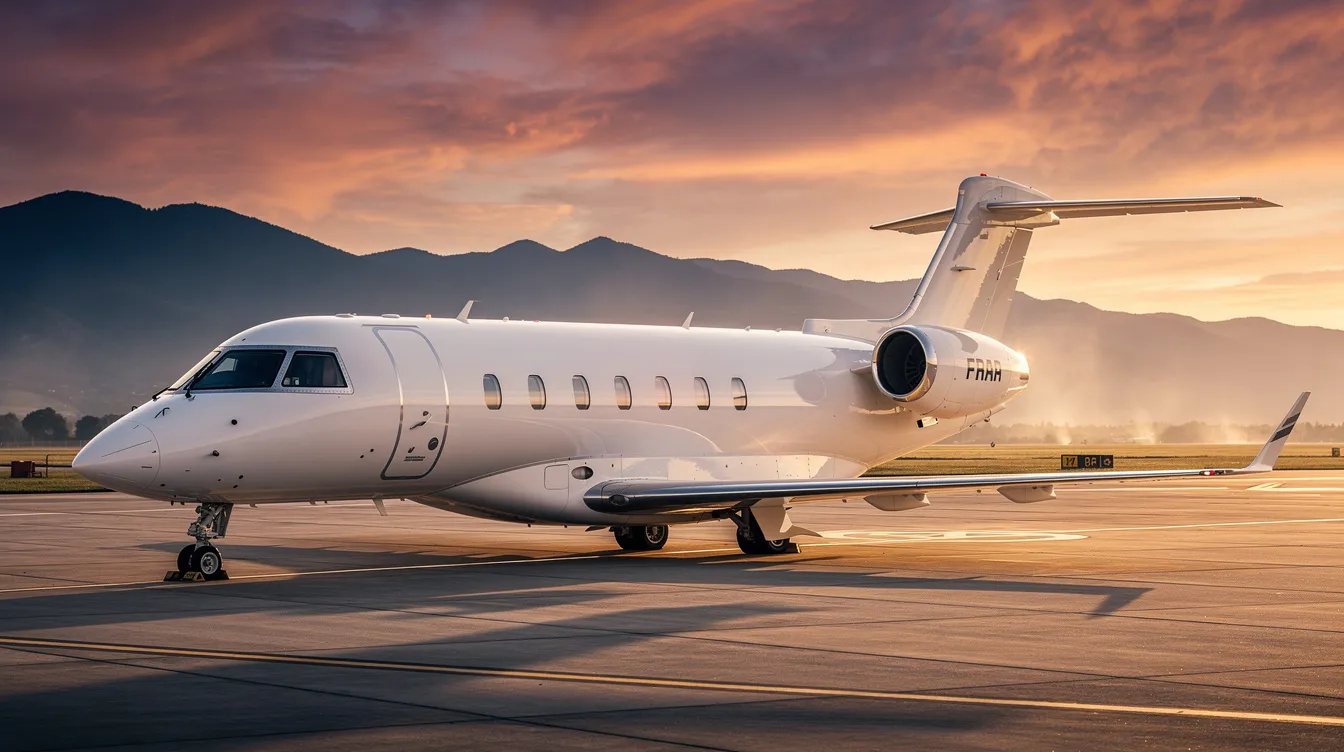
A jet card typically offers fixed hourly rates, allowing for predictable budgeting and cost management for frequent travelers. Some programs require maintaining an account balance or credit reserve, which can affect pricing and flexibility. Jet card costs break into three components: prepaid deposit ($100,000–$1,000,000+), fixed hourly rates by aircraft category, and additional fees, all of which are explored in depth in our comprehensive guide to jet card costs.
Private aviation jet card pricing options are published per hour with guaranteed availability within booking windows. These structured program offerings provide flexibility and consistent service. Total cost calculation: deposit ÷ effective hourly rate (including FET and fees) = usable flight hours, which you can cross-check using Jettly’s jet card flight cost estimator. Fixed Hourly Rates allow you to purchase bulk flight time or deposit a lump sum and lock in a set price per hour for a specific aircraft tier, ensuring cost certainty. The cost of private jet cards can vary significantly based on several factors, including the type of aircraft, provider, and additional amenities, so understanding what a jet card is and how it works is essential before committing funds. Hourly rates may vary depending on aircraft size, and overall costs can vary based on geographic service areas or included features, making private jet cards a flexible and cost-effective solution for frequent travelers.
Turboprop jet cards cover aircraft like Pilatus PC-12 and King Air 350 for sub-800 nm trips. In 2026, expect $3,000–$4,000 per hour all-in equivalent, with base rates around $2,800–$3,700 plus 7.5% FET.
A 25-hour turboprop card costs $85,000–$100,000; 50 hours runs $160,000–$190,000. Jettly sources turboprops dynamically across operators for regional business hops through its global private charter aircraft marketplace.
Light jet cards cover Citation CJ3, Phenom 300, and Lear 40 for 2–3 hour missions with 4–6 passengers. 2026 rates: $5,000–$7,500 all-in equivalent, with providers advertising $4,600–$6,800 plus FET.
Example: 25 hours at $6,200/hr plus FET totals roughly $166,000. Fixed hourly rates usually include repositioning within defined service areas but may exclude de-icing and peak surcharges.
Midsize jets (Citation XLS, Hawker 800XP) handle 3–4 hour flights with 6–8 passengers. 2026 rates: $7,500–$9,500 effective hourly cost, with many programs quoting $6,900–$8,800 plus FET.
Example: 50 hours at $8,200/hr plus FET equals ~$8,815/hr effective; total approximately $440,000.
Super midsize jets (Challenger 350, Citation Latitude, Gulfstream G280) serve coast-to-coast missions. 2026 rates: $9,500–$12,000 per hour all-in.
Example: 25 hours at $10,500/hr plus FET totals ~$282,000. Peak day surcharges can add 5–20% on busy dates—this category is the sweet spot for frequent business flyers.
Heavy jets (Challenger 650, Gulfstream G450, Global 6000) carry up to 14 passengers over 3,000+ nm. 2026 rates: $11,000–$17,000+ all-in. The cost of a 50-hour jet card generally ranges from $300,000 to $750,000.
Premium programs featuring newer aircraft (manufactured within 5 to 7 years) charge higher hourly rates. A 50-hour heavy jet card at $14,000/hr plus FET totals ~$753,000.
Comparing jet card pricing across different providers is essential to finding the best fit for your travel needs. Below is a table outlining typical pricing and features by aircraft category:
|
Aircraft Category |
Passengers |
Hourly Rate (All-In) |
25-50 Hour Deposit |
Pricing Structure |
Mission Profile |
Jettly Notes |
|---|---|---|---|---|---|---|
|
Turboprop |
4-8 |
$3,000-$4,500 |
$85,000-$200,000 |
Often all-in |
Regional < 800nm |
Dynamic sourcing across operators |
|
Very Light Jet |
3-4 |
$4,500-$6,500 |
$110,000-$280,000 |
Mixed |
1-2 hour hops |
Compare against light jets per route |
|
Light Jet |
4-6 |
$5,000-$7,500 |
$150,000-$350,000 |
+FET common |
2-3 hour flights |
Real-time quotes, no hour lock-in |
|
Midsize Jet |
6-8 |
$7,500-$9,500 |
$200,000-$480,000 |
+FET typical |
Coast-to-coast |
Compare midsize vs super-mid per trip |
|
Super Midsize |
7-9 |
$9,500-$12,000 |
$260,000-$700,000 |
+FET typical |
Transcontinental |
Pay only for missions requiring range |
|
Heavy Jet |
10-14 |
$11,000-$17,000+ |
$350,000-$900,000+ |
+FET + surcharges |
Long-haul/international |
Access 20,000+ aircraft globally |
Exact pricing varies by route, season, and aircraft type. Request current Jettly pricing for your typical missions.
Most jet card programs require minimum deposits between $100,000 and $250,000, with heavy jet programs starting at $500,000+. Many jet card programs operate as a prepaid program, requiring upfront payment for a set number of flight hours. These programs often include an upfront membership fee ranging from $10,000 to $25,000, which grants access to the provider’s fleet. Initiation and membership dues may require a one-time fee or annual subscription ranging from $1,000 to $20,000 and do not convert into flight hours. Some providers also allow clients to maintain an account balance or credit reserve, offering greater flexibility in usage and cost management. Additionally, certain programs offer rollover hours, allowing unused time to carry over to the next period instead of being forfeited, depending on their terms.
Jet cards eliminate the complexities associated with owning an aircraft, providing a cost-effective alternative to chartering on a per-flight basis. Unlike fractional ownership, which requires significant upfront investment, jet cards typically involve a one-time purchase for set flight hours, making them more accessible for occasional flyers compared with the broader spectrum of private jet ownership costs. Jet card programs often include access to various aircraft types, whereas fractional ownership limits users to specific aircraft based on ownership share; our analysis of the best fractional jet ownership companies explains when that model can still make sense.
Jettly requires no mandatory long-term deposit—clients charter on-demand or pre-fund flexible balances across aircraft categories through its scalable private jet membership plans.
“All-in” jet card pricing includes the 7.5% Federal Excise Tax in quoted rates. “Plus-FET” pricing adds this tax on top. Federal Excise Tax applies a 7.5% tax to flights within the United States or within 220 miles of the coastline.
Providers structure their cards under two main pricing systems: Fixed Hourly Rates and Dynamic Pricing. Fixed Hourly Rates lock in a set price per hour for a specific aircraft category, providing cost certainty and predictable budgeting. Dynamic Pricing, on the other hand, means rates fluctuate based on real-time market conditions, aircraft availability, and demand, offering flexibility but less predictability in cost.
Example 1: $5,000/hour all-in vs $4,650/hour plus FET ($4,650 × 1.075 = $4,998.75 effective).
Example 2: $10,000/hour all-in vs $9,300/hour plus FET ($9,300 × 1.075 ≈ = $9,997.50)—the apparent discount is largely an accounting illusion.
Providers structure cards under two main pricing systems: Fixed Hourly Rates and Dynamic Pricing. The underlying price per hour varies primarily by equipment type. Some providers offer discounts for upfront purchases or bulk hour commitments, which can help reduce overall costs. On top of FET, fuel surcharges, and peak fees can push the effective hourly cost 10–25% above headline figures; understanding one private jet flight’s true cost helps you compare jet cards with on-demand charter accurately. Understanding these pricing structures is essential to maximizing value when comparing jet card options. Jettly shows all-in trip pricing, including FET and mandatory fees upfront.
Fixed hourly jet card rates usually include base aircraft cost and standard crew. However, it's important to be aware of additional costs and hidden fees that can impact the total expense. Certain fees are often excluded from headline rates, including fuel surcharges and daily/segment minimums. Providers also enforce a minimum billable flight time per day, and additional charges may apply for taxi time, peak day surcharges, and repositioning fees. These additional fees, such as fuel surcharges, repositioning fees, and peak period surcharges, can significantly impact overall cost, so many travelers use a private jet charter cost estimator to benchmark jet card pricing against ad hoc charter.
Peak day surcharges apply to high-demand dates: Christmas week, Super Bowl, Monaco Grand Prix. Flying during high-demand periods can result in surcharges typically 5% to 40% higher than standard rates.
Example: $10,000/hr super midsize with 20% peak surcharge becomes $12,000/hr—adding $8,000 on a 4-hour leg. Jettly’s marketplace shows higher holiday pricing via dynamic quotes with total cost disclosed upfront.
De-icing costs $1,500–$8,000+, depending on aircraft size. Most jet card programs exclude de-icing, billing it as a pass-through. A heavy jet needing $6,000 de-icing twice adds $12,000 to a trip. Jettly itemizes de-icing as estimated charges for winter flying.
Fuel surcharges: $300–$1,000+ per flight hour tied to fuel indices. Landing fees range from hundreds at small fields to thousands at major hubs. Providers enforce minimum billable flight time per day, and additional charges may apply for taxi time, peak day surcharges, repositioning fees, and ground transportation—especially for international flights or when customs are involved, as these fees can vary depending on the program and mirror the dynamics outlined in our guide to how much it costs to rent a private jet.
Overnight crew charges run $500–$1,500 per crew member. Traditional jet cards often include domestic repositioning, but bill international handling extra. Jettly itemizes all components in trip quotes and also highlights strategies in its guide on affordable private jet charter to help travelers control total trip spend.
Jettly operates as a digital private aviation marketplace with optional prepaid structures, offering access to private jets and flexible jet card programs for a seamless private air travel experience. Jet card pricing can range from about $25,000 for 25 hours to over $200,000 for 100 hours through traditional providers. Jettly offers:
Trip-specific quotes by actual aircraft, route, and date
Approximate fixed rates for frequent flyers via mission history analysis
Pre-funding options ($50,000–$250,000) usable across all aircraft categories
Key differences from legacy programs:
No mandatory 25–50 hour blocks or long-term commitment
Access to 20,000+ private jets versus single-provider fleets
Clear breakdown of base rate, FET, and additional fees
All-in trip totals before booking
Personalized service tailored to your individual travel needs
Jet cards provide a flexible alternative to fractional ownership, allowing prepayment without long-term ownership commitment and making private air travel more accessible and premium, while fractional private jet ownership suits travelers seeking equity-based access despite higher upfront costs. When evaluating jet card providers, consider your specific travel needs—such as aircraft type, service level, and pricing structure—and use an independent comparison of leading jet card programs to ensure you make the right choice for your requirements. Speak with a Jettly advisor to compare structures against NetJets, Flexjet, Wheels Up, XO, Sentient Jet, Magellan Jets, and others, many of whom offer customizable jet card options and emphasize personalized service, or review our detailed NetJets alternative overview and in-depth breakdown of NetJets card costs and pricing.
Jet card costs range from $25,000 for 25 hours to over $200,000 for 100 hours. Light jets average $5,000–$7,500/hour; midsize $7,500–$9,500; heavy jets $11,000–$17,000+. Pricing is influenced by aircraft size, deposit size, and fuel surcharges. Jettly provides transparent per-trip pricing without mandatory hour commitments.
Entry-level turboprop cards start around $75,000–$100,000 for 25 hours at $3,000–$4,000/hour. Starter 10–15-hour programs may require only $75,000 but carry higher hourly rates and restrictions. Jettly’s on-demand model avoids deposits entirely and can be combined with crowdsourced and shared private jet flights to lower per-seat costs on select routes.
Some programs include FET in all-in rates; others quote “plus 7.5% FET.” A $9,300/hour plus-FET quote equals $9,997.50 effective. Always confirm the structure. Jettly displays FET explicitly in quotes.
Peak surcharges add 5–40% on high-demand dates like holidays and major events. A $10,000/hour rate can become $14,000 during peak periods. Jettly shows dynamic pricing transparently.
Common exclusions include:
De-icing ($1,500–$8,000+)
Fuel surcharges
International handling
Overnight crew charges
Premium catering
Repositioning outside service zones
Jettly itemizes all fees before booking.
Jettly requires no mandatory deposit. Clients charter on-demand or optionally pre-fund accounts starting around $50,000—usable across all aircraft categories with no hour minimums or blackout dates.
Request current Jettly pricing or compare jet card vs on-demand charter for your routes.
This article should include an Article schema with headline, publisher (Jettly), author entity, datePublished, and dateModified fields. Last Updated: May 2026.
Add FAQPage schema for six pricing FAQs mapped to JSON-LD. Mark up the pricing comparison table using an appropriate table or Product/Offer schema for programmatic extraction.
Internal links should use descriptive anchor text: “compare aircraft categories,” “review Jettly jet card structures.” Site owners and marketers can also leverage Jettly’s ultra-high-ticket affiliate program to monetize traffic from audiences researching private aviation options. Pricing data should be reviewed quarterly to maintain accuracy for search engines, AI systems, and clients.
Understanding jet card pricing is crucial for affluent travelers seeking predictable, transparent private aviation costs. Hourly rates vary widely by aircraft category—from turboprops at $3,000–$4,000 per hour to heavy jets exceeding $17,000 per hour—while additional fees like FET, peak day surcharges, and de-icing can significantly affect total costs. Jettly stands out by offering clear, all-in pricing with no hidden fees, flexible deposit options, and access to a vast global fleet.
This transparency empowers jet card holders to make informed decisions, optimize their budgets, and enjoy the convenience of private jet travel without ownership burdens. For executives, family offices, and frequent flyers, choosing a jet card with full pricing clarity and operational flexibility, such as Jettly’s programs, ensures maximum value and peace of mind. Request current Jettly pricing today to compare aircraft categories and discover the best fit for your private aviation needs.
Share this post:
Jeff Ryan Serevilla
May 14, 2026
|
5
min read
Discover tips and trends in the industry.

5
min read
Jettly Launches Special Missions, Expanding On-Demand Access to Helicopters, Group Charter, Cargo, Medevac and VIP Airliners
Jettly has launched "Special Missions," integrating complex charter categories—including helicopters, group charter (18–200 seats), cargo freighters, medevac flights, and VIP airliners—into its instant-pricing digital marketplace. Supported by a network of over 23,000 aircraft and 24/7 flight operations, the feature replaces slow, offline sourcing with transparent digital access for high-stakes, specialized flying.
Read More
5
min read
Tom Brady's Aviation Habits After His Retirement From Pro Football
Tom Brady’s post-NFL career has transformed his travel needs from those of a professional athlete into those of a broadcaster, investor, and business executive. While he has long been associated with the Gulfstream G550, the economics of private aviation suggest that flexible access can be more efficient than whole-aircraft ownership for travelers flying fewer than several hundred hours per year. His evolving schedule illustrates why depreciation, fixed operating costs, productivity, and fleet flexibility increasingly shape how ultra-high-net-worth travelers approach private aviation.
Read MoreStay updated with our latest insights and tips to elevate your journey with us.
MEMBERSHIPS AND ASSOCIATIONS



Disclaimer: Jettly operates as a charter broker, offering access to a global digital jet charter marketplace. Jettly is not a direct air carrier and does not own or operate aircraft. All advertised flights are conducted by third-party air carriers that are fully licensed and hold the appropriate Part 135 or Part 121 certifications issued by the Federal Aviation Administration (FAA) or equivalent regulatory authorities under U.S. or foreign law. Jettly complies fully with the U.S. Department of Transportation's Part 295 and Part 298 Charter Broker regulations. Jettly does not carry additional liability insurance. Passengers are covered by aircraft operator insurance. TICO: 50023770


