


Login
Get Instant Pricing On 23,000+ Aircraft

>
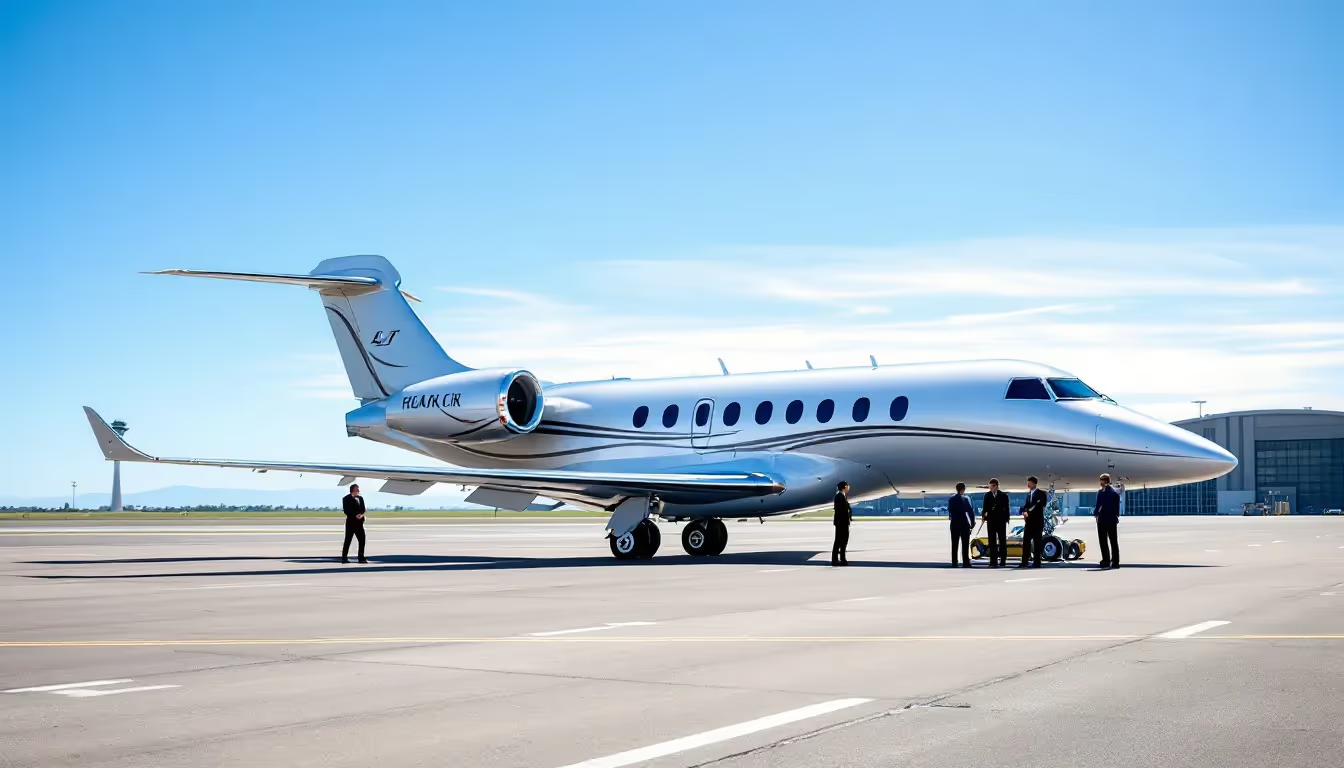
Private jets represent a premium mode of travel that prioritizes convenience, flexibility, and privacy. Whether for corporate executives attending multiple meetings in a day or families seeking uninterrupted luxury travel, owning or accessing a private aircraft can significantly enhance the travel experience. When considering airplane ownership, it’s important to factor in not only the purchase price but also ongoing maintenance and operational costs. New private jets can cost anywhere from $3 million to $660 million, making them a significant investment.
From very light jets designed for short regional hops to large-cabin jets that can span continents, the spectrum of private aircraft is wide and diverse. Purchasing a secondhand jet can reduce the initial purchase cost by 20% to 50%, making it an attractive option for cost-conscious buyers.
Private jets are synonymous with luxury, privacy, and efficiency, offering a travel experience that far surpasses commercial flights. For both individuals and businesses, the ability to fly on your own schedule, access smaller airports, and enjoy a secure, comfortable environment makes private jet ownership an attractive proposition.
The private jet market is diverse, featuring everything from nimble very light jets ideal for short regional trips, to light jets and midsize jets that balance range and capacity, all the way up to large jets and ultra-long-range aircraft designed for intercontinental travel. Light jets can carry up to seven passengers and include a bathroom. Midsize jets have a capacity of about five hours of travel time and offer more storage space and a larger cabin. Heavy business jets can hold at least ten passengers and include features such as pull-out tabletops and fully equipped kitchens. Ultra-long-range heavy jets have enough space to act as flying hotel rooms and can hold up to 17 passengers. Airliners are the largest and most luxurious option for private jets and can travel more than 10 hours in one trip. Each aircraft type brings its own set of benefits, whether it’s the agility of a small jet or the expansive cabin and amenities of a top-end business jet.
Private jet owners have several options to consider. Some opt for the latest new models, while others find exceptional value in pre-owned aircraft that offer many of the same features at a lower initial purchase price. For those not ready to commit to full ownership, chartering or leasing can provide access to private jets without the long-term investment.
Managing a private jet involves more than just the purchase price. Aircraft management services are available to handle the complexities of ownership, including maintenance, insurance, and regulatory compliance. These services allow owners to focus on the benefits of private aviation, convenience, security, and luxury, while experts manage the day-to-day operation and care of the aircraft.
With initial purchase prices ranging from a few million dollars for smaller jets to tens of millions for large, top-end business jets, private jet ownership is a significant financial commitment. Financing a private jet usually requires a 10% to 20% down payment. Interest rates for aircraft loans range from 6% to 8% for well-qualified buyers. Understanding the full spectrum of costs, from acquisition to ongoing maintenance and management, is essential for making an informed decision in this exclusive market.
The cost of buying a used jet is just the beginning. Ongoing operating costs can quickly add up, and understanding them is essential for any prospective buyer.
These depend on the aircraft type and usage. Larger jets burn more fuel per hour and therefore incur higher costs. For example, a midsize jet might consume $1,500 to $2,000 worth of fuel per hour. Fuel costs can easily exceed $1 million annually for frequent flyers, making it a significant component of operational expenses.
Pilots, flight attendants (if needed), and ground staff must be paid competitive wages. Crew salaries for private jets typically range from $85,000 to $300,000 annually per individual, depending on their level of experience, which adds significantly to the overall operational expenses.
Storing your jet safely in a hangar adds recurring monthly costs, particularly in metropolitan airports. Hangar fees can cost from $30,000 to over $200,000 annually based on location and aircraft size, making it an important consideration for owners.
Annual premiums can range from $10,000 to over $500,000 depending on aircraft type, usage, and location. Private jet insurance costs typically range from 1% to 3% of the aircraft's value annually, which can add up to substantial amounts for high-value jets. For a $20 million jet, insurance costs can translate to $200,000 to $600,000 per year.
Airports charge for the use of their facilities. These costs depend on the destination, aircraft weight, and frequency of travel. Regulatory compliance fees can also add up to tens of thousands of dollars annually, especially for jets operating internationally. Additionally, operational costs include fees for landing, handling, and navigation, which can add additional expenses for each flight.
On average, annual operating costs can range from $500,000 to over $5 million. Light jets are on the lower end, while large-cabin and long-range jets are much more expensive to operate. Annual maintenance costs for private jets typically range from 5% to 10% of the aircraft's value, making it a critical factor in ownership. For example, the annual costs of owning a Gulfstream G450 are roughly estimated to be $4 million based on standard usage.
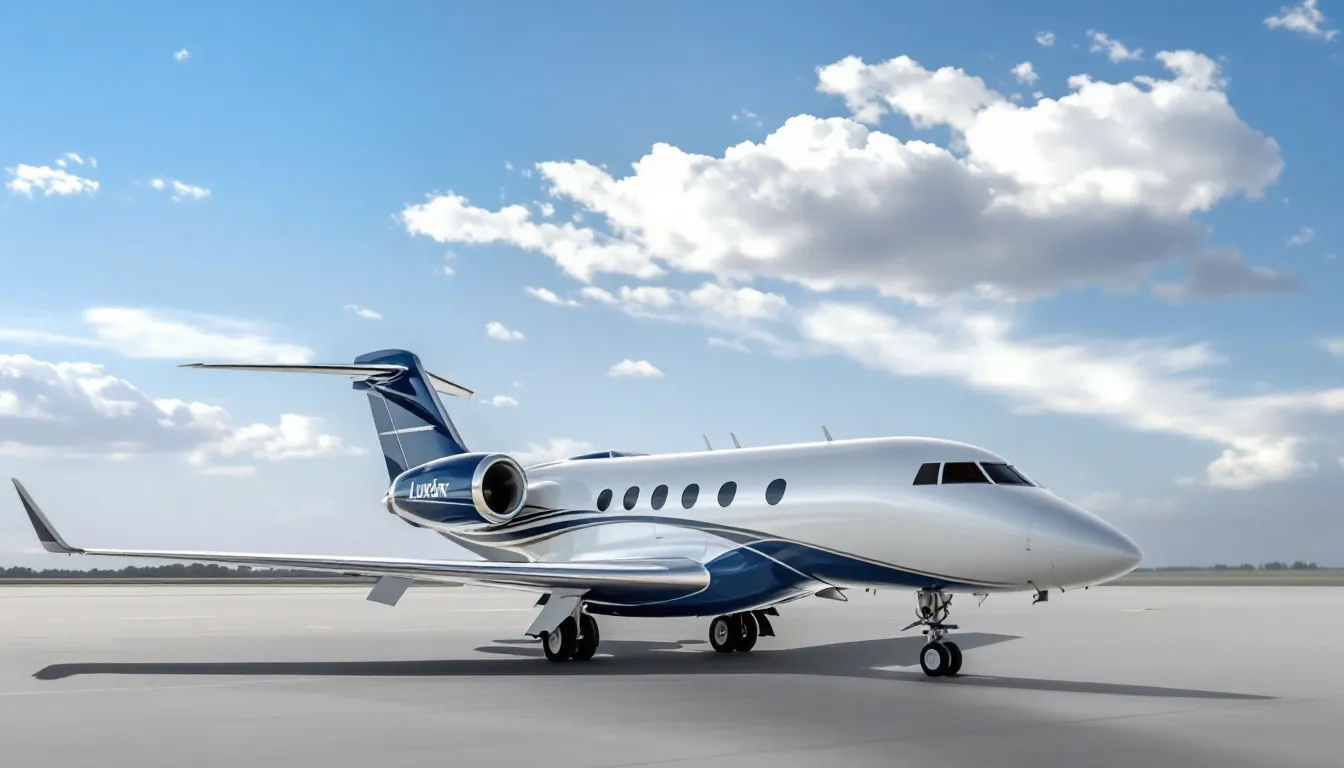
When considering the price of a used plane, it's important to remember that this term covers a wide range of aircraft, from light jets to large business planes. Prices can vary dramatically due to several key factors. The preowned private jet inventory consisted mainly of Light Jets (48%), followed by Large Jets (28%) and Midsize Jets (24%). Prices for very light jets start at less than a million for used models and range from $3.5 million to $5.7 million or more for new models. Prices for midsize jets range from $2.1 million for an older model to $30 million for newer models. Used light jets prices range from approximately $1.8 million to $4.7 million or more. In 2024, jets averaged 207 days to sell, down from 249 in 2019. Turboprops averaged 190 days on the market in 2024.
Many used private jets are listed for sale, giving buyers a wide selection of planes to choose from. The inventory of used private jets on the market increased by 24% in 2024.
A new private jet depreciates quickly, often losing 5% to 10% of its value annually during the first 5–10 years. Over several years of ownership, this depreciation adds up significantly. As a result, a 10-year-old jet may cost 50% less than a new model, depending on usage and upgrades. Private jets depreciate 10% to 15% in the first year and 5% to 10% annually thereafter, impacting resale value and long-term investment considerations. The average age of the inventory of all pre-owned private jets for sale was 21 years. Many private jet owners switch jets every four to five years, similar to car owners.
Jets with complete and verifiable maintenance records are significantly more valuable than those with incomplete or spotty logs. Buyers look for aircraft enrolled in maintenance service plans, as these indicate consistent care. Aircraft with MSP Airframe Enrolled or APU Enrolled status are especially attractive to buyers, as these programs provide additional assurance of ongoing, high-quality maintenance.
Similar to mileage on a car, flight hours affect value. High-hour aircraft may come at a discount, but they often require more frequent maintenance.
Jets with updated avionics (cockpit instruments and navigation systems) and upgraded equipment, such as advanced cabin management systems or satellite communications, tend to sell for more. Upgraded interiors, engines, or compliance with mandates like ADS-B Out also influence value. Performance enhancements, including improved avionics or increased cabin comfort, can significantly increase the value of a used jet.
Very Light Jet (VLJ): $1 million – $3 million. Very light jets can hold between four and seven guests and can fly for up to about three hours.
Light Jet: $2 million – $5 million
Midsize Jet: $3 million – $9 million
Super-Midsize Jet: $6 million – $12 million
Large Jet: $10 million – $30 million+
Heavy Business Jet: $15 million – $30 million, offering features like pull-out tabletops and fully equipped kitchens.
Ultra-Long-Range Jet: $20 million – $60 million+
Prices for ultra-long range heavy jets can be between $20 million and $30 million for used models and up to $65 million for new models.
Airliners: New airliners sell for upwards of $442 million, while used models can be purchased for as little as $5 million.
Routine and preventative maintenance are mandatory to ensure safety and regulatory compliance. These include:
A-checks and B-checks: Regularly scheduled inspections of systems and components.
Occur at intervals set by the manufacturer, often costing hundreds of thousands.
Over time, leather, upholstery, and carpets need replacing to maintain luxury standards, and applying new paint can significantly enhance the aircraft's appearance and value.
Aircraft owners can enroll in maintenance programs like MSP (Maintenance Service Program) for engines and Smart Parts for airframes and avionics, offering predictable costs and resale value benefits.
For those who prefer a hands-off approach, aircraft management services can handle everything from hiring crew and scheduling maintenance to overseeing flight operations. These services typically charge a monthly fee plus a percentage of operational costs. Many private jet owners choose to engage professional management services to navigate the complexities involved in operating their aircraft.
Operating a private jet means meeting aviation regulations that vary by region. Key aspects include:
Jets must be registered with the FAA (or relevant authority) and certified for airworthiness.
Required in many regions, this system broadcasts the aircraft’s position to air traffic control.
Older jets may need upgrades to meet environmental standards.
Regulatory compliance ensures the aircraft can legally and safely operate in the desired airspace, including international routes.
The Cessna Citation series is one of the most popular and reliable families of jets in the world. Its lineup includes the CJ series, XLS+, Latitude, and Longitude, catering to different capacity and range needs.
Used Price Range: $3.5 million to $13.9 million
Notable Features: Fuel efficiency, short takeoff distance, and broad service network
Other popular models in the used market include:
Bombardier Challenger 300/350: Spacious cabin, solid range, strong resale value
Dassault Falcon 2000/900: Excellent performance, tri-engine design, prestige
Gulfstream G450/G550: Ultra-long range, high-end luxury, best-in-class avionics
Each model serves different use cases. Buyers must consider how far they’ll fly, how many passengers they’ll carry, and what amenities are essential.
The used private jet market is cyclical and sensitive to macroeconomic conditions. During times of economic growth, demand surges, driving up prices. Conversely, economic uncertainty can soften demand and create opportunities for better deals. The market for used private jets is stabilizing after heightened demand due to the pandemic, reflecting a shift in buyer behavior. Despite an increase in inventory, the percentage of the in-service fleet for sale remained at seller's market levels. By the end of 2024, 7.4% of the private jet fleet was for sale. IADA dealers reported 1,559 closed deals in 2024, up 10% from 1,421 deals in 2023. However, pre-owned private jet sales dropped 4.2% with 2,309 transactions in 2024.
Recent trends include:
Post-pandemic demand boom: Many first-time buyers entered the market due to safety and convenience concerns, driving used inventory down.
Inventory tightening: In recent years, fewer used jets are available, leading to slight price increases.
Tech-forward aircraft in demand: Jets with upgraded avionics, newer engines, and quieter cabins are seeing faster sales and higher resale values. One-third of the year's sales of pre-owned private jets were consummated in the final quarter.
Keeping an eye on market trends helps buyers and sellers make well-timed decisions. Platforms like Jettly also offer insights and services to support this process.
Owning a private jet comes with a host of tax implications that can significantly impact the real cost of ownership. For private jet owners, understanding these factors is crucial to maximizing benefits and avoiding costly surprises.
One of the primary advantages is the ability to claim depreciation deductions, which can help offset the substantial investment in the aircraft. However, the extent of these deductions depends on how the jet is used; business versus personal flights can have different tax consequences. Personal use of the aircraft may be considered a taxable fringe benefit, potentially increasing your tax liability.
The initial purchase of a private jet often triggers sales and use taxes, which can amount to millions of dollars for larger jets. In addition, some jurisdictions impose annual property taxes on aircraft, adding to the ongoing costs of ownership. Federal excise taxes may also apply to certain flights, and international operations can introduce further tax complexities depending on where the jet is based and operated.
Given the significant sums involved and the complexity of tax regulations, it’s essential for private jet owners to engage with a qualified tax professional. Proper tax planning can help ensure compliance with all relevant laws, optimize depreciation and deductions, and manage exposure to property taxes and other levies. By taking a proactive approach to tax considerations, owners can better understand the true financial impact of private jet ownership and make informed decisions that align with their personal and business goals.
For many, outright ownership isn’t financially practical or necessary. Alternatives include:
Purchase a share (e.g., 1/16th) of an aircraft
Receive a set number of flight hours per year
Typical annual costs range from $200,000 to $800,000+
Ideal for frequent flyers seeking consistent access without full ownership
Pay-per-flight without ownership responsibilities
Best suited for occasional travelers
Hourly rates range from $2,000 (light jet) to $10,000+ (large-cabin)
These options eliminate the need for large capital investments while offering many of the same benefits. Jettly’s on-demand charter platform makes it easy to book flights, compare options, and manage travel through a streamlined digital experience.
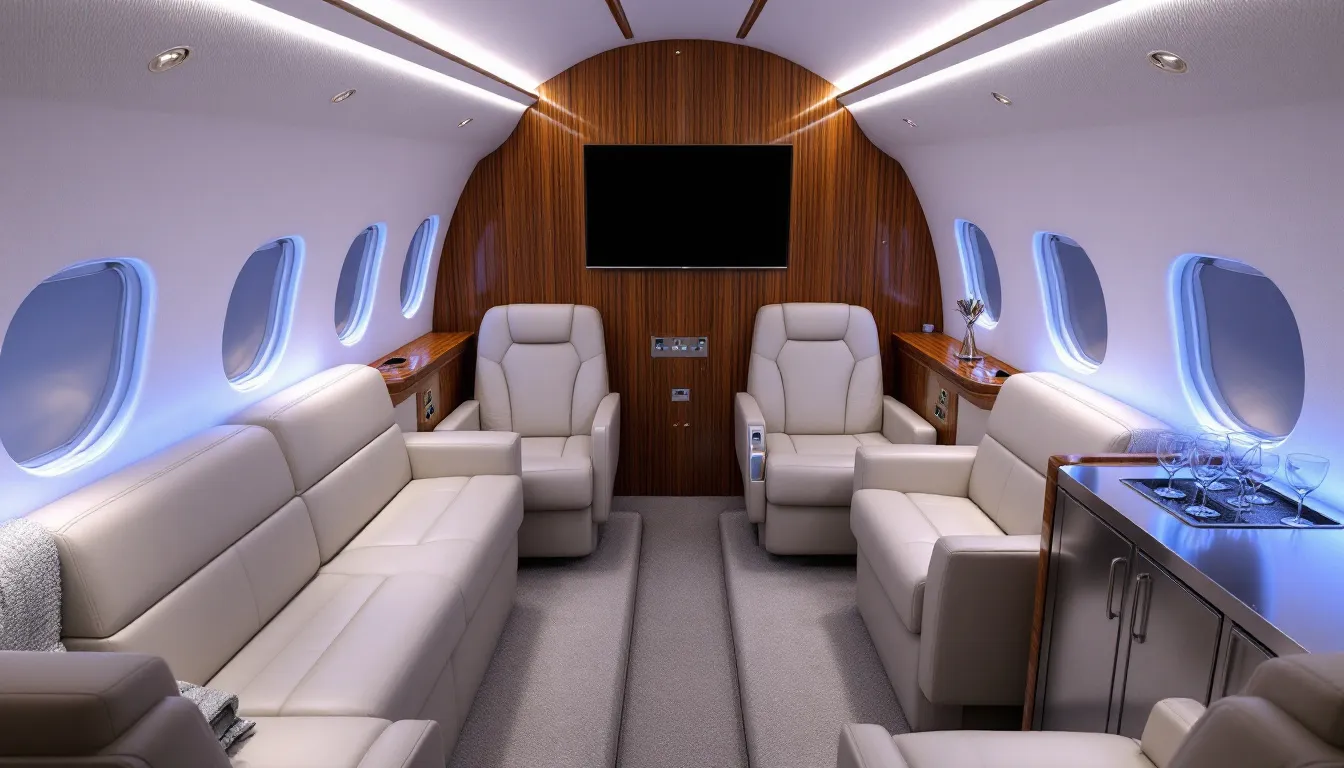
One of the advantages of owning a used private jet is the ability to personalize it to meet specific needs.
Seating, lighting, materials, and in-flight entertainment can be fully customized.
Modernizing navigation systems can improve safety and resale value.
Newer engines offer better performance and fuel efficiency.
In-flight connectivity is now standard among high-end jets.
Customization costs vary widely, ranging from $100,000 to several million dollars. However, smart investments can improve both user experience and market value.
Significant upgrades and customizations should be tracked through proper financial reporting to ensure compliance and transparency.
When evaluating how much a used private jet costs, don’t overlook the following:
Resale Value: Certain brands and models retain value better than others.
Tax Benefits: Aircraft depreciation can offset income for some buyers.
Usage Frequency: Those flying fewer than 150 hours/year may find chartering or fractional ownership more economical.
Location of Operation: Costs and regulations differ across regions; factor in international use or remote accessibility needs.
A used private jet offers an attractive alternative to new aircraft, often at a significant discount. But the true cost of ownership includes much more than the initial purchase price. Operational expenses, maintenance, compliance, and upgrades all add to the equation. Two-thirds of private jet owners are advised not to buy unless they fly their aircraft 150 to 200 hours a year.
For those who fly often and value control, flexibility, and privacy, purchasing a used private jet can be a worthwhile investment. For others, fractional ownership or on-demand charter services like Jettly provide a smart, cost-effective way to enjoy private aviation.
Ready to explore your private jet options?
Visit https://jettly.com/ to browse aircraft, compare charter options, and get expert guidance on your aviation journey, whether you're buying, flying, or just exploring.
Share this post:
Jay Franco Serevilla
Sep 10, 2025
|
5
min read
Discover tips and trends in the industry.
5
min read
Best Day of the Week to Buy Plane Tickets: Data, Myths, and Smart Booking Strategies
Finding the best day of the week to buy plane tickets is a common query, but no single day guarantees the lowest fare. Mid-week days often show slightly lower fares, but factors like booking window and flight timing are more crucial for savings. This guide explores data-backed patterns and smart strategies for both commercial and private jet travel.
Read More
5
min read
Best Time To Buy Hawaii Tickets: How To Lock In The Best Deal On Your Hawaii Trip
Discover the best strategies for booking flights to Hawaii and save money on your trip. This guide outlines optimal booking windows, travel periods, and tips for finding the best deals. Whether you're traveling for leisure or business, understanding these factors can help you secure the best airfare.
Read MoreStay updated with our latest insights and tips to elevate your journey with us.
MEMBERSHIPS AND ASSOCIATIONS



Disclaimer: Jettly operates as a charter broker, offering access to a global digital jet charter marketplace. Jettly is not a direct air carrier and does not own or operate aircraft. All advertised flights are conducted by third-party air carriers that are fully licensed and hold the appropriate Part 135 or Part 121 certifications issued by the Federal Aviation Administration (FAA) or equivalent regulatory authorities under U.S. or foreign law. Jettly complies fully with the U.S. Department of Transportation's Part 295 and Part 298 Charter Broker regulations. Jettly does not carry additional liability insurance. Passengers are covered by aircraft operator insurance. TICO: 50023770


