


Login
Get Instant Pricing On 23,000+ Aircraft

>
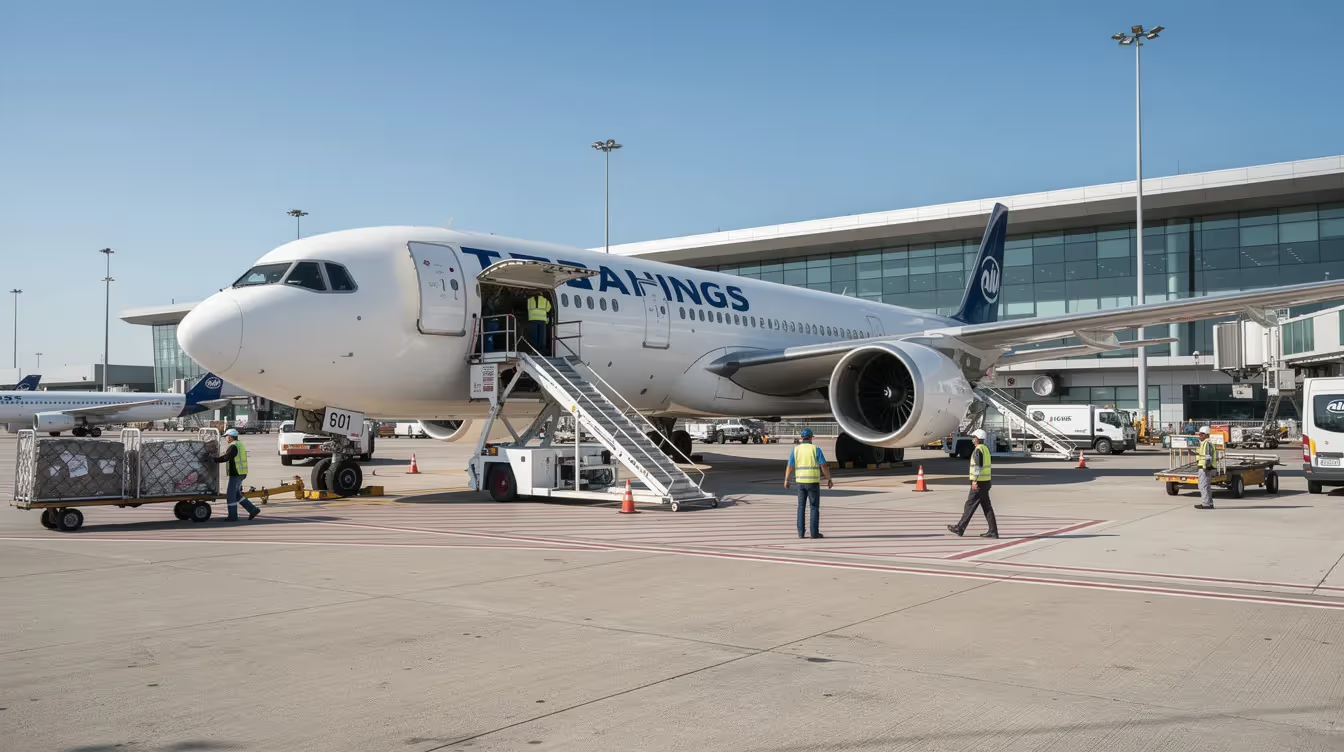
Airplane weight varies from under 1,000 lbs to over 1.2 million lbs, depending on their purpose and size. A small Cessna training plane, considered a smaller aircraft used for training and personal travel, weighs around 762 kg empty, in contrast to large aircraft like the Boeing 747 and Airbus A380, which have significantly higher weights. The Airbus A380, the world's largest passenger airliner, has a maximum takeoff weight of 1,268,000 pounds (575,152 kg). Understanding how much an airplane weighs helps explain everything from runway requirements to charter pricing.
Light aircraft generally weigh between 1,500 and 2,500 lbs, while jumbo jets like the Boeing 747 and Airbus A380 have maximum takeoff weights exceeding 400,000 kg.
A typical narrow-body airliner like the Boeing 737-800 has an empty weight of about 41,000 kg and a maximum takeoff weight (MTOW) of roughly 175,000 lbs (79,000 kg).
Airplane weight is never fixed—it changes every flight based on fuel weight, passengers, cargo, and catering.
Weight directly impacts safety, runway length requirements, climb performance, and fuel efficiency. Exceeding MTOW is prohibited by aviation authorities like the Federal Aviation Administration.
Private jets available through Jettly range from compact light aircraft under 5,700 kg to heavy jets approaching 45,000 kg MTOW.
When asking how much an airplane weighs, the answer depends entirely on the aircraft category. Smaller aircraft, such as light general aviation planes used for training, personal travel, and recreation, as well as small private jets, occupy the lower end of the weight spectrum, while large aircraft like wide-body airliners and jumbo jets are significantly heavier.
Smaller aircraft like training planes typically weigh 500–1,200 kg empty. Small private jets and turboprops fall in the 4,000–12,000 kg range. Narrow-body airliners typically weigh between 90,000 and 175,000 lbs, while large aircraft such as wide-body airliners can weigh between 400,000 and over 1,200,000 lbs.
Specific examples illustrate the scale:
Cessna 172: About 762 kg empty weight and 1,157 kg MTOW
Boeing 737-800: Around 41,000 kg empty and 79,000 kg MTOW
Boeing 747-8: Roughly 220,000 kg empty and 447,700 kg MTOW
Airbus A380-800: Approximately 276,000 kg empty and 575,000 kg MTOW
The Airbus A380, the world’s largest passenger airliner, is among the heaviest aircraft in the world, with a maximum takeoff weight of 1,268,000 pounds (575,152 kg). Cargo aircraft push even higher—the Antonov An-225, before its 2022 destruction, was the heaviest aircraft in the world, reaching around 640,000 kg MTOW. Cargo planes like the C-5M Super Galaxy can carry up to 281,000 lbs of cargo, roughly the weight of 23 adult elephants.
Private aircraft on Jettly’s platform sit primarily in the smaller aircraft, turboprop, light jet, midsize, and heavy jet categories rather than the jumbo or cargo class.
|
Aircraft Category |
Example Aircraft |
Empty Weight (kg) |
Maximum Takeoff Weight (kg) |
Notes |
|---|---|---|---|---|
|
Light Aircraft |
Cessna 172 |
762 |
1,157 |
Training and personal use |
|
Small Regional Jets |
Embraer ERJ-145 |
11,500 |
21,000 |
Regional commuter flights |
|
Light Private Jets |
Embraer Phenom 300 |
5,200 |
8,150 |
Short-range business travel |
|
Narrow-Body Airliners |
Boeing 737-800 |
41,000 |
79,000 |
Short to medium-haul flights |
|
Wide-Body Airliners |
Boeing 777-300ER |
167,800 |
351,500 |
Long-haul international flights |
|
Jumbo Jets |
Airbus A380-800 |
276,000 |
575,000 |
Largest passenger airliner |
|
Heavy Cargo Aircraft |
Antonov An-225 |
285,000 |
640,000 |
Largest cargo plane (destroyed) |
Understanding how much airplanes weigh requires familiarity with several key weight terms that pilots and operators calculate before every flight.
Empty weight refers to the aircraft structure, engines, fixed equipment, and standard fluids—excluding usable fuel, passengers, or cargo. Operating Empty Weight (OEW) is the basic empty weight plus crew and fluids, excluding fuel or payload. For example, a Boeing 737-800 has an empty weight of around 41,000 kg.
Fuel weight adds substantially to total weight. Jet A fuel weighs approximately 0.8 kg per liter (about 6 lbs per gallon). Fuel load is a major variable affecting an airplane’s weight, with a fully fueled Boeing 777-300ER carrying roughly 320,000 lbs (145,000 kg) of jet fuel, nearly doubling its empty weight. Large long-haul aircraft like the Boeing 787-10 can carry over 220,000 lbs of fuel, nearly as much as its own empty weight.
Maximum Takeoff Weight (MTOW) is the heaviest weight an aircraft is certified for to start its takeoff roll. Aircraft are categorized by their Maximum Takeoff Weight (MTOW), which includes the aircraft, fuel, passengers, and cargo. Maximum Takeoff Weight (MTOW) is the maximum weight allowed for safe takeoff, including fuel, payload, and structure. Exceeding MTOW violates airworthiness regulations and invalidates insurance coverage.
Related terms include Maximum Landing Weight (MLW), which is often lower than MTOW because fuel is burned during flight, reducing structural stress on landing gear. Maximum Zero Fuel Weight (MZFW) limits payload without fuel to prevent structural bending. Ramp Weight (or Taxi Weight) is the total weight of the aircraft loaded for flight before engine start, including fuel used during taxi.
Concrete examples make it easier to visualize how much different airplanes weigh across categories.
Light aircraft remain at the lower end of the spectrum. The Cessna 172 weighs about 762 kg empty with 1,157 kg MTOW. The Diamond DA40 comes in at roughly 830 kg empty and 1,150 kg MTOW. Light aircraft typically have a maximum takeoff weight (MTOW) of less than 12,500 pounds, which includes the weight of the airplane, fuel, passengers, and cargo. Many serve pilot training and short private trips.
Private jets common in charter operations include models from leading private plane manufacturers:
Embraer Phenom 300: Around 5,200 kg empty, 8,150 kg MTOW
Cessna Citation CJ4: Roughly 4,900 kg empty, 7,760 kg MTOW
Hawker 800XP: About 7,800 kg empty, 12,650 kg MTOW
Boeing 737-800: A popular narrow-body airliner with capacity for up to 189 passengers and a range of around 3,200 nautical miles, making it efficient for many short-haul routes (Boeing 737-800 specs, range, and charter rates).
Narrow-body airliners represent the average passenger plane most travelers encounter:
Boeing 737-800: Around 41,000 kg empty, 79,000 kg MTOW
Boeing 737 MAX 8: Around 45,000 kg empty, 82,600 kg MTOW
Airbus A320neo: Roughly 42,000 kg empty, 79,000–79,400 kg MTOW
Commercial airliners have maximum takeoff weights ranging from approximately 110,000 pounds to over 775,000 pounds, depending on whether they are narrow-body or wide-body aircraft.
Wide-body and jumbo aircraft carry significantly more:
Boeing 777-300ER: About 167,800 kg empty, 351,500 kg MTOW
Boeing 787-9: About 128,000 kg empty, 254,000–257,000 kg MTOW
Boeing 747-8: About 220,000 kg empty, 447,700 kg MTOW
Airbus A380-800: Approximately 276,000 kg empty, 575,000 kg MTOW
Heavy jets, including cargo aircraft, have a maximum takeoff weight of over 775,000 pounds, with examples like the Boeing 747 having an MTOW of 970,000 pounds and the Airbus A380 reaching 1.2 million pounds.
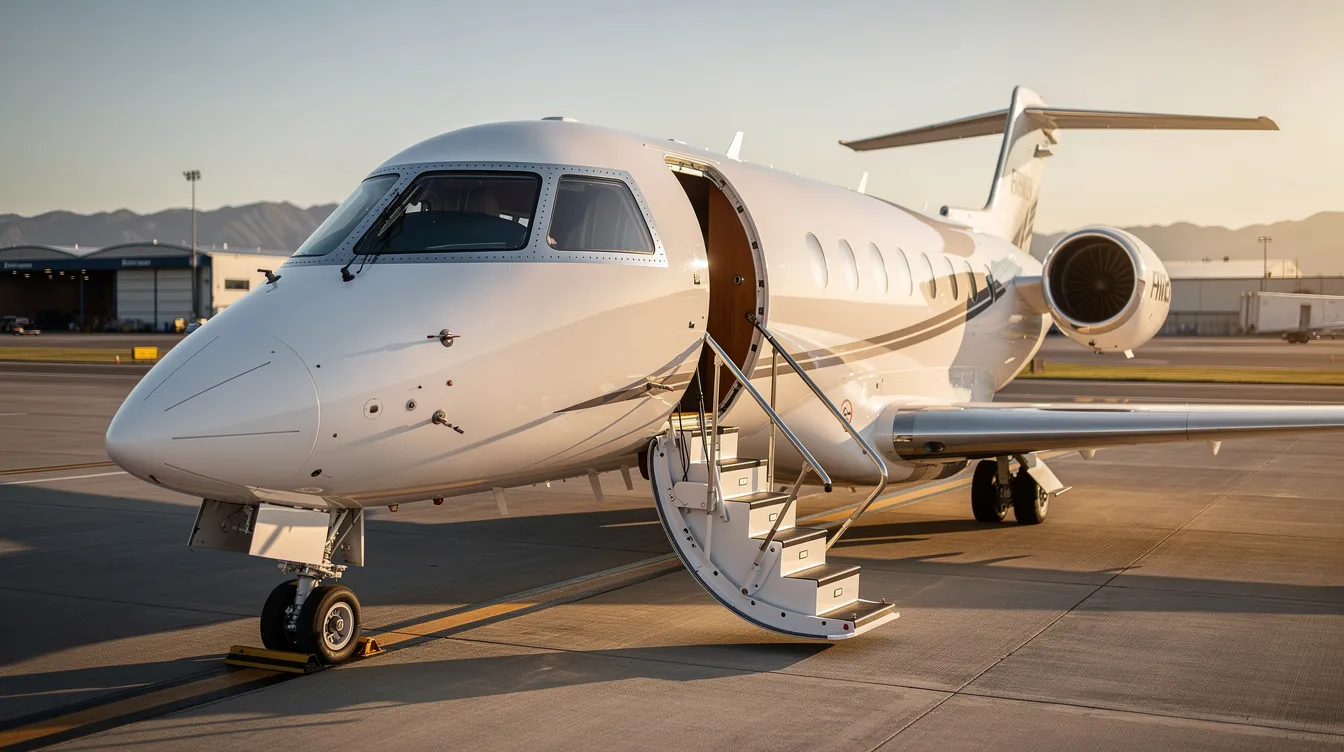
While empty weight remains fixed, an airplane’s total weight changes every flight. The weight of an aircraft changes based on its fuel load and the number of passengers and cargo being transported. Airplane weight is determined by structural components, fuel load, payload, and equipment, which change throughout a flight as fuel is burned.
Passenger and cargo payload significantly add to an airplane’s weight, with the FAA using standard passenger weights of 190 lbs (86 kg) per adult in summer and 195 lbs (88 kg) in winter, including carry-on bags. Airlines and charter operators combine these assumptions with actual baggage weight to estimate payload and select aircraft based on how many passengers different private jet types can carry.
Fuel consumption significantly affects the weight of an aircraft during flight. Longer sectors require more fuel, potentially pushing aircraft close to maximum weight and limiting cargo or luggage capacity, which is why some travelers choose to share empty seats on private jet flights to distribute costs on heavier, fuel-hungry aircraft.
Additional factors include catering, potable water, in-flight entertainment equipment, and optional interior configurations—especially relevant for private jets where cabin layouts vary significantly and services like Jettly Eats in-flight catering for private jets can influence total load.
Airframe materials play a significant role in determining an airplane’s weight, with modern planes like the Boeing 787 using carbon-fiber composite materials that can reduce empty weight by as much as 20% compared to older aluminum alloy designs. These lighter aircraft achieve better range and fuel efficiency.
Even when a fully loaded wide-body aircraft weighs hundreds of tons, the lift generated by the wings balances the airplane’s weight in flight.
Wing shape and angle of attack create lift by changing how air flows above and below the wing surface. Lower pressure above and higher pressure below produce an upward force. This lift must exceed the airplane’s weight for takeoff to occur.
Powerful engines provide the forward speed needed to generate adequate lift. Heavier aircraft require longer runways and higher takeoff speeds. Airports handling aircraft like the Boeing 747 or Airbus A380 feature especially long runways—often 10,000 feet or more.
Weight and balance calculations ensure the center of gravity stays within safe limits, keeping the aircraft controllable through all flight phases. Pilots complete these calculations before every departure.
Aircraft weight directly affects private jet charter operations—determining how many passengers can fly, how much luggage fits, and which airports remain accessible.
Main private jet categories by typical MTOW reflect broader trends in the global fleet of private jets:
Very light jets and light jets: Under 5,700–7,000 kg MTOW
Midsize and super-midsize jets: Up to 20,000–30,000 kg MTOW
Heavy jets and ultra-long-range: Up to 45,000–48,000 kg MTOW
Jettly’s platform connects travelers with a global inventory of over 20,000 private charter aircraft, spanning light aircraft, turboprops, light jets, midsize jets, and heavy jets. This allows users to match airplane weight and capability to trip distance and passenger count.
Jettly’s private jet charter cost estimator uses instant pricing that accounts for weight-related factors indirectly—fuel burn, range, airport performance requirements, and crew needs—resulting in transparent charter quotes.
Consider two examples: A light jet charter like the Phenom 300 works well for a New York–Miami business trip, with lower operating costs and access to smaller airports located with Jettly’s airport locator tool. A heavier Gulfstream G650 suits transatlantic flights, offering intercontinental range but requiring larger airports and higher charter rates, where Jettly can act as a flexible NetJets alternative for on-demand access without fractional ownership.

Aircraft weight drives critical decisions across aviation—from runway selection to fuel planning to charter pricing.
Safety implications:
Overweight airplanes need longer runways for takeoff and landing
Climb performance and obstacle clearance margins decrease
Emergency stopping distance on rejected takeoff increases
Performance effects:
Heavier aircraft may cruise at lower optimal altitudes
Range decreases when the payload is maximized
Hot-and-high airports impose stricter weight limits
Cost considerations:
Heavier airplanes burn fuel at higher rates
Operators may limit baggage or cargo to avoid extra fuel stops
Jettly customers see price differences between smaller turboprops and heavier jets on identical routes
Efficient weight management also supports environmental goals. Proper loading and route planning minimize fuel burn and emissions per passenger—something operators and platforms like Jettly factor into their operations.
A typical narrow-body airliner like the Boeing 737 or Airbus A320 has an empty weight of around 40,000–45,000 kg and an MTOW of around 77,000–83,000 kg. These single-aisle aircraft represent the average weight for short to medium-haul flights most passengers experience.
Jet A fuel weighs approximately 0.8 kg per liter. A Boeing 737-800 on a longer domestic sector might carry roughly 20,000 kg of fuel. Twin-aisle long-haul flights on aircraft like the Boeing 777 can carry over 145,000 kg of fuel.
Lighter aircraft have stricter luggage limits since payload capacity is smaller. Jettly and operators confirm passenger counts and baggage weight during booking to ensure the flight stays within safe weight limits. Heavier jets accommodate more passengers and luggage.
Aviation authorities like the Federal Aviation Administration (FAA) and EASA work with aircraft manufacturers during certification. Through extensive testing, they establish the maximum weight at which the aircraft can safely operate, covering structure, engines, and handling characteristics.
Often yes. Modern composite materials like carbon fiber reduce structural weight compared to aluminum designs. The Boeing 787, for example, uses approximately 50% composite materials, achieving better fuel efficiency and range while maintaining the same passenger capacity as heavier predecessors.
Airplanes weigh anywhere from a few hundred kilograms for light aircraft up to more than 575,000 kg maximum takeoff weight for jumbo jets like the Airbus A380. Empty weight, fuel weight, and payload all combine to define an airplane’s weight on any given flight.
Understanding these concepts helps travelers appreciate why airlines and charter operators sometimes limit baggage, seats, or routes. Weight calculations aren’t arbitrary—they’re fundamental to safe, efficient aviation.
Jettly uses accurate aircraft weight and performance data to match travelers with suitable aircraft across its global inventory. Through its range of private jet memberships, whether booking a light jet for a quick regional hop or a heavy jet for intercontinental travel, the platform factors in these specifications for transparent pricing.
Ready to explore private jet charter options? Visit https://www.jettly.com to browse aircraft categories, check instant pricing with Jettly’s affordable private jet charter guide, and request a quote for your next flight, or learn about Jettly’s ULTRA high ticket affiliate program if you’d like to earn by referring new flyers. You can also explore options to crowdsource private jet flights and share empty seats, estimate trip costs with the jet card flight cost estimator, or compare Jettly’s various jet card programs to see which structure best fits your flying profile.
Share this post:
Jay Franco Serevilla
May 13, 2026
|
5
min read
Discover tips and trends in the industry.
5
min read
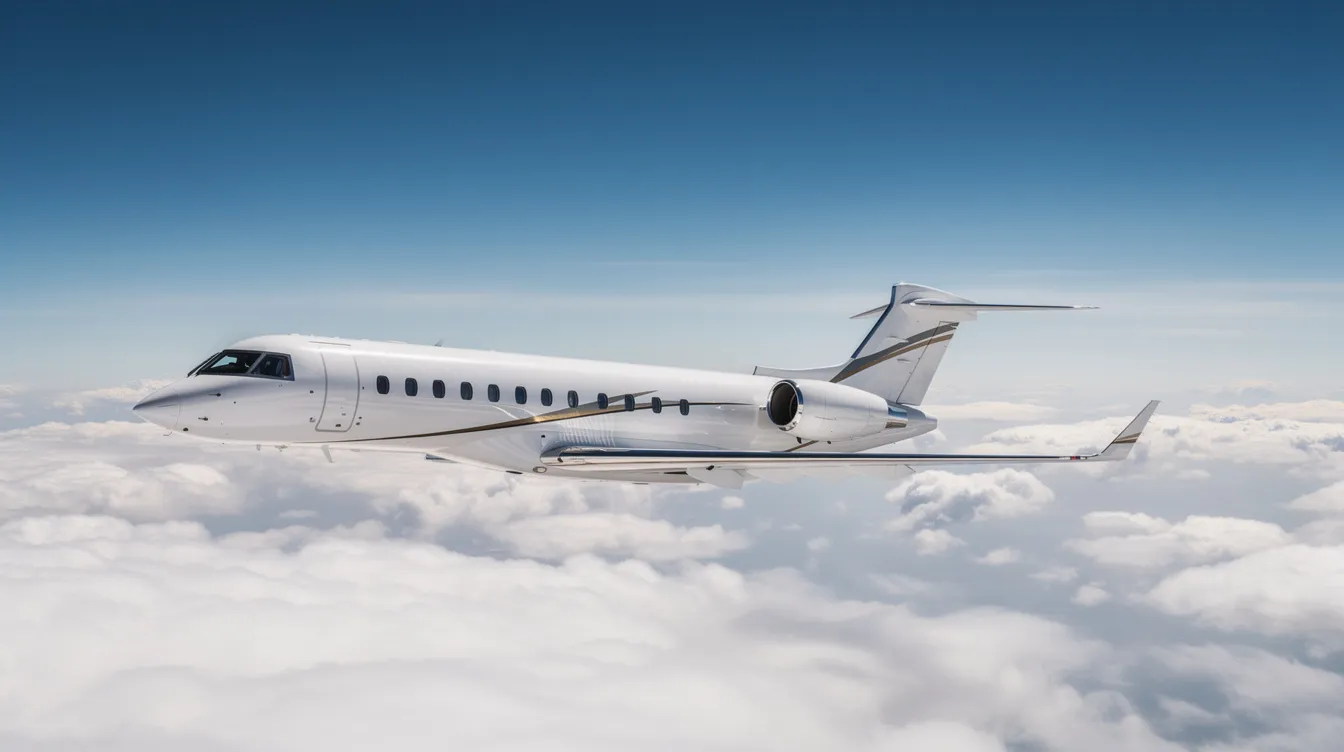
Hawker Beechcraft: Aircraft Family, History, and Charter Insights
Hawker Beechcraft, a prominent name in private aviation, combined the legacies of Beechcraft and Hawker to produce a diverse fleet of business jets and turboprops. Although the company no longer exists, its aircraft continue to operate globally, supported by Textron Aviation. This guide explores the history, aircraft families, and charter options available through platforms like Jettly.
Read More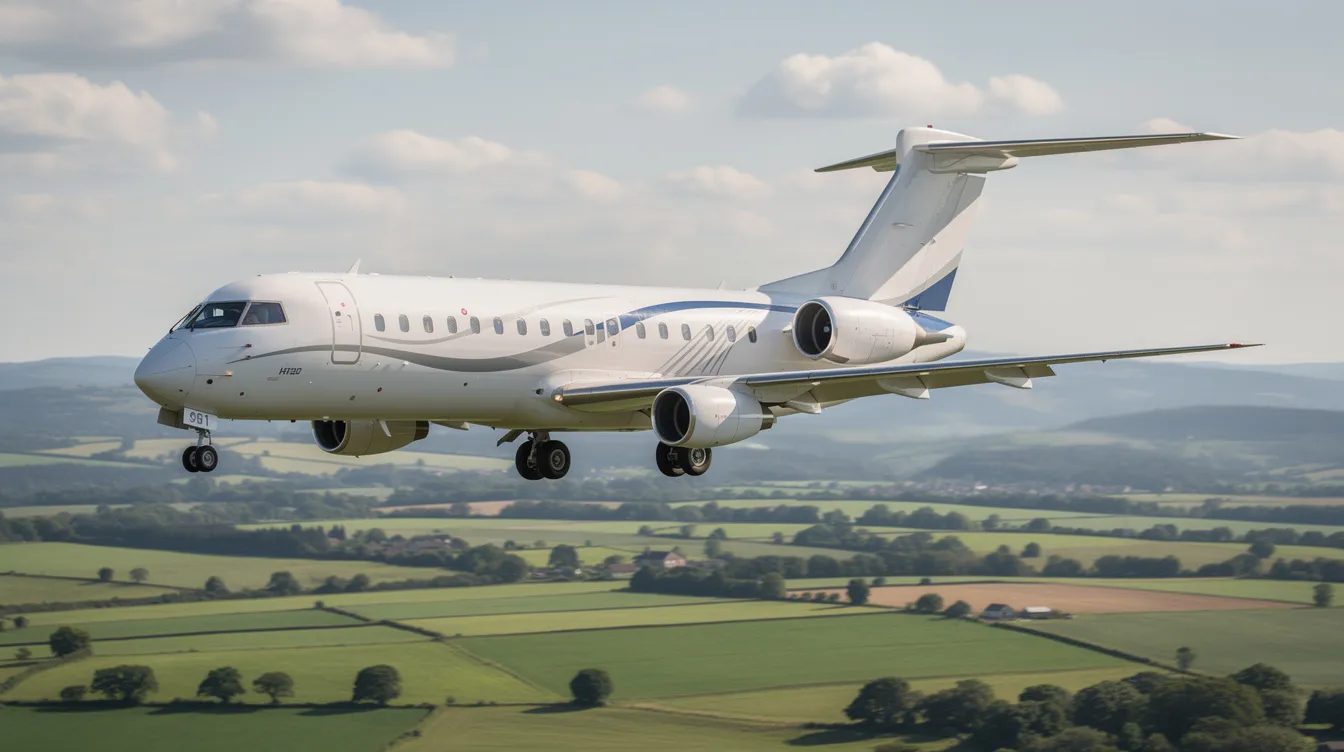
5
min read
British Aerospace BAe 146: Overview and Charter Guide
The British Aerospace BAe 146, known as the 'Whisperjet,' is a versatile regional jet designed for short runways and noise-sensitive airports. With a capacity ranging from 70 to 112 passengers, it serves various roles including passenger transport, cargo, and specialized missions. This guide provides insights into the BAe 146's history, design, operational capabilities, and charter options for travelers seeking access to challenging airports.
Read MoreStay updated with our latest insights and tips to elevate your journey with us.
MEMBERSHIPS AND ASSOCIATIONS



Disclaimer: Jettly operates as a charter broker, offering access to a global digital jet charter marketplace. Jettly is not a direct air carrier and does not own or operate aircraft. All advertised flights are conducted by third-party air carriers that are fully licensed and hold the appropriate Part 135 or Part 121 certifications issued by the Federal Aviation Administration (FAA) or equivalent regulatory authorities under U.S. or foreign law. Jettly complies fully with the U.S. Department of Transportation's Part 295 and Part 298 Charter Broker regulations. Jettly does not carry additional liability insurance. Passengers are covered by aircraft operator insurance. TICO: 50023770


