



Login
Get Instant Pricing On 23,000+ Aircraft

>
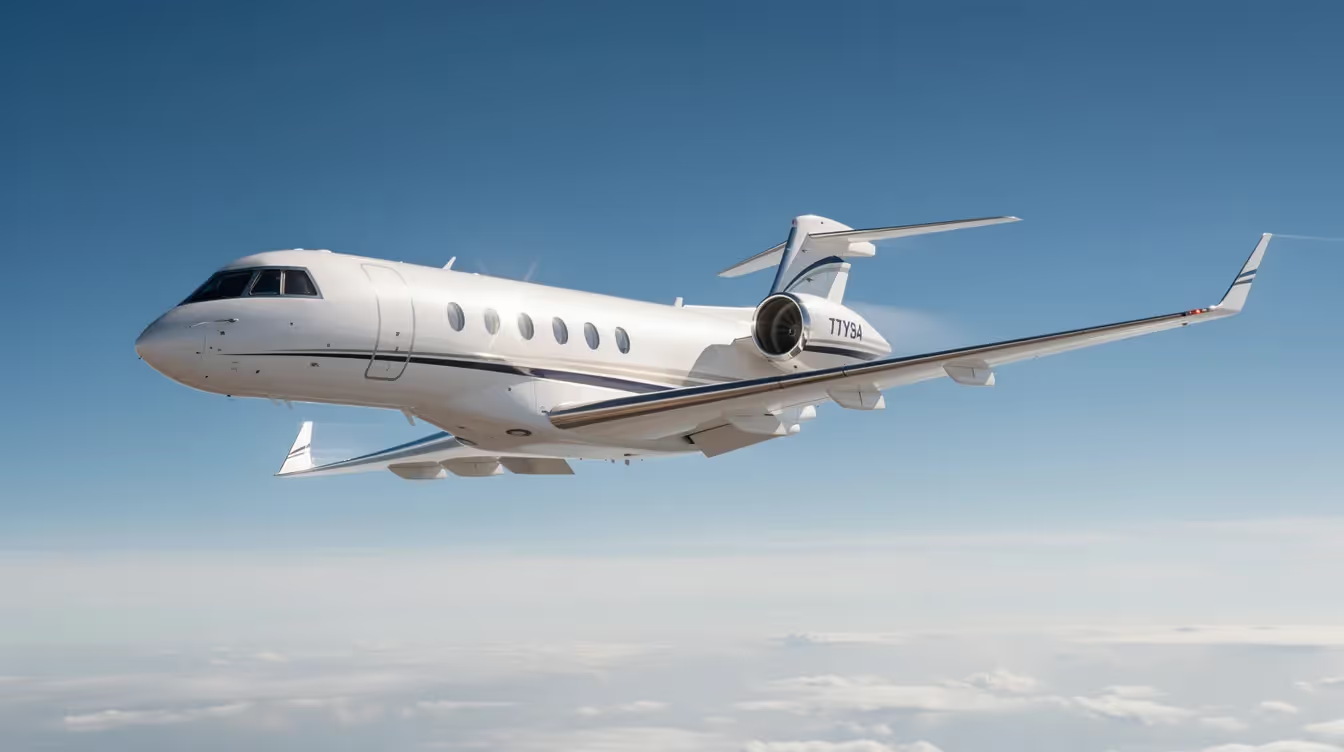
For anyone searching “how many private pilots in the US,” the short answer is: the latest FAA data shows 174,155 active private pilots in the United States, within a total active pilot population of 887,519. This guide is designed for aspiring aviators, aviation enthusiasts, and anyone interested in the state of private aviation in the US. Understanding how many private pilots there are helps gauge the popularity of flying, informs career planning, and provides insight into trends shaping the aviation industry. The real story is bigger, though. Pilot numbers reflect training costs, medical rules, career demand, and the changing role of private aviation.
According to the latest FAA civil airmen statistics, there are 174,155 active private pilots in the US, compared with 181,742 airline transport pilots and 118,314 commercial pilots.
The FAA defines an active pilot as someone who holds both a pilot certificate and a valid medical certificate for the privileges being exercised.
The total number of active U.S. pilots is 887,519, including all certification categories such as student, sport, private, commercial, and airline transport.
US pilot counts peaked around 1980, declined for decades, and have recently stabilized as flight training demand and aviation industry hiring improved.
Platforms like Jettly serve many travelers who fly privately without holding a private pilot certificate, connecting them with vetted operators such as Dexter Air Taxi and other private jet providers worldwide.
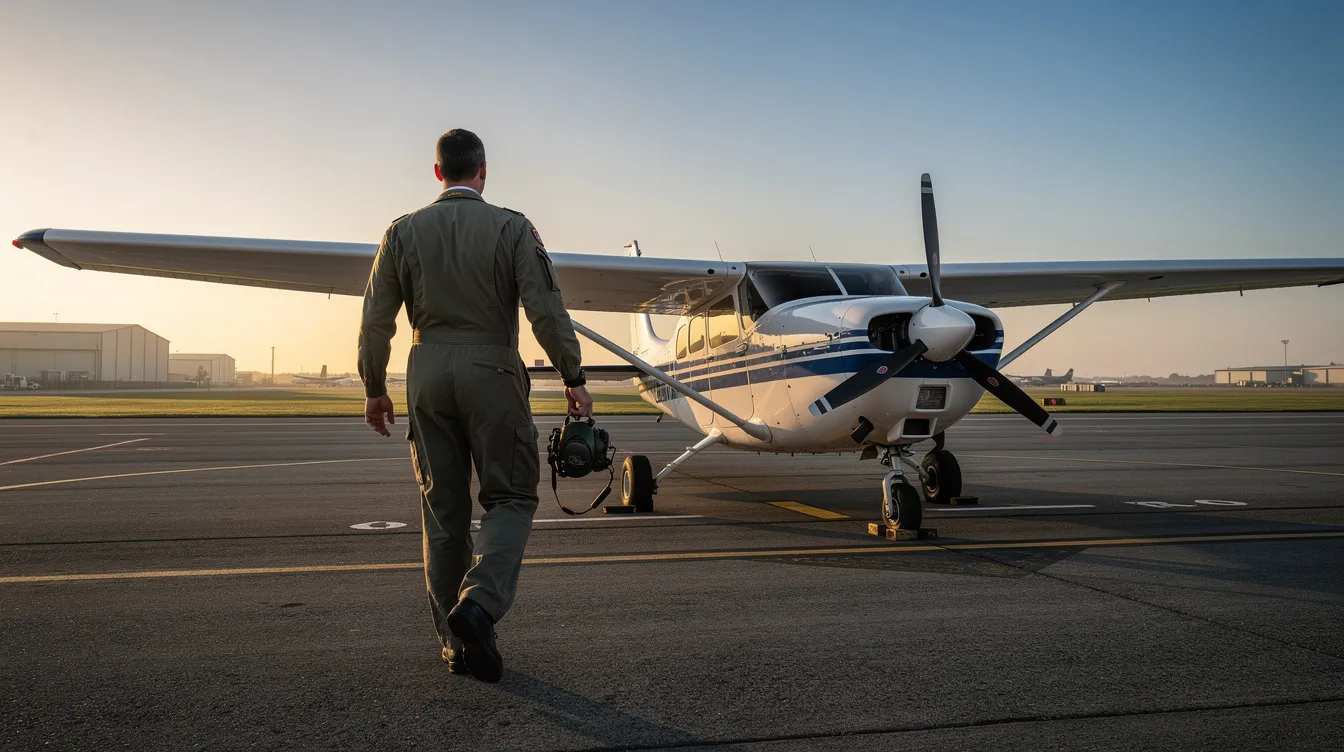
The most current answer to how many private pilots are in the US is 174,155 active private pilots, based on recent Federal Aviation Administration (FAA) Civil Airmen Statistics. These are pilots who hold a private pilot certificate and meet FAA activity requirements, including medical certification where required.
Some 2024 summaries use broader wording and say that, as of 2024, there are approximately 700,000 active private pilots in the US, reflecting a significant increase in interest in aviation. In FAA reporting, however, that larger figure is better understood as a broad active pilot population estimate, not the narrower private pilot certificate category.
A private pilot certificate holder is not always current and active. To exercise privileges, a pilot must meet medical rules, complete a flight review, and satisfy recent experience rules for certain operations, such as night flying or carrying passengers.
Common FAA pilot certificates include:
student pilot certificate
sport pilot
recreational pilot
private pilot
commercial pilot certificate
airline transport pilot certificate, or ATP certificate
Private pilot is the main entry point into general aviation. It allows a person to fly airplanes for personal travel and recreation, but it does not allow that person to be paid as a professional pilot.
|
FAA category |
Active pilots |
|---|---|
|
Student Pilots |
370,286 |
|
Private Pilots |
174,155 |
|
Commercial Pilots |
118,314 |
|
Airline Transport Pilots |
181,742 |
|
Sport Pilots |
7,450 |
In simple terms, private pilots are slightly fewer than airline transport pilots, but they remain one of the largest groups in American aviation.
Active pilots in FAA reporting include private, commercial, airline transport, student, rotorcraft, glider, and other aircraft categories. The total number of active U.S. pilots is 887,519, including all certification categories.
That number includes people on very different paths, each at a different stage of the pilot's journey. Some are student pilots learning how to fly solo. Others are airline pilots, corporate captains, military pilots transitioning to civilian aviation, or flight instructors building experience.
Here is the high-level picture:
student pilots: 370,286
airline transport pilots: 181,742
private pilots: 174,155
commercial pilots: 118,314
sport pilots: 7,450
The FAA also tracks remote pilots separately. There are well over 499,000 active remote pilot certificates issued for operating Unmanned Aircraft Systems, or drones. These pilots are important to modern technology and aviation services, but they are not cockpit pilots of crewed aircraft.
Only a fraction of total pilots fly for a scheduled air carrier. Many work in flight school operations, business aviation, cargo, charter, pipeline patrol, agricultural aviation, emergency medical services, aerial photography, or personal general aviation, and some rely on aircraft rental and charter arrangements to access planes efficiently.
The FAA’s civil airmen statistics also include related airmen categories, such as flight attendants, flight engineers, flight navigators, mechanics, and aircraft dispatchers, alongside data on how many private jets there are in the US. Aircraft registration records are tracked separately and help show how many aircraft are in the US fleet, but aircraft counts do not equal pilot counts.
The number of active private pilots in the US peaked in 1980 with 827,071 licensed pilots, but declined to around 165,000 by 2021 before experiencing a recent resurgence. More precisely, 827,071 refers to total active certificated pilots in that peak era, while private pilots formed the largest general aviation group.
Historical trends show that the number of active private pilots in the US has fluctuated significantly, with a decline from the late 1970s to the early 2000s due to various economic and regulatory factors.
A simple timeline helps:
1980: peak general aviation era, with more than 827,000 total pilots and a large private pilot base.
Early 2000s: training, fuel, insurance, and ownership costs reduced participation.
2020–2021: private pilot counts hovered near 165,000.
2025–2026: The active private pilot category has rebounded to 174,155.
Put another way, the number of active private pilots in the US peaked in 1980 with 827,071 licensed pilots, but by 2021, this number had dropped to around 165,000 due to various economic and regulatory factors.
Growth has been stronger in some professional categories. Airline transport numbers have remained high because airlines, cargo operators, and larger business aviation operators need experienced crews. Remote pilot growth has also been substantial, especially as drones became common in photography, inspection, and public safety.
Private pilot numbers, by contrast, have recovered more slowly. Most pilots who fly for personal reasons must pay for their own flight hours, aircraft rental, insurance, hangar access, and ongoing currency.
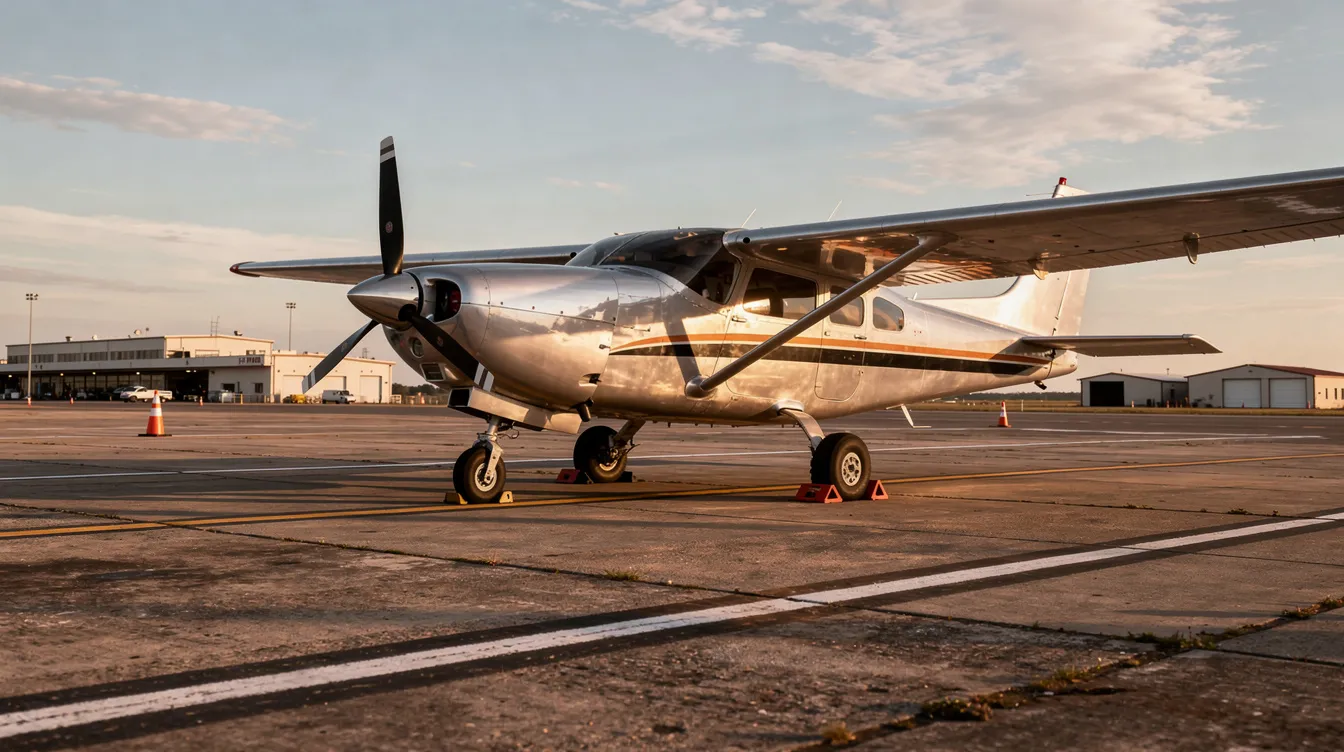
Several forces determine how many private pilots stay active. The biggest are cost, access to training, medical rules, lifestyle, and career opportunities.
Economic growth and increasing pilot demand are significant factors influencing the number of private pilots, as the aviation industry expands and creates new opportunities for aspiring pilots. When airlines and charter operators hire aggressively, more people begin the pilot’s journey through a private pilot certificate.
Cost is still the main barrier. Flight training requires aircraft rental, instructor time, fuel, ground school, written exams, equipment, and a practical test. A busy flight school may also have aircraft availability constraints, especially when most aircraft in the training fleet are heavily scheduled.
Regulation also matters. Federal regulations, such as the FAA’s mandatory retirement age for pilots and strict flight currency requirements, significantly impact the availability of experienced pilots and the overall number of private pilots. A professional pilot may leave airline work at retirement age but remain active in general aviation, charter support, or instruction.
Medical rules affect participation, too. A valid medical certificate is normally required, although BasicMed may apply for certain private operations. Medical certification can remove pilots from the active count if they do not renew or pass the required medical examination, just as operating requirements and ongoing private jet operating costs can determine whether an owner keeps flying regularly.
Demographics are changing. The average age of active pilots dropped slightly to 42.1 years old. The total number of active women pilots reached 100,704, a sign that female pilots are becoming a larger part of the US aviation community.
Time is another factor. Even after earning a pilot’s license, pilots must remain current. Family, work, weather, aircraft availability, and the national average cost of training all influence whether a person keeps flying, and some who no longer fly themselves still enjoy point-to-point trips through services like private jet charter to destinations such as Chennai in Tamil Nadu.
Many aspiring airline pilots and charter pilots first ask how many private pilots are in the US because the private pilot certificate is the first major milestone in a professional pathway, and some eventually explore choosing the best personal plane for their own missions and budget or researching affordable planes and budget-friendly aircraft choices.
The usual progression looks like this:
Earn a student pilot certificate.
Complete medical certification.
Train for the private pilot certificate.
Add an instrument rating to fly under instrument flight rules.
Earn a commercial pilot certificate.
Build flight hours toward an airline transport certificate.
Qualify for airline, cargo, charter, or corporate roles.
Each step adds privileges. A private pilot may carry passengers, but generally cannot be paid to do so. A commercial pilot can be compensated within FAA rules. An airline transport pilot can act in higher-responsibility airline transport roles, including many captain positions.
A flight instructor certificate is another major step. Many pilots become flight instructors to build time while teaching aircraft systems, knowledge requirements, airman certification standards, and safe decision-making, while some aircraft owners instead explore private jet lease costs and long-term access options.
A private pilot license opens the door to a diverse array of career paths, including commercial aviation, corporate piloting, and flight instruction, as well as roles with leading charter airlines and private flight operators. Private pilots can transition into specialized roles such as agricultural aviation, aerial photography, and emergency medical services, leveraging their flying skills in various fields.
Many private pilots advance by obtaining additional certifications, such as a commercial pilot certificate, which allows them to fly for compensation and opens up opportunities for professional aviation careers. A bachelor’s degree is not required for every pilot job, but it can help in some airline or corporate hiring environments, and some aviation entrepreneurs even explore high-ticket affiliate programs that monetize private travel demand.
Not everyone goes to the airlines. Some pilots stay in personal flying, some move into charter, sometimes with NetJets alternatives like Jettly, after first learning about NetJets as a leading private aviation provider, and some become a first officer before progressing to captain. Others compare aviation opportunities in the US with other countries where training rules, costs, and airline pathways differ, especially when looking at the global fleet of private jets and market trends, and considering whether private jets can fly internationally and what regulations apply.
To obtain a private pilot license, you must be at least 17 years old and able to read, speak, write, and understand English, ensuring basic communication skills during flight.
The core eligibility requirements include:
minimum age of 17 for airplane privileges
English proficiency
medical approval through a class medical certificate pathway or BasicMed, where allowed
completion of flight training and ground school
passing FAA knowledge and practical testing
A valid third-class medical certificate is required to ensure that a pilot meets the health standards necessary for flying, which involves a medical examination by an Aviation Medical Examiner (AME). In plain English, an aviation medical examiner checks whether the applicant meets FAA health standards.
To qualify for a private pilot license, you must log at least 40 total flight hours, which includes a minimum of 20 hours of flight training with an authorized instructor and at least 10 hours of solo flight time. Many students ask how many hours it really takes; in practice, most finish closer to 60–75 hours.
Those hours include dual instruction, solo practice, cross-country flights, takeoffs and landings, emergency procedures, night flying, and preparation for the check ride, giving future owners a foundation for evaluating the cheapest private aircraft options across budgets.
Before obtaining a private pilot license, candidates must pass a written knowledge exam and a practical test, also known as a check ride, which includes both an oral and flight portion evaluated by an FAA-designated examiner.
Costs vary. Many traditional estimates place a private pilot certificate at around $12,000–$20,000, but some current all-in school estimates are higher, much like how the total cost of owning or using a private jet or understanding one private jet flight cost from aircraft type to route and fees depends on many variables, including how much it costs to fuel a private jet for a given trip. The cost to obtain a private pilot license generally falls between $28,822 and $30,000, covering training fees, FAA examiner expenses, and necessary pilot equipment.
In addition to the base cost of flight training, FAA examiner fees can range from $10,500 to $12,000 as part of the certification process in some bundled program estimates, just as smart planning can lower the cost of renting a private jet charter and help travelers understand how much it costs to rent a private jet overall. Essential pilot equipment, such as an iPad, headset, and flight bag, can add around $2,005 to the total cost of obtaining a private pilot license.
A structured ground school course can help reduce repeated lessons by preparing students before they fly. Good preparation also helps students understand aircraft systems, weather, navigation, and federal regulations before the practical test, and it can also introduce them to options for affordable airplane rental costs and access models.
Most US private pilots use their certificates in general aviation. That can mean weekend trips, personal business travel, family flights, or simply gaining experience in a single-engine airplane.
Common uses include:
flying to regional airports for a weekend trip
visiting clients without relying on airline schedules
Taking the family to a vacation destination in a small aircraft,
renting other aircraft for training or proficiency
Private pilots must follow FAA rules on compensation. They may carry passengers, but they generally cannot be paid to transport them. Cost sharing is limited and must meet specific rules.
A typical example is a business owner who uses a single-engine airplane for short regional trips but books a charter on a private charter aircraft when weather, distance, passengers, or baggage make a larger aircraft more practical, sometimes preferring models from leading private plane manufacturers across different budgets and missions or considering the best, cheapest single-pilot jets for budget-conscious buyers.
That is where private aviation becomes broader than pilot statistics. Many people fly privately as passengers, not pilots, often expecting elevated onboard services such as premium in-flight catering for private jets and the kind of high-end amenities commonly found on celebrity private jets and other luxurious aircraft. They may value direct routing, smaller airports, flexible departure times, and the ability to reduce costs further through crowdsourced private jet flights, empty seat sharing, and other tips for booking the cheapest private jet flights without sacrificing comfort, including strategies for getting a seat on a private jet easily and affordably.

Even though a relatively small percentage of Americans hold pilot certificates, many more people experience private aviation through charter flights, often choosing among the best private jet charter companies and luxury options.
Jettly is a digital private jet charter marketplace that gives pilots and non-pilots access to a global inventory of aircraft and an airport locator tool, including light jets, midsize jets, heavy jets, turboprops, helicopters, and other aircraft for on-demand travel.
Charter can complement personally flown aircraft. A private pilot may fly a small airplane for local trips, but use Jettly or a structured jet card program, or compare the best jet card programs and membership options available today, and review jet card costs and pricing structures in detail when a route requires more speed, range, cabin space, or professional crew support.
For non-pilots, charter offers many benefits of general aviation without completing flight training. Travelers can compare aircraft categories, use a private jet charter cost estimator or a dedicated jet card flight cost estimator to understand pricing, and book flights through a digital platform, even benchmarking these tools against NetJets card costs and program options.
Safety remains central. Charter flights are operated by regulated operators using properly certificated commercial pilots and airline transport pilots where required, typically under Part 135 charter company regulations. Learn more about Jettly’s charter options at https://www.jettly.com.
This makes charter an accessible way to participate in private aviation, whether or not a traveler ever joins the US private pilot statistics.
These answers cover common questions about FAA data, medical rules, and how private aviation works.
The FAA compiles annual civil airmen statistics from its airman certification database. The FAA publishes these figures publicly, and many FAA reports are available on FAA.gov.
Active pilots are generally counted as people who hold pilot certificates and the required medical status. The data is usually released with a time lag, so exact monthly counts can change before annual tables are published.
There are 181,742 airline transport pilots, and many work as airline pilots, cargo pilots, or corporate captains. However, pilots flying for airlines are still a minority of the total pilots in the US.
Many commercial pilots and private pilots work or fly in general aviation, charter, flight instruction, business aviation, or recreational flying rather than scheduled airline service.
No. A private pilot does not need an instrument rating to fly under visual flight rules. Without it, the pilot must avoid weather that requires instrument procedures.
An instrument rating allows a pilot to fly under instrument flight rules, which improves flexibility for cross-country flights and is a common step for anyone pursuing career opportunities in aviation.
It depends on the goal. A private pilot certificate is valuable for people who want to fly themselves, understand aviation deeply, or become professional pilots.
For travelers who mainly want time savings and flexible routing, charter through Jettly can provide private flight access without years of training, medical renewals, or the need to remain current, whether they prefer shared charter flights or full private charters, want to buy a single seat on a private jet through shared and empty-leg options, or use instant-book platforms like Zenflight’s global private jet marketplace.
Readers can explore aircraft types, pricing, and booking options through Jettly’s digital charter platform. It is a practical next step for anyone interested in private aviation, whether they are pilots, passengers, or still deciding which path fits best.
The answer to how many private pilots in the US is useful, but it is only one part of the aviation picture. Private flight can mean earning a certificate, booking a charter, joining flexible private jet memberships, or doing both for different missions.
Ready to experience private travel on your terms? Explore flight options or request a quote at https://www.jettly.com.
Understanding how many private pilots are in the US offers valuable insight into the broader landscape of private aviation. While there are currently 174,155 active private pilots, many more participate in private travel through charter services without holding a pilot certificate. Platforms like Jettly make private aviation accessible, offering a wide range of aircraft options, transparent pricing, and instant booking for travelers seeking convenience and flexibility, and resources that explain what influences the cost of a single private jet flight. Whether you are an aspiring pilot or a traveler looking to experience private air travel, Jettly provides solutions tailored to your needs. Explore the possibilities of private flight and discover how Jettly can simplify your journey at https://www.jettly.com.
Ready to experience private travel on your terms? Explore flight options or request a quote at https://www.jettly.com.
Share this post:
Jay Franco Serevilla
May 18, 2026
|
5
min read
Discover tips and trends in the industry.
5
min read
Delta Comfort Plus Seating Chart: How to Choose the Best Seats (and When to Go Private)
Navigating the Delta Comfort Plus seating chart can enhance your travel experience by providing extra legroom and amenities. This guide details how to choose the best seats, understand aircraft layouts, and when to consider private jet charters for more comfort. Discover the benefits of Comfort Plus and how it compares to other classes, ensuring you arrive at your destination refreshed.
Read More
5
min read
Boeing 737-800 Maximum Speed: Performance, Specifications, and Charter Use
The Boeing 737-800 is a leading narrowbody airliner known for its maximum speed of Mach 0.82, translating to approximately 620-630 mph. In practice, it typically cruises at Mach 0.78-0.79, balancing speed and fuel efficiency for airlines and charter operators. With a range of about 2,935 nautical miles and seating for up to 189 passengers, it serves both commercial and private charter needs effectively.
Read MoreStay updated with our latest insights and tips to elevate your journey with us.
MEMBERSHIPS AND ASSOCIATIONS



Disclaimer: Jettly operates as a charter broker, offering access to a global digital jet charter marketplace. Jettly is not a direct air carrier and does not own or operate aircraft. All advertised flights are conducted by third-party air carriers that are fully licensed and hold the appropriate Part 135 or Part 121 certifications issued by the Federal Aviation Administration (FAA) or equivalent regulatory authorities under U.S. or foreign law. Jettly complies fully with the U.S. Department of Transportation's Part 295 and Part 298 Charter Broker regulations. Jettly does not carry additional liability insurance. Passengers are covered by aircraft operator insurance. TICO: 50023770


