


Login
Get Instant Pricing On 23,000+ Aircraft

>
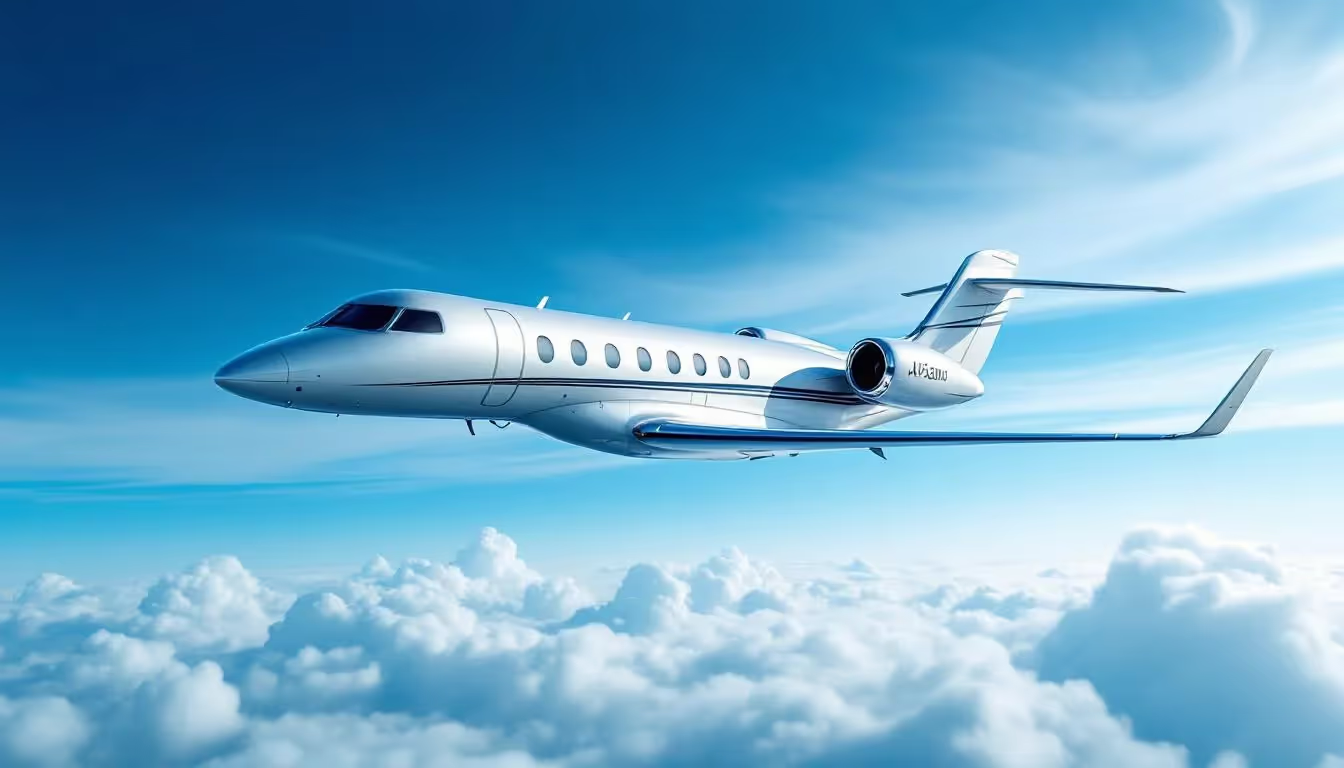
Private jets are synonymous with luxury, convenience, and speed, but one of their most overlooked advantages is the altitude at which they fly. You might wonder: how high does a private jet fly, and why does that matter? There are several reasons why private jets fly at higher altitudes, each offering unique benefits that set them apart from commercial flights.
This guide explains everything you need to know about private jet cruising altitudes, from how they compare to commercial aircraft to the engineering behind their flight capabilities. Whether you’re a prospective flyer, an aviation enthusiast, or exploring charter options like those offered by Jettly, this article will give you a comprehensive understanding of private jet altitudes.
Private jets offer a premium flying experience that surpasses commercial travel in nearly every way. From personalized service and flexible schedules to shorter security procedures, they’re designed for efficiency. But one of their technical strengths lies in altitude performance.
Unlike commercial airliners that cruise at around 35,000 feet, private jets typically cruise between 41,000 and 45,000 feet, sometimes even higher depending on the aircraft. This range is often referred to as the private jet cruising altitude, and can extend up to 51,000 feet for some models. This higher altitude range is a key factor in their operational advantages.
Avoid commercial air traffic
Bypass congested airways
Encounter less turbulence
Fly more direct routes, thanks to reduced air traffic at higher altitudes
Enjoy higher fuel efficiency in thinner air
Jets fly higher than most commercial airliners, which gives them a significant advantage in comfort and efficiency.
Private jets also tend to fly a bit higher than other aircraft, like turboprops and helicopters, allowing them to navigate busier and more turbulent skies safely and efficiently.
Flying at higher altitudes also allows private jets to have access to less air traffic, further enhancing their ability to maintain efficient and direct routes.
The exact cruising altitude of a private jet depends on the model, weight, and mission profile, but most fall within the range of 41,000 to 45,000 feet.
Here’s a breakdown of popular private jets and their maximum altitudes:
Cessna Citation X: 51,000 ft
Gulfstream G650: 51,000 ft
Bombardier Global 7500: 51,000 ft
Embraer Phenom 300: 45,000 ft
Learjet 75: 51,000 ft
Dassault Falcon 8X: 51,000 ft
For example, the Gulfstream G650 is a plane capable of reaching 51,000 feet, which is significantly higher than the cruising altitude of most commercial aircraft. These private jets are designed to reach greater heights, allowing them to fly higher than commercial flights.
As you can see, many high-performance jets fly at altitudes well above most commercial planes. These heights are not just for show; they offer real operational benefits.
Several engineering and environmental variables determine how high a private jet can safely and efficiently fly.
The service ceiling of a private jet is the maximum altitude at which it can sustain a specified rate of climb. This limit is influenced by the aircraft’s design, engine power, and aerodynamic efficiency. Engine thrust provides the necessary force for the aircraft to reach and maintain high altitudes, overcoming gravity and air resistance.
Engine performance is a critical factor in determining cruising altitude. Jet engines are specifically optimized to operate efficiently in thin air at high altitudes, where air density is lower. This allows private jets to achieve better fuel efficiency and reduced drag. Jet engines play a crucial role in enabling high-altitude flight by maintaining sufficient thrust even as atmospheric conditions change.
The total weight of the aircraft, including passengers, fuel, and cargo, directly impacts its ability to climb and cruise at higher altitudes. Managing weight is essential to ensure enough lift for efficient flight at high altitudes, as heavier aircraft require more lift to stay airborne in thinner air. Proper weight management also contributes to safety and performance.
The service ceiling is the maximum altitude a jet can reach under standard conditions while still maintaining a reasonable rate of climb. It’s influenced by:
Engine thrust
Aircraft weight
Wing design
Aerodynamic drag
Engine thrust generates the forward-moving force required for the aircraft to reach and maintain its service ceiling.
Most modern private jets have service ceilings of 45,000–51,000 feet.
Private jets are equipped with high-thrust, low-bypass-ratio turbofan engines that are optimized for higher altitudes. Jet engines are specifically designed to operate efficiently in thin air at high altitudes, which improves both performance and fuel efficiency. This enables them to take advantage of thinner air, which reduces drag and allows for quicker, more efficient travel.
Faster ascents
Greater speed at cruise
More efficient fuel burn
Lighter air at higher altitudes allows the engines to operate with less resistance, which improves fuel economy and reduces stress on components.
The weight of the jet, including passengers, luggage, and fuel, impacts its ability to climb to high altitudes. Lighter jets can ascend faster and reach higher ceilings with less engine strain.
Managing the aircraft's weight is crucial to ensure there is enough lift for efficient flight at high altitudes.
Pilots will factor in wind, jet streams, and atmospheric pressure when selecting the ideal cruising altitude. If needed, they may adjust flight levels to avoid adverse weather, which is easier to do with altitude flexibility.
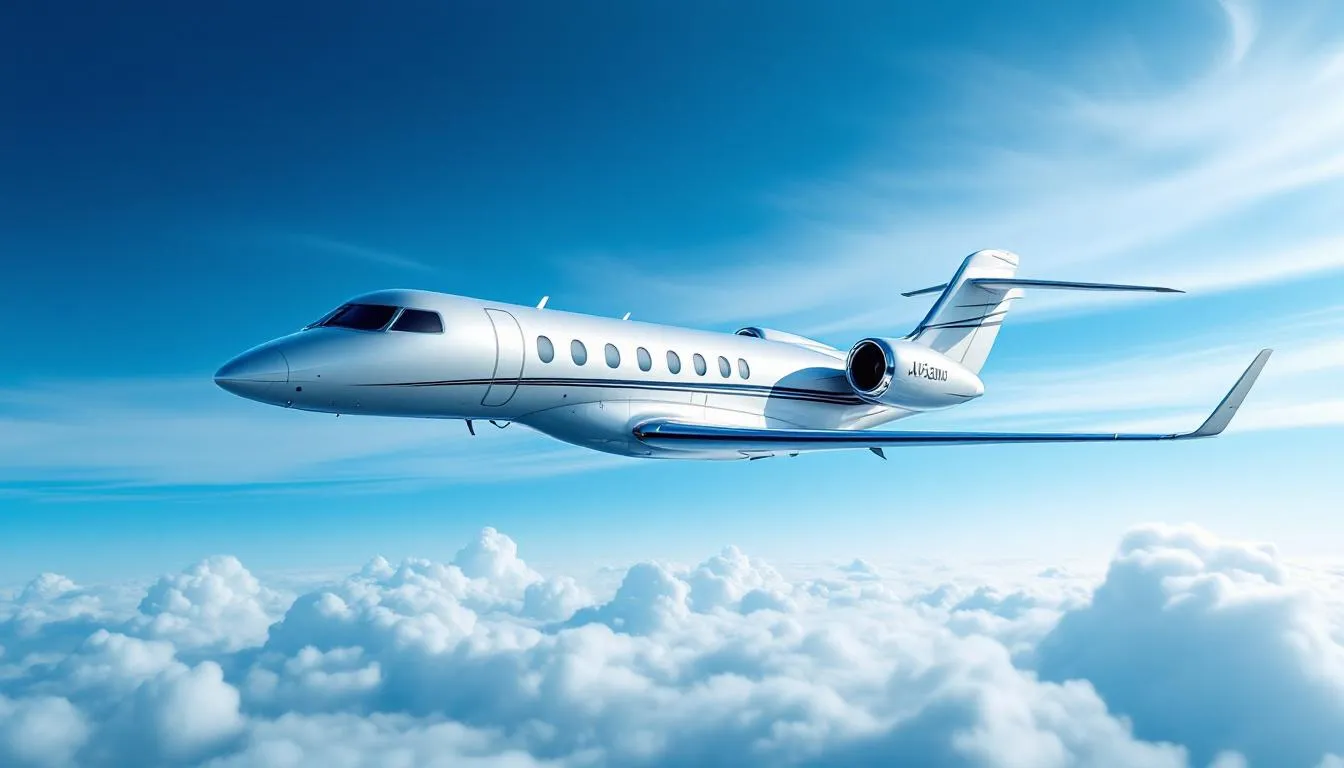
Flying higher offers several advantages, including improved fuel efficiency, enhanced safety, and the ability to avoid adverse weather conditions.
Flying at 45,000+ feet isn’t just a technical feat; it offers significant benefits that improve comfort, efficiency, and safety.
Commercial airliners dominate the 30,000–39,000 ft range. By flying above this congested zone, private jets:
Avoid traffic delays
Secure more direct routing
Reduce communication frequency with air traffic control
Turbulence is usually strongest in lower to mid-altitude zones where weather systems and thermals are more active. Flying above this level often means a calmer, smoother ride, as higher altitudes experience significantly less turbulence.
In thinner air, there’s less aerodynamic drag. This allows:
Faster cruising speeds
Flying at higher altitudes results in less drag, which improves fuel efficiency.
Less fuel consumption
Less drag allows for faster speed and higher cruising speed.
Longer range with the same fuel load
Higher altitudes enable jets to fly over storms and adverse weather, offering more flexibility and avoiding delays or discomfort due to weather-related turbulence.
To better appreciate private jet altitude capabilities, let’s compare them to commercial airlines:
Typical Cruising Altitude: Private jets fly between 41,000 and 51,000 feet, while a commercial jet generally cruises at 30,000 to 38,000 feet. Modern airliners are designed with advanced technologies, such as high-altitude cabin pressurization and efficient engines, allowing them to operate safely and efficiently at these altitudes.
Power-to-Weight Ratio: Private jets have a higher power-to-weight ratio compared to a commercial jet, enabling faster ascents and higher cruising speeds. Heavier commercial jets require more power to achieve and maintain cruising speed, especially at higher altitudes.
Weather Avoidance: Private jets excel at avoiding weather disturbances, whereas commercial jets have more limited capabilities.
Route Flexibility: Private jets enjoy high route flexibility, while commercial jets are regulated by fixed schedules. Private flyers benefit from the ability to fly directly from one point to another, saving time and increasing efficiency.
Fuel Efficiency per Flight: Private jets achieve high fuel efficiency per flight, whereas commercial jets are optimized for bulk travel. Commercial jets carry more fuel, which increases their weight and can affect performance and efficiency at higher elevations.
Passenger Experience: Private jets offer a personalized and smooth experience, in contrast to the standard and variable experience on commercial flights. Private jet flyers benefit from quicker check-in processes, less time at airports, and greater flexibility, making each trip more convenient and efficient.
Speed Comparison: The fastest private jets can reach speeds of around 516 knots, whereas the fastest commercial airliner, the Boeing 747, has a maximum cruise speed of 493 knots. Maximum speed is a critical parameter for both private jets and commercial airliners, determined through rigorous testing, but pilots typically operate below this limit for safety and efficiency.
Performance Comparison: Private jets can typically achieve faster ascent and reach cruising speed more quickly than commercial jets due to their lighter weight and lower fuel load. In some cases, a commercial jet can achieve the same performance, but it is less economical.
While commercial jets must follow scheduled air corridors and ATC-managed altitudes, private jets enjoy far more flexibility and control over their cruising levels. Private flyers appreciate the ability to take direct routes and avoid delays, making each point-to-point trip smoother and more efficient.
Private jets are designed to maximize performance in a compact, efficient airframe. Private jets fly higher than most commercial airliners, often cruising at altitudes between 41,000 and 45,000 feet, which allows them to avoid congested airspace and weather disturbances. They also have a greater power-to-weight ratio compared to commercial aircraft, enabling faster climbs and quicker ascent to cruising altitude.
Thanks to higher thrust-to-weight ratios, private jets reach cruising altitude much faster. This means:
Less time in turbulent lower altitudes. Private jets fly higher than commercial airplanes, often cruising between 41,000 and 45,000 feet, which allows them to avoid most weather and air traffic.
Shorter total flight duration. Private jets have greater power-to-weight ratios, enabling them to climb faster and reach cruising speed more quickly.
Smoother transitions between takeoff and cruise
Corporate jets often feature:
Low-bypass turbofan engines. Corporate aircraft are specifically engineered with advanced design features, such as efficient engines and robust pressurization systems, to safely achieve and sustain high-altitude flight.
Advanced wing designs with higher aspect ratios. At a typical private jet cruising altitude, which is often higher than that of commercial airliners, these jets benefit from smoother air, increased speed, and greater fuel efficiency.
Cabin pressurization systems to maintain comfort at 50,000+ ft
Some jets, like the Cessna Citation X, cruise at nearly Mach 0.935, faster than most commercial jets. Private jets can achieve cruising speeds of between 500 and 521 knots. When combined with direct routing, this can save hours on long-haul flights.
Choosing a private flight offers significant time savings and convenience compared to commercial travel, thanks to faster speeds and more direct routes.
While many private jets can reach 51,000 feet, they rarely fly much higher due to airspace regulations and safety concerns.
The airspace above 60,000 feet is generally reserved for military or specialized aircraft. Civilian jets must remain below this threshold and must coordinate with ATC (Air Traffic Control) for clearance at higher altitudes.

One of the biggest practical advantages of private jets is their ability to fly over weather disturbances, including:
Thunderstorms
Jet streams
Icing layers
Turbulent frontal systems
This is especially valuable for time-sensitive or long-range flights, where maintaining a stable and smooth path is crucial. In many cases, jets will:
Request a higher or lower cruising level based on turbulence reports
Reroute horizontally around storms if necessary
Fly at optimum altitudes to avoid convective activity
These capabilities drastically improve passenger comfort and flight reliability.
Despite their high-altitude capabilities, there are times when private jets must fly lower:
Short regional hops may not require a climb above 30,000 ft.
Weather such as high-altitude turbulence or wind shear may lead pilots to request lower cruising levels.
Air traffic constraints, especially near busy hubs, can require temporary lower altitudes.
Weight or fuel restrictions on heavily loaded jets may limit climb performance.
Even then, private jets still outperform commercial aircraft in routing flexibility and climb rate.
So, how high does a private jet fly? The answer is clear: typically between 41,000 and 51,000 feet, well above commercial airliners.
But it’s not just about reaching the sky, it’s about what that altitude enables:
Faster and smoother flights
Reduced air traffic interference
Greater fuel efficiency
Enhanced weather avoidance
More personalized and direct routes
Private jets offer shorter flight times compared to commercial airlines, allowing you to reach your destination more quickly. Significant time savings are achieved by avoiding long airport procedures and delays common with commercial flights. Private jets can land at smaller, less congested airports, making your trip more convenient and efficient from start to finish. The strategic importance of landing at your preferred location enhances the overall travel experience, setting private jet travel apart from commercial airline landings.
If you’re considering chartering a private jet, understanding altitude capabilities can help you appreciate the value, engineering, and experience behind these incredible aircraft.
Experience it for yourself. Whether you’re traveling for business or leisure, Jettly makes private aviation accessible, efficient, and tailored to your needs.
Explore your options today at Jettly.com and discover the altitude advantage of flying private, including helicopter rental costs.
Share this post:
Jay Franco Serevilla
Aug 21, 2025
|
5
min read
Discover tips and trends in the industry.
5
min read
Arrow Jets: How Jettly Makes Private Jet Travel Simple, Fast, and Transparent
Jettly revolutionizes private jet travel by offering a digital platform that simplifies the booking process for over 20,000 aircraft worldwide. With instant pricing and transparent cost breakdowns, travelers can easily access fast, direct flights tailored to their needs. This on-demand model eliminates the complexities of traditional jet ownership, making private aviation more accessible and efficient.
Read More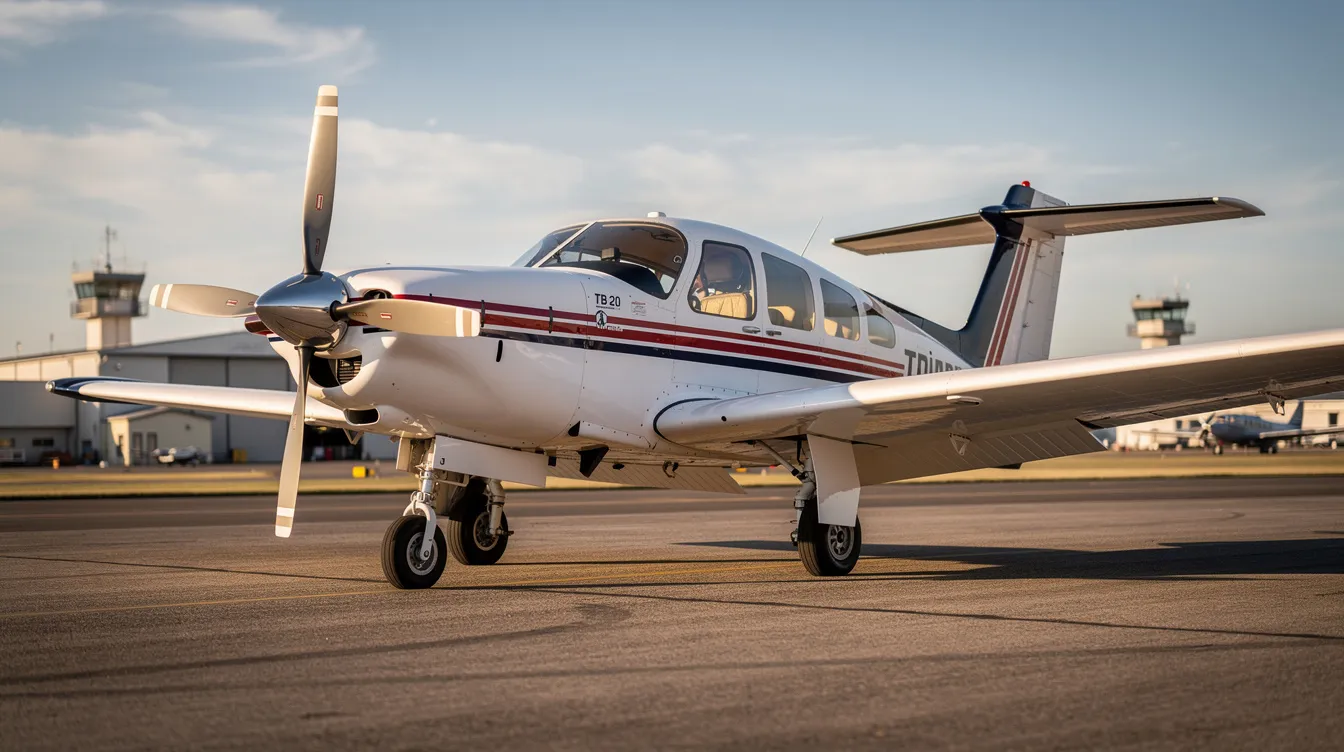
5
min read
Socata TB Series Guide: TB 20 Trinidad and Related Models
The Socata TB series, particularly the TB 20 Trinidad, is a renowned family of French single-engine aircraft designed for touring and training. With its spacious cabin and retractable landing gear, the TB 20 is favored by private pilots and flight schools for its performance and comfort. This guide explores the TB series' features, variants, and its relevance in modern private aviation.
Read MoreStay updated with our latest insights and tips to elevate your journey with us.
MEMBERSHIPS AND ASSOCIATIONS



Disclaimer: Jettly operates as a charter broker, offering access to a global digital jet charter marketplace. Jettly is not a direct air carrier and does not own or operate aircraft. All advertised flights are conducted by third-party air carriers that are fully licensed and hold the appropriate Part 135 or Part 121 certifications issued by the Federal Aviation Administration (FAA) or equivalent regulatory authorities under U.S. or foreign law. Jettly complies fully with the U.S. Department of Transportation's Part 295 and Part 298 Charter Broker regulations. Jettly does not carry additional liability insurance. Passengers are covered by aircraft operator insurance. TICO: 50023770


