


Login
Get Instant Pricing On 23,000+ Aircraft

>

HondaJet sales have become a significant indicator of trends in the very light and light business jet markets. Known for innovative design and fuel efficiency, the HondaJet family has attracted buyers ranging from individual owners to charter operators. This article explores the current state of HondaJet sales, key models driving demand, and how travelers can access these aircraft through charter services like Jettly. Understanding these dynamics offers insight into the evolving preferences of private aviation customers and the strategic direction of Honda Aircraft Company.
Hondajet sales have been strong in the very light jet category. In 2021, the HondaJet was the most delivered aircraft in its class for the fifth consecutive year, with 37 aircraft delivered globally.
As of February 2024, Honda Aircraft Company had delivered a total of 250 HondaJets since the start of deliveries in December 2015, and the worldwide HondaJet fleet surpassed 100,000 flight hours in January 2022.
Fuel efficiency, cabin comfort, and product line expansion are the primary factors driving HondaJet sales, especially for the HondaJet Elite, Elite S, and HondaJet Elite II.
Buyers can purchase new or pre-owned aircraft, while Jettly lets travelers access Hondajet or similar aircraft through on-demand charter without ownership costs.
The Honda Jet echelon, with nearly 500 Letters of Intent before its first flight, shows how Honda is moving into the larger light business jet market.
Honda Jet sales include new delivery volume, pre-owned transactions, and charter demand for Honda aircraft products. That broader view matters because the private aviation industry has shifted from mostly owner-flown aircraft toward shared fleets, charter access, and managed aircraft.
According to the General Aviation Manufacturers Association, the HondaJet has repeatedly led the very light jet segment. In 2021, it recorded 37 deliveries and was the top aircraft in its class for the fifth consecutive year. The HondaJet holds a commanding ~40% market share of the total Very Light Jet (VLJ) segment.
The phrase aircraft in its class usually refers to very light and light jet categories that seat about 4–8 passengers. HondaJet competes in the Very Light/Light Jet segment and the Upper-Light/Midsize segment, alongside other aircraft from Embraer, Cessna, and Pilatus.
By the mid-2020s, Hondajet continues to lead its segment, with more than 250 units delivered worldwide. Honda also reported that the fleet had passed 210,000 hours by early 2024, reflecting high flight activity, service maturity, and sustained market traction.
Demand comes from business travelers, owners, fleet operators, and charter providers who value speed, fuel efficiency, and access to smaller airports. Platforms like Jettly support utilization by sourcing HondaJet aircraft for on-demand flight needs, while other providers, such as NetJets, a leading private aviation company, shape expectations around service and safety. That steady delivery pace and fleet use also reinforce the company's reputation among buyers, operators, and charter providers.

Honda Aircraft Company is the aviation unit behind the HondaJet family. It was founded in 2006 and operates as a wholly owned subsidiary of Honda. Honda Aircraft's world headquarters are in Greensboro, North Carolina, where R&D, production, sales, and customer support are integrated on one campus.
The company develops, certifies, manufactures, and supports the aircraft. The original HA-420 earned type certification from the Federal Aviation Administration in 2015, after years of flight testing, and then received its type certificate. This gave Honda Aircraft a foundation in business jet manufacturing beyond automotive and commercial aircraft work connected to American Honda Motor.
The product line has moved from the original HA-420 to the Hondajet APMG, or advanced performance modification group, then to the Hondajet Elite, Elite S, and Hondajet Elite II. Each step added range, avionics, cabin features, and operating improvements.
Honda’s design philosophy centers on technological innovations such as the Over-The-Wing Engine Mount, composite fuselage, and natural laminar flow. The wing engine mount places the engines mounted above the wing, improving engine placement, reducing aerodynamic drag and wave drag, and creating more cabin space.
This constant pursuit reflects Honda’s longstanding dreams to advance human mobility skyward. Honda often connects the program to human mobility, skyward mobility, challenging spirit, and new value. In simple terms, Honda Aircraft fulfills a long-term aviation vision: to make a fuel-efficient private jet that expands how customers move, a vision still alive today.
Different variants support different hondajet sales needs, from owner-operators to shared charter fleets.
The original Hondajet established the platform with high-speed performance, a composite fuselage, and a quiet cabin. The Hondajet APMG upgrade improved takeoff and payload capability, making early aircraft more attractive on the pre-owned market.
The Hondajet Elite added better range, refined cabin comfort, and stronger fuel economy. The HondaJet Elite incorporates Natural Laminar Flow (NLF) technology in its fuselage nose and wings, contributing to improved aerodynamic performance and fuel efficiency.
The Elite S built on that formula with avionics and safety upgrades. The aircraft is equipped with a highly automated Garmin® G3000 avionics suite, developed with ergonomic considerations to enhance the pilot and passenger experience.
The Hondajet Elite II is a major sales driver. For longer domestic missions, many buyers compare it with other cross-country aircraft optimized for range, speed, and comfort. The Honda Aircraft Company president has also highlighted the model's role in the brand's ongoing growth. It also has a higher maximum takeoff weight, Emergency Autoland, and improved runway performance. For owners and charter operators, that means more usable missions.
The Hondajet echelon is positioned above the Elite II as a light business jet. Honda is aggressively shifting focus to the larger Light Jet market, which captures roughly 170 sales annually. The HondaJet Echelon has already secured nearly 500 Letters of Intent (LOIs) from buyers before its first flight.
|
Model |
Max Cruise Speed (knots) |
Range (nautical miles) |
Passenger Capacity |
Notable Features |
|---|---|---|---|---|
|
Original HA-420 |
422 |
~1,223 |
Up to 5 |
Over-The-Wing Engine Mount, composite fuselage |
|
HondaJet APMG |
422 |
Improved payload |
Up to 5 |
Enhanced takeoff and payload capabilities |
|
HondaJet Elite |
422 |
~1,223 |
Up to 5 |
Natural Laminar Flow technology, cabin upgrades |
|
HondaJet Elite S |
422 |
~1,223 |
Up to 5 |
Garmin® G3000 avionics, safety enhancements |
|
HondaJet Elite II |
422 |
~1,547 |
Up to 6 |
Emergency Autoland, higher MTOW, improved runway performance |
|
HondaJet Echelon |
TBD |
TBD |
TBD |
Larger cabin, longer range, nearly 500 LOIs pre-first flight |
HondaJet sales now span North America, Europe, Latin America, Japan, Southeast Asia, and the Middle East, supporting routes into major cities like Lagos via private jet charter. This reach is supported by service centers, training, and regional certification, and Jettly’s ULTRA high-ticket affiliate program allows partners in these markets to earn by referring charter clients into HondaJet and similar aircraft, whether those trips are to U.S. hubs like Atlanta for private jet travelers or other destinations.
Annual worldwide business jet deliveries often sit around 600–700 units, while many travelers who don’t plan to buy an aircraft instead look at affordable airplane rental paths into private flying. Within that, HondaJet has held a strong very light jet share, though delivery rates have moved with economic cycles and supply conditions, and some buyers also weigh HondaJets against the cheapest private aircraft options in other categories.
The COVID-19 period slowed some production, but it also increased interest in smaller aircraft for direct travel. Travelers wanted fewer connections, more schedule control, and access to secondary airports, prompting some to compare traditional ownership products like NetJets with Jettly as a flexible NetJets alternative.
The pre-owned market has also matured. Aircraft built from 2016 to 2020 now trade hands, while newer Elite S and Elite II examples appear with detailed maintenance histories. Buyers review age, hours, landings, warranty coverage, engine plans, and upgrades, often comparing HondaJet options with other affordable private aircraft choices for budget-conscious owners.
Safety history is also part of due diligence. As of August 2025, the HondaJet HA-420 had been involved in six hull-loss accidents resulting in five fatalities. In May 2023, Jet It grounded its fleet of HondaJets after a runway excursion incident, which led to calls for a safety stand-down from the HondaJet Owners and Pilots Association due to eight accidents in the previous 12 months. The first fatal accident involving a HondaJet occurred on November 5, 2024, when an HA-420 overran the runway on takeoff, resulting in the deaths of four of the five people on board and a vehicle driver.
For charter customers, the key is operator quality. Jettly works with certified operators so travelers can compare aircraft options by route, schedule, and safety standards, and understanding how much it costs to rent a private jet and which factors drive pricing and how Part 135 charter companies operate and are regulated can further inform those choices.
HondaJet sales are driven by performance, technology, and cost control. The aircraft’s Over-The-Wing Engine Mount configuration enhances aerodynamic efficiency and allows for a more spacious cabin by reducing drag and increasing fuel economy, and Honda frequently appears among the best private plane manufacturers for business aviation.
The Hondajet Elite II is marketed as one of the most fuel-efficient twin-turbine very light business jets. Business jet operators are focused on lowering carbon emissions, with the HondaJet Elite II saving roughly 8,000 gallons of fuel annually compared to equivalent twin-engine business jets.
Performance is practical. Its range suits routes such as New York–Miami, Los Angeles–Denver, and Toronto–Chicago, while shorter runway capability can open more regional airports.
Cabin comfort also matters. Typical layouts support 5–6 passengers, with large windows, a quieter cabin, a private lavatory, a belted lavatory option, baggage space, and, in some configurations, a full-service galley.
Avionics are another advantage. Garmin-based automation, Emergency Autoland on Elite II, and stability systems reduce pilot workload. Publications such as Aviation International News have also covered the aircraft’s next-generation features and market role.
For charter customers, the same advantages translate into useful trips: fast boarding, smaller airport access, and efficient short- to mid-range travel, especially when using tools like Jettly’s airport locator for private jet charter to plan routes into secondary airports.

Buying a HondajetHonda Jet makes sense for owners, companies, or operators with high utilization. Owners must budget for acquisition, depreciation, crew, hangar, insurance, maintenance, fuel, and downtime.
Many buyers compare ownership with charter when the expected use is below 150–200 flight hours per year. Below that level, fixed costs can be difficult to justify, and broader guides on how much a private jet costs to own and operate, along with tools like a private jet charter cost estimator, help clarify the economics of trip-by-trip flying.
Jettly offers a different path. Travelers can access HondaJet, HondaJet Elite II, and comparable light business jets through a global inventory of more than 20,000 private charter aircraft. There is no capital outlay, no long-term aircraft commitment, and no need to manage maintenance.
Operators may also place owned aircraft into charter programs. This can create revenue and improve utilization, while customers gain trip-by-trip access, and tools like a jet card flight cost estimator can help compare program pricing with ad hoc HondaJet charter or structured jet card membership programs.
If a traveler is unsure whether ownership fits, chartering through Jettly first can provide a realistic view of routes, cabin needs, and operating preferences, and private jet membership options can further streamline frequent HondaJet use without full ownership.
Jettly is a digital private jet charter marketplace, not an aircraft manufacturer. The platform sources Hondajet, Hondajet Elite II, and other aircraft types for business and leisure flight needs.
A user can enter a route such as New York–Miami, London–Zurich, or Los Angeles–Las Vegas, then compare aircraft by cabin size, timing, and estimated price. Options may include turboprops, very light jets, light business jets, midsize jets, and larger cabins, and Jettly also explains how affordable private jet charter pricing works for different aircraft types.
Jettly works with certified operators that comply with regional aviation rules, including FAA Part 135 standards in the United States. This supports safety, maintenance, and insurance expectations for corporate and private travelers, whether they’re flying with a dedicated operator like Dexter Air Taxi’s private jet service or another carrier in the network.
Flexible travelers may also find empty leg flights on light business aircraft, potentially lowering trip cost. Membership and on-demand options help customers choose how they want to book, with transparent pricing and support for catering through services like Jettly Eats, in-flight private jet catering, or ground transportation.
Learn more about Jettly’s charter options at https://www.jettly.com.
Demand for efficient light business aircraft should remain steady as companies focus on time savings, point-to-point travel, and operating discipline. HondaJet sales are likely to reflect that trend, especially as buyers consider emissions, comfort, and productivity.
The Hondajet echelon is central to that outlook. Honda has invested heavily in the program, including an announced budget of roughly $55.7 million, and is targeting a larger cabin, longer range, and improved efficiency, at a time when many travelers are also exploring affordable airplane rental options and access models. The program also reflects Honda's longstanding dreams of advancing human mobility skyward.
Sustainable aviation fuel compatibility, lower emissions, and better fuel efficiency will influence future fleet choices. More automation will also matter for single-pilot owners and charter providers.
Digital platforms like Jettly will play a growing role by matching available aircraft with real demand. That can help operators improve utilization and may influence future delivery decisions. Industry recognition, including acknowledgment from the American Institute, also supports confidence in Honda's technology as the market evolves, just as listings in guides to the best private jet charter companies influence traveler perceptions.
HondaJet remains a game changer in the light business category, while Jettly gives travelers flexible access to this technology without owning an aircraft.
A new HondaJet Elite II is generally a multimillion-dollar purchase, often discussed in the mid-$6 million to $7 million range depending on configuration and market conditions. Charter rates vary by location, aircraft availability, repositioning, and trip length.
Buyers must also pay for crew, hangar, maintenance, insurance, and depreciation. Jettly customers pay per trip, which is often more practical for travelers who fly fewer than 150–200 hours per year.
Many HondaJets are owner-operated, but a growing number are available through charter fleets in North America, Europe, and other regions. Availability changes by route, season, and operator schedule.
Jettly can help search for a HondaJet or a comparable light jet when a specific aircraft is not nearby, and travelers can also explore broader strategies on how to get a seat on a private jet easily.
The HondaJet family works well for 2–6 passengers on flights of roughly 1–3 hours, including popular regional city pairs such as those linking Mumbai by private jet charter with other financial centers. Good examples include New York–Boston, Dallas–Atlanta, Los Angeles–Las Vegas, and Paris–Geneva, as well as regional missions into emerging business hubs such as Abuja by private jet charter.
Longer intercontinental missions usually call for midsize or large-cabin jets, which Jettly can also source, and travelers considering overseas routes may want to understand how private jets fly internationally and what regulations apply, as well as a broader overview of charter airlines and private flight options when comparing providers.
Lower fuel burn can reduce direct operating cost and emissions per mile compared with many older jets. Where available, operators may also offer carbon offsets or sustainable aviation fuel options.
Travelers interested in lower-impact private travel can discuss these options when requesting a quote through Jettly, including whether crowdsourced shared private jet flights, other strategies for booking the cheapest private jet flights, or traditional charter better fit their budget and sustainability goals.
Yes. Jettly works with licensed operators that meet regulatory standards, which helps corporate travel teams manage safety and compliance.
Transparent pricing, flexible routing, and access to smaller airports can reduce travel time and improve productivity, whether a company prefers shared charter flights or full private charters. Ready to compare HondaJet sales insights with real charter options? Explore flights or request a quote at https://www.jettly.com.
HondaJet sales continue to reflect strong demand for efficient, comfortable, and technologically advanced light business jets. With a proven track record of innovation, fuel efficiency, and cabin comfort, HondaJet models like the Elite II and the upcoming Echelon are shaping the future of private aviation. For travelers and businesses, owning a HondaJet offers many benefits but also significant commitments. Alternatively, on-demand charter through platforms like Jettly provides flexible, cost-effective access to HondaJet aircraft and comparable jets without ownership responsibilities. Jettly’s transparent pricing, extensive global inventory, and certified operators make it easy to experience the advantages of HondaJet technology on your terms. Whether for business trips, leisure travel, or special missions, Jettly connects you to the right aircraft with convenience and confidence.
Ready to enjoy private travel tailored to your needs? Browse available flights or get a personalized quote at https://www.jettly.com.
Share this post:
Jay Franco Serevilla
May 20, 2026
|
5
min read
Discover tips and trends in the industry.
5
min read
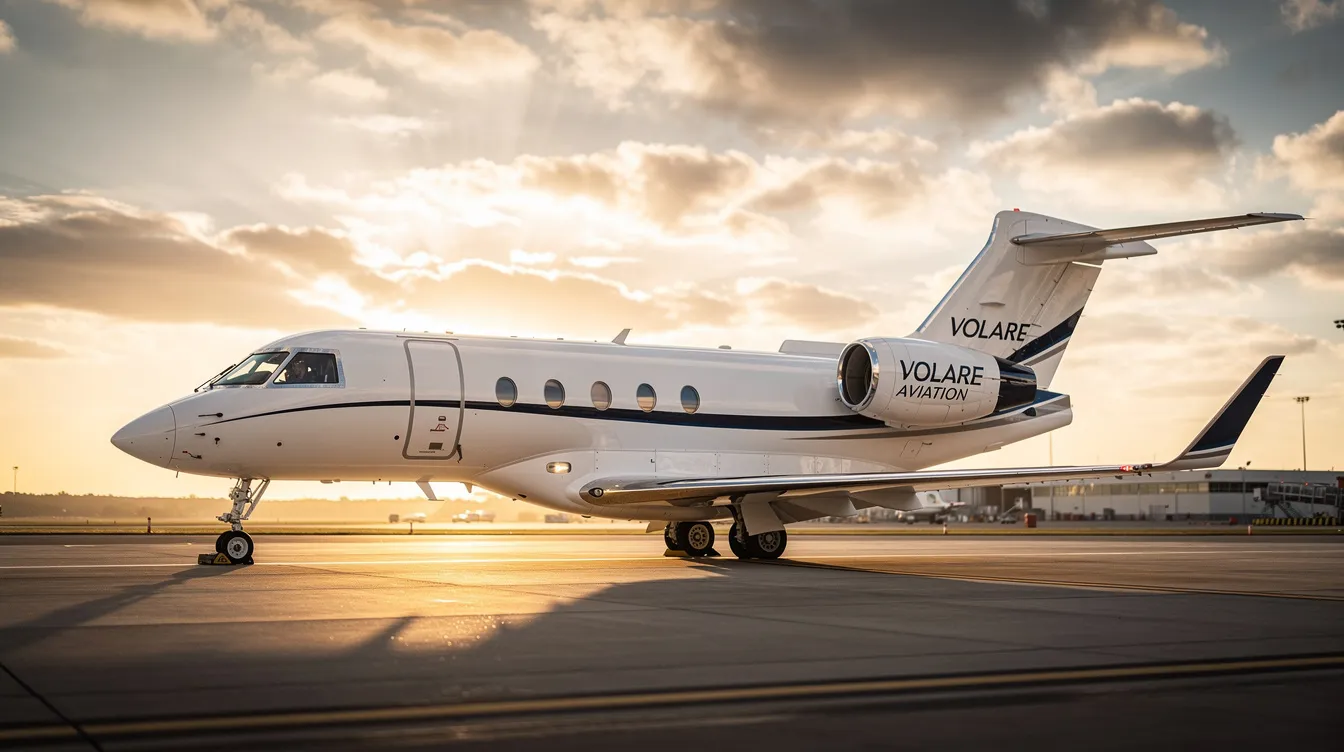
Volare Aviation and Modern Private Aviation: How Jettly Helps You Charter Smarter
Volare Aviation offers boutique private aviation services at Oxford Airport, specializing in aircraft ownership, management, and charter. With the rise of digital platforms like Jettly, private jet and helicopter travel has become more accessible, allowing travelers to choose flexible options without the need for ownership. This article explores the advantages of private aviation, including reduced travel time and personalized service.
Read More
5
min read
Why So Many Plane Crashes? Causes, Trends, and How Modern Aviation Stays Safe
Plane crashes are often the result of a combination of factors, including human error, mechanical failures, and weather conditions. Despite media coverage suggesting otherwise, air travel remains statistically safe, with improvements in aviation safety over the decades. Understanding the causes and trends can help travelers make informed decisions about their flying options.
Read MoreStay updated with our latest insights and tips to elevate your journey with us.
MEMBERSHIPS AND ASSOCIATIONS



Disclaimer: Jettly operates as a charter broker, offering access to a global digital jet charter marketplace. Jettly is not a direct air carrier and does not own or operate aircraft. All advertised flights are conducted by third-party air carriers that are fully licensed and hold the appropriate Part 135 or Part 121 certifications issued by the Federal Aviation Administration (FAA) or equivalent regulatory authorities under U.S. or foreign law. Jettly complies fully with the U.S. Department of Transportation's Part 295 and Part 298 Charter Broker regulations. Jettly does not carry additional liability insurance. Passengers are covered by aircraft operator insurance. TICO: 50023770


