


Login
Get Instant Pricing On 23,000+ Aircraft

>
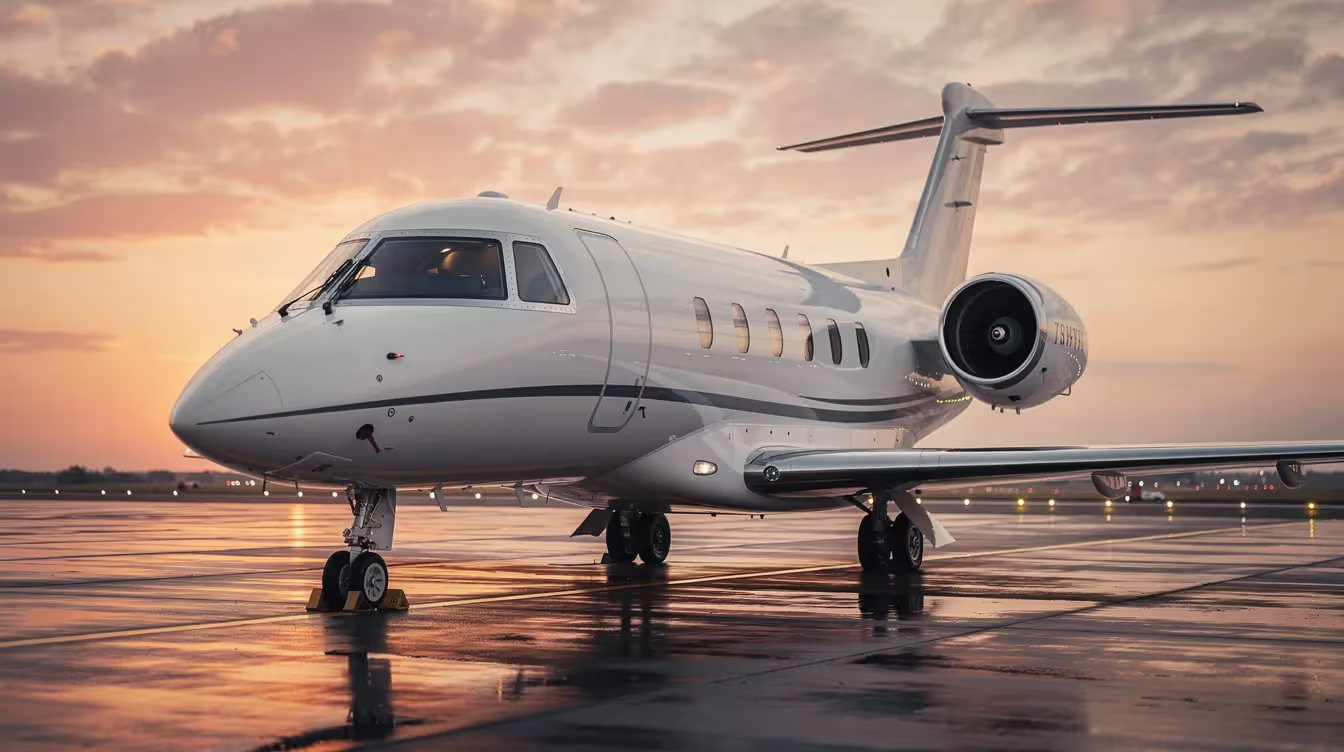
When budgeting for helicopter pilot training, “helicopter license price” refers to everything from your first introductory flight through checkride completion for your desired pilot certificate. The cost covers ground training, ground school classes, flight lessons, FAA exams, and aircraft rental fees. In the U.S. market for 2025–2026, prices reflect current hourly rates for popular training helicopters like the Robinson R22 and R44, plus instructor time, ground school, exams, and gear.
The main cost drivers include aircraft hourly rental rates, instructor fees, fuel prices, your geographic location, school insurance overhead, and how quickly you progress through the syllabus. All training must meet FAA requirements for curriculum and instructor qualifications. Schools in higher cost-of-living areas tend to have higher tuition rates for flight training. Ground training and ground school classes are mandatory components included in the overall cost.
A recreational private helicopter license typically runs $25,000–$35,000, while the full commercial helicopter pilot certificate path can exceed $100,000. Some private fliers ultimately choose on-demand helicopter rental or jet charter via Jettly instead of investing in commercial training when they only need occasional flights, especially after comparing how much a private jet really costs in terms of ownership, charter, and other options, or weighing that against the best cross-country plane for longer journeys.
Before beginning flight training, passing an FAA medical exam is required as part of the eligibility and requirements for certification.
A Private Helicopter Pilot License (PPL-H) in the U.S. typically costs $25,000–$35,000 in 2025–2026, while progressing from zero experience to commercial level runs $70,000–$100,000+.
Total helicopter license price depends on flight hours logged, helicopter type (the Robinson R22 is cheaper than the R44), fuel costs, and regional market conditions.
Different certificate levels—Private, Instrument Rating, Commercial, and CFI—stack together, with each adding its own training and examination costs.
Many travelers researching helicopter licenses want to understand whether training, chartering, or ownership offers the best value for their flying needs.
For those who fly only occasionally, chartering helicopters or jets through platforms like Jettly can deliver private aviation benefits without the substantial training investment.
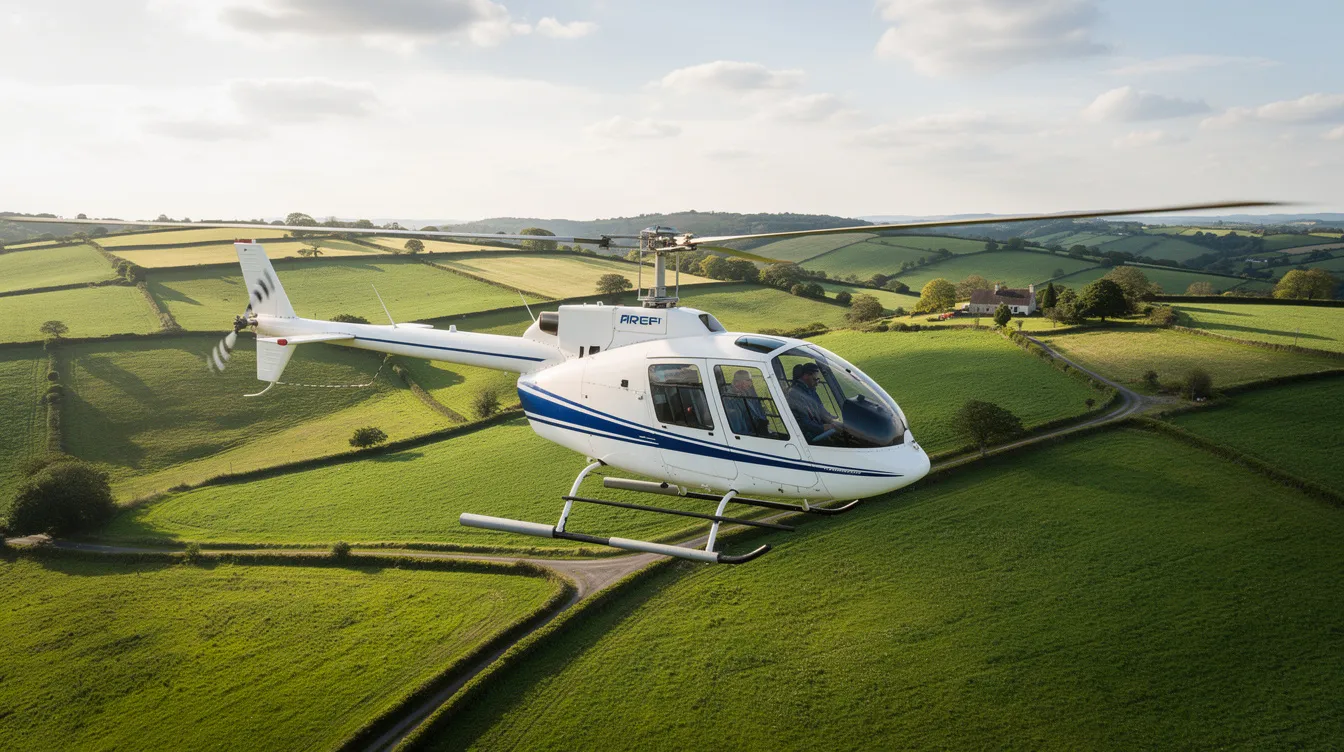
Each step in the helicopter pilot training journey—Private, Instrument, Commercial, and CFI—adds its own expenses. The figures below reflect typical U.S. training programs in 2025–2026, excluding living expenses and travel to the flight school.
FAA minimum hours are legal baselines, but most students require additional flight time due to the complexity of helicopter operations. FAA minimums set the baseline for both flight and ground training hours required for each certificate, as established by regulatory standards. Part 141 schools follow a structured FAA-approved syllabus, potentially requiring fewer total flight hours than Part 61 schools, though costs vary by location. When considering how many hours are needed, Part 141 programs may require as few as 35–45 hours for a Private certificate, while Part 61 typically requires at least 40–50 hours, though most students exceed these minimums.
Quotes typically reference popular training helicopters: the two-seat Robinson R22 (more affordable) and the four-seat R44 (higher hourly rate but roomier). Helicopter training is generally more expensive per hour than airplane training, which often has lower hourly rates due to simpler aircraft and lower operating costs. Students should always request current rate sheets, as fuel, insurance, and maintenance costs can shift within a single year.
The private pilot license allows non-commercial personal and family flying under Visual Flight Rules (VFR). Basic eligibility includes being at least 17 years old, holding a third-class FAA medical certificate obtained through an aviation medical examiner, and demonstrating English proficiency. This foundational license is also known as a private pilot certificate, and when specific to helicopters, it is referred to as a helicopter PPL.
The FAA requires a minimum of 40 flight hours to obtain a private pilot license, but most students complete between 50 and 60 hours, which can significantly increase overall costs. The Private Pilot License (PPL-H) typically requires 50–70 flight hours in practice.
The average cost to obtain a private helicopter pilot license typically ranges from $24,000 to $30,000, which includes flight training, ground school, and other associated fees. A realistic 2025–2026 budget sits around $25,000–$35,000 when using a mix of R22 and R44 time.
|
Component |
Estimated Cost |
|---|---|
|
Flight hours (50–60 hrs R22) |
$16,000–$24,000 |
|
Ground school (25–40 sessions) |
$1,250–$2,000 |
|
Books, charts, materials |
$300–$500 |
|
Headset and gear |
$500–$1,000 |
|
Written exam |
$175 |
|
Checkride (practical test) |
$950 |
Obtaining a private pilot certificate for helicopters requires passing a written test that covers FAA regulations, aerodynamics, and navigation, in addition to the practical checkride.
Example scenario: A student logging 55 hours in an R22 at $375/hour pays $20,625 for flight time alone. Adding ground instruction, exams, and gear brings the total near $25,000–$28,000.
An instrument rating allows helicopter pilots to fly under instrument flight rules in low-visibility conditions. This rating is highly recommended for professional paths as it allows flying in low-visibility conditions safely.
Training typically involves 40–50 total instrument hours, often combining helicopter flight time with approved simulator sessions. Many flight schools charge around $700 per hour for dual instruction in helicopters like the Robinson R44, which can significantly impact the total cost.
The average cost for obtaining an instrument rating for helicopter pilots ranges from $18,000 to $22,000, which includes flight time, ground school, and instructor fees. Additional training costs, such as for an instrument rating, can range from $18,000 to $22,000, depending on the helicopter used for training.
The cost of the FAA written exam for the instrument rating is approximately $175, while the practical test (checkride) fee is around $950 per attempt. Combining instrument training with commercial training can sometimes save money since some hours count toward both requirements.
The commercial pilot license, also known as a commercial license or commercial certificate, is required to fly helicopters for hire, tours, utility work, aerial photography, EMS entry positions, and similar operations. Obtaining a commercial certificate is essential for employment as a helicopter pilot and is mandated by FAA regulatory standards.
To qualify for a commercial pilot license, the FAA requires a minimum of 150 total flight hours, which includes specific requirements for pilot-in-command time and cross-country flying. This includes specified night flying, instrument time, and solo flight experience. In addition to meeting flight hour requirements, candidates must pass an FAA practical exam, a hands-on test observed by an FAA official, to demonstrate their flying skills as part of the certification process.
The cost to obtain a commercial helicopter pilot certificate typically ranges from $25,000 to $35,000, depending on the number of flight hours already logged by the student. This represents the incremental cost after completing PPL-H and Instrument Rating.
Zero-to-Commercial Total: Combining PPL-H, IR-H, and CPL-H typically lands between $70,000 and $100,000+, depending on hours flown, aircraft type, and training pace.
Students who fly 3–5 times per week generally progress faster and require fewer total hours than those who fly sporadically. Consistent scheduling reduces wasted refresher time and overall helicopter license price.
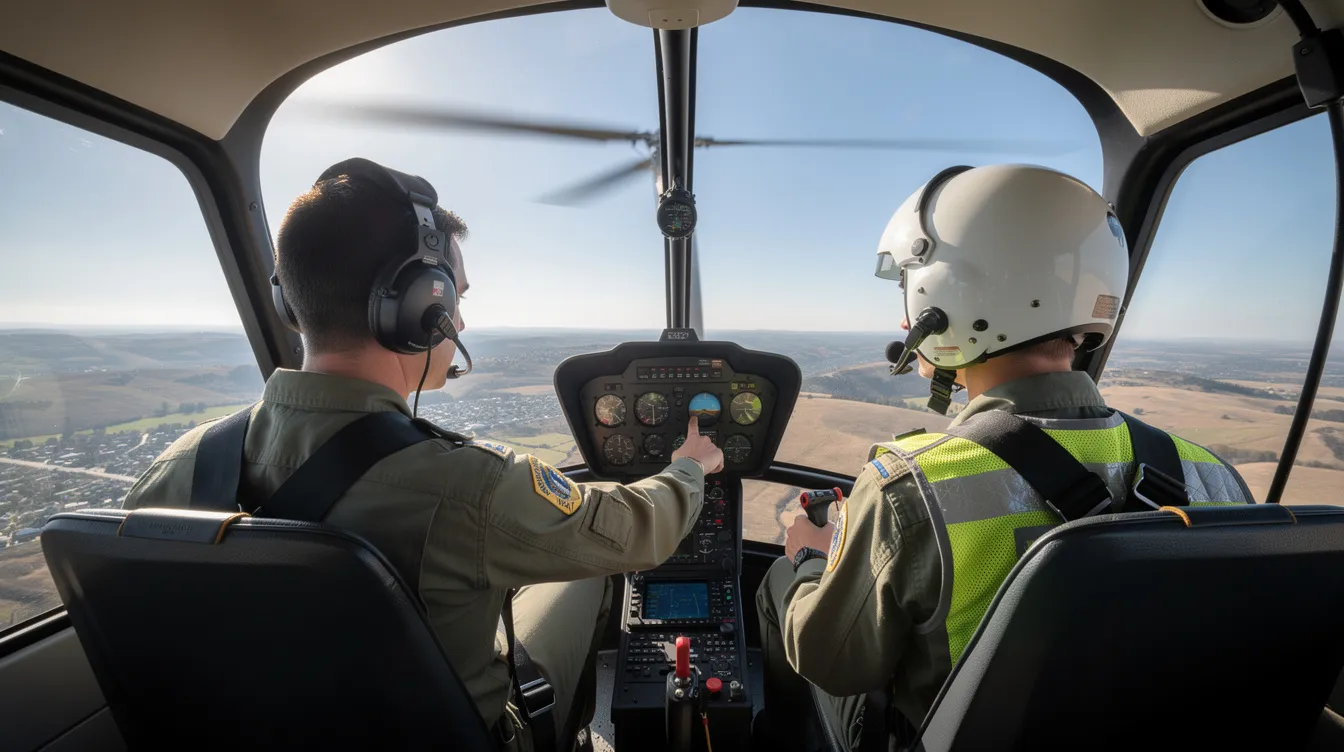
CFI-H and CFII-H ratings represent common next steps for new commercial helicopter pilots to build logged hours while earning income as a flight instructor.
|
Rating |
Estimated Cost |
|---|---|
|
CFI-H (Certified Flight Instructor) |
$12,000–$18,000 |
|
CFII-H (Certified Flight Instructor Instrument) |
$4,000–$8,000 |
Under SFAR 73, instructors need 200 total helicopter hours to teach in certain Robinson helicopters. CFI training covers teaching methods, lesson plans, right-seat flying skills, and ground instruction techniques.
While CFI/CFII ratings add to total training costs, they represent the most common way for pilots to begin recouping their investment through paid flying positions.
Understanding per-hour rates helps students estimate the total helicopter license price more accurately. These hourly figures multiply across 50–150+ flight hours to generate the final costs quoted above. The financial burden of helicopter training can be significant, but various financial aid options, including flexible payment plans and alternative funding sources, are available to help manage costs.
|
Item |
Rate |
|---|---|
|
Robinson R22 |
$325–$475/hour |
|
Robinson R44 |
$550–$675/hour |
|
Helicopter simulator |
~$100/hour |
|
Flight instructor |
$60–$70/hour |
Some schools bundle instructor fees into aircraft hourly rates (wet rates), while others list them separately. This complicates direct comparisons between programs.
Aircraft rental is typically the single largest component of the helicopter license price. Training in a piston helicopter like the Robinson R22 is the most affordable path for pilot training compared with many other aircraft rental options.
Current example rates show R22 helicopters at roughly $325–$475 per flight hour and R44 helicopters at roughly $557–$675 per hour. The R44 costs more due to its larger engine, higher maintenance requirements, greater fuel burn, and four-seat configuration.
IFR-equipped helicopters typically carry a small premium over VFR-only aircraft. Students should ask schools about fuel surcharges and whether rates are quoted wet (fuel included) or dry.
Standard hourly rates for flight instructors and ground instruction typically run $60–$70 per hour. Ground instruction fees can range from $50 to $80 per hour if not included in the flight school’s hourly rate, contributing to the overall training costs. Ground school classes and ground training are essential components of the pilot curriculum and are often included in the overall training cost at flight schools, as they provide the foundational knowledge required for FAA certification.
Quality instruction from experienced instructors can reduce total hours needed, indirectly lowering the overall helicopter license price despite potentially higher hourly fees.
Federal Aviation Administration regulations
Aerodynamics and helicopter systems
Navigation and weather interpretation
Emergency procedures
FAA airman knowledge test preparation
Some online or self-study options reduce ground school costs, but students must still meet knowledge test and checkride standards.
In addition to flight training costs, aspiring commercial pilots should budget for additional expenses such as FAA written exams, practical test fees, and medical examinations, which can add several thousand dollars to the overall cost. All aspiring pilots must pass an FAA medical exam as part of the certification process, regardless of age or background.
|
Item |
Cost |
|---|---|
|
FAA Airman Knowledge Test (written test) |
~$175 |
|
Practical exam (FAA practical exam/checkride) |
$500–$950 |
|
Third-class medical exam |
$100–$200 |
|
Second-class medical exam |
$150–$250 |
The FAA Airman Knowledge Test, a written test covering regulations, aerodynamics, and navigation, costs approximately $175 and is a prerequisite for the FAA practical exam. The practical exam fee for a helicopter pilot’s license is around $950 per attempt. These exams and certifications are required by the FAA for pilot certification. Medical certificates must be renewed based on age, every 60 months for pilots under 40 with a third-class medical
These “smaller” costs can add $1,000–$3,000+ across the entire training path and should appear in any serious budget.
The sticker price of flight hours represents only part of the real investment. Lifestyle and equipment costs matter too. While the financial burden of a helicopter license price can be significant, it is often offset by the value of a comprehensive training experience that includes hands-on flight hours, ground instruction, and skill-building. Additionally, the growing demand for pilots in the helicopter industry means that this investment can lead to rewarding career opportunities, or for some individuals, may simply complement frequent travel using providers featured in a comprehensive list of private charter airlines.
Training materials and gear
Aviation insurance (post-license)
Travel and housing near the school
Extra ratings (night, mountain flying courses)
Living near the flight school reduces commuting time, but many larger academies sit at airports with higher local living costs. If you expect to pair training with frequent business trips—say, routes similar to private jet charter service in Kolkata or private jet charter in Atlanta, Georgia—be sure to factor those travel costs into your plan. Creating a full spreadsheet budget—rather than relying on minimum advertised prices and rough private charter cost estimates—prevents financial surprises.
Noise-reducing headset
Flight bag and kneeboard
Charts or EFB subscription
Logbook and reference manuals
The cost of books, study materials, and equipment like aviation headsets can add an additional $300 to $1,000 or more to the overall training expenses. High-quality headsets reduce fatigue during long training sessions, potentially improving learning efficiency.
Many students subscribe to digital navigation and weather apps, introducing small recurring monthly costs. Plan for periodic gear replacement across multi-year training phases.
While students are typically covered under school insurance during training, personal insurance becomes relevant when renting or owning aircraft afterward, particularly if you eventually purchase one of the best private plane models from leading manufacturers or explore the cheapest private aircraft options for every budget instead of relying solely on rentals.
Aviation insurance for helicopter pilots typically costs between $1,500 to $2,000 per year, depending on the type and amount of coverage needed. Underwriters examine total flight time, recency of flying experience, and whether the pilot holds advanced ratings like an instrument rating. Location can also influence costs—for example, basing in a busy metro such as Houston with its private jet charter activity versus a smaller regional airport.
Continuing education—proficiency checks, safety courses—represents recurring but valuable costs for safe long-term helicopter operations. These ongoing expenses should factor into whether personal flying or chartering through platforms like Jettly, potentially enhanced with premium services such as Jettly Eats in-flight catering for private jets, makes more financial sense.

Few students pay 100% upfront. Structured financing can spread the helicopter license price over several years through private loans, personal lines of credit, scholarships, or military benefits. While federal financial aid may not be directly available, students can explore college savings plans, tax deductions, and loan deferments as alternative financial aid options.
Some schools partner with aviation lenders and may offer block-hour discounts for pre-purchased flight time. Flexible payment plans help manage cash flow during training. Additionally, some flight schools offer pilot programs designed to help students gain experience and manage the financial burden of training.
Consistent weekly scheduling to avoid skill decay
Using simulators when allowed (50–70% cheaper than helicopter time)
Thorough pre-lesson study to reduce wasted cockpit time
While financing makes training accessible, interest charges effectively increase the long-term helicopter license price. Compare total repayment costs across lending options.
Create a detailed budget covering tuition, exams, gear, housing, commuting, and contingency funds for extra hours of flight time. Many flight schools can provide realistic hour estimates based on their historical student completion data.
Set a realistic monthly flying schedule—8–12 flight hours per month is common—and estimate cash flow needs based on local hourly rates. If your training coincides with frequent international trips—such as routes comparable to private jet charter in New Delhi—separate those charter expenses from training costs. Track actual spending against your plan, adjusting frequency or funding as variances appear.
Some future private flyers cap their personal investment at PPL-H level and rely on charter platforms like Jettly for complex or long-range trips, using affordable private jet charter, flexible private jet membership options, and broader jet card program comparisons across top companies as benchmarks when comparing costs. Discussing plans with current or former students at your target school provides realistic expectations about time and money.
For those pursuing a flying career, connecting the helicopter license price to potential career earnings matters. Obtaining a commercial certificate is essential for pursuing employment as a helicopter pilot, as it opens career opportunities and meets FAA regulatory standards. Others may view aviation as a side business and explore Jettly’s ULTRA high ticket affiliate program to earn commissions by referring charter clients or educating prospects about NetJets, the industry leader in private aviation, instead of flying professionally.
According to the U.S. Bureau of Labor Statistics, the median annual wage for commercial pilots, which includes helicopter pilots, was $122,670 in May 2024. Helicopter pilots typically earn between $60,000 and $120,000+ per year, depending on the sector, with EMS and offshore oil transport jobs generally paying the most.
Certified flight instructor (entry-level)
Tour pilot
Utility and construction lifts
Offshore oil and gas support
Law enforcement aviation
Air ambulance/EMS
Most new helicopter pilots start out earning between $30,000 and $50,000 while building hours in their first job, with pay improving as they gain flight experience. The BLS projects about 4% job growth for pilots from 2024 to 2034, which is about average for all occupations, indicating steady demand for qualified pilots.
Time-to-recoup example: A pilot earning $60,000 annually could offset $90,000 in training costs within roughly two to three years, though individual timelines vary.
For travelers whose goal is convenient private travel rather than a full-time flying career, the math often favors chartering.
Someone flying only 20–40 hours per year on regional routes may find on-demand private charter aircraft or other ways to get a seat on a private jet, easily, and using shared and semi-private jet seat options substantially cheaper than paying full helicopter license price plus insurance, ongoing training, and aircraft rental or ownership.
Example: A business traveler needing occasional helicopter transfers can use per-flight charter pricing through Jettly rather than investing $70,000+ in commercial training and ongoing proficiency costs.
Charter offers fixed, predictable per-flight costs versus the variable expenses of training, currency maintenance, and ownership—a simpler financial picture for occasional flyers, especially when comparing shared charter flights versus full private charters, leveraging discounted empty leg flights for repositioning routes, or using crowdsourced shared charter flights to reduce per-seat costs.
Jettly operates as a digital private aviation platform connecting users with over 20,000 aircraft globally—including jets, turboprops, and helicopters.
Some Jettly users pursue helicopter training for personal enjoyment while relying on charter for business travel. Others simply want private aviation flexibility without the time and cost of earning a pilot certificate and may research the best private jet charter companies and options or compare them with a NetJets alternative like Jettly for lower costs before deciding how to structure their flying.
Travelers can use Jettly for point-to-point helicopter transfers or combine helicopter and jet segments for multi-leg itineraries, using its airport locator tool to find suitable departure and arrival options, or compare similar app-based providers like XO charter flights and their alternatives. The platform offers instant pricing, on-demand booking, tools like a jet card flight cost estimator, and transparent cost structures across aircraft categories.
Ready to explore private helicopter or jet charter options? Visit https://www.jettly.com for details and quotes, or review featured operators like Dexter Air Taxi’s private jet services for specific route and fleet information.

These FAQs address common questions about helicopter training costs and alternatives.
While marketing materials sometimes cite figures below $20,000, a realistic minimum in 2025–2026 for a disciplined student in a lower-cost U.S. market is around $22,000–$25,000 flying mostly R22S. This assumes finishing close to FAA minimum hours, no major training breaks, and careful control of extra ground and retake fees. Planning for $25,000–$35,000 is safer to avoid running out of funds before completing the practical test. Rushing or cutting corners to hit absolute minimums is not recommended from a safety perspective.
Training time depends heavily on schedule consistency. Motivated students flying three to four times per week may earn a PPL-H in three to six months, while part-time students may take nine to eighteen months. Longer timelines often increase helicopter license prices because skills get rusty between lessons, requiring extra review hours. Commercial-level training from zero time commonly spans twelve to twenty-four months, depending on weather, school availability, and student commitments.
Some countries offer lower hourly rates due to labor and fuel costs, but differences in regulations, licensing standards, and currency can offset perceived savings. Students must consider travel, visas, accommodation, and whether foreign licenses convert easily to FAA certification later. For those planning to work in a specific country, training under that nation’s aviation authority from the beginning often makes more sense. Compare full-program costs rather than just hourly quotes when considering training abroad.
Buying a helicopter solely to cut training costs is rarely economical due to purchase price, maintenance, insurance, hangar fees, and regulatory requirements. Most students achieve lower all-in costs by renting school aircraft and benefiting from shared maintenance and insurance overhead. Ownership sometimes makes sense for high-net-worth individuals with broader flying plans, but even then, many still charter via platforms like Jettly for longer routes or different aircraft types.
Many pilots earn at least a PPL-H for enjoyment and local flying while relying on private jet or helicopter charter for business and long-distance travel. Platforms like Jettly let both licensed pilots and non-pilots book powered aircraft on demand without long-term commitments, whether for regional hops or private jets flying internationally across oceans. Combining personal helicopter flying for short leisure hops with chartered jets for regional or international trips offers a balanced mix of hands-on flying and efficient travel. Explore flight options and pricing at https://www.jettly.com.
The helicopter license price ranges from approximately $25,000–$35,000 for a Private Helicopter Pilot License to $70,000–$100,000+ for progression through Instrument and Commercial levels in the U.S.
Factors like helicopter type (Robinson R22 versus R44), training pace, and flight school location significantly influence each individual’s final investment. For those pursuing long-term professional helicopter careers or serious personal flying ambitions, the investment often pays for itself within a few years.
However, travelers who primarily want private aviation benefits without flying themselves can achieve similar flexibility and comfort through charter, particularly when they apply cost-saving strategies for the cheapest private jet flights. Platforms like Jettly deliver on-demand access with no training overhead, ownership burden, or ongoing currency requirements, especially for those considering jet card programs with fixed hourly rates instead of traditional ownership.
Ready to experience private travel on your terms? Explore flight options or request a quote at https://www.jettly.com, or compare partner operators such as Zenflight’s instant-book private jet charter service if you’re focused purely on charter rather than training.
Share this post:
Jay Franco Serevilla
May 3, 2026
|
5
min read
Discover tips and trends in the industry.
5
min read
Top 10 Cheapest Private Jets in 2026: Ownership, Operating Costs, and Smarter Alternatives
Discover the top 10 cheapest private jets of 2026, focusing on ownership costs, operating expenses, and smarter charter alternatives. This guide highlights very light jets and turboprops that offer budget-friendly options for travelers, emphasizing the financial benefits of chartering through platforms like Jettly for those flying under 200 hours annually.
Read More
5
min read
Best Time to Book a Flight to Las Vegas (and When to Charter Private)
Discover the best times to book flights to Las Vegas, whether commercial or private. Booking 14 to 21 days in advance typically yields the best prices, while midweek flights can save you even more. This guide also highlights the advantages of private jet charters through Jettly for flexible travel options.
Read MoreStay updated with our latest insights and tips to elevate your journey with us.
MEMBERSHIPS AND ASSOCIATIONS



Disclaimer: Jettly operates as a charter broker, offering access to a global digital jet charter marketplace. Jettly is not a direct air carrier and does not own or operate aircraft. All advertised flights are conducted by third-party air carriers that are fully licensed and hold the appropriate Part 135 or Part 121 certifications issued by the Federal Aviation Administration (FAA) or equivalent regulatory authorities under U.S. or foreign law. Jettly complies fully with the U.S. Department of Transportation's Part 295 and Part 298 Charter Broker regulations. Jettly does not carry additional liability insurance. Passengers are covered by aircraft operator insurance. TICO: 50023770


