


Login
Get Instant Pricing On 23,000+ Aircraft

>

Fractional jet ownership usually ranges from a 1/16th share to a ½ share of a private aircraft with an average yearly flight time of 800 hours.
So, if you fly fewer than 400 hours a year, fractional jet ownership is more cost-effective than full aircraft ownership. In addition, if you fly more than 50 hours a year, you may prefer the convenience of owning a fractional jet share over pre-paid jet cards or outright aircraft ownership. However, this is a general rule that is also impacted by other factors. Therefore, let's explore more pros and cons of fractional private jet ownership to see if it is the right option for you.
Here are six pros of owning a private jet share.
The share you purchase decides the number of flight hours you have throughout the year. For example, if you own a ¼ share of an aircraft, you have up to 200 guaranteed flight hours a year.
Since you are not the only aircraft owner, you are also not solely responsible for maintenance and upkeep. Instead, your provider will take care of all the upkeep of your plane, and you only need to pay a monthly maintenance fee.
Even though fractional ownership requires a steep initial investment, you can recoup most if not all that money at the end of your contract period when you sell the share. Additionally, many providers offer to buy back the shares.
Other shareholders split the upkeep, insurance, and additional costs of your aircraft ownership. Therefore, you will not have as many expenses as if you had full ownership.
Many on-demand charters and some jet card programs charge a round-trip price for one-way flights because the fee also covers the cost of the plane's return trip, even if you are not on it. However, with fractional ownership, you don't have that extra fee.
You don't have as many restrictions for where your plane flies when you have fractional ownership. So, if you often travel to more obscure locations, fractional ownership will be a better option than jet cards or on-demand charters.
Here are several cons to a fractional jet ownership program.
On average, your initial investment will start between $300,000 and $600,000 for a 1/16th share of a light jet. You may also find yourself investing millions in a share of a newer large plane.
In addition to your initial investment, you also have upkeep costs. Each month you will pay maintenance and insurance fees. In addition, you will have fuel, pilot salaries, catering, and maintenance costs that come with every flight you take.
When you purchase a share in an aircraft, you are limited to that size and type of aircraft. However, some providers allow you to upgrade to a larger aircraft for an additional fee on occasion or upgrade you for free if your plane isn't available.
While most of the year, you have guaranteed flight availability, there are peak times when you may not have access to your flight because the other shareholders also book flights simultaneously. Some examples include holidays or significant sporting events like the Super Bowl.
While you may recoup some of your initial investment, your share will usually depreciate over time. As the plane ages, its value goes down. So, you can expect to lose money when your contract period ends.
Q: What is fractional jet ownership?
A: Fractional jet ownership is a method of owning a private jet aircraft through the purchase of shares in the jet.
Q: How does fractional jet ownership work?
A: When you purchase a share in a jet, you become an owner of that aircraft and are entitled to use it for a certain number of hours each year.
Q: How many flight hours can I use my jet each year?
A: The number of hours you are allotted will depend on the size of the jet and the company you purchase your shares from.
Q: Can I use my jet for international flights?
A: Yes, most companies allow their jets to be used for international flights.
Q: Can I use my jet for private charters?
A: Yes, owning a share in a private jet allows you to use it for both personal and business travel needs.
Q: What is the price per hour for using a fractional jet?
A: Prices vary depending on the size and type of jet, but generally start at around $2,000 per hour.
Q: Are there any additional costs associated with fractional jet ownership?
A: There may be some additional costs associated with owning a share in a private jet such as annual fees and maintenance costs.
Q: How much does it cost to buy into a fractional jet ownership program?
A: Prices vary depending on the size and type of jet, but generally start at around $100,000.
Q: What is included in the initial purchase price?
A: The initial purchase price includes the share in the aircraft, as well as membership in the fractional ownership company.
Q: Are there any restrictions on who can own a share in a fractional jet?
A: Yes, generally only individuals or companies who meet certain criteria are allowed to own shares in a private jet aircraft.
The fractional jet ownership industry has its roots in the early 1990s, when NetJets pioneered the concept of shared ownership of private aircraft. Prior to this time, private jets were only available to the very wealthy, who could afford to purchase and maintain their own aircraft. NetJets changed all that by offering fractional shares in their aircraft, which allowed customers to purchase a portion of an aircraft's use rather than the entire thing. This made private air travel more accessible to a wider range of people, and the fractional jet ownership industry took off.
Today, there are a number of companies offering fractional shares in private jets, including Jettly, NetJets, Flexjet, and Flight Options. Customers can purchase shares in these companies for prices that range from a few thousand dollars to millions of dollars. In most cases, shareholders receive access to a certain number of hours of flight time each year, which they can use for personal or business travel.
The fractional jet ownership industry has grown steadily over the past two decades, and it shows no signs of slowing down. As more and more people become interested in private air travel, we can expect to see even more growth in this sector.
There are pros and cons to both jet card programs that allow you to pre-purchase flight hours in advance and fractional jet ownership programs. Jet cards can be more expensive than fractional ownership, but they offer more convenience and flexibility. Fractional ownership is less expensive than jet cards, but it can be more difficult to find flights and you may be limited in your choice of aircraft. Ultimately, the best option for you depends on your individual needs and budget.
There are many factors to consider when deciding whether to use a private jet charter or fractional jet ownership. Some of the key considerations are cost, flexibility, and convenience.
When it comes to cost, private jet charters are often more affordable than fractional jet ownership. Fractional jets can be expensive, and you need to factor in the cost of both the aircraft and the membership fees. Private jet charters are a great option if you need a plane for a one-time trip or if you want to save money on each flight.
Flexibility is another important consideration. With private jet charters, you have complete control over your travel plans. You can choose your departure and arrival airports, as well as the type of aircraft you want to fly in. With fractional jet ownership, you may not have as much flexibility. You may be limited to certain aircraft models and airports, and you may need to book flights several weeks in advance.
Convenience is another important factor to consider. With a private jet charter, all of the arrangements are taken care of for you. You don't need to worry about booking seats on a commercial flight or coordinating ground transportation. With fractional jet ownership, you may need to handle some of these details yourself.
Are you considering aircraft ownership or fractional jet ownership? Contact one of our flight specialists today if you would like more information about fractional private jet ownership or on-demand private jet charter options offered by Jettly.
Share this post:
Justin Crabbe
May 6, 2025
|
5 minutes
min read
Discover tips and trends in the industry.

5
min read
When Is the Best Time to Buy Airline Tickets? (Commercial & Private Flights)
Finding the best time to buy airline tickets can be challenging due to fluctuating prices and various factors affecting fares. This guide provides insights on optimal booking windows for domestic, international, and private flights, helping travelers save money and avoid last-minute price hikes. Key strategies include monitoring prices, using fare alerts, and understanding seasonal trends.
Read More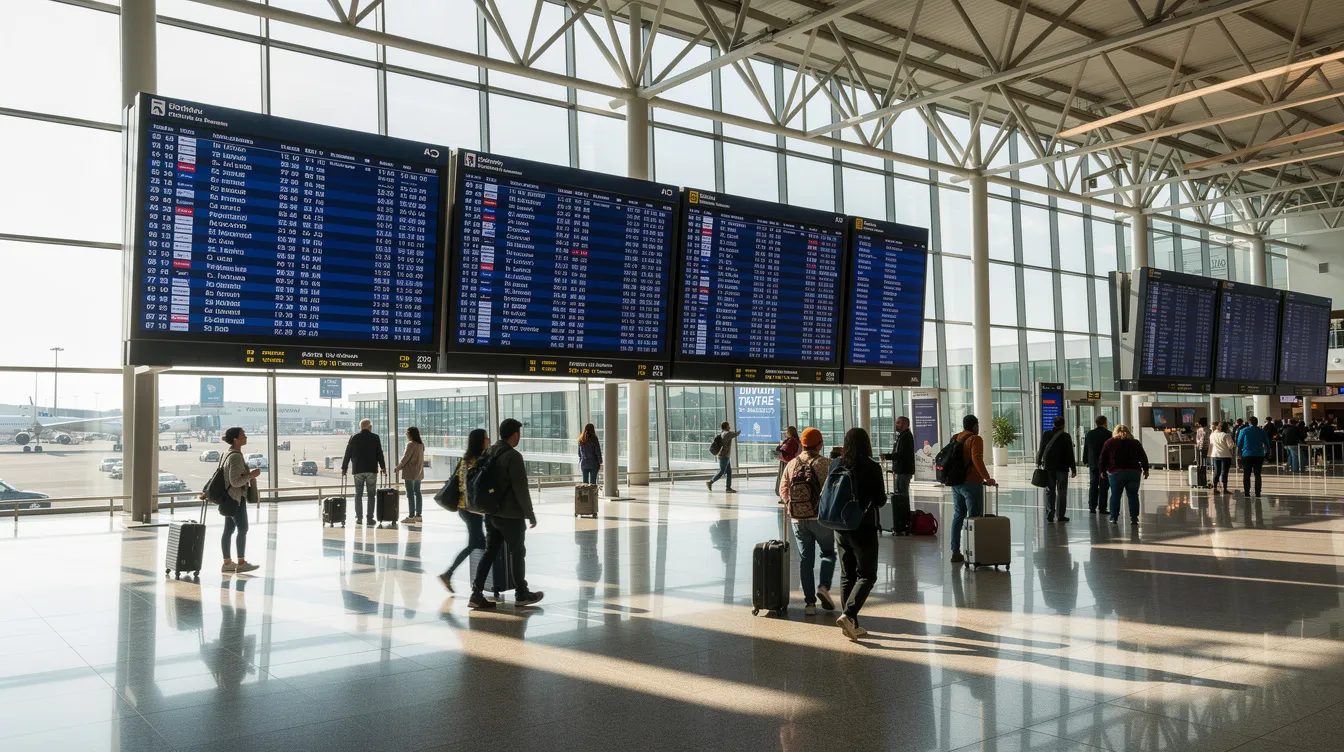
5
min read
What Day Is Best to Book a Flight? Data-Backed Timing Tips for Cheap Flights
Finding the best day to book a flight can be tricky, as there's no universal answer. While Sundays may offer slight savings, booking in advance and flying on midweek days like Tuesdays and Wednesdays generally yields better prices. This guide provides valuable insights into optimal booking windows and strategies for both commercial flights and private jet charters.
Read MoreStay updated with our latest insights and tips to elevate your journey with us.
MEMBERSHIPS AND ASSOCIATIONS



Disclaimer: Jettly operates as a charter broker, offering access to a global digital jet charter marketplace. Jettly is not a direct air carrier and does not own or operate aircraft. All advertised flights are conducted by third-party air carriers that are fully licensed and hold the appropriate Part 135 or Part 121 certifications issued by the Federal Aviation Administration (FAA) or equivalent regulatory authorities under U.S. or foreign law. Jettly complies fully with the U.S. Department of Transportation's Part 295 and Part 298 Charter Broker regulations. Jettly does not carry additional liability insurance. Passengers are covered by aircraft operator insurance. TICO: 50023770


