


Login
Get Instant Pricing On 23,000+ Aircraft

>

Flying your own aircraft doesn’t have to break the bank or tie you down to a six-figure investment. The key difference between fractional ownership and traditional ownership models lies in how costs, responsibilities, and scheduling flexibility are shared among multiple owners, making it a more accessible option for many pilots. Smart pilots across North America are discovering fractional ownership aircraft Cessna 172 programs that deliver all the benefits of aircraft ownership at a fraction of the cost. The fractional ownership model has gained popularity among both frequent travelers and businesses, offering more options for pilots seeking flexibility and tailored solutions. This comprehensive guide reveals how shared ownership works, what it costs, and whether it’s the right choice for your flying needs.
Fractional ownership of Cessna 172 aircraft allows multiple pilots to share purchase costs, typically starting at 1/8th to 1/16th shares
Annual flying time ranges from 25-100 hours, depending on ownership percentage, with monthly management fees of $300-800
Wet hourly rates for Cessna 172 fractional ownership typically range from $120 to 180 per flight hour, including fuel and maintenance reserves
Popular programs include OurPlane, AirPartner One, and local flying clubs offering Cessna 172 shares across major airports (other models, such as the Cessna 207, are also available for those seeking greater capacity and versatility)
Ideal for pilots flying 40+ hours annually who want predictable costs without full ownership responsibilities
Fractional ownership represents a fundamental shift from traditional aircraft ownership models. Instead of purchasing an aircraft outright, multiple owners buy equity shares in a specific Cessna 172, typically ranging from 1/16th to 1/8th ownership stakes. This co ownership structure differs significantly from casual partnerships or informal flying clubs.
Professional fractional programs manage the entire operation through formal co-ownership agreements, eliminating the common disputes that plague informal partnerships. These companies handle everything from maintenance scheduling to insurance, creating a turnkey flying experience for busy pilots. Management companies also take care of logistics such as staffing, arranging scheduled flights and maintenance, and regulatory compliance, ensuring a seamless ownership experience. Additionally, they are responsible for keeping aircraft in compliance with FAA regulations and safety protocols, ensuring safety and operational standards are consistently met.
The typical ownership structure involves 4-8 co-owners per aircraft, striking a balance between affordable entry costs and reasonable scheduling availability. Each owner receives a predetermined number of flying hours annually based on their ownership percentage - a 1/8th share typically provides 75-100 hours of flying time per year.
Legal framework and documentation form the backbone of successful fractional programs. Unlike informal partnerships that rely on handshake agreements, professional programs establish Limited Liability Companies (LLCs) or detailed co-tenancy contracts. These documents specify everything from usage priorities and geographic restrictions to maintenance responsibilities and exit procedures.
Geographic availability spans across North America, with program concentrations near major training airports and urban centers on the West Coast and throughout the country. This strategic positioning ensures pilots can access well-maintained aircraft close to their home base.
Understanding the financial commitment helps pilots make informed decisions about fractional ownership aircraft Cessna 172 programs. The cost structure typically involves three main components that create predictable flying expenses and can significantly reduce the overall expense of aircraft ownership compared to traditional models.
Initial buy-in costs represent the largest upfront investment, ranging from $15,000 to $35,000 for a 1/8th share in newer Cessna 172 models. Older airframes can reduce these costs to $8,000-20,000, making fractional ownership accessible to more pilots. This investment provides equity ownership in the aircraft, unlike rental arrangements, where money paid never builds asset value. Alternatively, some pilots may consider a lease or leaseback program, where a lease arrangement can provide cost-effective access to aircraft without the need for a large upfront investment. Lease options often include maintenance, insurance, and scheduling benefits, making them an attractive alternative to outright ownership or fractional programs.
Monthly fixed costs cover essential operational expenses, including insurance, hangar fees, annual inspections, and professional management services. These fees typically range from $300 to $800 per month, providing cost predictability that sole ownership rarely offers. Power users moving from traditional ownership often appreciate this elimination of surprise maintenance bills and administrative burdens.
Hourly operating costs include fuel, oil, and maintenance reserves, typically ranging from $120 to $180 per hour wet. This compares favorably to aircraft rental rates of $140-200 per hour for similar aircraft, especially when factoring in the superior equipment and guaranteed availability that fractional programs provide.
Initial Investment: $15,000-35,000 for fractional ownership; $0 for traditional rental; $350,000-450,000 for full ownership
Monthly Fixed Costs: $300-800 for fractional ownership; $0 for traditional rental; $1,500-3,000 for full ownership
Hourly Rate: $120-180 per hour wet for fractional ownership; $140-200 for traditional rental; $80-120 for full ownership
Annual Break-Even: 40+ hours for fractional ownership; any usage for traditional rental; 100+ hours for full ownership
Tax advantages provide additional financial benefits for qualifying owners. Business use allows depreciation of the aircraft asset allocated by ownership share, subject to IRS regulations. Insurance premiums, maintenance costs, and management fees may qualify as legitimate business expenses, though professional tax advice is essential for proper compliance. Fractional ownership may also offer tax advantages similar to those of full ownership, potentially allowing for additional deductions.
Exit strategies protect the investment through structured resale mechanisms. Most programs offer buy-back provisions or assist with finding new owners, though some impose minimum hold periods or remarketing fees to ensure program stability.
Several established companies dominate the fractional ownership market, each offering distinct advantages for different pilot needs and preferences. Direct Approach allows four partners to buy a new Cessna 172 or 182 together, providing another structured option for pilots seeking shared ownership.
OurPlane operates one of the largest Cessna 172 fractional fleets, categorizing ownership into Bronze, Silver, Gold, and Platinum tiers based on annual flying hours and ownership percentage. Their program spans multiple states with over 50 aircraft, providing flexibility when your primary plane requires maintenance. The company maintains newer aircraft with modern avionics, including GPS navigation and autopilot systems. Additionally, OurPlane offers fractional ownership shares in Cessna 182 Skylanes and other aircraft, expanding options for pilots with different needs. The variety of planes available for partnership or co-ownership through OurPlane allows members to select the best fit for their travel and budget requirements. Fractional ownership programs like OurPlane charge a maintenance fee that covers insurance and other costs, ensuring predictable expenses for owners.

AirPartner One takes a fleet-based approach, allowing access to multiple Cessna aircraft models across several regions. This model increases scheduling flexibility and provides backup options during peak demand periods. Their geographic coverage extends throughout major metropolitan areas, ensuring convenient access for urban-based pilots.
Regional programs through flying schools and FBOs offer more personalized service with smaller fleets. Organizations like Plus One Flyers provide club-style fractional ownership with strong community elements and often lower costs. These programs typically operate 2-3 aircraft but offer more direct owner involvement in aircraft decisions.
Local flying clubs represent another fractional option, particularly for pilots seeking lower-cost entry and more hands-on involvement. While these programs may lack the polish of larger operators, they often provide excellent value for pilots comfortable with more informal arrangements.
When comparing programs, key factors include fleet size, aircraft age and equipment standards, geographic coverage, and management company track record. Pilots should also evaluate scheduling systems, maintenance standards, and the financial stability of the management company.
Modern fractional programs employ sophisticated online booking systems that rival commercial airline reservation platforms. These systems typically allow reservations 6-12 months in advance, with ownership percentage often determining priority during peak periods.
Weekend and holiday scheduling represents the biggest challenge in fractional ownership. Popular flying times create competition among owners, making advance planning essential. Most programs establish fair usage policies and priority systems based on ownership tier and booking timing. Scheduling use of the aircraft can be particularly challenging in partnerships, as multiple owners must coordinate their flight times to avoid conflicts.
Minimum and maximum trip duration policies vary by program but typically allow trips from a few hours to several days. Some programs impose restrictions on extended trips during peak seasons to ensure all owners maintain reasonable access.
Aircraft swap options within larger fleets provide backup when your primary aircraft requires maintenance or during peak demand. This feature particularly benefits owners in programs with multiple aircraft, as it maintains flying schedule continuity.
Cancellation policies and weather-related rescheduling procedures protect owners from losing allocated hours due to circumstances beyond their control. Most programs offer flexible rebooking and don’t charge hours for weather cancellations, though specific policies vary by company.
The scheduling concept works best for pilots who plan flights in advance and maintain flexibility around peak periods. Power user benefits include priority booking and sometimes access to additional aircraft types within the fleet.
Professional maintenance management distinguishes quality fractional programs from informal partnerships. Certified repair stations and experienced A&P mechanics handle all maintenance according to FAA requirements and manufacturer specifications.
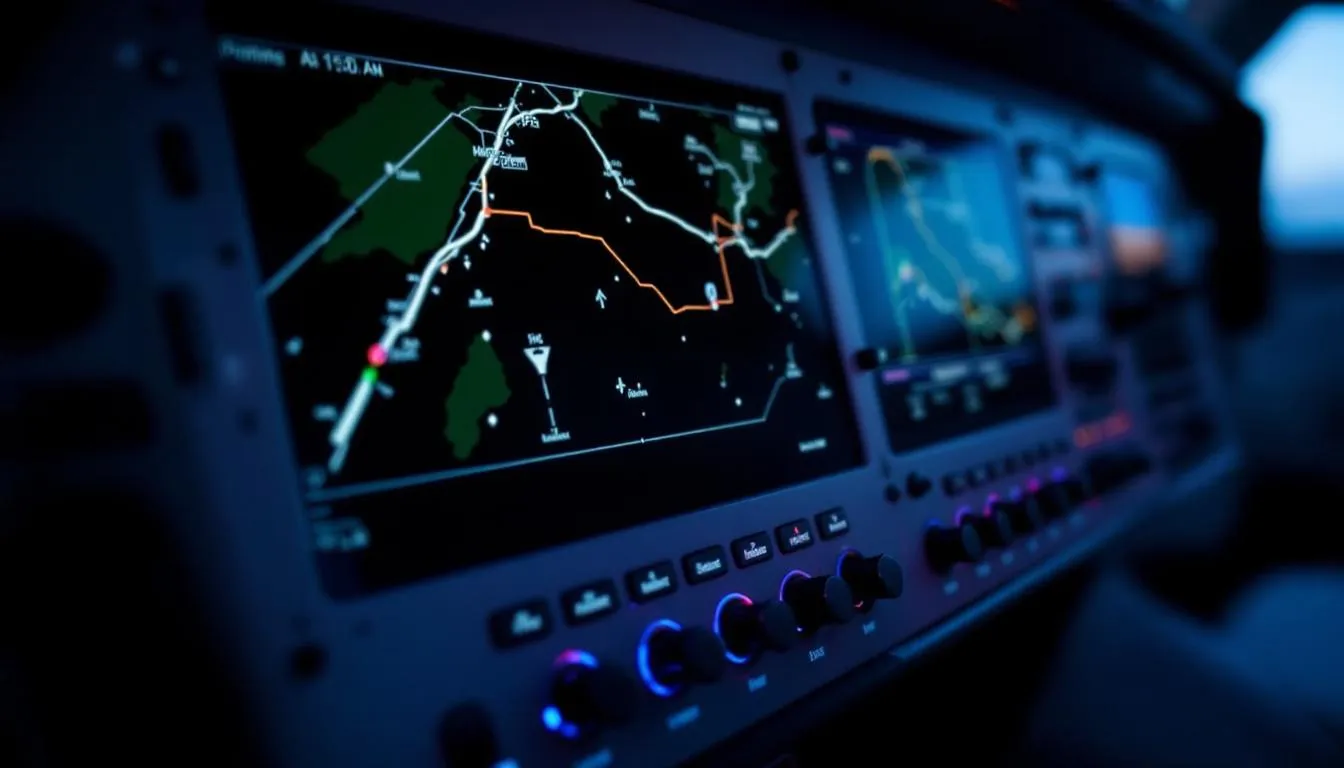
Standardized equipment packages ensure consistent aircraft capabilities across the fleet. Modern Cessna 172 fractional aircraft typically include GPS navigation, autopilot systems, ADS-B compliance, and updated interiors. This standardization eliminates the variability common in rental fleets where aircraft equipment varies significantly.
Inspection schedules follow rigorous 100-hour and annual inspection requirements, with many programs implementing progressive maintenance to minimize aircraft downtime. Professional programs maintain detailed maintenance logs and ensure compliance with all Airworthiness Directives and Service Bulletins.
Aircraft age and condition standards vary by program, with premium operators maintaining newer fleets while budget-focused programs may operate older but well-maintained aircraft. Owners should evaluate these standards based on their safety preferences and equipment needs.
Upgrade policies for avionics and equipment improvements typically require management company approval and cost-sharing among all owners. While this limits individual customization, it ensures fleet consistency and protects all owners’ investments.
Comprehensive hull and liability insurance forms a cornerstone of professional fractional programs. Coverage typically exceeds individual owner requirements and includes protection for all owners regardless of who’s flying the aircraft.
Pilot qualification requirements establish minimum standards for participating pilots. Most programs require current Private Pilot certificates, recent flight experience, and successful checkout procedures. Some operators mandate recurrent training to maintain insurance compliance and ensure safety standards.
Background checks and pilot record verification protect all owners by ensuring only qualified, responsible pilots operate the aircraft. This screening process significantly reduces risk compared to informal partnerships where pilot oversight may be limited.
Accident and incident procedures are clearly defined in program documentation, ensuring all owners understand their responsibilities and the claims process. Professional management handles insurance coordination, minimizing individual owner involvement during stressful situations.
Insurance minimums vary by program but typically provide substantial coverage that individual owners couldn’t afford independently. This pooled approach delivers enterprise-level protection at individual-affordable costs.
Co-ownership agreements are the backbone of successful fractional ownership, providing the legal and practical framework that allows multiple partners to share all the benefits of owning a Cessna 172 or other airplanes. Unlike informal arrangements, a well-drafted co-ownership agreement ensures that every owner knows their rights, responsibilities, and the procedures for everything from scheduling flight time to handling unexpected expenses.
Legally, co-ownership agreements should clearly define each partner’s percentage of ownership, the division of costs, and the allocation of responsibilities for maintenance, insurance, and financing. For example, the agreement might specify that each co-owner pays a certain amount toward annual insurance premiums, contributes to a maintenance reserve, and shares in any additional expenses that arise. This clarity helps prevent misunderstandings and ensures that all partners are equally invested in keeping the aircraft in top condition.
Scheduling is another critical component. The agreement should outline how flight hours are allocated—perhaps each partner is guaranteed a certain number of hours per month, with a fair system for booking additional time if the schedule allows. This is especially important for power users who may want more frequent access, as well as for those who fly primarily on weekends or holidays. By establishing clear scheduling rules, co-owners can avoid conflicts and ensure that everyone enjoys convenient access to the aircraft, whether it’s conveniently located on the West Coast or at a local airport.
Practical considerations go beyond the legal language. Effective co-ownership agreements address how partners will communicate, make decisions about upgrades or the purchase of a new airplane, and resolve any disputes that may arise. For instance, the agreement might require a majority vote for major decisions, such as adding other airplanes to the fleet or changing management companies. It should also include procedures for selling a share, bringing in new partners, or handling a partner’s exit—ensuring that the investment remains secure and the partnership stable.
A typical example might look like this: four co-owners each hold a 25% share, pay an equal portion of insurance and maintenance, and have access to the aircraft for a set number of hours each month. The agreement could specify that scheduling is managed through an online system, with priority given to those who book in advance. If a partner wants to sell their share, the agreement outlines how other partners or potential partners can buy in, keeping the process transparent and fair.
In today’s digital world, even technical issues can impact co-ownership. For instance, using a third-party browser plugin, preventing JavaScript, or browsing with superhuman speed can sometimes trigger a site’s security measures, requiring you to complete a CAPTCHA to immediately regain access. Disabled cookies can also interfere with online scheduling systems, so it’s important for all co-owners to ensure their browsers are properly configured to regain access to management pages and scheduling tools. This attention to detail helps prevent unnecessary interruptions and keeps the partnership running smoothly.
Ultimately, a strong co-ownership agreement is essential for anyone considering fractional ownership. It protects each owner’s investment, streamlines management, and ensures that everyone can fly with confidence. By addressing both legal and practical essentials, co-owners can enjoy reduced costs, increased flexibility, and reliable access to a well-maintained aircraft—making the dream of owning and flying your own airplane a reality, whether you’re a seasoned power user or new to the world of aviation.
Cost predictability stands as the primary advantage of fractional ownership aircraft Cessna 172 programs. Unlike sole ownership, where unexpected maintenance can cost thousands, fractional owners enjoy fixed monthly costs and predictable hourly rates that eliminate financial surprises.
Professional management removes the administrative burden of aircraft ownership. Management companies handle scheduling logistics, maintenance coordination, regulatory compliance, and insurance management. This outsourcing allows owners to focus on flying rather than aircraft administration.
Access to newer, better-equipped aircraft represents another significant benefit. Few individual owners can justify purchasing new aircraft with modern avionics, but fractional programs leverage multiple owners’ investments to maintain current fleets with updated equipment.
Flexibility to adjust ownership percentage accommodates changing flying needs. Owners can often increase or decrease their share based on evolving requirements, providing adaptability that full ownership lacks.
Reduced interpersonal conflicts distinguish professional programs from informal partnerships. Standardized policies and neutral management eliminate the disputes that commonly plague casual aircraft sharing arrangements.
The concept delivers enhanced flying experiences through consistent aircraft condition, predictable availability, and professional support that rental operations rarely match.
Scheduling limitations during peak periods represent the most significant constraint of fractional ownership. Weekend flying, holiday travel, and summer vacation periods create competition among owners that can limit spontaneous flying.
Cost effectiveness depends heavily on annual flying hours. Pilots flying less than 40 hours annually often find conventional rental more economical due to the fixed monthly costs inherent in fractional programs. The break-even point varies by program and local rental rates.

Long-term financial commitments characterize most fractional programs, with typical contracts spanning five years. Early exit may incur penalties or require finding replacement owners, limiting flexibility for changing circumstances. In contrast, fractional ownership programs for jets, such as those managed by companies like NetJets, offer professionally flown aircraft, guaranteed availability within a few hours, and are managed as part of larger fleets. However, these jet programs come with significantly higher costs compared to fractional ownership of smaller aircraft like the Cessna 172.
Limited control over aircraft modifications and upgrade decisions can frustrate owners accustomed to making their own aircraft choices. Management companies typically control equipment decisions to maintain fleet standardization, though this protects all owners’ interests.
Program stability risks include the possibility of management company changes or business failures. While co-ownership agreements typically protect owners’ aircraft equity, operational disruption can occur during transitions.
Potential conflicts with other partners, while reduced compared to informal arrangements, can still arise over aircraft cleanliness, scheduling preferences, or usage patterns. Many partnerships in aircraft ownership are formed by individuals without prior ownership experience, leading to potential complications. Professional management helps minimize these issues but cannot eliminate them entirely.
Understanding how fractional ownership aircraft Cessna 172 programs compare to other flying options helps pilots make informed decisions based on their specific needs and flying patterns.
Aircraft rental remains the most flexible option for low-time pilots. With no fixed monthly costs and pay-per-use pricing, rental works well for pilots flying less than 30 hours annually. However, rental aircraft often have older avionics, variable condition, and limited availability during peak periods.
Full aircraft ownership provides maximum control and unlimited access but requires substantial capital investment and ongoing management responsibility. New Cessna 172 aircraft cost $350,000-450,000, making ownership practical only for high-time pilots or those with specific business needs.
Flying clubs offer lower-cost aircraft access through membership models, typically featuring older aircraft and member volunteer labor. While economical, clubs often lack the professional management and equipment standards of fractional programs. A Guide to Co-Ownership, published by the Aircraft Owners and Pilots Association, can help individuals navigate aircraft partnerships and understand the complexities involved.
Traditional partnerships with friends or colleagues can provide cost-effective aircraft access but often suffer from unclear agreements, scheduling disputes, and maintenance disagreements. Finding compatible partners is crucial for successful aircraft ownership partnerships, as differing expectations or priorities can lead to conflicts. Professional fractional programs eliminate these interpersonal challenges through formal management. Additionally, some aviation consulting services can walk clients through the process of setting up co-ownership agreements and best practices, ensuring a smoother experience.
Fractional Ownership
Best for: 40-100 hours/year
Annual Cost (50 hours): $25,000-35,000
Key Benefits: Predictable costs, modern aircraft
Main Drawbacks: Scheduling limitations
Aircraft Rental
Best for: Less than 40 hours/year
Annual Cost (50 hours): $7,000-10,000
Key Benefits: Maximum flexibility
Main Drawbacks: Limited availability, older aircraft
Full Ownership
Best for: More than 100 hours/year
Annual Cost (50 hours): $45,000-70,000
Key Benefits: Complete control
Main Drawbacks: High capital requirement
Flying Club
Best for: Budget-conscious
Annual Cost (50 hours): $8,000-15,000
Key Benefits: Low cost
Main Drawbacks: Older aircraft, limited availability
There are a few reasons pilots might consider or avoid fractional ownership, such as cost efficiency, scheduling flexibility, or the complexity of contract terms. Evaluating your annual flying hours and typical mission requirements forms the first step in considering fractional ownership. Pilots should honestly assess their flying patterns, preferred destinations, and scheduling flexibility to determine if fractional ownership aligns with their needs.
Researching available programs in your geographic area requires examining both national operators and local options. Consider factors like fleet size, aircraft age and equipment, management company reputation, and proximity to your home airport.
Understanding contract terms, fees, and ownership transfer procedures demands careful review of program documentation. Key areas include scheduling policies, exit provisions, maintenance cost allocation, and dispute resolution mechanisms. Legal counsel familiar with aviation ownership can provide valuable guidance during this process.
Due diligence on management companies should include checking references, reviewing financial stability, and understanding their operational track record. Established companies with multiple years of operation and satisfied owner references provide better security for your investment.
Pilot qualification verification and insurance requirements vary by program but typically include certificate verification, flight experience documentation, and successful aircraft checkout. Some programs require recurrent training or minimum currency standards that pilots must maintain.
The investment decision should consider not just immediate costs but long-term financial commitment and potential exit scenarios. Pilots should ensure they understand all fees, including any penalties for early termination or share transfer costs.
Additional information about specific programs can be obtained through direct contact with management companies, attending aviation trade shows, or consulting with aviation attorneys familiar with fractional ownership structures.
Most financial analyses suggest 40-50 hours annually as the break-even point where fractional ownership becomes cost-competitive with aircraft rental. Below this threshold, the monthly fixed costs often make rental more economical.
Initial buy-in costs range from $15,000 to $35,000 for newer aircraft, with older models available for $8,000 to $20,000. Monthly management fees add $300-800, plus hourly wet rates of $120-180.
Yes, though advance booking is essential during peak periods. Most programs allow reservations 6-12 months ahead, with ownership percentage sometimes providing scheduling priority during high-demand times.
Professional programs handle all maintenance through established reserves and insurance coverage. Larger operators may provide substitute aircraft during extended maintenance periods, though temporary unavailability can occur.
Most programs allow flight throughout the contiguous United States and Canada, though international travel typically requires advance approval. Some programs impose geographic limitations or require specific pilot qualifications for certain destinations.
Exit procedures vary by program but typically involve selling your share to a new owner or back to the management company. Some programs impose minimum hold periods or charge remarketing fees, so understanding these terms before joining is crucial.
Requirements typically include a current Private Pilot certificate, recent flight experience, and successful program checkout. Some operators require minimum flight hours, recurrent training, or specific endorsements depending on aircraft equipment. Partnership agreements should be created carefully to cover potential issues and provide pathways for exit and dissolution, ensuring clarity and reducing potential disputes.
Many programs allow share adjustments based on availability and changing needs. However, this flexibility depends on program policies and whether other owners want to buy or sell shares within the existing fleet.
If you encounter an interruption while trying to access the program's website or site, this can happen due to security measures designed to prevent bot activity. In such cases, you may be asked to complete a CAPTCHA challenge. Completing this step confirms you are not a bot and will usually restore your access to the site.
Fractional ownership aircraft Cessna 172 programs offer a compelling middle ground between the flexibility of rental and the control of full ownership. For pilots flying 40+ hours annually who value predictable costs and professional management, these programs can provide an excellent pathway to regular flying without the substantial capital investment of sole ownership. The key to success lies in careful program selection, realistic assessment of flying needs, and thorough understanding of the long-term commitment involved.
Platforms like Jettly make it easier than ever to explore and compare fractional ownership options, connect with reputable programs, and access valuable resources to help pilots make informed decisions about their shared aircraft ownership journey.
Share this post:
Jay Franco Serevilla
Aug 21, 2025
|
5
min read
Discover tips and trends in the industry.

5
min read
Dassault Falcon 20F: Legacy Midsize Jet and Modern Charter Alternatives
The Dassault Falcon 20F is a notable midsize business jet that played a crucial role in defining the charter category from the 1970s to the 1980s. While it offers a rich history and solid performance, modern jets surpass it in efficiency, comfort, and technology. Today, platforms like Jettly provide access to newer alternatives that better meet the needs of private travelers.
Read More
5
min read
Fastest Non-Military Jet: The Ultimate Guide to High-Speed Private Travel
Discover the fastest non-military jet, the Bombardier Global 8000, which reaches speeds of Mach 0.94 and offers an intercontinental range of 8,000 nautical miles. This guide explores the importance of speed in private aviation, comparing top contenders and highlighting how Jettly connects travelers with high-speed jets for efficient travel.
Read MoreStay updated with our latest insights and tips to elevate your journey with us.
MEMBERSHIPS AND ASSOCIATIONS



Disclaimer: Jettly operates as a charter broker, offering access to a global digital jet charter marketplace. Jettly is not a direct air carrier and does not own or operate aircraft. All advertised flights are conducted by third-party air carriers that are fully licensed and hold the appropriate Part 135 or Part 121 certifications issued by the Federal Aviation Administration (FAA) or equivalent regulatory authorities under U.S. or foreign law. Jettly complies fully with the U.S. Department of Transportation's Part 295 and Part 298 Charter Broker regulations. Jettly does not carry additional liability insurance. Passengers are covered by aircraft operator insurance. TICO: 50023770


