



Login
Get Instant Pricing On 23,000+ Aircraft

>

Commercial airline chaos in recent years has pushed travelers to explore private aviation for reliability, especially when it comes to flight cancellation scenarios. This article covers the full scope of private jet flight cancellations, including why they happen, how they differ from commercial airline disruptions, what policies and fees apply, and the best strategies to avoid or manage cancellations. The target audience is travelers considering or already using private jets—whether for business or leisure—who want to understand the unique risks and procedures involved. Understanding private jet cancellation is crucial because these flights are governed by different rules than commercial airlines, often resulting in higher fees, stricter policies, and less flexibility if plans change unexpectedly.
The contrast between a flight cancellation private jet scenario and the commercial airline experience is significant—private aviation companies offer flexibility that large air carriers simply cannot match.
The Federal Aviation Administration has mandated flight cuts at major airports, including Teterboro, Dallas Love Field, and Fort Lauderdale. These restrictions affect both airlines and private operators, tightening capacity across the system. Air traffic controllers at busy hubs face staffing challenges that create ripple effects throughout the world of aviation.
Private aviation, with its diverse fleet of airplanes, is more flexible and resilient than commercial airlines, but it is not immune to disruptions or the need to cancel flights. Weather, ATC staffing shortages, and mechanical issues can still disrupt even the best-planned trip. Jettly operates as a digital charter marketplace with access to a broad range of private charter aircraft designed to give travelers options and transparency when flights are delayed or at risk of cancellation.
Private jets experience fewer cancellations than commercial flights but remain subject to weather, air traffic control restrictions, and crew duty limits.
Choosing flexible airports, booking with contingency-focused brokers, and avoiding peak slots dramatically reduces cancellation risk.
When disruptions occur, private aviation offers more options: alternative airports—often with no additional cost for clients—schedule shifts, different aircraft types, or re-routes.
Reading charter agreements carefully helps travelers understand refund policies and no-show fees before booking.
Jettly’s marketplace provides access to more than 20,000 aircraft, helping clients find alternatives quickly when plans change. Learn more at jettly.com.
Private jet flights operate under Part 135 (charter), Part 91k (fractional), and Part 91 (owner-operated), all subject to FAA and local airport rules. Each regulatory category carries different operational requirements that can affect departure timing, and various factors such as increased demand or operational restrictions may also influence when airplanes depart. Private jets can sometimes legally fly under different conditions than commercial airlines, offering more flexibility during air traffic disruptions.
|
Cause |
Commercial Airlines |
Private Jets |
|---|---|---|
|
Severe Weather |
High impact |
Moderate impact (more airport options) |
|
ATC Restrictions |
Major delays |
Flexible rerouting possible |
|
Crew Duty Limits |
Cascading cancellations |
Trip-specific crew scheduling |
|
Mechanical Issues |
Often limited substitutes |
Network sourcing available |
|
Airport Slot Limits |
Fixed schedules |
Can shift to satellite airports |
Current FAA reductions through November 2025 require operators to reduce schedules by 10% at 40 busy airports. Mike Farley, CEO of Outlier Jets, noted that delays and reroutes are likely, especially on Northeast to Southeast routes.
Private flights are often scheduled closer to departure time than commercial airline flights, making them easier to reposition but also subject to last-minute airspace changes.
When airlines manage cancellations, passengers face mass schedule cuts, automatic rebooking into crowded flights, and long call center waits. Private aviation takes a different approach—each trip receives bespoke attention from an operations team focused on that specific itinerary.
Private jet operators and brokers adapt by shifting to alternative airports, adjusting departure times outside peak ATC restriction windows, or swapping aircraft types when available. A client forced to wait at Newark might instead depart from Teterboro or White Plains within hours.
Private flyers typically bypass TSA lines and large terminals by using FBOs (Fixed Base Operators), which reduces knock-on delays caused by crowded airport security bottlenecks. Passengers board their aircraft directly, often arriving just 15 minutes before departure.

Private jet charters allow for flexible departure times, with operators typically offering a two-hour window for departure, and they can wait for clients if they are running late. This flexibility helps avoid cancellations due to minor delays. However, no-show penalties generally incur 100% fees if a passenger is late by 60–90 minutes or more without notification.
Platforms like Jettly tap into a broad network of operators, improving the odds of finding a substitute aircraft or rerouting quickly when a particular operator is constrained. Private aviation operators often utilize technology, such as advanced Flight Management Systems, to enhance operational efficiency and manage flight schedules effectively, which is crucial for maintaining reliability amid FAA-imposed flight reductions.
Planning ahead dramatically reduces cancellation risk. Using a private jet charter cost estimator to understand pricing and operational trade-offs, these strategies help corporate travelers and families maintain reliable schedules:
Book early for peak dates. The farther out you book a private jet, the more aircraft are available, leading to lower prices and more choices. Last-minute bookings can increase costs by 20–30%. Booking at least 7–14 days in advance secures aircraft and crew while allowing buffers for repositioning flights. During peak seasons, such as holidays, clients may need to consider ad hoc charter flights due to the stretched capacity of fractional and guaranteed jet card programs.
Use alternative airports. Congested metros offer satellite options, and tools like Jettly’s airport locator tool help identify suitable nearby fields:
New York area: Teterboro (TEB), Westchester (HPN), or Morristown (MMU) instead of Newark or JFK
South Florida: Opa-Locka (OPF), Fort Lauderdale Executive (FXE) instead of Miami
Schedule off-peak departures. Early morning or mid-day departures face lower ATC flow restrictions, especially on high-traffic routes like New York–Miami or Los Angeles–Las Vegas. Departing at a certain time is crucial to maintain the overall flight schedule and avoid cascading delays that could impact subsequent flights.
Communicate flexibility. Letting the broker know if departure can move by two to three hours, or if nearby airports are acceptable, gives operations teams more room to avoid cancellation.
Select operators with strong track records. Some operators maintain zero-cancellation records through proactive planning. One operator has flown over 91,000 passengers with zero flight cancellations by positioning aircraft the night before departure and creating Plan B and C contingencies for every itinerary, while structured solutions like jet card programs can add predictable terms and availability.
Jettly’s platform allows clients to compare operators and pricing transparently, supporting informed decisions.
When a private jet flight is canceled, the notification typically arrives by phone, email, or app alert from the broker or operator. The message includes a summary of the reason: low visibility below airport minima, runway closure, ATC ground stop, or crew out of duty time.
Rebook later the same day from the same airport if conditions improve
Reposition to or from a nearby airport less affected by constraints
Source a different aircraft from the marketplace, possibly with a change in price
Arrange ground transport to or from alternate airports
How money is handled depends on the cancellation scenario. Mechanical issues on the operator side may trigger full refunds or no-penalty rebooking, returning your money, or crediting your account. Weather- or ATC-related cancellations may involve partial refunds or credits, so some of your money may be retained depending on contract terms. Client-initiated cancellations often incur fees based on lead time, affecting how much money is refunded.
Cancellations made with less than 24–48 hours' notice usually result in an 80–100% penalty for private jet charters. Many operators apply a 100% cancellation fee for one-way flights immediately upon booking, as these flights cannot be easily rebooked. Canceling a private jet booking typically results in strict penalties ranging from 10% to 100% of the total charter price, depending on the timing of the cancellation. Cancellation fees often increase as the departure date approaches, sometimes reaching 100% of the trip price for last-minute cancellations.
Contracts vary by operator. Clients using Jettly can see key terms in advance, including cancellation windows and any repositioning charges, especially when comparing different private jet memberships and access models. To minimize losses, travelers should consider cancellation insurance when booking private jet flights. During peak days or major events, cancellation policies may require several days' notice to avoid a total loss.
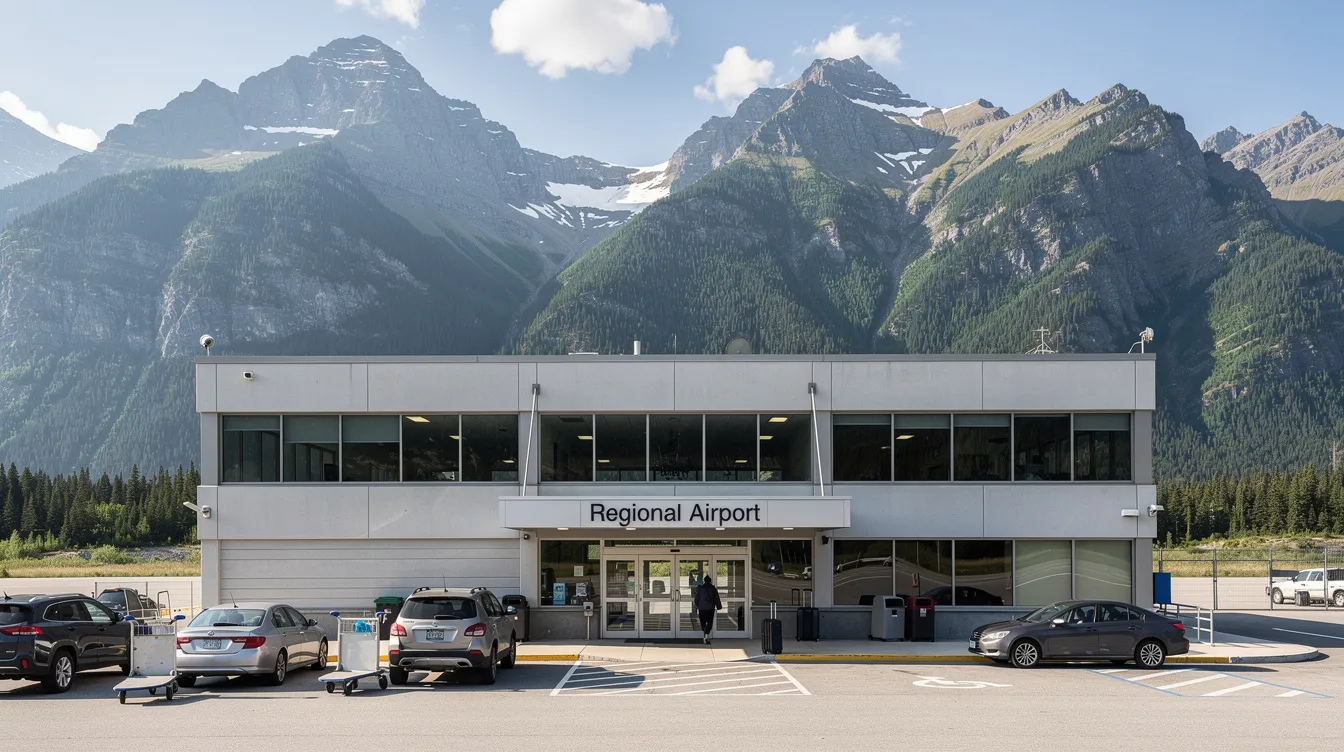
Private jet cancellations are governed by individual charter contracts rather than universal airline regulations, leading to higher fees compared to commercial flights.
Reading the charter agreement is crucial, especially for first-time private flyers transitioning from flexible airline tickets and exploring options like a jet card flight cost estimator to understand how different access models price trips and handle fees.
Full refund or low penalty if canceled more than 7 days before departure on smaller jets
Stricter windows (72–96 hours) and higher penalties for large-cabin or long-range aircraft
Non-refundable portions for special positioning flights or peak travel dates
Operators with strong track records often minimize cancellation risk through proactive maintenance, using advanced technology tools to manage aircraft upkeep and ensure operational reliability.
No-show scenarios create the most friction. The industry standard allows aircraft to wait up to two hours after scheduled departure. Some operators, like JetSuite, allow only a 20-minute window before departing without passengers. Delays beyond the agreed window without notice are treated as cancellations with 100% charges.
On-demand charter via brokers like Jettly with trip-specific cancellation terms
Jet cards with standardized rules and sometimes more lenient rebooking options
Fractional ownership contracts with detailed service and blackout clauses
Ask specifically about weather-related cancellation policies, ATC or airport restriction scenarios, and change fees for shifting departure airports or times within the same day, and review broader guides to charter airlines and private aviation to understand how different providers structure these terms.
Jettly operates as a global digital private jet charter marketplace providing access to more than 20,000 aircraft with instant pricing and on-demand booking, while its resources on affordable private jet charter help travelers balance reliability with cost. This breadth of operators and aircraft types—turboprops, light jets, midsize, super midsize, and heavy jets—increases the chance of finding alternatives when one aircraft or airport becomes unavailable.
The platform’s tech-driven approach supports disruption management through real-time aircraft availability searches, instant comparison of departure airports within a region, and notification tools to keep travelers informed.
Jettly’s team focuses on route planning that avoids the most constrained airports when possible, strategically selecting the best point of departure or arrival—including satellite airports in affected regions—while FAA reductions remain in effect. Coordination of ground transport and in-flight catering for private jets after last-minute schedule shifts ensures passengers arrive at their destination with minimal disruption.
Customers can explore membership and on-demand options tailored to their flying frequency and flexibility needs at jettly.com.
A business traveler planned a morning departure from Teterboro to Chicago Midway for a critical meeting. Overnight snow triggered ATC ground stops at major hubs. The broker shifted the departure to Morristown with a two-hour delay, using a light jet that could depart when visibility improved—similar to how travelers might select nearby hubs like private jet charter in Kolkata when major airports face constraints. The client arrived in time for a late afternoon meeting.
FAA-mandated cuts at Newark and LaGuardia created long delays on a Friday afternoon. The trip moved to Teterboro–Fort Lauderdale Executive with an earlier departure. Passengers bypassed crowded terminals despite broader system constraints and arrived for a weekend getaway on schedule, an experience that can be made even more cost-effective when trips use crowdsourced private jet flights and shared empty seats.
During pre-flight inspection, pilots discovered an issue requiring the aircraft to be grounded for safety reasons. The broker sourced a replacement aircraft at Van Nuys within three hours through the Jettly network, and in other situations, may leverage discounted empty leg flights when repositioning allows. Transparent repricing was communicated immediately, catering was adjusted, and ground transport at the destination was updated.

Diversions, repositioning flights, and last-minute changes increase fuel burn and emissions. Efficient disruption management—choosing closer alternate airports, combining positioning legs, right-sizing aircraft—reduces unnecessary flying.
Some operators and brokers offer carbon offsetting options or support more efficient route planning, and travelers who understand easy ways to get a seat on a private jet can often choose options that balance cost, flexibility, and environmental impact. Practical tips for environmentally conscious travelers include selecting the smallest aircraft that fits the mission, avoiding multiple short hops when one optimized routing works, and considering turboprops for regional routes where they can be more efficient.
Good planning to avoid cancellations is not only convenient but also reduces the environmental footprint of each trip.
Private jet flights are generally canceled less frequently than commercial flights because they can use more airports, offer flexible scheduling, and avoid large terminal congestion. However, they remain subject to weather and ATC restrictions that affect all aircraft in the airspace.
Some travel insurance policies and specialized aviation insurance products cover charter cancellations, missed connections, or trip interruption, and understanding how leading providers like NetJets operate in private aviation can help set expectations around service levels and flexibility. Confirm that private jet charters are explicitly included before purchasing any policy, as standard travel insurance often excludes non-scheduled air carriers.
Booking at least 7–14 days ahead for busy routes and peak dates provides the best availability and crew scheduling. Even earlier booking is wise for large-cabin or long-range jets. On-demand platforms like Jettly can still source last-minute options, though with higher pricing and fewer choices.
Operators typically build in a waiting window of one to two hours. Delays beyond this, especially without communication, may be treated as a no-show with full cancellation charges. Contact the broker immediately with any updates to avoid paying penalties.
Empty leg flights carry a higher risk of schedule change or cancellation because they depend on the original customer’s plans, so travelers considering them should understand how to buy a seat on a private jet and weigh savings against flexibility. Use them when cost savings outweigh flexibility trade-offs. Check Jettly’s platform for current empty leg availability and terms.
For specific questions about your route and flight schedule, or to explore Jettly’s ULTRA high ticket affiliate program if you refer frequent flyers, contact Jettly’s team at jettly.com.
Flight cancellation private jet concerns can be managed with the right strategy: flexible airports, off-peak timing, a clear understanding of policies, and access to a broad operator network, ideally informed by a solid grasp of the best private jet charter companies and how they manage disruptions. While private aviation cannot eliminate weather or ATC issues, its flexibility, smaller terminals, and custom routing make it a powerful alternative when commercial airlines are canceling flights en masse.
Jettly serves as a transparent, tech-driven marketplace helping travelers plan resilient trips and respond quickly when conditions change, positioning itself as a flexible NetJets alternative with on-demand access and memberships. Ready to experience private air travel on your terms? Explore routes, compare aircraft, or request a quote at jettly.com.
Share this post:
Jay Franco Serevilla
Apr 21, 2026
|
5
min read
Discover tips and trends in the industry.

5
min read
New York to Los Angeles: Flights, Private Jet Options, and Smart Booking Strategies
Traveling from New York to Los Angeles offers a variety of options, from budget-friendly commercial flights to luxurious private jet charters. This guide provides essential information on flight durations, pricing, and booking strategies to help travelers make informed decisions. Whether you're looking for the cheapest fares or the most convenient travel experience, understanding your options is key.
Read More
5
min read
Business Class Flights: How to Fly Smarter, Save Time, and Upgrade to Private Travel
This guide explores the world of premium air travel, comparing business class, first class, and private jet options. It offers insights into comfort, service, and cost, along with actionable tips for booking smarter. Whether you're a frequent flyer or considering an upgrade, this resource helps you navigate your travel choices effectively.
Read MoreStay updated with our latest insights and tips to elevate your journey with us.
MEMBERSHIPS AND ASSOCIATIONS



Disclaimer: Jettly operates as a charter broker, offering access to a global digital jet charter marketplace. Jettly is not a direct air carrier and does not own or operate aircraft. All advertised flights are conducted by third-party air carriers that are fully licensed and hold the appropriate Part 135 or Part 121 certifications issued by the Federal Aviation Administration (FAA) or equivalent regulatory authorities under U.S. or foreign law. Jettly complies fully with the U.S. Department of Transportation's Part 295 and Part 298 Charter Broker regulations. Jettly does not carry additional liability insurance. Passengers are covered by aircraft operator insurance. TICO: 50023770


