


Login
Get Instant Pricing On 23,000+ Aircraft

>
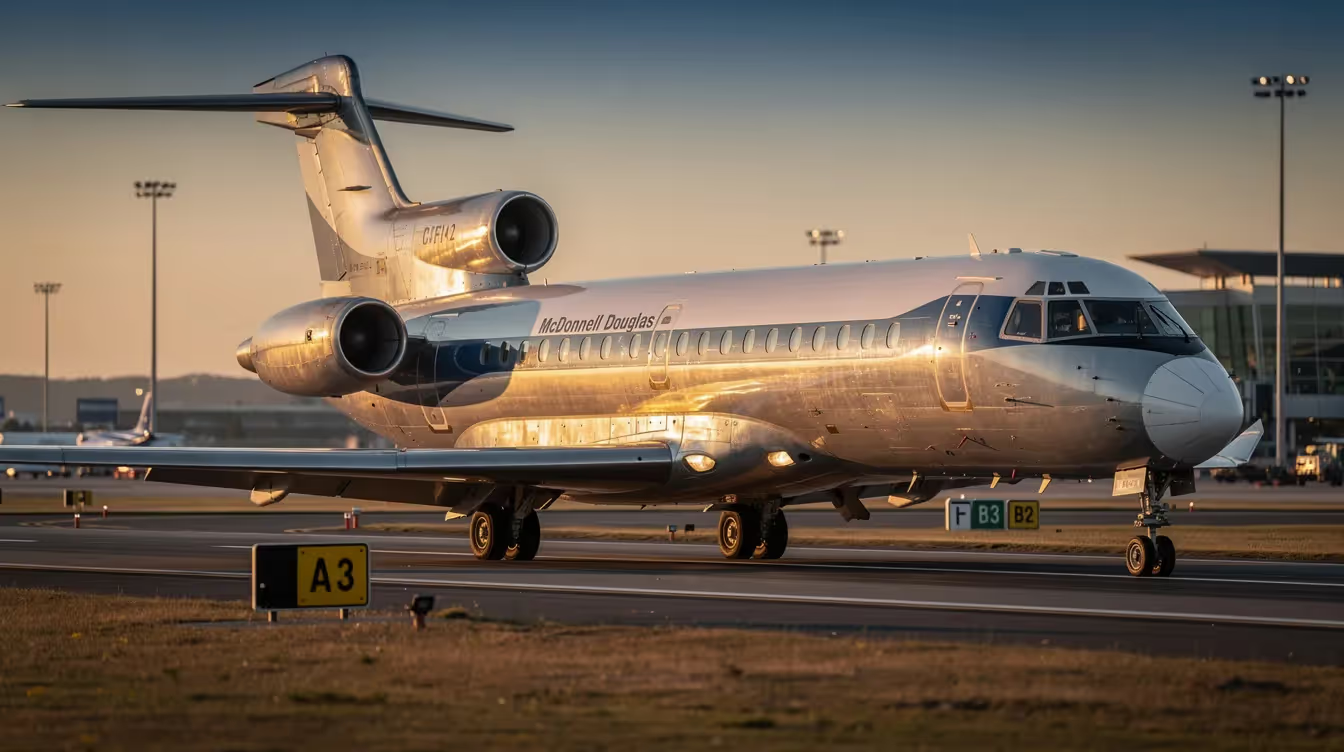
The DC-9, formally known as the Douglas DC-9, emerged as a twin-engine narrow-body airliner designed for high-frequency short- to medium-haul routes. Designed in 1963 by the Douglas Aircraft Company, which was originally established in Santa Monica, California, before moving major production to Long Beach, this jet aircraft optimized travel between smaller and intermediate cities during the jet age, seating 65 to 139 passengers depending on the variant. This article is intended for aviation enthusiasts, travelers interested in private jet options, and anyone curious about the legacy and evolution of the DC-9.
The DC-9 was designed as an airline transport-class jet, optimized for short- to medium-haul operations. It features a distinctive T-tail and rear-mounted engines, allowing it to operate from shorter runways and minimizing the risk of foreign object damage. This tail-mounted engine design facilitates a clean wing without engine pods, allowing for longer flaps and improved airflow at low speeds, which reduces takeoff and approach speeds.
The DC-9 is a short-to-medium-range, narrow-body jetliner introduced in 1965. Its design philosophy—emphasizing simplicity, reliability, and access to smaller airports—still influences many regional jets and private charter aircraft available through Jettly’s marketplace today.
This article covers the DC-9’s history, Delta Air Lines operations, accidents, and hull losses, and how modern private aviation compares to this pioneering airplane.
The Douglas DC-9 first flew from Long Beach in February 1965 and became a core aircraft for Delta Air Lines and many global carriers, entering commercial service in December 1965.
Nearly 1,000 DC-9s were produced by McDonnell Douglas over 17 years, fundamentally shaping short- and medium-haul jet travel across North America and beyond.
Delta Air Lines pioneered DC-9 jet service in December 1965, introducing jet service to new markets and enabling faster, more efficient air travel at smaller airports with limited infrastructure. Delta also flew the last scheduled U.S. DC-9 commercial flight on January 6, 2014.
The DC-9 family experienced 276 major accidents with 156 hull losses across decades of intense service—figures that must be weighed against millions of safe flight hours.
Platforms like Jettly now focus on newer private jet types inspired by the DC-9’s original mission: efficient, flexible regional travel from smaller airports.
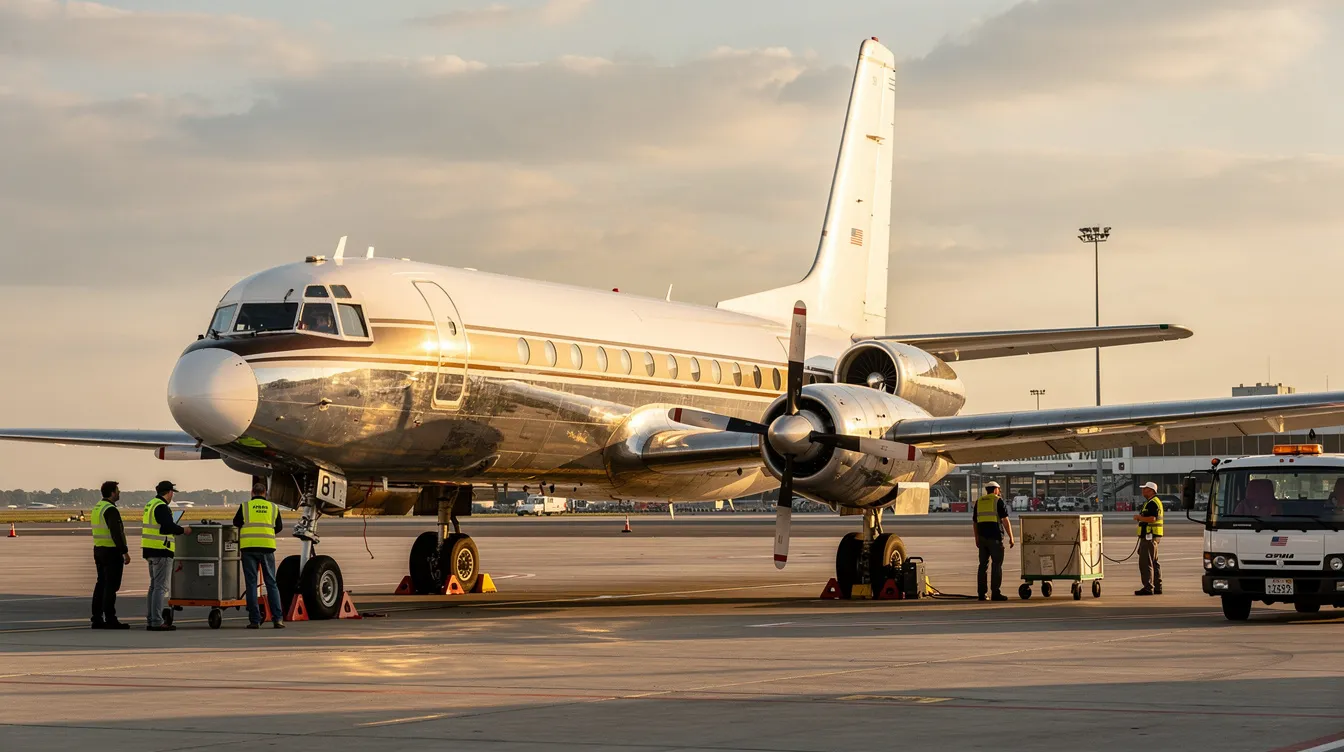
The Douglas Aircraft Company initiated the DC-9 project in mid-1963, targeting airlines frustrated with delays from competing programs. The company risked $100 million on development without firm orders until Delta Air Lines committed in July 1963.
The first flight took place on February 25, 1965, from Long Beach Airport, California. The prototype flew 170 miles to Edwards Air Force Base with a three-person cockpit crew, logging 2 hours and 39 minutes. Pilot George Jansen reported stable handling throughout flight testing, which eventually accumulated over 1,000 test hours before FAA certification in November 1965.
The Long Beach production facility spanned 2.5 million square feet of manufacturing space, built in 1941 with WWII-era reinforced concrete designed for blackout operations. It was one of the first factories with central air-conditioning, and by peak production, 10,000 workers operated 24/7 shifts.
Engineers chose rear-mounted Pratt & Whitney JT8D engines and a T-tail configuration for several reasons:
Better short-runway capability from cleaner wing aerodynamics
Reduced cabin noise (approximately 30% quieter than underwing configurations)
Easier ground handling at smaller airports without nose gear torque issues
The DC-9 was designed with vortilons, small surfaces beneath the wings’ leading edges, to control airflow and increase low-speed lift, addressing the issue of deep stalling.
By the time McDonnell merged with Douglas in April 1967, the DC-9 program had delivered 132 aircraft, outselling early Boeing 737s by emphasizing reliability over speed.
Delta Air Lines was the launch customer for the DC-9, ordering 25 aircraft worth $65 million. The airline operated the world’s first commercial DC-9 service in December 1965.
The inaugural route flew from Atlanta (ATL) to Kansas City via Memphis on December 8, 1965. That first day of service saw seven scheduled round-trip flights, carrying passengers at an 80% load factor. Delta’s early DC-9-14 variant seated 65 passengers, powered by JT8D-1 engines producing 14,000 pounds of thrust each.
Cruising at around 564 mph at Flight Level 300-350, these jets bridged prop-era routes under 500 miles in dramatically less time. The ATL-to-Birmingham segment, which used to take 90 minutes on a DC-7, now takes just 40 minutes. This capability allowed Delta to serve routes under 500 miles, which at the time represented a large share of U.S. passenger traffic.
Delta promoted its “Delta Prince” with cabin features considered innovative for the 1960s:
Individual reading lights and air vents
Overhead attendant call buttons
Folding armrest trays
Dual bootstrap air-conditioning systems maintain 70°F and 50% humidity
The DC-9 was designed to operate from smaller airports with shorter runways, which allowed it to serve routes that were previously impractical for jet aircraft, thus democratizing air travel.
Delta Air Lines operated DC-9s from 1965 through multiple fleet transitions. The airline initially phased out its original DC-9 fleet in 1993 as newer types like the MD-88 and Boeing 737 took over domestic routes with better economics.
Northwest Airlines, once the largest DC-9 operator with a fleet of 180 aircraft, merged with Delta on October 29, 2008. This brought 97 DC-9s into the combined Delta fleet, mostly Series 50 variants averaging 30+ years of service. During the mid-1990s, Northwest Airlines was the largest operator of the DC-9 before retiring them due to rising fuel prices.
Ship 9880 (MSN 47798), a DC-9-51 that rolled out in 1975, illustrates the type’s remarkable service life:
|
Period |
Operator |
|---|---|
|
1976-1985 |
Austrian Airlines |
|
1985 |
Muse Air |
|
1986 |
TranStar |
|
1986-1987 |
Eastern Airlines |
|
1987-1992 |
Continental |
|
1992-2008 |
Northwest Airlines (Fleet #9880) |
|
2009-2013 |
Delta Air Lines |
Ship 9880 joined Northwest in March 1992 and entered the Delta fleet through the merger. It was retired from Delta service on November 26, 2013, after accumulating over 75,000 flight hours. The aircraft was ferried to the Delta Flight Museum on April 27, 2014.
Delta ultimately operated 177 DC-9s across its history. Delta Air Lines made its last DC-9 commercial flight on January 6, 2014, with aircraft N779NC flying from Minneapolis to Detroit, marking the end of an era for the aircraft in U.S. commercial aviation.
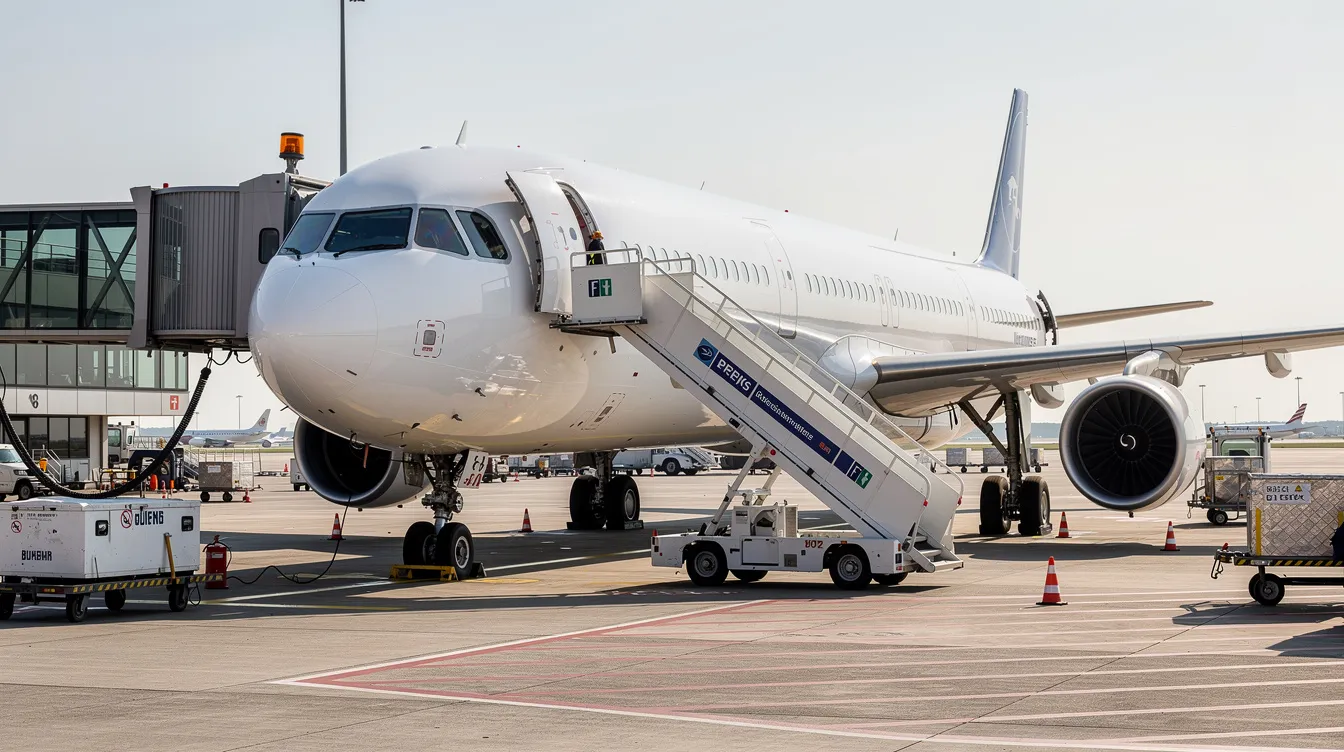
The original DC-9 spawned an extensive family of derivatives under the McDonnell Douglas brand. The DC-9 family includes five main variants: Series 10, Series 20, Series 30, Series 40, and Series 50, with a total of 12 aircraft members when including subvariants. Each series represents a different class within the DC-9 family, offering varying capacities, performance, and operational roles.
|
Series |
Length |
Max Takeoff Weight |
Passengers |
Key Features |
|---|---|---|---|---|
|
Series 10 |
104.4 ft (31.8 m) |
82,000 lb (37,000 kg) |
65-90 |
Original variant, smallest model |
|
Series 20 |
106 ft |
85,000 lb |
79 |
Extended wing, hot-and-high performance |
|
Series 30 |
119 ft |
110,000 lb (50,000 kg) |
100-115 |
14 ft 9 in stretch, completed with Boeing 737 |
|
Series 40 |
125 ft |
114,000 lb |
117 |
6.5 ft stretch, longer range |
|
Series 50 |
133 ft |
121,000 lb |
Up to 139 |
8 ft 2 in stretch, entered service August 1975 |
The DC-9 is recognized for its short-field performance, with takeoff and landing distances that made it suitable for operations at airports with shorter runways. Its operational range and efficient use of distances contributed to its popularity on short to medium-haul routes.
The DC-9 entered commercial service with Delta Air Lines in December 1965, and over the next 17 years, a total of 976 DC-9s were produced. Over its production run, 976 DC-9 aircraft were built, and it became known for its durability and efficiency, with some aircraft remaining in service for over 40 years.
The McDonnell Douglas MD-80 is a second-generation, highly modernized derivative of the original McDonnell Douglas DC-9. First flown in October 1979, the MD-80 series (initially designated DC-9-80) gained FAA certification in 1980. The MD-80 series, introduced in 1980, was a lengthened version of the DC-9-50 and included variants such as the MD-81, MD-82, MD-83, MD-87, and MD-88, featuring higher thrust engines and improved fuel capacity.
Key MD-80 advancements included:
The MD-80 introduced the JT8D-200 series engines, which utilized a higher bypass ratio than early models
The new engines on the MD-80 provided up to 35% better fuel efficiency per seat and reduced noise footprints to meet stricter airport regulations
The MD-80 introduced digital flight guidance computers and an autothrottle system, along with full Category III autoland capabilities
Later variations of the MD-80 family integrated a multi-panel Electronic Flight Instrument System (EFIS)
The MD-80 tailcone design was modified to a less pointed shape compared to the original DC-9
The MD-80 introduced modern cockpits that reduced noise and enhanced fuel efficiency
Seating capacity on the MD-80 increased to 155–172 passengers from 90–135 passengers on the original DC-9
The third-generation MD-90 introduced IAE V2500 high-bypass engines with 20% efficiency gains. The Boeing 717 continued the core DC-9 design philosophy into the 2000s. Enhancement studies between 1973 and 1975 tested JT8D-109 engines and winglets for fuel efficiency and noise reduction, though these modifications were not widely adopted.
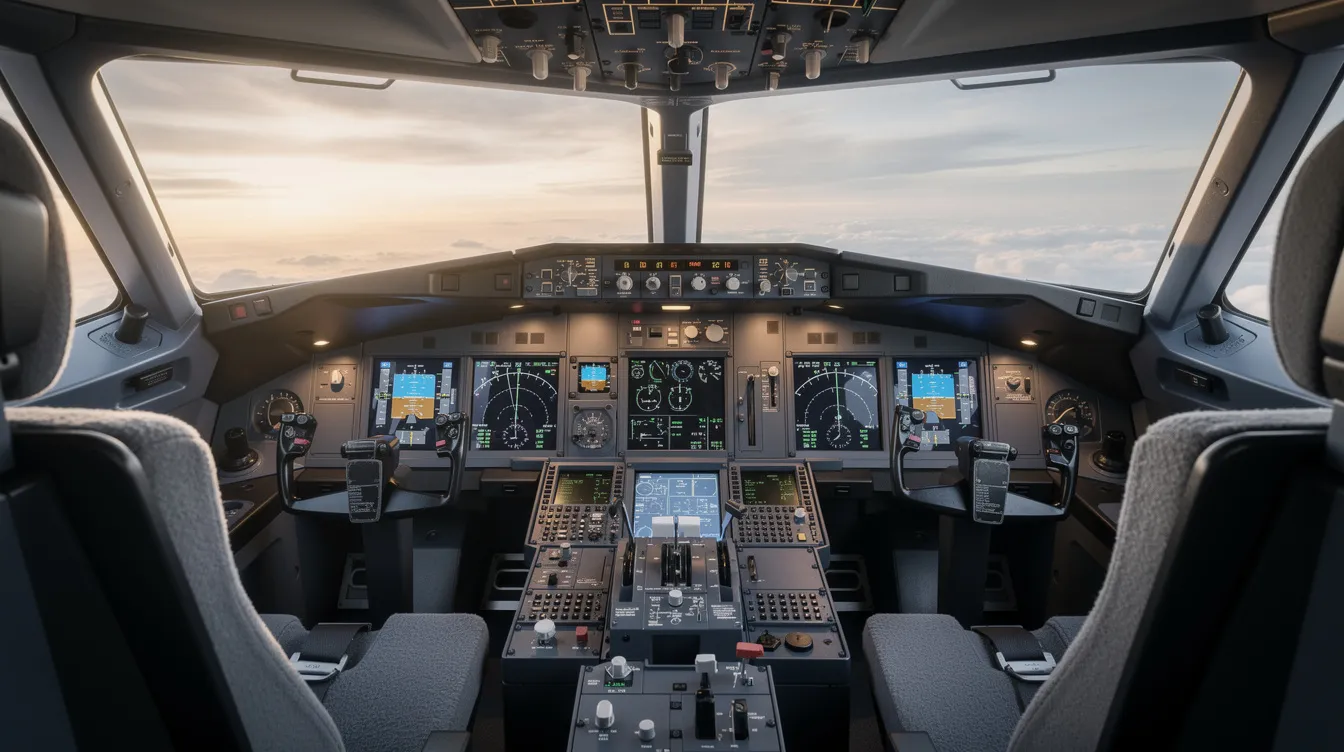
The DC-9’s robust design made it attractive for military, medevac, and government transport roles. Its short-runway capability and reliable systems suited operations from austere locations.
The U.S. Air Force adopted a dedicated medevac variant (C-9A Nightingale) with a large 6x8-foot forward door, positioned at the front of the fuselage, which facilitated rapid loading and unloading of patients and medical equipment. This position was crucial for efficient medevac operations, accommodating 40 litters. Between 1968 and 1973, 28 aircraft were built for medical evacuation missions, accumulating 250,000 flight hours with 99.99% reliability before retirement in 2005.
Two DC-9s (designated C-9C) were configured for presidential and VIP transport, based at Andrews Air Force Base from 1986 to 2001. These aircraft featured secure communications and enhanced defensive systems.
The U.S. Navy operated a fleet of approximately 27 C-9B Skytrain II aircraft for logistics and personnel transport, handling Pacific operations until retirement in the 2020s.
Beyond the U.S., several governments and air forces worldwide used DC-9s as official transports, including Colombia, Peru, and Venezuela, though most have since transitioned to more modern jets.
The DC-9 family, like other high-volume commercial types, has been involved in a significant number of accidents across its decades of service. Context matters when evaluating these figures.
As of June 2022, the Aviation Safety Network recorded approximately 276 major accidents and incidents across the DC-9 family, with 156 hull losses and roughly 3,697 fatalities. First-generation DC-9 models account for approximately 107 hull losses and around 2,250 fatalities, reflecting their long period of intense airline use in high-density short-haul environments.
Second- and third-generation MD-80 and MD-90 derivatives saw about 49 hull losses combined, resulting in around 1,447 fatalities. Analysis indicates that pilot error contributed to over 55% of incidents, with weather and mechanical factors accounting for approximately 25%.
These statistics must be considered in light of:
Over 50 million flight hours accumulated
Global deployment across diverse operating conditions
Decades of service, beginning when aviation safety standards were less mature
Post-1990 safety improvements have reduced incident rates by approximately 80%
Modern charter platforms like Jettly work exclusively with operators meeting current regulatory standards such as FAA Part 135 or international equivalents. These frameworks include requirements for TCAS/TAWS systems, ARGUS Platinum ratings, and far more stringent oversight than existed when early DC-9s entered service.
While only around 30 DC-9 series aircraft remain in active service as of August 2025, several have been preserved in museums around the world.
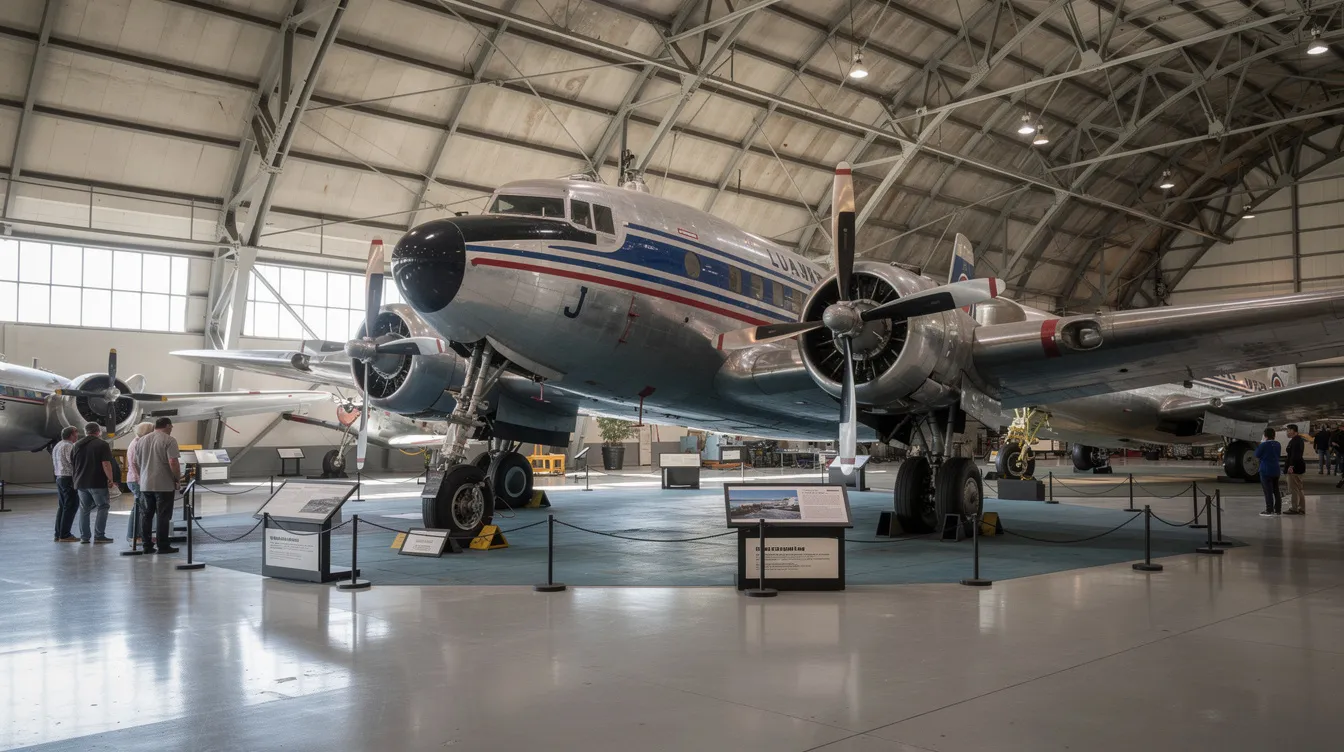
The Delta Flight Museum’s DC-9-50 (Ship 9880) at Hartsfield-Jackson Atlanta International Airport stands as a primary exhibit. Plaques detail its remarkable journey through Austrian Airlines, Muse Air, TranStar, Eastern Airlines, Continental, Northwest Airlines, and finally Delta Air Lines. Visitors can explore the cabin and cockpit, gaining a tangible sense of 1960s-1980s jet travel.
Other preserved DC-9s include:
Pima Air Museum’s N7317C (Delta DC-9-32, 1967)
MOAS’s N3306L (SAS DC-9-41)
Castle Air Museum’s DC-9-51
Several MD-80/90 derivatives are displayed at aviation museums in North America and Europe, often alongside related Douglas and McDonnell Douglas aircraft. Museum visitor data shows over 50,000 annual visitors at the Delta site alone.
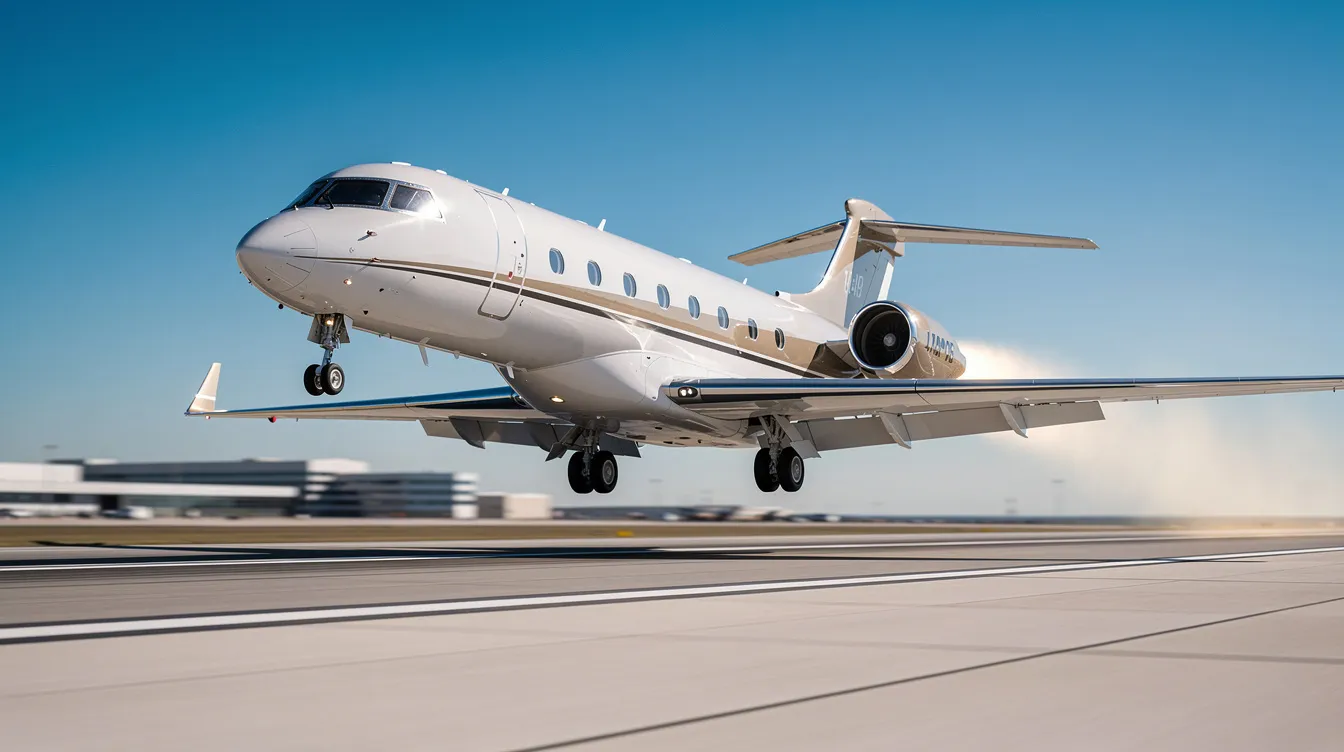
The DC-9’s mission—frequent, short-haul flights from smaller airports—directly parallels today’s private jet charter market. The DC-9 revolutionized regional air travel by enabling airlines to schedule more frequent flights on shorter routes, thus improving accessibility to smaller airports and connecting them directly to larger hubs. Its ability to operate from airports with shorter takeoff and landing distances contributed significantly to its operational flexibility, making it ideal for routes with limited runway lengths.
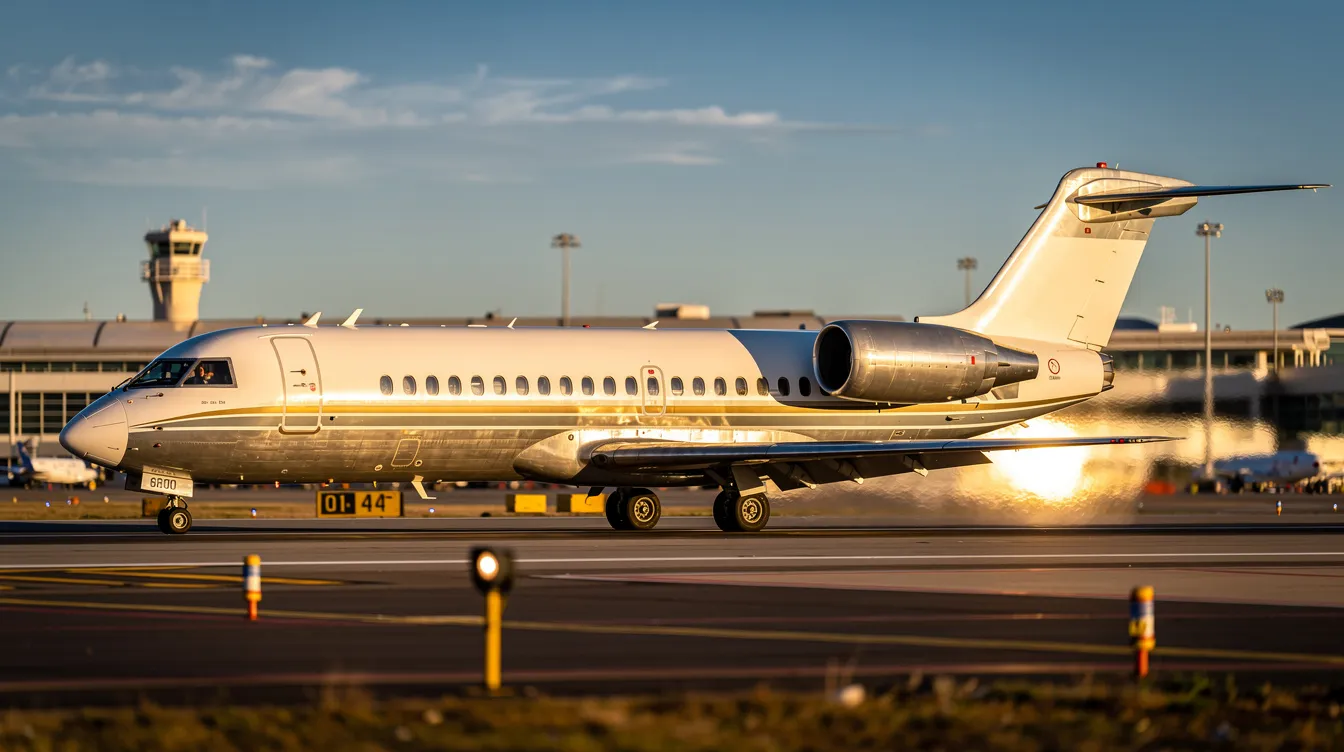
While classic DC-9s are rarely used in passenger service today, their concept lives on in modern regional jets and business aircraft with comparable range and capacity. Jettly’s digital platform gives travelers access to thousands of private charter aircraft worldwide, from light jets and turboprops for 300-500 mile hops to larger jets capable of transcontinental service.
On-demand private charter through Jettly can replicate the flexibility once offered by frequent DC-9 flights while still focusing on affordable private jet charter through smart aircraft selection and routing:
Same-day round-trip flights for business meetings, with the option to crowdsource private jet flights and share empty seats to offset costs
Multi-city itineraries without airline schedule constraints
Family weekend getaways departing on your timeline that may be best served by small planes, ideal for a family of four, using the best private planes for families to balance comfort and budget
Operational benefits relevant to former DC-9 markets include access to a robust airport locator tool that makes it easy to identify convenient departure and arrival fields:
|
Benefit |
DC-9 Era |
Modern Charter |
|---|---|---|
|
Airport access |
Regional fields with 5,000 ft runways and short takeoff/landing distances |
5,000+ airports, including private FBOs |
|
Booking flexibility |
Airline schedules |
On-demand, instant pricing |
|
Fuel efficiency |
4,500 lbs/hour |
50% better fuel burn per seat |
|
Noise compliance |
Stage 2-3 |
Stage 5 compliant |
Jettly focuses on newer, more efficient aircraft types that meet modern noise, emissions, and safety standards while serving many of the city pairs the DC-9 helped pioneer.
Jettly does not typically charter aging DC-9s but instead offers modern aircraft sized for similar passenger counts and route lengths with dramatically improved efficiency, working with vetted operators such as Dexter Air Taxi’s private jet services.
Aircraft categories available through Jettly:
|
Category |
Passengers |
Typical Range |
Example Routes |
|---|---|---|---|
|
Light jets |
4-7 |
1,500-1,800 nm |
ATL-MCI, NYC-DC |
|
Midsize jets |
7-9 |
2,000-2,700 nm |
NYC-CHI, LA-SF |
|
Large/Super-mid jets |
10-16 |
3,000+ nm |
NYC-MIA, transcontinental |
The platform’s private jet charter cost estimator with instant pricing helps customers quickly compare options for trips similar to historical DC-9 runs, such as Atlanta to Kansas City, New York to Chicago, or Los Angeles to San Francisco. Quotes can be generated in under 60 seconds.
Membership and on-demand models accommodate different travel patterns. Frequent travelers can access private jet membership options that cap hourly rates, similar to the high-frequency business routes DC-9s once dominated.
Convenience features include access to structured jet card programs for travelers who prefer fixed hourly rates and premium service tiers, plus:
Digital booking with live flight tracking
Integrated ground transportation coordination
In-flight catering customization
Access to secondary airports closer to city centers than major hubs
Ready to experience private travel on your terms? Explore charter options for your own regional missions at Jettly’s website.
This section addresses common questions not fully covered above.
The DC-9, classified as an airline transport class jet, is generally smaller than many modern commercial aircraft. Its typical seating configuration features a 2-3 seat arrangement, with the position of seats designed for efficient use of cabin space and passenger comfort, quite different from today’s offerings from leading private plane manufacturers. While newer jets may offer wider cabins and more advanced amenities, the DC-9’s class and seat position made it a popular choice for short- to medium-haul routes during its operational peak.
As of August 2025, only 30 DC-9 series aircraft remain operational, mostly flown by Aeronaves TSM and a single passenger plane operated by African Express Airways. Most major passenger airlines, including Delta Air Lines, retired their DC-9 fleets by the mid-2010s in favor of newer types like the Boeing 737, Airbus A320, Embraer E-Jets, and Airbus A220.
Aviation regulations, fuel efficiency requirements, and maintenance considerations make it unlikely that DC-9s will return to mainstream passenger service.
It is extremely rare to find a DC-9 available for private charter today. Age, fuel consumption (approximately $2,000 per hour), and regulatory constraints limit options. A handful of VIP-configured DC-9-50s may exist in South America at rates exceeding $10,000 per hour.
Most charter customers instead choose modern regional and business jets that offer similar capacity with far better efficiency and comfort, forming part of the rapidly growing global fleet of private jets. Platforms like Jettly focus on newer aircraft meeting current safety, noise, and emissions standards while performing missions comparable to legacy DC-9 routes.
Typical DC-9 passenger configurations ranged from about 65 to over 130 seats, depending on the series, substantially larger than most business jets. The fuselage measured 11.3 to 15.6 feet wide in various configurations.
Today’s light and midsize jets usually seat 4-9 passengers with cabin widths around 5-6 feet, while large-cabin jets may seat 10-16 with 8-foot cabins. Guides to how many passengers a private jet can carry underline that private jets offer approximately three times the space per passenger, plus amenities like lie-flat beds absent in airline DC-9 configurations.
For groups closer to airline scale, Jettly can source regional airliners or VIP-configured aircraft through its global operator network, similar in concept to large fractional providers such as those profiled in its overview of NetJets and industry-leading private aviation.
The DC-9 family experienced a significant number of serious accidents, but these must be weighed against millions of successful flight hours over several decades. The hull loss rate of approximately 0.07 per 100,000 hours (1970-2000) improved to 0.02 after 1990 with glass cockpit upgrades.
Modern jets achieve rates around 0.005. Safety standards, pilot training, and technology have advanced dramatically since the 1960s. Charter operations working with Jettly are subject to today’s regulatory frameworks—including ARGUS Platinum operator ratings—rather than the historical norms of early commercial aviation.
Travelers can use Jettly to search for private aircraft on routes similar to classic DC-9 segments, such as regional hops under 500 miles or domestic flights up to about 1,500 miles, and explore multiple ways of getting a seat on a private jet easily.
The process involves:
Entering departure and arrival airports
Selecting travel dates
Specifying passenger count
Receiving instant pricing across multiple aircraft categories
A flight comparable to the original Delta DC-9 run from Atlanta to Kansas City might quote around $8,000-12,000 on a light jet through Jettly, depending on typical factors outlined in detailed guides to how much a private jet costs.
Ready to explore flight options or request a quote? Visit Jettly.com for detailed charter options and support.
The Douglas DC-9 stands as a milestone in aviation history, revolutionizing short- to medium-haul travel by enabling efficient operations from smaller airports with shorter runways. Its distinctive design, durability, and operational flexibility made it a favorite among airlines like Delta Air Lines and Northwest Airlines for decades. Although largely retired from commercial service, the DC-9’s legacy continues through its modern derivatives and the principles it established for regional air travel.
Today, platforms like Jettly carry forward the spirit of the DC-9 by offering travelers access to a wide range of modern private jets that provide similar route flexibility with enhanced safety, comfort, and efficiency. Whether for business or leisure, Jettly’s digital private jet charter marketplace connects passengers to aircraft suited for regional missions once dominated by the DC-9, all with transparent pricing and instant booking.
Ready to experience private travel on your terms? Explore flight options or request a quote at https://jettly.com/.
Share this post:
Jay Franco Serevilla
May 15, 2026
|
5
min read
Discover tips and trends in the industry.
5
min read
What Days Are the Best Days to Buy Plane Tickets?
Tuesday and Wednesday are typically the best days to buy plane tickets, with Sunday evenings also showing competitive prices. However, dynamic pricing means that the best day can vary based on demand and route. Booking in advance and being flexible with travel dates are key strategies for securing lower fares.
Read More
5
min read
Plane Landings: Phases, Techniques, and What Matters Most
Plane landings involve distinct phases that are crucial for safety and passenger comfort. Factors such as wind direction and runway conditions influence landing techniques, particularly in private aviation where shorter runways are common. Understanding these phases and techniques enhances the flying experience, especially for travelers using charter services like Jettly.
Read MoreStay updated with our latest insights and tips to elevate your journey with us.
MEMBERSHIPS AND ASSOCIATIONS



Disclaimer: Jettly operates as a charter broker, offering access to a global digital jet charter marketplace. Jettly is not a direct air carrier and does not own or operate aircraft. All advertised flights are conducted by third-party air carriers that are fully licensed and hold the appropriate Part 135 or Part 121 certifications issued by the Federal Aviation Administration (FAA) or equivalent regulatory authorities under U.S. or foreign law. Jettly complies fully with the U.S. Department of Transportation's Part 295 and Part 298 Charter Broker regulations. Jettly does not carry additional liability insurance. Passengers are covered by aircraft operator insurance. TICO: 50023770


