


Login
Get Instant Pricing On 23,000+ Aircraft

>

For private jet owners, airplane insurance is more than just a regulatory requirement; it’s a financial safeguard. Much like auto insurance, it protects against liabilities, damages, and unforeseen incidents. But aviation insurance operates on a more complex level, influenced by aircraft type, usage, pilot experience, and risk tolerance. Insurance companies consider the type of aircraft when determining costs; generally, smaller, single-engine planes cost less to insure than larger ones. Aircraft insurance costs can vary significantly depending on whether the aircraft is a single-engine or multi-engine aircraft, with multi-engine aircraft typically incurring higher premiums. More valuable planes typically require more extensive hull coverage, increasing insurance costs.
Understanding the cost of airplane insurance requires a deep dive into policy structures, premium determinants, and coverage options. Whether operating a small single-engine aircraft or a luxury private jet, selecting the right insurance policy ensures peace of mind both in the sky and on the ground. The cost of airplane insurance varies widely based on the aircraft’s value, the pilot’s experience, and the intended use of the aircraft. Airplane insurance cost is influenced by these factors and can fluctuate depending on coverage options. For a small private aircraft, annual insurance costs can range from $1,200 to $5,000, while larger commercial aircraft may incur significantly higher premiums. Aircraft insurance cost also varies by state and location.
Airplane insurance is a crucial aspect of aircraft ownership, offering essential financial protection against a wide range of risks, from physical damage to liability for injuries or property damage. Whether you own a small aircraft, operate a private plane, or are considering flight school, understanding the complexities of aviation insurance is key to safeguarding your investment and ensuring peace of mind.
At its core, airplane insurance, also known as aircraft insurance or aviation insurance, protects aircraft owners and operators from the potentially high costs associated with accidents, property damage, medical bills, and legal liabilities. Unlike car insurance, airplane insurance is not always legally required in every state, but most airports require insurance, and lenders or flight schools often mandate coverage. The insurance cost, or insurance premium, is determined by several factors, including the type and value of the aircraft, pilot experience, intended usage, and the level of coverage selected.
Liability insurance is a foundational component of any aircraft insurance policy, covering bodily injury and property damage to third parties. Hull coverage, on the other hand, protects against physical damage to the aircraft itself, with insurance premiums typically calculated as a percentage of the aircraft’s value. Additional options, such as ground risk insurance, hangar insurance, and non-owned aircraft insurance, allow aircraft owners to tailor their insurance policies to their specific needs and risk tolerance.
When evaluating insurance policies, it’s important to consider coverage options, coverage limits, and deductibles. Opting for higher deductibles can help lower premiums, but may increase out-of-pocket expenses in the event of a claim. Working with an experienced insurance agent or aviation insurance company can help you compare aircraft insurance quotes, understand common exclusions, and find the right insurance provider for your situation.
In the following sections, we’ll explore the different types of aircraft insurance coverage, the various factors that significantly impact insurance costs, and practical tips for saving money on your insurance premiums. Whether you’re a seasoned pilot, a student pilot, or an aircraft owner looking to review your current insurance policy, this comprehensive guide will help you navigate the world of airplane insurance with confidence.
Airplane insurance is not one-size-fits-all. Insurers provide a range of coverage types to meet different operational needs: Aircraft damage liability is an optional coverage that provides protection for damage caused to the rented aircraft. Aircraft insurance policies often include common exclusions, making it important for owners to review what is and isn’t covered.
This core coverage protects against injury or property damage to third parties. If an accident occurs that harms others or damages their property, liability insurance covers legal fees and settlements.
However, it doesn’t cover the insured aircraft itself. Bodily injury liability also covers medical expenses for people injured by your aircraft. In addition, liability insurance can help pay for the cost of medical care needed by injured parties after an accident.
Hull insurance protects the aircraft against physical damage. It can be split into two forms:
Ground Risk Hull Insurance: Covers damages while the aircraft is parked or being towed. Ground risk hull insurance can be categorized into two types: 'not in motion,' which covers the aircraft while parked, and 'in motion,' which includes coverage while taxiing. Ground-only coverage, or ground risk insurance, covers physical damage while the aircraft is on the ground.
In-Flight Insurance: Covers the aircraft during flight operations.
Most private jet owners opt for policies that combine liability and hull insurance, ensuring comprehensive coverage.
Ideal for pilots who rent or borrow aircraft, this type of policy offers liability protection when flying an aircraft they don’t own. Standard coverage for aircraft renters typically includes bodily injury and property damage insurance. An Avemco renters policy also covers both single-engine and multi-engine planes.
Similar to non-owned insurance, renter’s coverage is popular with general aviation pilots and charter clients who operate aircraft occasionally. Aircraft renter’s insurance provides protection for renters against liabilities arising from the use of a non-owned aircraft. When considering renters' insurance, it is important to understand the specifics of these policies, including liability protection, coverage options, and the costs involved.
Renters should consult with insurance specialists to determine how much renters’ insurance they need. It is essential to review the specifics of an aircraft renter’s insurance policy before purchasing to understand coverages and exclusions.

The cost of airplane insurance can vary widely. Insurance underwriters evaluate numerous factors to determine premiums. Insurance premiums can increase in regions known for extreme weather conditions or high accident rates. In areas or situations with increased risk, such as frequent use, challenging storage locations, or flying in high-risk regions, aircraft owners should expect higher premiums.
Additionally, the choice of insurance carrier can impact both the cost and the specific coverage details of your policy.
High-performance jets and multi-engine planes are more expensive to insure than light single-engine aircraft. These types of aircraft often result in higher insurance premiums due to their complexity and operational costs. The cost to repair or replace advanced avionics and engines also influences premiums.
Insurers assess the pilot’s credentials, including: A pilot’s experience, including total flight hours and accident history, significantly impacts the cost of insurance, with more experienced pilots typically paying lower premiums. The pilot's experience is a key factor in determining insurance premiums, as insurers view experienced pilots as lower risk. Younger or less experienced pilots are generally considered riskier by insurance companies, leading to higher premiums. Additional training, such as obtaining instrument or multi-engine ratings, can further reduce insurance costs.
Total flight hours
Time-in-type (hours in the specific aircraft model)
Safety record
Advanced certifications (e.g., ATP or commercial licenses)
Experience as a flight instructor
A well-trained and experienced pilot typically qualifies for lower insurance rates. Higher premiums are charged to pilots with less experience compared to those with advanced certifications.
Personal use, business travel, charter services, and flight training each carry different risk profiles:
Charter or commercial use typically commands higher premiums due to increased liability. Aircraft used for commercial purposes, such as charter flights or flight instruction, are considered higher risk and require specialized coverage. Insurance for commercial operations, such as flight schools or charter services, is typically more expensive due to the higher risks involved.
Recreational use may result in lower premiums, assuming limited annual flight hours.
A thorough, documented maintenance record can significantly reduce perceived risk. Maintaining a clean safety history can help lower insurance costs, as insurers often offer discounts to aircraft owners with consistent safety records. Conversely, a spotty service history raises red flags for insurers.
Where the aircraft is based and operated plays a role:
Busy metro airports may carry higher risks.
International operations may require extended coverage.
Hangar storage often reduces premiums versus tie-down parking outdoors. Hangar insurance helps protect against costs related to damage to the hangar where your aircraft is stored.
Aircraft insurance rates are typically expressed as a percentage of the insured value (known as the hull value). For instance:
A $3 million private jet with a 1% rate would cost $30,000 annually for hull coverage.
Liability coverage might add another $1,000 to $5,000, depending on limits and operations.
There are various tools and calculators available to help estimate aircraft insurance costs, taking into account factors such as aircraft type and location.
Single-engine piston aircraft: $1,000 – $2,000/year
Light twin-engine aircraft: $2,500 – $6,000/year
Turboprops: $5,000 – $15,000/year
Private jets: $10,000 – $100,000+/year
Insurance premiums can range from $1,200 to $2,000 per year for a small private plane, while larger aircraft can have significantly higher costs. The cost of aircraft renters' insurance can start as low as $95 per year, depending on various factors.
Coverage Limits: Higher liability or hull values increase premiums. Determining how much coverage is necessary depends on the aircraft’s value, how the aircraft is used, and the owner’s financial situation.
Deductibles: Higher deductibles lower premiums but increase out-of-pocket costs during claims.
Claims History: Previous accidents or claims can raise premiums considerably.
Savvy aircraft owners and pilots can take several steps to reduce their insurance costs. Implementing these strategies can help aircraft owners save money while maintaining adequate coverage. Increasing pilot experience and maintaining a strong safety record can demonstrate lower risk to insurers, resulting in reduced premiums.
Insurers favor pilots who complete: Having advanced training and continually updating skills can result in reduced insurance premiums.
Recurrent simulator training
Factory-authorized programs (e.g., Bombardier, Cessna, Gulfstream)
Upskill programs like upset recovery or turbine transition training
Accepting a higher deductible reduces your monthly or annual premium. However, always ensure the deductible is manageable in the event of a claim. A clean claims history can help to keep insurance premiums manageable.
Always compare quotes from multiple aviation insurance providers. Rates, terms, and policy structures can differ dramatically.
If you own multiple aircraft or require additional business insurance, bundling policies under one provider can lead to discounts.
Regular maintenance, operational checklists, and a zero-tolerance approach to shortcuts contribute to long-term cost savings and insurance discounts.
Liability insurance can come in different forms, like bodily injury liability and property damage liability.
Bodily injury to passengers and third parties
Property damage caused by the aircraft
Typical minimum coverage for general aviation starts at $1 million per occurrence. Higher limits are recommended for business use or high-profile clients.
Hull insurance can be: All-risk hull insurance is the most comprehensive type, covering the aircraft during all phases of operation, including flight and ground storage. Hull insurance can cover expenses for repairing or replacing your aircraft if it is damaged.
All-risk: Covers most causes of loss (except exclusions like war or wear and tear)
Named perils: Only covers specific events (less common)
Hull premiums depend on aircraft value, deductible, and operational history.
Combined Single Limit (CSL): One overall cap for both bodily injury and property damage (e.g., $2 million CSL).
Split Limits: Separate caps per passenger, per occurrence, and property damage (e.g., $100,000/passenger, $1 million/property damage).
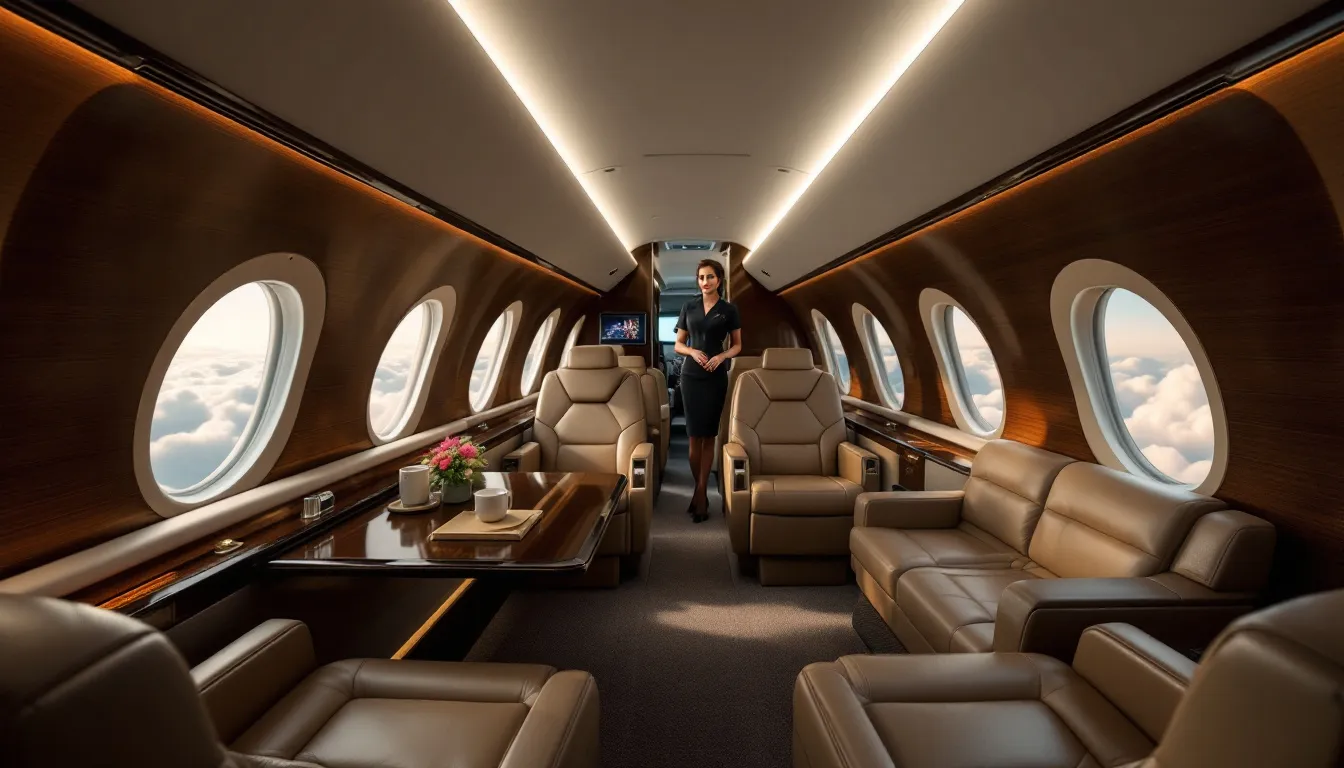
Suppose you’re flying private, whether as an owner or client, it’s worth understanding how insurance plays into your overall travel experience. Some insurance providers offer exclusive products or discounts to members of a pilots association, giving additional benefits to those who belong to organizations like the AOPA.
Having the right insurance coverage means:
Peace of mind in case of emergencies
Compliance with regulatory requirements
Enhanced aircraft value and insurability in the resale market
Failing to have aircraft insurance can result in significant financial risks and potential legal penalties.
When booking a private jet through a platform like Jettly, you benefit from exclusive empty leg flight deals:
Access to properly insured aircraft
Pre-vetted operators with transparent safety records
Confidence in liability coverage for passengers
While clients typically aren’t liable for insurance directly, understanding these protections can help with making informed decisions, especially for corporate travel managers, celebrities, and high-net-worth individuals. Relying solely on the insurance of a flight school or friend may leave renters unprotected in case of incidents.
Whether you’re flying your own jet or booking through a private aviation service like [LINK 1], insurance plays a vital role in ensuring a secure and stress-free journey. Work with experienced aviation insurance brokers, stay up-to-date with pilot certifications, and prioritize maintenance to keep premiums manageable. Many states and airports require aircraft insurance even though it is not federally mandated. As of January 2022, there isn't a federal requirement for aircraft insurance in the US. Understanding your state's aircraft insurance requirements can help you ensure you meet local regulations.
Yes. Insurers offer policies tailored to fractional ownership programs or aircraft operated under lease or management agreements.
Yes. Reputable charter operators carry both hull and liability insurance. Always confirm limits and documentation when booking.
Annually or when there’s a change in usage, pilots, aircraft location, or value. Regular reviews can help uncover new discounts or identify gaps in coverage.
A mix of risk assessment, aircraft type, pilot qualifications, and operational usage drives the cost of airplane insurance. From understanding liability limits to choosing between coverage structures, being informed helps aircraft owners and operators protect their investment and their passengers. Higher hull insurance rates for physical damage can range from 7% to 14% of the requested coverage amount.
Whether you’re flying your own jet or booking through a private aviation service like Jettly, insurance plays a vital role in ensuring a secure and stress-free journey. Work with experienced aviation insurance brokers, stay up-to-date with pilot certifications, and prioritize maintenance to keep premiums manageable. Regular maintenance and a good safety record can help lower insurance costs. Lenders often require aircraft insurance if you finance your aircraft.
Ready to explore private jet travel with confidence?
Visit Jettly to discover world-class charter options backed by safety, reliability, and comprehensive insurance protocols.
Share this post:
Jay Franco Serevilla
Sep 3, 2025
|
5
min read
Discover tips and trends in the industry.

5
min read
Falcon 900EX EASy: Long-Range Comfort with Modern Avionics
The Falcon 900EX EASy is a long-range tri-engine jet by Dassault Aviation, designed for comfort and efficiency. With a maximum range of 4,725 nautical miles and a modern EASy flight deck, it caters to corporate and family travelers alike, offering a spacious cabin and advanced avionics. This guide details its performance, charter options, and how Jettly simplifies the booking process.
Read More
5
min read
Bell 505 Jet Ranger X: Performance, Operations, and Charter Use
The Bell 505 Jet Ranger X is a versatile light helicopter designed for various missions, including training, corporate transport, and tourism. With modern avionics and a spacious cabin, it offers efficient short-range travel options for up to four passengers. Its strong market presence and proven performance make it a popular choice among charter operators and aviation enthusiasts alike.
Read MoreStay updated with our latest insights and tips to elevate your journey with us.
MEMBERSHIPS AND ASSOCIATIONS



Disclaimer: Jettly operates as a charter broker, offering access to a global digital jet charter marketplace. Jettly is not a direct air carrier and does not own or operate aircraft. All advertised flights are conducted by third-party air carriers that are fully licensed and hold the appropriate Part 135 or Part 121 certifications issued by the Federal Aviation Administration (FAA) or equivalent regulatory authorities under U.S. or foreign law. Jettly complies fully with the U.S. Department of Transportation's Part 295 and Part 298 Charter Broker regulations. Jettly does not carry additional liability insurance. Passengers are covered by aircraft operator insurance. TICO: 50023770


