


Login
Get Instant Pricing On 23,000+ Aircraft

>
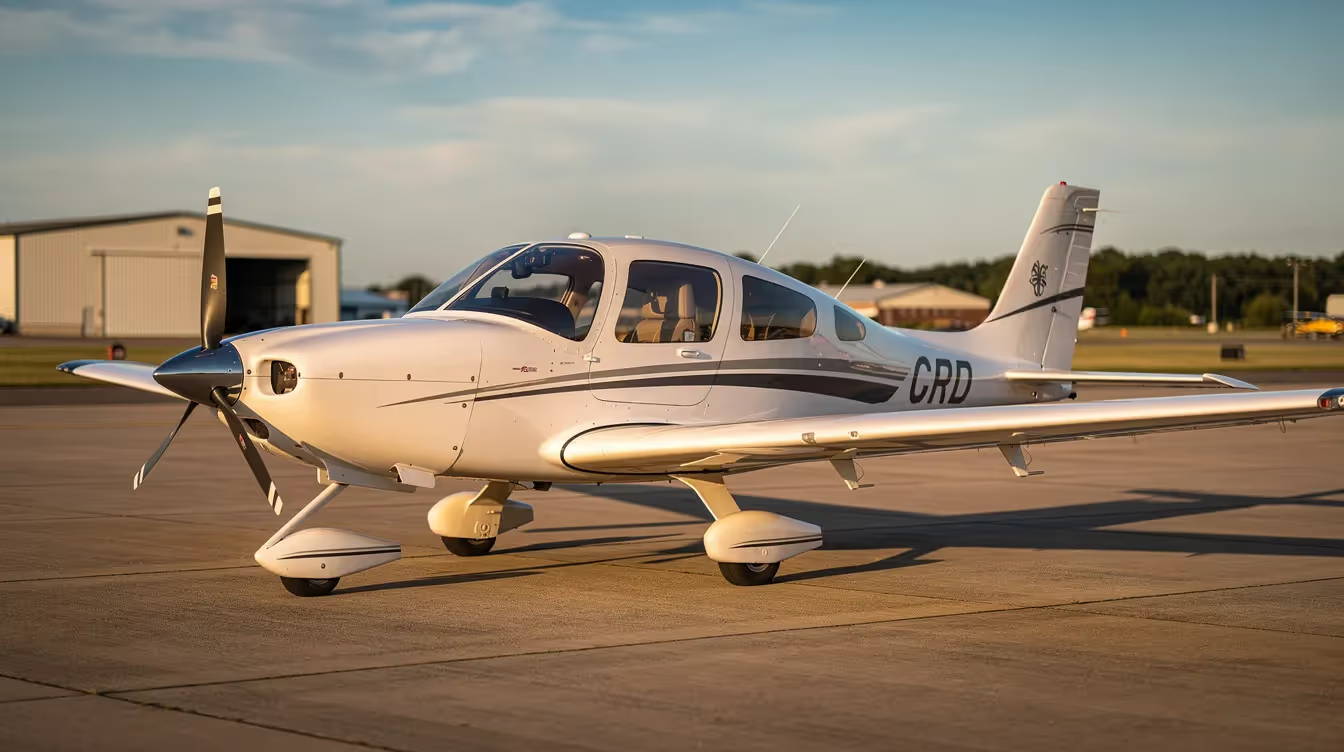
The Cirrus SR22 is a high-performance, single-engine composite aircraft that has reshaped expectations in general aviation since its introduction. Certified in November 2000 with production beginning in 2001, this aircraft emerged as a more powerful version of the earlier SR20, featuring a 310 hp Continental IO-550-N piston engine and accommodating four to five occupants in its composite airframe.
Understanding Cirrus SR22 specs matters for anyone evaluating private aviation options, whether as a potential owner-pilot or a charter customer comparing aircraft categories. The SR22 has become one of the world’s best-selling high-performance piston singles, popular for both business and personal travel across thousands of flight hours logged globally. The broader Cirrus SR family has seen widespread deployment in airline fleets, military training, law enforcement, and private ownership, highlighting its operational versatility and adaptability for specialized missions.
This article covers baseline SR22 specifications, differences between G1 through G7 generations, SR22T turbocharged variants, icing and safety systems, and how these capabilities compare to those of typical private charter aircraft available through platforms like Jettly.
The Cirrus SR22 delivers 310 hp from its Continental IO-550-N engine, achieves cruise speeds around 180–183 KTAS, and features advanced glass cockpit avionics that have set the standard for general aviation aircraft.
The standard SR22 and turbocharged SR22T differ primarily in powerplant configuration, with the SR22T offering a service ceiling up to 25,000 ft compared to 17,500 ft for the normally aspirated model, along with faster climb rates and higher cruise speeds at altitude.
Later generations (G5 through G7) introduced increased gross weight up to 3,600 lb, enhanced avionics including Cirrus Perspective Touch+, Safe Return emergency autoland capability, and Flight Into Known Icing (FIKI) certification options.
These specifications translate directly into practical missions: business hops of 600–800 NM, family trips with full luggage, and IFR training flights in varied weather conditions.
While Jettly focuses on turbine and jet charters through its extensive private charter aircraft inventory, understanding Cirrus SR22 specs helps travelers compare piston aircraft capabilities against light jets and turboprops when evaluating private flight options.
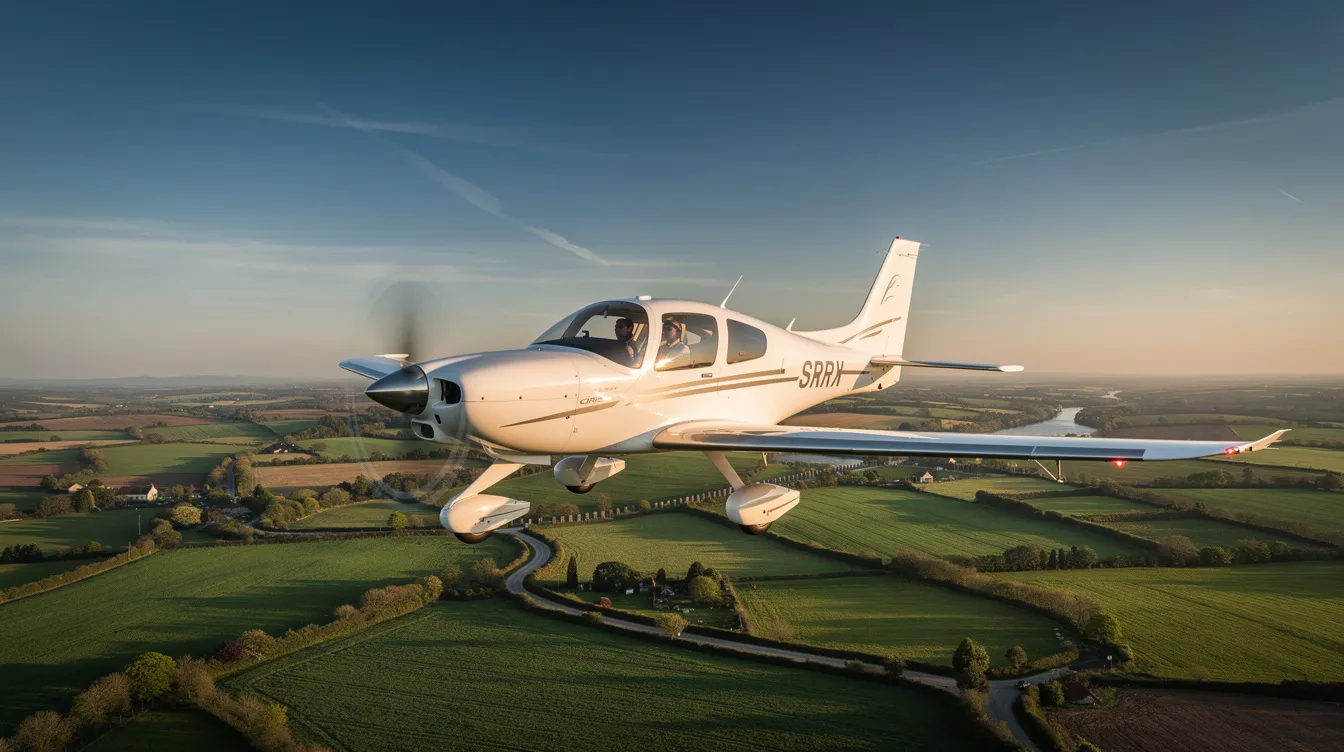
This section focuses on representative normally aspirated SR22 models (such as G3 and G5 variants) to establish typical performance benchmarks. The Cirrus SR22 is a low-wing cantilever monoplane constructed from composite materials, featuring fixed tricycle landing gear with a castering nose wheel and differential braking for ground steering. Beringer brakes are a notable upgrade option for the SR22, enhancing braking performance and safety.
The SR22 uses the Continental IO-550-N, a six-cylinder, fuel-injected piston engine rated at 310 hp at 2,700 RPM. This powerplant drives a three-bladed Hartzell aluminum propeller, delivering the thrust needed for the aircraft’s cruise speed and climb performance.
Maximum cruise speed: 183 to 186 knots (KTAS) at 8,000–12,000 ft
Economy cruise: approximately 160–170 KTAS for extended range
Service ceiling: 17,500 ft
Rate of climb: 1,270 feet per minute
Stall speed (flaps down): 60 KCAS
Takeoff ground roll: 1,082 feet
Landing ground roll: 1,178 feet
The maximum range of the standard SR22 is approximately 1,049 to 1,100 nautical miles with reserves, depending on fuel configuration and power settings. Higher fuel capacity options extend this envelope, though flying with full seats and baggage or at higher power settings reduces effective range to 700–900 NM in real-world operations.
|
Specification |
Value |
|---|---|
|
Wingspan |
38 feet 4 inches |
|
Length |
26 feet |
|
Height |
8 feet 11 inches |
|
Cabin width |
49 inches |
|
Empty weight |
2,250–2,350 lb |
|
Maximum takeoff weight |
3,400–3,600 lb (varies by generation) |
|
Useful load |
approximately 1,328 pounds |
The seating capacity for the SR22 is typically 4 to 5 people with 60/40 flex seating in the rear bench configuration. Baggage capacity supports approximately 200–300 pounds in dedicated compartments, making it suitable for family trips or business travel with luggage.
The aircraft is notable for its side stick flight controls, which combine elements of a traditional yoke with modern ergonomics. All SR22 models feature the Cirrus Airframe Parachute System as standard equipment—a defining characteristic of SR series aircraft that has influenced the entire aviation industry.
The SR22 has evolved substantially from the original G1 through the current G7+, with each generation delivering incremental improvements to weight capacity, avionics, comfort, and safety systems.
The original G1 entered production in 2001, establishing the SR22’s core performance envelope. In 2004, Cirrus introduced the SR22 G2 (Generation 2), which retained the same 310 hp IO 550 N engine but added interior refinements and minor systems improvements.
The SR22 G3 (Generation 3) arrived in 2007, featuring airframe modifications including a redesigned, larger wing with increased dihedral for superior handling characteristics. A lighter composite wing spar reduced empty weight, while modified landing gear geometry improved propeller clearance and short-field performance.
The SR22 G5 (Generation 5) was introduced in 2013, featuring an increase in gross weight to 3,600 lb and a standard five-seat cabin arrangement. This generation delivered a higher useful load exceeding 1,300 pounds and improved payload capacity with full fuel, making it more practical for missions with multiple passengers.
The SR22 G6 (Generation 6) was launched in 2017, incorporating major upgrades to the avionics and new navigation lighting. Spectra LED exterior lighting enhanced night visibility, while the Cirrus Perspective-Plus avionics flight deck was introduced, enhancing processing speed and adding features like wireless database uploads and visual approach capabilities.
The latest model, the SR22 G7 (Generation 7), was announced in January 2024, featuring a major overhaul to the interior and avionics. The Cirrus Perspective Touch+ flight deck includes dual 10-inch touchscreens, QWERTY keyboard controllers, and push-button start. The G7+ variant adds Safe Return emergency autoland—the first FAA-certified autonomous landing system in a piston aircraft.
Each generation’s changes matter practically: G3 and G5 eased high-altitude IFR operations with better climb performance, G6 and G7 reduced single-pilot workload through automation and electronic stability protection, and G7+ provides unmatched redundancy for family missions over challenging terrain.
Turbocharged models retain the SR22 airframe but use turbocharged Continental engines for significantly better performance at altitude, expanding the aircraft’s operational envelope for pilots who regularly fly over mountains or need to climb above weather.
Introduced in 2006, the SR22 Turbo featured twin turbonormalizers, built-in oxygen, and a composite propeller. The SR22 Turbo model has a maximum cruise speed of 211 knots and a certified ceiling of 25,000 feet, enabling operations well above the normally aspirated version’s service ceiling.
The SR22T designation arrived in 2010 with a refined 315 hp Continental TSIO-550-K engine. The maximum operating altitude for the turbocharged SR22T is 25,000 feet, making it a more powerful version suited for cruising in the mid-teens to low-20s flight levels where true airspeed reaches 213–219 KTAS.
Turbocharging affects specs in several ways:
Higher true airspeed at altitude (top speed advantage of 30+ knots over normally aspirated models)
Improved climb rate to clear terrain and weather
Higher fuel burn (17–20 gallons per hour versus 16–18 for standard SR22)
More complex engine management for turbocharger longevity
Slightly reduced payload-range flexibility due to added turbo component weight
Later SR22T models integrate the same Perspective Touch+ avionics as G7+ variants, keeping performance competitive with many entry-level turboprops while maintaining piston economics at roughly half the hourly operating cost.
For Jettly users evaluating mission profiles like mountain routes or longer regional trips, these turbocharged performance numbers provide useful benchmarks against light jets and turboprops in the charter fleet, especially when using a private jet charter cost estimator to compare options.
Icing capability significantly affects where and when the SR22 can safely operate, particularly in northern climates and winter IFR conditions where icing conditions frequently occur.
The original TKS ice protection system uses a fluid-based, weeping-wing concept that pumps glycol-based fluid through micro-perforations on the leading edges of wings, tail, propeller, and windscreen. The TKS Ice Protection system prevents ice buildup on the leading edges of the aircraft, providing de-icing and anti-icing capability on critical surfaces.
In 2009, Cirrus obtained FIKI certification by enlarging the TKS fluid tank to 12–14 gallons (up from 3–4 gallons in non-FIKI models), extending coverage to more surfaces, and meeting FAA requirements for flight into known icing. This provides approximately 2–2.5 hours of endurance in moderate known icing conditions at typical flow rates.
Practical considerations include preflight fluid level checks and weight penalties of 50–100 pounds. Pilots monitor oil temperature, battery voltage, and oxygen levels alongside TKS fluid status during winter operations.
For real-world IFR missions—such as business flights across the U.S. Northeast or Central Europe during winter—FIKI capability approaches the all-weather reliability of many charter turboprops offered on Jettly, though with limitations on endurance in sustained icing; for truly remote strips, a rugged option like the Cessna 207 may be more appropriate.
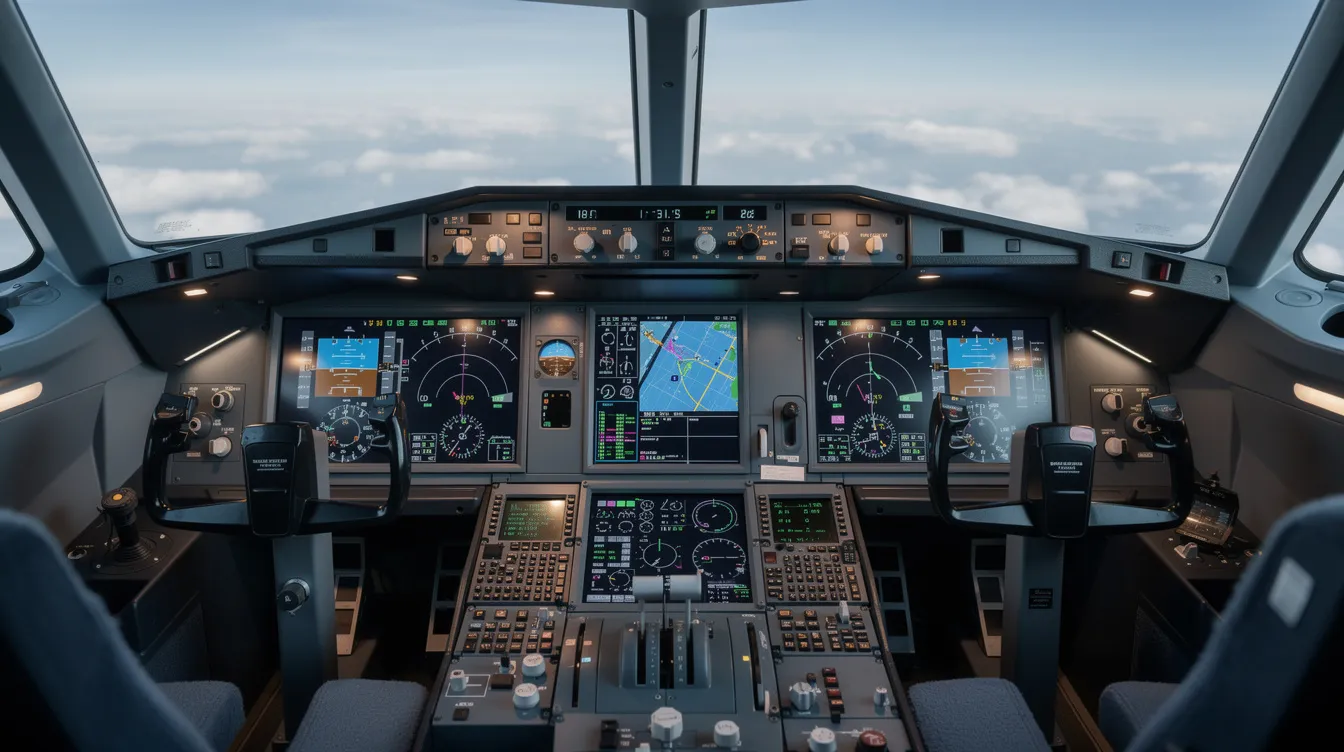
Avionics and safety systems are as central to Cirrus SR22 specs as engine and performance figures, particularly for pilots flying IFR and using the aircraft for training missions.
The aircraft features a glass cockpit, which was first introduced in 2003, marking a significant advancement in general aviation instrumentation. Early G1 and G2 models used Avidyne glass panels with the Avidyne Entegra PFD/MFD system.
Starting with G3, Cirrus transitioned to Garmin-based Cirrus Perspective avionics with 12-inch displays, integrated autopilot, and synthetic vision technology. The G7 generation introduced Cirrus Perspective Touch+ with capacitive touchscreens and seamless tablet integration via Cirrus IQ connectivity for real-time diagnostics.
The integrated GFC 700 autopilot provides altitude preselect, vertical navigation (VNAV), coupled approaches, and envelope protection to prevent stalls or overspeeds. These features support single-pilot IFR safety and reduce workload during flight planning and execution.
The Cirrus SR22 is equipped with the Cirrus Airframe Parachute System (CAPS), which can lower the entire aircraft to the ground relatively gently in an emergency. Key parachute system specs include:
65-foot diameter canopy
Deployment envelope: 140–200 knots below 13,500 feet (optimal 500–2,500 AGL)
System weight: approximately 92 pounds
Descent rate: under 20 feet per minute
As of September 2018, pilots had deployed the SR-series parachute 79 times, resulting in 163 survivors. This track record has helped Cirrus redefine safety expectations for SR Series aircraft.
Safe Return Emergency Autoland is available on newer G7+ models, allowing the aircraft to land autonomously at the touch of a button. This emergency autoland system enables a non-pilot passenger to activate automated airport selection, approach, and hands-free landing—the first such capability certified in a piston aircraft.
The Cirrus SR22 has features such as push-button start, air conditioning, and high-power USB-C charging ports. Modern models include Bluetooth audio via GMA 350c, advanced LED cabin lighting, and climate zoning that elevate the passenger experience for both training and personal travel.
These avionics and safety specs align with traveler expectations on Jettly, where many charter jets and turboprops feature comparable automation and connected cockpits, as highlighted in our broader guide to private and charter airlines.
The SR22’s specs have made it a favorite for air taxi operations, corporate travel, training, and even limited military and government use across the world. Over 8,000 SR22 and SR22T units have been delivered, logging millions of flight hours globally.
Notable operators historically associated with SR22 aircraft include ImagineAir, SATSair, Fly Aeolus, and Joby Aviation’s Part 135 certification efforts, offering useful context for anyone researching affordable airplane rent options. These operations valued the aircraft’s short-field performance (under 1,100 feet ground roll), low operating costs of $200–300 per hour wet, and reliable dispatch rates.
Australian pilot Ryan Campbell completed a solo circumnavigation at age 19 in a modified G3 SR22 with extended fuel tanks, covering over 30,000 nautical miles and demonstrating the aircraft’s endurance and reliability for long-distance missions.
Government and military operators include the French Air and Space Force, Royal Saudi Air Force, UAE forces, and the Minnesota State Patrol. These agencies employ the Cirrus aircraft for training, liaison, and patrol missions where the SR22’s aircraft location flexibility and operating economics provide advantages over larger turbine platforms, though regional jets like the Canadair CRJ-200 may be better suited for higher-capacity transport roles.
The fatality rate for the Cirrus SR22 has decreased significantly over the years, reaching .42 per 100,000 flight hours in 2014, one of the industry’s lowest rates. This improvement came through mandatory training programs like Cirrus Embark and normalization of CAPS deployment decisions.
For comparison between SR22 owner-operator missions and typical charter missions on Jettly, many pilots who fly the SR22 for regional hops, business day trips, or weekend family travel eventually graduate to light jets as their range and passenger needs grow.
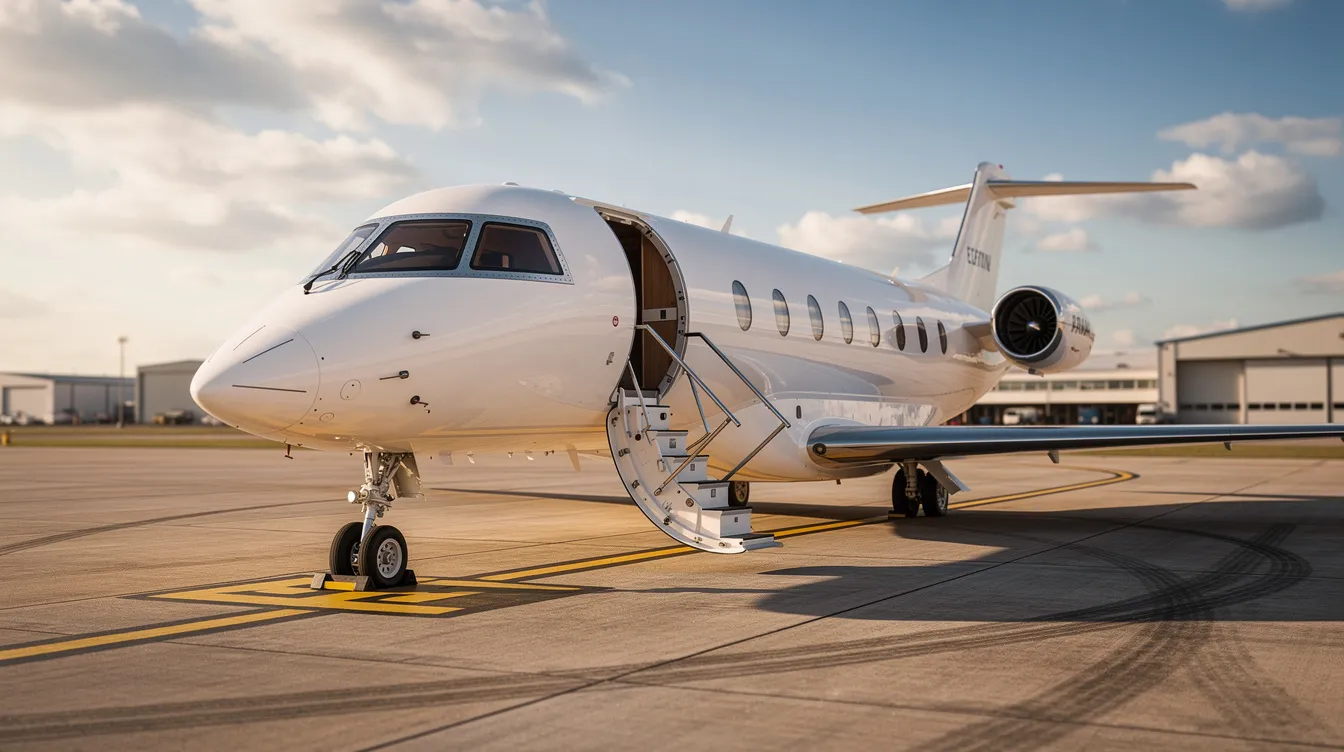
While the SR22 is not a typical private charter option on Jettly’s platform, its specifications provide a useful benchmark against light jets, turboprops, and very light jets available for charter.
|
Aircraft |
Cruise Speed |
Typical Range |
|---|---|---|
|
Cirrus SR22 |
180–183 KTAS |
900–1,100 NM |
|
Pilatus PC-12 |
260–280 KTAS |
1,800 NM |
|
Citation Mustang |
340 KTAS |
1,200 NM |
|
Phenom 100 |
390 KTAS |
1,100 NM |
The SR22’s 4–5 seat layout and unpressurized cabin create a different experience than pressurized charter jets with stand-up headroom and quieter environments. For longer flights, charter turboprops and jets offer significant comfort advantages.
The SR22’s short-field performance allows operations from smaller airfields with non-retractable landing gear suited to varied surfaces. This flexibility mirrors turboprop capabilities on Jettly, giving travelers options closer to city centers or remote destinations, especially when using an airport locator tool to identify suitable fields. Air traffic control access remains straightforward at most regional airports.
Operating costs per hour for an SR22 ($250–350) undercut turboprops ($800+) and jets ($2,000+). However, charter customers on Jettly typically prioritize time savings, cabin comfort, and multi-passenger economics offered by turbine aircraft, using tools that explain affordable private jet charter to understand the trade-offs.
|
Route |
SR22 Time |
Light Jet Time |
|---|---|---|
|
New York–Boston |
1.2 hours |
0.8 hours |
|
Los Ángeles–Las Vegas |
1.5 hours |
1.0 hours |
|
Toronto–Montreal |
1.3 hours |
0.9 hours |
Cirrus continues to dominate the high-end piston market with over 70% share, but travelers who understand Cirrus SR22 specs can better appreciate why Jettly’s global charter inventory spans turboprops to long-range jets for different mission profiles, especially when paired with flexible private jet memberships that simplify frequent charter use.
This FAQ addresses common questions about Cirrus SR22 specs and how they relate to private charter decisions.
Normally aspirated SR22s commonly cruise between 6,000 and 12,000 ft at approximately 170–183 KTAS, while turbocharged SR22T models operate efficiently in the mid-teens to low-20s flight levels with higher true airspeeds reaching 211–219 KTAS. Pilots choose altitude based on winds, weather, and passenger comfort, balancing speed and fuel burn against available oxygen levels.
Depending on model year, fuel configuration, power setting, and reserves, an SR22’s practical non-stop range is typically between 700 and 1,000 NM. Flying with full seats and baggage or at high power reduces effective range, so pilots often plan more conservative legs of 600–800 NM for comfort and safety margins, comparing these numbers with projected jet charter pricing via a private jet charter cost estimator.
The SR22 handles regional business trips of a few hundred miles well but lacks the speed, cabin size, and altitude capability of jets for longer itineraries. For multi-city days or flights over 800–1,000 NM, chartering a light jet or turboprop through Jettly or leveraging fixed-rate jet card programs typically saves significant time and improves productivity.
The SR22 delivers good short-field performance for paved or well-maintained grass strips of moderate length, with takeoff rolls under 1,100 feet at sea level. However, it’s not designed for very rough or unimproved surfaces like some utility turboprops. Travelers needing frequent access to remote or challenging airstrips may find turboprop charters more suitable.
The SR22’s CAPS parachute, advanced avionics, and FIKI options contribute to strong safety records when combined with proper training. Charter flights arranged through platforms like Jettly are typically operated under commercial regulations with professional crews and rigorous maintenance standards, adding oversight beyond private ownership operations.
Understanding Cirrus SR22 specs—from the 310 hp single engine to advanced avionics and comprehensive safety systems—helps travelers grasp where this composite aircraft fits in the broader private aviation landscape. The SR22 sets a benchmark for high-performance piston aircraft, demonstrating what’s possible when manufacturers prioritize both performance and pilot protection.
While the SR22 excels for owner-pilots on regional missions, many travelers benefit from the added speed, comfort, and capacity of charter turboprops and jets for longer routes or larger groups. Jettly’s global digital charter platform offers instant pricing and access to over 20,000 aircraft, making it straightforward to match the right aircraft to each mission profile, while its high-ticket affiliate program rewards partners who introduce new members to these services.
Ready to experience private travel on your terms? Explore flight options or request a quote at https://www.jettly.com.
Share this post:
Jay Franco Serevilla
May 6, 2026
|
5
min read
Discover tips and trends in the industry.
5
min read
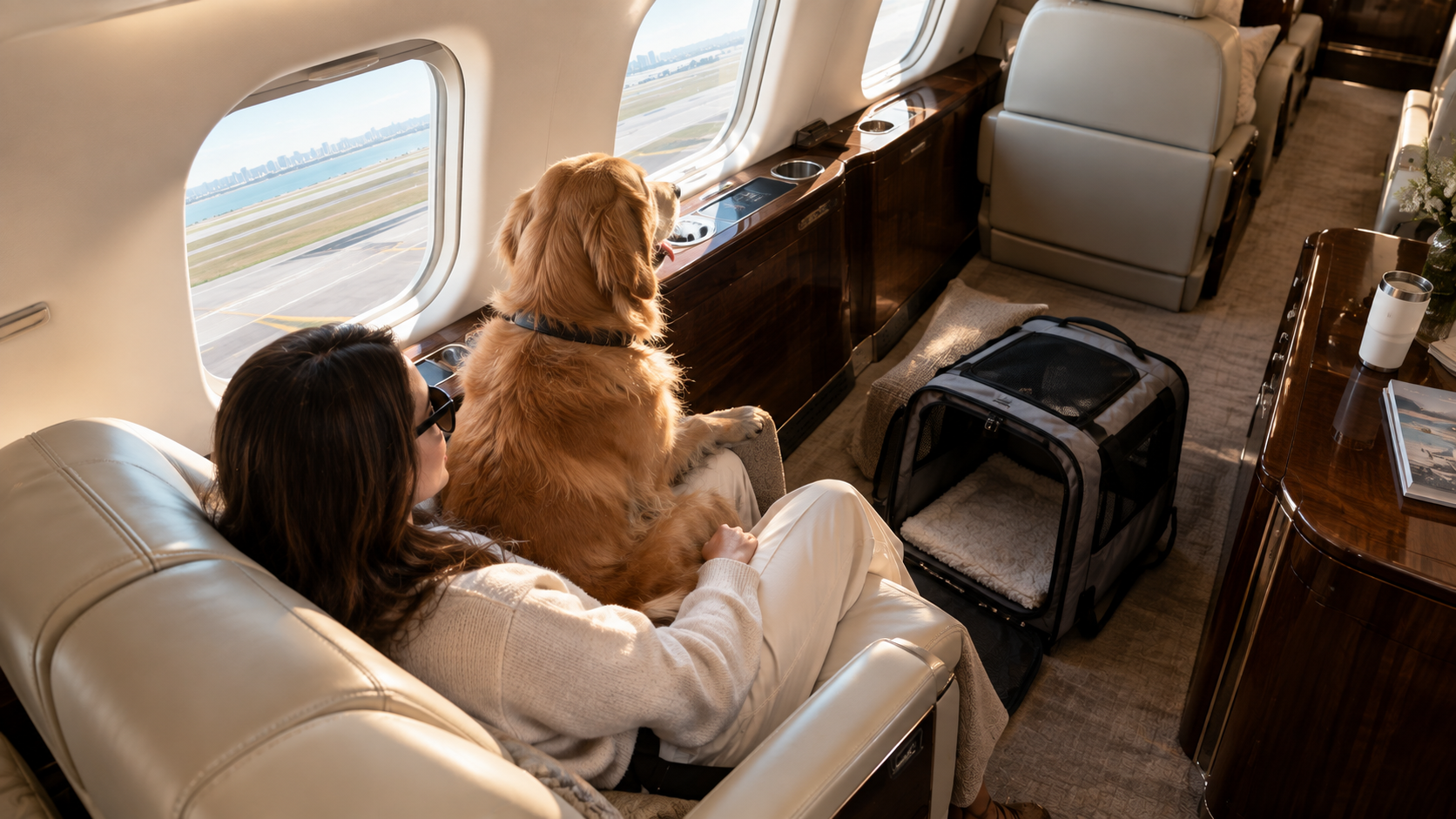
Pets on Private Jets in 2026: Size Limits, Crate vs. Cabin Rules, and International Paperwork
This comprehensive guide for pet owners covers everything you need to know about flying with pets on private jets in 2026. It details size limits, cabin versus crate rules, and essential international paperwork to ensure a smooth travel experience. Understanding these guidelines helps avoid surprises and keeps your pet comfortable during the journey.
Read More
5
min read
Jettly Private Jet Charters Miami, FL
Jettly offers private jet charters in Miami, providing fast and flexible flights tailored to your schedule. With over 221 jets available and multiple airports, travelers can enjoy a seamless experience, avoiding commercial terminal hassles. Whether for business or leisure, Jettly ensures privacy, comfort, and convenience for every journey.
Read MoreStay updated with our latest insights and tips to elevate your journey with us.
MEMBERSHIPS AND ASSOCIATIONS



Disclaimer: Jettly operates as a charter broker, offering access to a global digital jet charter marketplace. Jettly is not a direct air carrier and does not own or operate aircraft. All advertised flights are conducted by third-party air carriers that are fully licensed and hold the appropriate Part 135 or Part 121 certifications issued by the Federal Aviation Administration (FAA) or equivalent regulatory authorities under U.S. or foreign law. Jettly complies fully with the U.S. Department of Transportation's Part 295 and Part 298 Charter Broker regulations. Jettly does not carry additional liability insurance. Passengers are covered by aircraft operator insurance. TICO: 50023770


