


Login
Get Instant Pricing On 23,000+ Aircraft

>

For many, aviation feels like an unattainable dream, something reserved for the ultra-wealthy or seasoned professionals. But in reality, the skies are more accessible than ever, thanks to a range of cheap planes that make flying a hobby within reach. There are many affordable airplanes available, from vintage classics to modern trainers, offering options for every budget. Flying these planes is not only practical but also incredibly fun, providing an exhilarating and enjoyable experience for pilots of all levels. Many pilots start training with affordable certified aircraft like the Cessna 150 or Aeronca Champ.
Whether you’re an aspiring pilot or an aviation enthusiast seeking personal freedom in the air, there are budget-friendly options that deliver both thrill and practicality. Personal flying has become an accessible and rewarding pursuit, with various pathways like flying clubs, co-ownership, and rentals making it easier for individuals to enjoy the skies. To find the cheapest plane tickets, be flexible with your travel dates and destinations. Additionally, booking two separate one-way tickets can sometimes be cheaper than a single round-trip ticket.
Planes like the Aeronca Champ and the ERCO Ercoupe are perfect examples of affordable, well-loved aircraft that continue to charm pilots with their simplicity, history, and ease of ownership. The Ercoupe is often listed under $20,000 and is considered one of the cheapest vintage aircraft available, with prices often under $20,000 in 2025. Similarly, the Piper J-3 Cub remains one of the most recognized affordable planes, with prices typically in the range of $40,000 to $60,000.
These airplanes hold a special place in aviation history, representing the legacy and heritage of classic flight. However, rare and vintage aircraft are rising in price in 2025, making it important for buyers to act quickly when they find a good deal. Vintage planes, ultralights, and basic trainers provide an entry point into the world of aviation without the luxury price tag.
For many aspiring pilots, the dream of taking flight seems out of reach, often overshadowed by the belief that owning an aircraft is prohibitively expensive. However, the world of aviation is far more accessible than most imagine, with a surprising number of cheap planes and light planes available for those willing to look beyond the surface. Flying many older, affordable planes often requires a Private Pilot license, which has more training requirements than a Sport Pilot license. Certain older aircraft models can qualify as light sport aircraft if they meet weight and speed limits. Whether you’re interested in a vintage aircraft with a rich history or a modern, no-frills, cheap airplane for weekend adventures, there are options to suit nearly every budget.
When you set out to buy cheap planes, it’s important to look past just the purchase price. Savvy pilots know that true affordability comes from understanding the full picture: operating costs, maintenance history, and the long-term value of the aircraft. Annual costs for maintaining and operating a lightweight used aircraft can be as low as $12,570 per year. A well-maintained plane with a solid track record can offer years of reliable flying at a fraction of the cost many expect. Booking one to three months in advance is generally best for domestic flights, while international flights should be booked two to eight months ahead. Using the "Explore" feature on Google Flights can also help to find the cheapest destinations from a departure airport.
Whether your goal is solo flying in a classic taildragger or finding a practical, budget-friendly aircraft for regular use, today’s market offers a wide variety of choices. By focusing on factors like maintenance, efficiency, and overall value, pilots can discover that owning and operating a plane is not just a luxury for the few but an achievable reality for many. Companies like Aeroshare Ventures offer fractional ownership options for modern aircraft, making them accessible to more pilots.
Before taking to the skies in any aircraft, prospective aviators must obtain the appropriate pilot’s license. The most common options include:
Sport Pilot Certificate – Requires the least amount of training (~20 hours), suitable for lightweight aircraft.
Recreational Pilot Certificate – Allows more privileges than the sport certificate, but still with limitations.
Private Pilot License (PPL) – The most versatile entry-level license, allowing for a broader range of aircraft and operations. The Sport Pilot license requires a minimum of 20 hours of flight training.
Before taking to the skies in any aircraft, prospective aviators must obtain the appropriate pilot’s license. The most common options include: Private Pilot licenses are required to fly certified general aviation aircraft.
Choosing the right certificate impacts training costs significantly. Pairing a budget-friendly plane like the Cessna 150 with efficient flight training and instruction can help manage expenses without compromising on the quality of learning.
Here are 10 of the cheapest planes available for aviation enthusiasts today, with prices that are significantly lower than many other options on the market. These entry-level examples are ideal for new pilots seeking affordable ways to get started, offering lower costs for both ownership and operation, while balancing price, maintenance, and enjoyment:
Cost: ~$20,000–$30,000
A tandem two-seater ideal for training and weekend flying. It’s mechanically simple and renowned for its forgiving flight characteristics. The Aeronca Champ has been a reliable choice for pilots for decades. Airworthy examples are available at affordable prices, and many used Champs can be found in flyable condition, making them accessible to new owners.
Cost: ~$15,000–$25,000
A low-wing, tricycle-gear aircraft built with safety in mind. The Ercoupe is unique for lacking rudder pedals, making it especially easy for beginners to fly. Its spin-resistant design, simple systems, and overall ease of use make it popular among new pilots.
Cost: ~$20,000–$35,000
This two-seater is arguably one of the most widely used training aircraft ever. Many pilots have started their flying careers in the Cessna 150, making it a top choice for flight training due to its accessibility and safety. The Cessna 150 is widely available and beloved as a first trainer, with prices generally between $25,000 and $40,000. It is known for its relatively low cost of ownership and operation. Durable, efficient, and well-supported in the used market. Some Cessna models have begun to command significantly higher price tags, unlike the Cessna 140, which remains a more affordable option.
Cost: ~$25,000–$40,000
The Stinson 108 is a hidden gem for budget-conscious pilots, offering four seats that make it ideal for families. The Stinson 108 is noted for its affordability for a four-seat aircraft, with prices around $28,000 to $40,000. As one of the cheapest family aircraft available, it combines excellent short-field performance with timeless styling.
Cost: ~$25,000–$35,000
A lesser-known trainer with responsive controls, easy handling, and a distinctive T-tail design, making it enjoyable to fly and suitable for pilots of varying experience levels.
Cost: ~$10,000–$15,000
A two-seat ultralight aircraft ideal for hobbyists and budget-conscious enthusiasts. The Quicksilver MX II is considered one of the true ultralights, which may not require a pilot's license under certain regulations. As a light flyer, it offers a low-cost entry into recreational flying with minimal overhead.
Cost: ~$20,000–$35,000
Known as the “Traumahawk” for its training use, it offers affordability with reasonable performance and a low operating cost. While the Tomahawk may require a larger investment compared to some other trainers, it provides additional comfort and features.
Cost: ~$20,000–$30,000
A classic aluminum taildragger that’s light, nimble, and well-regarded in the vintage plane community, known for its solid performance in various flying conditions.
Cost: ~$18,000–$25,000
High-wing, tandem-seat taildragger similar to the Champ with a lightweight airframe and low running costs. The Taylorcraft BC-12D is designed to comfortably seat two adults and is often available for around $20,000, making it a great option for those seeking vintage charm and usability. Another recognized affordable option is the Piper J-3 Cub, with prices typically in the range of $40,000 to $60,000, offering historical significance and reliability.
Cost: ~$25,000–$40,000
An experimental two-seat aircraft with a strong enthusiast following. Incorporating features found in modern aircraft, it is simple to maintain and fly, making it suitable for first-time owners.
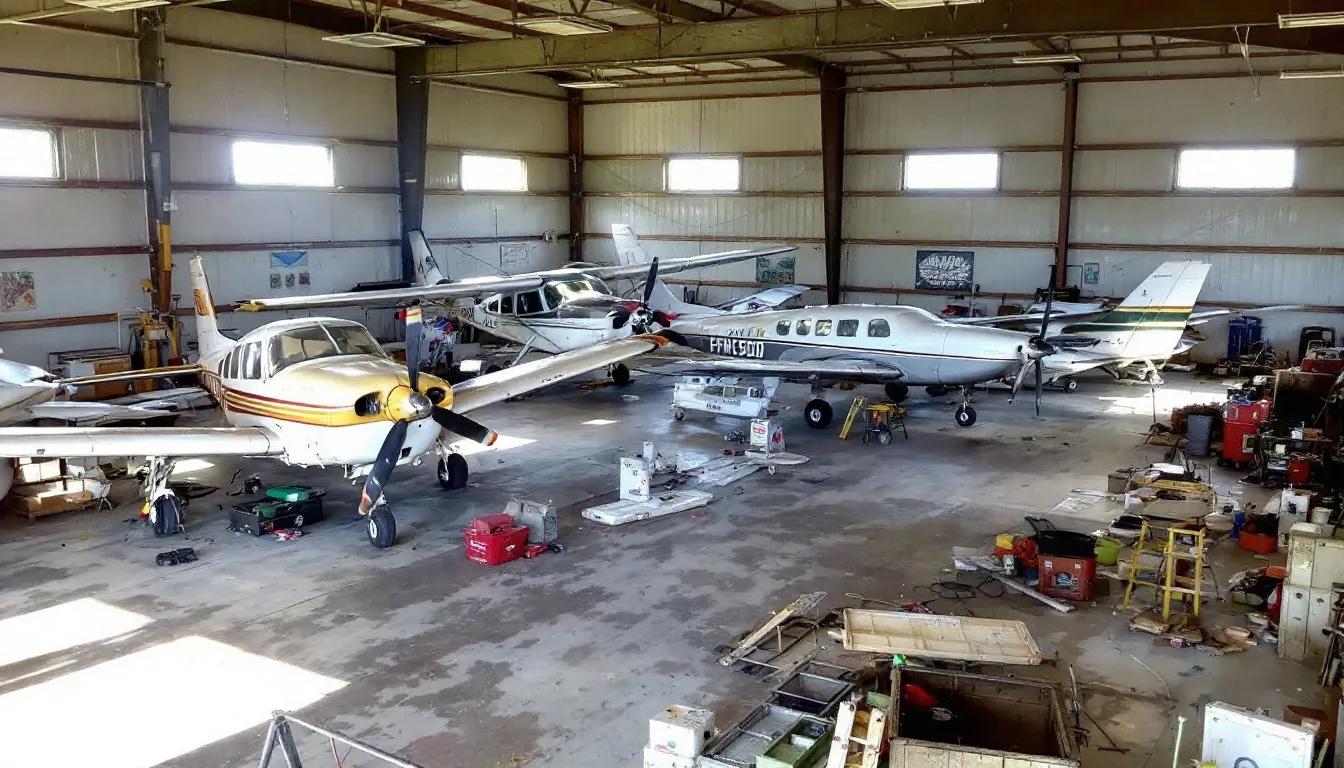
Buying used is the most effective way to fly affordably. In fact, nearly all of the planes mentioned above are available on the secondhand market. However, remember that the purchase price is only part of the total cost of ownership; ongoing expenses like fuel, maintenance, and insurance should also be considered. A thorough pre-buy inspection is recommended to avoid costly surprises from hidden issues in older aircraft. Setting up price alerts on flight search platforms notifies users when fares drop for specific flights or routes.
Key Benefits:
Lower initial cost
Proven maintenance history (if documented)
Established community support
Key Considerations:
Flyable Condition: Look for aircraft that are in flyable condition, meaning they are operational and ready to fly, to avoid costly repairs.
Maintenance Records: A complete logbook helps avoid future surprises.
Parts Availability: Ensure that parts are still in production or widely available.
Airworthiness Certification: Required before legally flying.
With diligence, a pilot can find a well-maintained aircraft for under $30,000, making personal aviation surprisingly feasible.
Small aircraft, especially ultralights and LSAs (Light Sport Aircraft), offer another way into affordable aviation. These simpler planes are inexpensive to operate, thanks to their straightforward systems and lower maintenance needs, making them accessible for pilots of varying experience and budgets. Simpler aircraft generally have lower fuel burn rates, leading to reduced operating costs compared to more complex aircraft. True ultralights are limited to single-seat designs that meet FAA Part 103 criteria, making them an even more affordable option for hobbyists.
Quicksilver MX II: A classic ultralight with minimal infrastructure needs and two seats.
Challenger II: Offers great visibility, is easy to maintain, and typically has two seats.
Experimental kits: RANS, Zenith, and Van’s Aircraft offer kits (usually 2-seat or 4-seat options) that can reduce upfront cost and spread build cost over time.
Choosing these types of planes makes sense for budget-conscious pilots, as they balance affordability, ease of use, and practical capacity.
These planes are often simpler in design and ideal for low-and-slow flying over scenic terrain.
It’s not just about buying the cheapest plane; it’s about managing the total cost of ownership, which can vary widely depending on aircraft type and usage.
Key cost factors include:
Fuel consumption: Smaller engines burn less fuel, saving money. The type and condition of the engine play a major role in determining fuel efficiency and overall operating costs, and the prices of fuel can fluctuate.
Maintenance: Older planes with simpler systems are easier (and cheaper) to fix, but maintenance prices and engine condition can significantly impact long-term expenses.
Insurance: Rates vary based on aircraft type, pilot experience, and usage.
Storage: Hangars and tie-downs can significantly affect annual costs, with hangar fees being a major ongoing expense to consider.
For example, the Aeronca Champ consumes only ~4–5 gallons of avgas per hour, which translates to significant savings compared to faster or more complex aircraft.
While it’s tempting to go for the lowest sticker price, smart buyers factor in:
Pre-purchase inspections (to ensure the plane is an airworthy example)
Necessary upgrades (avionics, radios, ADS-B compliance, or improving the cabin for comfort)
Repair work
Resale value (planes with more seats may retain value better)
A plane like the ERCO Ercoupe may cost $20,000 up front, but a thorough inspection and minor upgrades could bring the total cost to $25,000–$30,000, still a bargain compared to many cars.
Operating costs vary, but here are rough annual estimates to operate budget planes:
Fuel: $1,000–$2,500/year
Maintenance & Annual Inspection: $1,500–$3,000/year
Insurance: $500–$2,000/year
Hangar/Tie-down: $600–$3,600/year (depending on location)
The number of seats in an aircraft, such as 2-seat versus 4-seat models, can significantly affect total costs, with more seats generally leading to higher fuel, maintenance, and insurance expenses.
The Cessna 150, for instance, has a low hourly cost (~$50–$70/hour including fuel and maintenance), and offers efficient cruise performance, making it an ideal choice for training or leisure flights.
After purchase, your aircraft needs a home.
Common options include:
Outdoor tie-downs: Cheapest (~$50–$150/month) but expose the plane to weather, which can lead to increased wear on the cabin due to sun, rain, and temperature changes.
Shared hangars: More protection for both the aircraft and its cabin at a moderate cost, but be sure to factor in recurring hangar fees.
Private hangars: Full protection and privacy, often at a premium price, with higher hangar fees as an ongoing expense. Storage costs such as hangar rentals can be substantial, sometimes rivaling or exceeding monthly payments on a financed aircraft.
Choosing the right storage option can greatly influence maintenance costs and resale value.
The Aeronca Champ stands out as a top choice for budget-conscious aviators. The Aeronca Champion's pricing has remained relatively stable at under $25,000 in 2025.
Why it’s loved:
High-wing design for visibility
Light airframe and low stall speed for safety
Simple controls, ideal for building stick-and-rudder skills
Fun to fly for pilots of all experience levels
The Champ can be flown by both new and experienced pilots, making it accessible and enjoyable for a wide range of aviators.
Its slow cruising speed (~85 mph) makes it a better choice for local flying rather than cross-country trips, but its reliability and personality are hard to beat.
To fly on a budget and make personal flying more affordable, consider the following:
Buy Used: Depreciation is already absorbed.
Join a Flying Club: Share ownership and costs, an accessible option for personal flying.
Fractional Ownership: Split between a small group of pilots.
Do Preventive Maintenance: Planes with simple systems are easier and cheaper to maintain, helping you avoid larger repairs later.
Fly Efficiently: Learn to operate your plane cost-effectively by avoiding hard climbs and overspeeding.
Fly on Less Busy Days: Flying on less busy days like Tuesday, Wednesday, and Saturday can result in cheaper fares, making personal flying more affordable.
Every dollar saved on upkeep and fuel adds up over time, especially for frequent flyers.
Cheap planes are not inherently unsafe. In fact, many are beloved for their simplicity and responsive controls, which can enhance safety by providing pilots with precise handling, though they may require extra attention during landing, especially for less experienced pilots.
Tips for safe flying on a budget:
Always follow a strict maintenance schedule.
Never skip pre-flight inspections, and be sure to check systems critical for a safe landing.
Consider planes with built-in safety features (like the Ercoupe’s spin resistance).
Log frequent flight time to keep skills sharp.
Safety should never be sacrificed for savings.
Maintenance costs depend on:
Aircraft complexity (including the electrical system, which is crucial for reliability)
Part availability
Usage hours
Many pilots recommend setting aside $5-$10 per flight hour for an engine overhaul fund and budgeting for fixed maintenance costs.
Vintage aircraft, while simpler to maintain, may require custom parts or expert mechanics. Budget-conscious pilots should maintain a healthy annual inspection fund and expect at least one unexpected repair per year.
Insurance is necessary for risk protection and often required by hangar contracts.
Factors affecting insurance rates:
Pilot experience and hours
Aircraft type, age, and usage
Geographic location
The number of seats and whether the aircraft is used to carry passengers
Planes like the Cessna 150 often enjoy lower premiums due to their reputation and availability of replacement parts. Carrying a passenger can increase insurance premiums, especially for aircraft configured with more seats.
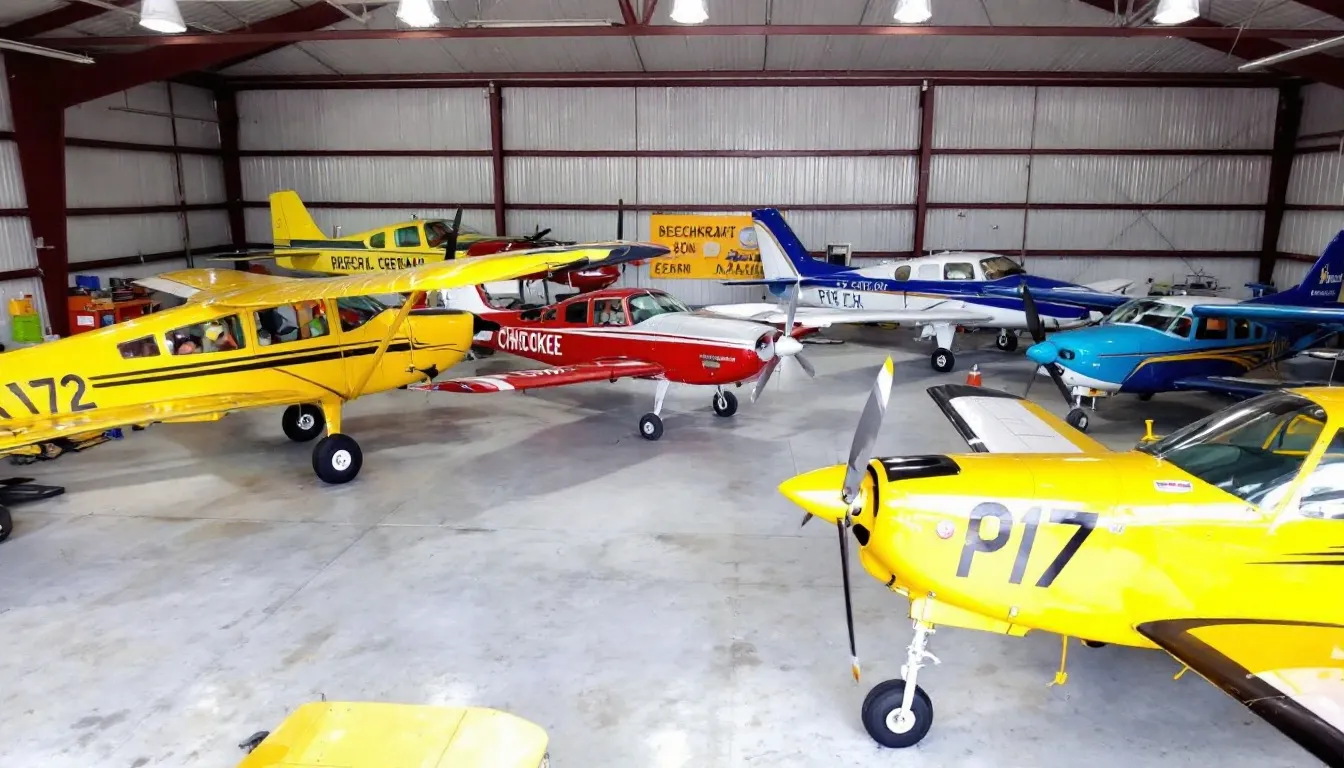
Flying doesn’t have to be a luxury reserved for the few. With options like the Aeronca Champ, Cessna 150, and ERCO Ercoupe, budget-conscious enthusiasts can experience the joy of personal aviation without financial strain.
Understanding total ownership costs, including fuel, maintenance, insurance, and storage, is essential for making smart buying decisions. And by leveraging strategies like co-ownership or joining a flying club, the dream of flight becomes far more accessible. Fractional ownership helps distribute the responsibilities of aircraft maintenance and operational costs among co-owners, making it a practical option for many pilots.
Taking advantage of the 24-hour rule allows travelers to cancel most flights within 24 hours of booking for a full refund. Using flight comparison websites and apps like Google Flights and Skyscanner helps in finding the best deals.
If you're ready to explore aviation affordably, or even scale up your flying experience, consider private jet travel through Jettly. Whether it’s fractional ownership, on-demand jet charters, or aviation consulting, Jettly provides a modern, accessible approach to private aviation that fits any flyer’s journey, from ultralight pilots to seasoned aviators.
Visit Jettly.com to learn more about smarter, flexible ways to fly.
Share this post:
Jay Franco Serevilla
Sep 12, 2025
|
5
min read
Discover tips and trends in the industry.
5
min read
Delta Carrier Code: DL Airline Code, DAL ICAO & How They Affect Your Flights
Understanding Delta's carrier code, DL, and its ICAO code, DAL, is essential for navigating flight bookings and connections. These codes are crucial for identifying Delta flights across various systems, ensuring travelers can manage their itineraries effectively. Whether flying commercially or coordinating private charters, knowing these identifiers enhances the travel experience.
Read More
5
min read
Burbank to Las Vegas Private Jet Charter Guide
This guide provides essential information for travelers considering a private jet charter from Burbank to Las Vegas. Covering flight options, pricing, and airport choices, it highlights the benefits of bypassing LAX congestion and maximizing convenience. Jettly's on-demand marketplace offers flexible booking and transparent pricing for a seamless travel experience.
Read MoreStay updated with our latest insights and tips to elevate your journey with us.
MEMBERSHIPS AND ASSOCIATIONS



Disclaimer: Jettly operates as a charter broker, offering access to a global digital jet charter marketplace. Jettly is not a direct air carrier and does not own or operate aircraft. All advertised flights are conducted by third-party air carriers that are fully licensed and hold the appropriate Part 135 or Part 121 certifications issued by the Federal Aviation Administration (FAA) or equivalent regulatory authorities under U.S. or foreign law. Jettly complies fully with the U.S. Department of Transportation's Part 295 and Part 298 Charter Broker regulations. Jettly does not carry additional liability insurance. Passengers are covered by aircraft operator insurance. TICO: 50023770


