


Login
Get Instant Pricing On 23,000+ Aircraft

>

The Cessna 182T Skylane is a four-seat, single-engine aircraft valued for its stability, reliability, and versatile performance across training, travel, and utility missions. It features modern avionics, a robust Lycoming engine, and a spacious, comfortable cabin, making it popular among pilots and private aviation travelers alike.
– Delivers a cruise speed of 140–145 knots and a range of around 915 nautical miles
– Equipped with Garmin G1000 avionics and a 230 hp fuel-injected engine
– Useful load supports four adults plus baggage, with excellent short-field capability
– Competitive operating costs and broad availability for both ownership and charter
– Ideal for advanced training, family travel, and utility roles while offering flexible charter solutions via Jettly
lane is a four-seat, single-engine light aircraft known for its stability, reliability, and robust performance. This article provides a comprehensive overview of the Cessna 182T Skylane’s design, performance, and practical use cases for pilots, aircraft owners, and travelers considering private aviation options. The scope includes a detailed analysis of its airframe, engine, avionics, and operational characteristics. Whether you are a pilot, a prospective aircraft owner, or a traveler evaluating private aviation, understanding the Cessna 182T Skylane helps you compare aircraft, informs purchase or charter decisions, and clarifies where this model fits among general aviation options.
The Cessna 182T Skylane is a modern, fuel-injected evolution of the classic 182 series, featuring four seats, fixed landing gear, and strong cross-country capability for training, family trips, and utility flying.
Core performance figures include a 230 hp Lycoming IO 540 AB1A5 engine, typical cruise speed around 140–145 knots, service ceiling above 18,000 feet, and max takeoff weight of 3,100 lb (1,406 kg).
Pilots choose the 182T for its excellent useful load (four adults plus baggage), stable handling, IFR-ready Garmin G1000 avionics, and versatility across mission types.
Charter and rental customers can experience aircraft in this performance class through Jettly’s private charter aircraft marketplace without ownership or long-term commitments.
This article compares the 182T Skylane to similar aircraft, outlines practical use cases, and answers common questions about costs, comfort, and operations.
|
Feature |
Specification/Detail |
|---|---|
|
Seating |
4 seats (spacious leather interior, child seat provisions) |
|
Engine |
230 hp Lycoming IO-540 (fuel-injected, six-cylinder) |
|
Avionics |
Garmin G1000 integrated suite (dual 10-inch displays, WAAS GPS, optional SVT, GFC 700 autopilot) |
|
Cruise Speed |
~145 knots (at 75% power, burns 12–13 gal/hr) |
|
Range |
~915 nautical miles (max cruise, 87 usable gallons, 45-min reserve) |
|
Useful Load |
~1,203 lb (empty weight 1,897 lb, max gross 3,100 lb) |
|
Takeoff Distance |
795 ft (ground roll), 1,514 ft (over 50-ft obstacle) |
|
Landing Distance |
590 ft (ground roll), 1,350 ft (over 50-ft obstacle) |
|
Service Ceiling |
Over 18,000 ft |
|
Climb Rate |
~1,140 ft/min |
|
Stall Speed |
49 knots (landing configuration) |
|
Interior Features |
Leather seats, factory air conditioning, excellent visibility, and easy cabin access |
|
Price Range (Used) |
~$325,000–$775,000 (varies by year, avionics, condition; e.g., 2009 model at $449,900) |
|
Notable Qualities |
Stability, reliability, robust performance, short-field capability, versatility for multiple missions |
Transition: Next, we’ll examine the design and airframe features that make the Cessna 182T Skylane a standout in its class.
The Cessna 182T Skylane features a high-wing design with an all-metal semi-monocoque airframe and fixed tricycle landing gear. The Cessna 182T Skylane features fixed landing gear and was certified on February 23, 2001, making it the only 182 variant still in production as of July 2015. The wings span 36 feet with a wing area of 174 square feet, providing stability and forgiving stall characteristics. This configuration offers superior downward visibility, ideal for sightseeing, training, and visual flight rules operations.
The Cessna 182T is designed for personal, business, and advanced training use with a high-wing configuration that provides excellent visibility. The cabin measures approximately 42 inches wide and accommodates four standard seats. Some 182 series variants include provisions for two child seats in the baggage area, which offers room for up to 200 pounds of cargo. Entry comes via two cabin doors, making loading passengers and baggage straightforward without wing walkways.
Unlike the older R182 and TR182 models from 1978–1986, which featured retractable landing gear, the 182T retains fixed gear. This reduces maintenance complexity and improves durability for operations on rougher strips. Typical paint schemes feature modern fairings, wheel pants, and durable polyurethane finishes built for visibility and corrosion resistance.
Transition: Next, we’ll explore the engine, avionics, and systems that set the 182T apart from earlier models.
The Cessna 182T Skylane is powered by a 230 hp Lycoming IO 540 AB1A5 engine—a six-cylinder, horizontally opposed, fuel-injected powerplant. The “IO” designation means injected-opposed, indicating fuel injection rather than carburetion. This eliminates the risk of carburetor icing and provides smoother operation at altitude.
Fuel capacity totals 92 gallons (87 usable), enabling approximately 5.8 hours of endurance at 75% power. The three-blade McCauley constant-speed propeller optimizes both climb and cruise efficiency. Service ceiling reaches above 18,000 feet, though most flights operate between 6,000 and 12,000 feet.
Modern Cessna 182T models are equipped with the Garmin G1000 integrated flight deck with dual 10-inch displays, WAAS-enabled GPS, and optional SVT for terrain awareness. The GFC 700 autopilot supports coupled approaches, reducing pilot workload during IFR operations.
Additional safety systems include TAS for traffic advisory, ADS-B Out compliance, and optional AmSafe airbag restraints.
Smoother en route rides via altitude-coupled autopilot
Real-time traffic avoidance and weather datalink
Precision navigation into smaller regional airports
Reduced fatigue on cross-country legs
Transition: With a solid foundation in design and systems, let’s review the Cessna 182T’s performance, weight, and handling characteristics.
Empty weight: 1,897 lb
Maximum gross weight: 3,100 lb
Useful load: ~1,203 lb (enough for four adults, full fuel, and up to 200 lb baggage)
Cruise speed: ~145 knots (at 75% power, 12–13 gal/hr fuel burn)
Stall speed: 49 knots (landing configuration)
Takeoff ground roll: 795 ft
Takeoff distance over 50-ft obstacle: 1,514 ft
Landing ground roll: 590 ft
Landing distance over 50-ft obstacle: 1,350 ft
Climb rate: ~1,140 ft/min
Service ceiling: Over 18,000 ft
Range: ~915 nautical miles (max cruise, 87 usable gallons, 45-min reserve)
The 182T’s handling reputation centers on stability in cruise and forgiving behavior in traffic. Control forces feel heavier than the lighter Cessna 172, providing positive feedback ideal for instrument training and high-performance endorsements. Pilots gain confidence from the plane’s predictable responses across the flight envelope.
Transition: Now that we’ve covered performance and handling, let’s look at the practical use cases where the Cessna 182T excels.

The Cessna 182T excels as an advanced trainer for instrument ratings, commercial certificates, and high-performance endorsements. Flight schools appreciate the certified G1000 avionics and the aircraft’s 230 hp advantage over basic trainers, while students benefit from exposure to glass-cockpit operations before transitioning to larger aircraft.
For personal and family travel, the 182T seats four passengers with baggage on 400–700 nautical-mile legs. A typical mission like Dallas to Denver (approximately 650 nm) takes 4.5–5 hours at 140 knots, burning 55–65 gallons of fuel. This performance balances economy with access to 5,000-foot runways unsuitable for jets, while some travelers who prefer jet options may instead buy an individual seat on a private jet for specific trips.
Utility roles leverage the high wing for aerial survey, pipeline patrol, or light cargo. Wildlife monitoring in Alaska and regional medevac inserts represent real-world applications where the 182T’s payload capability and short-field performance prove valuable, especially when operators offset costs by crowdsourcing private flights, sharing empty seats, and applying strategies for affordable aircraft rental and access.
When to consider stepping up to turboprops or jets via Jettly:
Distances exceeding 600–700 nautical miles where speed matters
Missions requiring pressurized cabins or higher comfort levels
Time-critical business travel where arrival timing is paramount
Transition: If you’re considering buying, operating, or chartering a Cessna 182T, the next section covers costs, pricing, and flexible charter options.
Pre-owned Cessna 182T prices in the mid-2020s range from approximately $325,000 for early-2000s models to $775,000 for low-hour, late-2000s examples. For instance, a 2009 Cessna 182T Skylane is listed at $449,900, which is considered a competitive price for a low-time aircraft with modern avionics and features. Prices are influenced by total time on airframe, avionics upgrades, and overall condition, with newer models typically commanding higher prices.
Direct operating costs typically run $150–250 per hour, combining fuel ($60–80), maintenance ($40–60), and reserves toward the 2,000-hour TBO ($30–50). Avgas prices and local labor rates strongly influence totals, as does insurance—generally affordable for qualified pilots.
Many travelers choose not to own a 182T and instead charter aircraft in similar performance categories when needed. Digital platforms enable on-demand booking with transparent pricing and tools such as a jet card flight cost estimator, eliminating the long-term ownership burden of $20,000+ annual fixed costs while also highlighting affordable private jet charter pricing and cost drivers.
Jettly fits directly into this decision. Travelers can compare piston, turboprop, and jet options side by side, adjusting for distance, passenger count, and budget, often starting with a private jet charter cost estimator to understand pricing. Learn more about Jettly’s charter options, which offer flexible alternatives to ownership or fractional programs.
Transition: To see how the 182T stacks up against other popular general aviation aircraft, review the following comparison table.
|
Aircraft |
Cruise Speed |
Useful Load |
Seats |
Typical Role |
|---|---|---|---|---|
|
Cessna 172S |
120–125 KTAS |
~900 lb |
4 |
Primary training |
|
Cessna 182T |
140–145 KTAS |
~1,100 lb |
4 |
Advanced training, travel |
|
Piper Archer |
127 KTAS |
~900 lb |
4 |
Training, personal |
|
Cirrus SR22 |
180+ KTAS |
~1,000 lb |
4 |
High-performance travel |
Light jets and turboprops available via Jettly significantly outperform the 182T on speed and cabin comfort over longer legs, and many travelers research top private jet charter companies and their services when comparing options, while others view Jettly as a flexible NetJets alternative for private flying. However, piston aircraft remain attractive for shorter regional hops where cost efficiency and small-airport access matter most.
Transition: If you want to experience 182T-class flying or compare it with other private aviation options, Jettly’s platform offers a seamless way to explore and book flights.
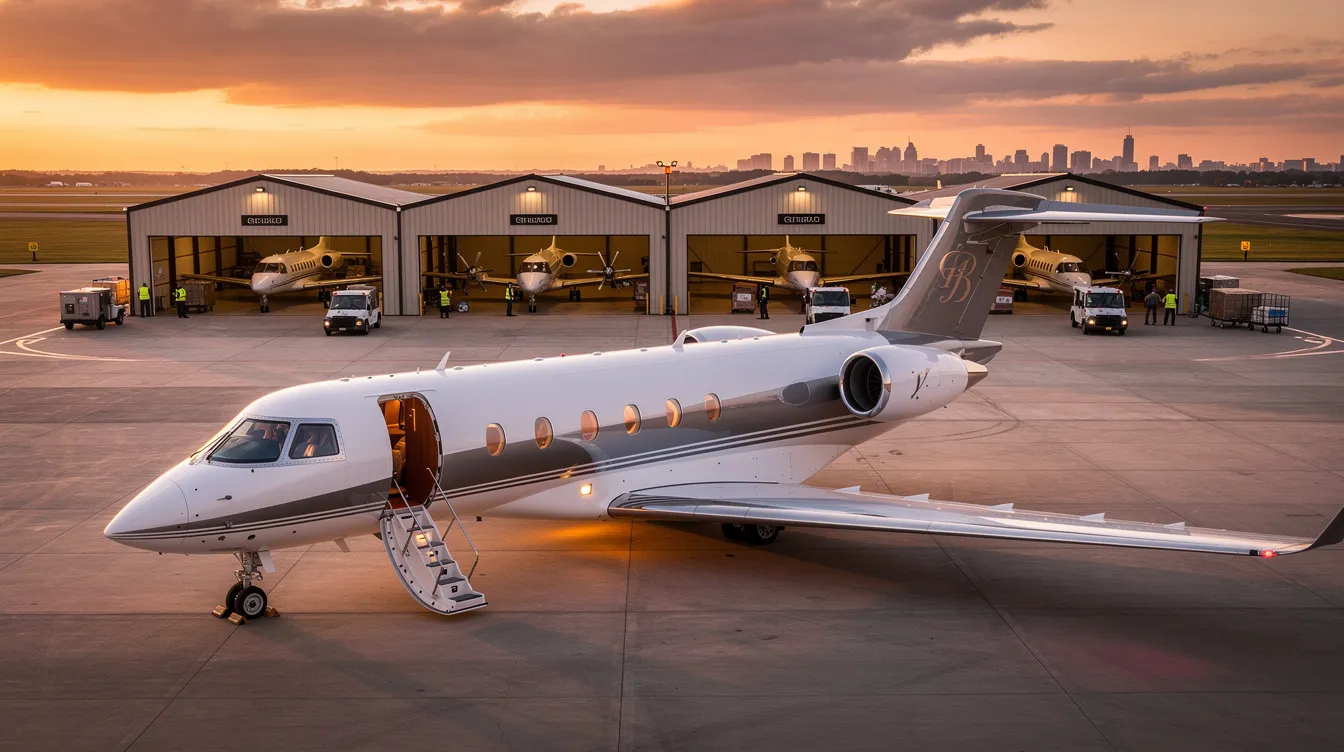
Travelers who appreciate what the Cessna 182T offers—direct access to smaller airports, flexible schedules, and more privacy than airlines—can find similar or higher-performance aircraft on Jettly’s marketplace. The platform provides on-demand private charter with instant pricing and access to over 20,000 aircraft globally.
Jettly allows travelers to see cost differences between piston, turboprop, and light jet options, combining transparency with flexibility, especially for members using Jettly’s private jet membership programs. Travelers comparing aircraft classes often consult guides to charter airlines and private aviation providers to understand the broader market. A family trip from New York to Nantucket (190 nm) or a business hop between Los Angeles and Las Vegas demonstrates how the platform matches each mission with an appropriate aircraft category rather than forcing a one-size-fits-all approach.
Experience private travel tailored to your needs. Use Jettly’s airport locator and on-demand booking tools to discover flight options or request a quote at https://www.jettly.com.
The 182T cabin offers reasonable room for a four-seat piston aircraft, with good headroom and legroom for average-height adults in the front seats. Flights of 3–4 hours are common, though comfort depends on seat quality and noise-reducing headsets. Passengers accustomed to jet cabins may find it more compact, but for regional adventure trips, it offers a practical interior environment.
Under economy cruise settings with 87 usable gallons, the range extends to approximately 800–900 nautical miles with 45-minute reserves. Weather, weight, and power settings influence actual range. Many pilots plan legs in the 400–600 nm band for comfortable fuel reserves and passenger breaks. Those seeking nonstop flights on longer routes might compare turboprops or light jets via Jettly, including structured access through world-class corporate jet card programs and various tips for booking the cheapest private jet flights.
The 230 hp engine delivers solid performance at higher-density altitudes compared with smaller trainers. However, takeoff distance and climb rate degrade as altitude and temperature increase. Careful weight planning and early-morning departures are standard practices at mountain airfields. For very short, high-altitude strips, some operators prefer turboprops paired specifically for those conditions.
The 182T’s service ceiling exceeds 18,000 feet, but most flights operate between 6,000 and 12,000 feet, where supplemental oxygen is generally not required. FAA regulations define specific altitudes—above 12,500 feet for extended periods—where crew and passengers must use oxygen. Operators plan accordingly and brief passengers on April or July mountain flying scenarios.
The 182T offers cost-efficient general aviation flying and small-airfield access, but with lower cruise speed, smaller cabin, and more noise than typical light jets. Jets and turboprops available on Jettly cruise faster, fly higher above weather, and provide larger cabins with room to work or relax. Travelers can use the platform to select the most suitable aircraft for each mission, balancing cost, time, and comfort.
The Cessna 182T Skylane remains a versatile and reliable choice for pilots and travelers seeking efficient, small-airport access with solid performance and practical comfort. While it excels in many general aviation roles, those needing faster speeds, greater range, or enhanced cabin space may find turboprops and light jets through Jettly better suited to their needs. Jettly’s digital platform offers transparent pricing, instant booking, and a wide selection of aircraft categories worldwide, empowering travelers to customize their private flight experience.
Discover private travel tailored to your needs. Browse available flights or get a personalized quote at https://jettly.com.
Share this post:
Jay Franco Serevilla
Apr 10, 2026
|
5
min read
Discover tips and trends in the industry.

5
min read
Ride a Helicopter in New York: How to Choose and Book the Best NYC Helicopter Tour
A helicopter ride in New York offers breathtaking views of iconic landmarks like the Statue of Liberty and Central Park. Tours typically last between 12 to 30 minutes and can be booked as shared sightseeing flights or private charters. Jettly provides a platform for arranging customizable helicopter experiences, making it easy to explore the city from above.
Read More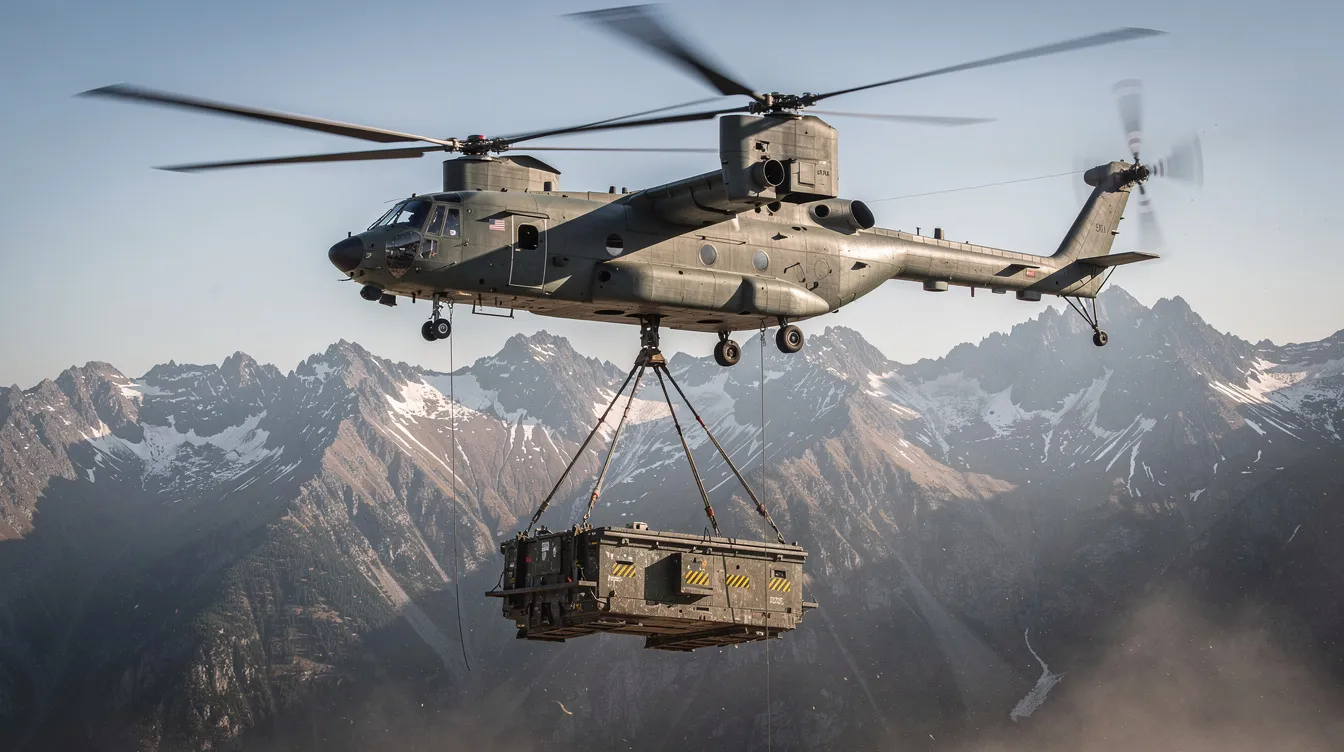
5
min read
Chinook Helicopter Guide: CH-47D, CH-47F, Uses, Performance, and Charter Access
The CH-47 Chinook helicopter, developed by Boeing Vertol, is a versatile heavy-lift aircraft known for its twin-engine, tandem rotor design. With variants like the CH-47D and CH-47F, it plays a crucial role in military operations, disaster relief, and commercial heavy-lift tasks. Organizations often utilize charter services like Jettly to access Chinook capabilities without the burdens of ownership.
Read MoreStay updated with our latest insights and tips to elevate your journey with us.
MEMBERSHIPS AND ASSOCIATIONS



Disclaimer: Jettly operates as a charter broker, offering access to a global digital jet charter marketplace. Jettly is not a direct air carrier and does not own or operate aircraft. All advertised flights are conducted by third-party air carriers that are fully licensed and hold the appropriate Part 135 or Part 121 certifications issued by the Federal Aviation Administration (FAA) or equivalent regulatory authorities under U.S. or foreign law. Jettly complies fully with the U.S. Department of Transportation's Part 295 and Part 298 Charter Broker regulations. Jettly does not carry additional liability insurance. Passengers are covered by aircraft operator insurance. TICO: 50023770


