


Login
Get Instant Pricing On 23,000+ Aircraft

>
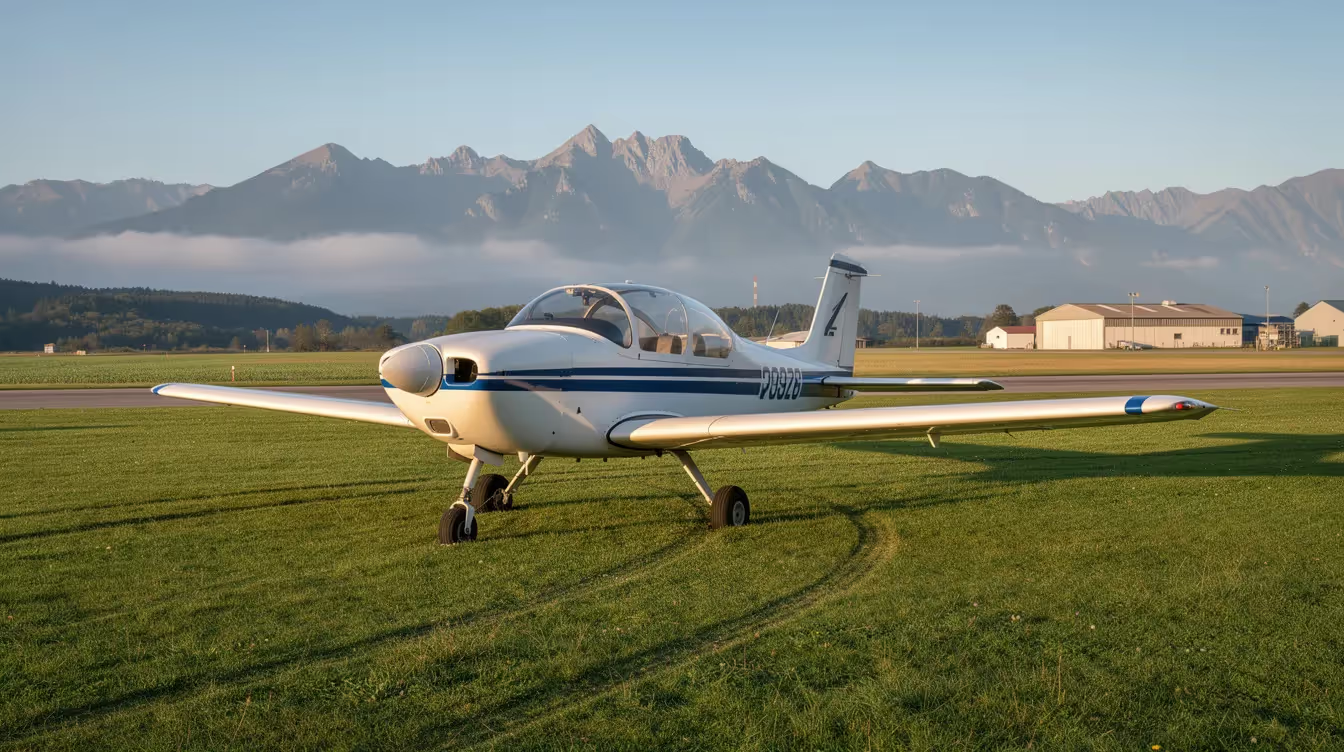
For pilots seeking a proven bush aircraft, the Cessna A185F for sale represents one of the most capable tailwheel options on the used market. This late-production Skywagon has earned its reputation across Alaska, Canada, and the mountain states of the USA through decades of reliable backcountry service.
This guide covers current market conditions, configuration options, inspection priorities, and when chartering through platforms like Jettly might make more financial sense than ownership, especially when compared with alternatives such as fractional private jet ownership programs.
The Cessna A185F is a 300 hp tailwheel aircraft produced mainly from 1973 to the early 1980s, prized for bush flying, float operations, and remote lodge access across North America.
As of April 2026, prices for the Cessna A185F typically range from $214,000 to $385,000, with fully equipped amphibious versions reaching $495,000.
Buyers prioritize aircraft with no damage history, complete logs, low-time Continental IO-520 engines, factory float kits, and modern Garmin avionics.
Most active listings appear in the USA and Canada, particularly Alaska, British Columbia, Oregon, and the Rocky Mountain states.
Those who fly only a few times per year may find on-demand charter through Jettly more cost-effective than owning and maintaining an A185F, just as some pilots might prefer renting aircraft through flying clubs and charter services over full ownership after reviewing broader options for the cheapest private aircraft and budget-friendly ownership paths.
The Cessna A185F represents the late-production, high-performance member of the Cessna 185 Skywagon family. The manufacturer produced this model primarily from 1973 through 1985, refining earlier 185 variants with structural improvements and enhanced systems.
Most A185F aircraft are powered by a 300 hp Continental IO-520-D engine, delivering a maximum cruise speed of approximately 145 knots (167 mph, 269 km/h) and a maximum speed of 155 knots (178 mph, 287 km/h). The aircraft features a wingspan of 35 ft 10 in (10.9 m), a wing area of 174 sq ft (16.2 m2), and a high-wing design ideal for bush flying operations.
Performance characteristics include a range of roughly 645-720 nautical miles (extendable with tip tanks or long-range fuel), a service ceiling between 17,150 and 17,900 feet, and impressive short-field capability allowing takeoff in roughly 825 feet and landing in 610 feet at gross weight. The stall speed is 49 knots (56 mph, 91 km/h), making it manageable in slow-flight backcountry approaches.
The Cessna A185F Skywagon has a maximum gross weight of 3,350 lb (1,520 kg) and an empty weight of 1,748 lb (793 kg), resulting in a useful load ranging from approximately 1,400 to 1,775 lbs. Compared to the Cessna 180, the A185F offers 50 more horsepower and a higher useful load. Against the Cessna 182, it trades tricycle stability for tailwheel agility on rough strips. Typical roles include remote lodge access, float operations, aerial survey, light cargo hauling via cargo pod, and private backcountry recreation.
Common modifications include STOL (Short Takeoff and Landing) kits to enhance its already impressive short-field performance, as well as large cargo pods for hauling extra gear.

Current A185F classifieds reflect an aging but well-maintained fleet. Most aircraft show 3,500 to 10,000+ hours listed total time on airframe, with Continental IO engines and recent prop overhauls being common selling points.
As of now, there are 33 Cessna A185F aircraft listings available for sale on Trade-A-Plane. A 1977 Cessna A185F is listed for sale with a total time of 3,060 hours and a fresh annual inspection valid until June 2025. The Cessna A185F listings on Barnstormers include a 1973 model with a total time of 3,500 hours and a price of $265,000, featuring meticulous logs and various upgrades.
Typical equipment from current ads includes:
Wipline 3000 or 3730A floats (straight or amphibious)
Alaska Bushwheels (31-inch tundra tires) for wheel configurations
Extended range fuel systems (up to 80 gallons usable via LR tanks)
Factory float kit provisions
Skis for winter operations
Many aircraft feature modern Garmin avionics such as GTN 650/750, G500 TXi displays, and ADS-B Out compliance. LED lighting and STOL kits are common modifications. Common modifications for the A185F also include large cargo pods for hauling gear.
Good listings clearly state freshwater vs. saltwater float history, whether the aircraft was stored in a heated hangar, and winter flying vs. stored status. Aircraft with a nice interior condition and updated avionics command premium attention.
Pricing for Cessna A185F aircraft typically ranges from $185,000 to $495,000, depending on the aircraft’s condition, total time, and modifications. A 1978 Cessna A185F with a factory float kit and 1,683 hours on the engine is listed for $230,000, while a fully modernized version from the same year is priced at $349,500. Recent listings show that a well-equipped Cessna A185F can be priced as high as $449,500, reflecting its condition and upgrades, such as new avionics and restoration.
Key price drivers include:
|
Factor |
Impact on Price |
|---|---|
|
Engine time (SMOH) |
Low time adds $20,000-40,000 |
|
Prop overhaul status |
Recent overhaul adds $20,000-30,000 |
|
Float vs. wheel vs. amphib |
Amphibs command the highest premiums |
|
Corrosion status |
Freshwater history preferred |
|
Avionics suite |
Garmin glass justifies $50,000+ uplift |
|
Damage history |
Clean logs are essential for the top price |
Annual inspection: $5,000-$8,000
Hangar or tiedown: $4,000-$7,000
Insurance: $3,000-$6,000+
Navigation database subscriptions: $500-$1,000
Direct operating costs run approximately $90-$110 per flight hour at 15-18 gph fuel burn for the IO 520, plus $30-$50/hour maintenance reserves, which owners can compare to on-demand charter pricing using a private jet charter cost estimator and broader analyses of how much a private jet really costs to own and operate.
Insurance for the Cessna A185F can include various types of coverage, such as liability, hull, and additional options like personal accident insurance and passenger liability. Aviation insurance brokers can assist Cessna A185F owners in finding tailored insurance options that meet their specific needs, whether they are new pilots or experienced aviators. When purchasing insurance for a Cessna A185F, it is important to consider factors such as the aircraft’s usage, value, and any modifications that may affect coverage.
Financing options for purchasing a Cessna A185F can be obtained through a network of specialist aviation finance companies that help secure loans tailored to buyers’ needs and budgets. When financing a Cessna A185F, buyers should consider factors such as the aircraft’s total time, engine hours, and overall condition, as these can affect loan terms and interest rates. Potential buyers should explore various financing options, including traditional bank loans, specialized aviation lenders, and leasing arrangements, to find the best fit for their financial situation, drawing on broader guidance about budget-friendly aircraft choices and ownership costs and detailed breakdowns of private jet lease costs and structures.
The A185F’s appeal lies in its ability to swap between different landing gear configurations to match missions. This versatility makes the aircraft a true “go-anywhere” platform.
Conventional gear (tailwheel): Setups with larger tundra tires or Alaska Bushwheels handle gravel bars, short grass strips, and unimproved backcountry runways. Wheel configurations prioritize ruggedness and can land on strips under 500 feet.
Straight floats: EDO floats, or Wipline 3000/3730 series, enable water operations. Aircraft with freshwater history from Canada’s lake regions or Alaska command premium values due to reduced corrosion concerns.
Amphibious floats: Wipline 3730A amphibs provide runway and water capability in a single setup. The trade-off includes a weight penalty (roughly 150 lbs) and slightly reduced range, but the ability to fly between water and paved surfaces proves invaluable for mixed missions.
Skis: Winter operations in Alaska, northern USA, and Canada make skis a valuable configuration. Many for-sale aircraft include skis as part of the complete package, allowing year-round utility.
The aircraft’s high-wing design enhances visibility and ground clearance, ideal for bush flying. The heavy case Continental IO-520-D engine provides consistent 300 hp power across all setups.
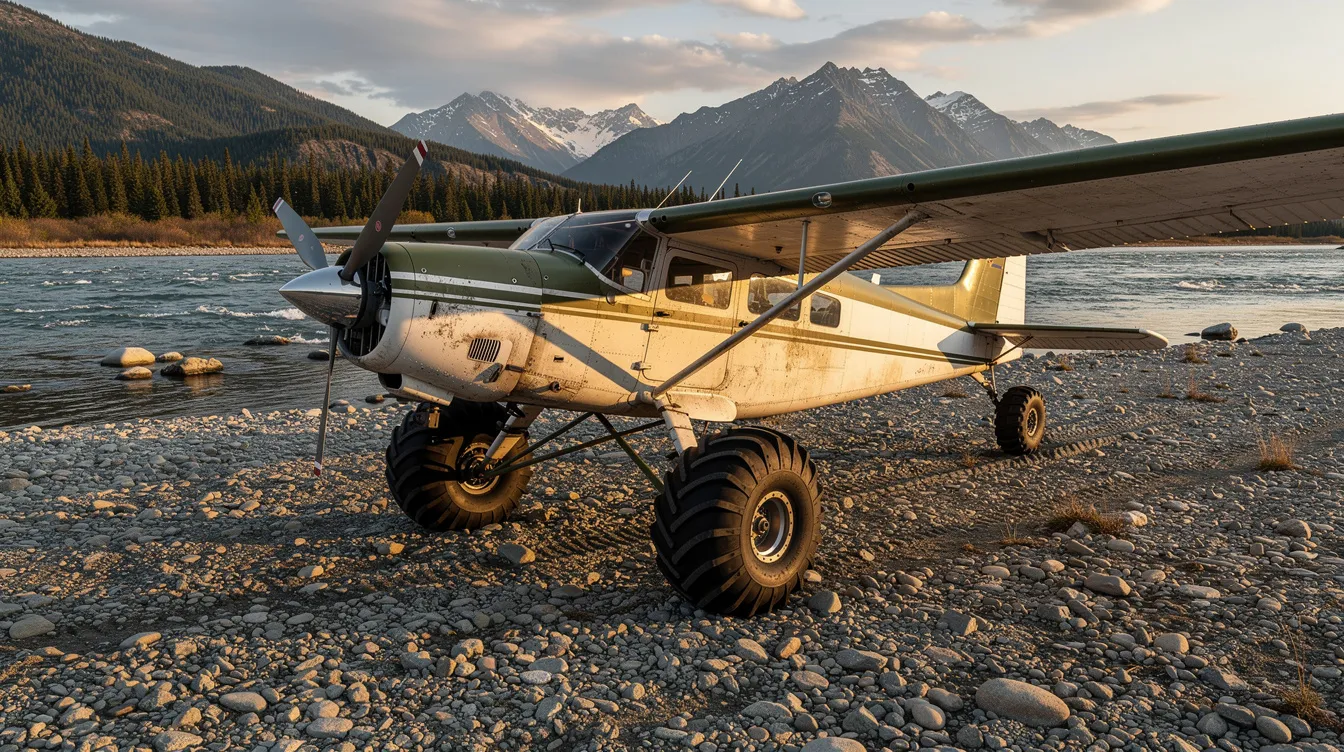
A pre-purchase inspection by a mechanic experienced with the Cessna 185 series is essential. Complete logs confirming ownership chain since new, registration details, and zero accident history provide the foundation for any serious purchase.
Tailcone and tailwheel attach fittings (check for cracks from hard landings)
Wing strut attach points and left wing root fittings
Firewall forward (oil leaks, corrosion)
Float kit attach fittings if equipped
Landing gear boxes and trunnion wear
Lower fuselage skins (splash corrosion)
Wing roots and rivet lines
Saltwater vs. freshwater history (saltwater veterans need extra scrutiny)
Float keels and anode condition
Verify engine and prop overhaul dates through the logs. Check the current owner's maintenance records. An aircraft stored properly or kept in a heated hangar during winter typically shows less wear.
Avionics and electrical system checks should confirm proper STC compliance, current ADS-B databases, and alternator/battery health. The brakes, filters, and radio equipment all warrant inspection before committing.
Buyers searching for a Cessna A185F for sale generally have targeted missions in mind. The aircraft is known for its “go-anywhere” capability, making it popular among bush pilots seeking to carry substantial payloads into challenging locations.
Family trips to remote cabins or fishing lodges
Weekend backcountry flying from Anchorage, Calgary, Denver, or Seattle bases
Hunting and fishing access in Oregon, Arizona, or the Yukon
Flying guests to Canadian fishing camps under Hudson Flight Limited or similar operators
Cargo and mail run into short strips
Aerial survey or mapping work
Seasonal Part 135 charter operations on floats, similar to the operators listed in comprehensive guides to private and charter airlines, and more detailed overviews of Part 135 charter companies and how they operate
Example scenario: A 1976 A185F on Wipline floats can deliver 1,000 lbs of payload to a summer lodge via a 420-foot water run. The same aircraft on wheels needs roughly 800 feet of adjacent gravel for year-round access. Range typically caps around 650nm with an 80-gallon capacity and headwind planning.
It is highly valued for its exceptional short-field performance and massive payload capacity. A pilot can fit four to six passengers depending on configuration and fuel load.

Ownership suits pilots flying 100+ hours annually who want hands-on control of their aircraft. For those flying only a few backcountry trips per year, chartering through a platform like Jettly often proves more economical, especially when you understand the key factors that drive private jet charter pricing and consult a complete guide to private jet rental costs by aircraft type and trip profile.
Financing/depreciation: $15,000+
Fixed costs (hangar, insurance, inspection): $15,000-$25,000
Variable costs at 200 hours: $20,000+
Charter alternative: Jettly offers on-demand access to turboprops and rugged aircraft that can perform similar backcountry or regional missions, with per-trip economics that align with explanations of what drives the cost of a single private jet flight. For annual fishing or ski trips, paying per-trip charter rates avoids the capital tie-up of a $250,000+ aircraft purchase, and frequent flyers may benefit from Jettly’s private jet membership programs with wholesale charter rates.
Jettly’s transparent pricing, global aircraft network, and tech-driven booking tools provide advantages for travelers who value time savings and flexibility over aircraft maintenance responsibilities, comparable to other top private jet charter companies in the market, especially when you apply proven strategies for booking the cheapest private jet flights without sacrificing comfort. The info available through the platform screen makes comparing options straightforward.
Learn more about Jettly’s charter options as an alternative to purchasing an A185F, and explore step-by-step guidance on how to buy a seat on a private jet through shared or semi-private options.
Inventory fluctuates seasonally. Most A185F aircraft are concentrated in the USA and Canada, with fewer appearing in Belgium, Iran, or other international markets. Location matters for inspection and ferry costs.
Trade-A-Plane, Controller, Barnstormers (many online marketplaces allow you to filter listings using options on the left side of the screen), alongside research into the best private plane manufacturers across budgets and mission types
Type-specific forums (Cessna Flyer Association)
Regional brokers in Anchorage, Calgary, Boise, and Springfield
Create a “must-have” list (e.g., amphib floats, fresh engine overhaul, ready-to-fly condition) and a “nice-to-have” list (Garmin glass panel, nice interior) before contacting sellers. Be prepared to trade on some preferences.
Use escrow services and title searches to verify airworthiness, ownership, and lien status. Independent appraisals ($1,500-$3,000) help confirm price accuracy. Contact the current owner directly via phone or text message for details beyond what appears on the website.
Those who decide not to buy can apply those same mission requirements when selecting charter aircraft on Jettly, matching payload, range, and runway needs to the right aircraft category and using tools like Jettly’s airport locator and charter booking platform.
This FAQ covers practical questions buyers often have beyond the main topics addressed above.
Availability fluctuates, but typically only a few dozen Cessna 185/A185F variants appear listed worldwide at once, with late-model A185F examples numbering under a dozen. Peak listing activity often appears in spring and early summer as operators reposition fleets. Monitor listings over several months to catch low-time, well-equipped aircraft as they become available.
Insurance for tailwheel and float operations demands more pilot experience than tricycle-gear aircraft. Underwriters typically require 500+ hours of tailwheel time and 100+ float hours for favorable quotes. Complete appropriate bush and float training before purchasing, and obtain preliminary insurance quotes to avoid surprises after committing to an airframe.
Many A185F aircraft operate under Part 135 in the USA or equivalent Canadian regulations for lodge access, sightseeing, and utility flights. Commercial use requires air operator certification, maintenance programs, and operational oversight beyond private owner requirements. Travelers seeking to fly on such aircraft can use charter platforms like Jettly’s private charter aircraft network without pursuing their own approvals, taking advantage of modern tools that make it easier to get a seat on a private jet through memberships, apps, and flight sharing.
The IO-520’s recommended TBO runs around 1,700-2,000 hours depending on model and operation. Buyers frequently target engines with less than 800-1,000 hours since major overhaul (SMOH) to maximize remaining service life. Consistent oil analysis, compression checks, and detailed maintenance history matter as much as raw tt when judging engine condition.
Ownership of a Cessna A185F likely won’t prove cost-effective when factoring in $25,000+ annual fixed costs plus capital outlay. Consider using Jettly or similar charter solutions to access floatplanes, tailwheel aircraft, or turbops on a per-trip basis, and potentially reduce costs further through crowdsourced and shared charter flights with empty seats and comparisons of shared charter flights versus booking a full aircraft. Define your mission (passengers, baggage, runway requirements) and request a quote at https://www.jettly.com to compare charter pricing against ownership.
The Cessna A185F combines 300 hp power, float and ski versatility, and proven bush capability that has kept it relevant for over four decades. Finding one ready to fly requires patience and thorough evaluation.
Key considerations: current sale prices ($214,000-$385,000 typical), configuration (wheels, floats, amphibs), inspection findings, and whether you’ll fly enough to justify ownership versus on-demand charter.
Those who prefer flexibility and minimal administrative burden can accomplish similar missions through private charter platforms like Jettly instead of committing to A185F ownership, especially if they are comparing Jettly as a cost-effective alternative to NetJets and fractional programs after understanding how NetJets structures its industry-leading fractional offerings, broader comparisons of top fractional jet ownership companies and their costs, and detailed guides to fractional jet ownership pros, cons, and expenses. Whether you choose to buy or charter, the mission comes first.
Ready to experience backcountry travel on your terms? Explore flight options, use Jettly’s jet card flight cost estimator alongside in-depth explanations of jet card pricing, fees, and value drivers, consider Jettly’s Jet Card program for fixed-rate private flying, or request a quote at https://www.jettly.com.
Share this post:
Jay Franco Serevilla
Apr 24, 2026
|
5
min read
Discover tips and trends in the industry.
5
min read
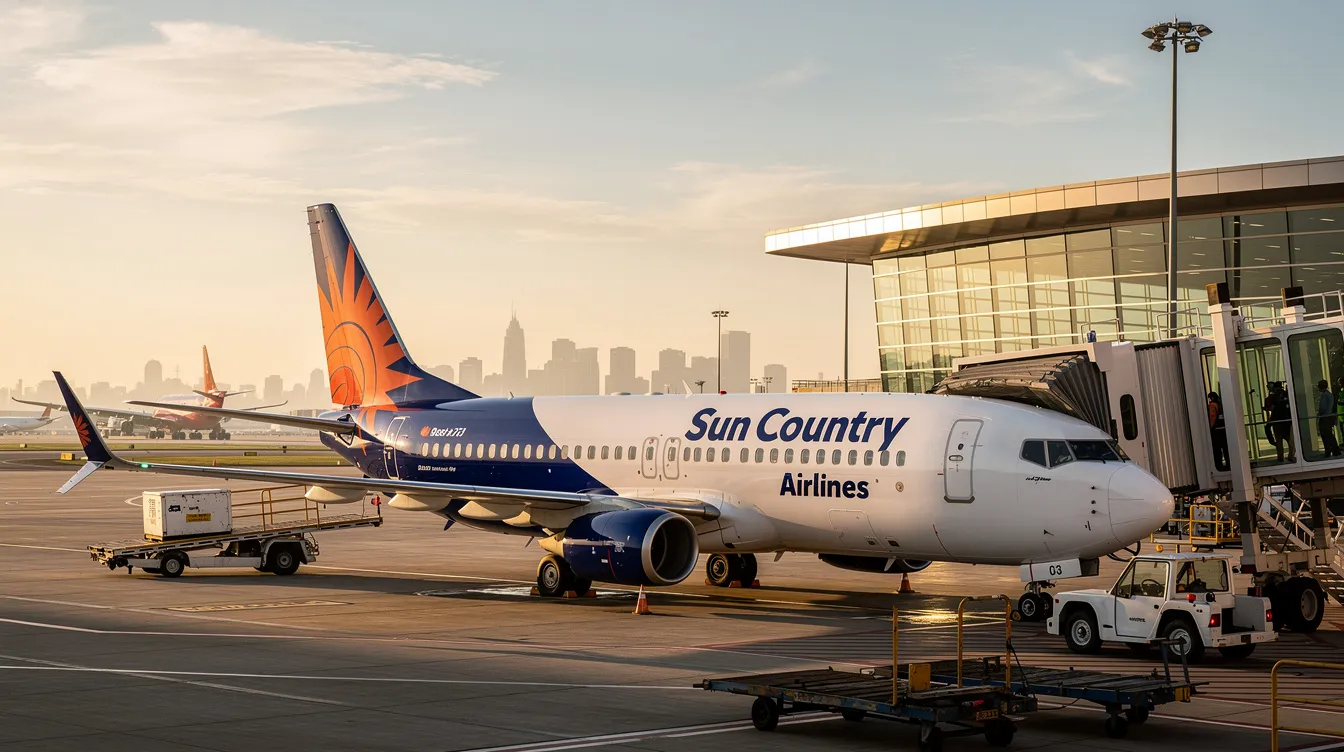
Sun Country Airlines in 2026: Baggage Fees, Best Bundle, and When Private Charter Makes More Sense
In 2026, Sun Country Airlines continues to operate as a prominent ultra-low-cost carrier, but its unbundled pricing model can lead to unexpected costs for travelers. With additional fees for baggage and other amenities, understanding the best bundle options is crucial for budget-conscious flyers. For those needing more flexibility, private jet charters like Jettly may offer a more convenient alternative.
Read More
5
min read
AerCaribe: Cargo Operations, Fleet, and Charter Alternatives for Latin America
AerCaribe is a Colombian cargo airline specializing in charter services across Latin America, utilizing a diverse fleet of turboprop and jet aircraft. With operations from Bogotá and Lima, it caters to various industries, including pharmaceuticals and automotive, while providing flexible cargo solutions. Digital platforms like Jettly offer alternative charter options, enhancing accessibility for urgent and specialized cargo needs.
Read MoreStay updated with our latest insights and tips to elevate your journey with us.
MEMBERSHIPS AND ASSOCIATIONS



Disclaimer: Jettly operates as a charter broker, offering access to a global digital jet charter marketplace. Jettly is not a direct air carrier and does not own or operate aircraft. All advertised flights are conducted by third-party air carriers that are fully licensed and hold the appropriate Part 135 or Part 121 certifications issued by the Federal Aviation Administration (FAA) or equivalent regulatory authorities under U.S. or foreign law. Jettly complies fully with the U.S. Department of Transportation's Part 295 and Part 298 Charter Broker regulations. Jettly does not carry additional liability insurance. Passengers are covered by aircraft operator insurance. TICO: 50023770


