



Login
Get Instant Pricing On 23,000+ Aircraft

>
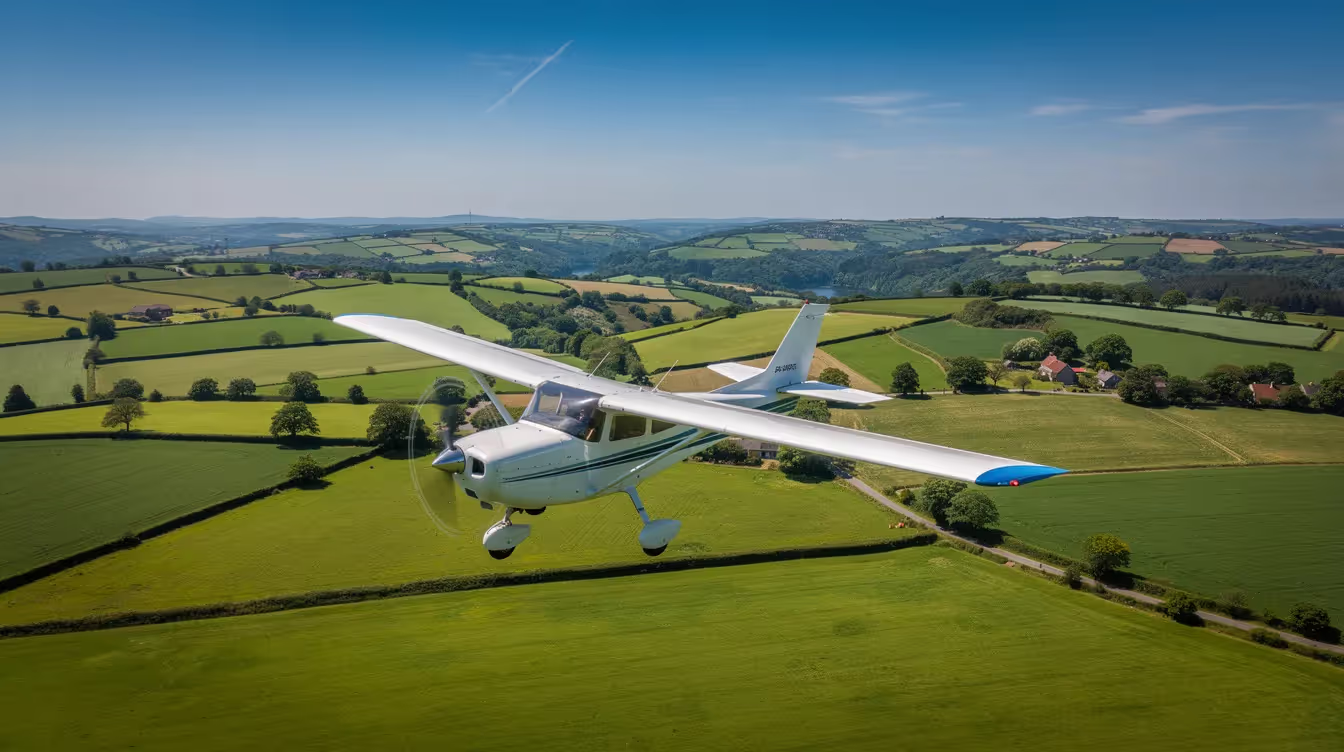
The Cessna 150 stands as one of aviation’s most influential training aircraft. First introduced in 1959, this two-seat, high-wing airplane has helped hundreds of thousands of pilots earn their wings and remains active in flying clubs and flight schools around the world in 2026.
The Cessna 150 is a two-seat, high-wing trainer introduced in 1959 by Cessna Aircraft Company, representing one of the most-produced light aircraft in history with nearly 23,839 units built through 1977, making it the fifth most-produced aircraft ever.
Produced in various configurations—including the Standard, Trainer, Commuter, and Patroller models—the Commuter served as a more deluxe version featuring wheel fairings.
Powered by the Continental O-200-A engine delivering 100 horsepower, the aircraft features forgiving handling characteristics, predictable stall behavior, and low operating costs that make it ideal for student pilots.
The model evolved through numerous modifications over its production years, such as changes to the main gear struts and baggage area, the introduction of electric "Para-Lift" flaps in 1966, and visibility improvements with the "Omni-Vision" rear window in 1964.
Widely regarded as the "world's premier trainer," the Cessna 150’s design features like side-by-side seating and tricycle landing gear facilitate flight instruction with docile handling and predictable stall characteristics.
The aircraft was succeeded by the Cessna 152 in 1977, which introduced a more economical engine, increased maximum gross weight from 1,600 to 1,670 pounds, and other refinements.
While Jettly’s platform focuses on larger charter aircraft like turboprops and light jets, understanding training aircraft like the Cessna 150 provides valuable context for readers exploring aviation and pilot development.
This article covers the aircraft’s history, major variants, performance specifications, training applications, common modifications, and how it differs from charter aircraft available through Jettly.
The Cessna 150 is a two-seat, all-metal, high-wing, tricycle-gear light aircraft designed primarily for flight training and personal use. With its side-by-side seating, fixed landing gear, and wing struts supporting a strut-braced high wing, the airplane offers excellent visibility and stable flight characteristics that appeal to beginning pilots.
Design work began in the late 1950s, with the first flight in 1957 and production launch in 1958 for the 1959 model year by Cessna Aircraft Company in Wichita, Kansas. Over its production run through 1977, approximately 23,839 units were built in the United States alone, making it one of the most-produced two-seat civil aircraft in the world.
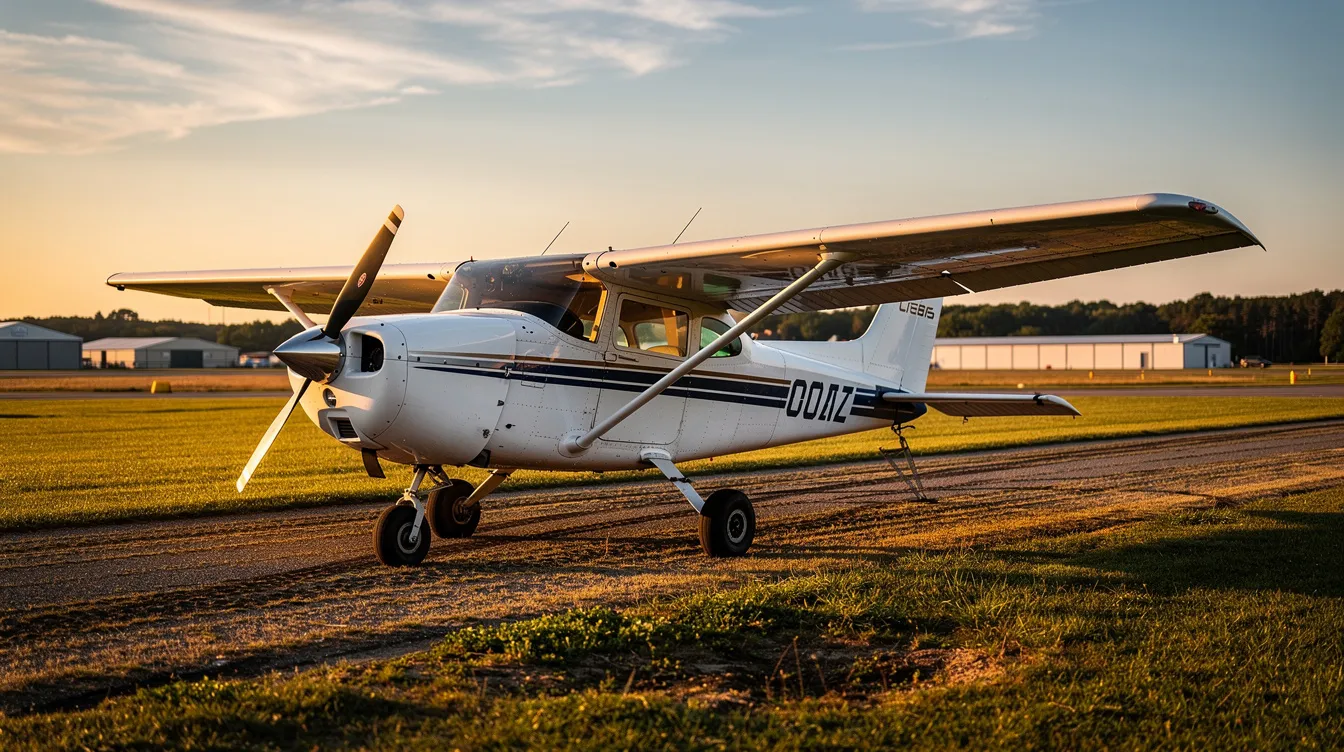
The aircraft became a benchmark trainer for several reasons. Its Continental O-200-A 100 hp engine provides adequate power without excessive complexity. The simple systems, predictable stall speed characteristics, and benign spin recovery when properly coordinated give students confidence during early training. Low fuel burn—roughly 6-7 gallons per hour—keeps operating costs manageable for flight schools and individual owners alike.
Cessna’s goal in the 1950s was to create a modern successor to the tailwheel Cessna 140. The new design would prioritize easier ground handling through tricycle gear, making it more accessible for novice pilots who found tailwheel aircraft challenging during taxi, takeoff, and landing.
Early development milestones included prototype flights in 1957 and certification under U.S. Civil Air Regulations shortly after. The first production models rolled out in October 1958 for the 1959 model year, marking the first year of what would become a nearly two-decade production run.
Production occurred at two primary locations:
United States: Wichita, Kansas facility (1958-1977)
France: Reims Aviation under license (designated F150, starting early 1960s)
The combined output reached nearly 23,839 airframes, with Reims contributing several thousand for European markets. Throughout the 1960s and 1970s, Cessna introduced progressive refinements including gross weight increases, improved interiors, swept vertical tail designs, and better avionics packages—all while maintaining the same basic layout.
Production ended in 1977 with the transition to the Cessna 152. The newer model retained much of the 150’s design but adopted a 110-hp Lycoming O-235 engine, addressing noise concerns and the phaseout of 80-octane avgas. The maximum certified gross weight increased from 1,600 pounds (726 kg) in the 150 to 1,670 pounds (757 kg) in the 152.
The Cessna 150 embodies a philosophy of rugged simplicity. Every element of its design serves the goal of creating a forgiving, predictable airplane that builds student confidence without overwhelming complexity.
The semi-monocoque fuselage measures approximately 24 feet long and 8 feet 6 inches high. The high wing spans about 33 feet with 157 square feet of area, providing:
Excellent downward visibility for traffic and runway awareness
Inherent stability from the pendulum effect
Low wing loading (approximately 10 lb/sq ft) for gentle stall characteristics
Large tail surfaces—including a distinctive vertical tail on later models featuring a swept design introduced in 1968—provide stable control throughout the flight envelope.
The fixed tricycle gear includes a steerable nose wheel and bungee-suspended main wheels. This arrangement simplifies ground handling significantly compared with tailwheel aircraft, reducing the risk of ground loops during landing and making taxi operations straightforward for students.
Over the years, changes to the main gear struts improved durability and handling, with tubular steel gear legs introduced in 1971.
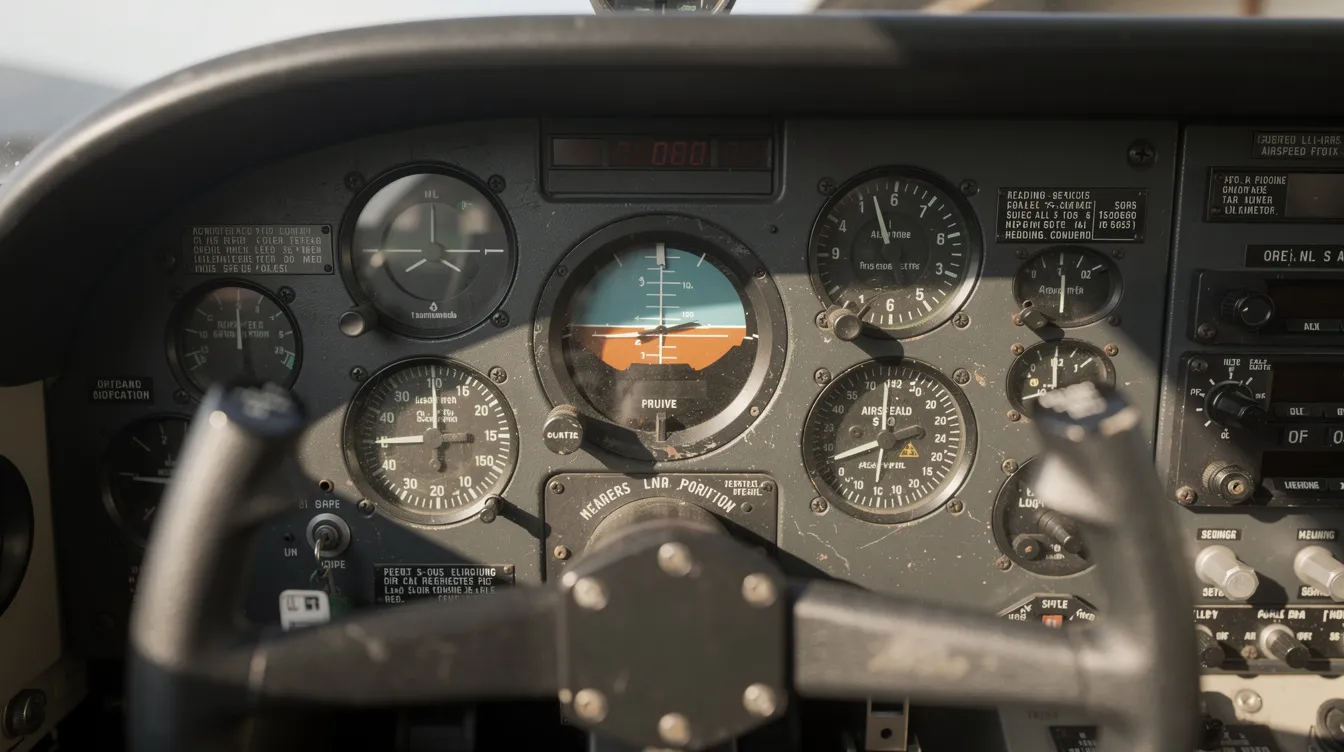
Side-by-side seating accommodates dual controls for student and instructor. The instrument panel features basic analog instruments, including a sensitive altimeter, turn-and-bank indicator, and rate-of-climb indicator. A center console houses throttle, mixture, and fuel shutoff valve controls.
The cabin is compact and functional, though limited cabin space can be uncomfortable for larger pilots or on longer flights. Later Commuter variants added amenities like an electric clock, rear window visibility improvements, and landing and taxi lights as standard equipment.
Many variants feature electric "Para-Lift" flaps capable of 40-degree deflection, introduced in 1966, which assist with short-field landings by increasing lift and lowering stall speed.
This flap system enables:
Low approach speeds around 50-55 knots
Stable flare characteristics ideal for pattern work
Precision landings for competition and training
Pilots consistently describe the aircraft’s handling as docile with light aileron and elevator forces, effective rudder authority, and overall predictability that builds confidence in new aviators. Its climbing performance is modest, with a rate of approximately 670 feet per minute.
Numerous variants emerged from 1959 to 1977, each refining comfort, performance, or mission capability while sharing the same fundamental airframe. Understanding these variants helps buyers and students identify which configuration suits their needs.
Standard: Basic model with essential features.
Trainer: Spartan configuration optimized for flight schools, featuring dual controls.
Commuter: Deluxe version with improved interiors, wheel fairings, and additional amenities.
Patroller: Utility model equipped with observation windows, larger fuel tanks, and specialized gear for patrol operations such as pipeline or powerline inspections.
Aerobat (A150): Introduced in the mid-1960s for limited aerobatics with a strengthened airframe rated for +6/-3G, four-point harnesses, inverted oil systems, and distinctive paint schemes.
Reims F150: European-built variants with metric instrumentation options, enhanced corrosion protection, and local equipment adaptations.
The 1976-1977 150M and 150M Commuter II represented the final evolution. These aircraft featured refined instrument panel layouts, standard empty weights of 1,111-1,129 pounds, useful load up to 489 pounds, and increased baggage capacity of 120 pounds.
The following figures represent a late-production 1976 Cessna 150M, providing a realistic sense of the aircraft’s capabilities for prospective students and buyers.
Powerplant: Continental O-200-A
Configuration: Air-cooled, four-cylinder, normally aspirated, carbureted
Power Output: 100 hp at 2,750 rpm
TBO: 1,800 hours
Propeller: Fixed-pitch metal, typically 69 inches in diameter
The wingspan measures approximately 33 feet 4 inches, overall length about 24 feet, and height around 8 feet 7.5 inches. The fuselage width provides adequate room for two adults seated side-by-side.
|
Parameter |
Value |
|---|---|
|
Maximum Takeoff (MTOW) |
1,600 lb |
|
Empty Weight |
1,111-1,129 lb |
|
Useful Load |
471-489 lb |
|
Baggage Capacity |
120 lb max |
Maximum Speed: 109 knots at sea level
Cruise Speed: 95-106 knots (75% power at 7,000 ft)
Stall Speed (Clean): 48 KCAS
Stall Speed (Landing Config): 42 KCAS
Rate of Climb: 670 ft/min
Service Ceiling: 12,650-15,300 ft
Standard fuel capacity is 26 gallons (24 usable), expandable to 38 gallons with optional long-range tanks. At training power settings, expect approximately 6-7 gallons per hour burn rate, yielding:
Training range: 300-350 nautical miles with reserves
Maximum range: 420 nautical miles at optimal altitude
These figures explain why the 150 remains economical for basic training—hourly fuel costs run $30-50 at current avgas prices.
The Cessna 150 has trained hundreds of thousands of pilots worldwide and remains a staple in many flying clubs and schools in 2026. Its combination of forgiving handling, low costs, and abundant parts availability keeps it relevant despite newer alternatives.
Flight schools use the aircraft for:
First solo flights and pattern work
Basic instrument training under the hood
Cross-country navigation for private pilot certificates
Precision landing practice (competition teams like Western Michigan University’s Sky Broncos have utilized 150s)
A typical training scenario involves a student flying repeated circuits from a regional airport, practicing landings with 30-40 degrees of flap at approach speeds around 50-55 knots. The stable flare characteristics and low stall speed make it easier for beginners to achieve consistent touchdowns.
Most 150s are certified for day and night VFR operations. Many airframes equipped with dual nav/com radios and appropriate instruments qualify for basic IFR training, though the tight cabin makes extended hood time less comfortable than in larger trainers.
Owners often fly the aircraft for short regional trips, local sightseeing, and casual “hundred-dollar hamburger” runs. The modest fuel burn makes spontaneous flying affordable for enthusiasts who prioritize the fun of flight over speed or capacity, while those looking to share travel expenses on longer routes might explore crowdsourced private jet flights and empty seat sharing.
With only two seats and a useful load of 471-489 pounds, the 150 cannot accommodate multi-passenger business trips or heavy baggage. Pilots seeking to transport families, crews, or significant cargo eventually look to larger four-seat aircraft or charter options.

The Cessna 150’s robust, simple design has spawned a substantial aftermarket for modifications and Supplemental Type Certificates (STCs). Owners and operators can significantly enhance capability while maintaining the aircraft’s essential character.
Several STCs permit installation of higher-output engines:
Lycoming O-320 conversions delivering 125-150 hp
Improved climb rates (up to 900 fpm vs. stock 670 fpm)
Cruise speeds exceeding 125 knots
Trade-off: Higher fuel consumption
Constant-speed propeller options improve takeoff performance and cruise efficiency but add complexity and maintenance requirements.
Modern panels can transform the 150’s cockpit:
Glass cockpit displays (Garmin G3X)
GPS navigation (GTN 650)
ADS-B Out/In compliance
Digital engine monitors
Improved intercom systems
These upgrades enhance safety, navigation capability, and resale value, though installation costs can approach or exceed the aircraft’s purchase price. For pilots who later transition into frequent private travel, private jet memberships can offer predictable access to aircraft without ownership costs.
Gap seals and vortex generators (5-10 knot speed gains)
LED landing light and taxi lights
Soundproofing materials
Custom interior panels and seating
Corrosion treatments for aging airframes
Floatplane kits for water operations
Ski installations for winter flying
Aerial photography platforms
Any modification must comply with FAA, EASA, or other relevant aviation authority regulations and should be performed by approved maintenance organizations with proper logbook entries. When planning trips from smaller or unfamiliar fields after upgrades, pilots and charter customers alike benefit from tools such as an airport locator for private flights to confirm runway suitability and available services.
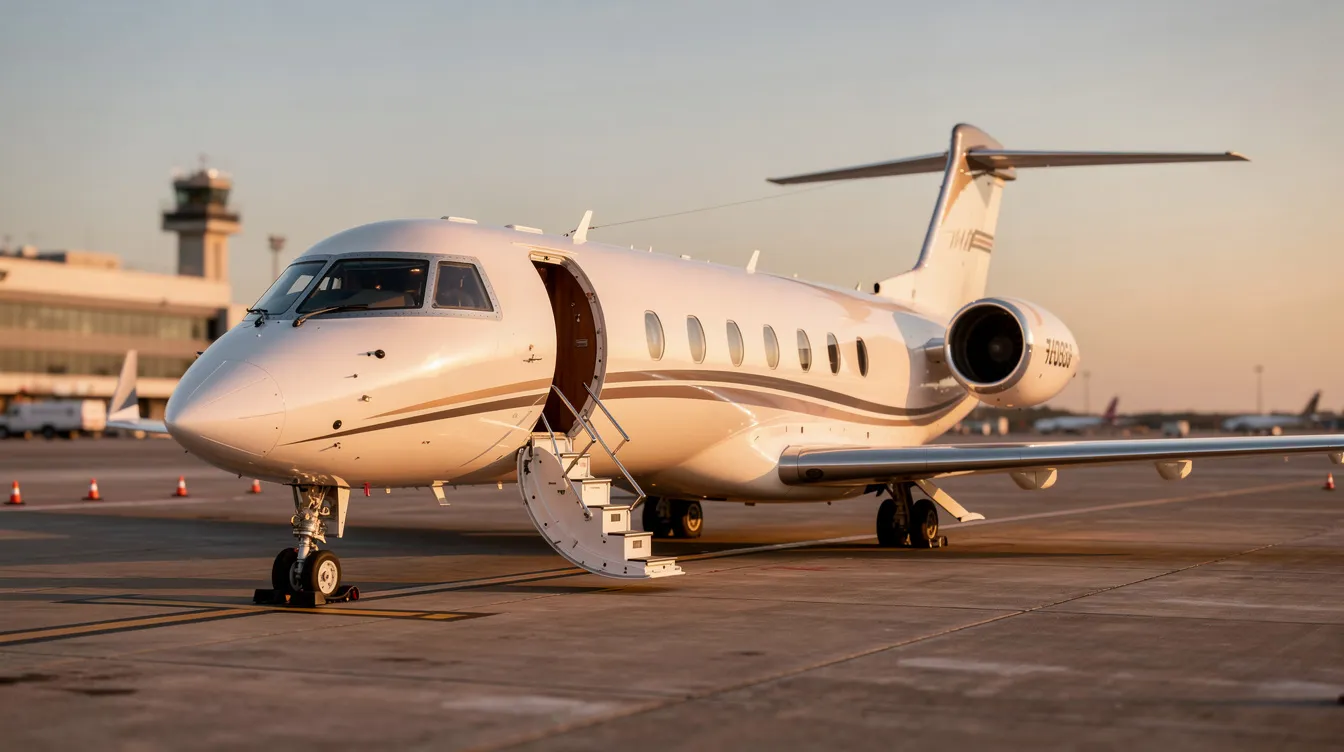
The Cessna 150 is not part of private jet charter fleets—its two-seat configuration, 95-100 knot cruise speed, and limited range make it unsuitable for the missions charter aircraft serve. However, understanding training aircraft provides valuable context for appreciating the broader aviation ecosystem, from leading fractional operators like NetJets and its private aviation model to newer on-demand charter platforms.
|
Characteristic |
Cessna 150 |
Typical Light Jet (Charter) |
|---|---|---|
|
Seats |
2 |
6-8 |
|
Cruise Speed |
~95-100 knots |
~400+ knots |
|
Range |
300-350 nm |
1,200+ nm |
|
Cabin |
Compact |
Spacious with amenities |
|
Purpose |
Training, recreation |
Business, family travel |
Many professional and private pilots start their aviation journey in aircraft like the 150, gain experience and ratings, then later fly or charter more capable aircraft for business travel, family trips, or time-critical journeys, often turning to charter airlines and private aviation providers as their mission profiles expand.
Travelers needing to move several passengers efficiently should consider chartering larger aircraft. Platforms like Jettly offer private charter aircraft and tools such as a private jet charter cost estimator to plan trips effectively:
Turboprops, light jets, midsize jets, and heavy aircraft
Greater range and speed (New York-Miami in 2 hours vs. 7+ in a trainer)
Comfortable cabins with room for teams or families
Instant pricing and digital booking
For frequent travelers who want predictable hourly rates and premium service, structured jet card programs for corporate and personal use can complement the flexibility of on-demand charter.
For those curious about transitioning from training aircraft to charter travel, explore Jettly’s options at https://www.jettly.com.
The following questions address practical considerations about owning, operating, or learning in a Cessna 150 that weren’t fully covered above.
Many flight schools worldwide still use the 150 for initial training because of its low operating costs, forgiving handling, and abundant spare parts ecosystem. While newer models like the Cessna 152 or modern composite trainers offer some advantages, the 150 remains a safe and effective choice when properly maintained. Pilots who later need more seats and payload might graduate to larger singles, such as the Cessna 207, which offer higher capacity and range.
Students should evaluate the specific aircraft’s maintenance history, avionics condition, and local school reputation rather than focusing solely on the model year. A well-maintained 1975 150M with low time on the engine can outperform a neglected newer aircraft.
Used Cessna 150s typically sell for $40,000-80,000 depending on condition, avionics, and engine time. 1970s models with mid-time engines and modern avionics often fall in the $50,000-70,000 range.
Annual operating costs for a private owner flying 100 hours might include:
Fuel: $3,000-3,500 (6 gph × $5/gal × 100 hours)
Maintenance and inspections: $3,000-5,000
Insurance: $1,500-2,500
Hangar/tie-down: $2,000-4,000
Total annual cost: $8,000-15,000, depending on region and usage. Prospective buyers should consult local maintenance shops and insurers for accurate quotes.
Many 150s are approved for IFR flight when equipped with the required navigation and communication equipment and maintained to IFR standards. The tight cabin and basic performance are adequate for instrument training but less comfortable than larger four-seat trainers for extended IFR sessions.
Check the individual aircraft’s equipment list and consult with a certified flight instructor about suitability for your instrument training goals.
The 152, introduced in 1977, represents an evolution of the 150 with a 110-hp Lycoming O-235 engine, slightly higher maximum takeoff weight (1,670 lb), and improved climb rate (725 fpm vs. 670 fpm). The 152 also addressed 100-octane fuel requirements and reduced cabin noise.
Both models serve similar training roles with essentially identical handling. Flight schools often choose based on available airframes, maintenance familiarity, and acquisition costs—150s typically cost 20-30% less on the used market.
With only two seats and a limited useful load (under 500 lb), the 150 is not practical for business trips, family vacations, or flights requiring significant baggage. It excels as a training aircraft and a recreational plane for solo pilots or one passenger on short regional hops, while cabin-class twins like the Cessna 340 better serve multi-passenger missions for business-oriented travel.
Travelers needing to move multiple people efficiently should consider chartering larger aircraft—turboprops or light jets—through platforms like Jettly, which offer greater speed, range, and comfort for routes like New York-Miami or Toronto-Vancouver or regional corridors such as private jet charter in Atlanta, Georgia. Understanding affordable private jet charter pricing and cost factors helps former 150 pilots and new flyers budget realistically for these trips.
The Cessna 150 remains a cornerstone of flight training more than six decades after its 1959 introduction. With nearly 23,839 produced and thousands still flying in 2026, this simple, forgiving trainer has shaped generations of pilots who later advanced to other aircraft across general aviation, commercial operations, and private charter.
While the Cessna 150 excels at teaching fundamental flying skills and providing affordable recreational flight, it occupies a different segment than the larger turboprops and jets used for efficient business and family travel. Pilots who started in a 150 often progress to chartering or owning more capable aircraft as their needs evolve, sometimes choosing Jettly as a flexible NetJets alternative instead of traditional fractional ownership.
Ready to experience private travel beyond the training environment? Explore flight options and request a quote at https://www.jettly.com.
Share this post:
Jay Franco Serevilla
Apr 18, 2026
|
5
min read
Discover tips and trends in the industry.
5
min read
Cirrus Vision Jet: Guide to the Personal Jet Revolution with Charter Options
The Cirrus Vision Jet revolutionizes personal aviation as the first certified single-engine jet, offering performance and safety features that appeal to owner-pilots and travelers alike. With options for chartering through platforms like Jettly, users can enjoy the benefits of private jet travel without the costs of ownership. Its innovative design, impressive range, and advanced safety systems make it a standout choice for regional flights.
Read More
5
min read
cessna sales
The Cessna sales landscape in 2026 showcases a diverse range of aircraft, from vintage models to modern jets, with buyers increasingly utilizing digital tools and charter services for informed decisions. This guide provides insights into popular models, market trends, and practical steps for evaluating and purchasing Cessna aircraft, ensuring buyers navigate the process confidently.
Read MoreStay updated with our latest insights and tips to elevate your journey with us.
MEMBERSHIPS AND ASSOCIATIONS



Disclaimer: Jettly operates as a charter broker, offering access to a global digital jet charter marketplace. Jettly is not a direct air carrier and does not own or operate aircraft. All advertised flights are conducted by third-party air carriers that are fully licensed and hold the appropriate Part 135 or Part 121 certifications issued by the Federal Aviation Administration (FAA) or equivalent regulatory authorities under U.S. or foreign law. Jettly complies fully with the U.S. Department of Transportation's Part 295 and Part 298 Charter Broker regulations. Jettly does not carry additional liability insurance. Passengers are covered by aircraft operator insurance. TICO: 50023770


