


Login
Get Instant Pricing On 23,000+ Aircraft

>
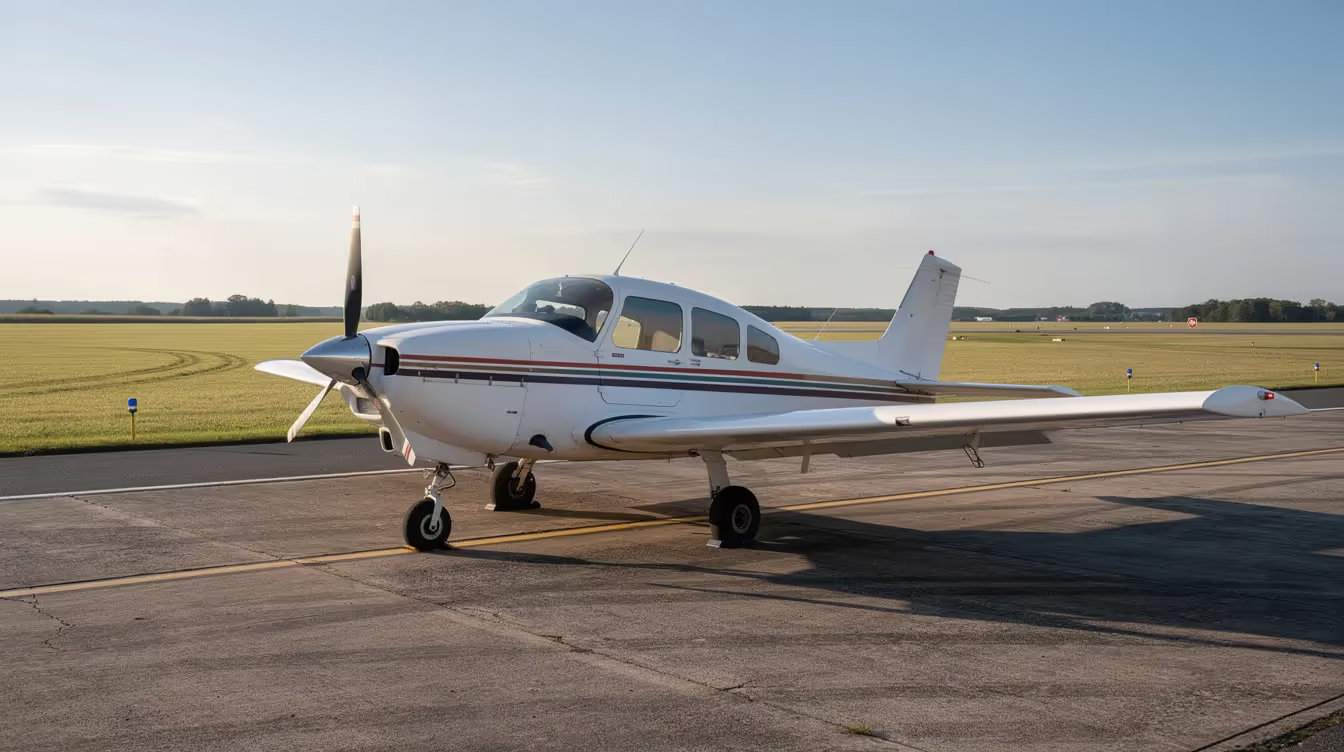
Yes, you can rent an airplane. The process splits into two paths depending on whether you hold a valid pilot certificate. Licensed pilots rent planes directly from flight schools, flying clubs, or airport-based FBOs to fly themselves. Non-pilots access the same flexibility through crewed private charters that handle everything from pilot to fuel to insurance.
You can rent an airplane whether you are a licensed pilot or not. Licensed pilots can rent and fly aircraft themselves, while non-pilots can book crewed private charters that include both the plane and a professional pilot.
– Licensed pilots rent directly from flight schools, flying clubs, or FBOs after meeting qualifications and currency requirements
– Non-pilots use charter services like Jettly, which provide aircraft, crew, and operational support as a complete package
– Rental costs vary widely based on aircraft type, duration, and whether fuel is included (wet vs. dry rentals)
– Safety checks, insurance, and provider reputation are essential for both self-fly and charter rentals
– Platforms like Jettly simplify the process with instant pricing, digital booking, and a wide selection of aircraft
This guide is designed for both licensed pilots interested in self-fly rentals and non-pilots seeking private charter options. It covers the rental process, requirements, costs, and how to choose the right provider.
Typical use cases include a pilot renting a Cessna 172 for a weekend getaway or currency flight, and a business traveler booking a light jet charter for a same-day meeting in another city. Jettly operates as a digital private jet charter marketplace with access to over 20,000 available aircraft globally, offering instant pricing and transparent booking.
This article covers rental costs, pilot qualifications, safety considerations, provider types, and how Jettly fits into the modern airplane rental landscape.
Can you rent an airplane? Yes—licensed pilots rent small aircraft from flight schools, flying clubs, or fixed base operators, while non-pilots access equivalent capability through private charter with professional crews.
Licensed pilots typically rent single-engine aircraft such as the Cessna 172 or Cirrus SR22 from rental companies for $120–$400 per hour (wet rates) as of 2026, with the specific aircraft type and location affecting hourly rental rates.
Non-pilots “rent” airplanes via charter platforms like Jettly, which bundle aircraft, crew, fuel, and operations for routes such as New York–Miami or Toronto–Vancouver.
Airplane rental can be structured as a dry rental (aircraft only, with the renter handling fuel costs) or a wet rental (fuel included), and many rental companies require renters' insurance or non-owned aircraft insurance.
Readers can compare options and get instant private jet pricing through Jettly.
A Private Pilot License (PPL) or higher is typically required to rent an aircraft for solo use.
The rental process differs sharply between licensed pilots and everyone else. Understanding which category applies determines the entire experience.
Licensed pilots holding a Private Pilot License (PPL) or higher—whether FAA, EASA, or Transport Canada certified—can rent self-fly aircraft after meeting currency and checkout requirements. To rent an aircraft, pilots must provide a valid pilot certificate, a current medical certificate, a current flight review, and renters' insurance coverage. Most rental companies also require pilots to complete a checkout flight with a certified flight instructor (CFI) if they are unfamiliar with the aircraft, ensuring safety and proficiency before flying. Most providers require adult renters (18+), and student pilots can rent aircraft only under instructor supervision. European EASA rules may add night ratings or time-in-type requirements for complex aircraft.
Non-pilots cannot legally act as a pilot in command. However, they can effectively “rent” an airplane by booking a charter flight with a professional crew through platforms like Jettly. Identification, such as a government-issued photo ID or a valid passport, is required for charter rentals.
The typical rental process follows a straightforward flow: locate a provider, complete a checkout flight if needed, present documentation, sign a rental agreement, and pay the hourly rate.
Common providers include, and the overall process of how renting a plane works from start to finish is broadly similar across them:
Flight schools – Offer the widest variety of trainer aircraft for short-term rental, including models like Cessna 152s and Piper Archers. Many also offer discovery flights to experience flying under instructor supervision.
Flying clubs – Operate as cooperatives, offering lower hourly rates in exchange for membership fees and shared operational costs.
Fixed base operators (FBOs) – Provide convenient airport access and a broader selection of aircraft.
Rental agreements often outline hourly rates, fuel costs, minimum time requirements, insurance obligations, and cancellation policies, and may require a security deposit that varies by aircraft type and rental duration. Review whether the rate is wet or dry, note any daily minimums (typically 2–3 billable hours on multi-day rentals), and understand fuel, parking, and late return policies before signing.
While “can anyone rent an airplane” is a common question, acting as a pilot in command requires a valid pilot certificate and appropriate ratings.
Basic requirements include:
Private Pilot License (minimum 40–50 hours of training)
Appropriate ratings: instrument for IFR, multi-engine for twins, type rating for certain jets
Currency compliance: FAA’s 90-day rule requires 3 takeoffs and landings to carry passengers
Rental providers often impose stricter standards for higher-performance aircraft—expect minimums like 100 total hours and 10 hours in type for complex or high-performance models. Keeping an up-to-date logbook (electronic via ForeFlight or paper) streamlines the checkout and verification process.
A wet rental includes fuel and oil costs in the hourly rate, while a dry rental requires the renter to pay for fuel and oil separately. Wet rentals are typically more expensive due to the included fuel costs.
Wet rentals include fuel and oil costs in the hourly rate, while dry rentals exclude fuel—the renter pays separately, often reimbursing at capped per-gallon allowances. Renting an aircraft wet allows the pilot to show up to a full tank of gas, whereas dry renting requires the pilot to return the aircraft with the same amount of fuel it had when rented.
In wet renting, the cost of oil and fuel is included in the total charge or reimbursed, simplifying budgeting. Dry renting means the pilot is responsible for covering fuel and oil separately, which can offer savings if the pilot sources cheaper fuel. Some rental companies may add fuel surcharges to account for fluctuating fuel prices, increasing the total cost of your rental.
Safety and liability coverage are central when renting an airplane. Responsible providers maintain aircraft to regulatory standards and typically require renters' insurance or non-owned aircraft insurance. Annual premiums for such insurance range from $200 to $500 for light aircraft coverage, with liability up to $1 million.
Rental companies maintain high standards for aircraft maintenance and safety, ensuring a reliable and well-maintained fleet. Pilots can—and should—ask to see maintenance records before flying, and understanding affordable airplane rental costs and options helps set expectations before you arrive at the FBO or flight school.
Pre-rental inspection checklist:
Tires and control surfaces
Oil level (6–8 quarts typical)
Fuel quantity and quality (sump for water)
Lights and avionics power up
Review the aircraft’s specific checklist
Regulatory oversight by the FAA, EASA, or Transport Canada ensures adherence to baseline standards.
Non-pilots don’t rent bare aircraft—they book private charter flights, bundling aircraft, crew, insurance, and operations into a single service.
The typical charter flow:
Enter route (e.g., Los Angeles–Las Vegas), date, and passenger count into a platform like Jettly
Review instant pricing across different available aircraft
Confirm schedule and aircraft selection
Pay deposit (typically 10–25%)
Receive itinerary and FBO details
Charters depart from private terminals (FBOs) with minimal arrival time—often 20–30 minutes before departure—and no standard TSA security lines. This significantly impacts travel time compared to commercial options.
Common trip types include business day trips (New York–Chicago), weekend leisure flights (Miami–Nassau), ski trips (Los Angeles–Aspen), and urgent family travel, all of which can be served by a wide range of private charter aircraft.

Charter pricing typically covers aircraft, crew, fuel, maintenance, standard catering, and operational support—not just a simple hourly hull rental- and it’s useful to understand the broader landscape of private and charter airlines and services when comparing providers.
Key inclusions:
Aircraft and professional crew
Flight planning and operations monitoring
Standard airport fees and handling
Basic in-flight refreshments
Standard baggage allowances
Optional add-ons:
Premium catering (additional services beyond continental breakfast)
Ground transportation at the destination
De-icing in winter conditions
Special handling for pets or medical equipment
Platforms like Jettly show itemized quotes so travelers see what’s included versus potential extra charges. Customer support and 24/7 ops teams monitor flights and help manage weather-related changes or delays.
Jettly functions as a global private jet charter marketplace, letting non-pilots effectively rent a plane with crew in a few clicks—no aircraft ownership or management required.
The digital experience includes:
Online search by route, date, and passengers
Instant pricing with aircraft photos and configuration details
Side-by-side comparison by cost, flight time, and cabin size
Aircraft categories on Jettly:
Turboprop: Pilatus PC-12, ideal for short regional routes
Light Jet: Citation CJ3, commonly used for routes like LA–Vegas and NYC–Boston
Midsize Jet: Challenger 350, suitable for coast-to-coast U.S. travel
Heavy Jet: Gulfstream G650, designed for transatlantic flights
Jettly offers both private jet membership programs with flexible wholesale-style pricing and on-demand access with transparent pricing—no opaque jet card commitments. Partner operators hold appropriate commercial certificates, and Jettly emphasizes regulated, audited operators with modern aircraft maintenance practices.
Available aircraft range from basic trainers for new pilots to intercontinental business jets. The right aircraft depends on mission, budget, and runway requirements at your destination.
Single-engine aircraft (Cessna 172, Piper Archer, DA40): Training and regional flights, up to four seats, $120–$250/hour self-fly. These are often the cheapest to rent and ideal for local flights and pilot training.
Multi-engine pistons (Beechcraft Baron): Step-up for instrument proficiency and faster regional travel, typically exceeding $200 per hour.
Turboprops (Pilatus PC-12, King Air): Ideal for regional business travel, capable of operating on small runways, with charter rates around $2,000–$3,500/hour.
Light jets (Citation CJ3, Phenom 300): Designed for executive travel, accommodating up to 8 passengers, commonly used on routes like LA–Vegas, with charter rates from $4,000–$7,000/hour.
Midsize and heavy jets (Citation XLS+, Challenger 350, Gulfstream G650): Perfect for long-range flights, carrying multiple passengers, offering enhanced comfort and amenities. Charter rates can range from $5,000 to over $10,000 per hour.
Renting a plane lets you choose from a variety of aircraft that match your trip length, passenger count, and budget.
Understanding real-world applications makes airplane rental more tangible.
Pilot rental examples:
Dallas to Fredericksburg, Texas, in a single-engine plane (150nm, 1.5 hours) for winery visits
San Francisco Bay Area scenic flight in a Cessna 172 for flying experience currency
Private jet charter examples:
New York–Miami on a light jet for a financial roadshow (2.5 hours vs. 5+ hours commercial)
Toronto–Vancouver on a midsize jet for a corporate team meeting
Los Angeles–Aspen on a turboprop for a ski weekend getaway
Access to smaller public-use airports (Teterboro instead of JFK, Fort Lauderdale Executive instead of MIA) creates significant time savings, especially when you use tools to locate suitable private aviation airports and request on-demand quotes. Jettly’s platform can surface crowdsourced and empty-leg private jet flights that share otherwise empty seats on popular routes, reducing costs 30–75% when travelers are flexible with timing.
The cost to rent an airplane varies by aircraft type, rental duration, location, and whether it’s a self-fly or crewed charter, and tools like a private jet charter cost estimator can help you model charter pricing for specific trips.
2026 ballpark figures:
Self-fly piston (Cessna 172): $150–$200/hour wet
High-performance (Cirrus SR22): $360–$535/hour
Charter turboprop: $2,000–$3,500/hour
Charter light jet: $4,000–$7,000/hour
Charter heavy jet: $10,000–$15,000/hour
Multiengine aircraft rentals typically cost more than single-engine rentals, often exceeding $200 an hour. Renting a small private plane can start at around $1,500 per hour, while larger jets may cost upwards of $10,000 per hour, though there are ways to keep private jet charter pricing more affordable through route choice and flexibility.
The total amount you might spend depends on the provider's pricing structure, which can include hourly rates, fuel surcharges, insurance costs, and any applicable security deposits.
Renting a plane offers flexible scheduling, direct flights to remote destinations, and a customizable travel experience. For certified pilots, renting a plane is often cheaper than owning one, especially for those who fly infrequently. Renting provides access to a fleet of different aircraft models, allowing you to choose the right one for your needs.
Renting a plane eliminates the need for hangar or tie-down fees, as the rental company handles storage. It also lets you try out several plane models, which can help you decide what to buy in the future.
Provider safety culture and transparency matter more than the lowest price when renting an airplane.
For pilot self-fly rentals, verify:
Aircraft appearance and cleanliness
Clear maintenance records and logbook entries
Transparent rental documents and cancellation policies
Staff willingness to answer technical questions
Thorough pre-rental inspection protocols
For charter, confirm:
Valid commercial air operator certificates (FAA Part 135 in the U.S.)
Experienced crews with type currency
Robust Safety Management Systems (SMS)
Third-party audits (ARGUS, Wyvern)
Platforms like Jettly curate networks of vetted charter operators, providing aggregated safety data and centralized support. Review independent feedback, ask about recent audits, and confirm backup procedures if an aircraft becomes unserviceable.
Renting airplanes and flying privately raises environmental questions that many travelers now factor into their decisions.
Efficiency practices:
Right-size aircraft (turboprops like PC-12 for short hops instead of jets save 40% fuel)
Optimize routing and passenger loads
Consider empty legs when they align with travel plans
Look for sustainable aviation fuel (SAF) options on certain routes
Some charter providers partnering with Jettly offer carbon offset programs ($5–$20/ton CO2) or SAF at a modest premium. Combining trips and sharing flights where appropriate also reduces per-passenger impact.
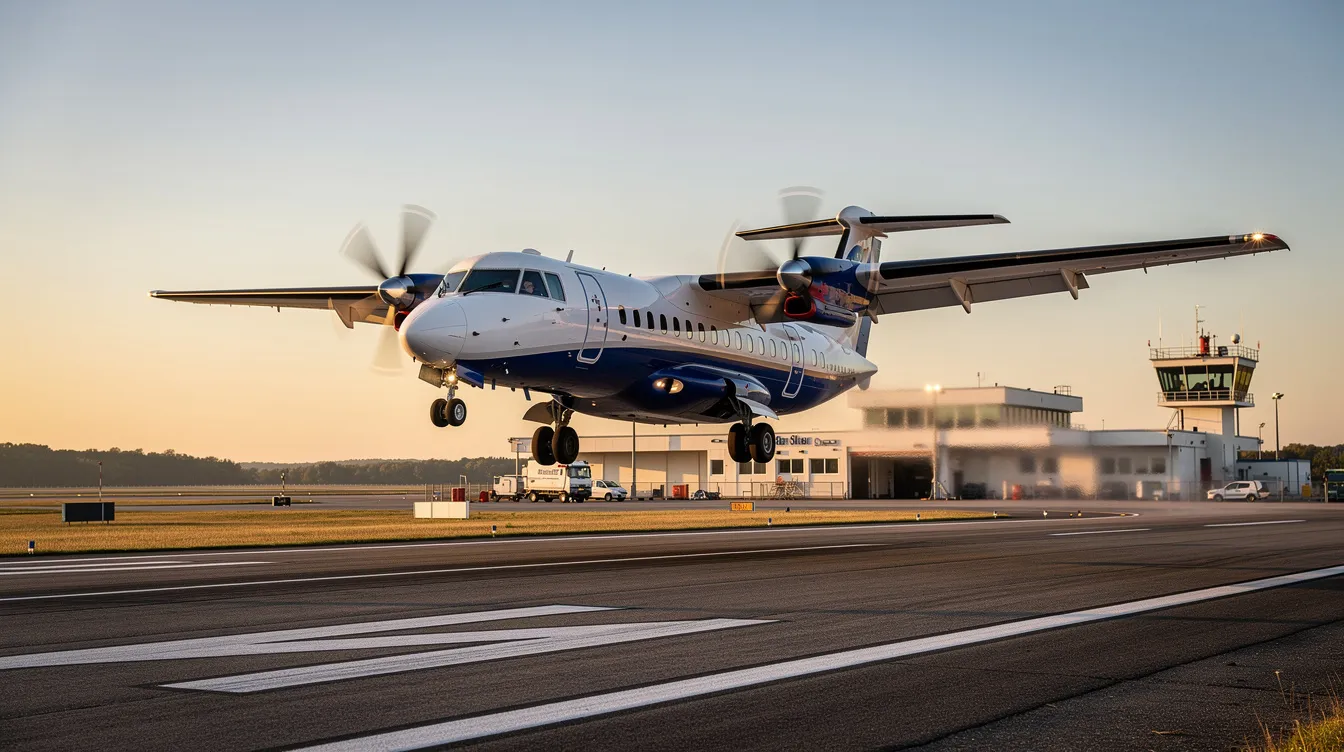
| Feature | Self-Fly Rental (Pilots) | Private Charter (Non-Pilots) |
|---|---|---|
| Who can book | Licensed pilots with valid credentials | Anyone (no pilot license required) |
| Provider types | Flight schools, flying clubs, FBOs | Charter operators, platforms (e.g., Jettly) |
| What's included | Aircraft only (optionally fuel); pilot flies | Aircraft, professional crew, fuel, insurance |
| Typical hourly cost | $120–$535/hour (aircraft type & location dependent) | $2,000–$15,000/hour (turboprop to heavy jet) |
| Booking process | Present pilot credentials, complete checkout flight, sign rental agreement | Enter route, select aircraft, confirm itinerary, pay deposit |
| Insurance | Renters’ insurance often required | Included in charter package |
| Use cases | Pilot training, weekend trips, flight currency | Business travel, leisure, urgent family trips |
Non-pilots cannot legally rent bare aircraft to fly themselves. However, they can book private charters in which the aircraft and professional crew are provided as a complete service. Platforms like Jettly exist specifically for this purpose—travelers provide trip details and preferences without needing any pilot training or aviation background.
Pilots renting small aircraft typically book days to a couple of weeks ahead for weekend flights, and earlier for popular holidays or multi-day rentals. Private jet charters can often be arranged within 24–48 hours, but booking earlier provides better aircraft selection and pricing. High-demand periods (major holidays, sporting events) warrant several weeks' advance notice.
For self-fly rentals, most rental companies expect the aircraft to be returned to the home base. One-way rentals are uncommon and typically carry substantial fees. Private jet charters routinely operate one-way trips—repositioning costs are built into quotes unless the flight matches an existing empty leg. Jettly shows pricing for one-way itineraries and identifies empty-leg opportunities.
Pilot self-fly rentals often reschedule when weather deteriorates, as safety and regulatory limits (VFR minima) always take priority. Charter operators may provide alternative aircraft or rebook trips if mechanical issues arise, following specific terms and conditions. Review cancellation policies before confirming bookings and consider travel insurance for time-sensitive trips to protect against property damage or scheduling losses.
Yes. Moving from a basic trainer to a complex, high-performance, multi-engine, or turbine aircraft requires extra endorsements, time-in-type, and provider checkout. Many flight schools offer transition training programs for aircraft such as the Cirrus SR22 or the Beechcraft Baron. For jets and larger aircraft, most individuals access them via charter with professional crews—making Jettly’s model particularly relevant for those seeking larger planes without pilot certification requirements.
Yes, you can rent an airplane—either as a certified pilot renting a self-fly aircraft from rental services or as a traveler booking a private charter with a professional crew. The right option depends on your pilot qualifications, budget, and mission requirements.
Pilots gain flexibility without aircraft ownership costs by renting from flight schools, flying clubs, or FBOs. Non-pilots gain time savings, privacy, and control through charter services that handle every detail. Can you rent an airplane that fits your specific needs? Absolutely—and the process has never been more accessible.
Jettly simplifies private flight access with transparent pricing, broad aircraft choice across 20,000+ aircraft, digital booking, and optional jet card programs for frequent private flyers.
Ready to experience private travel on your terms? Explore flight options or request a quote at https://www.jettly.com.
Share this post:
Jay Franco Serevilla
Apr 10, 2026
|
5
min read
Discover tips and trends in the industry.

5
min read
Aircraft Maintenance Cost Breakdown: What Really Drives Maintenance Costs?
Aircraft maintenance costs are a significant part of overall operating expenses, especially for business jets. These costs are influenced by factors such as labor, parts, inspections, and the aircraft's age and utilization. Understanding the breakdown of these costs can help travelers make informed decisions about ownership versus chartering through platforms like Jettly.
Read More
5
min read
Minneapolis Private Jet Charter with Jettly
Jettly provides on-demand private jet charter services in Minneapolis, offering access to over 20,000 aircraft worldwide. With flexible scheduling and transparent pricing, travelers can enjoy a seamless flying experience from multiple local airports. Whether for business or leisure, Jettly ensures convenience and luxury without long-term commitments.
Read MoreStay updated with our latest insights and tips to elevate your journey with us.
MEMBERSHIPS AND ASSOCIATIONS



Disclaimer: Jettly operates as a charter broker, offering access to a global digital jet charter marketplace. Jettly is not a direct air carrier and does not own or operate aircraft. All advertised flights are conducted by third-party air carriers that are fully licensed and hold the appropriate Part 135 or Part 121 certifications issued by the Federal Aviation Administration (FAA) or equivalent regulatory authorities under U.S. or foreign law. Jettly complies fully with the U.S. Department of Transportation's Part 295 and Part 298 Charter Broker regulations. Jettly does not carry additional liability insurance. Passengers are covered by aircraft operator insurance. TICO: 50023770


