


Login
Get Instant Pricing On 23,000+ Aircraft

>
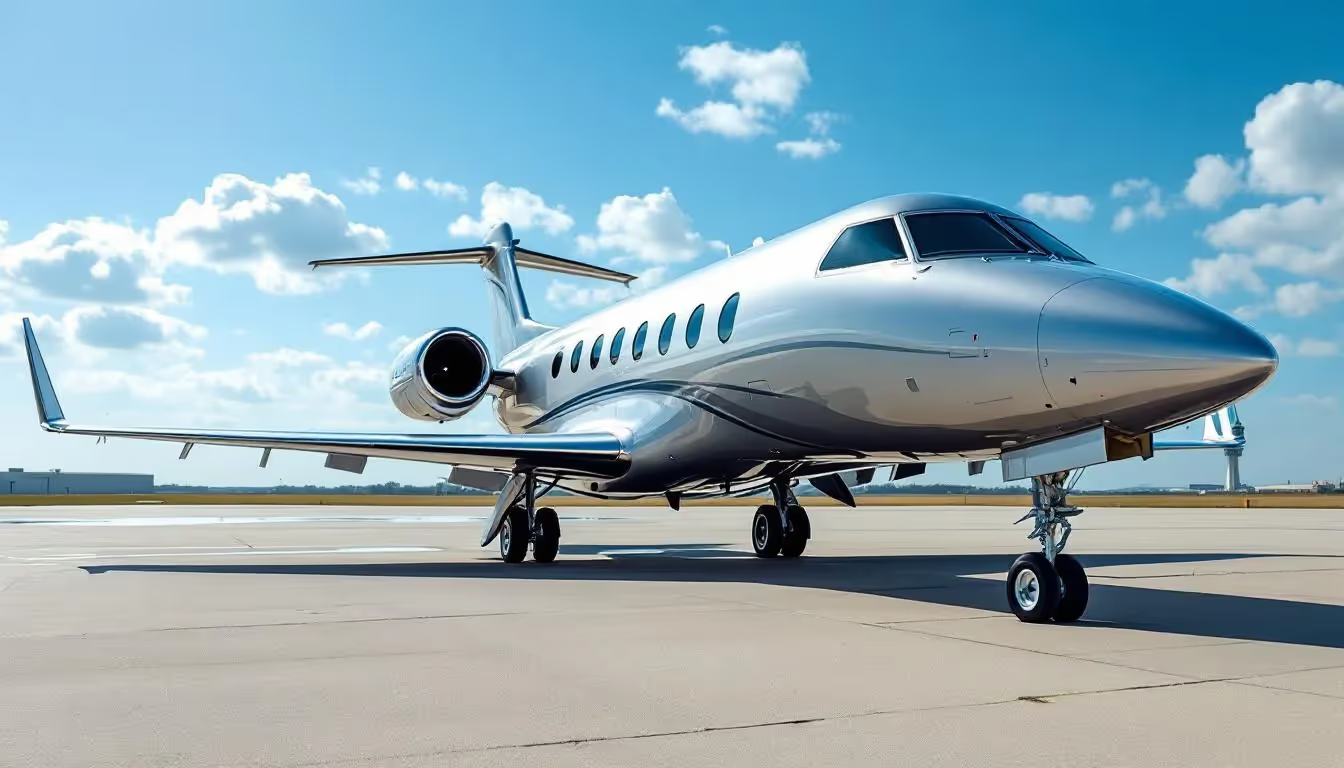
With over 22,000 business jets comprising the global fleet, private aviation has evolved into a sophisticated industry that revolutionizes how executives, entrepreneurs, and high-net-worth individuals travel. The first time business jets were introduced marked a significant milestone in aviation history, paving the way for the advanced and diverse fleet we see today. These specialized aircraft deliver unparalleled flexibility, privacy, and time efficiency that commercial airlines simply cannot match.
Whether you’re considering your first aircraft purchase, exploring fractional ownership, or seeking to understand the current market landscape, this comprehensive guide covers everything you need to know about business jets. From light jets starting at $3 million to ultra-long-range aircraft exceeding $90 million, we’ll explore the categories, costs, and ownership alternatives that define modern private aviation.
A business jet represents the pinnacle of private aviation, engineered specifically for transporting small groups of passengers in greater comfort, privacy, and speed than commercial airlines can provide. These twin-engine aircraft typically accommodate 4 to 19 passengers, though interior configuration options in executive airliners can exceed this range. Most production business jets use two jet engines for operating economy and safety, ensuring reliability even in the event of an engine failure. The engines used in these jets are critical for delivering the performance, range, and reliability that business aviation demands.
The evolution of business aviation began in 1954 with the Morane-Saulnier MS.760 Paris, followed by groundbreaking models like the Lockheed JetStar and Learjet 23. These early aircraft established the template for small, high-speed jets designed for executive use, setting the foundation for today’s sophisticated fleet.
Modern business jets offer compelling advantages over commercial aviation that justify their premium positioning. The flexibility to access thousands of smaller airports enables direct routing that saves valuable time, while customizable cabins provide confidential meeting spaces essential for sensitive business discussions. The ability to depart on your schedule, combined with rapid boarding and personalized service, transforms travel from a time-consuming necessity into a productive extension of the office.
These aircraft serve multiple purposes beyond executive transport, including medical evacuation, freight delivery, government missions, and special operations. Most business jets feature podded engines mounted on the rear fuselage, a design choice that minimizes interference drag and enhances exhaust clearance. The industry has steadily advanced cabin pressurization, avionics, amenities, and fuel efficiency to meet the demanding requirements of today’s global business environment.
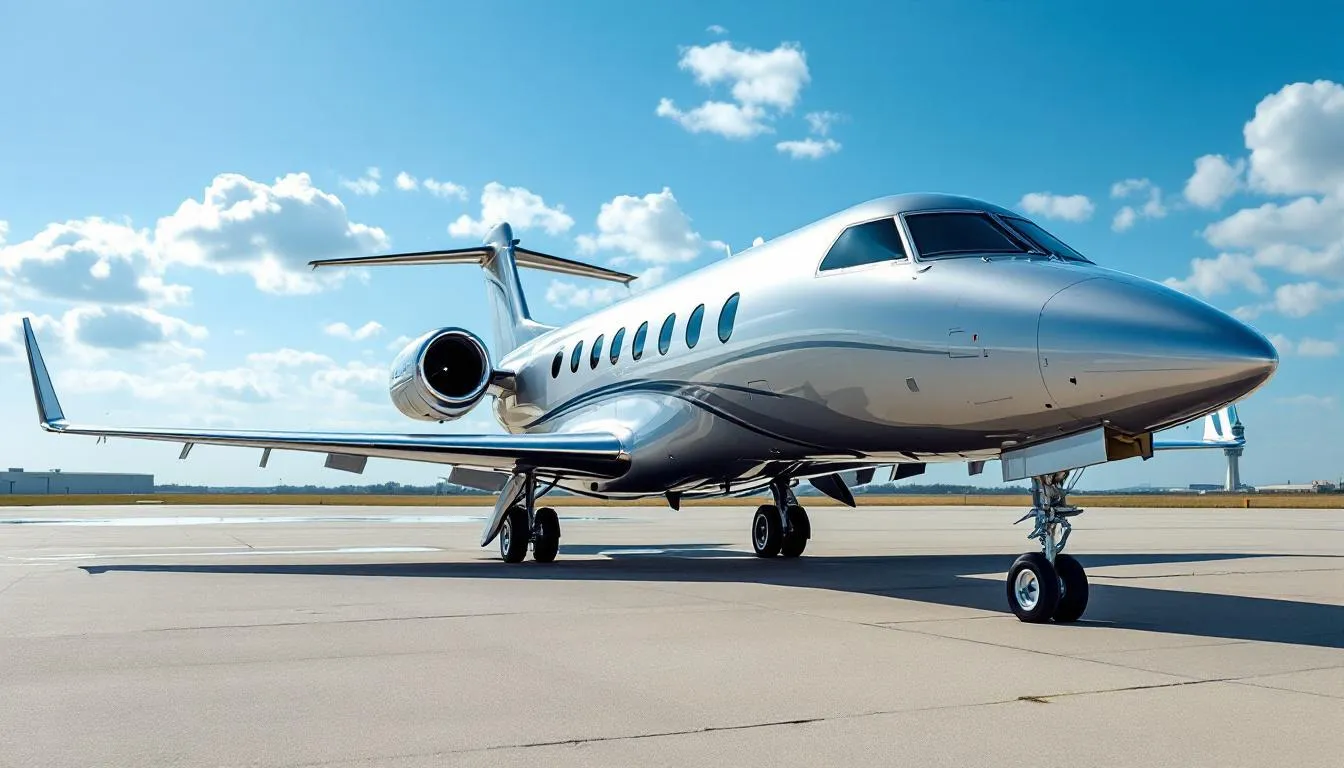
The private aviation market segments aircraft into distinct categories based on size, passenger capacity, range, and amenities. Understanding these classifications helps buyers identify the right aircraft for their specific mission requirements and budget constraints. Cessna jets are known for their straight wings, prioritizing docile low-speed handling and shorter runway usage. Swept wings, on the other hand, are often used in business jets to increase cruise speed, offering a balance between performance and efficiency. Most business jets use two jet engines as a compromise between operating economy and safety after an engine failure. Mid-size jets, including super mid-size jets, offer spacious cabins, typically seat 7-10 passengers, and provide impressive range—often suitable for transcontinental or even transatlantic flights—making them a versatile choice compared to smaller light jets or larger heavy jets.
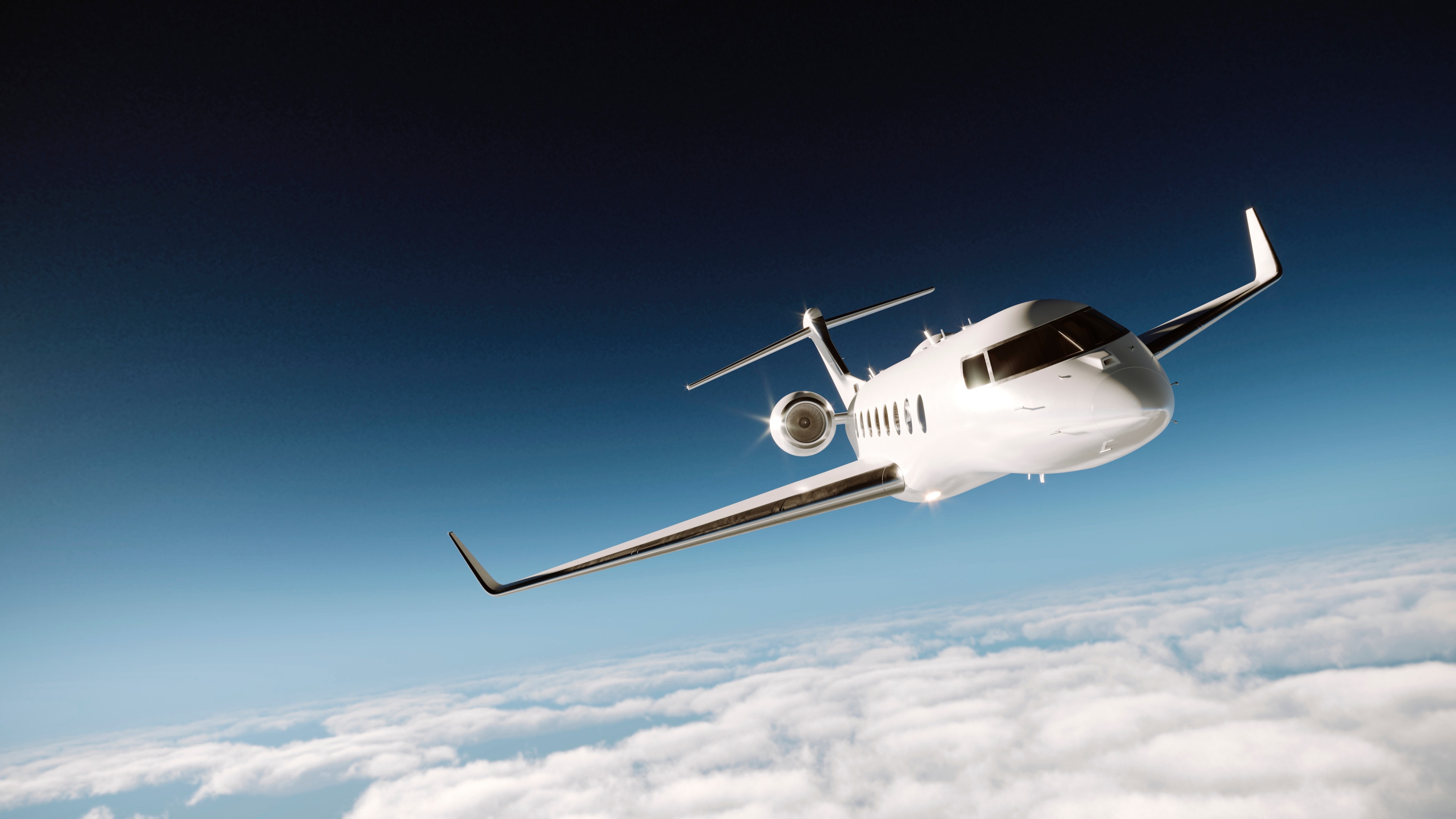
Light jets represent the entry point into business aviation, designed for short to medium-range flights with exceptional airport flexibility. Popular models include the Cessna Citation Mustang, Embraer ERJ 145, Embraer Phenom 100, Eurocopter EC30, and Eclipse 500, which typically seat 4 to 8 passengers and offer ranges of 1,200 to 1,950 nautical miles. Very light jets typically accommodate 6–8 passengers over a 1953 nautical mile average range. Purchase prices for new light jets range from $3 to $9.6 million, with operating costs generally running $2,500 to $3,500 per flight hour.
These aircraft excel in single-pilot operation capability, making them cost-effective for regional business travel. Their ability to access smaller airstrips with shorter runways provides unmatched flexibility for reaching destinations inaccessible to larger jets. The light jet category serves executives who primarily fly regional routes and value quick turnaround times. With minimal ground handling requirements and simplified logistics, these aircraft deliver maximum efficiency for short business hops while maintaining the privacy and scheduling flexibility that defines business aviation.

Midsize jets bridge the gap between light aircraft and large cabin jets, offering enhanced comfort and extended range capabilities. Representative models include the Cessna Citation XLS+, Hawker 900XP, and Bombardier Learjet 60XR, which typically accommodate 6 to 9 passengers over distances of 2,000 to 2,800 nautical miles. Midsize jets typically accommodate 9 passengers over a 2540 nautical mile average range. Pricing for midsize jets ranges from $10 to $20 million, with hourly operating costs between $3,500 and $4,500. These aircraft feature stand-up cabins that significantly improve passenger comfort during longer flights, along with enhanced amenities like full refreshment centers and more sophisticated entertainment systems.
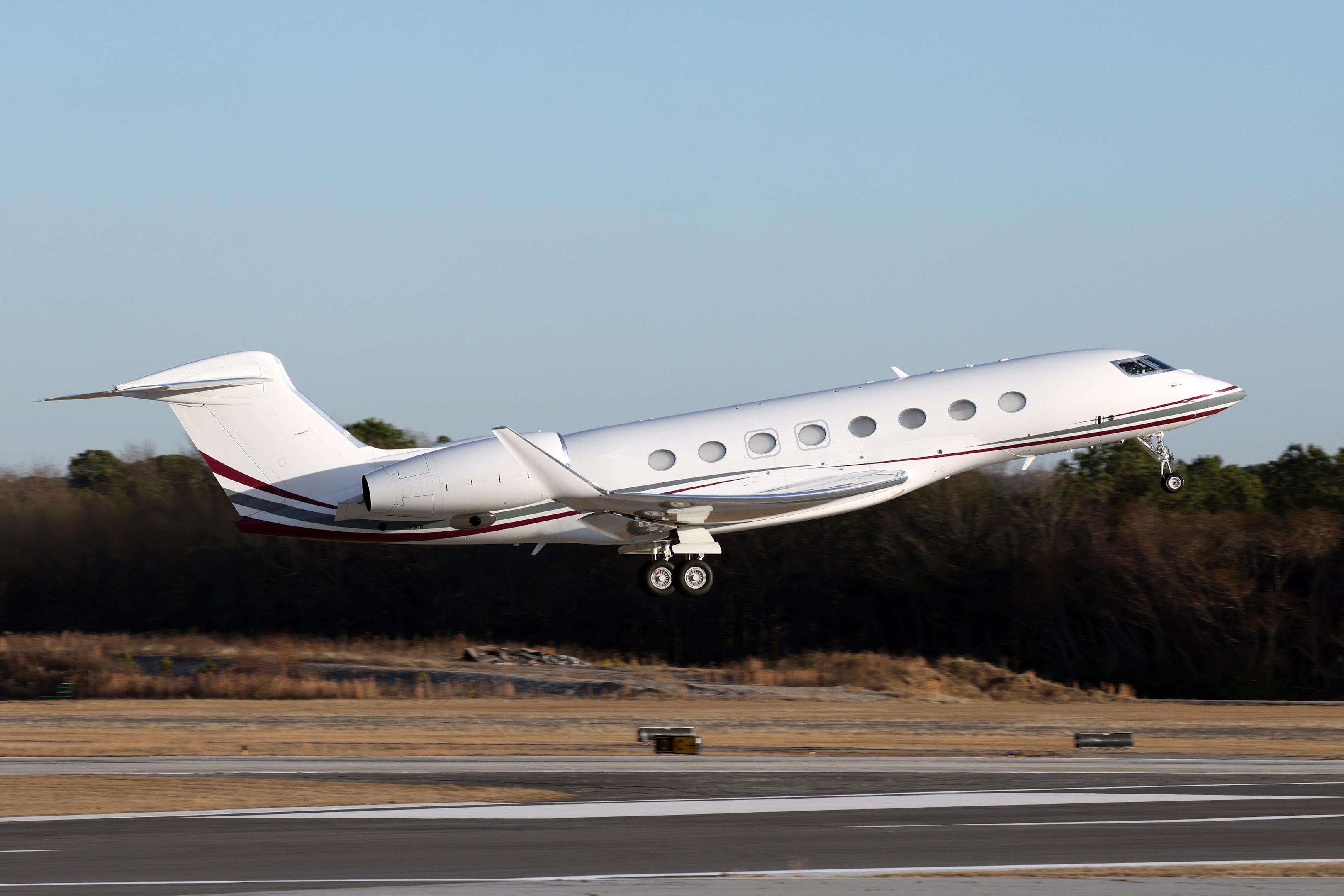
Super midsize jets deliver large-cabin comfort with transcontinental range, representing the sweet spot for many corporate flight departments. Leading examples include the Gulfstream G280, Dassault Falcon 2000S, and Bombardier Challenger 350, offering ranges of 3,400 to 4,000 nautical miles with seating for 8 to 12 passengers. Super mid-size jets typically accommodate 10–11 passengers over a 3420 nautical mile average range. These aircraft command prices between $15 million and $30 million, reflecting their advanced avionics and superior cabin features. The super midsize category enables true transcontinental flights across the United States or Europe to the Middle East, opening up significantly more destinations than smaller aircraft. Advanced connectivity, enhanced meeting spaces, and improved ride quality are key characteristics of this segment.
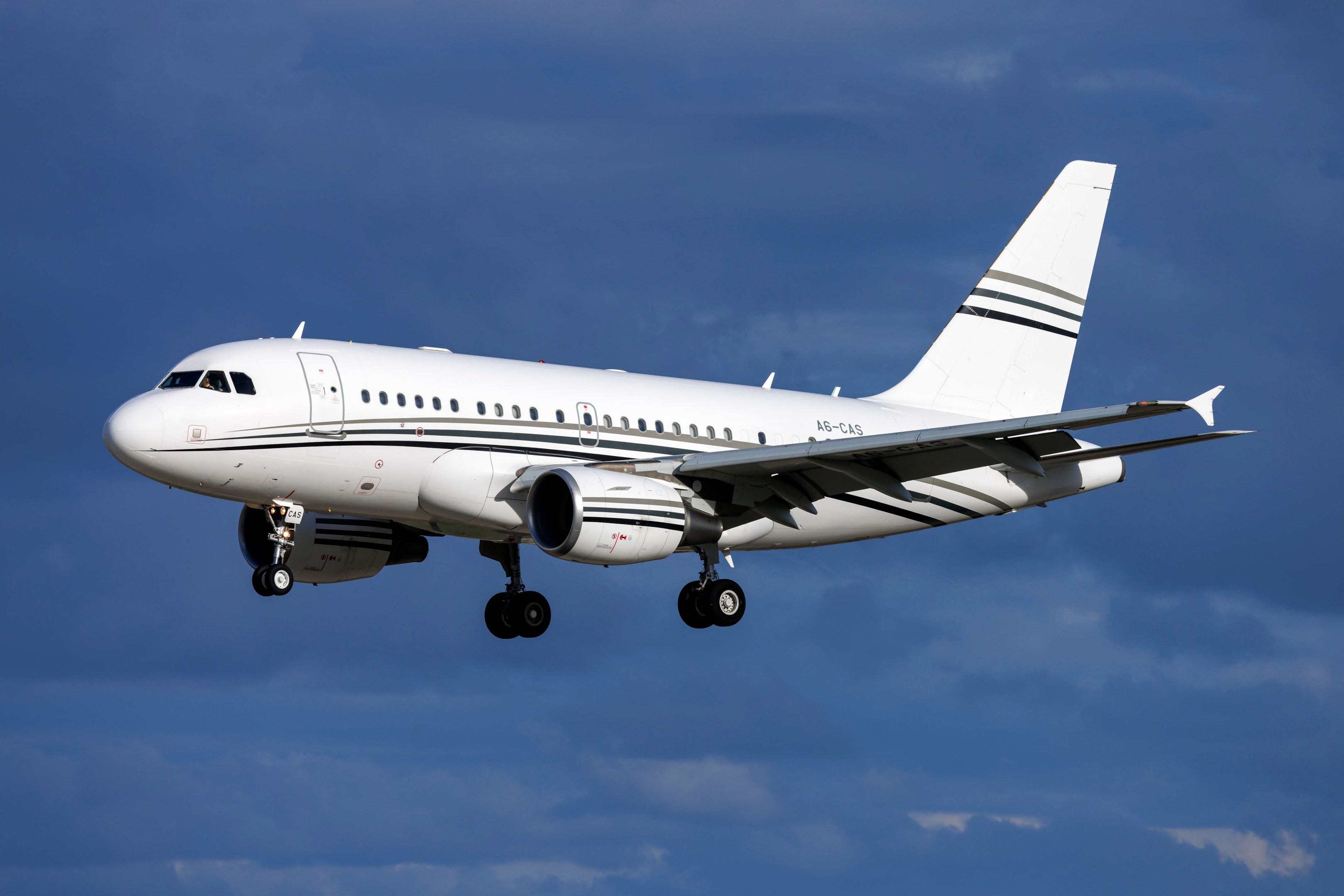
Large cabin jets represent the flagship category of business aviation, designed for intercontinental travel with uncompromising luxury. Flagship models include the Gulfstream G650ER, Bombardier Global 8000, Dassault Falcon 8X, and Boeing 777-200 LR, accommodating 12 to 19 passengers with ranges exceeding 6,000 to 8,000 nautical miles. Purchase prices range from $40 million to over $90 million, reflecting their sophisticated systems and premium appointments. These aircraft feature multiple living areas, private suites, full-size bathrooms, and state-of-the-art connectivity that enables productive work throughout transcontinental and transoceanic flights.

The business aviation industry is dominated by several manufacturers, each with distinct specialties and market positioning. Understanding their unique strengths helps buyers select aircraft that best match their operational requirements and service expectations. For example, leading manufacturers like Gulfstream, Bombardier, and Dassault have delivered thousands of business jets worldwide, marking significant delivery milestones that demonstrate their reliability and global reach.

Gulfstream Aerospace, a division of General Dynamics, maintains market leadership in large cabin and ultra-long-range segments. Their flagship models include the G450, G550, G650ER, G700, and forthcoming G800, each representing the pinnacle of business aviation technology and luxury.
Gulfstream jets distinguish themselves through exceptionally low cabin altitudes that reduce passenger fatigue on long flights, hushed operation, and advanced avionics, including the Symmetry Flight Deck. The G650ER, priced at $65 million and above, offers ranges exceeding 7,500 nautical miles with speeds approaching Mach 0.925. The Global 8000 is recognized for its ultra-low cabin altitude of 2,900 feet, which enhances passenger comfort.

Bombardier’s business aviation division produces the Global series (5000, 6000, 7500, 8000) and Challenger lineup (350, 650), focusing on speed, range, and innovative cabin design. The Global 8000, entering service in 2024, claims the title of world’s fastest civilian aircraft with speeds reaching Mach 0.94.
The Canadian manufacturer pioneered the four “living spaces” cabin concept, designing aircraft interiors around productivity, relaxation, dining, and sleeping zones. This approach maximizes the utility of long-range flights by creating dedicated areas for different activities throughout the journey.
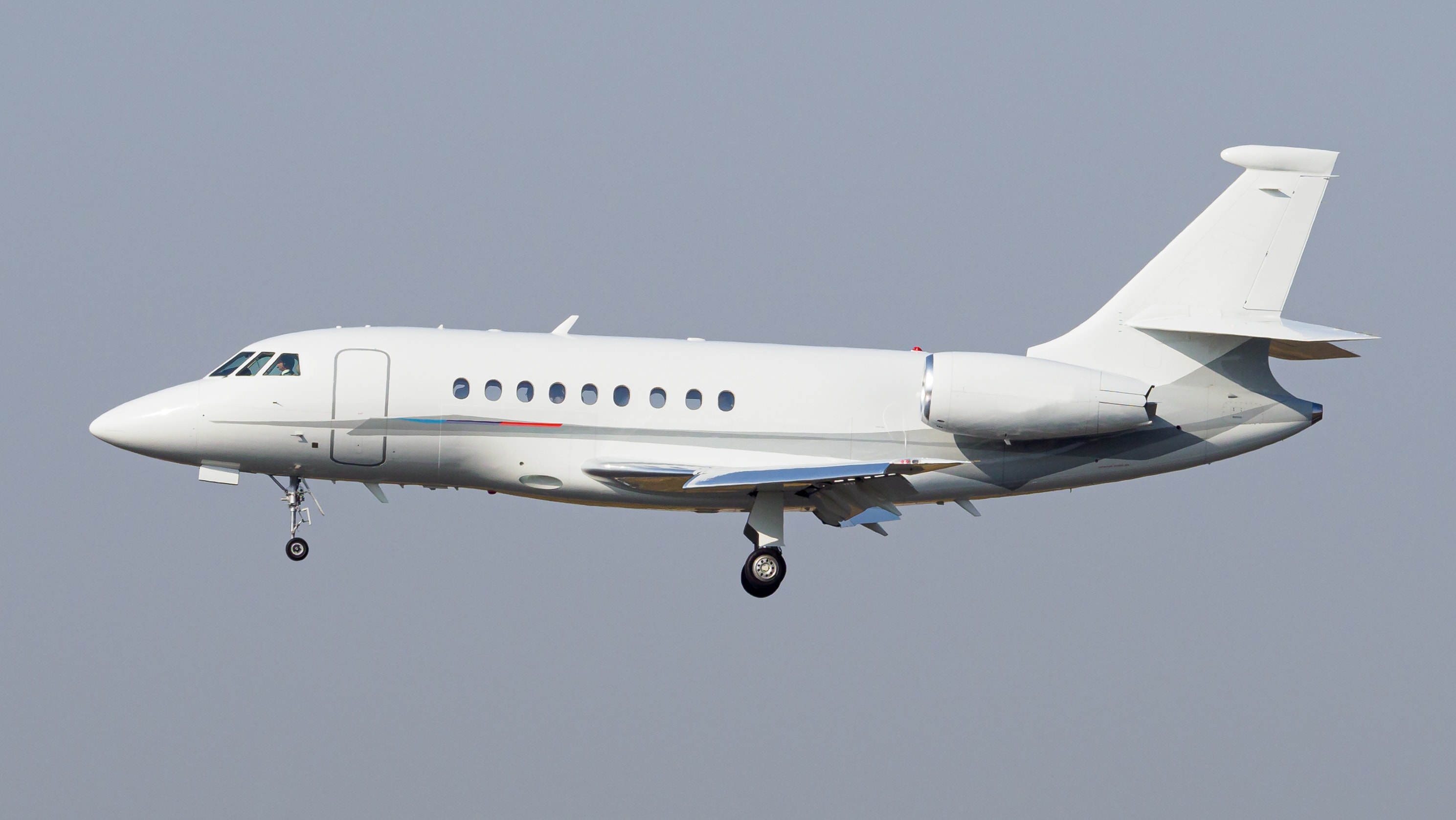
Dassault Aviation brings European engineering excellence and military aviation heritage to business jets through its Falcon series, including the 2000S, 900LX, 7X, and 8X models. The French manufacturer distinguishes itself with trijet configurations that provide superior safety margins and exceptional short runway performance. Dassault operates extensively in France, ensuring all aircraft meet both French and broader European regulatory compliance standards.
The Falcon 8X, priced around $58 million, demonstrates Dassault’s commitment to fuel efficiency and operational flexibility. Its ability to operate from runways shorter than 4,000 feet opens access to airports that larger jets cannot reach, providing unique operational advantages for certain missions.
Dassault’s EASy cockpit suite, based on Honeywell Primus technology, simplifies aircraft operation while enhancing safety through advanced automation. The company’s focus on aerodynamic efficiency results in industry-leading fuel economy and reduced environmental impact.

Cessna dominates the light and midsize segments through its comprehensive Citation family, ranging from the entry-level Mustang to the high-performance Citation X+. This broad portfolio addresses diverse market needs with aircraft priced from $5 million to over $25 million.
The Citation brand benefits from the industry’s most extensive maintenance and dealer network, ensuring support availability worldwide. Cessna’s ProLine avionics suite provides consistent cockpits across the Citation fleet, reducing training requirements for operators with multiple aircraft types.
Recent additions like the Citation Longitude ($29 million) and Citation Latitude demonstrate Cessna’s commitment to modern technology and passenger comfort. The Citation X+, before its discontinuation, held the title of fastest business jet in production, showcasing the manufacturer’s engineering capabilities across all performance categories.

Understanding the total cost of business jet ownership extends far beyond the initial purchase price. Prospective owners must carefully evaluate both fixed and variable expenses that can significantly impact the aircraft’s overall value proposition.
Different payment structures are available for business jet ownership and usage, including upfront payments for fractional shares, block time purchases, and subscription-based plans, each offering varying levels of flexibility and financial commitment. Fractional ownership arrangements allow the sharing of overhead costs like crew and maintenance, making it a cost-effective option for those who do not require full ownership.
New business jet prices span an enormous range, from approximately $3 million for entry-level very light jets to $90 million or higher for top-tier ultra-long-range aircraft. However, the pre-owned market offers substantial savings, with 85% of jet owners choosing to purchase used aircraft at roughly 40% to 60% of new list prices for 5 to 10-year-old aircraft. Depreciation represents a significant ownership cost, particularly for new aircraft. Business jets have varying value retention based on the make and model, with some models maintaining higher resale values due to their performance, reliability, and market demand.
New jets typically depreciate 7% to 10% annually during their first five years, then stabilize at lower rates. A new business aircraft typically depreciates by 50% in five years. Financing through specialized lenders often features terms of 5 to 12 years with balloon payments, requiring careful cash flow planning. Resale values fluctuate based on global economic cycles, technological obsolescence, and aircraft condition. Well-maintained aircraft with modern avionics and updated interiors retain value better than those requiring significant upgrades to meet current operational standards.
Operating a business jet involves substantial annual expenses divided between fixed costs (crew salaries, hangar rent, insurance, training) and variable costs (fuel, maintenance, catering, landing fees). Equipment, such as avionics, cabin systems, and safety features, can significantly impact maintenance requirements, upgrade expenses, and overall operating costs. A Gulfstream G450, operating approximately 423 flight hours annually, incurs over $4 million in total operating costs.
The G450’s cost breakdown illustrates typical large jet expenses: crew salaries exceed $400,000 annually, insurance costs $47,000, hangar fees $81,000 (potentially $160,000 at major airports like LAX), and engine/APU programs $250,000. Maintenance reserves add another $300,000, while variable hourly costs range from $3,600 to $4,500 per flight hour. Light jets operate more economically, with total annual costs around $1.2 million and hourly variable costs between $2,500 and $3,500. However, even light jet ownership represents a significant financial commitment that requires careful analysis of utilization patterns and total cost of ownership.
Hull insurance for business jets averages $34,520 annually for mid-to-large aircraft, while liability coverage typically costs $12,500 per year. Insurance rates vary based on aircraft value, pilot experience, operational areas, and claims history. Insurance rates can increase based on average flight hours and the age of the aircraft. Hangar costs fluctuate dramatically by location and facility quality. Basic hangar space at smaller airports may cost $81,000 annually, while premium facilities at major metropolitan airports like LAX can exceed $160,000.
Parking at a large international airport can cost up to $160,000 a year. Hangar storage provides essential weather protection, security, and regulatory compliance benefits that justify the expense for most operators. Some owners consider tie-down parking to reduce costs, but exposure to weather and security concerns typically outweigh the savings. Indoor storage also facilitates maintenance access and preserves aircraft appearance, supporting higher resale values.
Business jets require strict adherence to inspection and maintenance schedules mandated by manufacturers and regulatory authorities. Engine and APU programs provide predictable budgeting for major overhauls, typically costing $250,000 to $500,000 annually, depending on aircraft size and utilization. Flight departments handle all aspects of aircraft operation and maintenance for corporations, ensuring compliance with evolving regulations and operational efficiency. Charter operators handle all aspects of aircraft operation and maintenance for multiple clients, ensuring compliance with evolving regulations and operational efficiency. Aircraft charter brokers require no economic authority and are largely unregulated, which can present challenges in ensuring consistent service quality and accountability. Compliance with evolving regulations demands ongoing investments in avionics upgrades.
Recent mandates like ADS-B Out for global surveillance and FANS 1/A for oceanic data link communications require substantial expenditures. Modern connectivity and cabin technology upgrades can cost $100,000 to $500,000 annually to maintain competitive standards. Proactive maintenance management through qualified service providers helps control costs while ensuring optimal aircraft availability. Many operators budget 10% to 15% of aircraft value annually for maintenance and upgrades to maintain airworthiness and market competitiveness. Charter operators manage aircraft for private owners or corporations, also providing sales of flight time.

Modern business jets incorporate cutting-edge technology that enhances safety, efficiency, and passenger experience. These advances represent significant value propositions that justify premium pricing and operating costs.
Contemporary business jets feature sophisticated avionics suites including Honeywell Primus Epic, Garmin G5000, and proprietary systems like Gulfstream’s Symmetry Flight Deck. These integrated systems provide synthetic vision, enhanced flight vision systems for poor weather operations, and advanced weather radar for storm avoidance. Traffic Collision Avoidance Systems (TCAS) and ADS-B Out compliance ensure safe separation from other aircraft while meeting global surveillance requirements. Fly-by-wire controls, increasingly common in large jets, replace mechanical linkages with digital systems that enhance safety through envelope protection and improved efficiency.
Adhering to operating rules is essential for aircraft certification, operational safety, and regulatory compliance, ensuring that these advanced safety systems are used effectively and legally. Modern avionics reduce pilot workload while increasing operational capabilities. Datalink communications enable oceanic operations, while advanced approach capabilities allow operations into airports with challenging weather conditions that might otherwise delay commercial flights.
Business jet cabins now feature Ka-band satellite internet, providing ground-level connectivity speeds that enable seamless video conferencing, streaming entertainment, and real-time business communications. High-definition 4K entertainment systems, wireless device charging, and app-based cabin controls create smartphone-like user experiences.
Advanced cabin management systems control lighting, temperature, window shades, and entertainment through intuitive interfaces. Some aircraft feature circadian lighting systems that adjust color temperature throughout flights to reduce fatigue and jet lag effects. Secure Wi-Fi networks enable confidential business communications, while global phone service maintains connectivity worldwide.

The global business aviation market reflects economic prosperity and infrastructure development patterns worldwide, with distinct regional characteristics that influence aircraft selection and operational procedures. The global supply and demand for private jets are shaped by factors such as market size, efficiency, and luxury features, making private jets a key component of the business aviation sector. As of July 2024, there are 24,270 private jets in operation worldwide, highlighting the significant scale and reach of this industry.
The global business jet fleet exceeds 24,270 aircraft as of July 2024, with annual deliveries typically ranging from 700 to 800 new jets depending on economic conditions.On April 1, 2017, the global fleet comprised approximately 22,368 business jets, with 11.2% of these available for sale. As of March 31, 2019, there were 22,125 business jets available globally, with the top 20 countries accounting for 89% of the fleet by October 2018. The market is heavily concentrated in North America, which accounts for approximately 70% of the global fleet, followed by Europe at 20%, and emerging markets comprising the remainder. Approximately 63% of the world's private jets are registered in the United States.
Economic cycles significantly impact new aircraft demand, with periods of growth following corporate profit expansion and infrastructure development. In 2015, the total billing for new aircraft amounted to $21.9 billion, with 718 business jets delivered worldwide. In 2017, 676 business jets were shipped, led by Gulfstream. In 2022, 712 business jets were shipped, predominantly led by Gulfstream. Technological breakthroughs and regulatory changes also influence replacement cycles as operators upgrade to more capable aircraft. The pre-owned market remains robust, with established platforms facilitating transactions worldwide. The current inventory comprises over 590 aircraft for sale globally, with popular models such as the Dassault Falcon 900EX, Bombardier Challenger 604, and Gulfstream G450, representing significant resale activity.
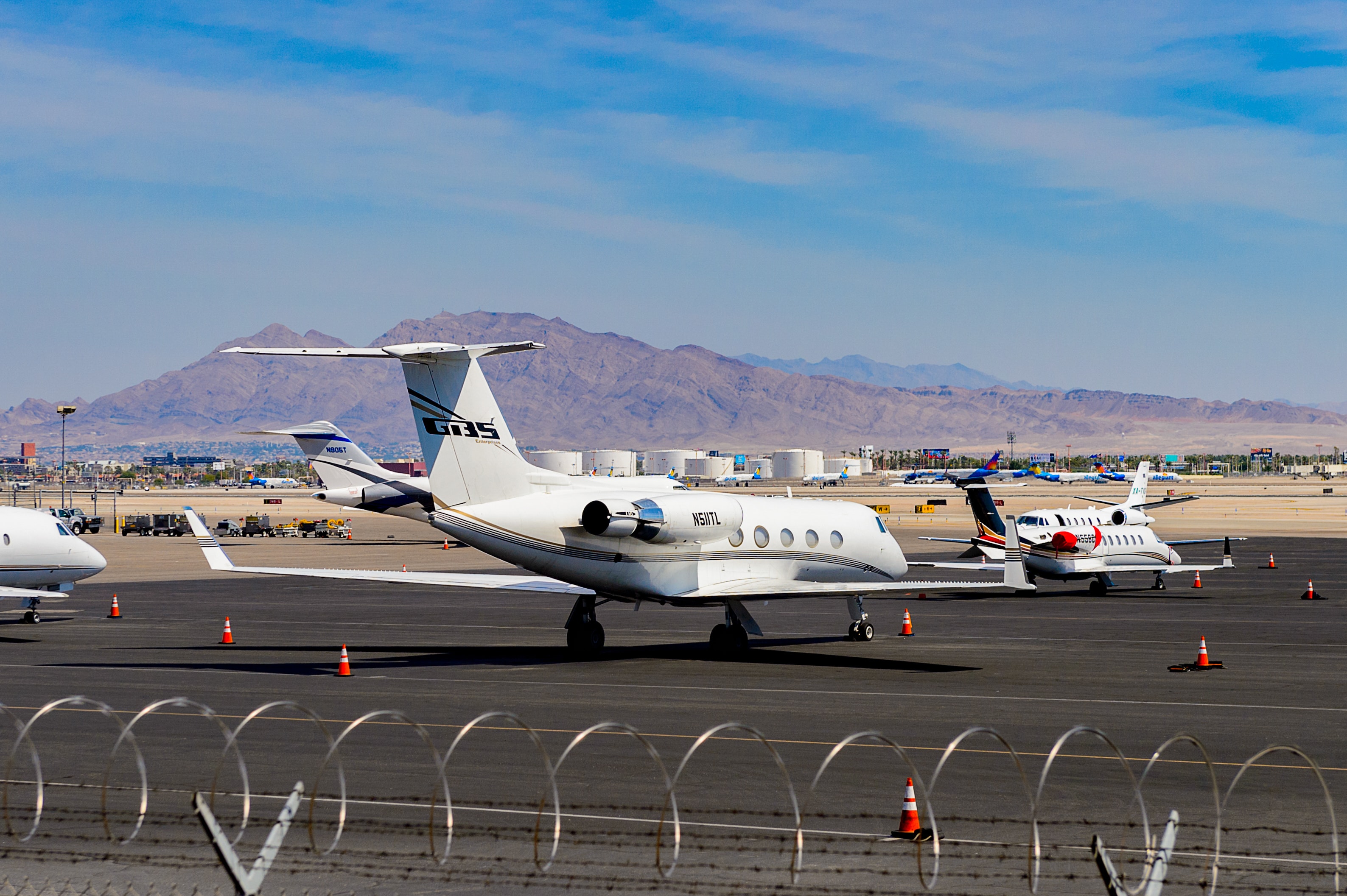
Business aviation faces increasing scrutiny regarding environmental impact, driving industry initiatives toward sustainability and technological innovation. The industry's commitment is evident in some of the world's leading sustainability initiatives and record-breaking efforts to reduce the environmental footprint of business aviation.
Business jets emit disproportionately higher CO₂ per passenger compared to commercial airlines, with frequent users averaging 350,000 kilometers annually, generating substantial emissions. While representing less than 0.1% of total flights, jets can emit up to 20 times more CO₂ per passenger-mile than commercial airliners. Public tracking efforts, notably by activists like Jack Sweeney, expose individual usage patterns and contribute to reputational risks for high-profile users. Media attention on the private jet usage of celebrities and VIPs intensifies pressure for more sustainable practices. The industry acknowledges these concerns and is increasingly factoring environmental impact into operational decisions. Route optimization, weight reduction, and efficient flight planning help minimize fuel consumption and emissions.
The European Commission has targeted a 55% reduction in emissions by 2030, with the inclusion of business aviation in the European Emissions Trading System (ETS) expected to increase operational costs and regulatory compliance requirements. These initiatives drive technological development and operational efficiency improvements. Sustainable Aviation Fuel (SAF) adoption accelerates despite limited global supply and higher costs.
Major manufacturers, including Gulfstream, Bombardier, and Dassault Aviation, have pledged to achieve carbon neutrality by 2050, supporting both technological advancements and operational efficiency programs. Investment in electric and hybrid propulsion research aims to reduce emissions for short-range flights.

Successful business jet acquisition requires a careful analysis of mission requirements, financial capacity, and operational preferences to select an aircraft that delivers optimal value. Working with a dedicated team of professionals ensures expert support throughout the acquisition process, providing personalized attention and reliable guidance.
Prospective buyers should analyze annual usage patterns, as typical owners fly 150 to 200 hours per year. Lower utilization may favor charter or fractional alternatives, while higher usage justifies ownership economics. Most owners switch jets every four to five years, driven by the desire for the latest technology, improved performance, and enhanced amenities. Aircraft replacement cycles average 4 to 5 years for active owners seeking the latest technology and amenities. Pre-purchase inspections (PPIs) cost $30,000 to $60,000, depending on the aircraft's age and complexity, but represent essential protection against unforeseen maintenance expenses.
Qualified inspection facilities can identify potential issues that might cost hundreds of thousands to address after purchase. Selecting the right partner—whether an individual, corporation, or service provider—can guide buyers through the acquisition and ownership process, ensuring expert support and peace of mind. Tax implications vary significantly by jurisdiction and usage patterns. U.S. bonus depreciation allows for accelerated write-offs for qualifying business use, whereas European VAT considerations impact acquisition costs. Professional tax advice ensures optimal ownership structure and compliance.
Online platforms like AvBuyer facilitate aircraft searches with detailed specifications and pricing information. Popular resale models include proven designs with established support networks and reasonable operating costs. The geographic distribution shows that approximately 60% to 70% of the available inventory is located in the United States, reflecting market concentration patterns. Pricing trends respond to economic cycles, with seller's markets emerging during periods of strong growth and buyer advantages during economic uncertainty.

Business aviation offers a suite of benefits that distinguish it from commercial airlines, making it an indispensable asset for companies and individuals who value time, privacy, and efficiency. With business jets, passengers enjoy the flexibility to travel according to their schedules, bypassing the rigid timetables and delays often associated with commercial flights. This ability to depart and arrive on demand translates into significant time savings and increased productivity, as travelers can maximize their working hours and minimize downtime. Business jets provide access to about 10 times more airports than commercial airlines in the United States. Deliveries of business jets are forecasted to reach 8,683 units over the next decade, reflecting sustained demand for private aviation.
The secure and private environment of business jets allows for confidential meetings, sensitive discussions, and uninterrupted work, all while in transit. This level of discretion is especially valuable for executives and teams handling sensitive or proprietary information, or negotiating critical deals. Additionally, business aviation provides unparalleled access to thousands of airports, including those in remote locations or smaller cities that commercial airlines do not serve. This expanded access opens up new markets and opportunities, enabling businesses to reach clients and partners wherever they are.
Studies have shown that companies utilizing business aviation experience 219% higher earnings growth compared to those that do not, underscoring the tangible impact of private aviation on business success. Business aviation users also outperform non-users by 23% in revenue growth.
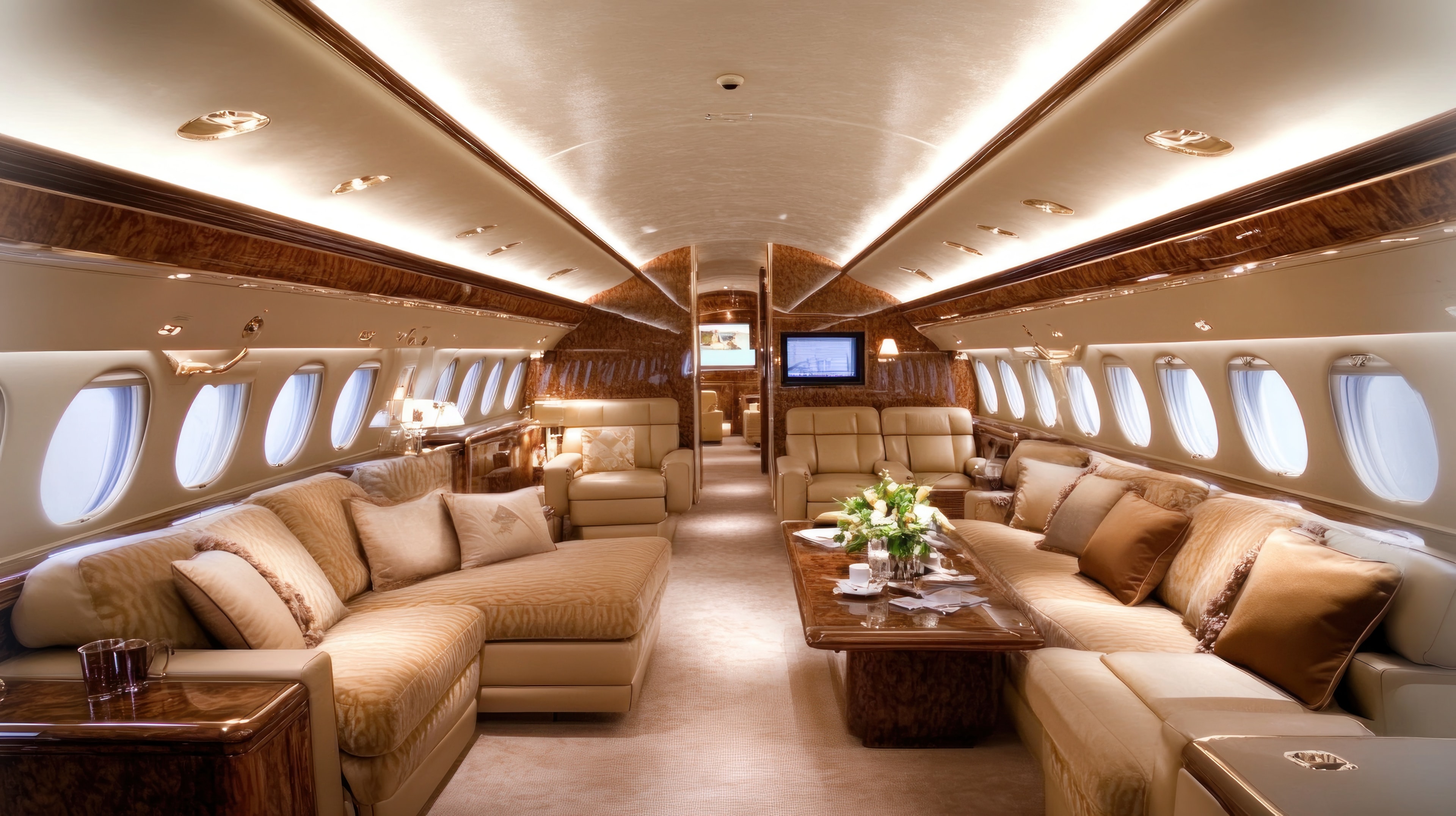
The interior design of business jets is a defining feature that elevates the private aviation experience, offering a level of personalization and luxury unmatched by commercial travel. Leading manufacturers such as Gulfstream and Dassault Aviation provide extensive customization options, allowing owners to tailor every aspect of their aircraft to their unique preferences and operational needs.
From the selection of premium materials—such as hand-stitched leather seats, bespoke wood veneers, and designer fabrics—to the integration of advanced entertainment and communication systems, the possibilities for customization are virtually limitless. Cabin layouts can be configured to accommodate varying numbers of passengers, with options for private suites, conference areas, lounges, and even dedicated spaces for rest and entertainment. This flexibility ensures that each business jet is not only a reflection of its owner’s style but also optimized for the specific missions it will undertake.
Owners can choose from a range of lighting schemes, window treatments, and even custom paint finishes to create a distinctive atmosphere on board. The attention to detail extends to ergonomic seating, noise insulation, and climate control, all designed to enhance comfort during both short hops and long-range flights.

The in-flight experience aboard business jets has evolved to prioritize passenger wellness, comfort, and connectivity, making every journey as enjoyable and productive as possible. Modern business aviation places a strong emphasis on creating a healthy cabin environment, with many jets equipped with advanced air filtration systems that continuously refresh and purify the air, reducing fatigue and promoting alertness throughout the flight.
Noise-reduction technologies are standard in large cabin and super midsize jets, such as the Gulfstream G650ER and Dassault Falcon 8X, ensuring a tranquil atmosphere that allows passengers to work, rest, or converse without distraction. Spacious cabins provide ample room to move about, stretch, and even exercise, which is especially important on long-haul flights to minimize health risks like deep vein thrombosis.
State-of-the-art avionics, including weather radar and ADS-B systems, contribute to a smoother and safer flight by enabling pilots to navigate around adverse weather and maintain optimal situational awareness. High-speed internet connectivity and advanced cabin management systems keep passengers connected to the ground, allowing for seamless communication, video conferencing, and access to real-time information. Whether flying for business or leisure, the in-flight experience on today’s business jets is designed to support both productivity and well-being, ensuring passengers arrive at their destination refreshed and ready for what lies ahead.

Business aviation’s global reach is one of its most compelling advantages, enabling passengers to access a vast array of destinations across every continent. With the ability to fly non-stop between major business hubs—such as New York to Dubai or London to Singapore—modern business jets like the Gulfstream G700 and Dassault Falcon 6X have redefined what is possible in terms of range and connectivity. This worldwide capability extends far beyond major cities. Business jets can land at thousands of airports in Europe, Asia, the Middle East, and South America, including remote or underserved locations that are inaccessible to commercial airlines. This flexibility is invaluable for companies operating in emerging markets, conducting site visits, or responding to urgent opportunities in distant regions.
The ongoing development of new aircraft and support infrastructure ensures that business aviation continues to expand its global footprint. Manufacturers and operators provide comprehensive support networks, offering maintenance, ground handling, and concierge services wherever their clients need to fly. Business Jet provides 24/7 service and support for all stages of aviation journeys. As the industry evolves, business aviation remains at the forefront of delivering productivity, convenience, and access to the world’s most important—and often most challenging—destinations. For businesses and individuals seeking to maintain a global presence, the benefits of business jets are clear: unmatched flexibility, efficiency, and the power to connect with partners and opportunities anywhere in the world.

Technological innovation and shifting market dynamics are reshaping the future of business aviation, creating both opportunities and challenges for manufacturers and operators.
Electric and hybrid propulsion development aims to revolutionize short-range business aviation, with prototypes like the Eviation Alice demonstrating zero-emission flight capabilities. However, current battery technology limitations restrict the range and payload for long-haul missions. The development of supersonic business jets by companies like Boom, Aerion, and Spike promises to revive supersonic civilian flight. Still, regulatory barriers related to overland sonic booms and environmental concerns remain significant obstacles. Autonomous flight technology progresses through reduced-crew and fully autonomous research programs, but regulatory acceptance and public confidence present substantial challenges. Urban air mobility and electric vertical takeoff and landing (eVTOL) aircraft may redefine short-range transportation in metropolitan areas.
New user segments, including technology entrepreneurs and cryptocurrency wealth, drive fresh demand patterns, often favoring different aircraft categories and mission profiles than traditional corporate users. Digital platforms streamline aircraft booking, maintenance tracking, and transparent pricing. Sustainability requirements are increasingly influencing aircraft design through the use of advanced materials, improved efficiency, and compatibility with sustainable aviation fuel. Regulatory evolution and industry best practices drive operational improvements that reduce environmental impact while maintaining operational flexibility. Post-COVID travel preferences emphasize health considerations, direct point-to-point routing, and private terminals that business aviation naturally provides. These trends may sustain demand growth beyond traditional economic drivers as travelers prioritize safety and efficiency.
As the business aviation landscape continues to evolve, Jettly stands at the forefront of this transformation by offering innovative, user-friendly solutions that connect travelers with the best private aviation options worldwide. With a commitment to seamless service, transparency, and personalized support, Jettly empowers clients to navigate the complexities of private jet ownership, chartering, and management with confidence. By embracing cutting-edge technology and a customer-centric approach, Jettly ensures that the future of business aviation remains accessible, efficient, and tailored to the needs of a new generation of travelers.
Share this post:
Jay Franco Serevilla
Aug 21, 2025
|
5
min read
Discover tips and trends in the industry.
5
min read
When Are Flight Tickets Cheapest? Timing, Trends, and Smart Alternatives
Knowing when flight tickets are cheapest can lead to significant savings. This guide explores optimal booking windows, travel days, and strategies for both commercial and private flights, emphasizing the importance of tracking prices and flexibility in travel plans.
Read More
5
min read
How to Get Lower Ticket Prices on Private Jet Flights with Jettly
Discover how to lower ticket prices on private jet flights with Jettly's expert strategies. By understanding pricing dynamics and utilizing tools like empty leg flights and flexible bookings, travelers can secure significant savings. This guide empowers both frequent and first-time flyers to make informed decisions for a cost-effective private jet experience.
Read MoreStay updated with our latest insights and tips to elevate your journey with us.
MEMBERSHIPS AND ASSOCIATIONS



Disclaimer: Jettly operates as a charter broker, offering access to a global digital jet charter marketplace. Jettly is not a direct air carrier and does not own or operate aircraft. All advertised flights are conducted by third-party air carriers that are fully licensed and hold the appropriate Part 135 or Part 121 certifications issued by the Federal Aviation Administration (FAA) or equivalent regulatory authorities under U.S. or foreign law. Jettly complies fully with the U.S. Department of Transportation's Part 295 and Part 298 Charter Broker regulations. Jettly does not carry additional liability insurance. Passengers are covered by aircraft operator insurance. TICO: 50023770


