


Login
Get Instant Pricing On 23,000+ Aircraft

>
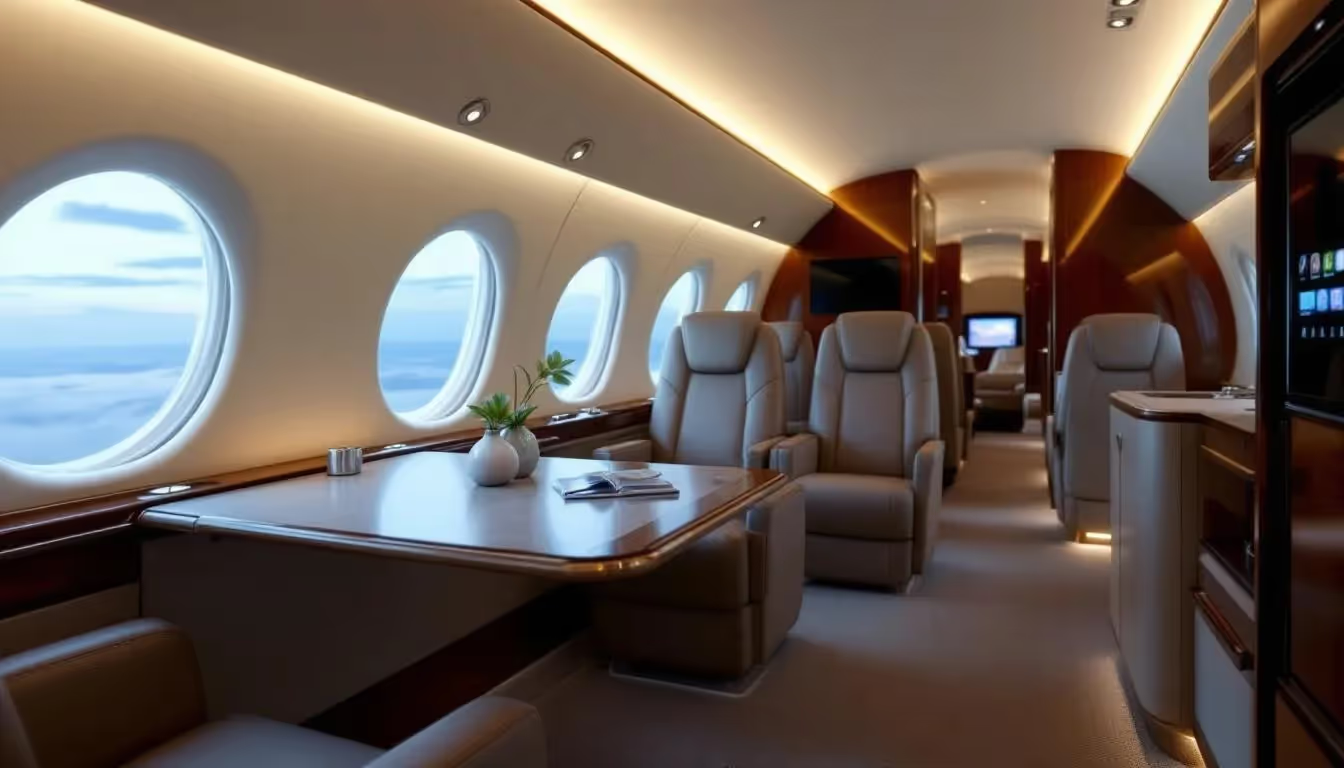
For families seeking more flexibility, comfort, and freedom in their travel plans, owning or chartering a small aircraft can be a transformative experience. Airplanes designed for family travel provide a practical alternative to commercial flying, allowing you to enjoy the benefits of your own plane, such as personalized schedules, privacy, and the ability to avoid airport hassles.
Choosing the best plane for a family of 4 often means looking for airplanes with four seats, which are ideal for small families and offer a balance of affordability and efficiency. A personal aircraft with four seats is usually enough for two adults and two kids. Most small planes for family flying in the under $100K range cruise around 110–140 knots and offer a range of about 500–700 miles. Expect to learn about the most important features, costs, and ownership considerations as you explore which aircraft best fits your needs. For families considering commercial travel, JetBlue offers complimentary seat selection for most fare types and guarantees seating for children under 13 with an adult on the same reservation, ensuring a stress-free experience. Additionally, JetBlue Airways is recognized for its variety of kid-friendly in-flight entertainment, making it a popular choice for families.
In this guide, we’ll review top family-friendly aircraft, break down key features to look for, and offer real-world considerations for making family aviation safe and enjoyable. The Cessna 172 is often considered one of the safest and most popular family-friendly planes on the used market, making it a great starting point for families exploring aviation.
When selecting an aircraft for your family, here are the top features to focus on:
Family aircraft are often chosen based on the specific missions they need to accomplish, such as family vacations, backcountry adventures, or lifestyle-oriented travel. While many planes offer some of the desired qualities, only a handful of models truly balance size, speed, range, and efficiency to meet all the key requirements for family use. For families flying commercially, wide-body aircraft with a 2-4-2 layout are ideal, as they allow booking a block of two window seats across from another pair, providing convenience and comfort.
Space is non-negotiable when flying with multiple passengers. Look for aircraft with a roomy cabin and comfortable seating for at least four adults. Many top-rated planes offer club seating, where passengers face each other, making it easier for families to interact during flights. Cabin space, ventilation, seat quality, and noise levels also play a crucial role in ensuring family comfort during flights. For commercial flights, bulkhead seating provides extra legroom for kids and often accommodates bassinets for infants, making it a preferred choice for families with young children.
When sitting on the ramp, these aircraft often display a spacious and inviting stance, highlighting their visual appeal and the comfort they offer inside.
From luggage to strollers and gear for family activities, having sufficient cargo space is critical. Aircraft with dedicated baggage compartments or rear seating that folds down will offer more flexibility.
Small touches like air conditioning, adjustable seats, and cabin soundproofing go a long way in making the flight more enjoyable, especially on longer trips or in varying weather conditions.
For families flying into different terrain (think short runways or mountainous regions), performance matters. Look for aircraft with impressive performance in terms of speed, range, and handling to ensure a faster and more comfortable flying experience. Features like retractable landing gear can improve speed and fuel efficiency, while a solid climb rate ensures safety in diverse flying environments. The Embraer Phenom 100 is another light jet that offers a comfortable and efficient private travel experience for small groups.
Fuel costs add up quickly. Some aircraft are known for better fuel burn rates, giving you more miles per gallon and reducing the cost per hour of operation.

Here are several airplanes that consistently rank high among families for comfort, utility, and reliability. When considering a family airplane, the purchase price is a key factor, as buyers want the best value for their money. Some models offer similar features and performance for half the price of others, making them especially attractive. The Beechcraft A36 Bonanza offers significant cabin space and a good payload for up to six passengers, making it a versatile option for larger families or those needing extra capacity.
The Cherokee Six is a favorite for larger families thanks to its wide cabin and ability to carry up to six passengers. It is also often flown by multiple partners, making it a popular choice for shared ownership among families. While it may be more plane than a family of four technically needs, the extra space is ideal for gear, pets, or guests. The Piper PA-32 Cherokee Six can carry six people plus luggage comfortably without breaking your budget. Similarly, the Cirrus SR22 features a comfortable cabin with ample legroom for both passengers and pilot, making it suitable for longer flights.
Arguably the most popular family plane in the U.S., the Cessna 182 offers a blend of performance, ease of use, and reliability. Many families and pilots have flown the Cessna 182 on family trips, praising its reliability and comfort. With a top speed near 145 knots and generous cargo capacity, it’s ideal for both short and long trips. The Cessna 182 Skylane has a stronger engine that allows it to climb better and handle heavier loads with comfort.
Known for its smooth handling and stylish cabin, the Rockwell Commander 114 has gained a loyal following among family flyers. Its interior feels roomier than many competitors, and the low-wing design improves visibility.
A workhorse of general aviation, the Piper PA-32 offers strong load capacity and solid performance. Some PA-32 variants feature retractable gear, which provides improved speed and aerodynamic efficiency compared to fixed gear models. It’s a bit larger than some might need for a family of 4 but provides flexibility for future needs.
The Bonanza line has stood the test of time. Known for its speed and luxury feel (without tipping into “cliché luxury”), it’s a solid pick for families looking for a refined, reliable aircraft. The Bonanza is also well-suited for covering long distances efficiently and comfortably, making it ideal for cross-country travel. Similarly, the Mooney M20 series is designed for cross-country travel, allowing you to cover long distances in less time while burning less fuel.
When it comes to balancing comfort with flight capabilities, here are key features to prioritize:
Club seating for better interaction
Low cabin noise for a relaxed experience
Modern avionics to support safe navigation
Stable cruise speeds (130–160 knots is ideal for most family use)
Useful load of at least 1,000 pounds for passengers and baggage
Models like the Cessna 182 and Cherokee Six strike an ideal balance here, offering good range, enough room for four (or more), and the dependability needed for safe family flights.
Just like a car, owning a family plane involves routine maintenance. Key areas to focus on include:
Annual inspections per FAA guidelines
Oil changes and fluid checks
Avionics system updates
Propeller and tire maintenance
Flight log reviews
Families should expect to spend about $2,000 to $5,000+ annually on maintenance and upkeep, depending on the aircraft. Budgeting for ongoing upkeep ensures your plane stays airworthy and safe for every trip.
Regular inspection and timely repair are the backbone of safe and enjoyable family flying. Before every family vacation or cross-country adventure, it’s essential to give your family plane a thorough check-up. This means examining the engine, propeller, landing gear, and control surfaces for any signs of wear, damage, or malfunction. Don’t overlook the electrical and avionics systems, making sure everything is in top shape can prevent unexpected issues in the air.
For complex aircraft like the Cherokee Six, following the manufacturer’s maintenance guidelines is especially important. These planes offer distinct advantages in space and performance, but their systems can be more intricate, requiring professional expertise for certain repairs. Addressing small problems early not only keeps your family safe but can also help reduce fuel costs and avoid more expensive repairs down the line.
By prioritizing regular inspection and prompt repair, families can fly with confidence, knowing their aircraft is ready for any mission, whether it’s a quick hop to a nearby airport or a long-haul journey loaded with passengers and gear.
The Rockwell Commander 114 deserves special mention as one of the most beloved family aircraft in general aviation. With its impressive range, the Commander 114 can cover significant ground on a single tank, making it ideal for longer family trips. The Rockwell Commander 114 features a spacious cabin for four and is known for its stable ride.
Wide, plush cabin with luxury automotive-style seating
Strong crosswind performance for challenging airports
Smooth flight characteristics, making it ideal for beginner or casual pilots
Cruise speed around 155 knots and a 900+ NM range
While not the cheapest to maintain, families value the quiet ride, modern cockpit layout, and ramp appeal that the Commander delivers.
Whether buying outright or financing, families should explore the full cost of aircraft ownership. This includes:
Liability and hull insurance
Financing rates for private aircraft loans
Down payment requirements (often 15–30%)
Inspection and pre-buy evaluations
Some families also explore fractional ownership or aviation co-ops to reduce upfront costs. Chartering on-demand through a platform like Jettly can also be a cost-effective alternative.
Hangar space varies dramatically by region, costing anywhere from $250 to $1,000+ per month. Outdoor tie-downs are cheaper but expose your plane to weather conditions.
Well-maintained aircraft with clean logbooks and updated avionics tend to hold value better. Planes like the Bonanza and Cessna 182 are considered “blue-chip” in resale terms.
For families taking frequent trips of 500–1,000 miles, range becomes a serious consideration. The Commander 114 and Bonanza excel here, while turboprops or VLJs (very light jets) may offer added convenience if upgrading. The Airbus A380 is praised for its spacious cabins, comfort, and wide seats, making it a preferred choice for family travel. Lufthansa, recognized as the World's Most Family Friendly Airline in 2025, is another excellent option for families seeking comfort and convenience during their journeys.
When it comes to family planes, safety features and emergency procedures are non-negotiable. Today’s small planes, like the Cessna 172, come equipped with advanced technology such as GPS navigation, autopilot systems, and even whole-aircraft parachutes, offering distinct advantages for family flying. Built-in safety features like shoulder harnesses and crashworthy seats help protect everyone on board. But technology is only part of the equation.
Pilots and families should be well-versed in emergency procedures, from evacuation drills to operating fire extinguishers and using first aid kits. In a real emergency, a prepared pilot can make a real difference in the outcome for all passengers. For those planning backcountry flying or trips over remote areas, investing in additional safety gear like oxygen systems and survival kits is a smart move.
Ultimately, understanding and practicing these safety features and procedures ensures that every flight, whether a short hop or a longer journey, is as safe as possible for your family.
The safety record of your chosen family plane is a key factor in long-term peace of mind. Some models, such as the Rockwell Commander 114, are known for their reliability and strong safety history, making them popular choices among many families. However, even the best aircraft require diligent maintenance and responsible flying to maintain their stellar records.
Accidents can happen due to pilot error, unexpected weather, or mechanical issues, but these risks are greatly reduced when families commit to regular upkeep, invest in modern safety features, and ensure all pilots are well-trained. Many families have safely flown their own planes for hundreds of hours over many years, enjoying countless trips without incident.
By choosing a model with a solid safety record and following best practices, families can look forward to years of safe, memorable flying adventures.
Planning safe, comfortable family flights involves more than just plotting a route. Consider:
Weather checks and alternate airport planning
Passenger comfort supplies like snacks, headphones, and games
Flight plan filing, even for VFR trips
Emergency procedure briefings, especially for first-time passengers
Life jackets or rafts if flying over water
New pilots should pay special attention to thorough flight planning and safety procedures when flying with family to ensure a safe and enjoyable experience for everyone.
Don’t forget that kids may require child restraint systems, and some aircraft allow booster seats designed for aviation use.

Effective flight planning is essential for every family trip, whether you’re flying cross country to visit relatives or heading out for a weekend getaway. Today’s pilots have access to a wealth of resources, from GPS devices and flight planning apps to comprehensive weather forecasting tools. These resources help families create detailed flight plans, optimize routes for less fuel consumption, and ensure every leg of the journey is as safe as possible.
Online communities and aviation forums are also valuable, offering advice on everything from aircraft maintenance to destination tips. Consulting with experienced pilots or flight instructors can provide key takeaways and insights that make a real difference in your planning process.
For every flight, be sure to check weather forecasts, file a flight plan with air traffic control, and review your route for any potential challenges. With the right resources and preparation, families can enjoy smooth, safe, and enjoyable flights, no matter the destination.
Joining a local flying club, attending airshows, or joining online forums (like the AOPA community) gives family pilots a way to:
Exchange advice
Get maintenance tips
Buy and sell aircraft or parts
Learn about new destinations
Flying with a partner can make the experience more enjoyable, allowing you to share flying duties and learn together.
It also helps with accountability and learning from other families who fly.
For families not ready for full ownership, alternatives include:
Chartering aircraft on-demand (Jettly offers easy access to aircraft for short or long trips)
Club memberships that offer access to a fleet
These models help reduce the burden of maintenance, storage, and upfront investment while still offering the freedom of private flight.
If a family member is considering becoming the pilot-in-command, look into:
Private pilot certificate (PPL)
Instrument rating for weather flexibility
Flight schools that accommodate family training
Simulators to practice navigation and emergency scenarios
Training together can be an empowering way to bond and improve safety.
To customize your aircraft for family needs, consider:
Noise-reducing headsets for kids
Modern GPS or autopilot systems
USB charging ports and mounts
Extra seat cushions or custom interiors
Safety upgrades, like upgraded transponders or ADS-B, can also improve peace of mind.
Budget-conscious flyers: Cessna 172 or older PA-28s
Backcountry adventures: Maule M7 or Aviat Husky
Long-range comfort: Beechcraft Bonanza or Cirrus SR22
Weekend flyers: Cessna 182 or Cherokee Six
Business+family blend: Entry-level turboprops or very light jets (VLJs)
Owning or chartering a family plane isn’t just about travel, it’s a lifestyle. It brings:
Unmatched flexibility for spontaneous trips
Unique educational opportunities for children
New destinations and off-the-beaten-path experiences
A stronger sense of togetherness through shared adventure
Families who fly together often create lifelong memories and learn to appreciate the world from a higher perspective, literally and figuratively.
Choosing the best plane for a family of 4 means balancing comfort, safety, performance, and cost. Top contenders like the Cessna 182, Cherokee Six, and Rockwell Commander 114 offer practical features and a proven track record among families. For those on a budget, the best family planes under $100K are perfect for weekend trips, visiting relatives, or exploring the skies together. The Cessna Citation CJ1 is ideal for short to medium-range flights for up to four passengers, providing a cost-effective travel option. For families flying commercially, Delta Air Lines allows early boarding for families with strollers and car seats but does not always guarantee family seating, so planning ahead is essential. However, American Airlines guarantees adjacent seats for children under 13 traveling with an adult, providing added peace of mind for family travelers.
Whether you’re looking to own, rent, charter, or explore fractional jet ownership, Jettly provides access to a wide variety of family-appropriate aircraft, backed by transparent pricing and a tech-driven platform.
Ready to experience private travel on your terms? Explore flight options or request a quote at https://www.jettly.com.
Share this post:
Jay Franco Serevilla
Oct 21, 2025
|
5
min read
Discover tips and trends in the industry.

5
min read
Private Jet Charter Colorado Springs: Fly Smarter with Jettly
Private jet charter in Colorado Springs offers a convenient and flexible travel solution for business and leisure travelers. With access to over 20,000 aircraft through Jettly, booking a flight is quick and hassle-free, allowing you to bypass commercial airline delays and enjoy tailored services. Experience the benefits of private aviation, including direct airport access and personalized itineraries.
Read More
5
min read
Boise Charter Flights with Jettly: Private Jets, Pricing & Top Routes
Boise charter flights with Jettly offer travelers a flexible and efficient way to fly in and out of Idaho's capital. With access to over 20,000 aircraft, Jettly provides personalized scheduling, enhanced privacy, and direct routing to numerous destinations, making it ideal for both business and leisure travel.
Read MoreStay updated with our latest insights and tips to elevate your journey with us.
MEMBERSHIPS AND ASSOCIATIONS



Disclaimer: Jettly operates as a charter broker, offering access to a global digital jet charter marketplace. Jettly is not a direct air carrier and does not own or operate aircraft. All advertised flights are conducted by third-party air carriers that are fully licensed and hold the appropriate Part 135 or Part 121 certifications issued by the Federal Aviation Administration (FAA) or equivalent regulatory authorities under U.S. or foreign law. Jettly complies fully with the U.S. Department of Transportation's Part 295 and Part 298 Charter Broker regulations. Jettly does not carry additional liability insurance. Passengers are covered by aircraft operator insurance. TICO: 50023770


