


Login
Get Instant Pricing On 23,000+ Aircraft

>

Personal aviation is changing the way we travel, giving us freedom and flexibility that commercial airlines can’t match. Whether you’re a recreational pilot looking for weekend getaways or a professional needing quick regional travel, owning a personal aircraft can be a practical and fun solution. A personal aircraft is defined as a type of aircraft designed for individual use, typically with one to six seats.
The market for personal aircraft is huge. Options range from small, single-engine planes perfect for first-time owners to luxury private jets with all the bells and whistles. This means it’s easier than ever to find a personal airplane that fits your lifestyle and budget. For first-time buyers, some models are more affordable than others, with reliable performance and low upfront and maintenance costs—usually, the cheaper the aircraft, the fewer features it will have. The most affordable personal aircraft category is a single-engine piston plane.
When it comes to choosing a personal aircraft, you need to consider factors like cruising speed, fuel capacity, passenger seating, and safety features. Modern innovations like the Cirrus Airframe Parachute System (CAPS) have raised the bar for safety, making personal aviation more accessible and reassuring for new pilots.
Whether you’re a seasoned aviator or just starting your aviation journey, choosing the right aircraft is a personal decision. Knowing your travel goals, comfort preferences, and flying habits will help you find your perfect match in the sky.

Personal aviation is changing the way we travel, blending the thrill of flying with on-demand transportation. At its core, personal aviation means using an aircraft for individual purposes—whether for recreation, business, or personal travel. In recent years, the industry has seen tremendous growth, driven by advances in aircraft design and technology.
Modern personal aircraft are more efficient, safer, and more luxurious than ever before, making aviation more accessible to more people. Whether you want to streamline business trips or enjoy the freedom of the skies, today’s aircraft offer a great combination of performance and comfort that’s redefining private flying. About 70% of the business jet fleet was in North America as of 2011, highlighting the region's dominance in personal and business aviation.
The surge in personal flying can be attributed to several factors. Advances in technology have brought new aircraft like the Vision Jet and Texas Aircraft Colt to the market, with advanced features and enhanced cockpit safety. Innovations like emergency autoland systems and the Cirrus Airframe Parachute System (CAPS) give pilots and passengers unprecedented peace of mind, making flying safer and more accessible to new pilots.
The Cirrus SR series, for instance, has consistently been the best-selling personal aircraft since 2003, with over 8,000 units produced. As new aircraft models come to market, they offer more range, better efficiency, and user-friendly controls, opening up the skies to more pilots than ever before. The combination of cutting-edge safety features and increased accessibility is making personal flying a realistic and attractive option for an increasing number of people.
Personal aircraft attract a wide range of pilots from recreational flyers looking for adventure to business professionals who value efficiency and flexibility. Many pilots are drawn to the thrill of flying, while others use their aircraft to get to destinations that commercial airlines can’t serve.
Popular personal planes like the Cessna Skyhawk, Piper Aerostar 600, and Piper Archer LX are loved by new and experienced pilots alike for their reliability, performance, and ease of handling. Whether for business or pleasure, these aircraft are the most popular personal aircraft in the world, trusted by pilots who demand dependable performance and the freedom to fly on their terms.
What truly sets private flight apart is the freedom it offers. With a personal aircraft, you can create your flight plan, choose your destination, and travel at your own pace – without the constraints of commercial airline schedules. This level of flexibility is especially valuable for business travelers and those who want a more exclusive and comfortable travel experience.
Flying your aircraft means you can get to remote locations, avoid crowded airports, and have a journey tailored to your needs. Whether you’re flying for business or pleasure, the ability to chart your course and see the world from above is a privilege only private aviation can offer.
Choosing the right aircraft starts with understanding the different classes of personal airplanes available in the market today. From small airplanes perfect for solo adventures to high-performance jets built for business travel, each class and type of airplane offers unique benefits based on your needs and flying goals.
Light jets like the Cirrus Vision Jet are a popular light jet category for personal and business use. These aircraft offer speed, efficiency, and luxury, making them perfect for cross-country flights or quick business trips. A key performance feature of light jets is their cruise speed, which allows for efficient and timely travel compared to other aircraft types. They are compact, so they can land at smaller airports, giving you more flexibility than commercial flights.
With sleek interiors and advanced avionics, light jets are ideal for those who want private aviation with a high-end feel. The Morane-Saulnier MS.760 Paris, developed in the early 1950s, was the first small, jet-powered civilian aircraft, representing a major milestone in aviation history. Rolls-Royce plc powers over 3,000 business jets, accounting for 42% of the fleet, showcasing its dominance in the industry.
For new pilots and aviation enthusiasts, single-engine aircraft like the Cessna Skyhawk or Texas Aircraft Colt are top of the list. These planes are known for their reliability, fuel efficiency, and low operating costs. The Texas Aircraft Colt is a high-wing monoplane categorized as a light sport aircraft, designed for recreational pilots. Some single-engine aircraft are available with a turbocharged engine, which enhances performance and efficiency, making them suitable for a broader range of trips and pilot experience levels.
The ICON A5 is another option designed for recreational pilots, offering the unique flexibility to fly on both land and water. Easy to maintain and widely supported by training programs and service networks, single-engine planes are often the entry point to personal aviation for first-time buyers. Single-engine aircraft can be tiny with room for just the pilot, but can also have space for one or more passengers. The Cessna 206 Turbo Stationair HD is a reliable choice for beginner pilots due to its excellent performance and spacious cabin.
If you fly with family or small groups, larger personal aircraft with more passenger capacity are worth considering, especially if you need to carry more passengers. The Piper Archer LX, for example, offers excellent performance and comfort for up to four passengers, making it a practical option for weekend getaways or short business flights. These aircraft are still manageable in size and fuel needs but offer more space and convenience so that you can find the perfect plane for your group travel needs.
At the top end of personal aviation are private jets, including very light jets (VLJs) and super mid-size jets. These aircraft are built for speed, comfort, and performance. Private jets can be operated under various models, such as private ownership, corporate flight departments, charter operations, or charter brokers, each with its own set of rules and management practices. Business jets may be adapted for roles such as casualty evacuation or express parcel deliveries.
With features like extended range, Wi-Fi, and plush seating, they’re perfect for corporate aviation and luxury personal travel. A business jet is specifically designed for transporting small groups of people, typically business executives and high-ranking associates, offering faster air travel and more personal comfort than commercial aircraft.
The very light jet (VLJ) classification began with the Eclipse 500, introduced in 2006. For high-net-worth individuals or businesses that need frequent and flexible air travel, private jets offer unmatched convenience and sophistication.
The Diamond DA40 NG with its composite materials is a popular choice for both training and personal use due to its strength and efficiency. The Cessna 206 Turbo Stationair HD can carry up to six adults comfortably and has a maximum useful load of roughly 1,441 lbs. The maximum range of the Cirrus SR22T is approximately 1,021 nautical miles, making it ideal for longer journeys.
When considering personal aircraft, understanding performance characteristics is key. Power plays a significant role in determining aircraft performance, affecting range, speed, and efficiency. These metrics impact not only the cost and efficiency of each flight but also where and how you can fly. Different types of powered aircraft, such as piston engines, turboprops, or jets, rely on engine power to impact their operational capabilities and overall performance.
Cruising speed is a significant factor in how quickly you get to your destination. Personal aircraft vary significantly in this regard; some models, like advanced light jets, can reach speeds of over 300 knots. A higher cruising speed means you get to your destination quicker, which is especially important for small group travel. A faster aircraft means less time in the air, a top priority for business travelers or anyone on a tight schedule. Most production business jets utilize two jet engines to balance operating economy with safety, ensuring reliable and efficient flights even in the event of an engine failure.
Fuel efficiency is a significant consideration for economic and environmental reasons. Whether you fly occasionally or log hours weekly, a more fuel-efficient aircraft can save you operating costs over time. For eco-conscious pilots, selecting a model that balances performance with lower fuel consumption supports more sustainable flying practices.
The maximum range of a personal aircraft is how far you can fly on one tank of fuel. This is important when planning long-distance trips or cross-country flights without multiple refueling stops. For pilots who cross-country fly, maximum range is a key consideration as it determines the aircraft’s suitability for long journeys. Aircraft with extended range offer more flexibility and are perfect for those who travel frequently between distant locations.
Aircraft that can take off and land on short runways offer more versatility. This is especially useful for remote destinations, private airstrips, or smaller regional airports where commercial traffic is limited. Pilots who want more freedom in choosing departure and arrival points should prioritize this when selecting their aircraft.
The personal aviation market has a wide range of aircraft, each catering to different pilot preferences, flying styles, and budgets. Some individual aircraft are also chosen for their cargo capacity so that you can carry baggage or freight in addition to passengers. Here are some of the most popular personal aircraft models that continue to stand out in 2025 for reliability, technology, and pilot-friendly design. In 2017, 676 business jets were shipped, led by Gulfstream with 120 aircraft, showcasing the robust demand for high-performance private aviation solutions.
The Cessna 172 Skyhawk is one of the most iconic and enduring aircraft in general aviation history. Known for its timeless design, exceptional reliability, and ease of flying, the Skyhawk is a favorite among flight schools, beginner pilots, and experienced aviators. Its high-wing configuration offers excellent visibility, and simple systems make it a low-maintenance option for personal ownership. The Cessna Skyhawk is noted as a simple, fixed-pitch, fixed-gear monoplane that is often the most affordable option.
The Cessna 182 Skylane, another popular model among beginner pilots, offers reliability and versatility for comfortable flying, with a maximum range of about 900 nautical miles. With over 44,000 units produced since 1955, the Skyhawk is the most popular training airplane in the world. The Skyhawk’s balanced weight contributes to its efficient performance and helps maintain optimal fuel capacity, range, and payload for various missions. The Cessna 150, another classic model, is known for its excellent handling qualities and stability, making it a preferred choice for new pilots.
Why it’s popular:
Proven track record for over 60 years
Great for flight training and recreational flying
Easy to operate and maintain
For pilots who want high performance without compromising on safety, the Cirrus SR22T is a top contender. This aircraft combines modern design, turbine-like performance, and state-of-the-art avionics. The turbocharged engine gives more power for more range and efficiency for longer flights. Notably, it has the Cirrus Airframe Parachute System (CAPS), a whole plane parachute designed to protect occupants in an emergency – an industry first that has set the standard for safety in personal aviation.
Since 2003, the Cirrus SR22T has been the best-selling personal aircraft with over 8,000 units produced. The maximum range of the Cirrus SR22T is approximately 1,021 nautical miles, making it ideal for longer journeys. The Cirrus SR22 is recognized for its advanced technology and performance, appealing to beginner pilots.
Why it’s popular:
Advanced Garmin avionics suite
Up to 213 knots cruising speed
Industry-leading safety innovations
The Texas Aircraft Colt is a standout among newer light sport aircraft, offering great value for recreational pilots. It’s a nimble and efficient plane with modern styling and a glass cockpit, making it a great introduction to personal flying without breaking the bank. The Colt is also praised for its fuel efficiency and smooth flight characteristics, especially for short regional hops. The Texas Aircraft Colt is a high-wing monoplane known for its modern avionics and added safety features.
Designed for recreational pilots, it offers a simple flying experience while adhering to sport pilot rules. As the most affordable option among personal aircraft, it’s an accessible entry point for aspiring pilots. The Texas Aircraft Colt offers the lowest purchase price among personal aircraft options, making it an attractive choice for budget-conscious buyers.
Why it’s popular:
Affordable entry point into aviation
Lightweight and efficient
Great for student pilots and hobbyists
With a spacious cabin, steady performance, and refined handling, the Piper Archer LX is a go-to model for both training and personal travel. Its forgiving flight characteristics make it a favorite among instructors, while its comfort and reliability appeal to owners who value versatile cross-country capability. The Beechcraft G36 Bonanza, another notable aircraft, has been in continuous production longer than any other aircraft in history, with over 17,000 units produced, a testament to its enduring popularity and reliability.
The Diamond DA40 NG, with a maximum range of approximately 940 nautical miles, is also a popular choice for its efficiency and ease of use, making it ideal for both training and personal use. The Cessna 182 Skylane is a popular personal aircraft among beginner pilots, offering reliability and versatility for comfortable flying.
Why it’s popular:
Stable and predictable flying platform
Suitable for solo, instructional, or group use
Excellent balance of comfort and performance

Behind every personal aircraft is a rigorous process of development and testing that ensures performance, safety, and long-term reliability. From initial concepts to final approval,s aircraft manufacturers follow strict protocols to meet the high standards set by the aviation industry to ensure aircraft are developed and tested for operational excellence worldwide.
The journey starts with design and engineering, then ground simulations and the highly anticipated first flight. This marks the beginning of a rigorous flight testing process where every aspect of the aircraft – control responsiveness, stability, fuel efficiency, and avionics systems – is tested in real-world conditions. These tests are critical to identify and correct issues before the aircraft is available to pilots and private owners.
Companies like Cessna and Cirrus are at the forefront of aircraft innovation, constantly pushing the boundaries of what’s possible in personal aviation. From advanced glass cockpits and autopilot systems to safety breakthroughs like the Cirrus Airframe Parachute System (CAPS) these manufacturers incorporate cutting edge technology to enhance pilot confidence and passenger protection.
Pilot training is a critical part of the development cycle. Before a new aircraft model hits the market, flight instructors and test pilots undergo extensive orientation with the aircraft’s systems and handling characteristics. This ensures that when the aircraft is released, training programs are in place to help new owners operate their plane safely and effectively.
No aircraft reaches full production without extensive evaluation and feedback from test pilots, instructors, and potential customers. Manufacturers gather insights on ergonomics, visibility, avionics usability, and overall flight experience to make necessary refinements. This commitment to pilot-centric design ensures new aircraft align with the real-world needs of the flying community – from recreational pilots to business travelers.
Owning a personal aircraft offers a unique blend of independence, mobility, and convenience – but it also comes with significant financial and operational considerations. For aspiring aircraft owners, understanding the full scope of ownership is key to making an informed decision. However, environmental concerns are rising due to the disproportionate carbon footprint of private jets compared to commercial air travel, prompting some owners to consider more sustainable practices. Additionally, the residual value level for a five-year-old business jet is at 56% of the list price, which is an essential factor to consider for long-term financial planning.
Beyond the purchase price, owning an aircraft involves several ongoing expenses that need to be factored into your budget. These include:
Fuel costs (which vary by aircraft type and flight duration)
Scheduled maintenance and unexpected repairs
Storage or hangar fees at your local airport
Insurance and registration fees
Annual inspections and compliance costs
While these costs add up, many owners find the convenience and control of personal aviation worth the investment – especially when it replaces commercial travel or supports business needs.
The ability to create your flight plan, fly on your schedule, and access remote or underserved destinations is one of the most compelling reasons people choose to own a private aircraft. Whether it’s a weekend getaway, a business trip, or spontaneous travel, personal aircraft ownership allows for unparalleled flexibility and freedom.
Operating a personal aircraft responsibly requires a firm commitment to safety and regulatory compliance. This includes:
Staying up to date with FAA (or local authority) requirements
Scheduling regular maintenance and inspections
Ongoing pilot training to stay proficient
Following all airspace and weather regulations
Responsible aircraft ownership means being part of a safety-first aviation culture that prioritizes readiness and accountability at all times.
Luckily, aircraft owners are not alone. The personal aviation ecosystem includes a vast network of:
Certified dealers and sales professionals
Authorized service centers and mechanics
Aviation communities and clubs for networking and support
Flight schools and instructors for continuous education
Whether you’re just starting your ownership journey or looking to upgrade, these resources provide the foundation for successful aircraft operation and maintenance.
Selecting the right personal aircraft is a big decision – one that balances practical requirements with individual preferences. Whether you’re buying your first plane or upgrading from a previous model, here are the key considerations to help guide your investment. A 2010 study revealed that small and midsize companies utilizing private jets experienced a 219% higher earnings growth rate compared to those relying on commercial airlines, underscoring the potential business benefits of private aviation..
Start by identifying your primary use cases. Will you fly solo, with a partner, or with a small group? Key factors to consider are:
Passenger capacity – Enough space for passengers or gear
Cruising speed – Time saving for longer routes or business trips
Range – Non-stop flight capability for your typical travel distances
Match the aircraft’s specs to your intended missions, and you’ll be more satisfied and happy over time.
In addition to the purchase price, consider:
Maintenance and inspections
Hangar or tie-down fees
Insurance premiums
Fuel costs and fuel efficiency
Know these costs upfront to plan for the long term and avoid surprises.
New or used, your aircraft should have modern avionics, updated instrumentation, and integrated safety features like GPS or an airframe parachute. Don’t forget: A used aircraft can provide exceptional value, especially in the current market.
Airframe and engine condition
Service history and logbooks
Compatibility with your pilot license and training level
Airframe and engine condition
Service history and logbooks
Compatibility with your pilot license and training level
Newer planes may have better reliability and lower maintenance; used planes can be a value if properly vetted.
Before you decide, take a test flight to get a feel for the plane. This will reveal preferences that spec sheets won’t. Also consider:
Consult with an aviation expert or aircraft broker
Read reviews or join online aviation communities
Talk to current owners of the same model
Get feedback from real pilots and professionals to avoid costly mistakes and find your plane.

The world of personal aircraft is as diverse as the pilots who fly them. Whether you’re a recreational flyer or a business traveler, today’s market has a plane for you.
Thanks to aeronautical innovation, modern aircraft now offer performance, efficiency, and safety – from single-engine to private jets. You no longer have to compromise between comfort and capability.
Whether you want a two-seater or a private jet, the right plane is out there – to take you farther, faster, and more freely than ever.
As you start or expand your aviation journey, remember: the correct plane isn’t just a vehicle – it’s your ticket to new destinations, unforgettable experiences, and a deeper connection to the sky.
Explore Jettly’s extensive selection of personal aircraft, connect with trusted dealers, and receive expert guidance tailored to your individual needs. Your journey to owning the perfect plane begins now with Jettly’s seamless platform and dedicated support.
Browse aircraft on Jettly, contact dealers, or talk to experts to find your plane. Your journey starts here.
Share this post:
Jay Franco Serevilla
Aug 21, 2025
|
5
min read
Discover tips and trends in the industry.
5
min read
Who Owns NetJets? Ownership, Structure, and How It Compares to Modern Private Aviation Platforms
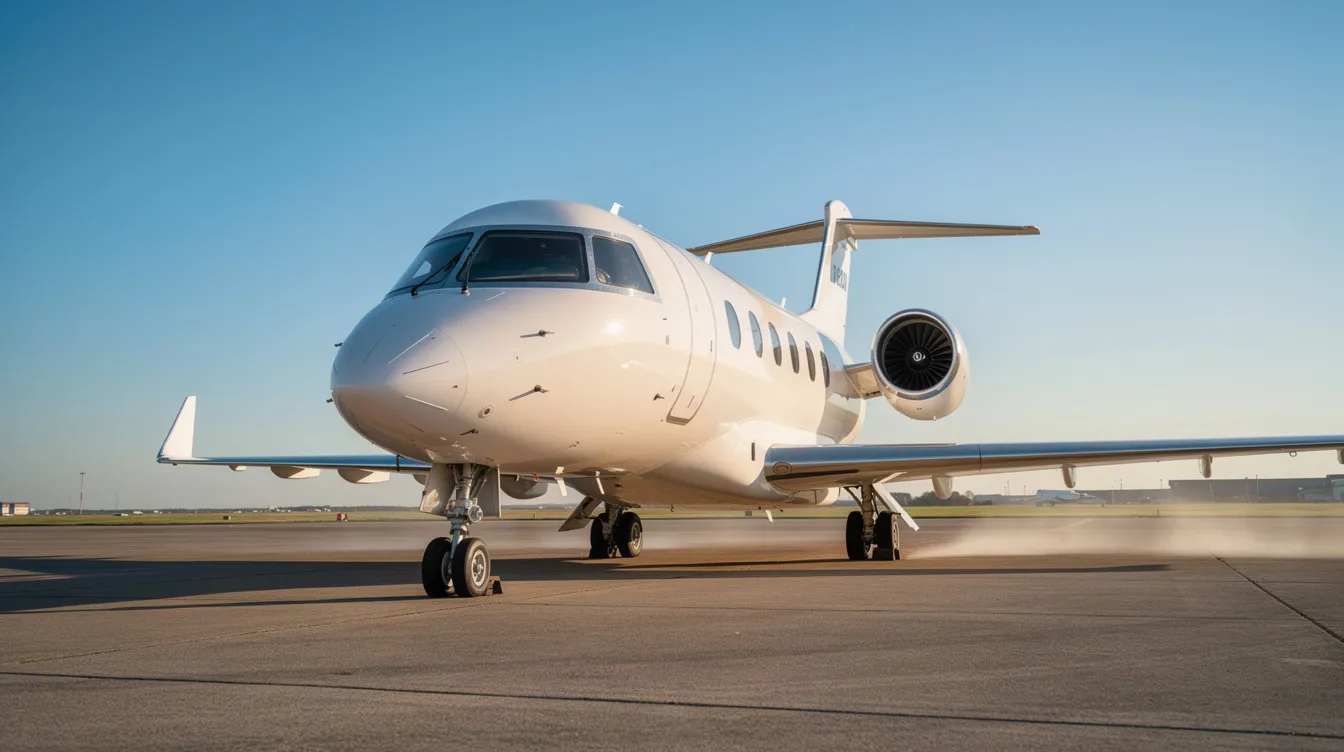
NetJets, a leader in fractional aircraft ownership, is wholly owned by Berkshire Hathaway since 1998. This structure allows it to offer unique services like fractional ownership and jet cards, catering primarily to high-frequency travelers. In contrast, platforms like Jettly provide on-demand charter services without ownership commitments, appealing to occasional flyers.
Read More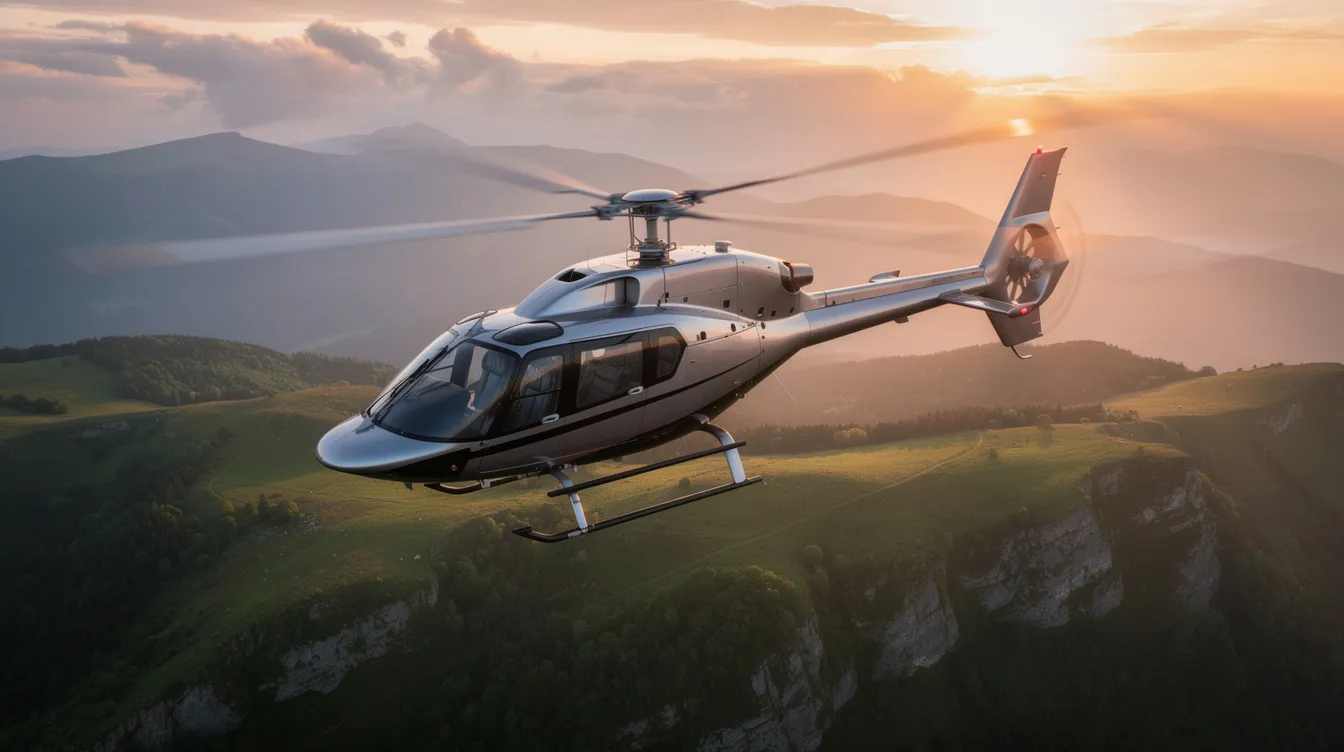
5
min read
Best Helicopter: From Personal Use to VIP, Corporate, and Attack Roles
Choosing the best helicopter varies greatly depending on the intended use, whether for personal, corporate, VIP, or military purposes. This article explores top models suited for each role, highlighting specifications, costs, and operational considerations. It emphasizes the practicality of chartering helicopters through platforms like Jettly for those who fly less frequently.
Read MoreStay updated with our latest insights and tips to elevate your journey with us.
MEMBERSHIPS AND ASSOCIATIONS



Disclaimer: Jettly operates as a charter broker, offering access to a global digital jet charter marketplace. Jettly is not a direct air carrier and does not own or operate aircraft. All advertised flights are conducted by third-party air carriers that are fully licensed and hold the appropriate Part 135 or Part 121 certifications issued by the Federal Aviation Administration (FAA) or equivalent regulatory authorities under U.S. or foreign law. Jettly complies fully with the U.S. Department of Transportation's Part 295 and Part 298 Charter Broker regulations. Jettly does not carry additional liability insurance. Passengers are covered by aircraft operator insurance. TICO: 50023770


