



Login
Get Instant Pricing On 23,000+ Aircraft

>
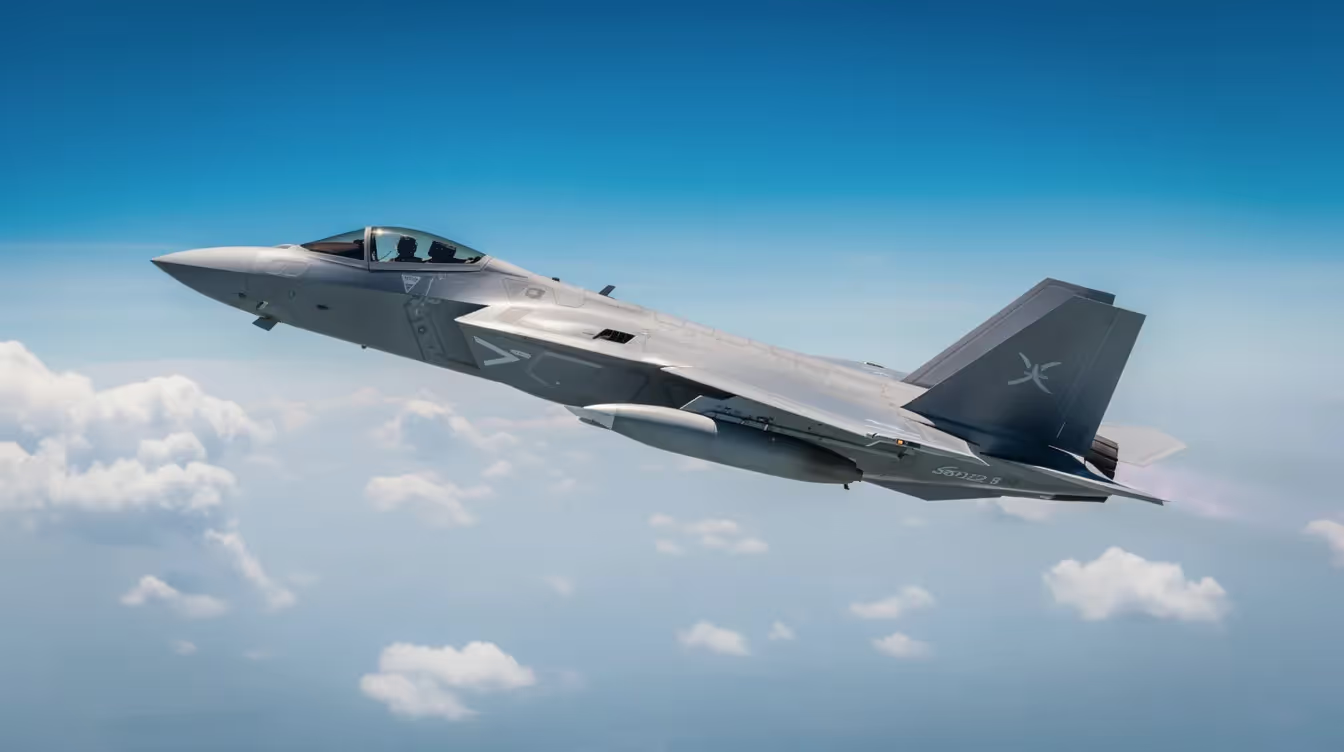
The question of which aircraft holds the title of best military jet in the world depends heavily on what you prioritize—stealth, speed, cost, or combat versatility. In 2026, most defense analysts and operational air forces point to one answer: the Lockheed Martin F‑35 Lightning II. This fifth-generation fighter has reshaped how modern air combat works, emphasizing networked warfare and sensor fusion over raw kinematics. This guide is intended for aviation enthusiasts, defense analysts, and anyone interested in understanding how modern fighter jets are ranked and compared. Understanding what makes a jet the best provides insight into the evolution of air combat and the technology shaping the future of aviation.
The Lockheed Martin F-35 Lightning II is widely considered the best military jet in the world for 2026, owing to its advanced stealth, sensor fusion, multirole capability, and global adoption. While rivals excel in certain roles, the F-35 dominates overall due to its balanced performance and cutting-edge technology.
– The F-35 combines stealth, networked warfare, and versatility for air-to-air and strike missions.
– Its sensor fusion and situational awareness set it apart from other fighters.
– Over 20 air forces operate or have ordered the F-35, ensuring massive interoperability.
– Primary competitors include the F-22 Raptor, J-20 Mighty Dragon, Su-57 Felon, Dassault Rafale, Eurofighter Typhoon, and Saab Gripen E.
– The meaning of "best" depends on mission priorities, but the F-35 leads in most categories overall.
The F-35 Lightning II is widely regarded as the best military jet in the world in 2026, thanks to its stealth technology, advanced sensors, and multirole capabilities across air-to-air and strike missions.
The definition of “best” is context-dependent—rankings can shift depending on national interest, air superiority, strike capability, cost-effectiveness, and exportability. However, the F-35 ranks first across most modern combat criteria when evaluated holistically.
Primary competitors include the F-22 Raptor (pure air dominance), J-20 Mighty Dragon (long-range interception), Su-57 Felon (agility), Dassault Rafale (omnirole flexibility), Eurofighter Typhoon (European air superiority), and Saab Gripen E (affordability).
Fifth-generation stealth and networked warfare now determine who wins air battles—not just top speed or exceptional agility. Information dominance and first-shot advantage decide 90%+ of engagements.
Jettly does not deal in military aircraft, but understanding aviation technology enhances appreciation for how private jet charter platforms deliver civilian travelers similar benefits of advanced engineering, efficiency, and tailored travel solutions.
For 2026, the consensus among defense analysts and major air forces is that the Lockheed Martin F-35 Lightning II is the best overall military jet in the world. This judgment rests not on dogfighting prowess or maximum speed, but on stealth aircraft design, sensor fusion, data-linking capabilities, weapons flexibility, production scale exceeding 1,200 deliveries by mid-2026, and deployment across more than 20 air forces globally.
Core evaluation criteria used to rank modern jets include:
Stealth: Radar cross-section size (golf-ball sized or smaller in clean configuration for fifth-generation designs). The F-35 Lightning II has a radar cross-section equivalent to a golf ball, enhancing its stealth capabilities from all angles. The F-22 Raptor is even stealthier, with a radar cross-section comparable to a marble, making it one of the stealthiest fighter jets in operation.
Sensor fusion and situational awareness: Integration of AESA radar, infrared systems, and electronic warfare into unified displays. The F-35's AN/ASQ-239 electronic warfare suite and 360-degree Distributed Aperture System (DAS) provide superior situational awareness, allowing pilots to detect threats before they are detected.
Weapons payload and variety: Internal weapons bays for stealth mode, external hardpoints for maximum firepower. Fifth-generation fighters typically have internal weapon bays to avoid high radar cross-sections from weapon pylons and use a high percentage of composite materials to reduce weight and radar visibility.
Range and endurance: Combat radius sufficient for deep strike or extended air patrol.
Multirole capability: Effectiveness across air-to-air, air-to-ground, electronic attack, and reconnaissance. The F-35 Lightning II, which entered service with the United States Marine Corps in July 2015, is designed for multirole capabilities including air superiority and strike missions.
Cost and production numbers: Unit flyaway cost, lifecycle costs, and manufacturing scale.
Only operational aircraft as of 2026 qualify for these rankings—prototypes and next-generation aircraft programs, such as the US NGAD (F-47), GCAP/Tempest, or FCAS, remain excluded until they enter service.
While the F-22 Raptor remains the pure air-superiority benchmark, with unmatched stealth shaping and supercruise, the F-35’s versatility, advanced avionics, and network integration make it the top choice overall.
A fifth-generation fighter is a jet fighter aircraft classification that typically features stealth, low-probability-of-intercept radar, agile airframes with supercruise performance, and advanced avionics. Key defining characteristics of top fighter jets include advanced stealth, sensor fusion, supercruise, agility, versatility, and weapon loadout. Modern analysts define top fighter jets by their ability to detect targets first, fuse data from multiple sensors, and shoot before being detected.
No single jet dominates every category. Rankings shift depending on how performance factors, cost considerations, and mission requirements are weighted against each other.
Key scoring factors include:
Stealth: Low-observable design with internal weapons bays that preserve radar signature. Stealth allows aircraft to operate in contested airspace while remaining undetected by enemy radar.
Agility and maneuverability: Thrust-to-weight ratios, thrust vectoring, and G-tolerance.
Speed and supercruise: Maximum velocity and sustained supersonic flight without afterburning turbofan engines.
Weapons payload: Internal capacity for stealth operations versus external Beast Mode configurations.
Avionics and sensor fusion: AESA radar integration, distributed aperture systems, electronic warfare suites.
Range and combat radius: How far the aircraft can fly and fight before refueling.
Unit cost and program cost: Flyaway price versus lifetime sustainment expenses.
Global usage and export success: How many allied air forces operate the platform?
The “best” jet changes if priorities shift. For pure air superiority, the F-22 leads. For long-range interception against aircraft carriers or high-value targets, the J-20 excels. For strike missions and affordability, the Rafale or Gripen may win.
Fifth-generation fighters differ fundamentally from highly upgraded fourth-generation fighter platforms like the Rafale, Typhoon, and Gripen E. The 4.5-gen designs close capability gaps through AESA radar upgrades and advanced electronic warfare capabilities, but lack all-aspect stealth and internal bays, leaving them vulnerable to first-strike scenarios against true stealth-fighter opponents.
Real-world effectiveness also depends on pilot training hours, maintenance logistics, and tactical doctrine—not solely on specification sheets.
The F-35 Lightning II stands as the best military jet in the world in 2026 when evaluating all-around capability, technological sophistication, and operational impact. Developed through the Joint Strike Fighter program, this stealth aircraft serves the United States Air Force, United States Navy, US Marine Corps, and over a dozen allied nations.
Key specifications:
|
Characteristic |
F-35A Details |
|---|---|
|
Generation |
Fifth-generation fighter |
|
Radar cross-section |
Approximately golf-ball sized (clean config) |
|
Top speed |
Mach 1.6 |
|
Combat radius |
~1,000 km |
|
First flight |
2006 |
|
Entry into service |
2015 (USMC) |
|
Production (by 2026) |
1,200+ aircraft delivered |
The F-35’s true advantage lies in its ability to act as a flying sensor node. The AN/APG-81 AESA radar provides long-range detection for both air and ground targets. The Distributed Aperture System (DAS) offers 360-degree infrared threat detection, missile warning, and even allows pilots to “see through” the aircraft floor using helmet-mounted displays. The AN/ASQ-239 electronic warfare suite adds advanced countermeasures and electronic attack capabilities.
All sensor data fuses into a single tactical picture shared via secure data links like MADL and Link 16, enabling the F-35 to coordinate kill chains with other aircraft, AWACS platforms, and surface assets.
Internal carriage options include AIM-120 AMRAAM missiles, AIM-9X Sidewinder, JDAM precision bombs, and Small Diameter Bombs—maintaining stealth while carrying combat loads. In “Beast Mode,” external hardpoints allow up to approximately 22,000 lb of mixed ordnance, trading stealth for maximum firepower.
F-35A: Conventional takeoff and landing variant for the US Air Force and most NATO partners, featuring a 1.6:1 thrust-to-weight ratio.
F-35B: Short takeoff/vertical landing (STOVL) variant using a lift fan system, operated by the USMC, Royal Navy, and Italian Navy.
F-35C: Carrier-based variant for the United States Navy with larger wings and reinforced landing gear for catapult launches and arrested landings.
By 2026, over 20 air forces either operate or have ordered F-35s, including the UK, Italy, Japan, South Korea, Australia, and Israel. This mass production scale—191 deliveries in 2025 alone—reinforces interoperability across allied forces and amortizes development costs.
Critics note high lifecycle costs (projected in trillions through the 2070s), software complexity, and maintenance demands. However, continuous upgrades through Block 4 and Tech Refresh 3 ensure the F-35 remains at the technological forefront without requiring new aircraft production.
The F-35’s approach to networked warfare is reshaping air combat doctrine—pilots now engage threats beyond visual range using shared data before adversaries even detect their presence.
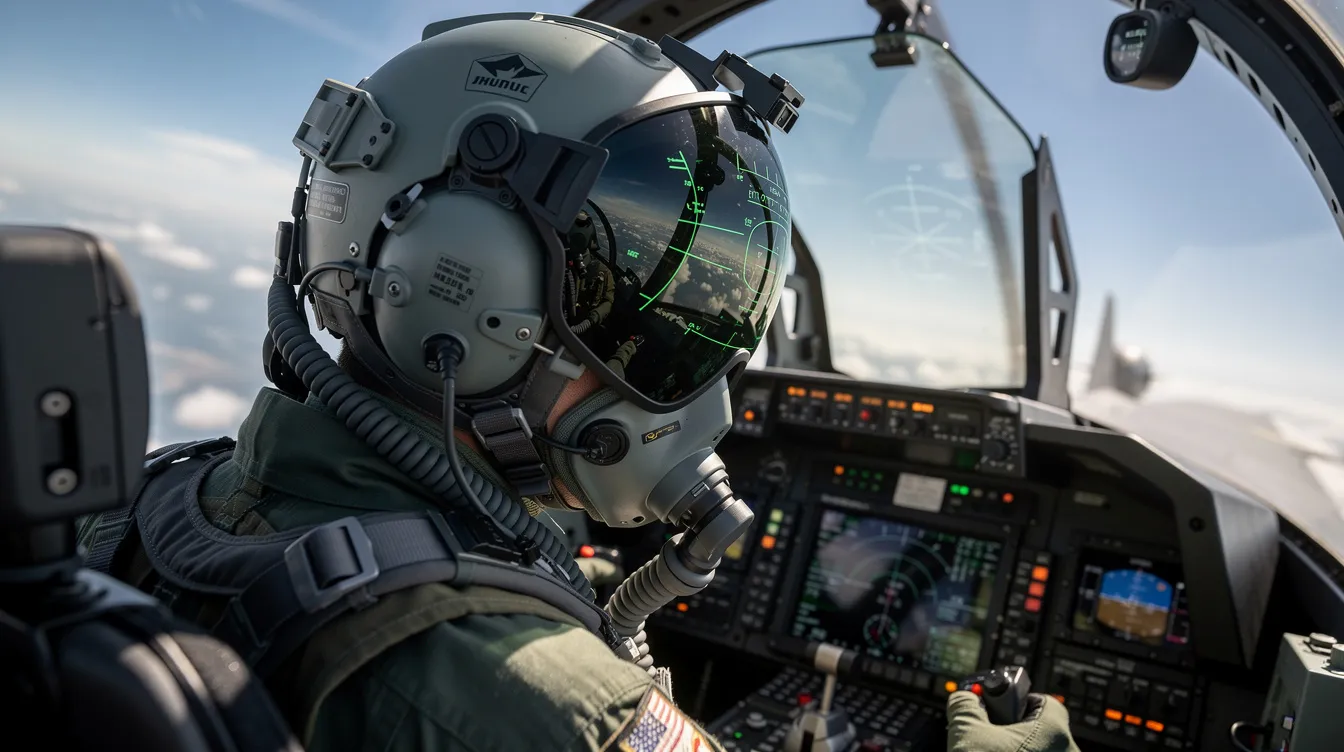
Several fighter aircraft dominate specific niches, claiming “best” status depending on mission requirements, budget constraints, or regional priorities.
The Lockheed Martin F-22 Raptor remains the gold standard for air superiority. With advanced stealth shaping, Mach 2.25 top speed, supercruise capability at approximately Mach 1.8 without afterburners, and 2D thrust vectoring, it offers exceptional agility and air-to-air lethality unmatched by any other aircraft.
Its radar cross-section is comparable to a marble, making it one of the stealthiest fighter jets in the world. The F-22 excels at killing other fighters, prioritizing air dominance over multirole versatility.
Only a handful of these jets—approximately 180 units—were built between 1997 and 2012, and export restrictions keep them exclusive to the US Air Force.
China’s fifth-generation fighter focuses on long-range interception and anti-access/area denial (A2/AD) missions. With Mach 2+ speed, large internal weapons bays carrying PL-15 long-range missiles (200+ km range), and an estimated production of 270-300 units by 2026, the J-20 poses significant challenges in Pacific scenarios.
The stealth capabilities of the Chengdu J-20 are limited by its need to carry weapons externally, which increases its radar cross-section significantly compared to the F-22 Raptor.
The two-seat J-20S variant emerging for drone teaming suggests China is already preparing for next-generation manned-unmanned operations.
Russia’s fifth-generation design features 3D thrust vectoring for extreme maneuverability and Mach 2 speed. However, the Su-57’s stealth refinement remains debated among Western analysts, and production numbers lag significantly—only dozens, rather than hundreds, will be operational with the Russian Air Force by 2026.
At roughly $35-$50 million per unit, it offers cost advantages but cannot match the production scale or sensor sophistication of Western or Chinese competitors.
France’s “omnirole” 4.5-generation fighter delivers Mach 1.8 speed, twin-engine reliability, and the SPECTRA electronic warfare suite—one of the most advanced in any non-stealth aircraft. The Rafale is capable of carrying anti-ship missiles, such as the Exocet, for maritime strike missions, emphasizing its role in naval combat. It is a highly versatile multirole fighter capable of carrying over 20,000 lbs of ordnance and has been combat-proven since 2007 in Libya, Mali, Syria, and Iraq. The Rafale handles air superiority, strike, and nuclear deterrence missions for the French Air Force.
F3R and F4 upgrades add AESA radar, Meteor beyond-visual-range missiles, and significantly improved networking capabilities, keeping the Rafale competitive against newer designs.
Originally an air-superiority platform, the Eurofighter Typhoon has evolved into a capable multirole fighter with Mach 2 speed and supercruise capability around Mach 1.5. Over 528 units serve across European air forces, with upgrades planned through the 2040s.
The Eurofighter Typhoon is designed for both air-to-air and ground-attack missions, maintaining relevance despite lacking all-aspect stealth.
For air forces operating on tighter budgets, the Gripen E offers exceptional value. Single-engine efficiency, modern AESA radar, comprehensive electronic warfare systems, and rapid 10-minute turnaround times make it ideal for dispersed operations and nations unable to afford expensive fighter jet programs like the F-35.
Some highly upgraded 4.5-gen platforms, such as the Boeing F-15EX Eagle II—which can carry almost 30,000 lbs of weapons, making it the most heavily armed fighter jet in the world—F-16V Viper, and F/A-18E/F Super Hornet for aircraft carriers, remain top-tier performers in non-stealth roles, leveraging new technologies and advanced sensors to extend service lives. The F/A-18E/F Super Hornet, in particular, is available at roughly half the cost of more advanced fighters like the F-22, making it an attractive option for cost-conscious air forces.
Fifth-generation fighters represent a paradigm shift in modern aircraft design. These jets prioritize stealth-first shaping, internal weapons bays, advanced sensor fusion, secure, low-probability-of-intercept data links, and often supercruise and thrust-vectoring capabilities.
|
Aircraft |
Operating Forces |
Key Characteristics |
|---|---|---|
|
F-22 Raptor |
US Air Force |
Pure air dominance, supercruise, 2D vectoring |
|
F-35 Lightning II |
USAF, USN, USMC, 20+ allies |
Multirole, sensor fusion, mass production |
|
J-20 Mighty Dragon |
PLAAF, PLAN |
Long-range interceptor, A2/AD focus |
|
Su-57 Felon |
Russian Aerospace Forces |
3D vectoring, limited production |
|
J-35/FC-31 variants |
PLAN (emerging) |
Carrier-based stealth |
Much of fifth-generation capability lives in software code rather than airframe modifications. This enables upgrades to radar modes, weapons integration, electronic warfare responses, and even manned-unmanned teaming without physical changes. The F-35’s Block 4 upgrades exemplify this approach—new aircraft capabilities delivered through software updates.
Modern jets combine AESA radar, infrared search-and-track (IRST) sensors, electronic support measures, and offboard data from AWACS, satellites, and drones into unified pilot displays. This allows engagement of threats before detection—simulations show fifth-gen fighters achieving 20:1 kill ratios through first-shot advantage.
High software dependency introduces bugs and potential control system failures. The F-22, F-35, and Su-57 have all experienced incidents linked to avionics or flight-control issues. Cybersecurity in contested electromagnetic environments becomes increasingly critical.
Sixth-generation programs—US NGAD/F-47 (expected 2029-2030), UK-Japan-Italy GCAP/Tempest, Europe’s FCAS, and Japan’s F-X—promise greater AI integration, loyal wingman drones, and adaptive engines. However, these experimental aircraft remain developmental and fall outside 2026 “best jet” rankings.
Air combat dominance now depends more on information superiority and network integration than raw speed or climb rate.
Many readers search for superlatives like “fastest” or “most expensive” jets, but these record-holders aren’t always the most effective in real-world combat.
The MiG-25 Foxbat—a Cold War interceptor developed in the 1960s—holds speed records exceeding Mach 3.0 (around 3,000+ km/h). However, modern jets intentionally accept lower top speeds to protect engines and airframes while improving agility and stealth. Most modern jets cruise efficiently at Mach 1-2 rather than pushing the airframe to its limits.
The F-22 Raptor remains the most technologically refined air-to-air fighter in terms of integrated stealth shaping, supercruise capability, and classified sensor systems. While newer designs match its electronics, the F-22’s overall air combat package remains unmatched for its specific role.
The F-35 program represents the costliest military aviation effort in history, with lifetime program costs projected in the trillions of dollars through the 2070s. Flyaway costs range approximately $80-100 million per jet, depending on variant and order size:
F-35A: Least expensive (conventional takeoff).
F-35B: Most expensive (STOVL complexity).
F-35C: Mid-range (carrier modifications).
Despite the price tag, mass production across allied nations amortizes development costs and drives continuous capability evolution.
From a “best military jet in the world” perspective, long-term sustainment, interoperability, and upgrade roadmaps matter more than headline top speed or sticker price.
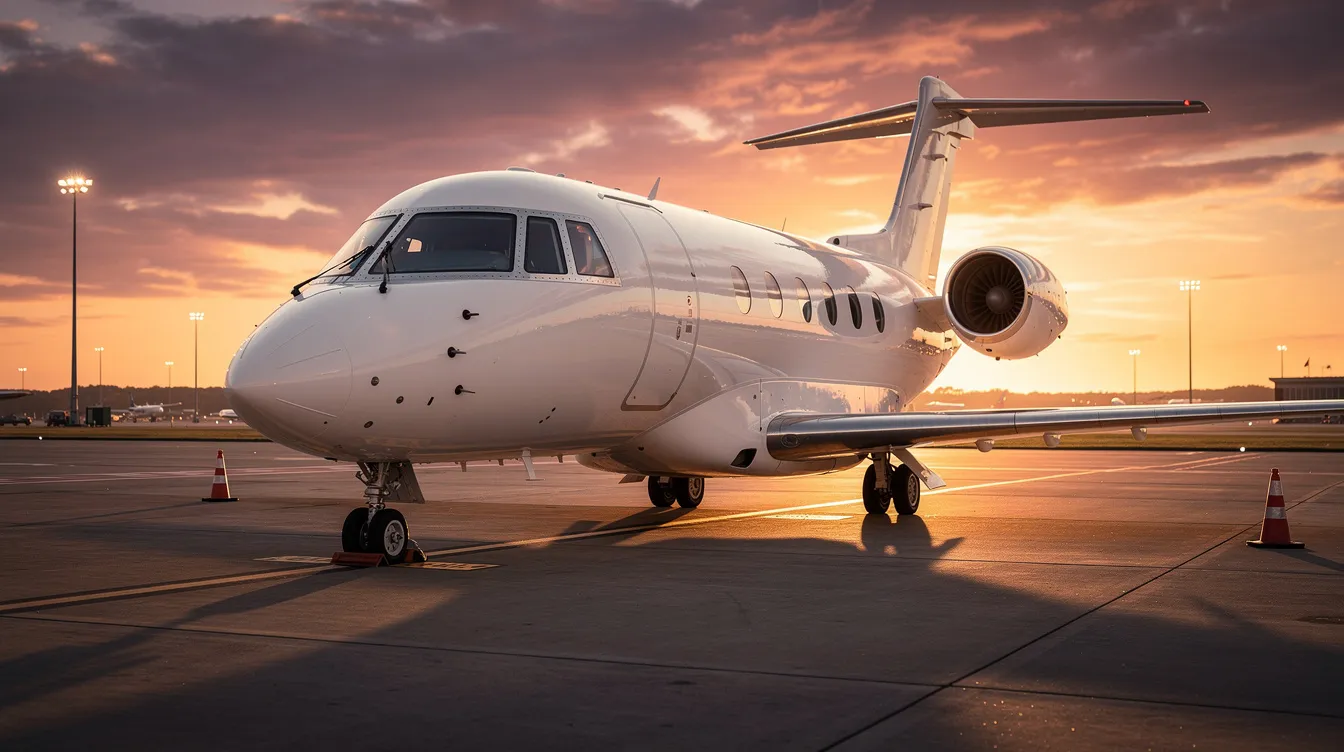
High-end military jets and private jets serve vastly different purposes, but advances in materials, avionics, and safety in the military sector frequently filter down into civilian aircraft over time.
Technologies such as composite materials (the F-35’s airframe is 35% composite), fly-by-wire control systems, and more efficient turbofan engines have migrated from fighters to modern business jets and airliners. The Gulfstream G700, for example, incorporates composite construction techniques refined through stealth aircraft development, similar to innovations from the best private plane manufacturers for every budget and need.
Jettly operates as a digital private charter aircraft marketplace—civilian only—offering on-demand access to over 20,000 aircraft worldwide. The platform provides instant pricing and transparent booking, positioning itself as a NetJets alternative for flexible private flying and eliminating the guesswork from private travel arrangements.
While readers may find the “best military jet in the world” fascinating, most interact with aviation through commercial and private flights. Benefits center on time savings, flexibility, and privacy rather than combat performance metrics, as outlined in this guide to private and charter airlines.
Use cases where Jettly’s private charter aircraft platform adds value include:
Business travel: Executives flying direct between hubs like New York-Miami, saving 2+ hours compared to commercial options while using a private jet charter cost estimator to plan budgets accurately.
Family trips: Multi-stop vacations without airline connections or layovers, often optimized with an airport locator tool to find the most convenient departure and arrival points.
Emergency travel: Urgent last-minute trips where scheduled airlines cannot meet timing or routing requirements, where understanding affordable private jet charter options can make rapid response more accessible.
For readers interested in modern aviation technology and tailored travel options, Jettly’s private jet memberships and charter solutions provide flexible access to aircraft worldwide at https://www.jettly.com.
| Jet | Role | Top Speed | Stealth Level | Sensor Fusion | Production Numbers (2026) | Unit Cost (USD) |
|---|---|---|---|---|---|---|
| F-35 Lightning II | Multirole | Mach 1.6 | Golf-ball RCS (high) | Best-in-class | 1,200+ | $80–100 million |
| F-22 Raptor | Air Superiority | Mach 2.25 | Marble RCS (very high) | Excellent | ~180 | $120–150 million |
| J-20 Mighty Dragon | Interceptor | Mach 2+ | Good (external carriage reduces) | Strong | 270–300 | ~$110 million |
| Su-57 Felon | Multirole | Mach 2 | Moderate | Good | Dozens | $35–50 million |
| Dassault Rafale | Omnirole | Mach 1.8 | Low (not stealth) | Good (F4 upgrade) | 200+ | $100 million |
| Eurofighter Typhoon | Multirole | Mach 2 | Low (not stealth) | Good | 528+ | $90–110 million |
| Saab Gripen E | Multirole | Mach 2 | Low (not stealth) | Good | ~60+ | $60–85 million |
This section addresses common questions not fully covered in the main article.
The F-22 is generally superior in pure air-to-air combat. Its stealth shaping, supercruise at Mach 1.8, and dogfighting agility remain unmatched by any operational fighter. However, the F-35 offers better overall value as a multirole platform with more advanced sensors, lower operating cost per capability hour, export availability to allies, and a significantly larger global fleet.
This is why most experts name the F-35, not the F-22, as the best fighter jet overall in 2026.
Programs such as US NGAD, European FCAS, and GCAP/Tempest remain in development or prototype stages, with no operational squadrons as of 2026. Rankings that consider only in-service aircraft exclude these new aircraft until they reach frontline deployment.
Once sixth-generation fighters enter service—likely in the 2030s—they will redefine what “best military jet” means through greater automation, AI assistance, and manned-unmanned teaming with loyal wingman drones.
Modern air combat emphasizes first detection and first shot over absolute top speed. Excessive speed can compromise stealth signatures and maneuverability during engagements. Most fifth-generation fighters fly efficiently at high subsonic or low supersonic speeds, relying on low observability, advanced AESA radar systems, and data links to win engagements beyond visual range.
Speed matters less when your opponent never sees you coming.
Frontline fighters such as the F-35, F-22, and J-20 are restricted to military personnel and missions. Extremely limited exceptions exist—select government officials may receive demonstration flights under strict control—but public access is essentially nonexistent.
Civilians seeking high-performance flying experiences typically use aerobatic flights or ex-military trainer aircraft operated by specialized civilian companies, not current-generation front-line stealth fighters.
Private jets focus on comfort, range, cabin space, noise reduction, and efficient point-to-point travel. Fighter jets are single- or twin-seat, cramped, and optimized exclusively for combat performance—not passenger comfort.
Jettly lets clients choose from light jets, midsize jets, heavy jets, turboprops, and helicopters worldwide, matching aircraft to mission profiles like business trips, family vacations, or special events. For aviation enthusiasts who appreciate modern technology but need practical travel solutions, visit https://www.jettly.com to explore available private charter options.
Considering stealth, sensor fusion, multirole flexibility, and global deployment across more than 20 allied nations, the F-35 Lightning II stands as the best military jet in the world in 2026. Rivals like the F-22, J-20, Su-57, Rafale, Typhoon, and Gripen excel in specific niches—but none match the F-35’s overall combination of capabilities and production scale.
The definition of “best” ultimately depends on mission priorities: air superiority, long-range interception, strike capability, cost-effectiveness, or ease of export to allied air forces. This context-dependent approach mirrors how analysts and air forces evaluate their own needs.
Fifth-generation design and network-centric warfare capabilities now outweigh raw speed or maximum altitude when ranking the most advanced fighters. The pilot who sees first and shoots first wins—and the F-35 delivers that advantage consistently.
For travelers, the relevant question isn’t which fighter jets dominate headlines, but which private aircraft best fits their route, group size, and schedule. Jettly’s platform answers that question with transparent pricing and access to a broad selection of aircraft.
Ready to experience private travel on your terms? Explore flight options, consider Jettly’s jet card programs for frequent flyers, or crowdsource and share private jet flights to reduce costs, and request a quote at https://www.jettly.com.
Share this post:
Jay Franco Serevilla
Apr 10, 2026
|
5
min read
Discover tips and trends in the industry.
5
min read
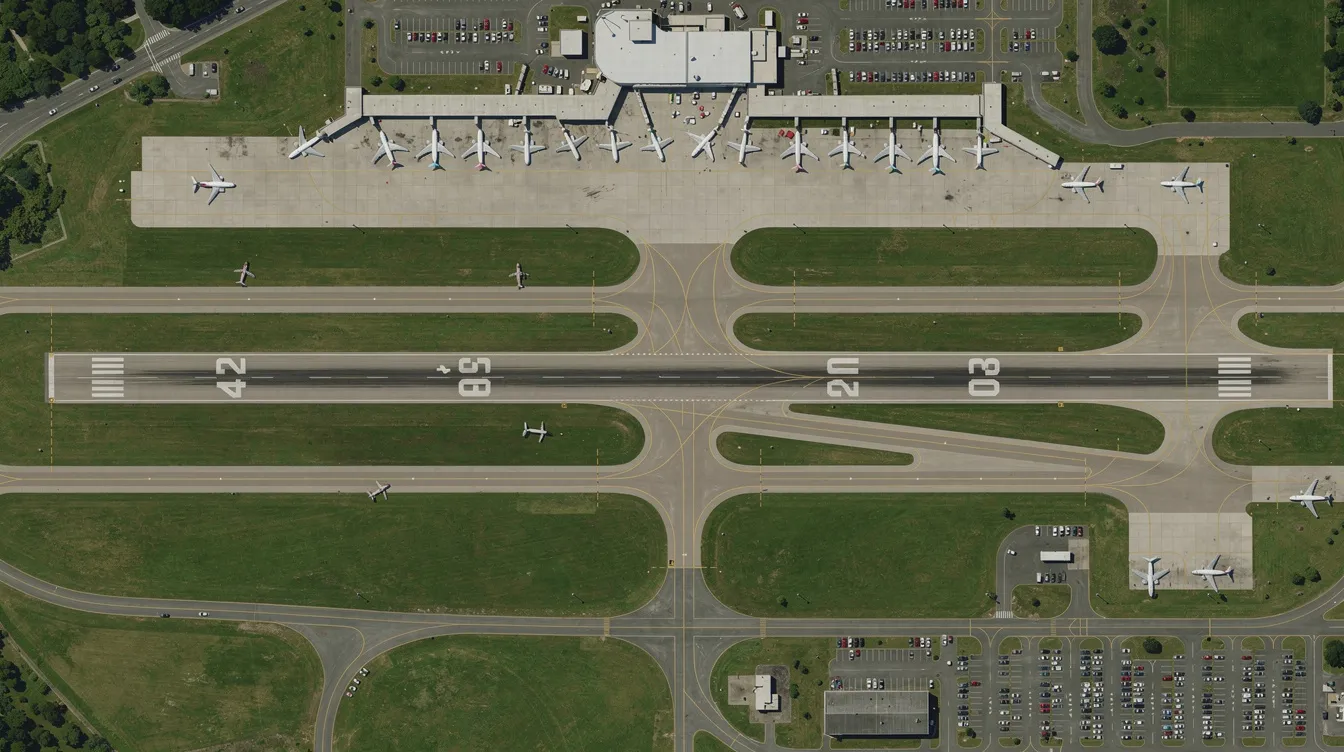
Chesapeake Regional Airport (KCPK) Private Jet & Traveler Guide
Chesapeake Regional Airport (KCPK) is a premier destination for private and charter aviation in coastal Virginia, offering a 5,500-foot runway and dedicated facilities. This guide provides essential information for pilots and travelers, including booking options through Jettly, making it an ideal choice for efficient and private travel.
Read More
5
min read
KC-135 Accidents: History, Recent Crashes, and Safety Lessons
The KC-135 Stratotanker has a long history of accidents, with over 50 fatal crashes since its introduction in the 1950s. Recent incidents, including a crash in March 2026 that killed six crew members, highlight ongoing safety challenges in military aviation. Lessons learned from these accidents have led to significant improvements in training and operational procedures, benefiting both military and civilian aviation.
Read MoreStay updated with our latest insights and tips to elevate your journey with us.
MEMBERSHIPS AND ASSOCIATIONS



Disclaimer: Jettly operates as a charter broker, offering access to a global digital jet charter marketplace. Jettly is not a direct air carrier and does not own or operate aircraft. All advertised flights are conducted by third-party air carriers that are fully licensed and hold the appropriate Part 135 or Part 121 certifications issued by the Federal Aviation Administration (FAA) or equivalent regulatory authorities under U.S. or foreign law. Jettly complies fully with the U.S. Department of Transportation's Part 295 and Part 298 Charter Broker regulations. Jettly does not carry additional liability insurance. Passengers are covered by aircraft operator insurance. TICO: 50023770


