


Login
Get Instant Pricing On 23,000+ Aircraft

>

Understanding airplanes and jets begins with a simple distinction: every jet is an airplane, but not every airplane is a jet. The story of powered flight started with the Wright Flyer’s first flight in 1903, and jet engines entered aviation in the 1940s. Jets reshaped commercial routes when the Boeing 707 entered service in 1958, making global travel practical for the first time.
This guide is intended for travelers, aviation enthusiasts, and anyone interested in understanding the differences between airplanes and jets, as well as how to choose the right aircraft for private or commercial travel.
Understanding these differences helps travelers make informed decisions about flight options, comfort, and cost.
Today, Jettly operates as a digital private jet charter platform connecting travelers to a worldwide inventory of jet and turboprop aircraft for business and leisure flights. This guide will explain the differences between jets and other airplanes, outline key aircraft categories, and show how travelers can use charter services effectively. Learn more about charter options and aircraft types as you explore the world of private aviation.
An airplane is a broad category that includes all powered, fixed-wing aircraft, while a jet plane is a specific type powered by jet engines, optimized for speed, range, and long-distance travel.
Since the 1950s, jet aircraft have transformed commercial airlines and private aviation, enabling nonstop routes such as New York–London and Los Angeles–Tokyo, and allowing jets to fly faster than propeller planes.
Private jets range from very light jets like the Embraer Phenom 100 to long-range models like the Gulfstream G700, all accessible on-demand through platforms like Jettly.
Private jet charter via Jettly offers instant pricing, digital booking, and access to over 20,000 aircraft without long-term commitments.
Readers can compare aircraft types and visit Jettly for real-time quotes and route options.
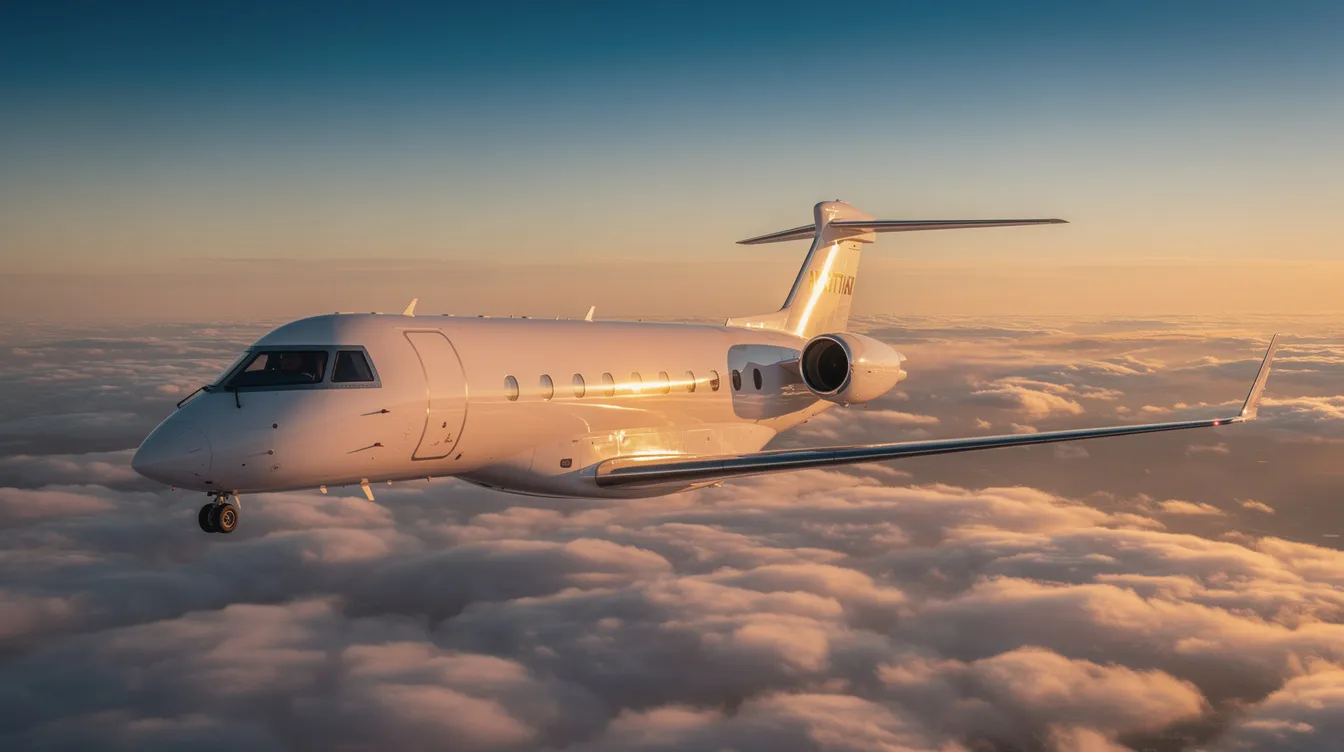
The key difference between a jet and an airplane is that to be a jet, a plane must have a jet engine—specifically, a turbojet or turbofan engine—while non-jet engines are typically turboprop engines found on propeller planes. Standard airplanes use an engine to spin a propeller that pulls or pushes the plane through the air. Jets use a turbine to compress air, mix it with fuel, and ignite it, creating a high-speed stream of exhaust that generates thrust. This kind of engine allows jets to achieve higher speeds and altitudes compared to propeller-driven aircraft.
Jet engines utilize turbine technology to create thrust, whereas piston engines drive propellers in aircraft. Jets typically cruise at speeds of 400–600+ mph, while piston-powered airplanes travel between 100 and 200 mph. Jets thrive at high altitudes (35,000–45,000+ ft) where the air is thin and smooth, allowing them to fly above most weather systems.
Propeller planes are the commuter vehicles of the sky, ideal for short-haul regional trips and flight training. Propeller engines are more fuel-efficient at lower altitudes and slower speeds, while jet engines become more efficient at high altitudes. A Cessna 172 (piston, 120 knots) serves regional hops and training, while a Bombardier Challenger 3500 (business jet, ~470 knots cruise) handles transcontinental legs with ease.
Jets generally offer a smoother ride because they can fly high enough to stay above most weather systems and turbulence. Jet aircraft can handle adverse weather conditions better than propeller planes, which are smaller and more affected by turbulence and thunderstorms, and leading private plane manufacturers for business aviation design their aircraft with these performance and comfort advantages in mind.
|
Feature |
Jets |
Propeller Airplanes |
|---|---|---|
|
Engine Type |
Turbojet or turbofan |
Piston or turboprop |
|
Typical Cruise Speed |
400–600+ mph |
100–200 mph |
|
Typical Altitude |
35,000–45,000+ ft |
Below 25,000 ft |
|
Range |
Over 5,000 miles |
Up to 1,500 miles |
|
Ride Comfort |
Smoother, less turbulence |
More affected by the weather |
|
Best Use |
Long-haul, international flights |
Short-haul, regional trips |
|
Fuel Efficiency |
Better at high altitudes |
Better at low altitudes |
|
Runway Requirements |
Longer runways |
Shorter runways can use grass strips |
Aviation progressed from wood-and-fabric experimental aircraft to high-bypass turbofan jets by the late 20th century. The first operational jet fighter was the Messerschmitt Me 262, which entered service on April 19, 1944, and was produced in up to 1,400 units. This marked the beginning of a new era in powered flight.
The first commercial jet service was operated in 1952 by BOAC using the de Havilland Comet, the first jetliner to fly faster and higher than propeller-driven aircraft. The Boeing 707 entered service in 1958, popularizing global jet travel across the world.
Landmark commercial designs followed: the Boeing 737’s first flight occurred in 1967, and the Airbus A320’s first flight came in 1987. Both aircraft manufacturers now dominate short- to medium-haul airline markets. The fastest military jet aircraft is the SR-71 Blackbird, which reached speeds of Mach 3.35 (3,661 km/h or 2,275 mph). The Concorde offered commercial supersonic service from 1976 to 2003 at Mach 2.
Dedicated business jets like the Learjet 23 (1963) and later Cessna Citation series paved the way for today’s charter marketplace, bringing private jet travel to a broader class of travelers.
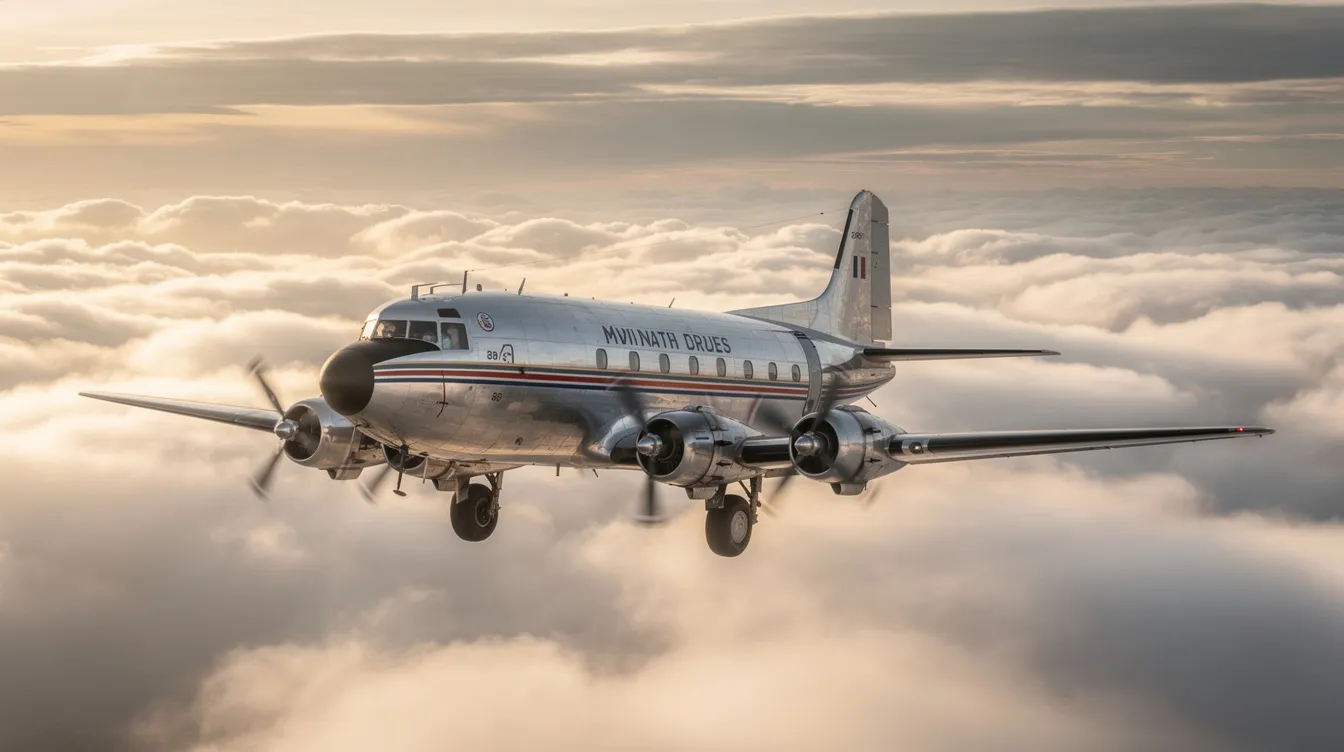
Travelers today encounter a spectrum of aircraft: commercial airliners, business jets, turboprops, and light piston aircraft. Each type has its place within the aviation ecosystem, operating on specific routes or roles depending on where they are most effective. Private charter aircraft available through Jettly span these categories, giving travelers flexibility to match aircraft to mission. Jets are generally used for longer flights, capable of flying over 5,000 miles, while turboprop planes are limited to about 1,500 miles.
Jets are ideal for long-haul and international flights, while propeller planes are better suited for short regional trips. Modern commercial fleets are dominated by jets, preferred for their speed, stability, and efficiency at high altitudes required for long-distance travel, mirroring growth trends in the global fleet of private jets as more travelers choose business aviation.
Commercial jets serve as the primary aircraft for scheduled airline services. Large, multi-engine airliners are designed to carry hundreds of passengers efficiently, comfortably, and safely over long distances. Airlines select aircraft based on missions that balance fuel efficiency, passenger capacity, and range.
Narrow-body aircraft are optimized for high-frequency short- to medium-haul routes and typically seat 100 to 240 people. Narrow-body jets are used for medium-range, domestic, or regional flights—routes like New York–Miami or Toronto–Vancouver, while private jet passenger capacity by aircraft type ranges from small cabins for 4–8 travelers to ultra-large business jets.
Wide-body jets are designed for long-haul routes, allowing higher comfort and cargo capacity. Wide-body aircraft can carry, or have carried, 230 to over 800 passengers and are used for long-haul international flights lasting 6 to 16+ hours. Common models include the Boeing 787 Dreamliner and Airbus A350.
Dedicated cargo planes transport goods, mail, and oversized machinery and can be purpose-built or adapted from passenger models. Improvements in turbofan efficiency and composite structures have reduced fuel burn and emissions per seat across the industry, and a wide range of charter airlines and private operators now leverage these advances for both business and leisure travel.
Private jets are business aircraft configured for small groups, typically 4–19 passengers. They focus on privacy, schedule flexibility, and access to more airports than commercial airlines offer.
Jets are designed to fly at extreme altitudes where the air is too thin to breathe and typically have sophisticated pressurization systems. Jets often feature swept-back wings to reduce drag and manage shockwaves at high speeds.
Aircraft categories include a range of price points and operating costs—from the cheapest private aircraft options to ultra-long-range jets, such as:
Very light jets: HondaJet (4-6 passengers)
Light jets: Embraer Phenom 300 (6-8 passengers)
Midsize jets: Citation Latitude (8-9 passengers)
Long-range jets: Dassault Falcon 8X, Gulfstream G650, often featured among top luxury private jet charter companies for intercontinental trips
These jets support same-day business trips between New York and Chicago, family vacations from London to Ibiza, or last-minute flights from Los Angeles to Aspen. Typical cabin features include club seating, lie-flat options, Wi-Fi connectivity, and customizable catering, which can be coordinated through specialized services like Jettly Eats in-flight catering.
Jettly provides access to this full spectrum of private jets, allowing customers to select aircraft class based on passenger count, distance, and budget.
|
Jet Category |
Passenger Capacity |
Typical Range (miles) |
Ideal Use Cases |
Example Aircraft |
|---|---|---|---|---|
|
Very Light Jets |
4-6 |
1,000 – 1,300 |
Short regional trips, quick hops |
HondaJet, Phenom 100 |
|
Light Jets |
6-8 |
1,500 – 2,500 |
Regional to short cross-country |
Phenom 300, Citation CJ3 |
|
Midsize Jets |
7-9 |
2,000 – 3,000 |
Cross-country, business travel |
Citation Latitude, Learjet 75 |
|
Long-Range Jets |
10-19 |
3,500 – 7,500+ |
Intercontinental, transoceanic |
Gulfstream G650, Falcon 8X |
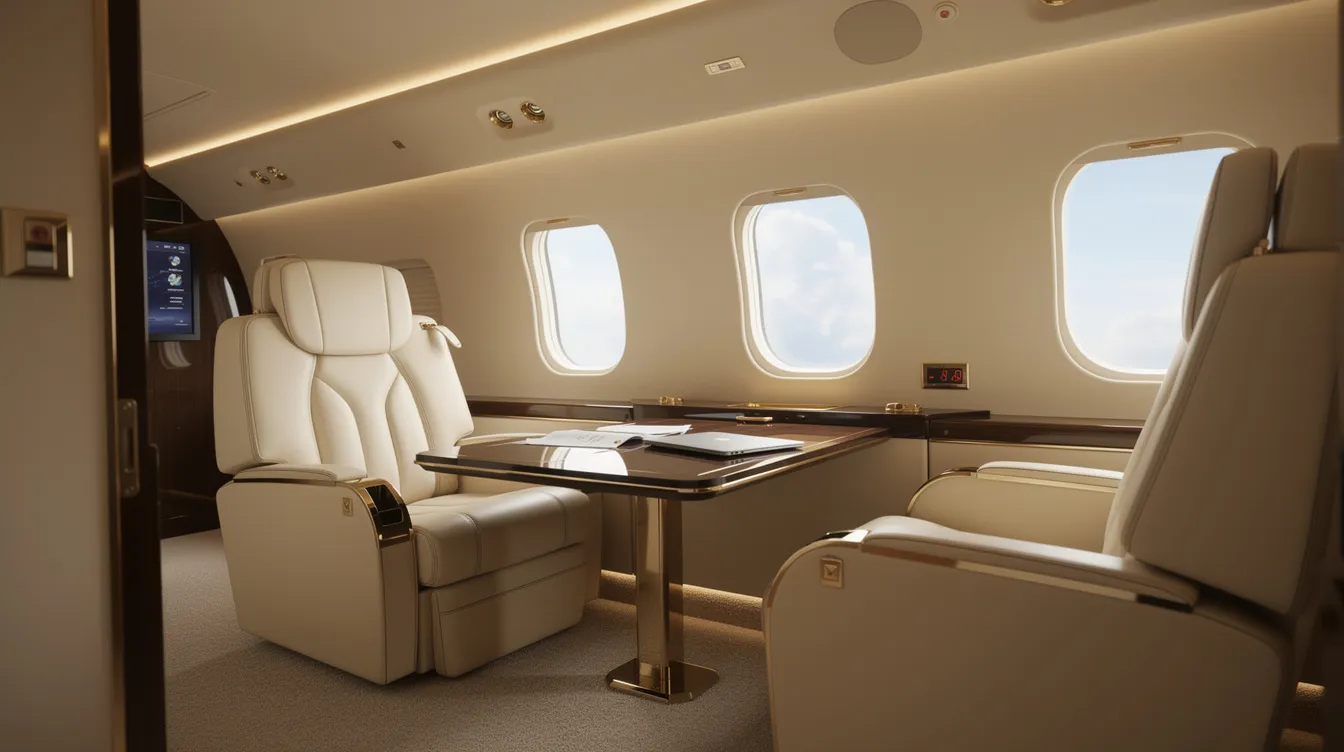
Charter means pay-per-flight access to private aircraft without ownership, jet cards, or fractional shares. The booking flow is straightforward: choose the route and dates, review instant pricing, select the aircraft, and confirm passenger details.
Jettly offers both instant, trip-based bookings and private jet membership options for frequent flyers seeking lower hourly rates or concierge support. Key cost factors include distance flown, aircraft type and configuration, repositioning requirements, and airport fees.
Jettly’s platform centralizes operator offers, enabling transparent pricing and digital contracts without opaque markups from traditional brokers. Travelers can use a private jet charter cost estimator to understand how distance, aircraft size, and operating costs affect pricing, and customers can also access additional resources and support materials through the platform to help them better understand the airplane and jet booking process.
Empty legs are repositioning flights—essentially, when a jet flies back empty after a one-way charter. These form a cost-saving opportunity, often sold at 30–75% below standard charter rates, and platforms like Jettly maintain dedicated listings for discounted empty leg flights.
Examples include midweek empty legs between Miami and New York or last-minute Los Angeles–San Francisco sectors. Schedules are less flexible since they follow pre-planned aircraft repositioning, making them best for travelers who can adjust to set departure windows, or who are comfortable buying a single seat on a private jet when opportunities arise.
Jettly’s platform surfaces empty-leg opportunities in real time and also supports crowdsourced private jet flights and shared empty seats to further reduce per-seat costs. Check live empty leg listings at Jettly as part of trip planning.
Time savings, flexibility, and privacy drive travelers toward private jets over scheduled commercial flights. Affordable private jet charter pricing becomes especially compelling when groups share the aircraft. Private jets allow custom departure times, direct routes to secondary airports (Teterboro instead of JFK, Van Nuys instead of LAX), and reduced total journey time.
Travelers arrive 20–30 minutes before takeoff, skip long security lines, board directly from private terminals (FBOs), and enjoy faster turnarounds. Getting a seat on a private jet has become easier through memberships, empty legs, and shared charters. Private cabins enable confidential meetings, control over in-flight catering, pets in the cabin, and smoother landing procedures for baggage.
Jettly strengthens these advantages through quick digital booking, 24/7 support, and integration for ground transportation, positioning itself as a flexible NetJets alternative for flying private. View our available airplanes and jets to find the perfect option for your next trip.
Corporate example: six executives flying New York–Dallas for a day of meetings, returning the same evening, avoiding overnight hotel stays.
Leisure scenario: families chartering from Toronto to the Caribbean during winter, using private terminals to bypass crowds.
Urgent travel: last-minute flights for medical consultations, contract signings, or site visits to remote locations not served by airlines. For some travelers, understanding how much a private jet really costs helps evaluate when charter becomes cost-effective per seat when groups of 6–10 travelers compare premium commercial tickets versus a shared private jet.
Jettly’s instant pricing helps travelers compare aircraft options without email threads or phone negotiations.
All professionally operated jets used in charter meet stringent safety standards—FAA Part 135 in the U.S., EASA rules in Europe. Jettly works with licensed air carriers featuring pilot experience minimums, maintenance intervals, and third-party safety audits.
Jets emit more CO₂ per passenger than commercial airliners at high load factors. However, efficient routing, newer aircraft, and high-bypass turbofan engines have improved per-mile performance. Some operators use carbon offset programs and sustainable aviation fuel (SAF) where available.
Private jets and smaller turboprops can use many more airports than large commercial airliners, including regional fields with shorter runways.
Notable examples: London Farnborough instead of Heathrow, Teterboro instead of JFK, or Hamilton for Toronto-area trips. An airport locator tool for private jet charter makes it easy to identify these alternatives. This expanded access reduces ground transfer time and brings travelers closer to ski resorts, island gateways, or industrial sites.
Jettly’s search tools allow customers to explore nearby airports automatically rather than limiting trips to major hubs.
Match aircraft type to mission profile: passenger count, distance, budget, and runway constraints. Consider trip length (under 500 miles versus over 3,000 miles), number of travelers, luggage volume, and desired cabin amenities.
Light jets and turboprops suit regional hops like Los Angeles–Las Vegas or Paris–Geneva. Super-midsize and heavy jets handle transcontinental routes like New York–San Francisco or London–Dubai.
Use Jettly’s platform filters to compare aircraft by range, speed, seating, and hourly cost, or lock in predictable rates through jet card programs if you fly frequently. Jettly’s support team can recommend specific models when travelers need guidance.
Many flights can be arranged within 24–48 hours, but booking 5–10 days ahead offers better aircraft choice and pricing on busy routes like New York–Miami. For major events or holidays, book several weeks in advance.
Most private jets allow pets in the cabin, subject to operator policies. Skis, golf clubs, and large items are typically permitted, though baggage holds vary by aircraft. Jettly’s team can match travelers with appropriate baggage capacity.
Charter pricing usually includes aircraft, crew, basic catering, fuel, and standard airport fees. Extras like de-icing or special requests may apply. Jettly provides transparent, itemized quotes before booking confirmation.
Turbulence depends on air conditions, not aircraft size. However, private jets can often change altitude or routing faster to avoid rough air. Modern business jets feature advanced avionics and weather radar for smoother flights.
Visit Jettly, enter trip details, and receive instant pricing. Compare options, save quotes, and confirm bookings digitally with support available throughout the process.
Discover private travel tailored to your needs. Browse flight options or get a personalized quote at Jettly.
Understanding the differences between airplanes and jets helps travelers select the best aircraft for their needs, whether for business, leisure, or urgent travel. Jets offer unmatched speed, range, and comfort for long-distance flights, while propeller planes serve well for shorter regional trips. Platforms like Jettly simplify private jet charter by providing instant pricing, a vast global fleet, and digital booking without long-term commitments. This transparency and convenience make private aviation accessible and efficient for a wide range of travelers.
Ready to experience private travel on your terms? Explore flight options or request a quote at Jettly.
Share this post:
Jay Franco Serevilla
May 4, 2026
|
5
min read
Discover tips and trends in the industry.

5
min read
Private Jet Charter Baggage Limits: Luggage Allowance in 2026 (by Aircraft Class)
Understanding private jet baggage limits is crucial for a smooth travel experience, especially for first-time charter travelers. Unlike commercial airlines, private jet luggage policies vary by aircraft class and operator, focusing on baggage volume, weight, and fit through the baggage door. This guide provides insights into luggage allowances by aircraft class for 2026, helping travelers plan effectively.
Read More
5
min read
Jettly launches Smart Match™: AI-powered private jet charter matching in 24 hours
Introducing Smart Match™, an AI-driven workflow that matches private jet charter clients with vetted operators and aircraft in under 24 hours globally. By evaluating positioning costs, routing, safety ratings, and price, it replaces traditional multi-day broker searches with a curated shortlist of confirmed options.
Read MoreStay updated with our latest insights and tips to elevate your journey with us.
MEMBERSHIPS AND ASSOCIATIONS



Disclaimer: Jettly operates as a charter broker, offering access to a global digital jet charter marketplace. Jettly is not a direct air carrier and does not own or operate aircraft. All advertised flights are conducted by third-party air carriers that are fully licensed and hold the appropriate Part 135 or Part 121 certifications issued by the Federal Aviation Administration (FAA) or equivalent regulatory authorities under U.S. or foreign law. Jettly complies fully with the U.S. Department of Transportation's Part 295 and Part 298 Charter Broker regulations. Jettly does not carry additional liability insurance. Passengers are covered by aircraft operator insurance. TICO: 50023770


