


Login
Get Instant Pricing On 23,000+ Aircraft

>

In the complex world of aviation, understanding the distinctions between aircraft categories and classes is essential for pilots, regulators, and travelers alike. These classifications form the foundation of aviation safety, pilot certification, and aircraft design standards. For private jet travelers, knowing how aircraft are categorized can also inform smarter flight choices, helping to match mission needs with the right aircraft type. This article explores the key definitions, regulatory frameworks, and commercial implications of aircraft classes, highlighting how platforms like Jettly leverage these classifications to simplify private jet charter experiences.
Aircraft categories and classes are the backbone of aviation regulations and aircraft classifications, used by the FAA, EASA, and ICAO to support aviation safety, pilot licensing, and aircraft approval. The term aircraft class also matters commercially in the aviation industry, especially for private jet charter platforms like Jettly that organize aircraft by light jet, midsize jet, heavy jet, turboprop, and helicopter options.
In aviation regulations, categories and classes have legal meanings for pilot certification and aircraft certification, while private aviation uses aircraft class as a practical booking term.
Aircraft certification categories help determine the rules for design, manufacturing, testing, and flight operations.
Aircraft approach category, weight criteria, and performance limits influence airport access, weather minima, air traffic control spacing, and pilot qualifications.
Jettly connects these technical rules to real-world travel choices by helping users compare the right aircraft class for each mission.
Aircraft categories are the broadest classification of aircraft based on basic design, intended use, operating environment, and method of flight, as defined by the Federal Aviation Administration (FAA), the international civil aviation organization, and other aviation organizations. Aircraft can also be classified into Heavier-than-Air and Lighter-than-Air categories based on their mechanism to generate lift. These groupings help regulators build consistent rules for powered aircraft, gliders, balloons, rotorcraft, and emerging designs.
Aircraft category is used in several contexts. Pilot certification categories include:
Airplane
Rotorcraft
Glider
Lighter-than-air
Powered-lift
Powered Parachute
Weight-Shift-Control
Aircraft certification categories include:
Normal
Utility
Acrobatic
Commuter
Transport
Limited
Restricted
Experimental
Light Sport
Instrument flying also uses aircraft approach categories A through E, based on landing speed.
The Federal Aviation Administration and EASA rely on these categories to shape aviation regulations, training standards, aircraft manufacturing rules, and operating limitations. Each aircraft category has unique physics, risks, and operational needs, which helps regulatory bodies like the FAA set baseline standards for pilot training and aircraft manufacturing.
For private jet travelers, these rules operate quietly in the background. When a traveler views an aircraft on Jettly, that aircraft has already gone through certification of aircraft processes, holds the appropriate airworthiness certificate, and must meet minimum safety and performance standards before it can be used for charter.
The basic regulatory hierarchy is category → class → type. Category and class are the main regulatory layers pilots see on certificates and aircraft documents, while type identifies a specific aircraft model.
An aircraft class is a more specific subdivision within a category, defined by design and performance traits, grouping together aircraft with similar operational characteristics. Within the airplane category, there are four classes of airplanes:
Single-engine land
Multi-engine land
Single-engine sea
Multi-engine sea
A single-engine land class rating does not allow a pilot to fly every airplane; it only covers that class unless other ratings are added.
Aircraft type refers to a specific make and model, such as a Gulfstream G650, Bombardier Challenger 350, or Cessna Citation XLS+. To fly an aircraft that weighs more than 12,500 pounds or a jet, pilots require a type rating, which certifies that the pilot has completed the necessary training and possesses the qualifications to operate a specific aircraft type.
The same words can appear in different contexts. A pilot certificate may show category and class. An aircraft’s documents may show its aircraft certification category. An approach chart may show an aircraft's approach category based on Vref or landing speed. In some manuals, a category classes matrix may also group aircraft by operating rules, weight, or performance.
For Jettly customers, aircraft class usually appears in the commercial sense: light jet, midsize jet, heavy jet, turboprop, or helicopter. Behind those filters, every aircraft still belongs to official regulatory categories and classes.
Pilot certificates issued under 14 CFR Part 61 list category and class ratings. A pilot’s license includes a category rating that specifies the broad type of aircraft they are authorized to fly. To operate an aircraft in a different category, the pilot must complete additional training and pass a checkride to obtain the new category rating.
FAA Categories for Pilot Certification:
Airplane
Rotorcraft
Glider
Lighter-Than-Air
Powered Lift
Powered Parachute
Weight-Shift Control
Common Classes within Each Category:
Airplane: Single-engine land, Multi-engine land, Single-engine sea, Multi-engine sea
Rotorcraft: Helicopter, Gyroplane
Lighter-than-air: Hot air balloon, Airship
Weight-shift-control: Weight shift control land, Weight shift control sea
Powered-lift: Powered-lift aircraft capable of vertical takeoff, vertical landing, and horizontal flight
The FAA and other aviation organizations use classes to further categorize aircraft within a broader category, ensuring that pilots are trained and certified for specific types of aircraft they operate. Moving from single-engine airplane operations to multi-engine propeller aircraft, for example, requires new pilot training and a practical test.
Jettly works with operators whose crews hold appropriate category, class, and type ratings for every aircraft they fly and provides access to a broad range of private charter aircraft. That is a core part of aviation safety and regulatory compliance in private jet charter.

Aircraft certification categories describe what the aircraft itself is approved and designed to do, separate from the pilot’s license. Aircraft certification categories are used to group aircraft by size and capability, which helps determine the specific rules and regulations governing their design, manufacturing, testing, and flight operations.
The main aircraft certification categories defined by the FAA include:
Normal
Utility
Acrobatic
Commuter
Transport
Limited
Restricted
Experimental
Light Sport
Standard airworthiness certification categories generally include Normal, Utility, Acrobatic, Commuter, and Transport, while special airworthiness certification categories include Experimental, Restricted, Limited, Primary, and Light Sport.
Covers many small general aviation airplanes.
Permits limited aerobatic maneuvers.
Supports aerobatic flight and performing aerobatic flight.
Designed for small commuter aircraft used in regional airline service.
Covers large airliners and many jet engine transports.
Used for aircraft that have been converted from military to civil use.
Used for aircraft with special purposes such as agricultural spraying, aerial surveying, or firefighting.
May support research, air racing projects, amateur-built aircraft, and development work often discussed by the Experimental Aircraft Association.
Applies to light sport aircraft with specific weight and performance limits.
The certification process for aircraft is rigorous and involves extensive testing to ensure that the aircraft meets safety and performance standards set by regulatory bodies like the FAA and ICAO. FAA airworthiness standards under Part 23, Part 25, Part 27, and Part 29 address structural strength, aircraft systems, aircraft engines, engine thrust, controllability, and failure protection, whether the aircraft is a regional jet or a larger transport like the Boeing 737-800, or an aircraft operated under the safety-focused framework that governs Part 135 charter companies.
Aircraft manufactured under an approved production certificate must conform to the certified design. For travelers, this means the aircraft’s certification category has already shaped its performance envelope, inspection regime, and allowable operations before it appears in a booking platform.
This overview explains the main aircraft category definitions readers are likely to encounter in FAA and ICAO documents.
Airplanes are heavier-than-air, engine-driven, fixed-wing aircraft propelled by aircraft engines. Airplanes generate lift via forward airspeed and fixed wings, while rotorcraft generate lift using one or more spinning rotors. Examples include the Cessna 172, Boeing 737, Bombardier Challenger 350, piston engine transports, and piston engine transports capable of regional commercial missions produced by leading private plane manufacturers across market segments.
Rotorcraft include helicopters and gyroplanes. Helicopters use engine-driven rotors to provide both lift and thrust, while gyroplanes use an unpowered, freely rotating rotor for lift and an engine-driven propeller for forward thrust. This makes helicopters useful for confined landing zones, resort access, city-center transfers, and enhanced onboard experiences supported by tailored in-flight catering for private jets, especially when arranged through instant-book charter providers like Zenflight’s private jet marketplace.
Gliders are unpowered, fixed-wing aircraft that use rising air currents to sustain flight, primarily for sport and training purposes. They are designed for free flight, low-speed flight, and efficient soaring rather than charter operations, and many aspiring owners look instead at affordable planes for budget-conscious pilots when stepping into powered aircraft ownership.
Lighter-than-air aircraft include balloons and airships. Balloons rely on buoyancy to float, while airships or blimps are steerable aircraft that are powered by engines. A hot air balloon uses heated air, while some airships use helium or another lighter-than-air gas, but prospective pilots looking for everyday flying typically compare affordable planes suitable for ownership rather than lighter-than-air craft.
Powered lift, powered parachute, and weight shift control aircraft are specialized categories. Powered lift aircraft, including some tiltrotors, can combine vertical takeoff and vertical landing with airplane-like horizontal flight. Emerging aircraft classes include Tiltrotors and Powered Parachutes, which are designed for specialized roles such as bush piloting and urban air mobility.
Aircraft approach category is used in instrument procedures and is based on the aircraft’s reference landing speed, or Vref, or 1.3 times stall speed at maximum landing weight. It is not the same as aircraft size or commercial aircraft class.
|
Category |
Speed range |
|---|---|
|
A |
Less than 91 knots |
|
B |
91–120 knots |
|
C |
121–140 knots |
|
D |
141–165 knots |
|
E |
More than 166 knots |
Most light training aircraft fall into Category A or B. Many business jets fall into Category C or D.
The FAA’s Aircraft Characteristics Database provides data used for airport planning and procedure design.
Approach category affects minimum descent altitudes, obstacle clearance, circling radii, and weather control decisions during instrument flight. If an aircraft flies an approach faster than the upper limit of its assigned category, the crew may need to use higher minima.
When a charter operator schedules a jet into a smaller airport, it must ensure the aircraft capable of the mission can use the runway, approach, and missed-approach environment. Jettly’s airport locator tool helps clients evaluate routing and airport choices while operators handle these technical checks.
Regulatory aircraft classes differ from the commercial aircraft classes used in private aviation. In a charter, aircraft class usually describes cabin size, passenger capacity, range, and operating cost.
Light jets usually seat 4–8 passengers and fly about 1,000–1,800 nautical miles. Examples include the Embraer Phenom 300, Cessna Citation CJ3+, and Learjet 45. They are often used on routes such as New York–Miami or Los Angeles–Las Vegas, or city pairs like Atlanta’s private jet corridors linking major business hubs across the United States.
Midsize and super-midsize jets typically carry 7–10 passengers, with ranges around 2,000–3,500 nautical miles. Examples include the Cessna Citation XLS+, Bombardier Challenger 350, and Gulfstream G280. These jets work well for Toronto–Vancouver or Chicago–Los Angeles nonstops, as well as business routes served by private jet charter in Houston and other energy and finance centers.
Heavy and ultra-long-range jets seat 10–16 or more passengers and can fly 6,000+ nautical miles in certain models. Examples include the Gulfstream G650/G700, Bombardier Global 7500, and Dassault Falcon 8X. These jets accommodate 10 to 16 or more passengers and are capable of flying over 6,000 nautical miles, making them ideal for long-haul routes such as New York to London or Hong Kong to Sydney and other private jet international flights. These aircraft support long missions such as New York–London or Hong Kong–Sydney.
Jettly organizes access to more than 20,000 available aircraft into practical aircraft classes so customers can filter by range, cabin size, passenger count, and mission profile, whether they prefer shared charter flights vs. full charters, and frequent flyers can further streamline trips through private jet memberships or earn by promoting these services via Jettly’s high-ticket affiliate program. Learn more about Jettly’s charter options at https://www.jettly.com.
Beyond jets, many charter and on-demand flights use turboprops, piston aircraft, helicopters, and other operational classes. These are marketplace terms, but each aircraft still belongs to formal categories and classes under federal regulations, and their availability and pricing are key parts of any guide to affordable airplane rent options for travelers and pilots.
Turboprops such as the Pilatus PC-12 and Beechcraft King Air 250 are efficient for routes of roughly 300–1,500 nautical miles. They often carry 6–9 passengers and can access smaller airfields. Many are multi-engine or single-engine airplanes in the appropriate FAA landplane classes and often appear among the cheapest private aircraft categories for buyers who prioritize efficiency and short-field capability.
Piston aircraft, including models like the Cirrus SR22, Cessna 340, or Cessna 206, are smaller and cost-effective for short hops, remote access, and air taxi services. They are often Normal category sport aircraft or general aviation airplanes, not light sport unless they meet light sport aircraft limits.
Helicopters such as the Airbus H125 or Leonardo AW109 are in the Rotorcraft category and Helicopter class. They provide point-to-point access where runways are unavailable, including city transfers, resort access, medical support, and time-critical travel, and are frequently used by specialized operators such as Dexter Air Taxi’s private charter services in regional markets.
Jettly allows users to compare non-jet aircraft classes alongside jets and even crowdsource private jet flights and share empty seats to reduce individual trip costs, giving travelers more ways to buy a seat on a private jet without chartering the entire aircraft. A traveler might choose a turboprop for a short runway or a light jet for more speed and cabin comfort.
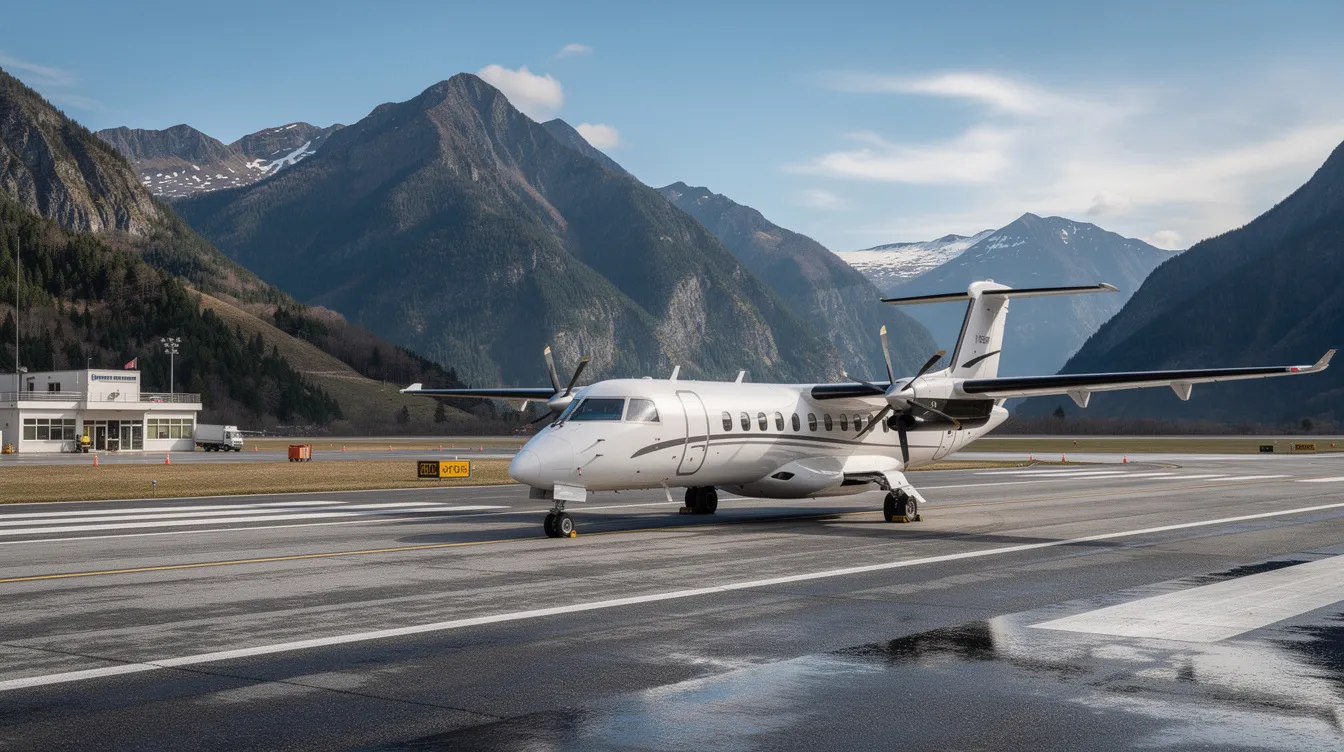
The FAA is the primary authority in the United States, but ICAO and EASA play major roles in global aircraft classifications. ICAO’s Standards and Recommended Practices help national regulators align rules so pilots, airlines, and charter operators can fly across borders safely.
EASA certification codes, including CS-23 and CS-25 for airplanes and CS-27 and CS-29 for rotorcraft, serve similar purposes to FAA Part 23, Part 25, Part 27, and Part 29. The process is centralized for Europe but broadly aligned with international civil aviation principles.
Aircraft manufactured by Airbus, Boeing, Bombardier, Gulfstream, and Embraer are often certified under both FAA and EASA frameworks. This supports operations in North America, Europe, and many other regions and highlights why choosing among the best private plane manufacturers matters when balancing performance, comfort, and certification. It also underpins many of the providers compared in guides to the best private jet charter companies.
Jettly’s global network includes aircraft registered in multiple jurisdictions. Each must hold a valid certification under its state of registry and follow ICAO-based rules when flying internationally.
Aviation regulations are evolving to address aircraft that do not fit neatly into traditional aircraft categories and classes. Unmanned aircraft systems, eVTOL vehicles, and advanced powered lift designs are pushing regulators to update long-standing definitions, just as existing rules for Part 135 charter companies define how today’s on-demand passenger and cargo operators must be certified and supervised.
Small drones in the United States are commonly regulated under FAA Part 107. These aircraft are limited by weight, altitude, operating rules, and separation from crewed aircraft.
Experimental, restricted, and provisional certifications support research, firefighting, agriculture, surveillance, and military aircraft modified for civil use. Many charter airlines also operate within these regulatory frameworks, and understanding them helps explain the diversity found in the ultimate list of charter airlines. Military aircraft and military aircraft modified for civilian roles may face strict operating limitations before carrying passengers or operating in normal civil aviation settings.
eVTOL aircraft are being developed for urban air mobility in cities such as Los Angeles, Dubai, and Singapore. Many use vertical takeoff, vertical landing, distributed propulsion, and electric power to connect airports, business districts, and regional points.
These aircraft may become a new practical aircraft class once certification paths and infrastructure mature. Digital platforms like Jettly are well-positioned to integrate certified eVTOL options when regulations and operations are ready, further expanding the ways travelers can get a seat on a private jet easily or use modern options for buying a seat on a private jet through shared or semi-private flights.
Choosing the right aircraft class affects time, cost, comfort, airport access, and reliability. Understanding how charter pricing works across these options, including strategies to reduce costs such as booking the cheapest private jet flights, is covered in more detail in Jettly’s guide on affordable private jet charter. A short regional business trip may be best served by a turboprop or light jet, while an overnight international route may require a heavy jet with a stand-up cabin and longer range, especially when you consider the regulatory and planning requirements for private jets flying internationally.
Aircraft class also influences takeoff and landing performance. Smaller aircraft may use shorter runways closer to the traveler’s destination. Larger jet engine transports rated for long-range service may need longer runways, larger ramps, and more airport support, which becomes especially important when planning private jets that fly internationally across oceans or into constrained foreign airports.
Cost also changes by aircraft class. Turboprops are often the most economical, light jets cost more but fly faster, and heavy jets have higher fuel burn, crew, maintenance, and airport fees. Travelers weighing purchase or ownership can look at the cheapest private aircraft options to understand how acquisition and operating costs scale across categories. However, larger aircraft may carry more pilot seats and passengers, spreading the cost across a team or family group, especially when comparing shared charter flights vs. full charters to match privacy needs with budget.
Jettly’s digital platform lets travelers compare aircraft class, range, passenger count, and instant pricing, or pre-calculate trip costs through a dedicated jet card flight cost estimator that ties into its broader jet card programs and resources explaining jet card costs and pricing structures. That makes it easier to balance budget, time, and comfort without needing to decode every technical rule.

These FAQs address common questions about aircraft categories, aircraft classes, and private jet selection beyond the main sections. The answers focus on practical concerns such as pricing, pilot qualifications, weight classes, and emerging aircraft class options.
Passengers are not legally required to know the aircraft’s certification category or class. Charter operators and platforms like Jettly handle compliance by ensuring each flight uses properly certified aircraft and crews, while customers usually select visible options such as light jet, midsize jet, turboprop, or helicopter. Booking details often show the aircraft type, such as Gulfstream G450, and interested travelers can request more technical information from the operator.
Larger aircraft classes generally have higher hourly rates, fuel burn, crew costs, maintenance needs, and airport fees than turboprops and light jets. Aircraft class also affects passenger capacity, nonstop range, airport feasibility, and total quote structure. Travelers who prefer short-term access rather than ownership can review how renting a plane works to compare rental structures with on-demand charter. Jettly’s private jet charter cost estimator and instant pricing tools let travelers compare options such as a King Air 250 turboprop versus a Citation CJ4 light jet between Dallas and Aspen, including trade-offs between time and budget.
A pilot certificate is issued at a level such as Private, Commercial, or Airline Transport Pilot, then expanded with category and class ratings. One pilot can hold Airplane Single-Engine Land, Airplane Multi-Engine Land, Rotorcraft-Helicopter, Glider, and other ratings if they complete the required training and checkrides. Type ratings are added on top for specific aircraft, particularly jets or aircraft above 12,500 pounds maximum takeoff weight.
Aircraft weight classes, also known as aircraft weight classes, are mainly used for air traffic control and wake turbulence separation. Heavy aircraft weigh over 255,000 pounds, Large aircraft weigh between 41,000 and 255,000 pounds, and Small aircraft weigh 41,000 pounds or less. Aircraft approach category is different because it is based on approach speed and used for instrument approach minima, so an aircraft weighing in a Large category may still use Approach Category C or D procedures.
Yes, eVTOL aircraft and other advanced air mobility vehicles are likely to influence future categories and classes. Regulators are refining rules for powered lift, autonomous systems, electric propulsion, and urban air mobility operations. Once certified, these aircraft may appear as a new aircraft class on booking platforms, optimized for short city-to-city trips and airport-to-downtown transfers.
Aircraft categories, classes, and types form a structured system that guides aircraft certification, pilot qualifications, instrument approach design, and commercial aircraft selection. Understanding the difference between an aircraft category, aircraft class, and aircraft approach category helps aviation professionals and informed travelers interpret safety, performance, and regulatory information more clearly.
In private aviation, recognizing the strengths of each aircraft class makes trip planning easier. Light jets work well for fast regional hops, turboprops can reach smaller airports, midsize jets add comfort and range, and heavy jets support long-haul international travel.
Jettly combines this regulatory foundation with a user-friendly digital interface, offering instant pricing, on-demand charter, and a global inventory organized by practical aircraft classes and mission profiles, positioning itself as a flexible NetJets alternative for flying private without long-term fractional commitments. Ready to experience private travel on your terms? Explore flight options or request a quote at https://www.jettly.com.
Share this post:
Jay Franco Serevilla
May 18, 2026
|
5
min read
Discover tips and trends in the industry.
5
min read
Cessna 182 Useful Load: Real-World Numbers, Tradeoffs & Planning
The Cessna 182's useful load is crucial for pilots when planning flights, as it determines how much weight can be carried, including passengers and fuel. This guide explores the useful load across various Cessna 182 models, highlighting trade-offs and practical loading scenarios for effective flight planning.
Read More
5
min read
How Much Is Airplane Fuel? Jet Fuel Prices, Costs, and What They Mean for Private Flights
As of May 2026, airplane fuel prices in the U.S. range from $7.00 to $9.20 per gallon for Jet A, significantly impacting private flight costs. Understanding these prices is crucial for frequent flyers, as fuel constitutes a major portion of charter expenses. Jettly offers transparent pricing that incorporates real-time fuel costs to help travelers budget effectively.
Read MoreStay updated with our latest insights and tips to elevate your journey with us.
MEMBERSHIPS AND ASSOCIATIONS



Disclaimer: Jettly operates as a charter broker, offering access to a global digital jet charter marketplace. Jettly is not a direct air carrier and does not own or operate aircraft. All advertised flights are conducted by third-party air carriers that are fully licensed and hold the appropriate Part 135 or Part 121 certifications issued by the Federal Aviation Administration (FAA) or equivalent regulatory authorities under U.S. or foreign law. Jettly complies fully with the U.S. Department of Transportation's Part 295 and Part 298 Charter Broker regulations. Jettly does not carry additional liability insurance. Passengers are covered by aircraft operator insurance. TICO: 50023770


