


Login
Get Instant Pricing On 23,000+ Aircraft

>

Owning an aircraft doesn’t have to be a luxury reserved for the ultra-wealthy. Today, affordable planes are more accessible than ever for new pilots and seasoned aviators alike. Whether you’re dreaming of weekend getaways in a Cessna or seeking the efficiency of a very light jet for business travel, there’s a wide spectrum of budget-conscious options available.
The key to making flying more accessible lies in understanding the full scope of aircraft ownership, from purchase price to ongoing maintenance, insurance, and operational costs. Pilots must factor in maintenance history and hangar fees when budgeting for ownership.
Annual operating costs are incurred even if the aircraft is not flown, making budgeting essential. For instance, annual costs for owning a used aircraft can be as low as $12,570 for light flyers, but this can vary greatly. For a $100,000 aircraft, fixed expenses alone can total around $8,500 annually, regardless of flying frequency. With smart planning and the right resources, you can make the most of your money when considering the expenses and investment involved in aircraft ownership.
Budget-friendly flying opens up a world of possibilities for both new pilots and experienced owners, making the dream of aircraft ownership more attainable than ever. Thanks to a growing market of single-engine aircraft and affordable aircraft options, flying is no longer reserved for the elite. Whether you’re interested in flight training, looking to purchase your first small plane, or considering upgrading to a more efficient model, there are plenty of choices to fit your budget.
The used aircraft market offers reliable planes at a fraction of the cost of new models. Smart buyers can find excellent value despite rising prices in recent years. From nimble trainers perfect for new pilots to versatile aircraft capable of cross-country flights, today’s selection covers a wide range of needs and preferences.
Understanding operating costs, maintenance requirements, and unique features of each aircraft is key to making a smart investment. Additionally, aircraft depreciation is likely less than that of new cars, preserving resale value. With careful research and planning, you can find an affordable plane that delivers both value and the freedom to explore the skies.
For aspiring pilots, single-engine planes are often the most practical and affordable entry point into aviation. These planes offer: Budget-friendly flying options like light-sport aircraft (LSAs) are also popular among beginner pilots due to their forgiving handling characteristics and lower purchase prices. Light-sport aircraft (LSA) are defined by specific maximum weight and speed criteria set by aviation authorities, making them a regulated yet accessible choice for new aviators.
Simple operation
Low maintenance costs
Reliable safety records
The Cessna 150 is one of the most widely available cheap airplanes in the world, making it a popular choice for new pilots.
Popular models include: Most affordable personal aircraft listed often range from $20,000 to $30,000.
Cessna 150 – A two-seater trainer airplane known for reliability and affordability, making it an excellent entry-level airplane for flight training. Used models can be found for under $20,000.
Piper J-3 Cub – A vintage favorite with a reputation for durability and short takeoff/landing performance.
ERCO Ercoupe – Often priced under $20,000 in 2025, this aircraft is a budget-friendly option for light flyers.
Taylorcraft BC-12D – A classic aircraft that can be found in flyable condition for around $20,000, offering a cost-effective entry into aviation.
These aircraft are ideal for flight training, weekend flying, and basic travel, offering an affordable way to own and operate a personal plane. They help new pilots become familiar with flying and handling, building confidence early in their aviation journey.
Beyond single-engine trainers, there are several small aircraft models perfect for recreational or personal use:
Cessna 140 – An upgraded version of the earlier Cessna 120 with improved controls and amenities.
Luscombe 8A – A lightweight and efficient plane, often used for pilot training and short trips.
Aeronca Champion – Frequently found for under $25,000, this aircraft is a reliable and affordable choice for recreational flying.
Stinson 108 – Known as one of the cheapest family aircraft available, it offers a practical and economical option for group flying.
Benefits of small planes include: Light-sport aircraft are typically simpler to operate and maintain compared to traditional aircraft, making them an attractive option for many pilots. Registration for light-sport aircraft is often more straightforward than for conventional airplanes, making them appealing to new pilots who are navigating the complexities of aviation for the first time.
Lower fuel consumption
Easier hangar storage
Less complex avionics and systems
Light-sport aircraft require a special pilot certificate, which is easier to obtain than a traditional private pilot license, further lowering the barriers to entry for new pilots.
Flying these small planes is not only practical but also fun, offering pilots an enjoyable and exciting experience in the cockpit. Many of these models are easy to fly, making them accessible for both new and experienced pilots. Both light-sport aircraft and ultralights are generally more affordable options for recreational flying. Ultralights are aircraft that meet specific weight and performance limits established by aviation regulations, further enhancing their appeal for budget-conscious pilots.
With prices ranging from $15,000 to $40,000, these models offer excellent value and an exciting entry into the world of private aviation.
The world of affordable aircraft is filled with models designed to suit a variety of flying styles and budgets. Single-engine aircraft, such as the ever-popular Cessna 150, are a top choice for those seeking easy handling, low maintenance, and a wallet-friendly price point. These planes are ideal for flight training, weekend adventures, and building flight hours without breaking the bank.
For pilots looking for a bit more speed and comfort, very light jets like the Cirrus Vision Jet SF50 offer impressive performance and modern features at a lower cost than traditional business jets. Meanwhile, the used aircraft market provides a wealth of opportunities to own a well-maintained plane at a significant discount, making aircraft ownership accessible to more people than ever before.
No matter your experience level or flying goals, there’s an affordable aircraft model out there to match your needs. By focusing on proven brands, efficient engines, and models known for their reliability, you can enjoy the benefits of ownership while keeping costs in check.
When it comes to finding value in the sky, several single-engine aircraft stand out for their affordability, performance, and low operating costs. The Cessna 140 is a classic example, prized for its dependable engine, short field performance, and budget-friendly maintenance. Its straightforward design makes it a favorite among pilots who want a reliable plane without high expenses.
The Piper J-3 Cub is another iconic choice, offering a unique flying experience and a price that appeals to both hobbyists and serious aviators. Known for its simple construction and forgiving handling, the Cub is perfect for those who want to enjoy flying without worrying about excessive costs.
For new pilots, the Luscombe 8A provides a responsive and enjoyable flight experience, with a reputation for being both affordable and easy to maintain. These models, along with many other affordable planes, make it possible for more people to take to the skies. By considering factors like insurance, ongoing maintenance, and the specific needs of your flying, you can select a budget-friendly aircraft that delivers lasting value and plenty of adventure.
The Piper PA-38 Tomahawk is another reliable choice for learning pilots, featuring a powerful Lycoming O-235 engine and known for its efficiency. Ultralights can often be built from kits, allowing pilots to customize their flying experience to suit their personal preferences and needs.
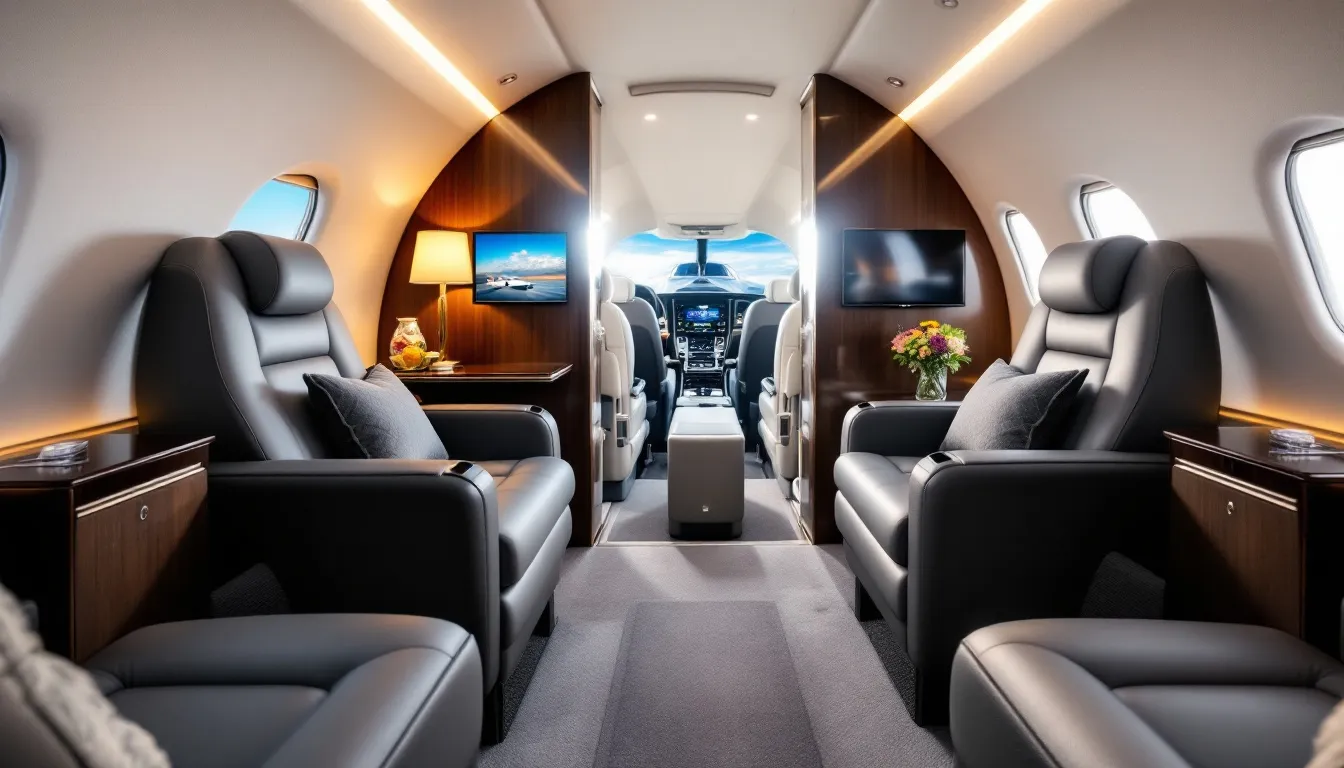
Aircraft costs vary dramatically depending on type, age, and usage. Here’s a general breakdown:
Used Single-Engine Planes: $15,000 – $80,000
New Single-Engine Planes: $300,000+
Very Light Jets (VLJs): $1M – $3M
Used VLJs: $700,000+
Fuel costs for small planes typically range from $50 to $70 per flying hour, depending on fuel consumption, making it an important variable cost to consider. Additionally, the estimated variable cost for operating an aircraft, including fuel and maintenance, can reach approximately $70 per flight hour.
Insurance for an aircraft typically costs about 2% to 5% of the aircraft's value annually, which is an important factor to consider when budgeting.
Used aircraft are typically priced much lower than new models, making them attractive for budget-conscious buyers. For budget-conscious buyers, used aircraft are often the best bet. Many reliable, well-maintained planes are available on the secondary market for less than the cost of a new SUV.
The total cost of flying an aircraft significantly decreases per hour if the aircraft is flown more frequently throughout the year. Budgeting for a used aircraft should account for both fixed costs and estimated variable costs based on expected flight hours.
Ongoing costs include:
Annual inspection: $1,000 – $2,500
Insurance: $1,200 – $5,000/year, depending on pilot experience and aircraft
Fuel: $4 – $8 per gallon (avg burn rate of 5–15 gallons/hour)
Hangar rental: $200 – $600/month (location dependent)
Maintenance and unexpected repairs: Variable costs that can arise during operation, requiring careful financial planning.
Paying for these ongoing expenses, such as maintenance, insurance, fuel, and hangar space, represents a significant financial commitment for aircraft owners.
With planning and smart choices, these costs can be managed effectively, especially if you opt for planes known for efficiency and reliability, like the Piper Cherokee, a stable, all-metal aircraft with a low-wing design, comfortable layout, and a 180-horsepower engine, or the Grumman AA5.
Purchasing a plane outright isn’t the only path. Aircraft financing can open doors for pilots on a budget. Before proceeding, it's important to have a clear plan for both your financial situation and how you intend to use the aircraft, as this will help determine the best financing options for your needs. The '90% rule' recommends buying an aircraft that meets 90% of your needs to avoid overspending on unnecessary features.
Banks and Credit Unions: Offer aviation-specific loans with fixed rates
Aircraft Financing Companies: Specialize in loans for both personal and commercial aviation
Terms: 10–20 years, with interest rates from 6%–9% (as of 2025)
Leaseback Programs: Buy the plane and lease it to a flight school to offset costs
Co-Ownership: Split ownership and expenses with another pilot
Club Memberships: Pay monthly to use shared aircraft without owning
These strategies reduce the financial burden and allow more people to participate in aircraft ownership.
Before buying any aircraft, it’s crucial to evaluate its airworthiness and condition. Prospective owners should be aware of maintenance costs and technical details to make an informed decision. Airplanes require rigorous maintenance and annual inspections to remain airworthy. Annual condition inspections for used homebuilt aircraft must be signed off by a licensed A&P mechanic, ensuring that these planes meet safety standards and remain in optimal condition.
Hire a certified aviation mechanic to inspect:
Airframe and engine condition
Maintenance logs
Avionics and electrical systems
Corrosion or prior damage
A typical inspection costs $500 – $1,000, but it can save you thousands by catching hidden problems.
Request complete logbooks
Verify time since last overhaul
Ensure compliance with ADs (Airworthiness Directives)
Never purchase an aircraft without thorough records; they're essential for insurance, resale, and legal flight operations.
Like buying a car, a test flight can make or break your decision.
Assess handling, comfort, noise level, and instrument readability
Ensure engine performance meets expectations
Evaluate whether the cockpit layout suits your preferences
Check stall speed and observe stall behavior to ensure safe and predictable handling
Most reputable sellers, including dealers and private owners, will accommodate test flights or demo flights. It’s a crucial part of your due diligence process.
For newer aircraft, warranties and support packages are key to long-term affordability. Choosing a reputable brand can provide better warranty coverage and more reliable support, ensuring peace of mind for owners.
Engine and airframe coverage (2–5 years)
Avionics and electronics
Manufacturer-supported maintenance plans
Some brands (e.g., Cirrus, Piper) also offer training programs and safety support. If buying new or lightly used, factor warranty value into your budget planning.
Once you’ve made your purchase, your aircraft must be legally recognized.
File FAA Form 8050-1
Submit proof of ownership (bill of sale)
Obtain N-number (registration number)
Receive the FAA registration certificate
Aircraft must meet airworthiness standards
Must undergo annual inspections
Pilots must maintain medical certificates and flight reviews
Failing to properly register or certify your plane can lead to fines or grounding; avoid shortcuts here.
Even after purchase, responsible pilots commit to continuous learning.
Recurrent training (every 12–24 months)
Type ratings for jet aircraft
Online courses for avionics updates or new FAA regulations
Flight safety depends on staying proficient, especially for owners flying irregularly or across changing weather conditions.

While jets typically come with higher price tags, there are a few affordable turboprop and light jet options that blend performance with value. For example, one option is the Embraer Phenom 100, a very light jet known for its cost-effectiveness. The wing design of these fixed-wing aircraft also plays a crucial role in their performance and efficiency, making them attractive choices for buyers seeking both affordability and reliability.
The Grumman ‘Yankee' is another option, known for its stylish design and affordability. Similarly, the Grumman American AA-1 offers sporty, modern features and is designed for more responsive handling, appealing to pilots who value performance.
Cirrus Vision Jet SF50 – An entry-level personal jet starting at ~$2M with low operating costs
Embraer Phenom 100 – A very light jet with short-field capabilities and reasonable maintenance costs
Beechcraft King Air B200 – A twin turboprop ideal for regional travel, used models start under $1M. Aircraft like the King Air B200, built in the past decades, have proven their durability and continue to hold value, showing that well-maintained planes from the past remain in demand.
Although these aircraft aren’t “cheap” by most standards, they offer good value for buyers seeking speed, range, and comfort on a budget compared to larger business jets.
To keep flying affordable, owners must actively manage their ongoing expenses. Unlike other types of investments or assets, aircraft ownership involves unique considerations such as specialized maintenance and insurance costs. Pilots appreciate light-sport aircraft and ultralights for their low operating costs and reasonable fuel efficiency, making them a practical choice for those looking to minimize expenses.
Stick to aircraft with high parts availability
Join type clubs or forums for DIY maintenance guidance
Compare quotes across aviation insurance providers
Use preventative maintenance schedules to avoid larger repairs
Some aircraft, like the Mooney M20 or Beechcraft Musketeer, have reputations for reliability, making them favorites among budget-minded pilots.
There’s no one-size-fits-all answer when it comes to affordable planes, but there is a plane for almost every budget. Whether you're drawn to a vintage two-seater for weekend flights or a turboprop that gets you across the state in comfort, affordable aircraft ownership is possible with the right knowledge and planning.
From financing options to smart aircraft selection, this guide has highlighted the key factors to consider as you explore the skies.
At Jettly, we help aviation enthusiasts find the aircraft that matches their mission, whether that’s chartering or eventually owning their own plane. Browse our available aircraft or get in touch for expert guidance on finding the right solution for your flying goals.
Take flight, affordably, intelligently, and safely.
Share this post:
Jay Franco Serevilla
Sep 13, 2025
|
5
min read
Discover tips and trends in the industry.
5
min read
Small Private Jet Price: What It Really Costs to Fly vs Own in 2026
In 2026, the cost of small private jets varies significantly based on whether you choose to charter or own. Charter rates for very light jets range from $2,000 to $3,000 per hour, while ownership costs can exceed $1 million annually. This guide provides a comprehensive breakdown of purchase prices, operating costs, and the advantages of chartering versus owning a private jet.
Read More
5
min read
Delta Carrier Code: DL Airline Code, DAL ICAO & How They Affect Your Flights
Understanding Delta's carrier code, DL, and its ICAO code, DAL, is essential for navigating flight bookings and connections. These codes are crucial for identifying Delta flights across various systems, ensuring travelers can manage their itineraries effectively. Whether flying commercially or coordinating private charters, knowing these identifiers enhances the travel experience.
Read MoreStay updated with our latest insights and tips to elevate your journey with us.
MEMBERSHIPS AND ASSOCIATIONS



Disclaimer: Jettly operates as a charter broker, offering access to a global digital jet charter marketplace. Jettly is not a direct air carrier and does not own or operate aircraft. All advertised flights are conducted by third-party air carriers that are fully licensed and hold the appropriate Part 135 or Part 121 certifications issued by the Federal Aviation Administration (FAA) or equivalent regulatory authorities under U.S. or foreign law. Jettly complies fully with the U.S. Department of Transportation's Part 295 and Part 298 Charter Broker regulations. Jettly does not carry additional liability insurance. Passengers are covered by aircraft operator insurance. TICO: 50023770


