


Login
Get Instant Pricing On 23,000+ Aircraft

>
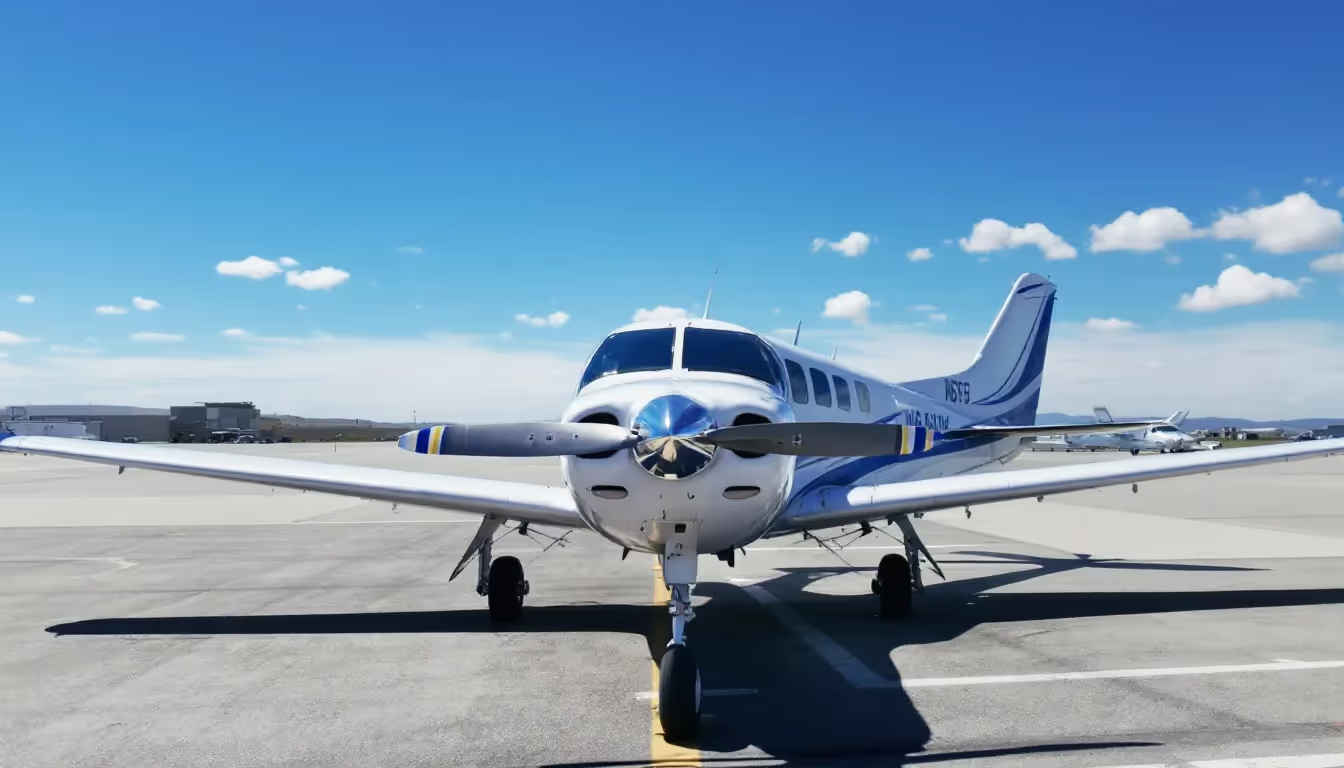
Renting an aeroplane might sound like a luxury reserved for the ultra-wealthy, but in reality, aeroplane rent is becoming an increasingly accessible option for a wide range of travelers. Whether you’re a private pilot or among private pilots who rent aircraft for personal or recreational use, a business professional seeking private jet or charter flights as premium options for luxury and convenience, or a travel enthusiast, renting an aircraft can offer flexibility, convenience, and cost savings when compared to owning your own plane. Private aviation is becoming more accessible, attracting business travelers and families who prioritize time, comfort, and flexibility.. Private jet travel eliminates the hassles of commercial airlines, including crowded terminals and lengthy check-in processes.
Unlike ownership, which includes long-term maintenance, hangar costs, and depreciation, aeroplane rental provides on-demand access without the ongoing overhead. But to make the most of it, it’s important to understand the variety of rental options available, the true cost structure, and how to find affordable deals. There are affordable options for a variety of budgets, from single-engine rentals to shared charter flights, making private aviation more accessible than ever and allowing you to choose the best fit for your needs. Onboarding fees, insurance, and maintenance costs are often additional expenses on top of the base rental rates.
There are several pathways for accessing rental aircraft, including plane rentals as a flexible alternative to ownership, each with its own pros and cons depending on your experience level and travel purpose. Airplane rental options include hourly, daily, and block-time rentals, often available through Fixed Base Operators (FBOs) or flying clubs. Hourly rental options allow customers to pay for the exact number of hours the airplane is in operation, offering flexibility for shorter trips or specific needs. Daily and weekly rentals are based on the number of days the airplane is in the possession of the renter.
Flying clubs operate much like a co-op. You pay an initiation fee and monthly dues, gaining access to a fleet of shared aircraft. This is a great option for licensed pilots who fly frequently and want lower hourly rates than traditional charter services. Membership in flying clubs can lower rental costs for members by sharing aircraft ownership and maintenance expenses.
For non-pilots or those who prefer to fly with a crew, chartering a private aircraft (also known as booking a charter flight) is an excellent choice. Companies like Jettly offer on-demand charter services, providing a range of charter flights tailored to different destinations and passenger needs, with a variety of aircraft, from light jets to turboprops and helicopters.
The booking process for chartering a private jet is typically straightforward, involving inquiry, selection, and confirmation stages. Booking a charter flight is facilitated through dedicated account managers who assist in the process and ensure a seamless experience. Private jet charters often include flexible scheduling, enabling quick departures without long waiting times. Private jet charter services enhance convenience by allowing travelers to bypass crowded airports.
Flight schools often offer aircraft rentals to licensed pilots for solo flights. These can be used for building hours or regional trips, and the rates tend to be competitive; however, instructor fees may apply for training or check-out flights. Flight schools often rent out their training aircraft, which is ideal for short-term rentals and provides an accessible option for pilots looking to gain experience or complete specific flight objectives.
Some companies offer fractional ownership or jet card programs, allowing clients to purchase flight hours without owning a share in a specific aircraft. These options offer flexibility but can come with membership fees or usage restrictions.
The cost of renting an aeroplane varies widely and depends on various factors:
Aircraft type (single-engine vs. jet)
Rental duration
Hourly rental rates
Rental rates
Geographic location
Seasonal demand
Fuel and operational fees
Additional services (pilot, crew, insurance)
Hourly rates for renting airplanes vary widely based on aircraft type and size, ranging from $100 to over $10,000 per hour.
Additional fees and ongoing expenses, such as maintenance or storage, may also impact the total cost.
Understanding how these elements combine is essential for making cost-effective decisions.
The cost of chartering a private jet varies significantly based on different aircraft types, as each category impacts pricing due to differences in size, range, speed, and intended use. For example:
Single-engine aircraft (e.g., Cessna 172): $150–$250/hour, an affordable option for smaller, budget-conscious travelers
Twin-engine aircraft (e.g., Piper Seneca): $300–$500/hour
Light jet (e.g., Citation Mustang): $2,000–$3,000/hour
Midsize jets and heavy jets: $4,000–$10,000+/hour, midsize jets are ideal for medium-range trips and typically accommodate 7–9 passengers, while heavy jets are suited for long-range, larger group travel
Smaller aircraft typically cost between $100 to $200 per hour to rent.
Selecting the ideal aircraft for your travel needs ensures optimal comfort and efficiency, matching the aircraft type to your journey’s specific requirements.
Longer rentals may reduce the average hourly rate. Some providers offer day rates, weekend packages, or discounted block hours for frequent flyers; booking during off-peak times can further reduce costs. Renting an airplane during off-peak times often results in notable savings due to lower demand.
Rental costs can vary significantly by region. High-demand hubs or remote airports may include higher landing and handling fees and hangar fees, while others may offer competitive rates to encourage general aviation traffic.
If you’re not flying the aircraft yourself, pilot fees will be included. For self-flying rentals, a pilot's license is required. These typically range from $300 to $1,000/day depending on aircraft complexity and destination. Dry rentals include the aircraft only, leaving fuel costs to the renter, while wet rentals include both the aircraft and fuel costs. Wet rentals include fuel costs, while dry rentals make the pilot responsible for sourcing and paying for fuel, which can significantly impact overall expenses.
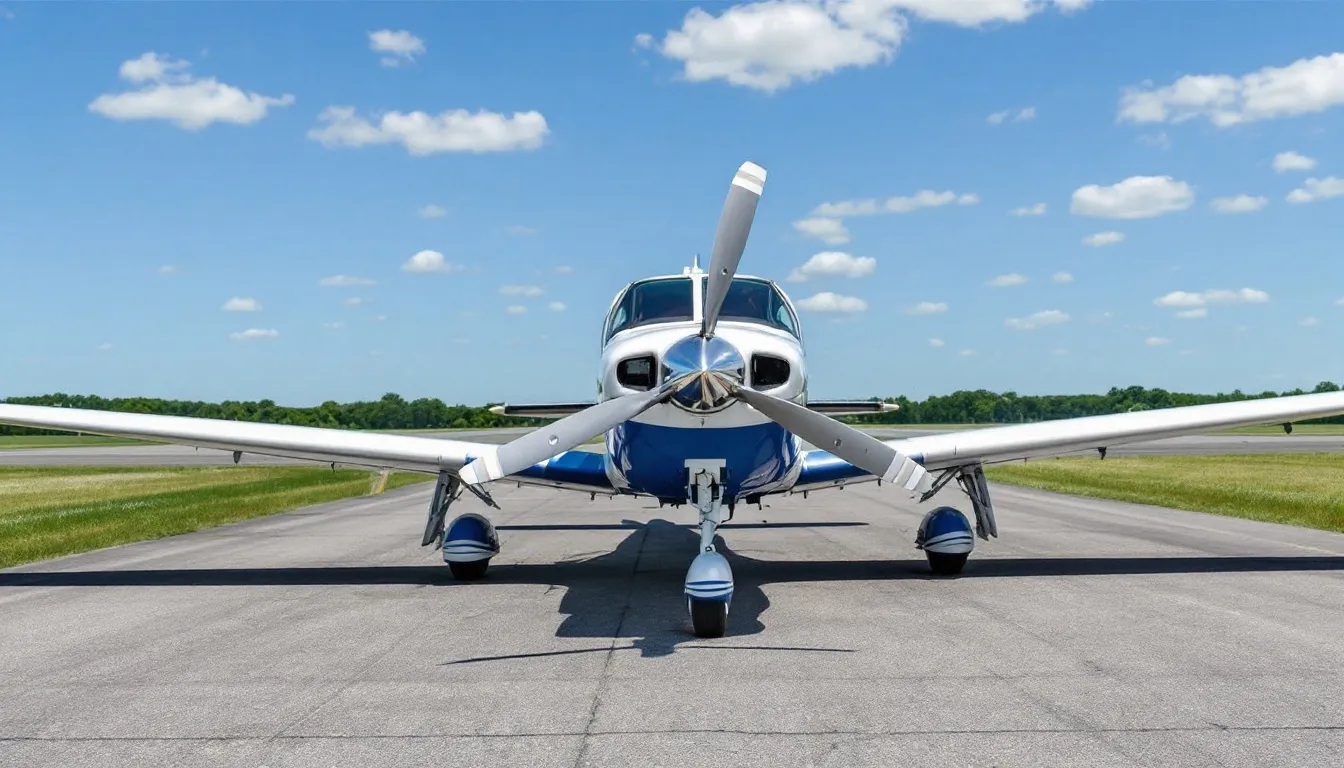
Understanding how aeroplane rental fees are structured will help you identify savings opportunities, especially when considering both initial costs and ongoing costs in comparison to ownership.
The initial purchase of an aircraft involves a significant financial burden, including high upfront investment and long-term commitments, which can be avoided by choosing rental options.
Most rentals are priced per hour. Understanding private plane flight times is essential for effective travel planning, as various factors can influence the duration of your journey..
Fuel (wet rate includes fuel; dry rate does not)
Insurance
Airport fees
Pilot/crew time
Fuel may be charged separately or included in the rental rate. Jet fuel is typically more expensive than AvGas used in smaller aircraft, and the fuel efficiency of the aircraft can significantly affect overall fuel costs.
These can include:
Landing fees
Ramp/parking fees
Handling fees
Facility charges
Expect to pay more at major international airports versus regional or private airfields.
Additionally, private rentals often allow travelers to bypass the long security lines common at major airports.
Some companies include basic coverage in the rental. However, additional liability or hull insurance may be required, especially for solo pilot rentals.
If you’re undergoing flight training or require a certified instructor or co-pilot, this will be an additional charge, often $50–$150/hour.
If you’re a student pilot or working toward a commercial license, many flight schools bundle flight hours + instruction in training packages. Many private pilots also start with these training packages.
Private Pilot License (PPL): $7,000–$15,000 (including ground school)
Commercial or Multi-Engine Ratings: $20,000+
Building hours through private flights of varying flight distances is essential for pilot development.
You can reduce costs by booking bulk hours or using smaller training aircraft. Always confirm if simulator time is included. Block time purchase allows renters to buy a set number of flight hours at a reduced rate.
Different needs call for different aircraft, and it's important to consider whether aircraft ownership or aircraft rental is the best fit for your situation. Aircraft ownership can be ideal for frequent flyers who want long-term investment and control, while aircraft rental offers a flexible, customizable alternative for those seeking convenience, diverse aircraft types, and luxury amenities without the commitment of ownership.
Choosing the right rental option for your needs can greatly improve cost effectiveness, ensuring you maximize value and minimize unnecessary expenses.
Different needs call for different aircraft:
Regional trips (1–2 hrs): Single or twin-engine piston, ideal for short trips, offering flexibility and convenience
Cross-country trips (3+ hrs): Light or mid-size jet
Business travel: Turboprop or light jet
Scenic tours: Helicopter or light aircraft
Family vacation: Cabin-class twin or small jet
Choosing a smaller, more fuel-efficient aircraft is the most effective way to reduce rental costs.
No maintenance, hangar, or depreciation costs.
Choose the right aircraft for each trip without long-term commitments.
Private rentals often allow access to 5x more airports than commercial flights. Private aviation provides direct access to more than 5,000 smaller airports, enhancing convenience compared to commercial flights and offering travelers a broader range of destinations. Chartering a private jet allows travelers to access nearly 5,000 smaller airports, enhancing convenience.
No security lines or layovers. Board and depart on your schedule.
From catering to custom flight routes, private rentals offer a tailored experience.
Many private rental providers are also known for offering unparalleled service to their clients.
Before committing, always review the rental contract thoroughly, paying special attention to any additional fees that may apply. Renters must provide specific documentation, such as a valid pilot certificate and insurance, before renting an aircraft. Additionally, minimum flight hours are commonly required when renting an airplane, which can affect total rental costs.
Minimum flight hours per day
Cancellation policy
Pilot qualifications
Insurance coverage
Maintenance responsibilities (if any)
Fuel surcharges or dry rental terms
Transparent terms will help you avoid surprise charges.
Your safety should be non-negotiable. Always ensure:
The operator is certified (e.g., FAA Part 135 or equivalent)
Aircraft maintenance records are up to date
The aircraft is equipped with modern avionics and advanced safety features for enhanced security
The pilot meets flight time and type-rating requirements
Insurance coverage is sufficient for liability and equipment
Jettly only works with certified operators who meet or exceed international aviation safety standards.
When it comes to renting aircraft, safety and reliability are non-negotiable, and that starts with rigorous aircraft maintenance and meticulous record-keeping. In the private aviation market, rental companies, flying clubs, and fixed base operators all prioritize regular inspections, scheduled maintenance, and prompt repairs to ensure every flight meets the highest safety standards. Private aviation prioritizes safety through rigorous maintenance and inspections, leading to a lower accident rate compared to commercial flights.
Detailed maintenance records are kept for each aircraft, documenting everything from routine checks to parts replacements and repairs. These records not only help track the aircraft’s maintenance history but also ensure compliance with aviation regulations, which is especially critical for private jets and other high-value aircraft. By maintaining up-to-date logs, rental companies can quickly identify and address potential issues, minimizing downtime and unexpected fees for customers.
For renters, this commitment to maintenance means greater peace of mind and a more reliable flying experience. Whether you’re flying with a club or booking through a private aviation provider, you can trust that the aircraft has been thoroughly inspected and is ready for your journey. In the competitive private aviation market, companies that prioritize maintenance and transparent record-keeping stand out by offering a safer, more dependable service for every flight.
Today’s private aviation providers go beyond just offering aircraft; they deliver a suite of additional services designed to elevate your private travel experience. Many rental companies and flying clubs now provide ground transportation, in-flight catering, and concierge services, ensuring every aspect of your journey is seamless and stress-free. Passengers can often check in much closer to departure times when using private terminals compared to commercial airlines.
For discerning travelers, these personalized services can include tailored flight planning, real-time weather updates, and detailed airport information, all designed to optimize your flight details and maximize comfort. Access to premium amenities, such as luxury lounges and exclusive accommodations, transforms your trip into a truly unparalleled service experience.
Looking for cost-effective options? Many providers offer flying club memberships or block time purchases, allowing you to save money on rental costs while enjoying added flexibility. These tailored solutions are perfect for frequent flyers who want to maximize value without sacrificing quality.
By choosing a rental company that offers these additional services, you benefit from a more comprehensive, enjoyable, and efficient flying experience, whether you’re traveling for business or pleasure. With personalized service, premium amenities, and cost-effective options, private aviation is more accessible and rewarding than ever before.
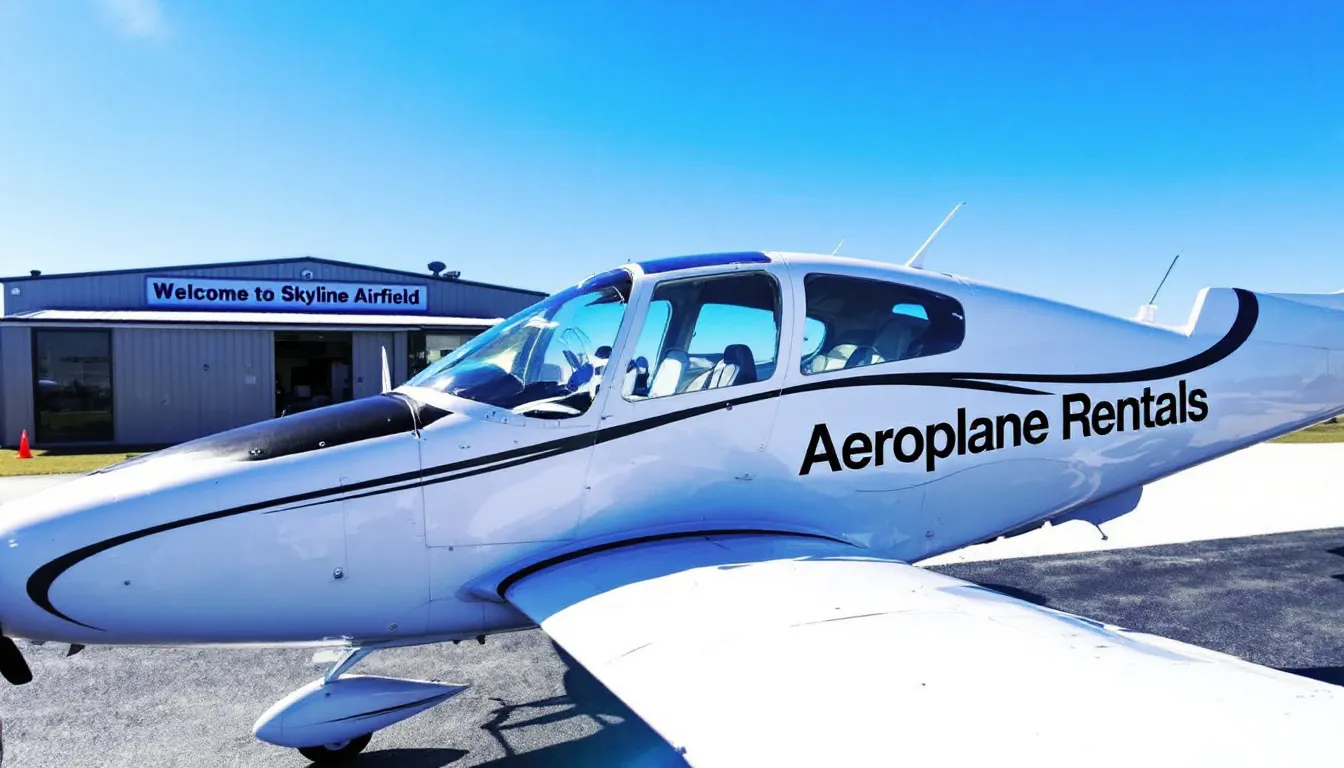
Looking to keep your costs down? Here are some practical tips:
Book in advance to secure better deals.
Travel during off-peak times, like weekdays or off-season, for lower prices.
Join a flying club or membership program to access discounts and fixed pricing.
Opt for smaller or older aircraft, such as single-engine planes or light jets, to save money.
Share flights with others to split costs when possible.
Always compare quotes and rental rates from multiple providers to ensure competitive pricing.
Prioritizing cost-effectiveness when choosing an aeroplane rental helps maximize value and minimize expenses.
Last-minute charters often cost more, so booking ahead can unlock better pricing.
Lower demand on weekdays or during off-season generally results in cheaper rates.
Selecting single-engine or light jets when suitable reduces rental and fuel costs.
Programs like Jettly’s Jet Club offer fixed hourly rates, waived fees, and exclusive member perks.
Some providers offer bundled deals for frequent flyers or weekend trips.
Use platforms like Jettly to get competitive quotes from certified operators all in one place.
Amenities: Consider in-flight Wi-Fi, catering, or lounge access.
Weather Policies: Understand cancellation or delay procedures due to weather.
Support Services: Ground transportation, concierge, or baggage handling can make or break your experience.
Aircraft Age and Condition: Newer aircraft may be more fuel-efficient, reliable, and comfortable, often worth the slight premium. Additionally, they may have lower ongoing expenses due to improved reliability and efficiency.
Aeroplane rental is no longer just for celebrities and CEOs. Whether you’re looking to train, travel for business, or plan a private getaway, aeroplane rental provides a flexible and often surprisingly affordable way to fly. In today’s private aviation market, there is a wide range of aircraft types available, from turboprops and light jets to heavy jets and multi-engine planes, each suited to different travel needs and budgets.
By understanding how rental pricing works, comparing providers, and planning strategically, you can access the benefits of private aviation without the burdens of ownership.
Ready to explore your options?
Visit Jettly.com today to compare aircraft, book charters, or join a membership plan that suits your travel lifestyle. With transparent pricing, expert support, and access to thousands of aircraft, Jettly simplifies the journey from planning to takeoff.
Share this post:
Jay Franco Serevilla
Sep 16, 2025
|
5
min read
Discover tips and trends in the industry.
5
min read
Small Private Jet Price: What It Really Costs to Fly vs Own in 2026
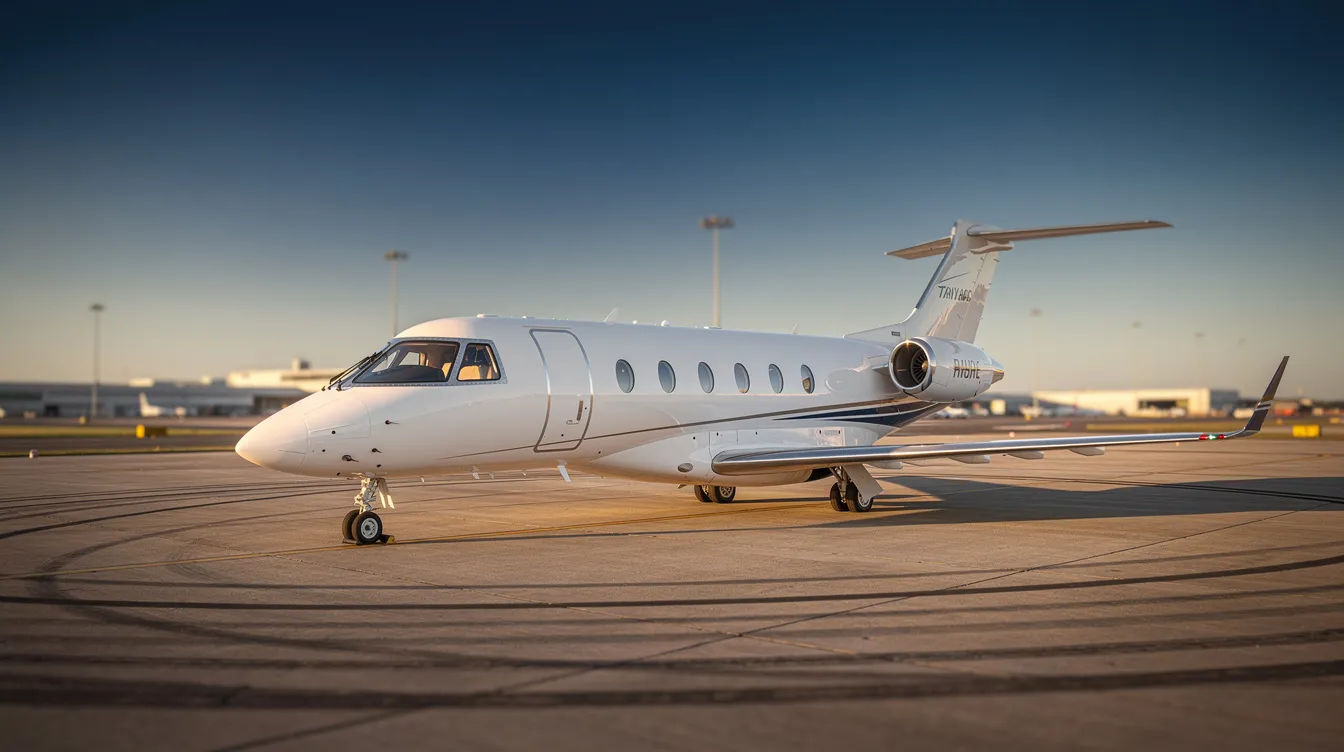
In 2026, the cost of small private jets varies significantly based on whether you choose to charter or own. Charter rates for very light jets range from $2,000 to $3,000 per hour, while ownership costs can exceed $1 million annually. This guide provides a comprehensive breakdown of purchase prices, operating costs, and the advantages of chartering versus owning a private jet.
Read More
5
min read
Delta Carrier Code: DL Airline Code, DAL ICAO & How They Affect Your Flights
Understanding Delta's carrier code, DL, and its ICAO code, DAL, is essential for navigating flight bookings and connections. These codes are crucial for identifying Delta flights across various systems, ensuring travelers can manage their itineraries effectively. Whether flying commercially or coordinating private charters, knowing these identifiers enhances the travel experience.
Read MoreStay updated with our latest insights and tips to elevate your journey with us.
MEMBERSHIPS AND ASSOCIATIONS



Disclaimer: Jettly operates as a charter broker, offering access to a global digital jet charter marketplace. Jettly is not a direct air carrier and does not own or operate aircraft. All advertised flights are conducted by third-party air carriers that are fully licensed and hold the appropriate Part 135 or Part 121 certifications issued by the Federal Aviation Administration (FAA) or equivalent regulatory authorities under U.S. or foreign law. Jettly complies fully with the U.S. Department of Transportation's Part 295 and Part 298 Charter Broker regulations. Jettly does not carry additional liability insurance. Passengers are covered by aircraft operator insurance. TICO: 50023770


