


Login
Get Instant Pricing On 23,000+ Aircraft

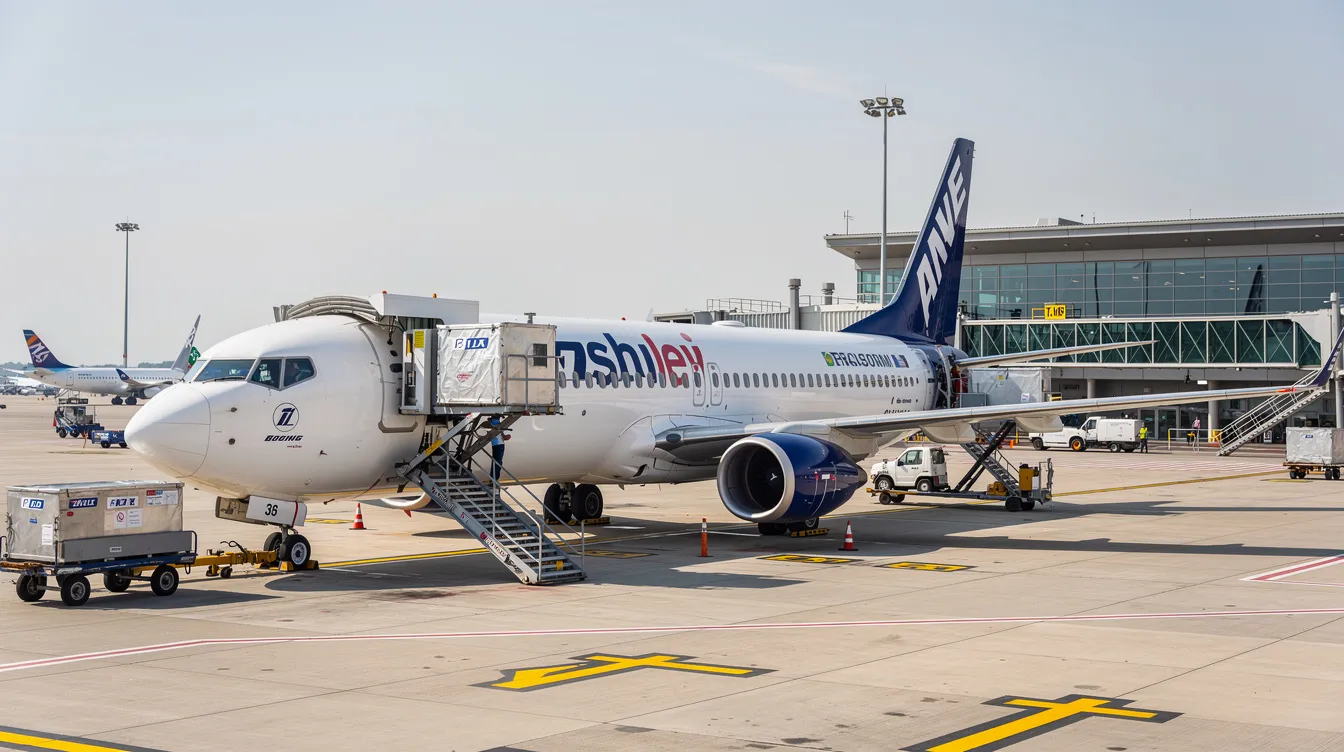
The Southwest Boeing 737-800 is a popular choice for domestic travel, featuring 175 economy seats in a 3-3 layout. This guide explores its cabin layout, fare options, and how it compares to private jet charters, highlighting the benefits of each for different travel needs.
Jay Franco Serevilla
Aug 4, 2026
|
5
min read



View all
Princeton Airport (39N) is a privately owned general aviation airport located just north of Princeton, NJ, offering a convenient alternative for private flyers and business travelers. This guide provides essential information on private flights, airport access, and ground transportation options, ensuring a smooth travel experience. With its efficient facilities and proximity to key destinations, Princeton Airport is ideal for both leisure and business aviation needs.
Jay Franco Serevilla
Aug 15, 2026
|
5
min read

View all
Pinal Airpark in Marana, Arizona, is a unique aviation facility known for its extensive aircraft storage and military training operations. Originally established during World War II, it now serves as a hub for aircraft maintenance and private jet access, making it essential for aviation professionals and travelers in the region.
Jay Franco Serevilla
Aug 15, 2026
|
5
min read

View all
Luis Muñoz Marín International Airport (SJU) is Puerto Rico's busiest airport, serving as a key gateway for private jet travelers. This guide provides essential information on private jet access, airport facilities, and popular routes, ensuring a seamless travel experience for business and leisure flyers alike.
Jay Franco Serevilla
Aug 15, 2026
|
5
min read

View all
Key West International Airport (EYW) is the main gateway to Key West, FL, located just 2 miles from downtown. It serves both commercial and private flights, offering nonstop service to over 20 U.S. destinations. This comprehensive guide covers airlines, terminal layout, ground transportation, and travel tips for a smooth arrival in the Florida Keys.
Jay Franco Serevilla
Aug 15, 2026
|
5
min read

View all
Harry Reid International Airport (LAS) is the main airport for Las Vegas, handling over 58 million passengers in 2024. With two terminals and extensive flight options, it serves both commercial and private flyers, offering a range of ground transportation and private jet services through Jettly. This guide provides essential information on airport layout, airlines, and travel tips for a smooth journey.
Jay Franco Serevilla
Aug 15, 2026
|
5
min read
View all
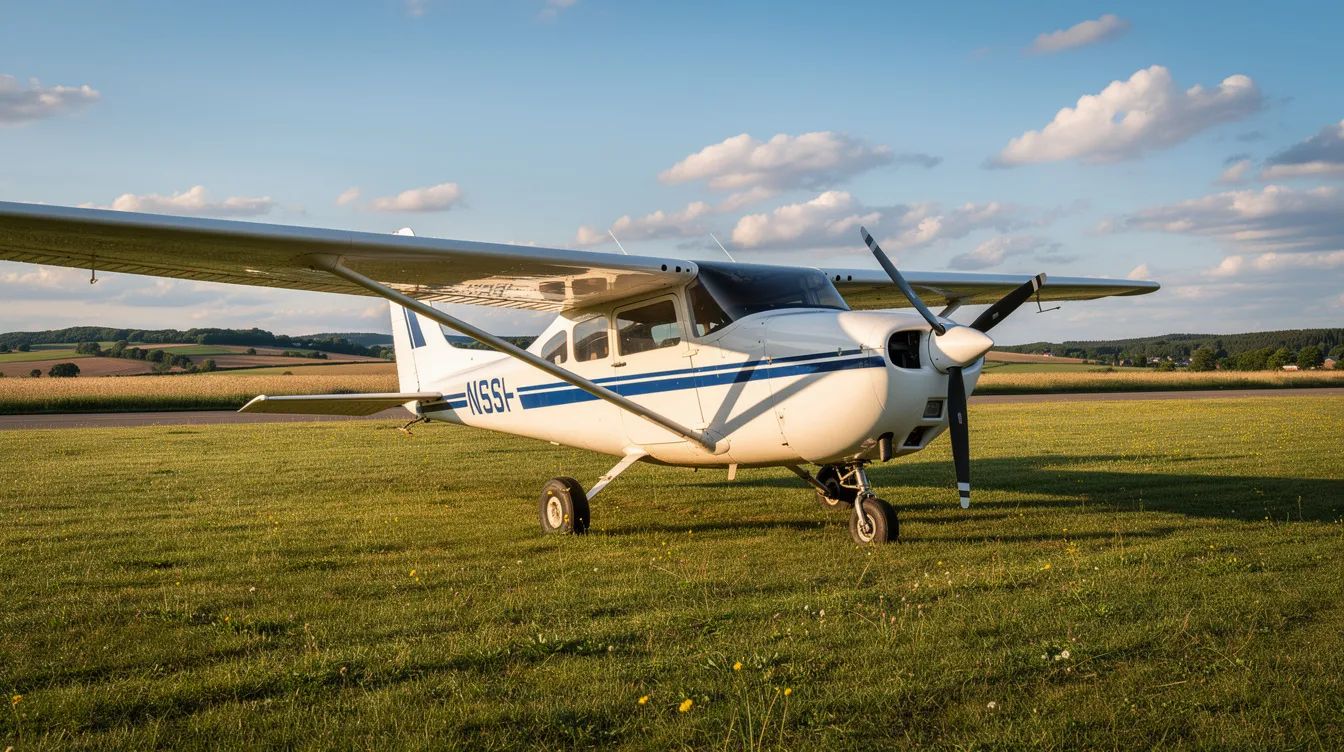
The Cessna 150 and 152 are the smallest widely produced Cessna aircraft, primarily used for flight training and short trips. Known for their simplicity and low operating costs, these two-seat planes have introduced countless pilots to aviation. This guide explores their specifications, history, and practical uses, including insights on renting or chartering through platforms like Jettly.
Jay Franco Serevilla
Aug 15, 2026
|
5
min read
Explore our latest articles and updates.

5
min read
Best Time to Buy International Airline Tickets to Europe
Finding the best time to buy international airline tickets to Europe can save travelers hundreds of dollars. Booking 3 to 7 months in advance typically yields the best prices, especially during shoulder seasons. This guide offers insights on timing, fare tracking, and alternative airports to maximize savings and flexibility.
Read More
5
min read
When Do Plane Tickets Get Cheaper? Timing Your Booking for Better Flight Prices
Understanding when plane tickets get cheaper is essential for travelers looking to save on airfare. Generally, booking domestic flights 1 to 3 months in advance and international flights 2 to 8 months ahead yields the best prices. Factors like travel dates, day of the week, and seasonality significantly impact ticket costs, making it crucial to stay flexible and track fare changes.
Read MoreJoin our community and receive the latest blog updates directly in your inbox.
MEMBERSHIPS AND ASSOCIATIONS



Disclaimer: Jettly operates as a charter broker, offering access to a global digital jet charter marketplace. Jettly is not a direct air carrier and does not own or operate aircraft. All advertised flights are conducted by third-party air carriers that are fully licensed and hold the appropriate Part 135 or Part 121 certifications issued by the Federal Aviation Administration (FAA) or equivalent regulatory authorities under U.S. or foreign law. Jettly complies fully with the U.S. Department of Transportation's Part 295 and Part 298 Charter Broker regulations. Jettly does not carry additional liability insurance. Passengers are covered by aircraft operator insurance. TICO: 50023770


