


Login
Get Instant Pricing On 23,000+ Aircraft


The Wheels Up private jet center FBO at Cincinnati/Northern Kentucky International Airport has transitioned to PremierFBO, operated by Premier Private Jets since April 2025. This guide details the changes, current services, and booking processes for private aviation travelers using this key facility.
Jeff Ryan Serevilla
Sep 22, 2026
|
5
min read



View all
Joel Osteen, pastor of Lakewood Church, does not own a private jet, as he has publicly stated that his wealth comes from book sales and media deals rather than a church salary. While Lakewood Church occasionally uses private aviation for staff travel due to logistical needs, this is distinct from personal ownership. The scrutiny surrounding Osteen's lifestyle stems from broader concerns about prosperity gospel preachers and their perceived luxury, which raises ethical questions about financial stewardship. Digital charter platforms like Jettly offer a transparent and flexible alternative for private travel, allowing users to access private jets without the financial burdens of ownership.
Jay Franco Serevilla
Jun 15, 2026
|
5
min read

View all
Private jet charter has evolved significantly, with companies like Topjet Executive partnering with digital platforms such as Jettly to offer travelers quick access to aircraft, transparent pricing, and flexible routes. Topjet Executive, based in Milan, operates a fleet of 15 jets and a helicopter, catering to both business and leisure travelers, while Jettly serves as a marketplace connecting users to over 20,000 aircraft worldwide. This collaboration allows for instant quotes and easy comparisons of options, enhancing the overall travel experience. By utilizing modern booking tools and personalized services, travelers can enjoy the convenience and luxury of private jet travel without long-term commitments.
Jay Franco Serevilla
Jun 15, 2026
|
5
min read
View all
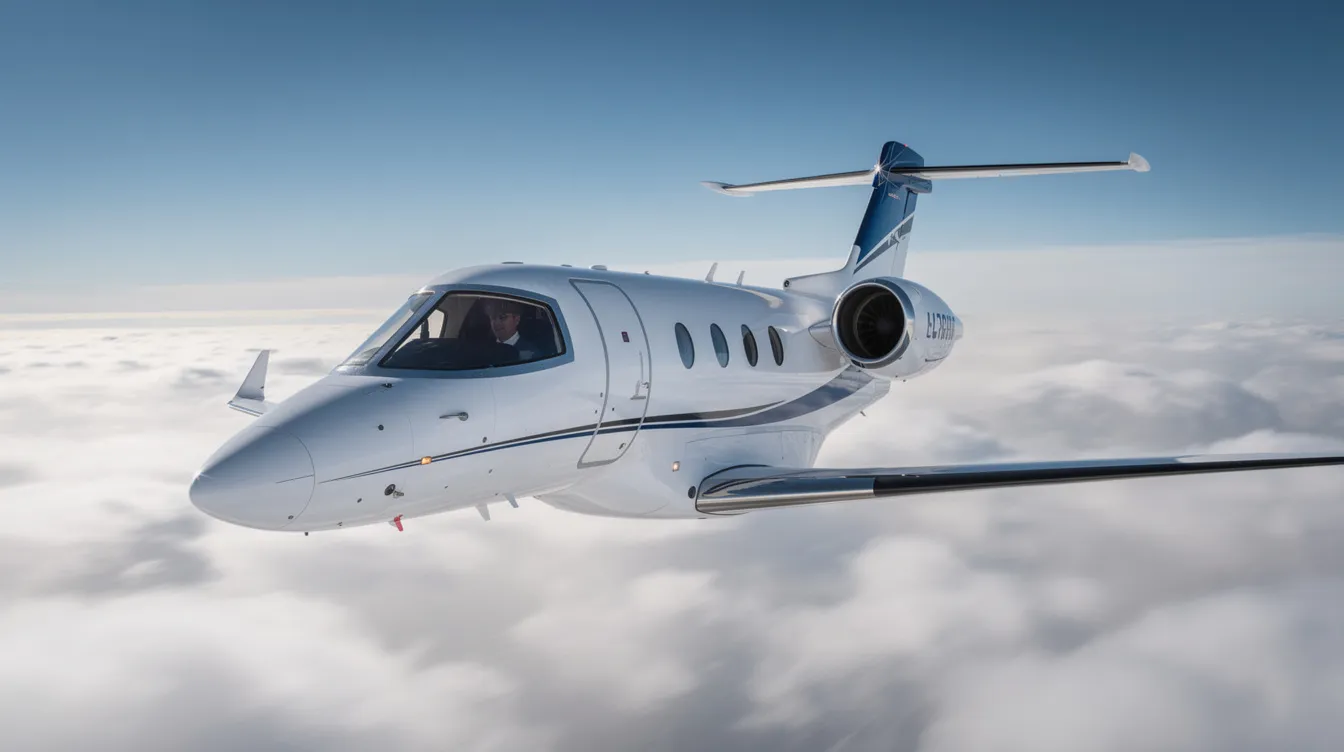
The guide on microjet aircraft highlights their significance in advancing jet-powered flight for private pilots and aviation enthusiasts, emphasizing their role in innovation and efficiency within the aerospace sector. Microjets, which include small jet-powered aircraft and sailplanes, are primarily used for training, research, and recreational purposes rather than commercial travel. While they are not typically available for charter, advancements in microjet technology influence broader aviation trends, including the development of light jets and digital charter platforms like Jettly, which provide access to a wide range of aircraft. Overall, microjets represent a niche yet impactful segment of modern aviation, driving improvements in propulsion, materials, and operational efficiency.
Jay Franco Serevilla
Jun 15, 2026
|
5
min read

View all
Jettly offers a streamlined solution for U.S. travelers seeking private charter flights to Cuba, providing direct access to various destinations on the island while ensuring compliance with legal requirements. The platform connects users to over 20,000 aircraft, allowing for flexible itineraries that can accommodate business, family visits, and leisure trips. Key advantages include time savings, privacy, and the ability to access smaller airports that commercial airlines do not serve. Jettly simplifies the booking process with instant pricing and expert support, making it easier for travelers to navigate the complexities of chartering flights to Cuba.
Jay Franco Serevilla
Jun 15, 2026
|
5
min read
View all
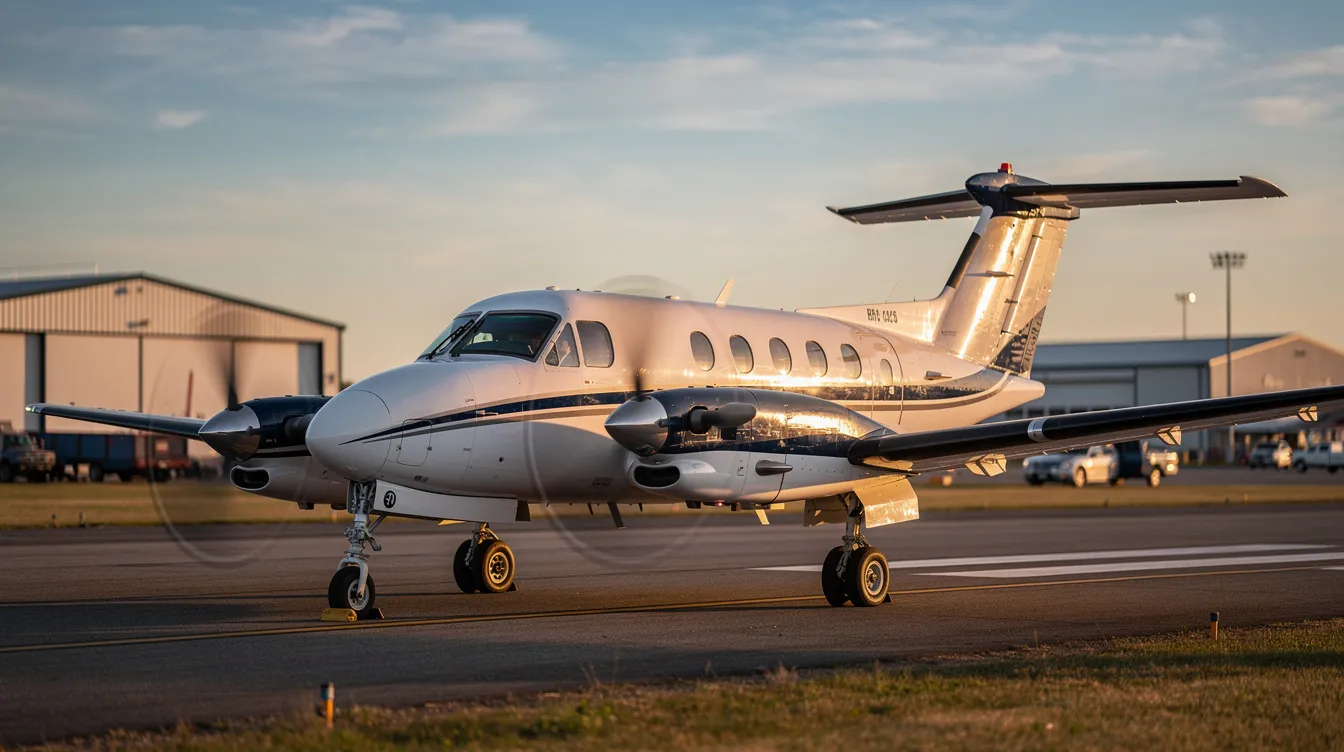
The Beechcraft King Air C90A is a versatile turboprop aircraft ideal for regional charter travel, accommodating four to six passengers with a maximum cruise speed of 223 knots and a range of approximately 840 nautical miles. Known for its twin-engine reliability and pressurized cabin, it can access smaller airports that many jets cannot, making it a practical choice for various missions, including corporate travel and air ambulance services. Chartering a C90A through Jettly is often more cost-effective than ownership, with hourly rates ranging from $1,200 to $1,500. The aircraft's efficiency and ability to operate from shorter runways enhance its appeal for travelers seeking affordable and flexible private aviation options.
Jay Franco Serevilla
Jun 15, 2026
|
5
min read

View all
New Orleans Lakefront Airport (KNEW) offers private jet travelers a convenient and quieter entry point to New Orleans, located just five miles from downtown. The airport features a restored Art Deco terminal, modern FBO services, and reduced congestion compared to Louis Armstrong New Orleans International Airport (MSY), making it ideal for quick access to major events. Jettly provides on-demand private jet charter services to and from Lakefront Airport, allowing travelers to compare aircraft options and pricing easily. With its historical significance and efficient operations, KNEW is a preferred choice for both business and leisure flights into the city.
Jay Franco Serevilla
Jun 15, 2026
|
5
min read
Explore our latest articles and updates.

5
min read
Single-Person Helicopter: Ultralight, Single-Seat, and Personal Rotorcraft Guide
Single-person helicopters, including ultralight and experimental models, are becoming increasingly accessible for aviation enthusiasts. This guide explores their features, regulations, and the pros and cons of ownership versus chartering through platforms like Jettly. With options ranging from affordable kits to advanced turbine models, aspiring pilots can find a suitable entry point into personal aviation.
Read More
5
min read
Small Helicopter Guide: Ultralight, Experimental, and Charter Options
This guide explores small helicopters, including ultralight, experimental, and charter options, highlighting their unique advantages for personal and professional use. It covers regulations, costs, and performance metrics, providing insights for potential owners and charter users alike.
Read MoreJoin our community and receive the latest blog updates directly in your inbox.
MEMBERSHIPS AND ASSOCIATIONS



Disclaimer: Jettly operates as a charter broker, offering access to a global digital jet charter marketplace. Jettly is not a direct air carrier and does not own or operate aircraft. All advertised flights are conducted by third-party air carriers that are fully licensed and hold the appropriate Part 135 or Part 121 certifications issued by the Federal Aviation Administration (FAA) or equivalent regulatory authorities under U.S. or foreign law. Jettly complies fully with the U.S. Department of Transportation's Part 295 and Part 298 Charter Broker regulations. Jettly does not carry additional liability insurance. Passengers are covered by aircraft operator insurance. TICO: 50023770


